15 Gorgeous Kids Bedroom Decor Ideas That Are Totally Doable
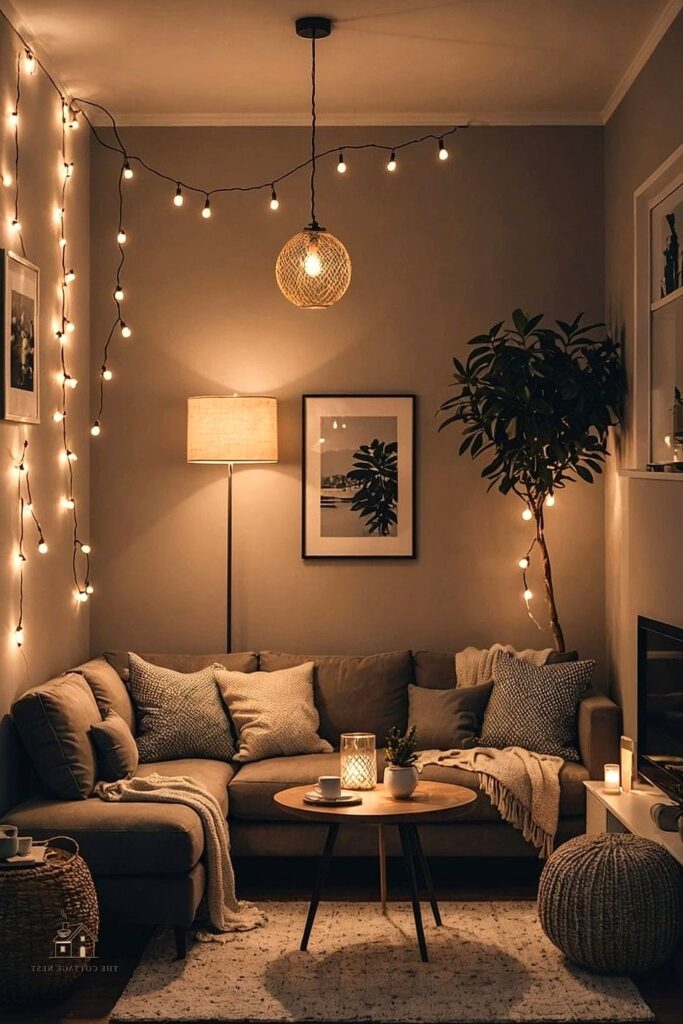
- A Statement Accent Wall
- A Reading Nook With Floor Cushions
- Open Shelving for Favorite Toys
- A Canopy Bed for Instant Whimsy
- A Gallery Wall of Kid-Approved Art
- A Neutral Base With Colorful Accents
- A Themed Rug as the Anchor Piece
- Built-In Storage Benches
- A Ceiling Light Upgrade
- A Chalkboard or Whiteboard Wall
- A Cozy Window Seat
- Wall Decals for Renter-Friendly Style
- A Dedicated Art and Craft Corner
- Layered Textiles for Coziness
- Personalized Name Art or Signage
15 Gorgeous Kids Bedroom Decor Ideas That Are Totally Doable
Kids’ rooms get a bad reputation for being chaotic, but they don’t have to be. With a little planning, you can create a space that’s playful, functional, and actually looks pulled together. The trick is picking ideas that grow with your child instead of ones you’ll be redoing in two years.
I’ve pulled together fifteen ideas that balance style with real-life practicality. Some are weekend projects, others are simple swaps you can knock out in an afternoon. All of them are genuinely doable, even if you’re not the DIY type.
A Statement Accent Wall
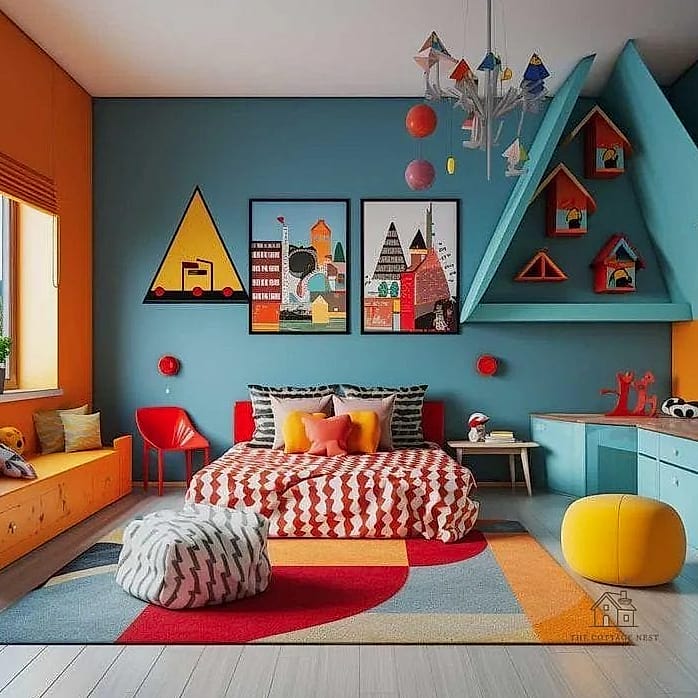
One accent wall can completely change the mood of a room without the commitment of painting all four walls. Think soft sage green, a warm terracotta, or even a bold navy if your kid is drawn to darker tones.
This works especially well behind the bed as a backdrop. Wallpaper is another option here, and peel-and-stick versions make it renter-friendly and low-risk if you’re worried about commitment.
Kids tend to gravitate toward color more than adults expect, so don’t be afraid to go a shade bolder than you’d choose for your own bedroom.
A Reading Nook With Floor Cushions
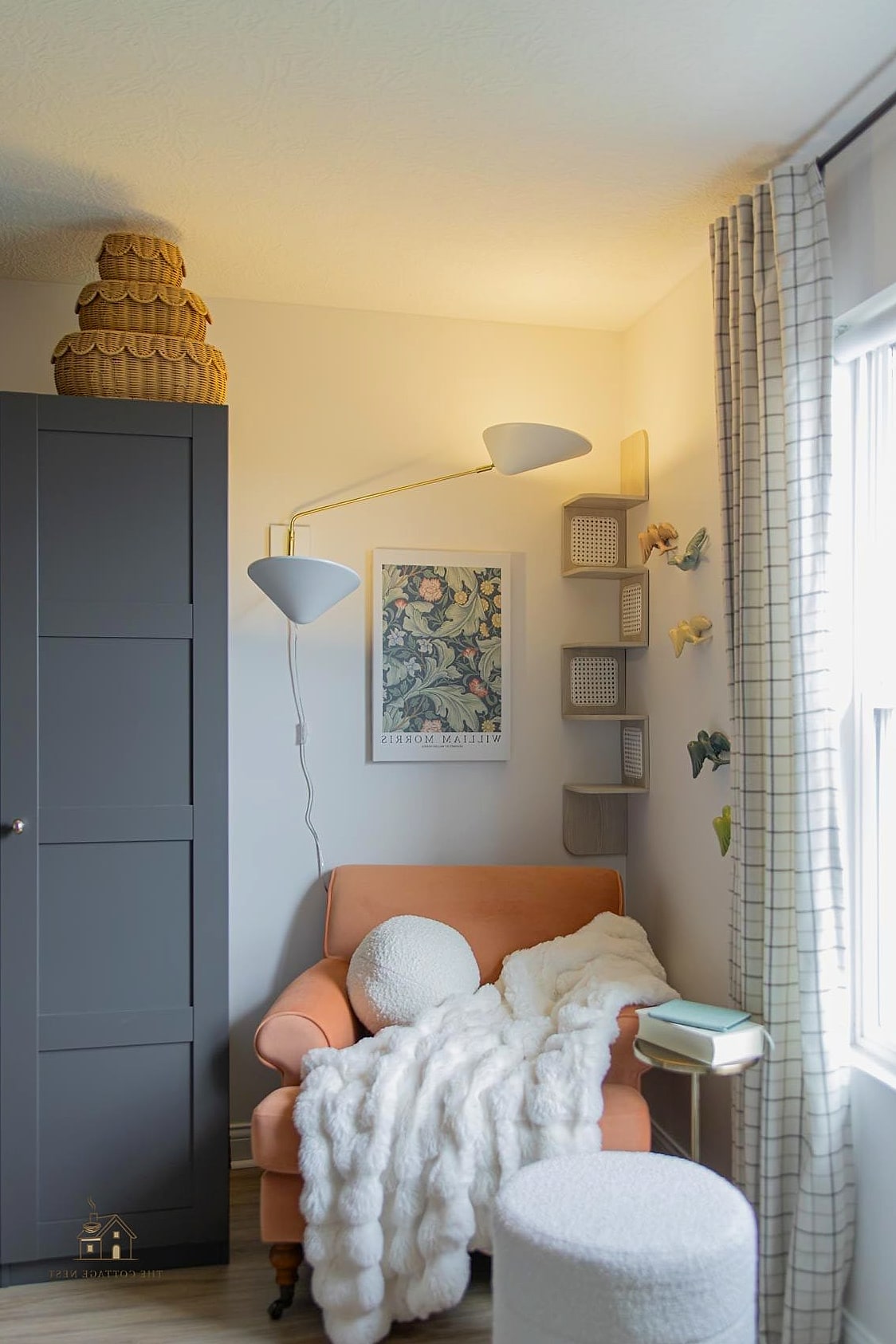
Carve out a small corner with a low bookshelf, some floor cushions, and a soft rug. This gives kids a dedicated spot to unwind that isn’t the bed, which honestly helps with better sleep habits too.
String lights or a small clip-on lamp add warmth without needing an electrician. Keep the book selection rotating so the space stays interesting instead of static.
This idea works in even the smallest bedrooms since it doesn’t require much square footage, just a cozy corner.
Open Shelving for Favorite Toys
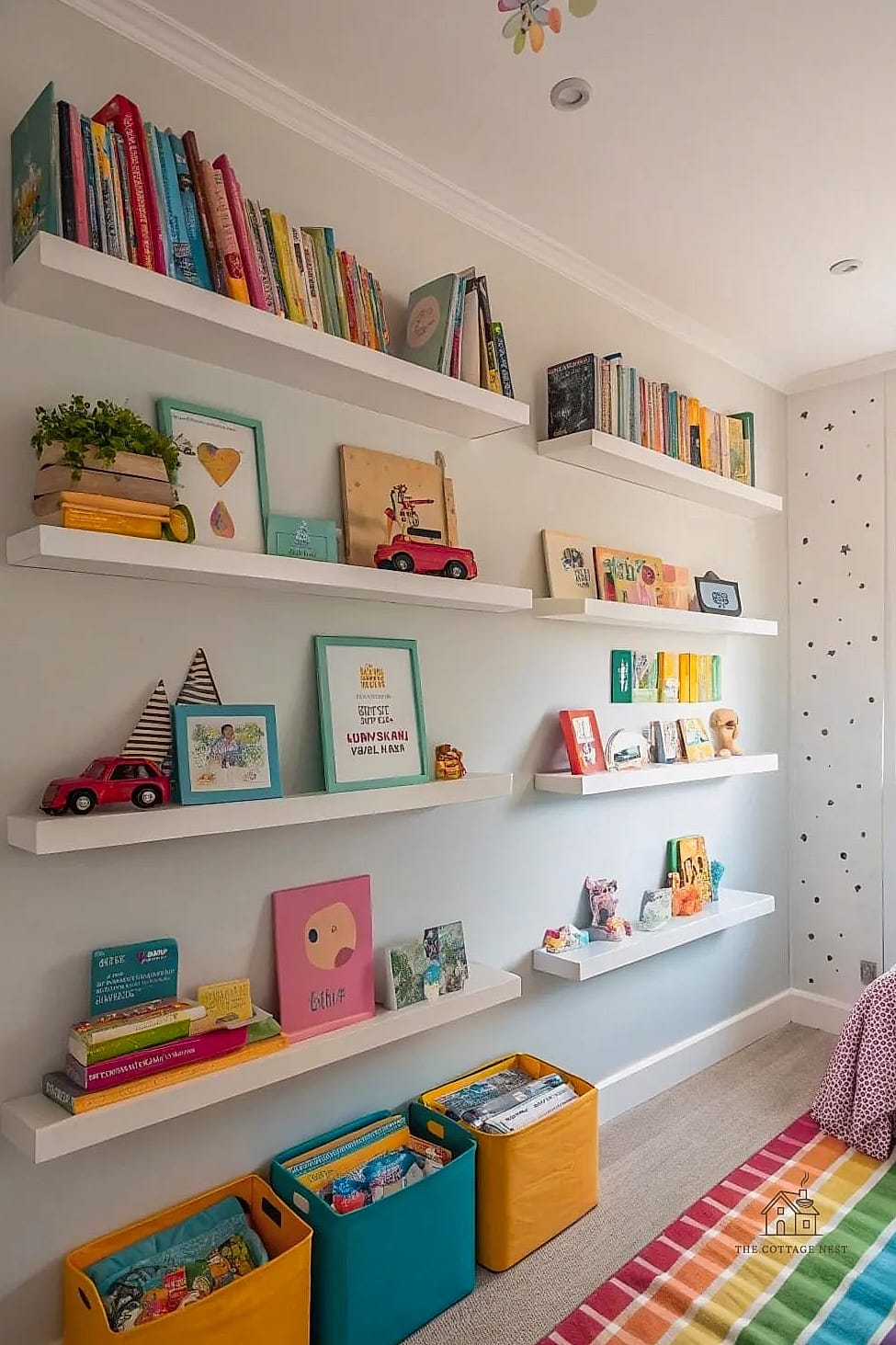
Open shelving turns toys into decor instead of clutter. Displaying a few favorite stuffed animals, books, or trinkets on floating shelves makes the room feel curated rather than crammed.
Group items by color or size for a more polished look. This is also a great way to rotate toys in and out, keeping things fresh without buying anything new.
Just keep shelves at a height kids can actually reach, since the goal is independence, not another thing for you to manage.
A Canopy Bed for Instant Whimsy
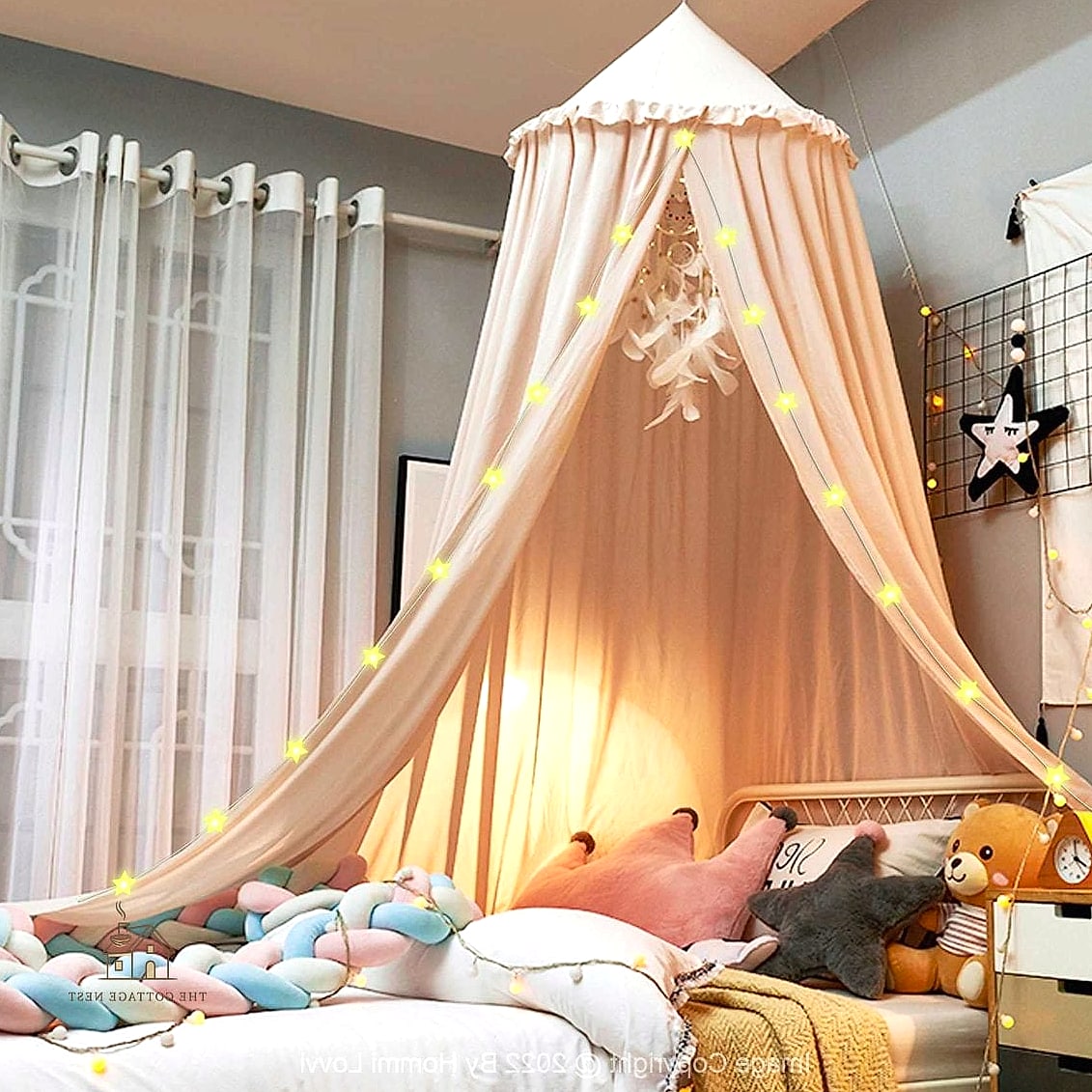
A canopy adds drama and softness without a full bedroom overhaul. You can go with a simple sheer fabric draped over a frame, or a more structured tent-style canopy for younger kids who love a fort-like feel.
This pairs beautifully with fairy lights tucked into the fabric folds. It’s an easy way to make a basic bed frame feel special, and most canopy kits are budget-friendly.
Older kids might prefer something more subtle, like a single canopy panel rather than full coverage.
A Gallery Wall of Kid-Approved Art
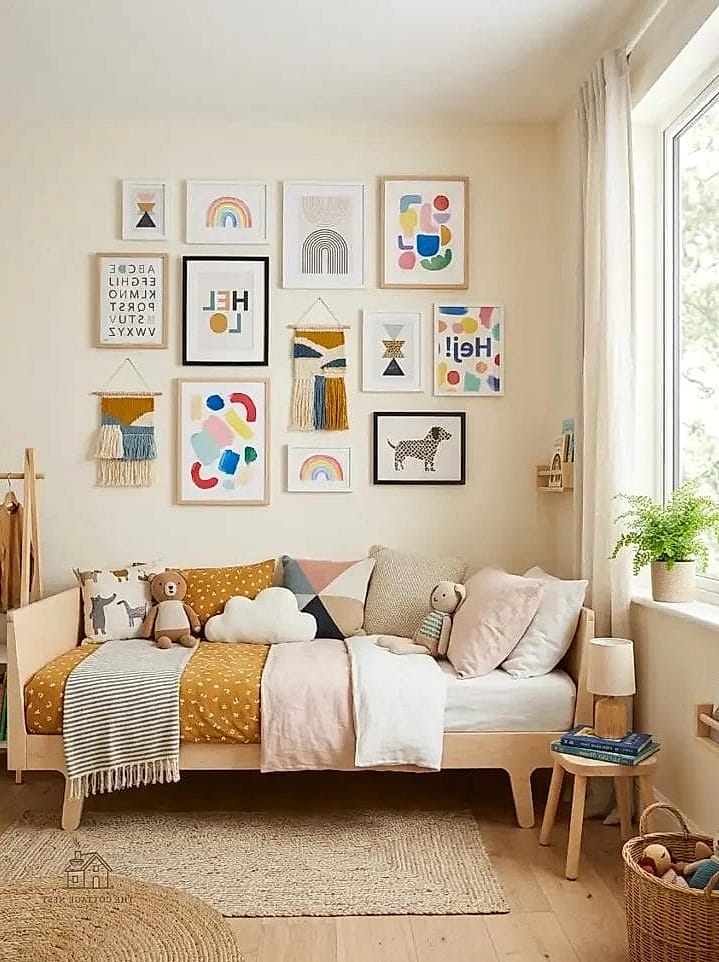
Skip the generic framed prints and let your child’s own artwork take center stage. Mix in a few printed illustrations, their name in typography, or a favorite quote for variety.
Uniform frames in white or black create cohesion even when the art itself is playful and mismatched. Rotate pieces every few months so the wall keeps evolving with them.
This is one of those upgrades that instantly makes a room feel more personal without requiring much effort or money.
A Neutral Base With Colorful Accents
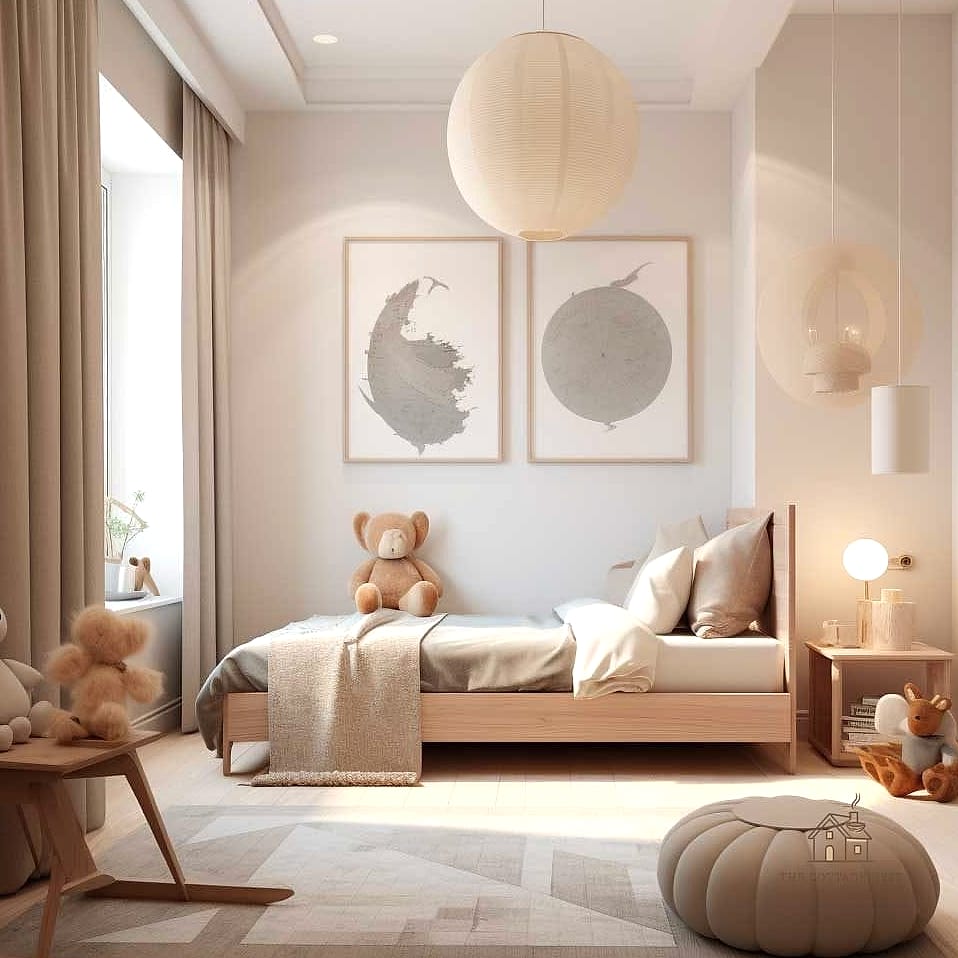
If you want a room that lasts through multiple phases, start with a neutral color palette for big furniture pieces like the bed frame, dresser, and rug. Then layer in color through pillows, art, and smaller accessories.
This approach saves money long-term since you’re not repainting or replacing furniture every time interests shift. When the obsession moves from dinosaurs to space, you just swap the throw pillows and a few prints.
It’s a smart, practical foundation dressed up with personality on top.
A Themed Rug as the Anchor Piece
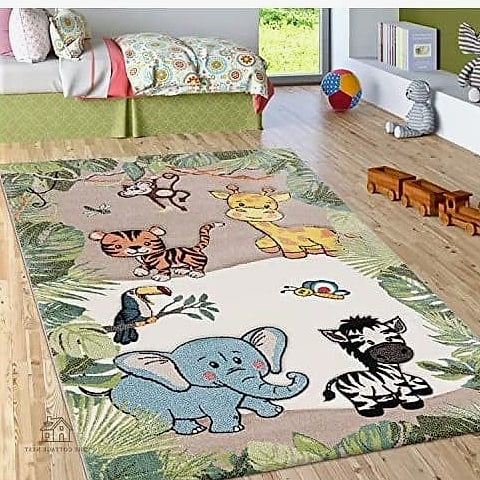
A rug can do a lot of heavy lifting in a kids’ room. Whether it’s a subtle geometric pattern, a soft cloud shape, or a fun world map design, the rug often sets the tone for everything else.
Choose something durable and easy to clean since spills are inevitable. Low-pile options are generally easier to maintain than shag styles in high-traffic bedrooms.
Layering a smaller playful rug over a larger neutral one is also a nice way to add texture without overwhelming the space.
Built-In Storage Benches
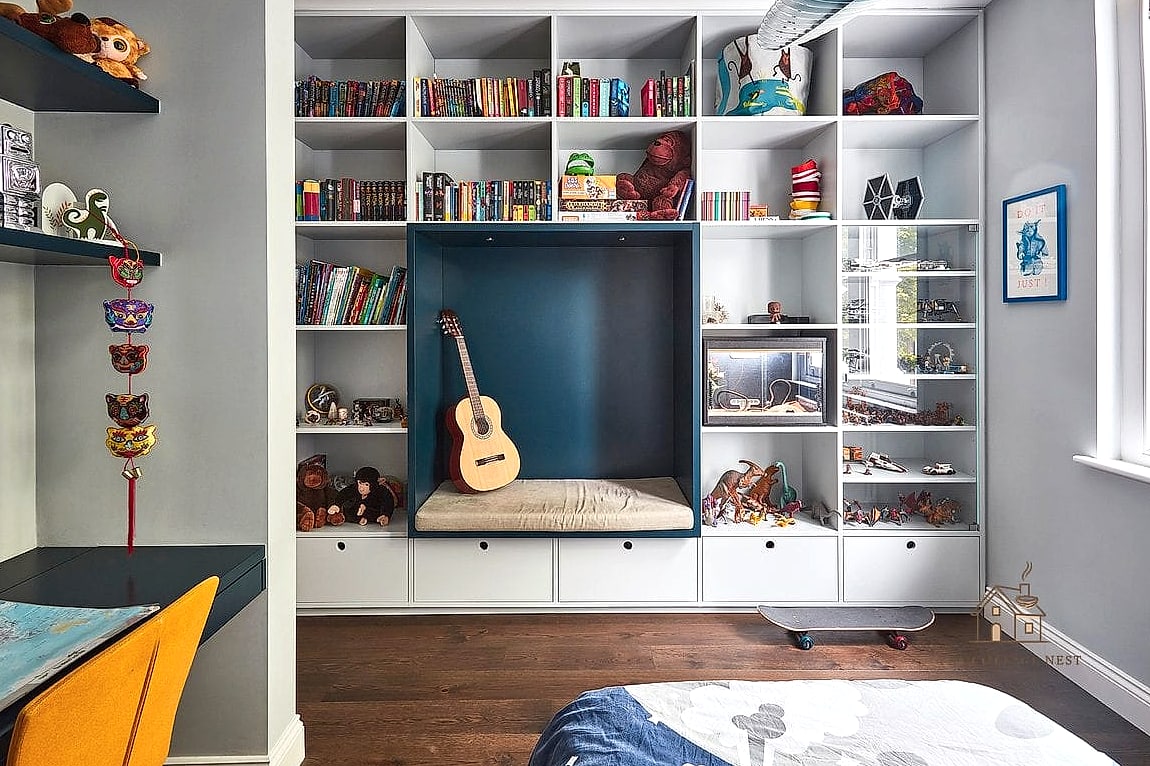
A storage bench under the window or at the foot of the bed adds seating and hides clutter in one move. Toss in some baskets or bins inside for smaller items like puzzles or art supplies.
This is especially helpful in smaller bedrooms where floor space is limited. Cushion the top with a soft fabric that matches the room’s palette, and it doubles as extra seating for friends.
Built-in storage tends to feel more intentional than freestanding toy chests, which can look bulky over time.
A Ceiling Light Upgrade
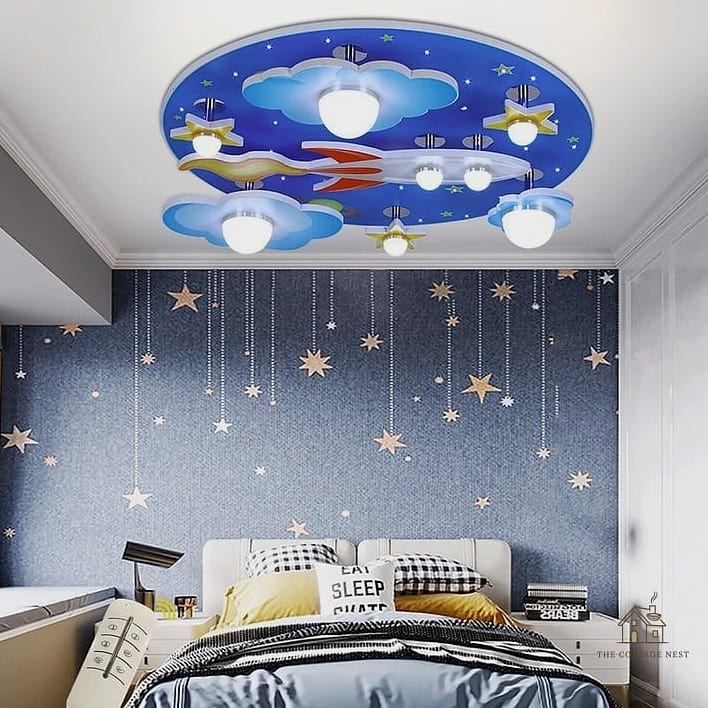
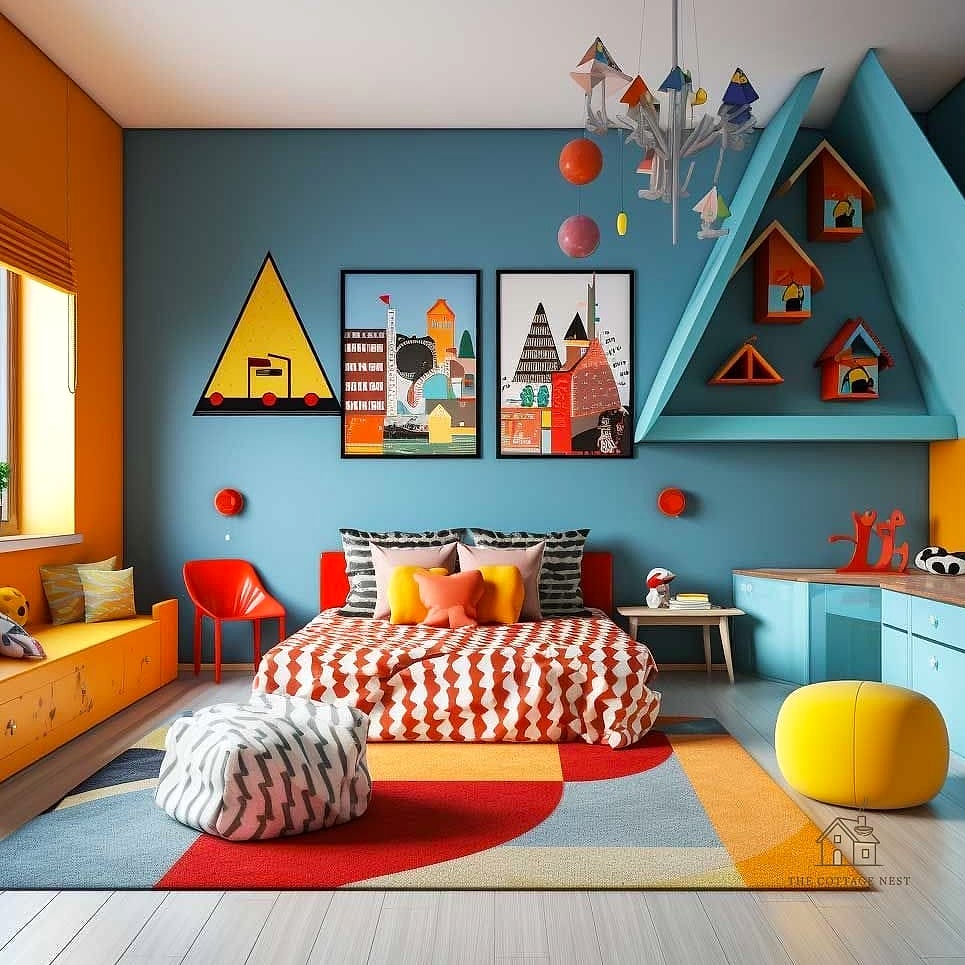
The overhead light fixture is one of the most overlooked details in kids’ rooms. Swapping a basic builder-grade fixture for something with personality, like a soft globe pendant or a playful geometric shape, elevates the whole room instantly.
Layered lighting matters too. Pair the overhead fixture with a bedside lamp or dimmable string lights for softer evening light that makes bedtime transitions easier.
This is a small change, but it’s one of those details that makes a room feel finished rather than builder-basic.
A Chalkboard or Whiteboard Wall
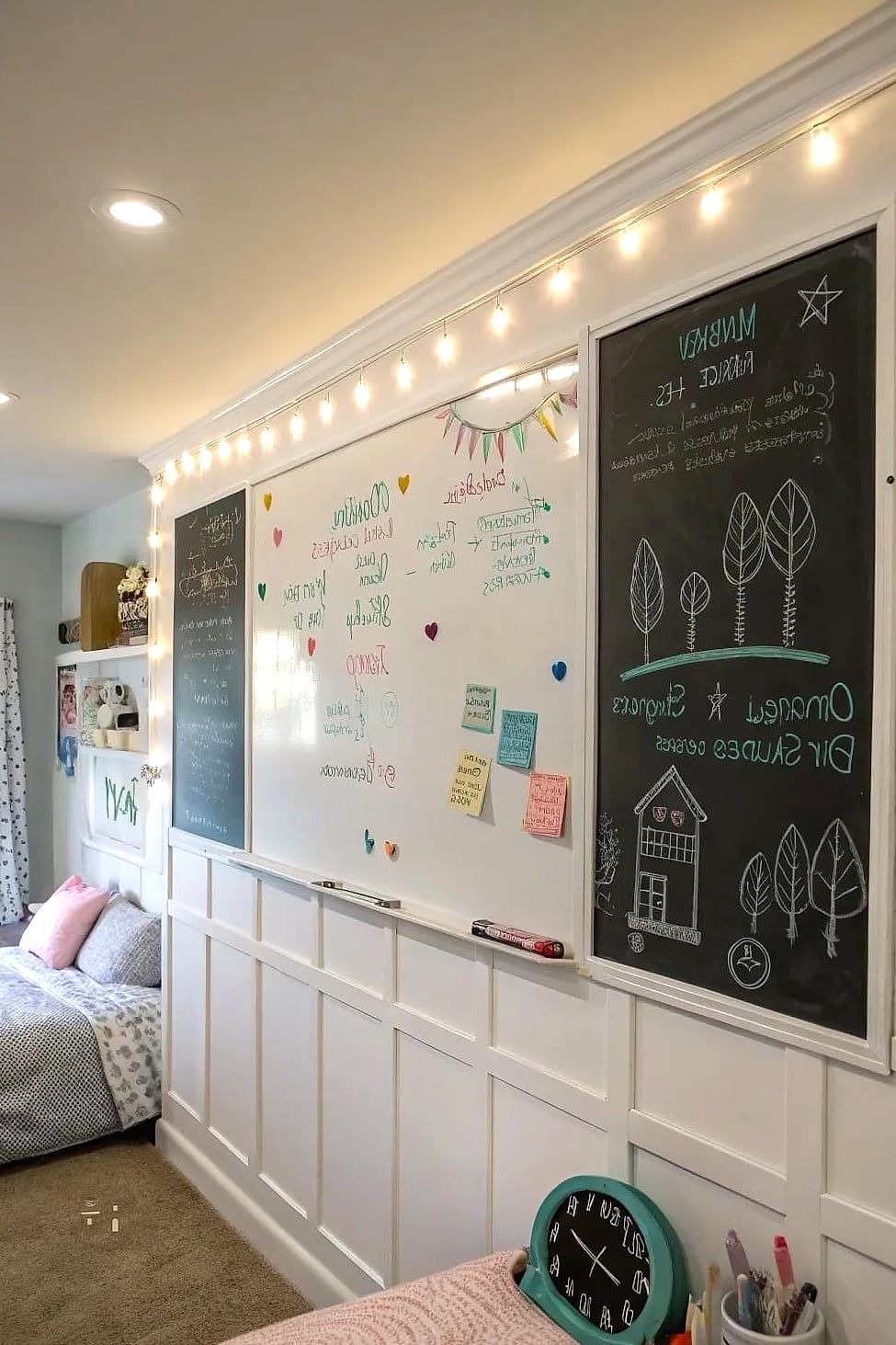
A small section of chalkboard or whiteboard paint gives kids a spot to draw, doodle, or leave notes without marking up the actual walls. It’s functional, creative, and genuinely fun for most kids.
This works well near a desk area or even as a fun accent behind a bookshelf. It’s a low-cost project, usually just a can of specialty paint and an afternoon.
Just keep it contained to one section rather than a full wall, so the room doesn’t feel like a classroom.
A Cozy Window Seat
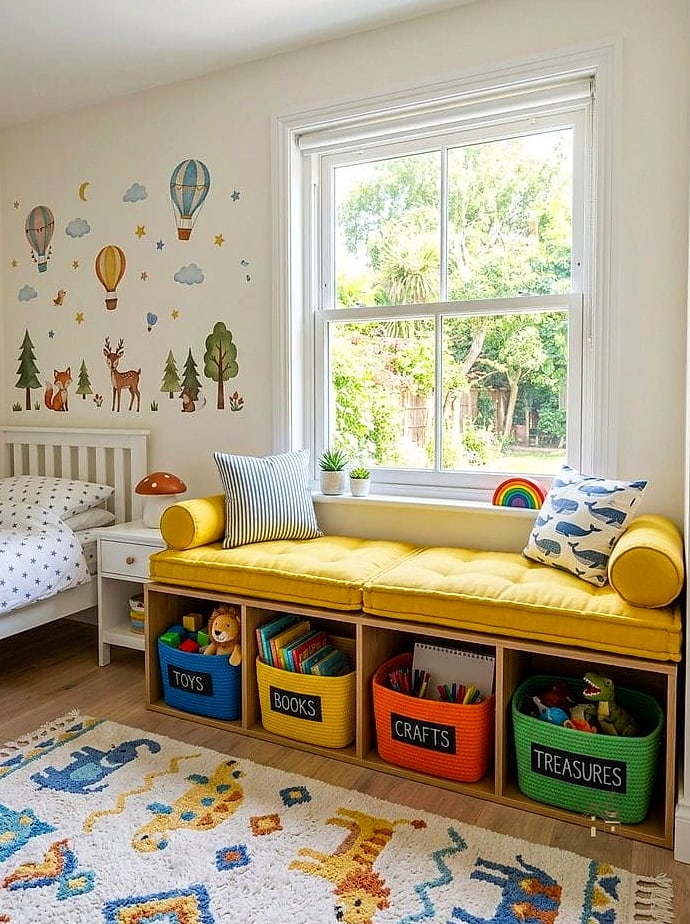
If your kid’s room has a window with enough depth, a window seat is one of the most charming additions you can make. Add a cushion, a few throw pillows, and maybe a small shelf for books nearby.
Natural light plus a comfortable seat creates a spot kids actually want to use, whether for reading, daydreaming, or people-watching. Even a simple DIY version using plywood and foam padding gets the job done.
This idea works especially well in older homes with deeper window sills, but it can be recreated in most spaces with a little creativity.
Wall Decals for Renter-Friendly Style
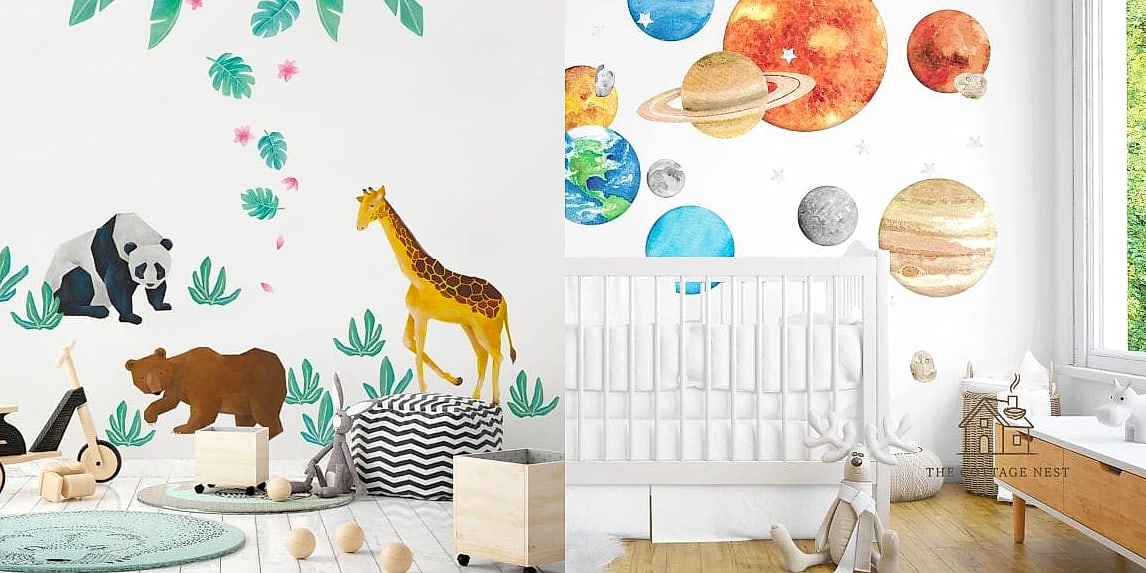
Removable wall decals are perfect if you’re renting or just not ready to commit to paint or wallpaper. Options range from subtle botanical designs to full murals like mountains, stars, or animals.
They go up easily and come down clean, which makes them ideal for kids who change their minds often. Decals also let you test out a design direction before investing in something more permanent.
This is a genuinely renter-friendly, family-friendly solution that doesn’t sacrifice style for practicality.
A Dedicated Art and Craft Corner
Set aside a small area with a low table, some floor cushions or a kid-sized chair, and easy-access storage for supplies. Clear bins or drawer organizers work well here since kids can see what’s inside without digging through everything.
Keep messier supplies like paint or markers in closed bins to protect the rest of the room. This corner encourages independent play and keeps craft chaos contained to one spot.
A vinyl or easy-to-wipe rug underneath makes cleanup less stressful for everyone involved.
Layered Textiles for Coziness
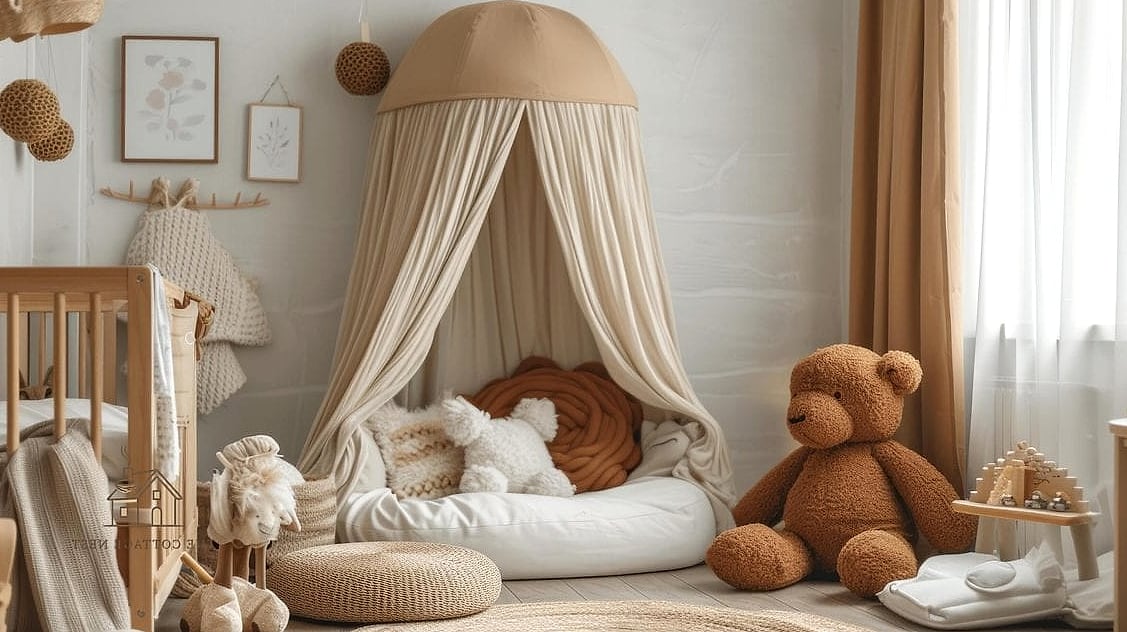
Mixing textures like a knit throw, a woven basket, a soft rug, and patterned pillows makes a room feel warm and lived-in rather than sparse. This is an easy way to add personality without touching paint or furniture.
Stick to a cohesive color story so the layers feel intentional rather than mismatched. Two or three complementary patterns is usually the sweet spot before it starts feeling busy.
This approach is also budget-friendly since textiles are one of the cheaper ways to refresh a room’s look.
Personalized Name Art or Signage
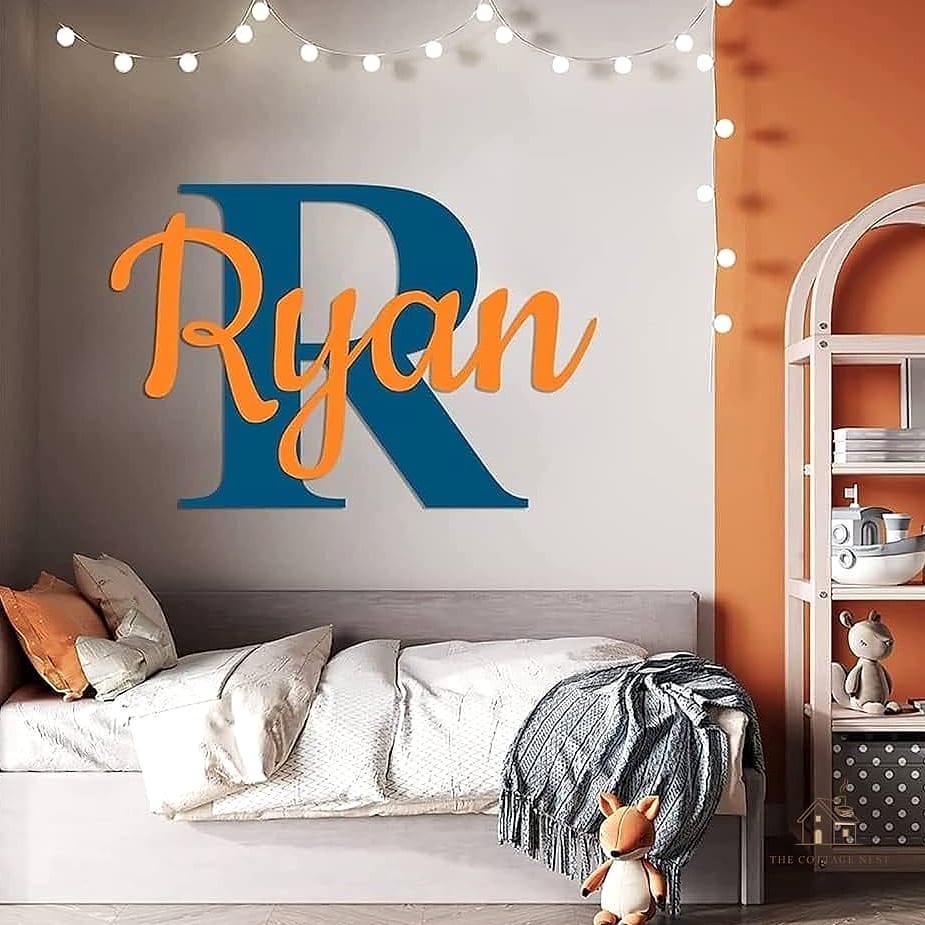
A custom name sign above the bed or on the wall adds a personal touch that feels special without being overly themed. This can be wood letters, a painted canvas, or even a neon-style sign for older kids.
It’s a nice focal point that doesn’t compete with other decor, and it tends to age well since names don’t go out of style the way trends do.
This is a simple detail, but it’s often the one guests notice first when they walk into the room.
Final Thoughts
Decorating a kids’ bedroom doesn’t have to mean choosing between style and practicality. The best rooms usually mix a few statement pieces, like a canopy bed or accent wall, with smart, functional choices like built-in storage and layered lighting.
Start with one or two ideas from this list rather than trying to do everything at once. A room comes together more naturally when it evolves over time instead of all at once, and honestly, that’s part of the fun of decorating a space your kid will actually grow into.