30 Clever Perennial Garden Ideas for Every Style
- Classic Cottage Border
- Drought-Tolerant Rock Garden
- Shade Garden Retreat
- Pollinator Power Border
- Monochromatic White Garden
- Layered Height Border
- Low-Maintenance Groundcover Sweep
- Cutting Garden for Fresh Bouquets
- Modern Minimalist Grasses
- Woodland Edge Planting
- Raised Bed Perennial Garden
- Cool-Toned Blue and Purple Palette
- Hot Color Border
- Vertical Trellis Garden
- Herb and Perennial Combo Bed
- Container Perennial Garden
- English Garden Style
- Xeriscape-Friendly Native Plant Bed
- Fragrant Garden Near Windows or Doors
- Rain Garden with Moisture-Loving Perennials
- Symmetrical Formal Garden
- Butterfly Garden Corner
- Perennial Border Along a Fence
- Rock Wall Cascading Garden
- Japanese-Inspired Perennial Garden
- Perennial Meadow Look
- Foundation Planting Refresh
- Perennial Garden with Edging Definition
- Seasonal Succession Garden
- Small Space Corner Garden
30 Clever Perennial Garden Ideas for Every Style
Perennial gardens are one of those projects that keep paying you back year after year. Plant them once, tend them a little, and you get color and texture that returns every single season without starting from scratch. Whether you’ve got a huge backyard or a narrow side yard that never gets used, there’s a perennial layout that fits your space and your style.
I’ve pulled together thirty ideas that cover everything from cottage-style chaos to clean modern lines, so you can find something that actually matches how you live and how much time you want to spend outside with a trowel.
Classic Cottage Border
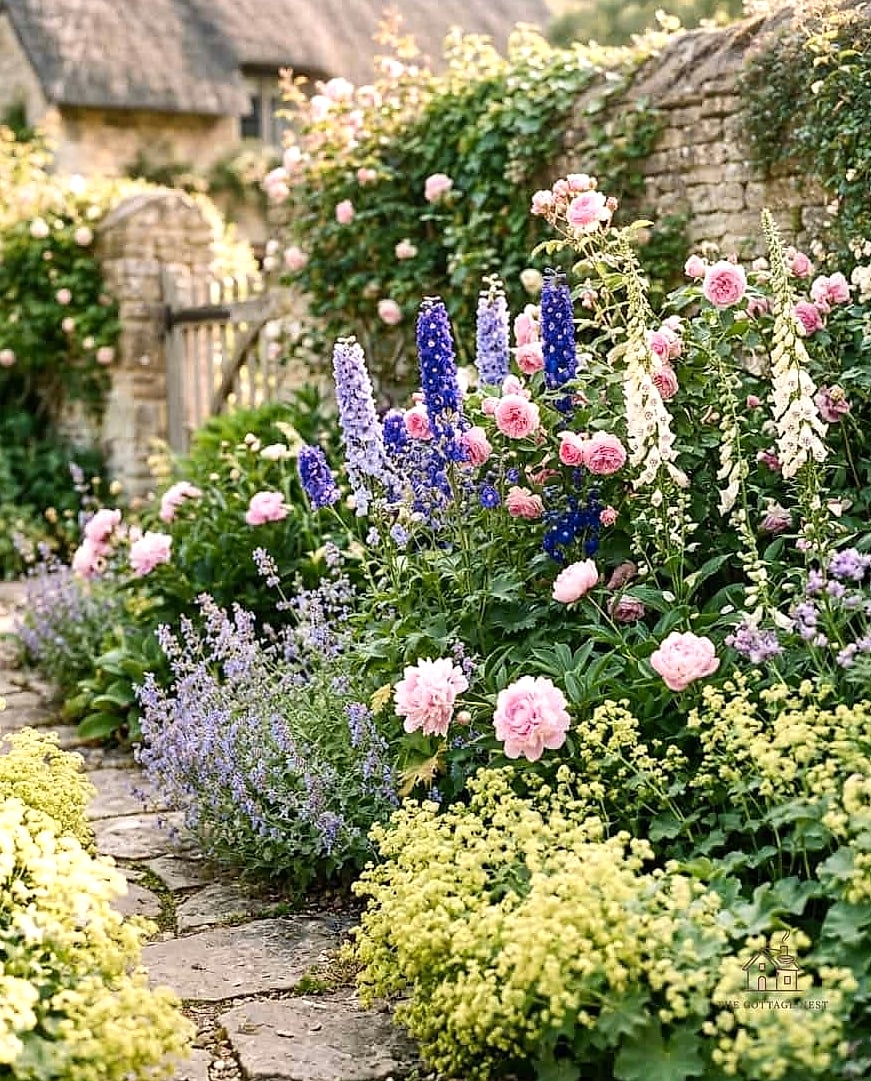
This is the overflowing, romantic look with plants spilling over the edges of the path. Think coneflowers, phlox, and catmint packed in tight so there’s barely any visible soil. It works best along a front walkway or fence line where you want that lived-in, grown-in feel. The trade-off is upkeep — you’ll be dividing and thinning plants every couple of years to keep it from taking over.
Drought-Tolerant Rock Garden
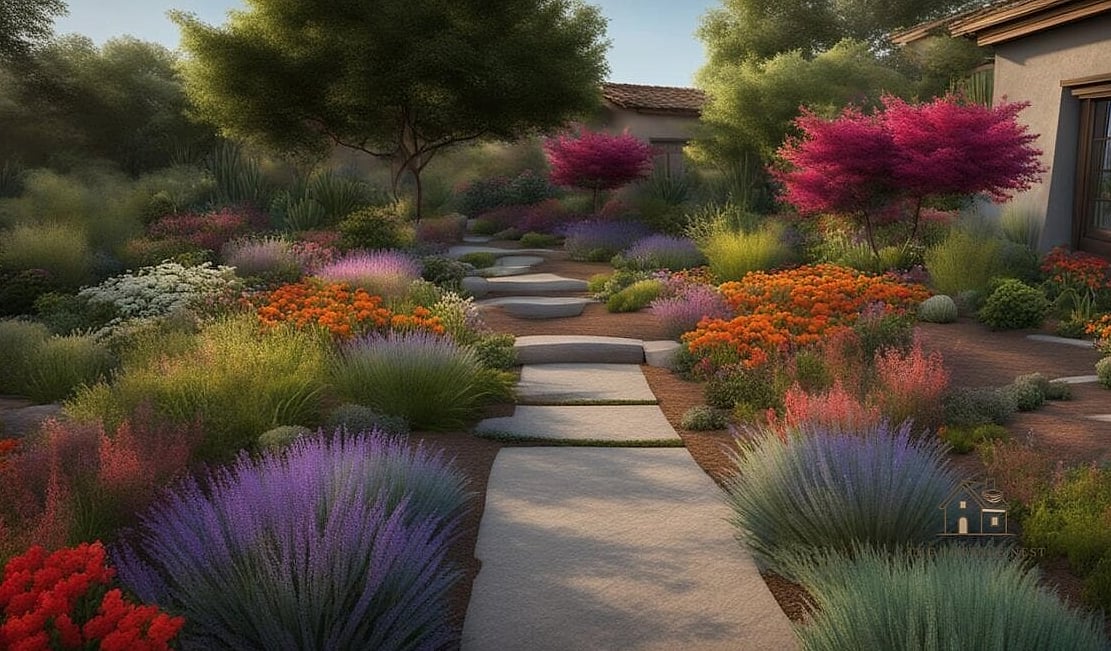
Pair perennials like sedum, yarrow, and lavender with gravel mulch and a few larger stones for structure. This setup is perfect for sunny spots with poor soil, and it barely needs watering once established. It’s also one of the more budget-friendly options since gravel is cheap and these plants don’t need much fussing over.
Shade Garden Retreat
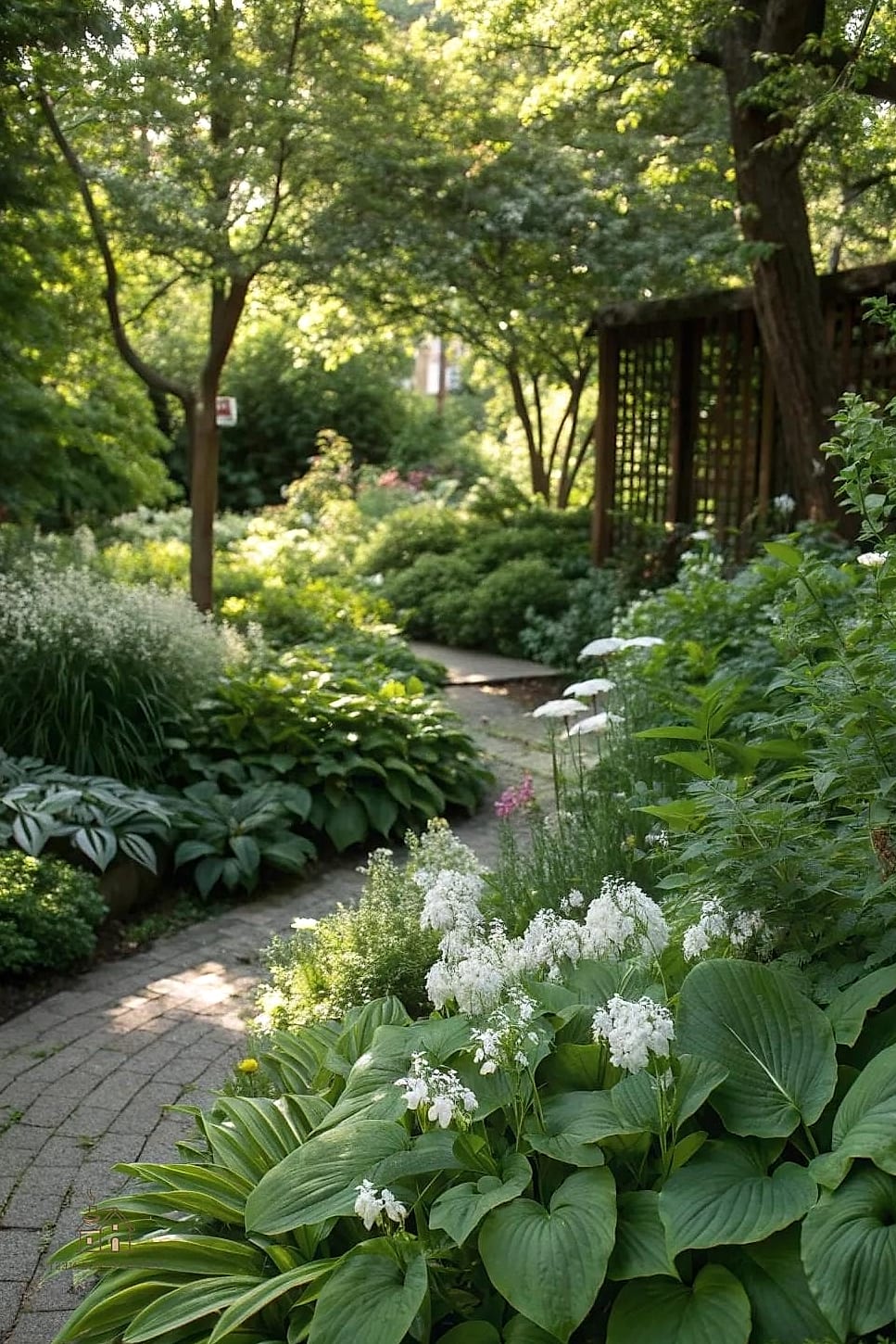
Not every yard gets full sun, and that’s fine. Hostas, ferns, and astilbe thrive in shady corners and bring a cool, layered look to spaces under trees or along a north-facing wall. This is a great option for anyone dealing with a patchy lawn under mature trees — swap the grass struggle for something that actually wants to grow there.
Pollinator Power Border
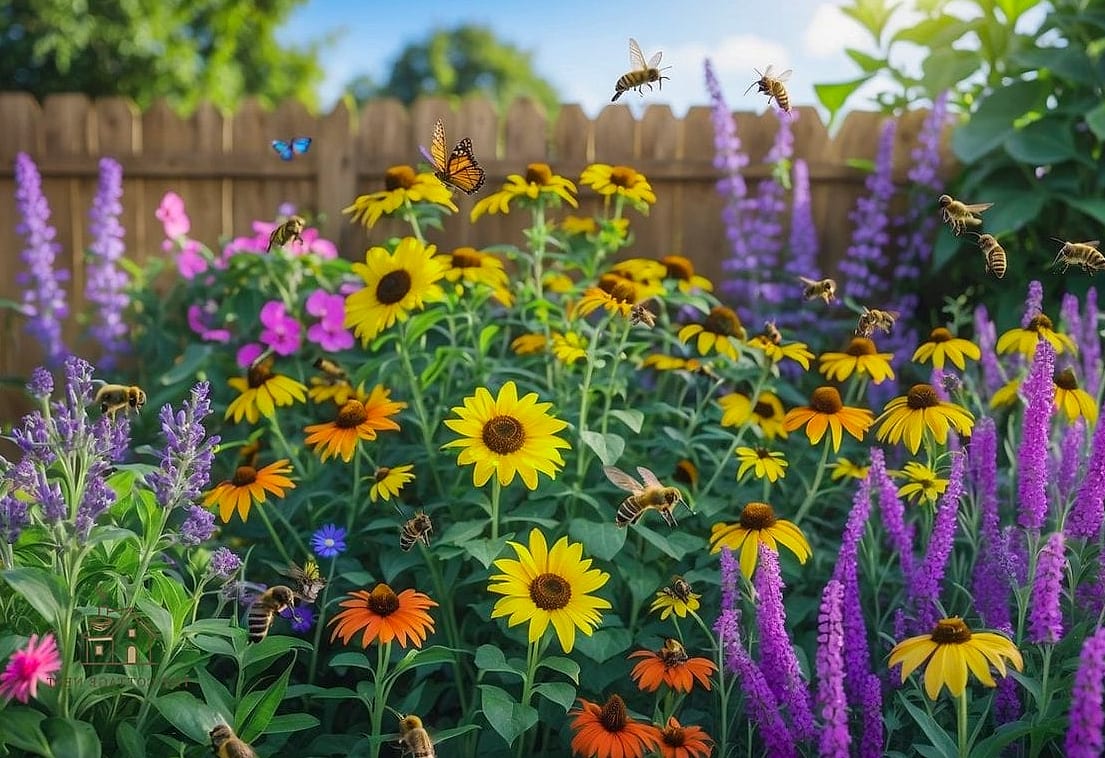
Fill a sunny strip with bee balm, black-eyed Susan, and milkweed to turn your yard into a rest stop for bees and butterflies. This idea works well along a back fence or property line where you want color without a lot of formal shaping. Homeowners love it because it feels like you’re doing something good for the environment while still getting a gorgeous view from the kitchen window.
Monochromatic White Garden
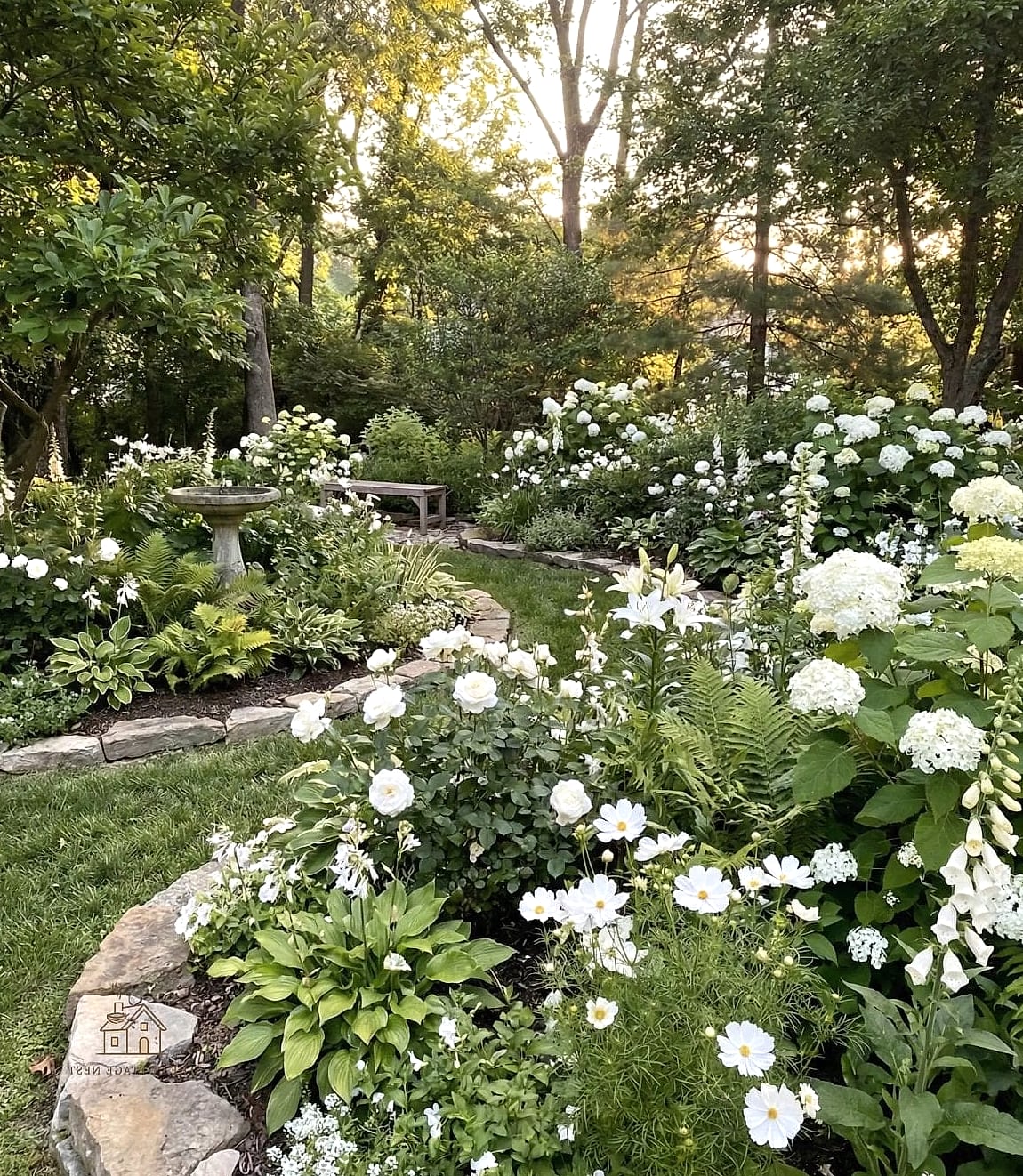
An all-white perennial palette using shasta daisies, white coneflower, and baptisia reads as elegant and calm, almost glowing at dusk. This works especially well near patios or outdoor dining areas where you’re sitting in the evening. It’s a more curated look, so plan on a bit more maintenance to keep off-color volunteers from sneaking in.
Layered Height Border
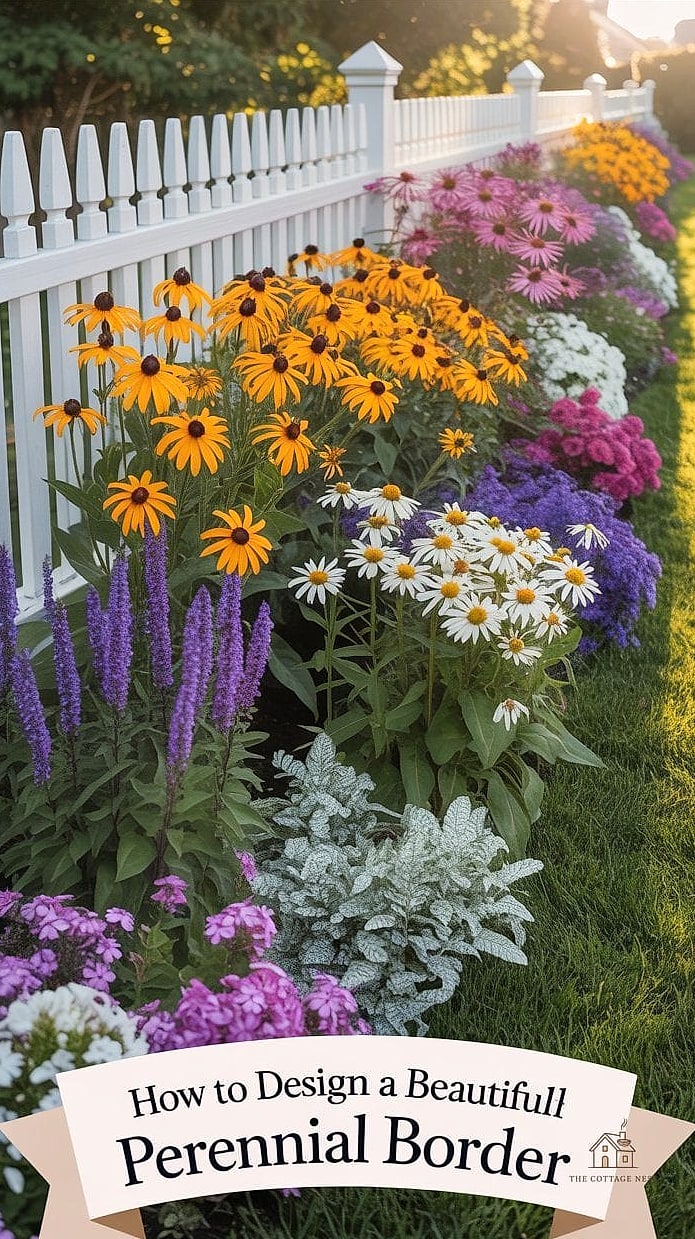
Arrange perennials by height, with tall plants like delphinium in back, mid-height salvia in the middle, and low-growing creeping phlox up front. This tiered approach makes narrow beds along a house foundation look intentional instead of flat. It’s a classic technique, but it makes a real difference in how professional the whole bed looks from the street.
Low-Maintenance Groundcover Sweep
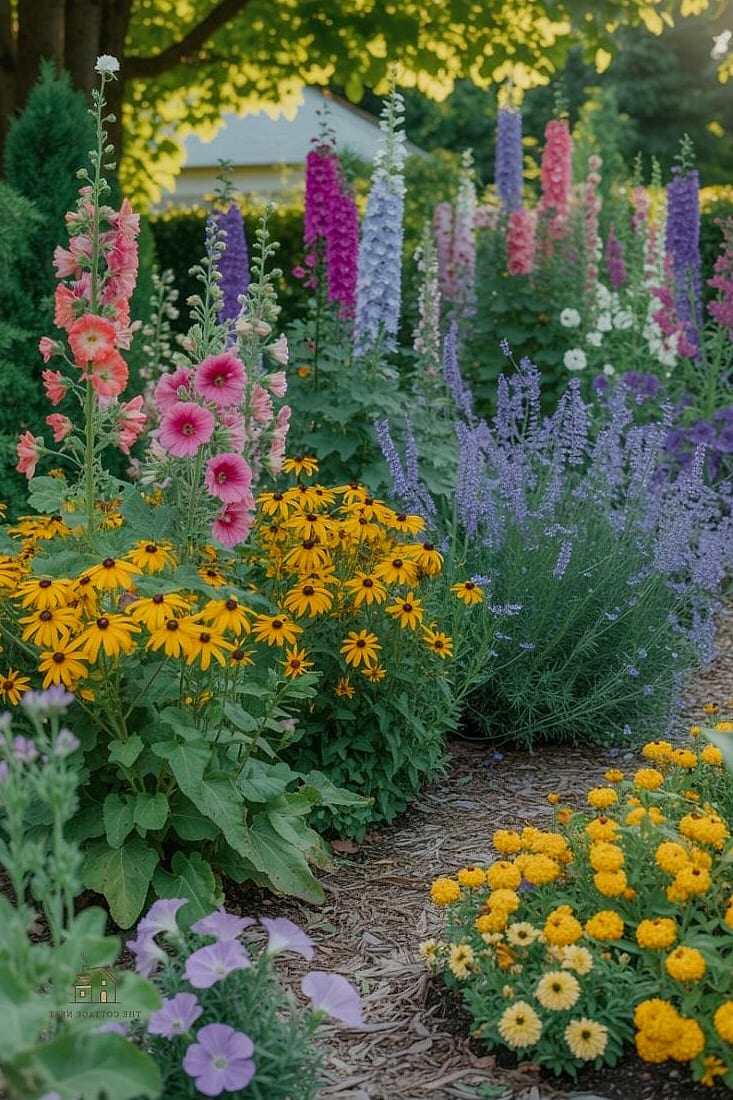
Skip the individual plants and go wide with creeping thyme, sedum, or lamb’s ear covering large areas. This is ideal for slopes or spots where mowing is a pain. Once it fills in, weeding drops way down, which makes it a favorite for people who want a garden that mostly takes care of itself.
Cutting Garden for Fresh Bouquets
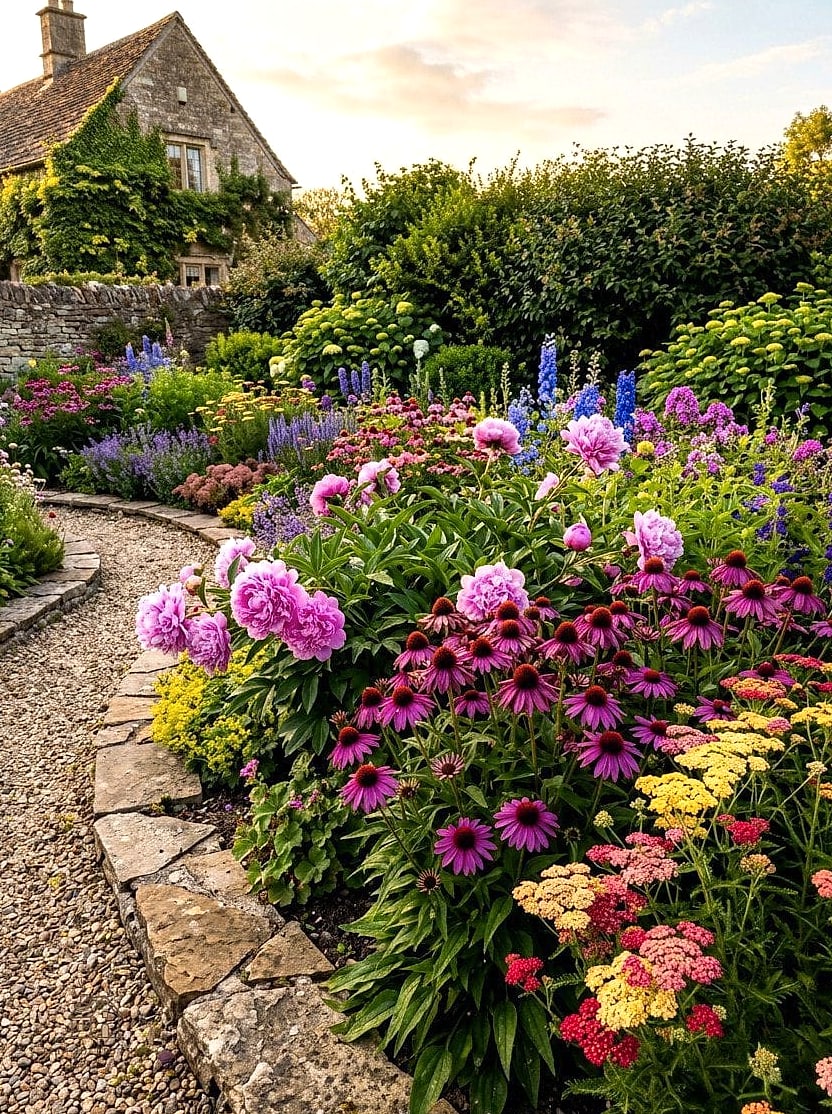
Dedicate a bed to perennials that hold up well in a vase, like peonies, coneflower, and yarrow. Tuck this near the back door or vegetable garden so it’s easy to snip a few stems on your way inside. It’s a fun way to always have fresh flowers on the counter without buying them from the store.
Modern Minimalist Grasses
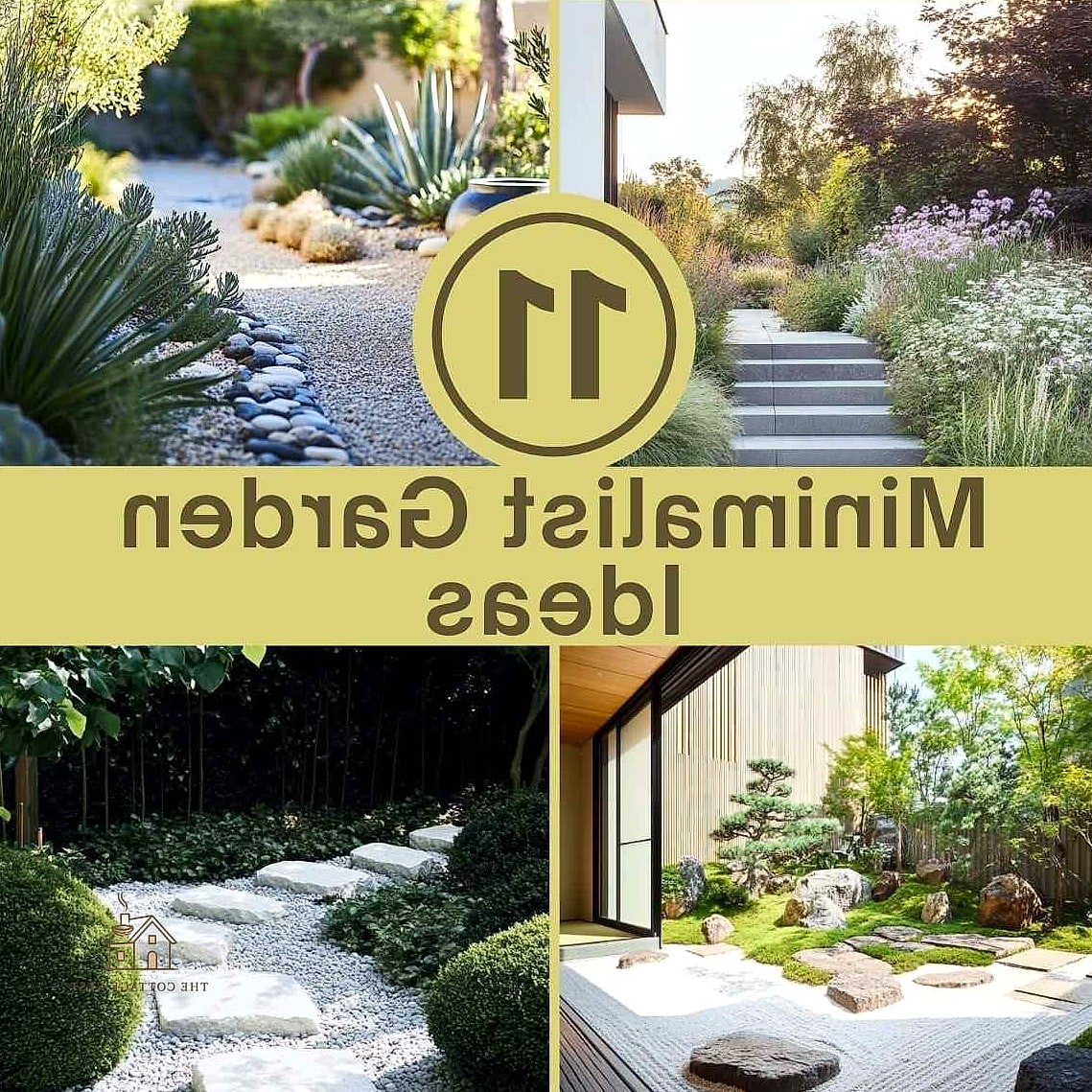
Ornamental grasses like feather reed grass and little bluestem paired with a few structural perennials create a clean, architectural look. This style suits contemporary homes with simple lines and geometric hardscaping. Grasses also move beautifully in the wind, adding motion to an otherwise still yard.
Woodland Edge Planting
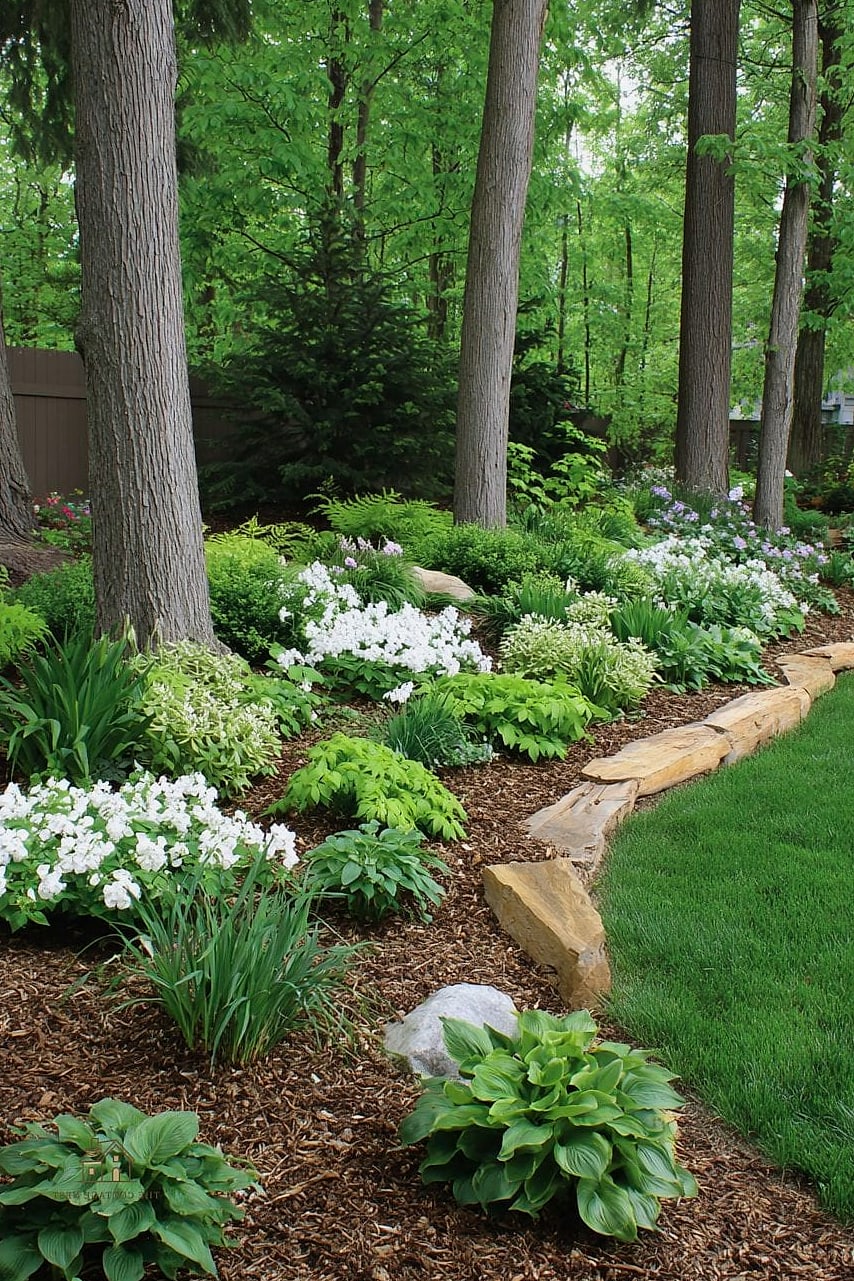
If your yard backs up to trees, blend into that natural line with wild ginger, columbine, and Solomon’s seal. This creates a soft transition instead of an abrupt one between lawn and forest. It’s low-fuss once established since these plants are used to competing with tree roots and dappled light.
Raised Bed Perennial Garden
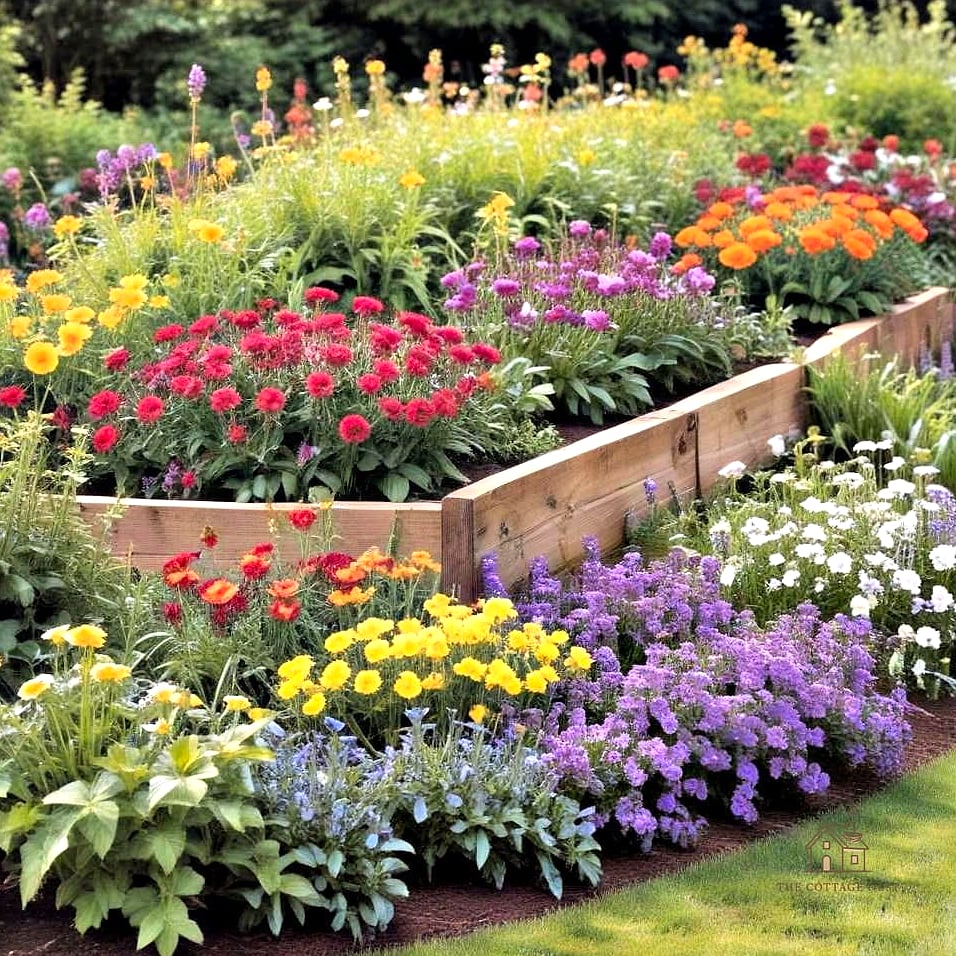
Building raised beds with cedar or composite boards gives you better drainage and makes weeding a lot easier on your back. This is a smart pick for anyone with rocky or clay-heavy soil that’s tough to work with directly. It also adds nice visual structure to a flat yard.
Cool-Toned Blue and Purple Palette
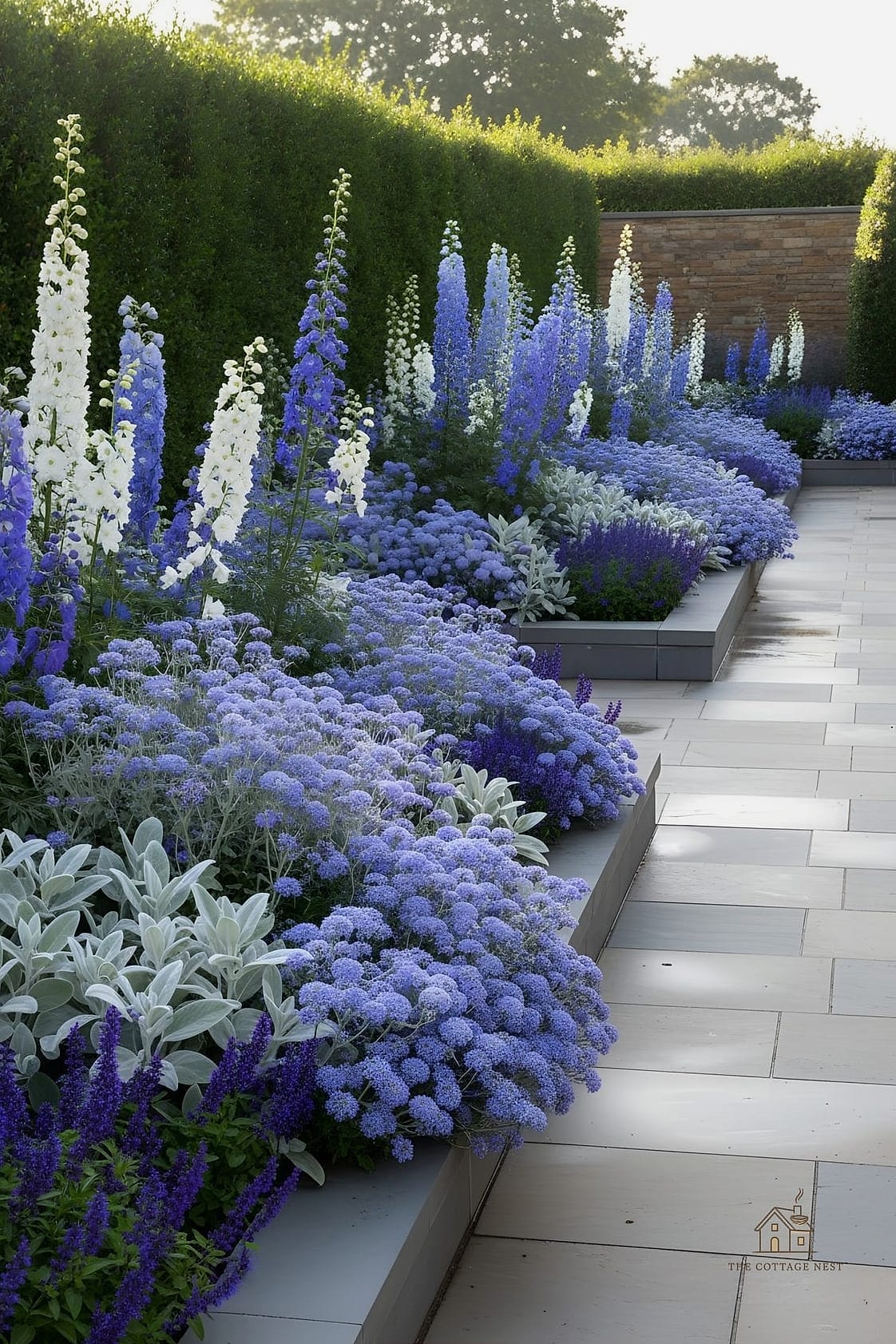
Salvia, catmint, and Russian sage in blues and purples create a calming, cohesive look that pairs well with gray or white house siding. This palette photographs beautifully and tends to look put-together even when plants are at different bloom stages. It’s a favorite for front yards where curb appeal matters most.
Hot Color Border
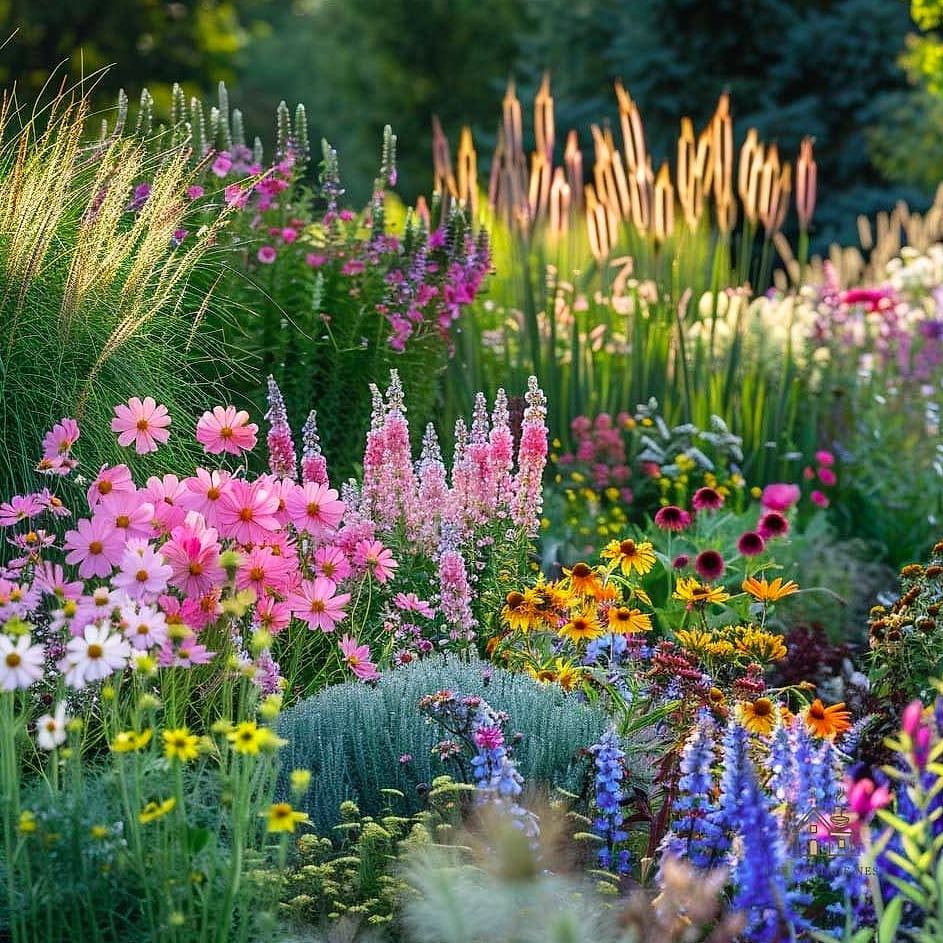
If you want energy instead of calm, go with red, orange, and yellow perennials like daylilies, crocosmia, and helenium. This works great in a backyard where you want the garden to be the main event during summer parties. It’s bold, and it’s not for everyone, but it never looks boring.
Vertical Trellis Garden
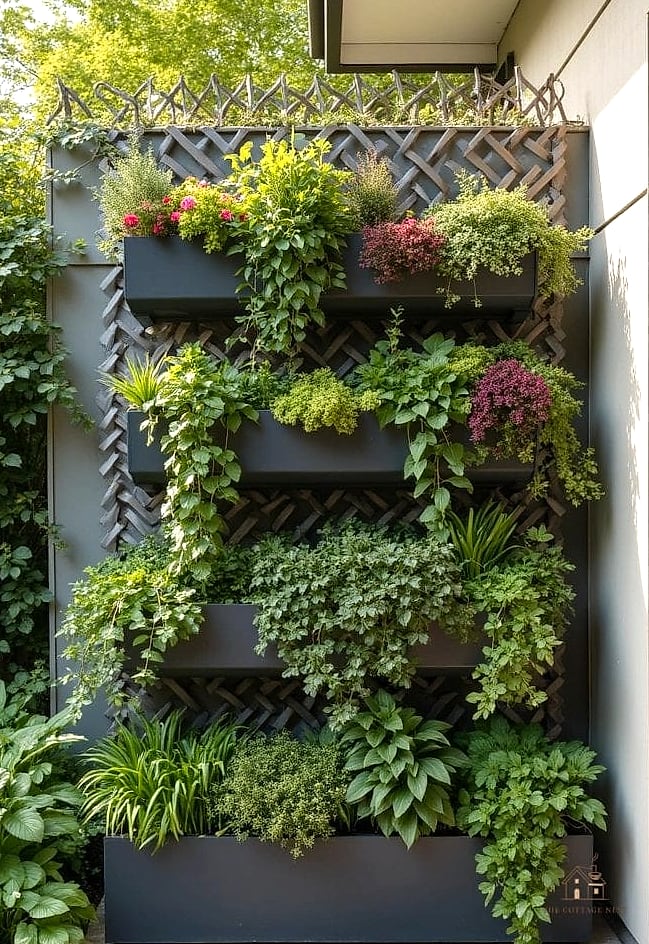
Train climbing perennials like clematis up a trellis or arbor to add height without taking up ground space. This is perfect for small yards or narrow side lots where square footage is tight. It also gives you a natural privacy screen once it fills in.
Herb and Perennial Combo Bed
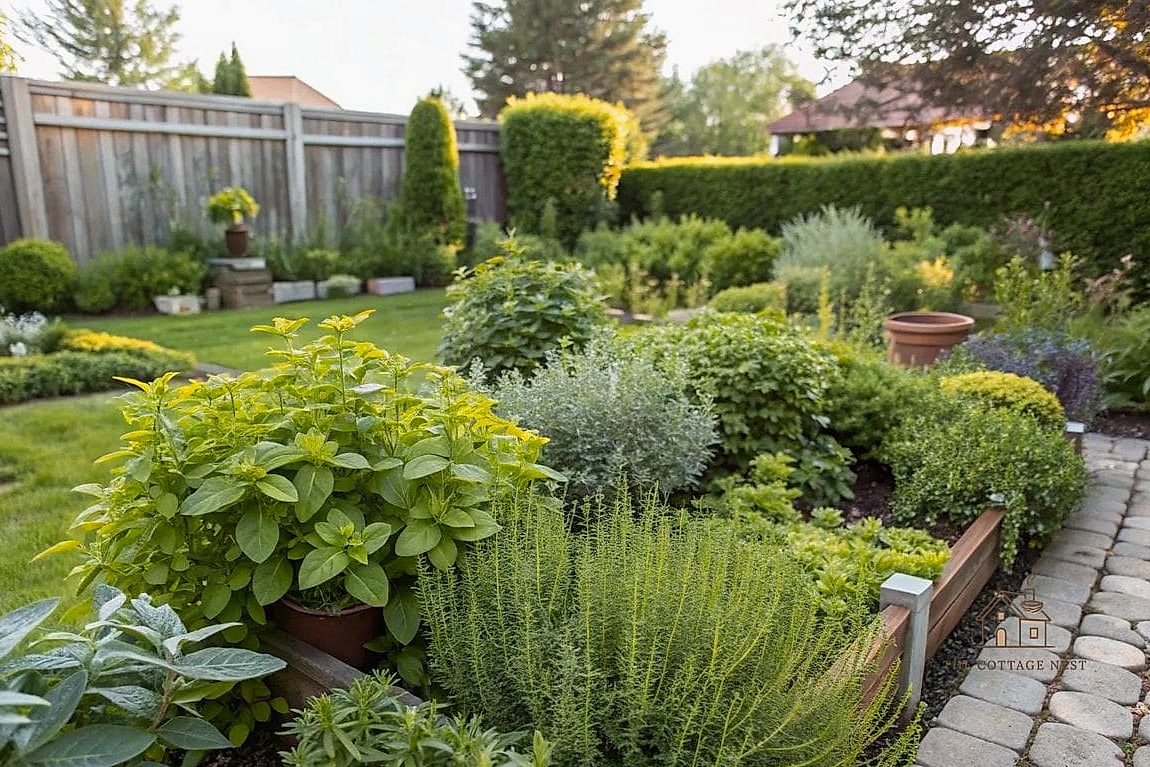
Mix perennial herbs like chives, oregano, and thyme with ornamental perennials for a bed that’s both pretty and useful. This works well near the kitchen door where you can grab herbs while cooking. It’s practical in a way that feels a little old-fashioned, in a good way.
Container Perennial Garden
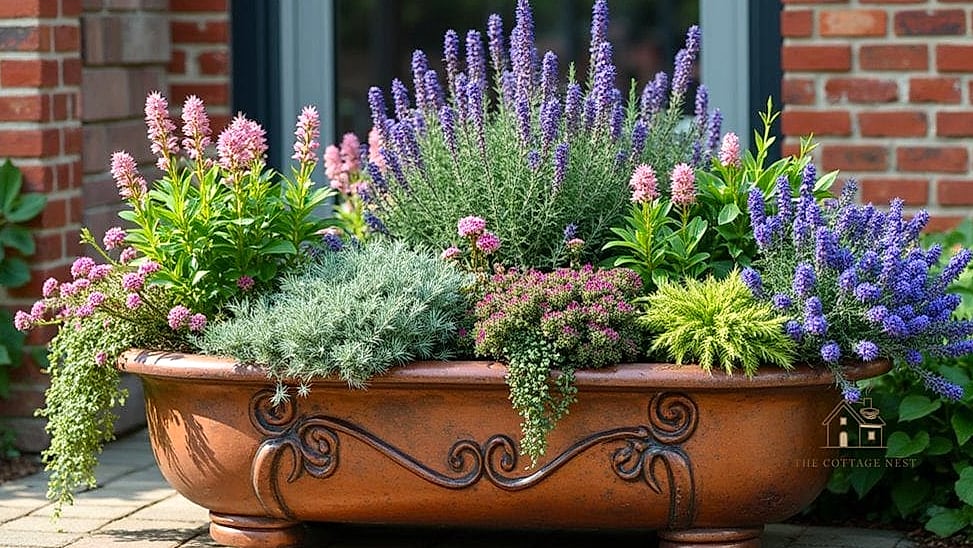
For renters or anyone without in-ground space, large containers planted with hardy perennials like coreopsis and sedum can overwinter and come back year after year. This is a renter-friendly option since everything’s portable if you move. Just make sure your containers have good drainage and are rated for your climate zone.
English Garden Style
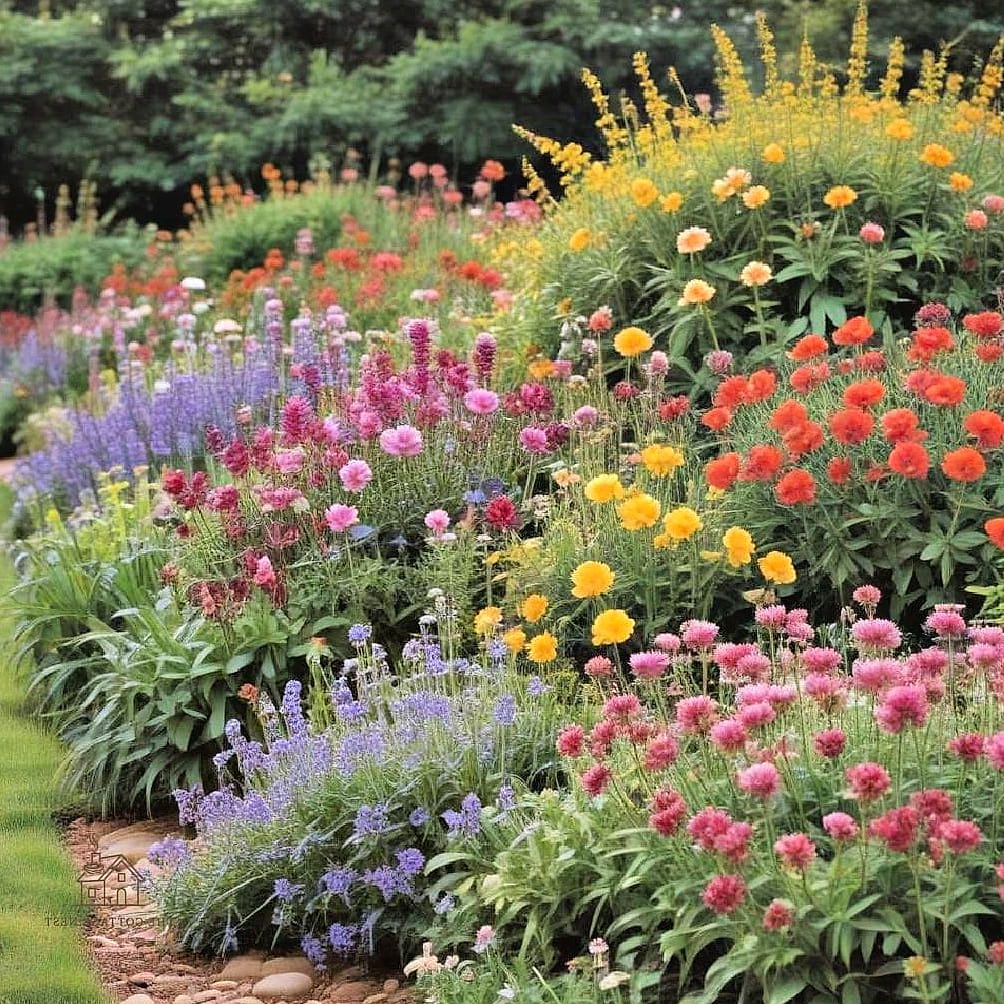
A more structured take on cottage style, English gardens combine perennials like delphinium, foxglove, and roses with clipped hedges for contrast. This works best in yards with some existing formal structure, like boxwood borders. It takes more planning upfront but rewards you with a genuinely showstopping result.
Xeriscape-Friendly Native Plant Bed
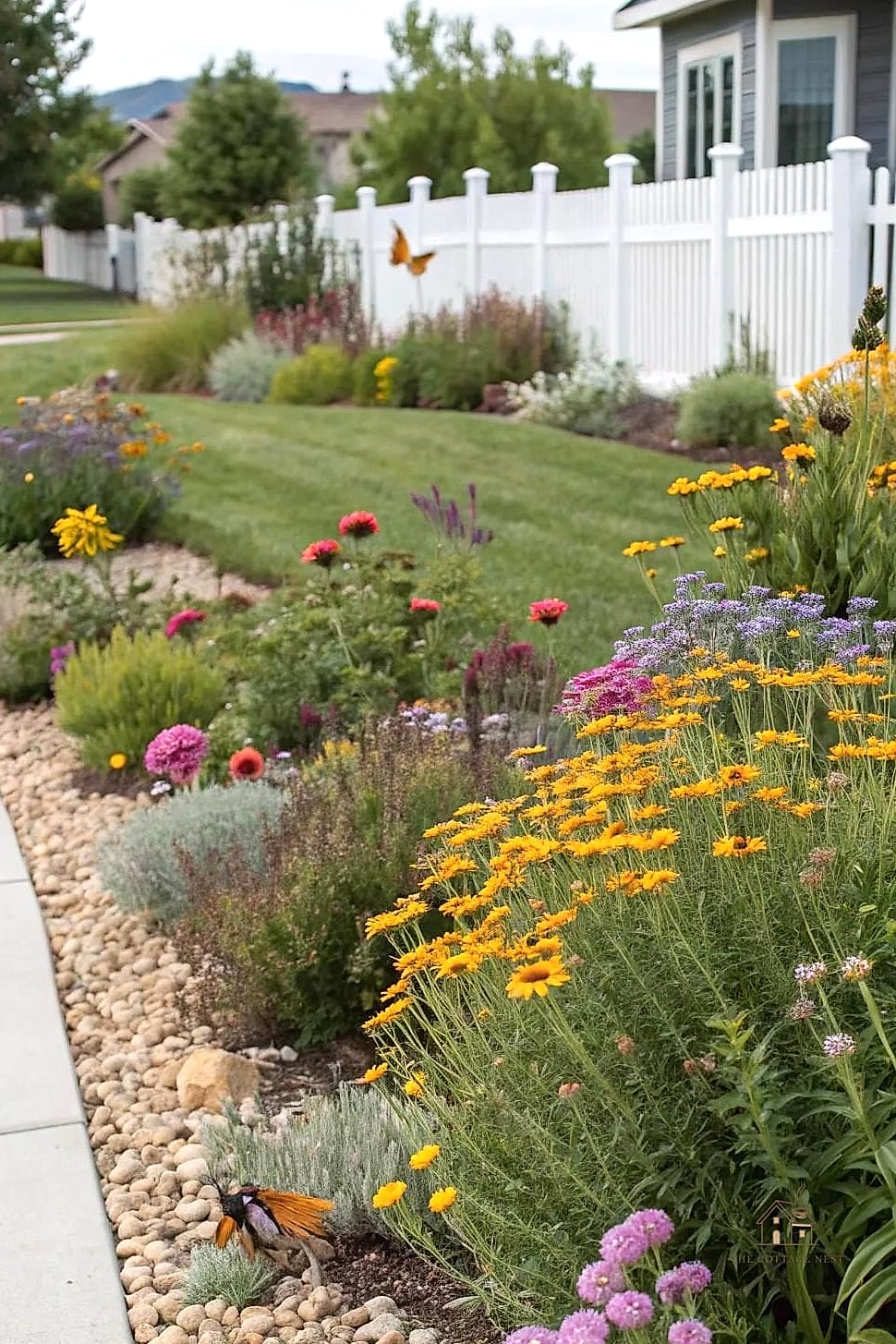
Using native perennials suited to your specific region cuts down on water use and support local wildlife better than imported species. This is a smart choice for areas dealing with drought restrictions or high water costs. Check with a local extension office for a plant list, since natives vary a lot by region.
Fragrant Garden Near Windows or Doors
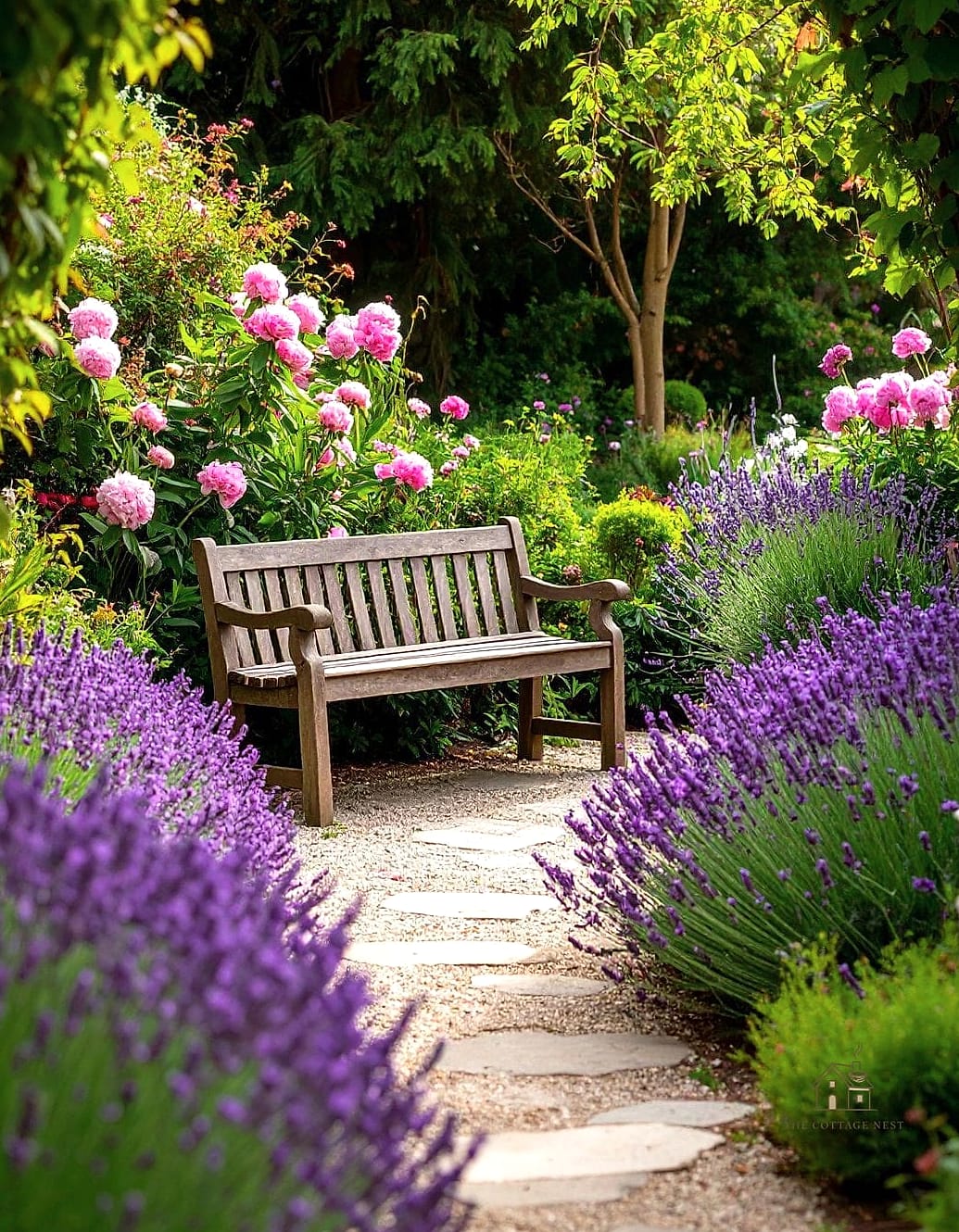
Plant scented perennials like lavender, peony, and garden phlox near windows that open often or along a path to the front door. Every time you walk by or crack a window, you get a hit of fragrance. It’s a small detail that makes a big difference in how a space feels.
Rain Garden with Moisture-Loving Perennials
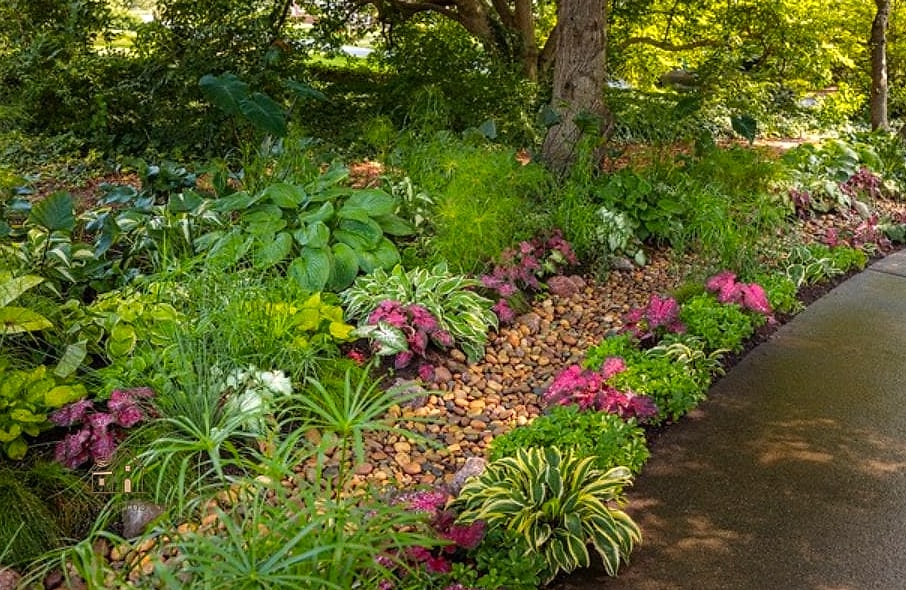
If you’ve got a low spot that collects water after storms, turn it into a rain garden with perennials like cardinal flower and swamp milkweed that actually like wet feet. This solves a drainage problem while adding a unique planting zone most yards don’t have. It’s also great for supporting local wildlife and reducing runoff.
Symmetrical Formal Garden
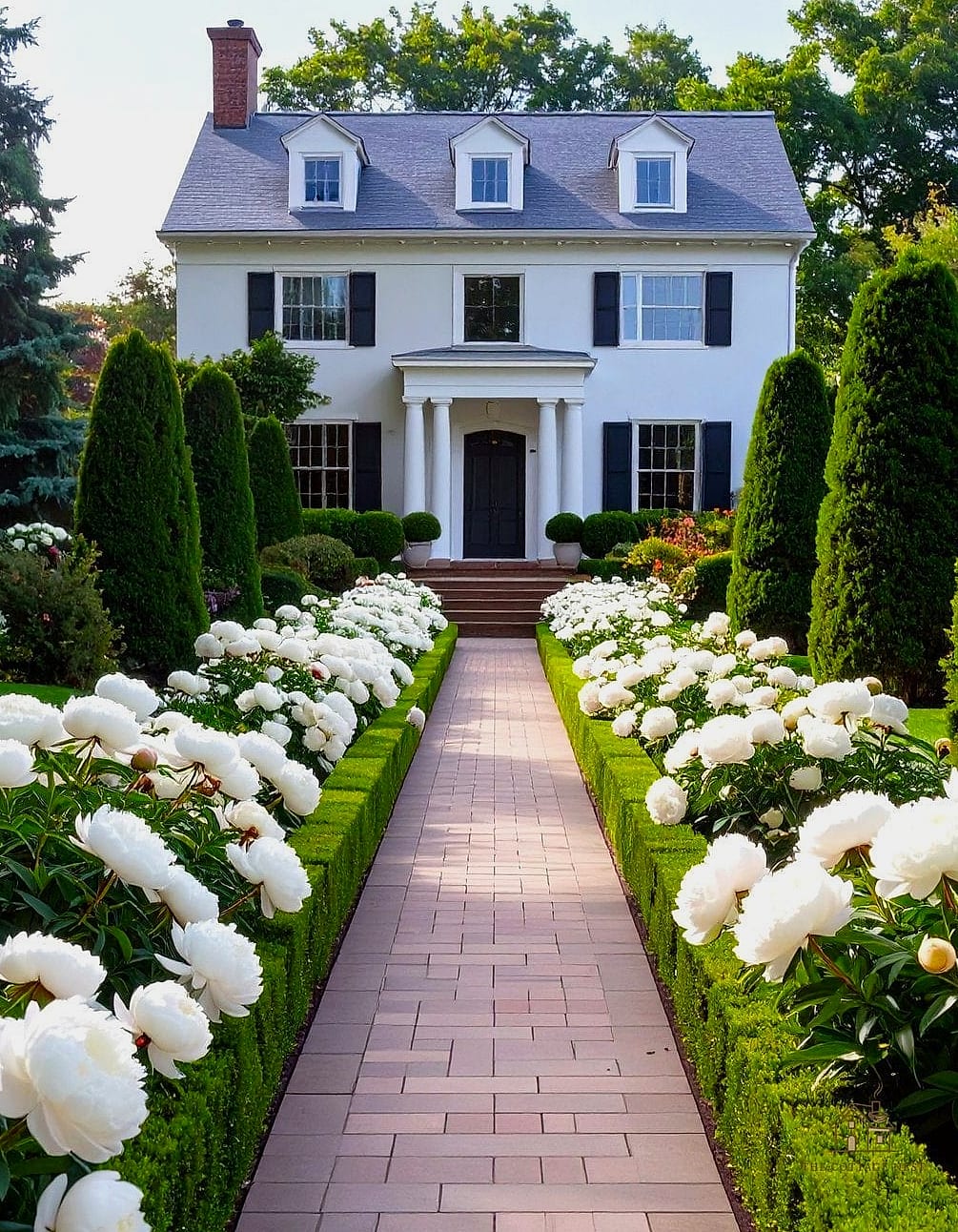
Mirror plantings on either side of a path or entryway using matching perennials like hosta or catmint for a tailored, symmetrical look. This suits homes with classic or colonial architecture where balance matters. It reads as more formal, so it pairs nicely with brick or stone hardscaping.
Butterfly Garden Corner
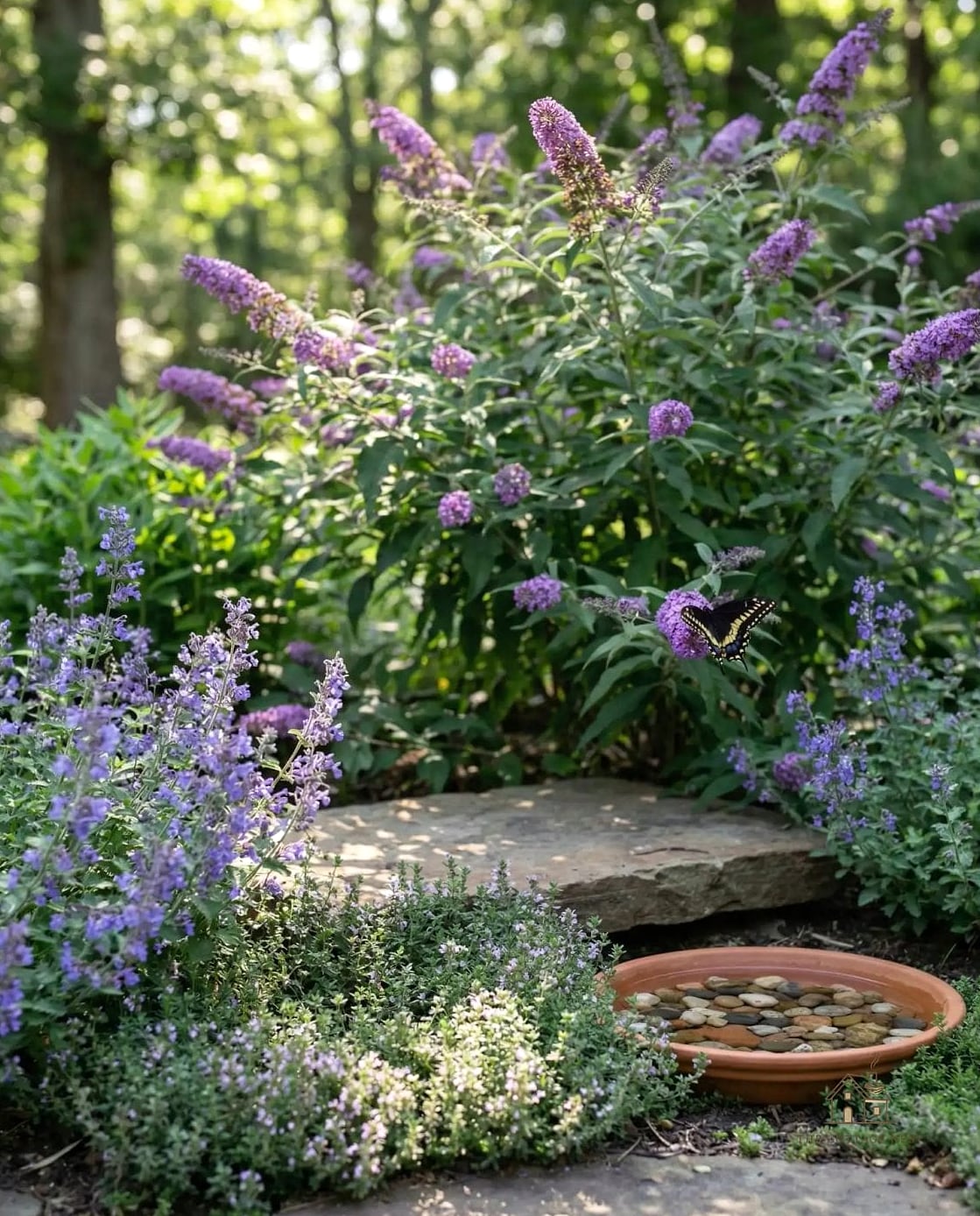
Dedicate a sunny corner to butterfly favorites like butterfly weed, phlox, and aster to draw in monarchs and swallowtails all season. This is a great weekend project for families since kids love watching the butterflies show up. Group plants in clusters rather than single specimens for the best visual impact and easier pollination.
Perennial Border Along a Fence
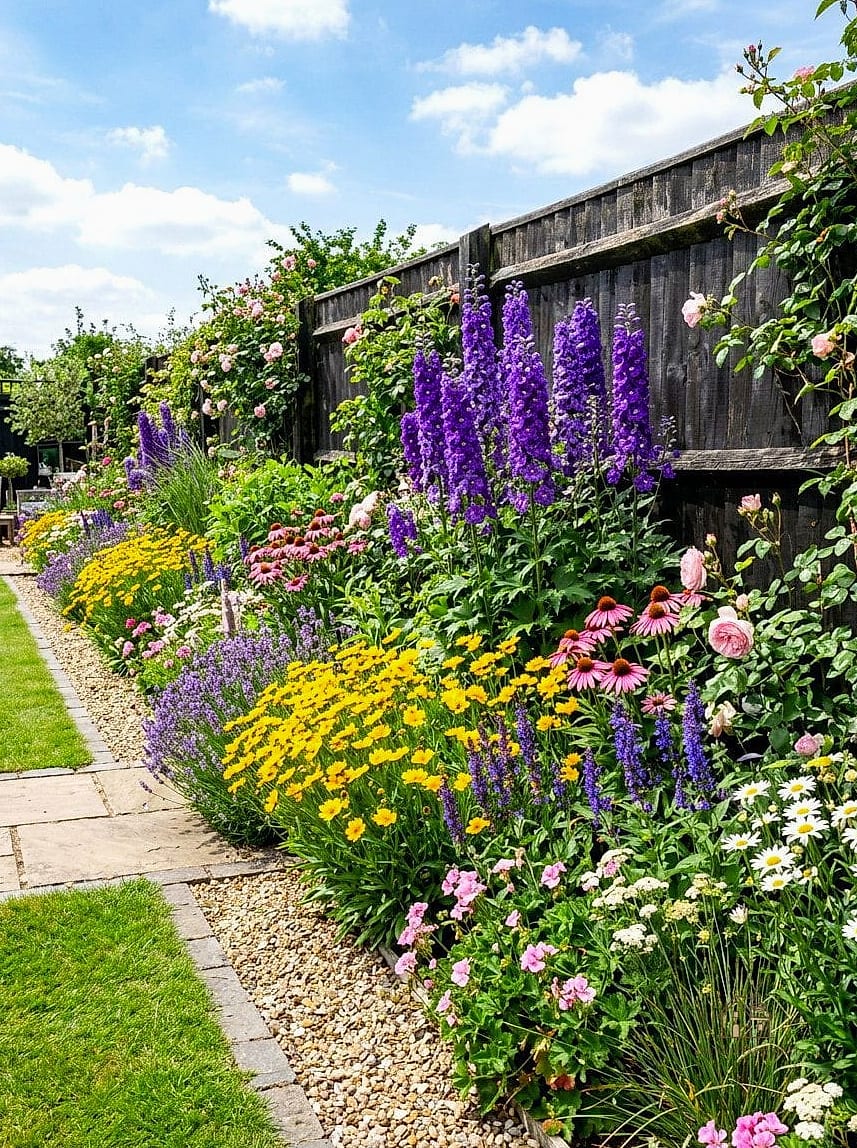
Soften a plain wood or chain-link fence with a mixed border of tall perennials like hollyhock and Joe Pye weed. This hides an unattractive fence while adding privacy and color at the same time. It’s an easy upgrade if you’re not ready to replace the fence itself.
Rock Wall Cascading Garden
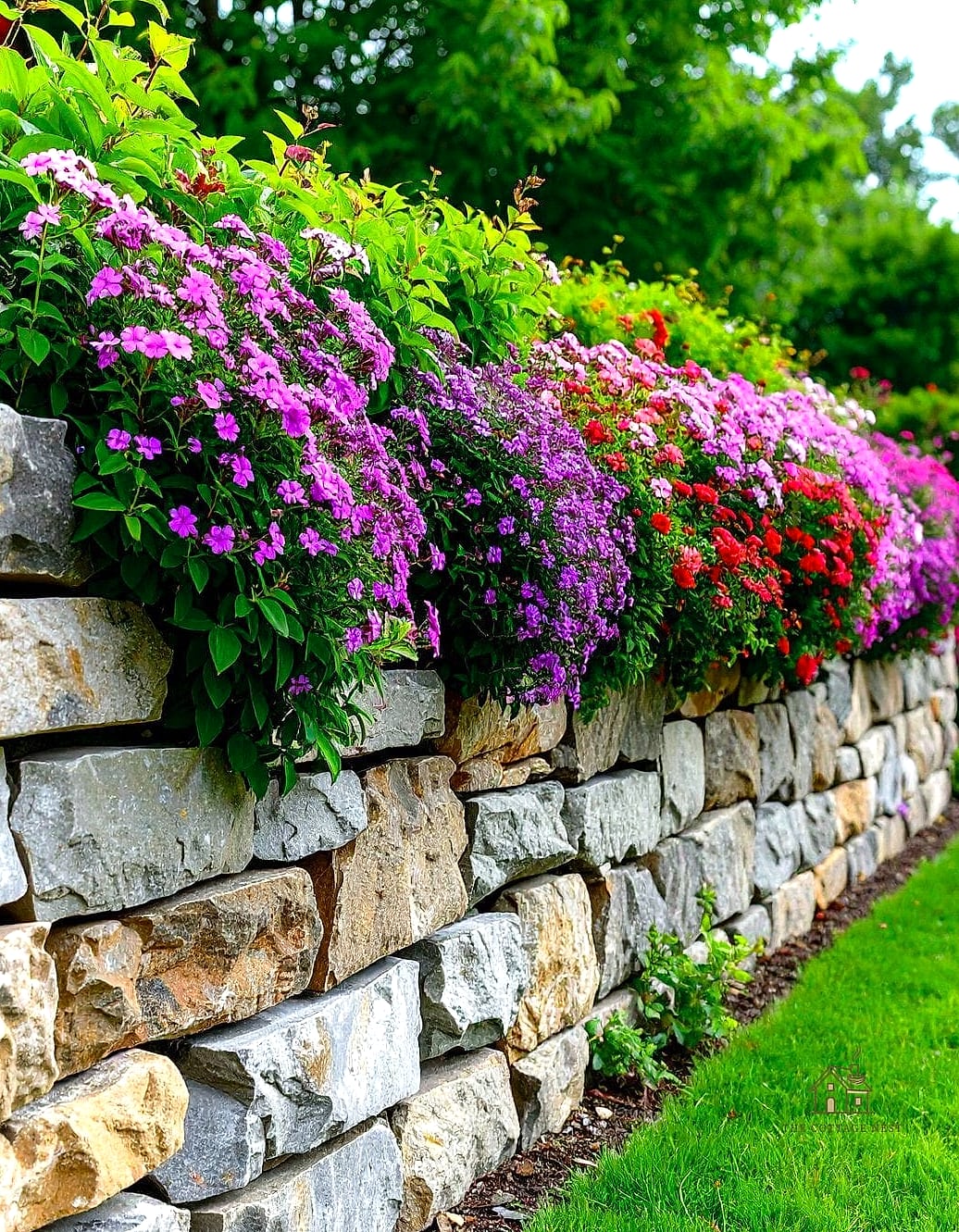
Tuck low, spreading perennials like creeping phlox and hens and chicks into the pockets of a rock or stone retaining wall. As they grow, they cascade down the face of the wall in a soft, natural way. This works well on sloped properties where you already need retaining structure.
Japanese-Inspired Perennial Garden
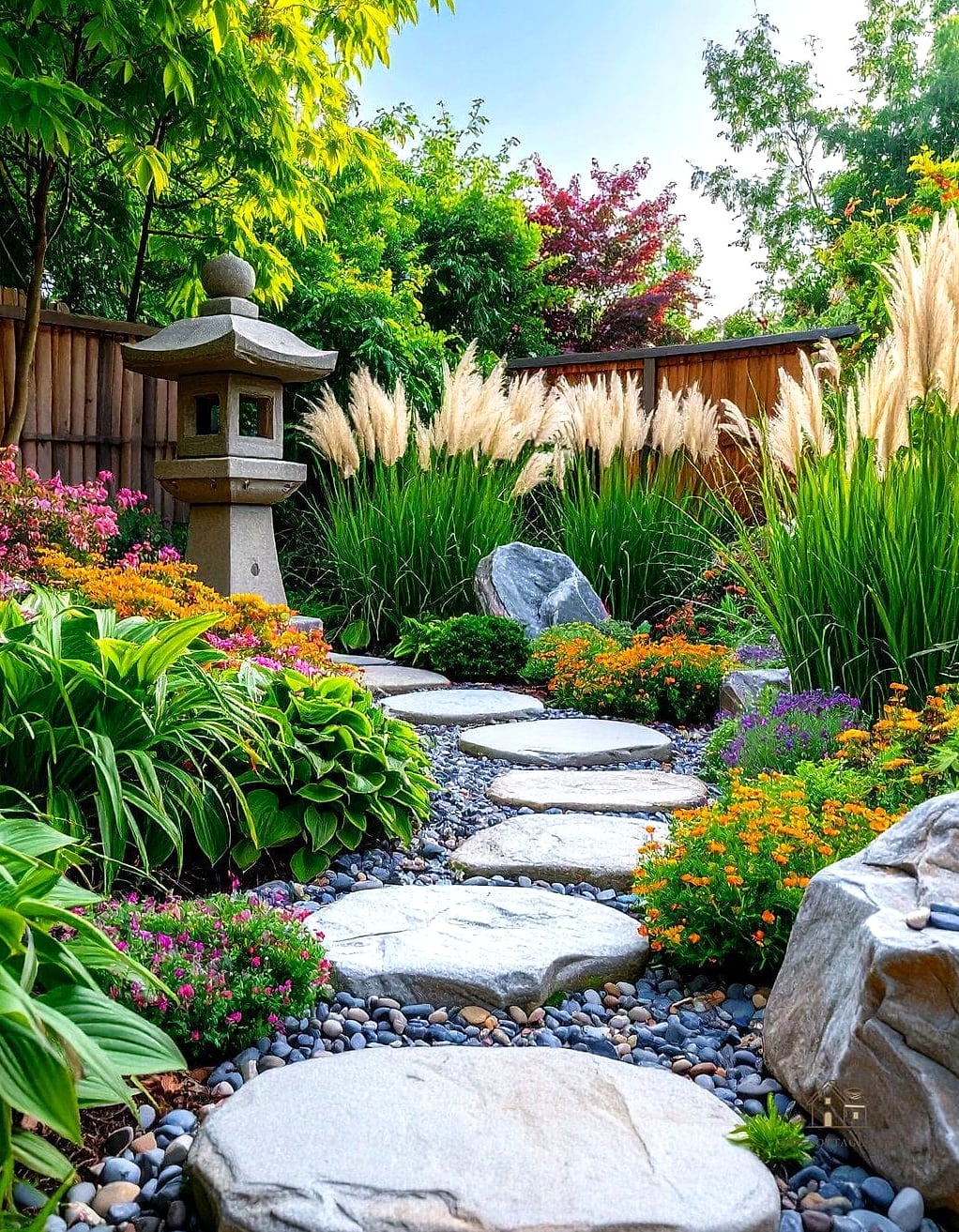
Combine perennials like Japanese anemone and astilbe with moss, gravel, and simple stone accents for a serene, restrained look. This style favors negative space and careful placement over abundance. It suits homeowners who want a garden that feels more like a retreat than a display.
Perennial Meadow Look
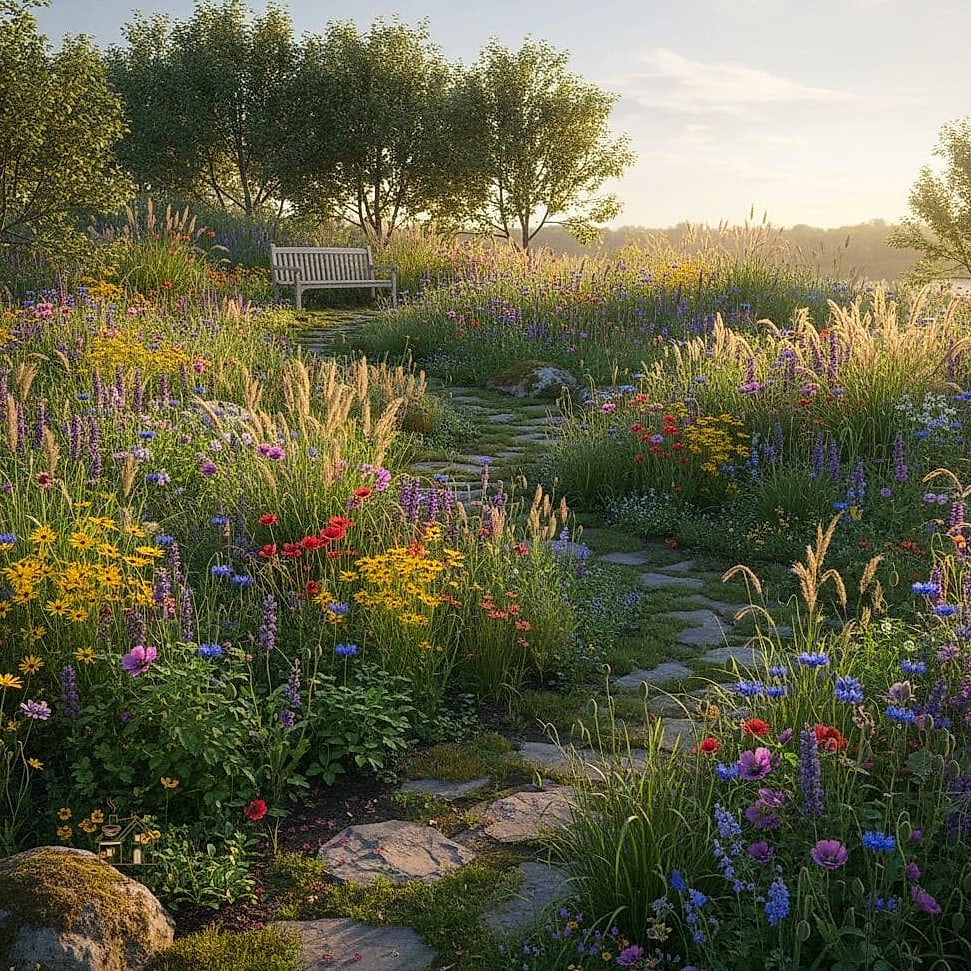
Let ornamental grasses and wildflower-style perennials like coneflower and black-eyed Susan grow in a loose, naturalistic drift instead of tidy rows. This works especially well on larger properties or back sections of the yard that don’t need to look manicured. It also needs less mowing and watering than a traditional lawn.
Foundation Planting Refresh
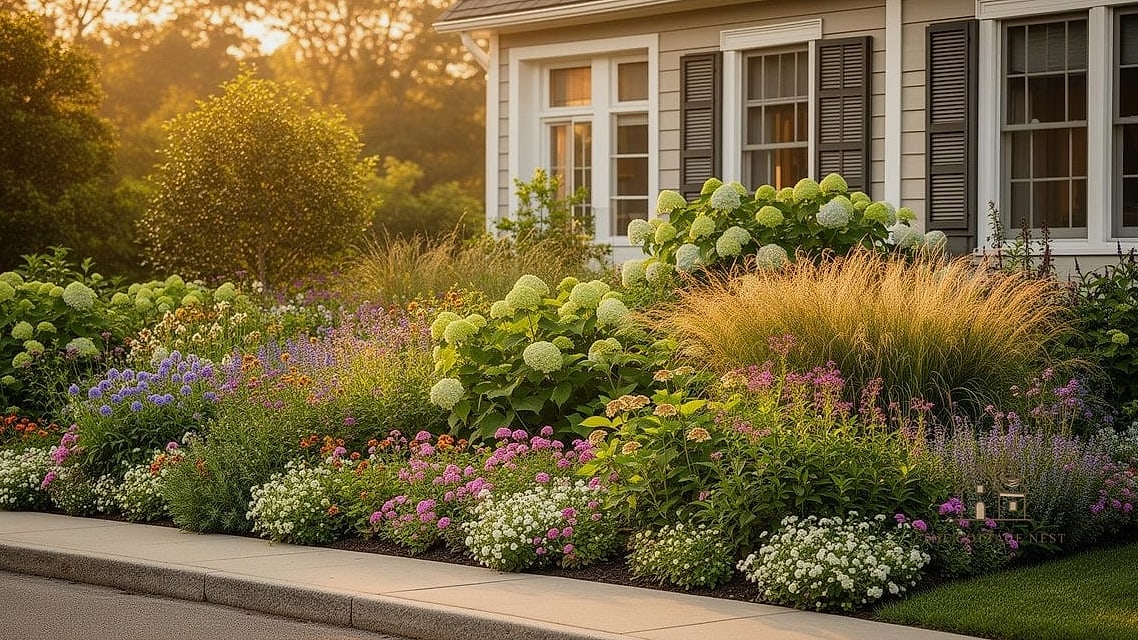
Swap tired shrubs along your house foundation for a mix of perennials like hosta, heuchera, and salvia for more color through the seasons. This is one of the easiest ways to boost curb appeal without touching the exterior of the house itself. Keep taller varieties away from windows so they don’t block light as they mature.
Perennial Garden with Edging Definition
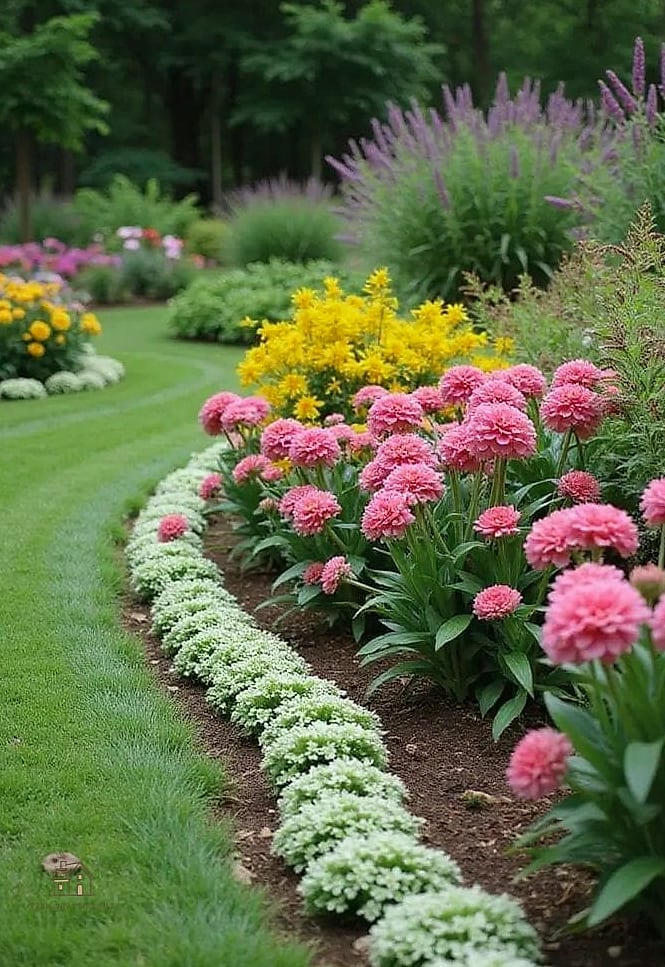
Use metal, stone, or brick edging to give a perennial bed crisp, defined borders against the lawn. This small detail makes even a wild, cottage-style planting look intentional rather than messy. It also keeps grass from creeping into the bed, which cuts down on maintenance.
Seasonal Succession Garden
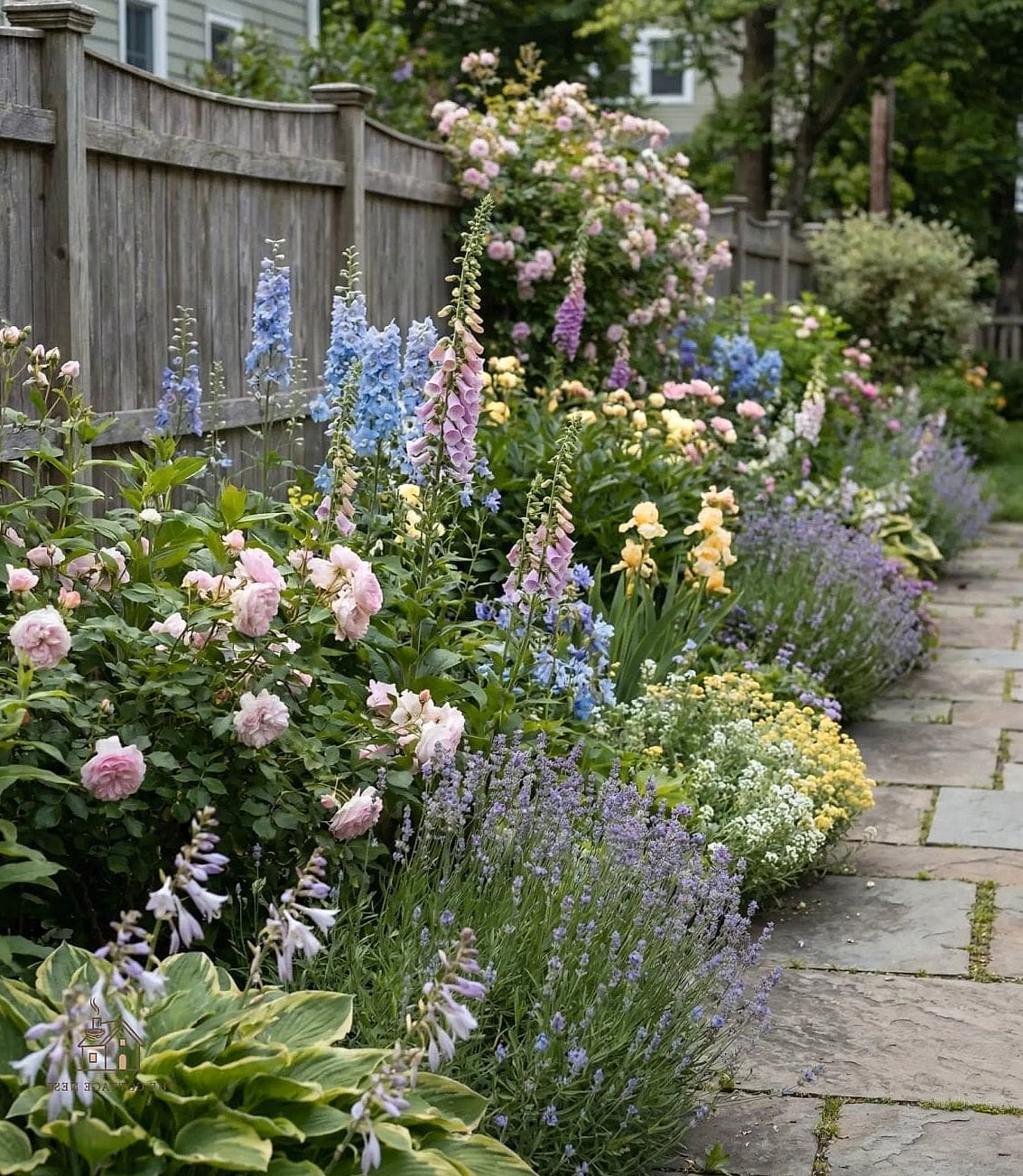
Choose perennials that bloom in staggered waves, like early crocus, mid-season coneflower, and late-season sedum, so something is always flowering. This takes a bit more planning since you’re mapping bloom times rather than just picking pretty plants. The payoff is a garden that never has a dead-looking stretch.
Small Space Corner Garden
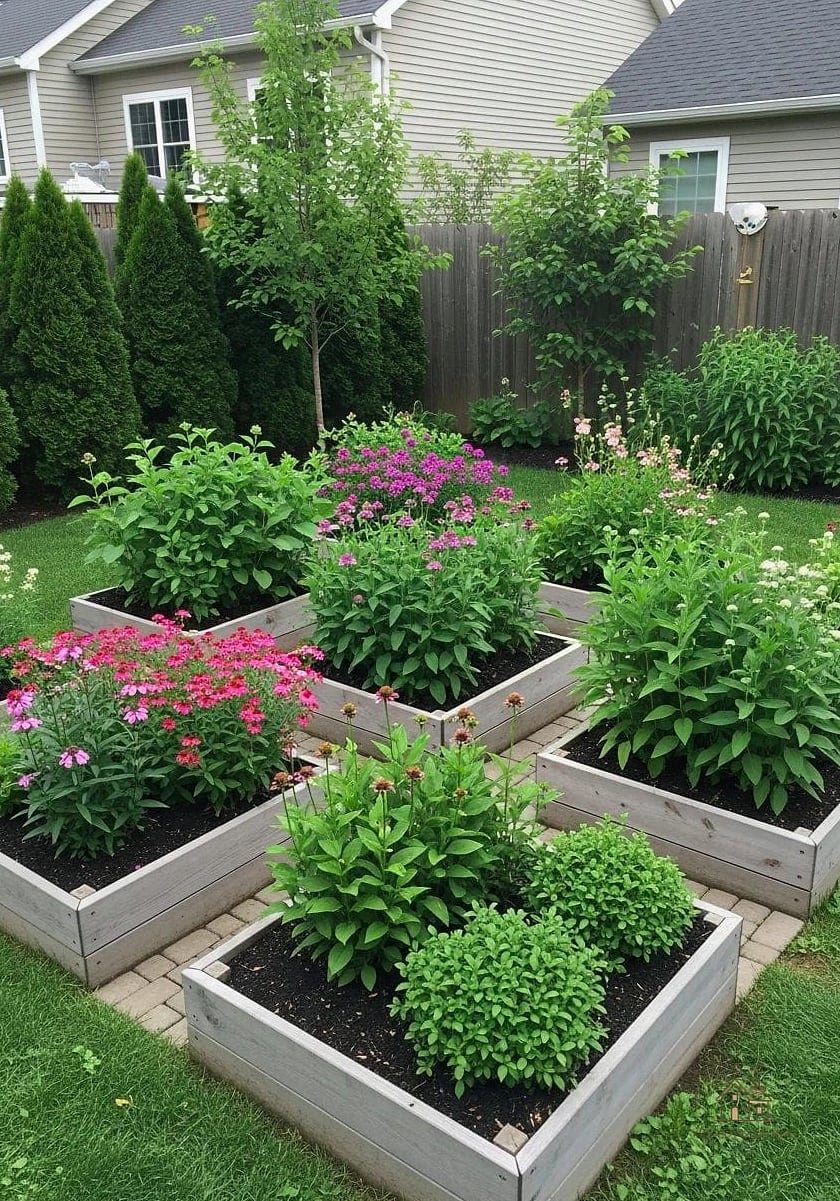
For tiny yards or awkward corners, a tight grouping of three or four perennials like coral bells, catmint, and dwarf aster can make a big visual impact without needing much room. This is ideal for renters or anyone with a patio-sized outdoor space. Choose varieties that stay compact so the corner doesn’t feel cramped as they fill in.
With thirty different directions to choose from, there’s really no reason your yard has to look like everyone else’s. Pick a style that matches how you actually use your outdoor space, start with a manageable section, and let the garden grow into itself over a couple of seasons. That’s honestly half the fun of working with perennials — watching the payoff build year after year instead of starting over every spring.