35 Creative Flower Beds For Front Of House That Will Inspire You
- Curved Border Along the Walkway
- Symmetrical Beds Flanking the Front Door
- Rock Garden with Drought-Tolerant Blooms
- Cottage Garden Overflow
- Raised Flower Bed with Stone Edging
- Monochromatic White Garden
- Layered Tiered Beds on a Sloped Yard
- Ornamental Grass and Wildflower Mix
- Boxwood Hedge Border with Colorful Center
- Mailbox Garden Bed
- Foundation Planting Along the House
- Circular Island Bed in the Lawn
- Xeriscape-Inspired Desert Bed
- Pastel Spring Bulb Display
- Black Mulch with Bright Annuals
- Herringbone Brick Path Through the Bed
- Shade Garden Under a Front Tree
- Vertical Trellis Flower Bed
- Two-Tone Color Block Bed
- Native Plant Pollinator Bed
- Formal Boxwood Parterre
- Container Cluster Instead of a Dug Bed
- Butterfly Garden Bed
- Moon Garden with Night-Blooming Flowers
- Herb and Flower Combo Bed
- Asymmetrical Modern Bed
- Corner Lot Wraparound Bed
- Rustic Wagon Wheel or Vintage Accent Bed
- Layered Evergreen and Seasonal Bed
- Fragrant Garden Bed
- Low-Growing Groundcover Border
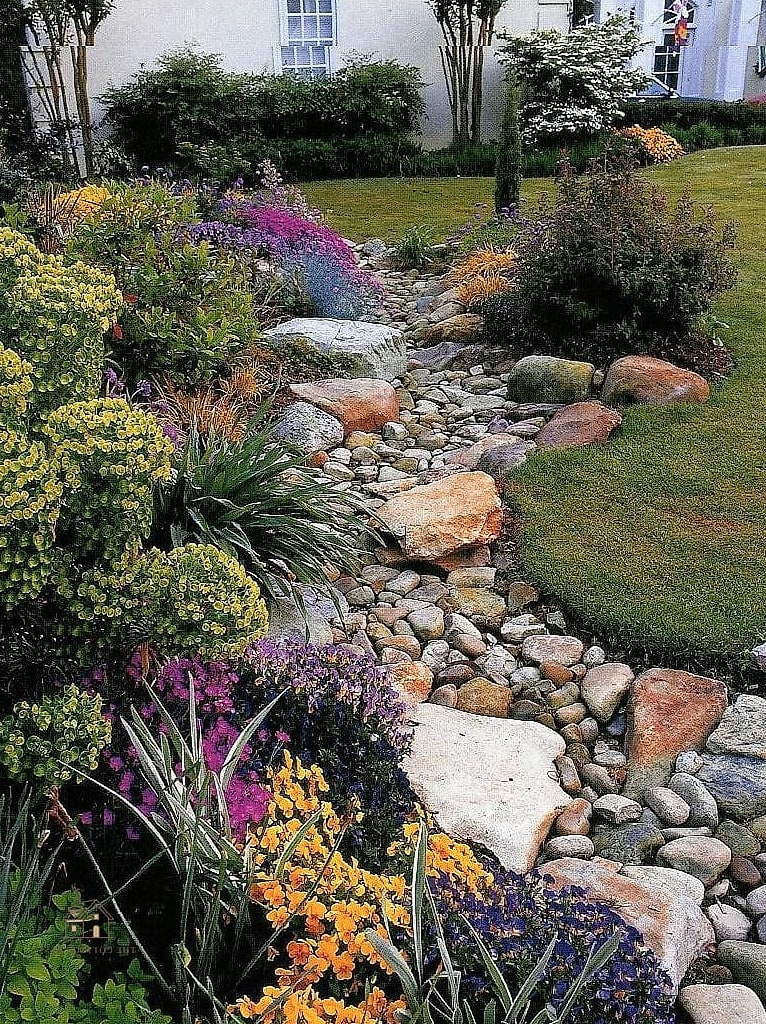
- Dry Creek Bed with Flanking Flowers
- Cutting Garden Bed
- Minimalist Single-Species Bed
- Layered Height Bed for Wide Facades
35 Creative Flower Beds For Front Of House That Will Inspire You
Your front yard says a lot before anyone even knocks on your door. A well-planned flower bed can turn a plain, forgettable entrance into something people actually slow down to admire. The good news? You don’t need acres of space or a landscaping degree to pull it off.
Whether you’re working with a tiny strip along your walkway or a wide open bed under your front windows, there’s a design here that’ll fit. I’ve pulled together 35 creative flower beds for front of house that will inspire you, covering everything from low-maintenance layouts to showstopper statement gardens.
Curved Border Along the Walkway
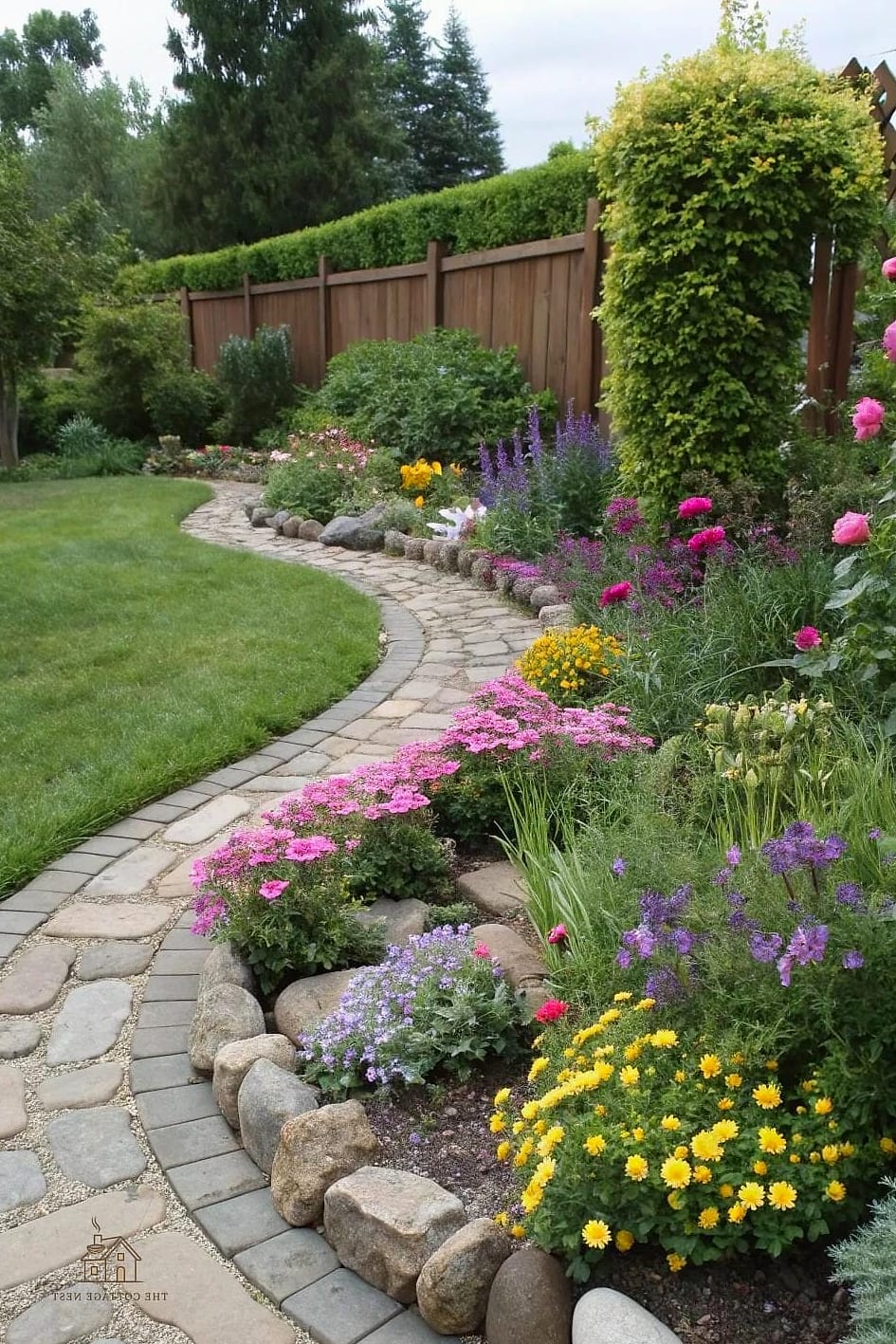
A gently curved bed hugging your front walkway softens all those hard, straight lines that come with concrete and siding. It feels more natural and inviting than a straight strip of mulch.
This works especially well on smaller lots where you want to create the illusion of more space. Plant taller flowers like coneflowers or salvia toward the back, then layer shorter blooms in front.
Curved edges are also easier to mow around, which is a small but real win if you’re the one doing yard work every weekend.
Symmetrical Beds Flanking the Front Door
There’s something classic about mirrored flower beds on either side of your entryway. It instantly makes a home feel balanced and well cared for.
Boxwood shrubs paired with seasonal annuals like petunias or marigolds give you structure year-round with pops of color that change with the seasons. This style tends to suit colonial and traditional homes best.
Keep both sides identical in size and plant choice for that polished, put-together look.
Rock Garden with Drought-Tolerant Blooms
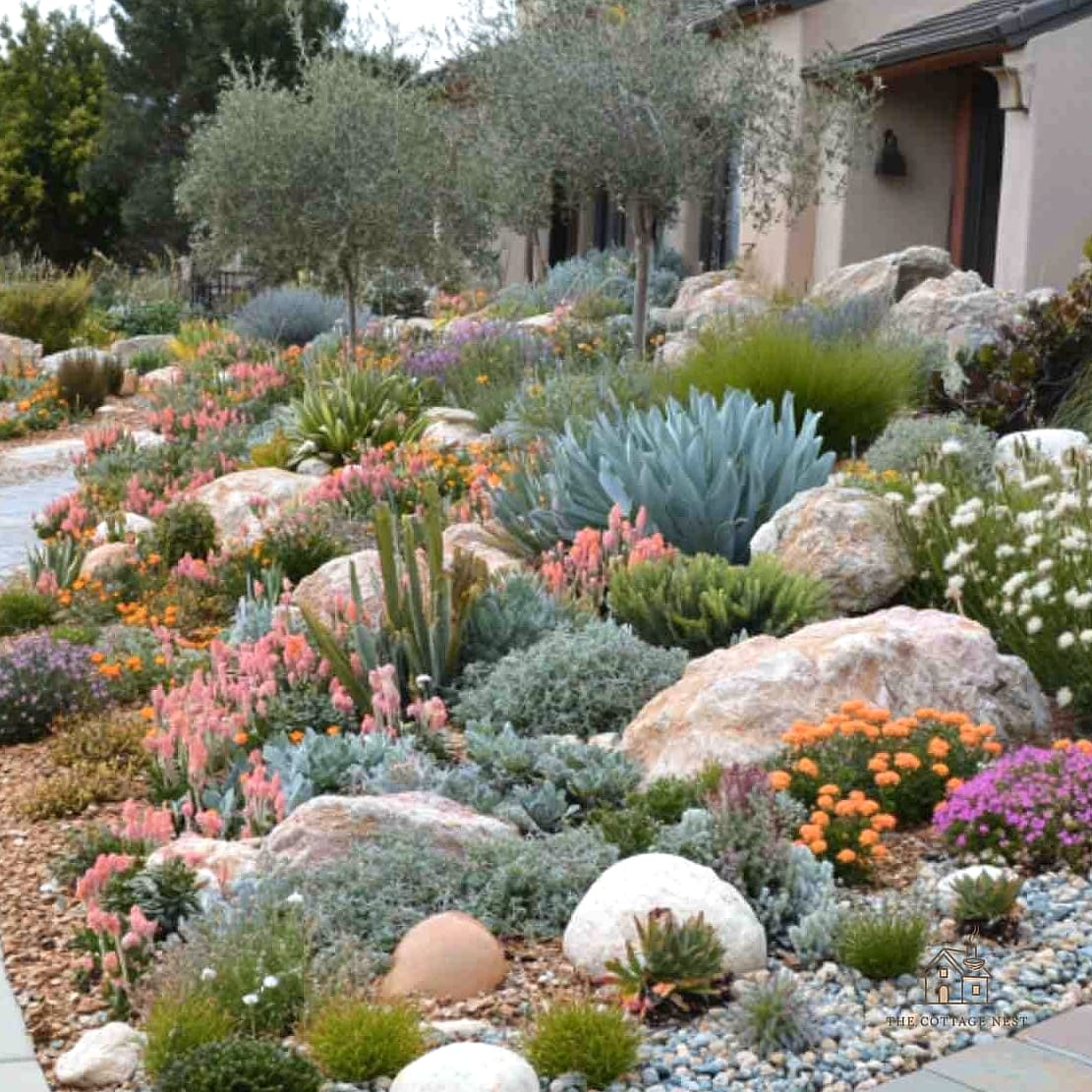
If you live somewhere hot and dry, or you’re just tired of watering every day, a rock garden bed might be your answer. Mix in succulents, lavender, and ornamental grasses among river rocks or gravel.
This layout is genuinely low-maintenance once established. It also gives your front yard a different texture than the usual mulch-and-flowers combo.
Budget-wise, rocks last forever, so it’s a one-time investment that pays off for years.
Cottage Garden Overflow
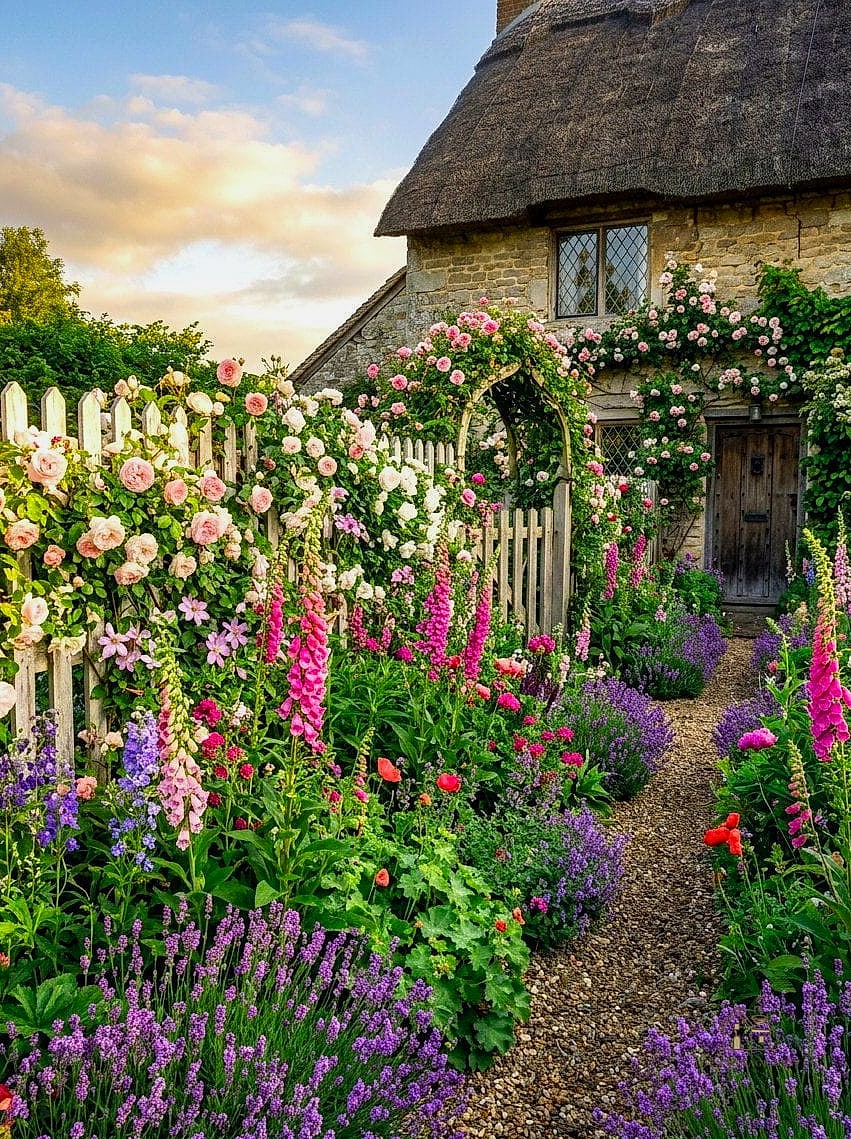
A cottage-style bed looks intentionally a little wild, packed with layered blooms like foxglove, hollyhocks, roses, and daisies all growing close together. It’s romantic and a little nostalgic.
This works great in front of farmhouse or craftsman-style homes where a stiff, formal look wouldn’t feel right. Let plants spill slightly over the edges of the bed for that lived-in charm.
Just know this style needs regular deadheading and thinning to avoid looking messy instead of charming.
Raised Flower Bed with Stone Edging
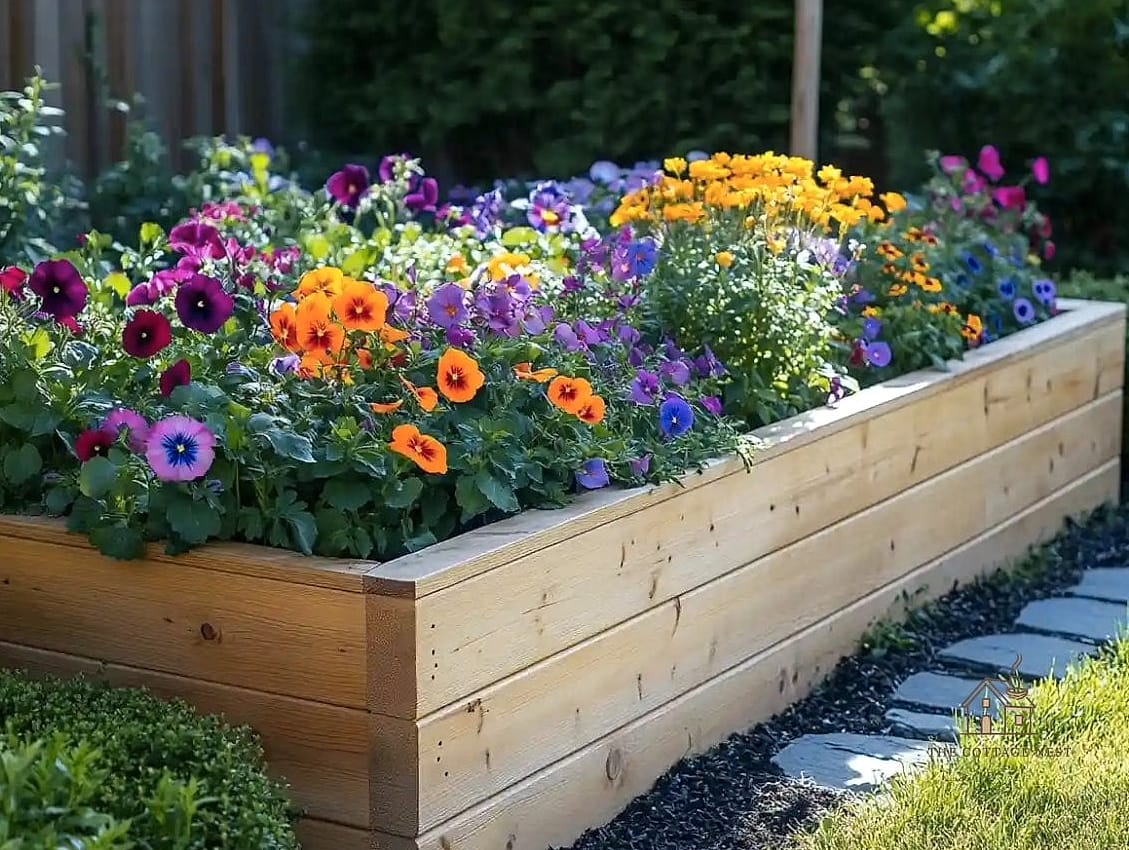
Raising your bed a few inches with stone, brick, or timber edging gives your front yard some dimension. It also helps with drainage, which your plants will thank you for.
Stone edging in particular adds a timeless look that pairs well with brick or stucco exteriors. Fill it with a mix of perennials so you’re not replanting every spring.
This is a solid weekend DIY project if you’re comfortable with basic landscaping tools.
Monochromatic White Garden
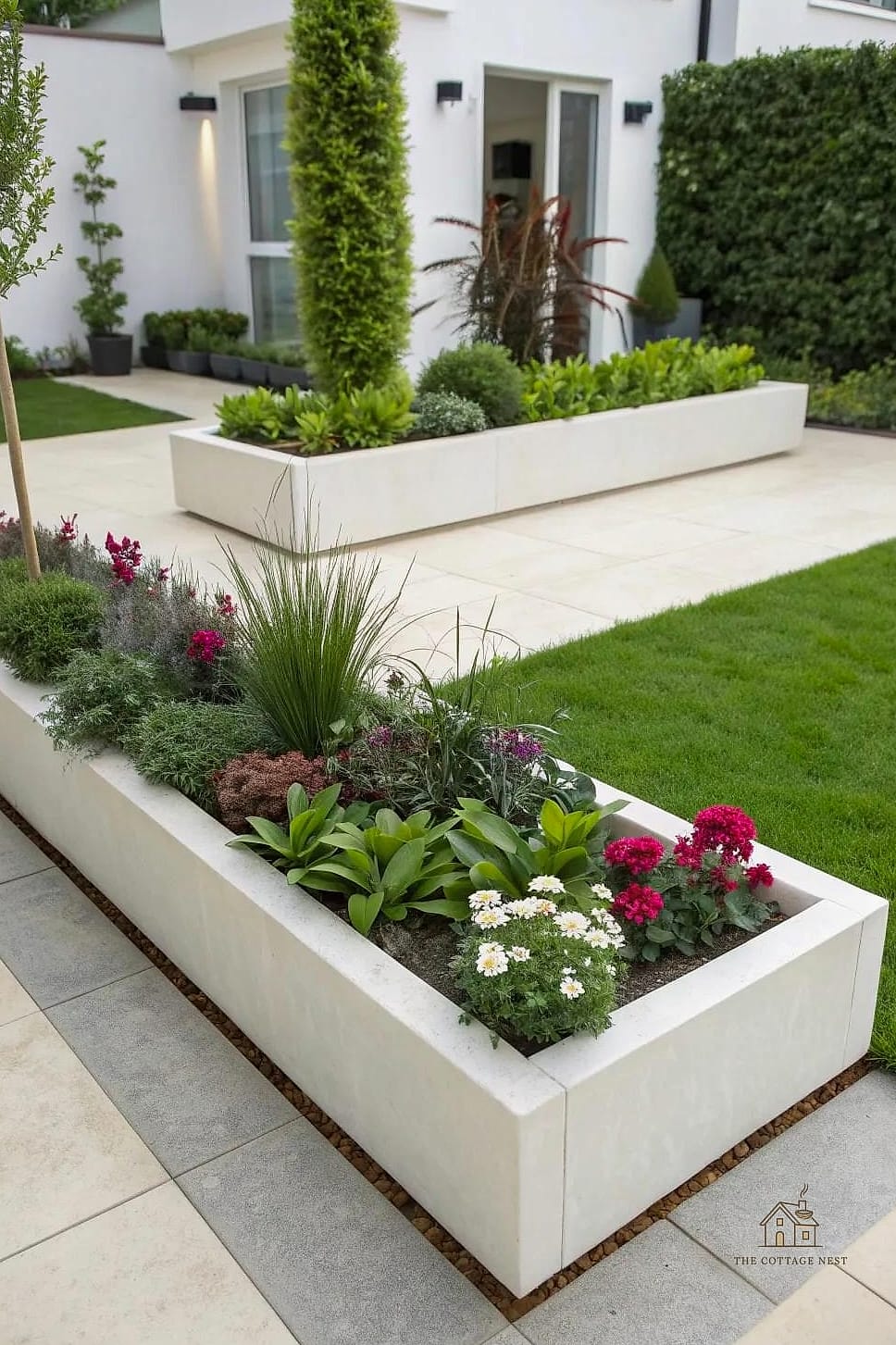
An all-white flower bed feels crisp, elegant, and surprisingly easy to keep looking cohesive. Think white hydrangeas, white impatiens, and white alyssum layered together.
This style tends to glow beautifully at dusk, which is a nice bonus if you’re often coming home after work in the evening. It also pairs beautifully with dark exterior paint colors for contrast.
Keep in mind white blooms can show wilting or browning more obviously, so a little extra deadheading keeps things looking fresh.
Layered Tiered Beds on a Sloped Yard
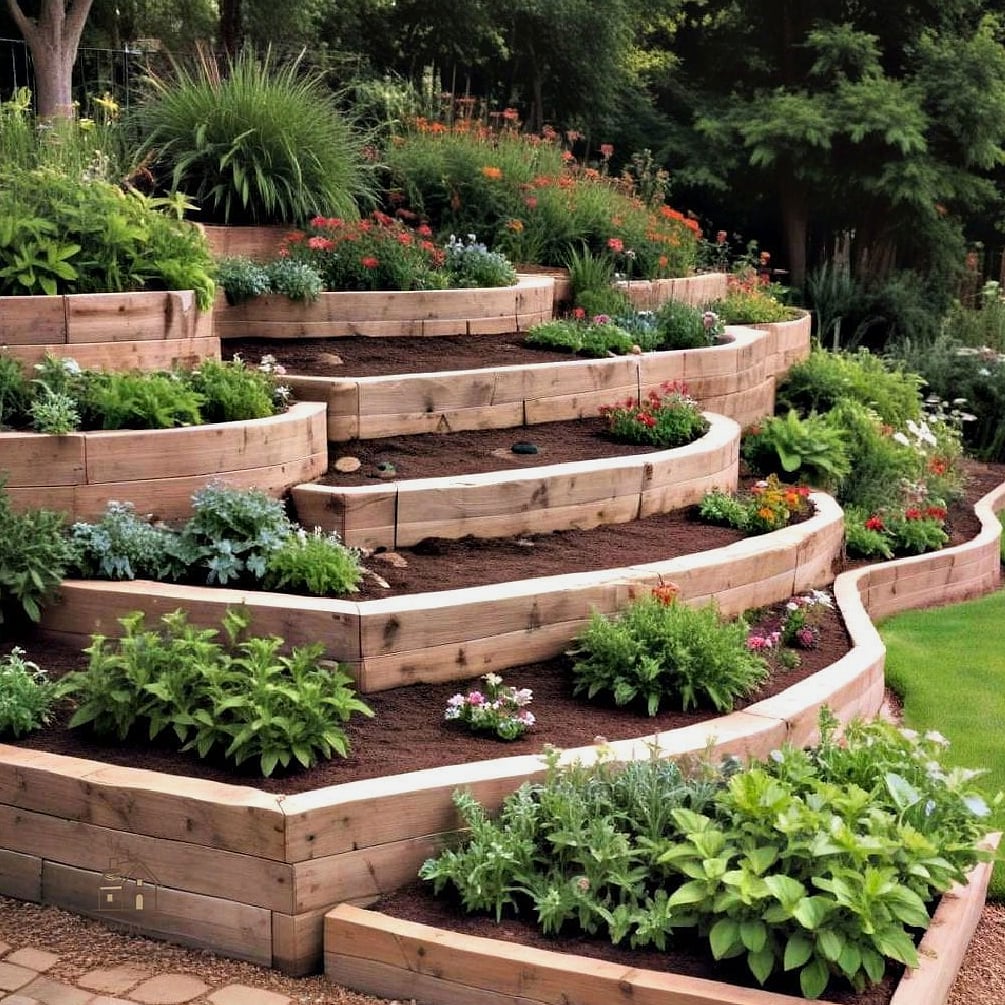
If your front yard has any kind of slope, tiered flower beds turn that challenge into a design feature. Each level can hold different plants, creating a stepped, cascading effect.
Retaining walls made of stone or timber hold each tier in place. This setup also helps prevent soil erosion, which is a real practical benefit beyond just looks.
It’s more labor-intensive to install, so this one might be worth hiring a landscaper for if your slope is steep.
Ornamental Grass and Wildflower Mix
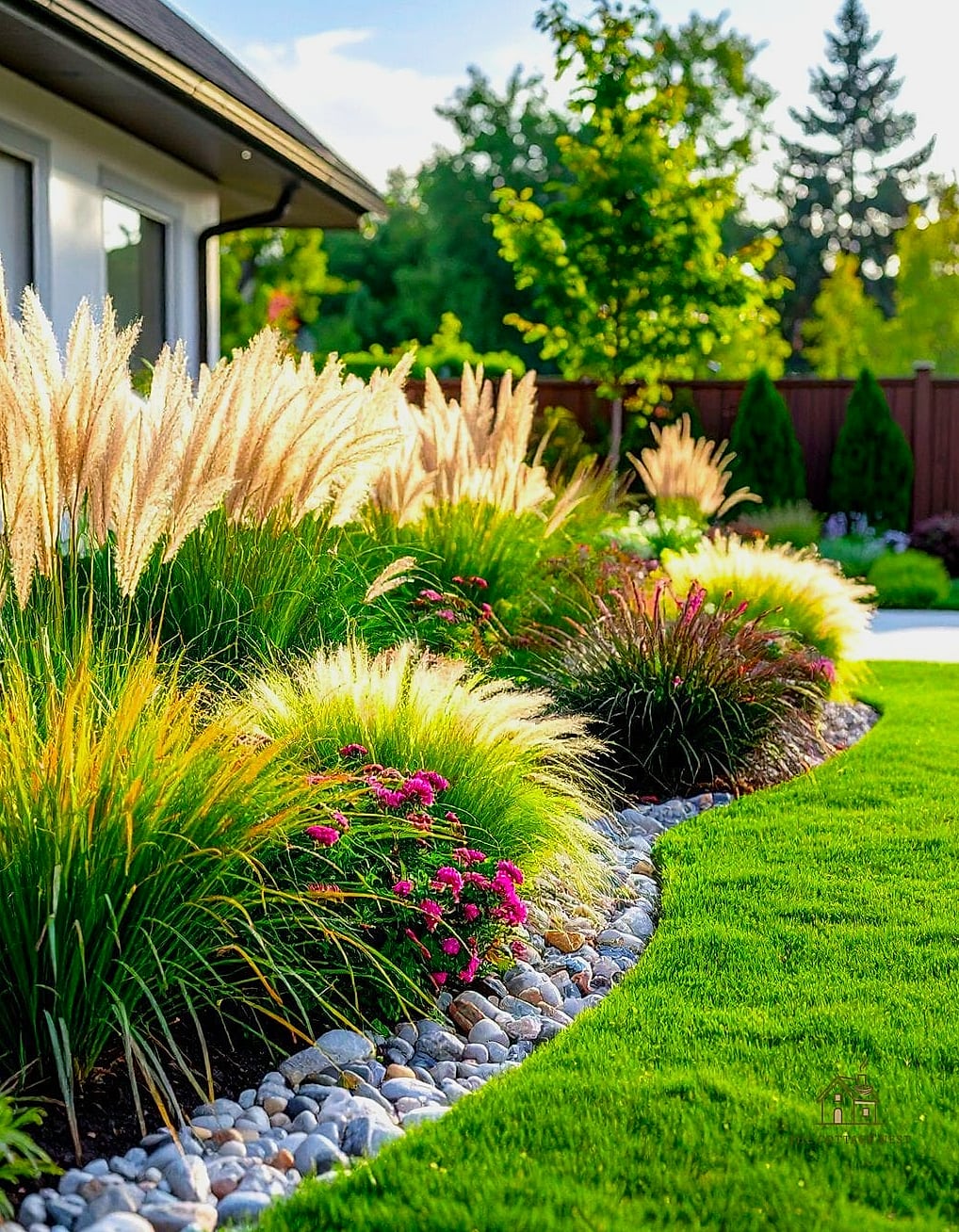
Combining ornamental grasses with native wildflowers gives your front bed movement and texture that static flower beds don’t have. When the wind picks up, the whole bed sways.
This look works especially well for modern farmhouse or prairie-style homes. Black-eyed Susans, purple coneflowers, and feather reed grass make a great starting combo.
It’s also fantastic for pollinators, so you’ll likely notice more butterflies and bees stopping by.
Boxwood Hedge Border with Colorful Center
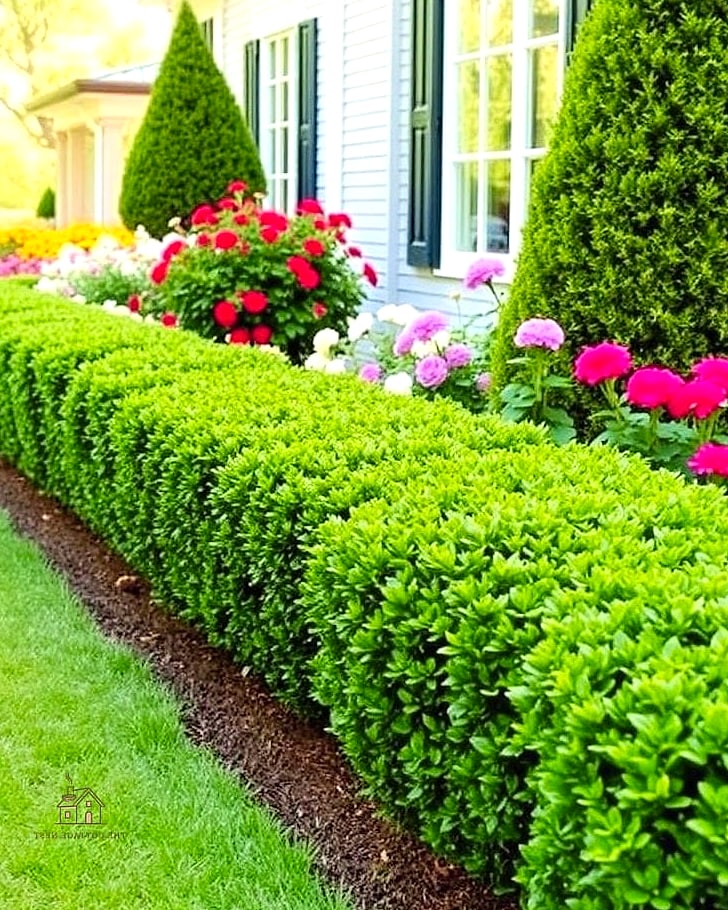
Framing your flower bed with a low boxwood hedge gives it structure, then you can go a little wild with color in the middle. Think of it as a picture frame for your blooms.
This layout works well for homeowners who want a formal look but still crave seasonal color changes. Swap out the center annuals each season without disturbing the hedge border.
Boxwoods need occasional trimming to keep their shape, but they’re otherwise pretty forgiving.
Mailbox Garden Bed
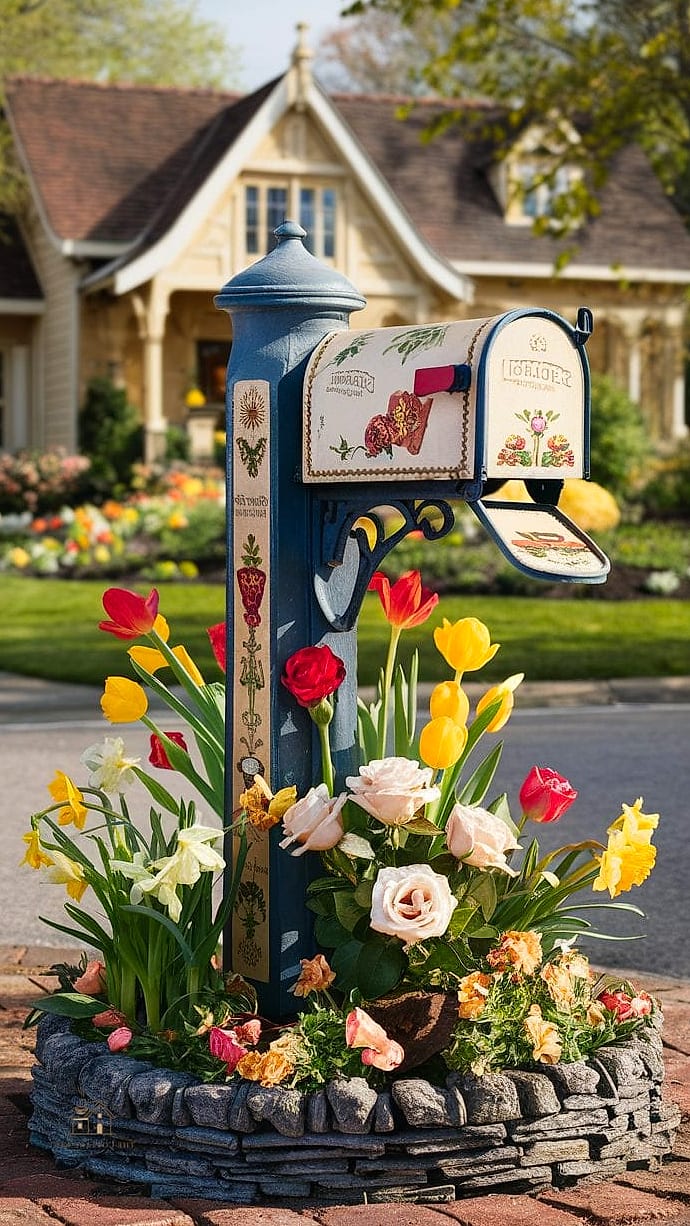
Don’t overlook the area around your mailbox. A small circular or oval bed here adds charm to a spot that’s usually just grass.
Low-growing perennials like creeping phlox or daylilies work nicely since they won’t obstruct mail delivery or block visibility for drivers. Add a small trellis with climbing roses for height without overwhelming the space.
This is a great starter project if you’re new to gardening and want something manageable.
Foundation Planting Along the House
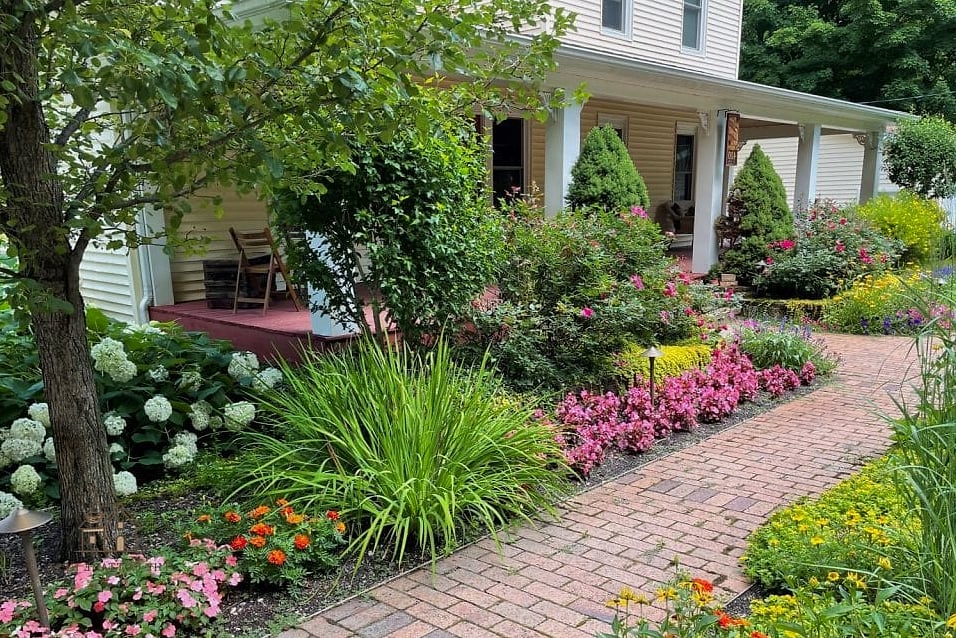
Filling the narrow strip right against your home’s foundation with layered plantings hides unsightly concrete and softens the transition from house to yard. Start tall near the wall and step down in height toward the lawn.
Hydrangeas, hostas, and boxwoods are popular foundation choices because they handle partial shade well, since this area often sits under eaves or overhangs.
Just be sure to leave a little breathing room between plants and siding for airflow and pest prevention.
Circular Island Bed in the Lawn
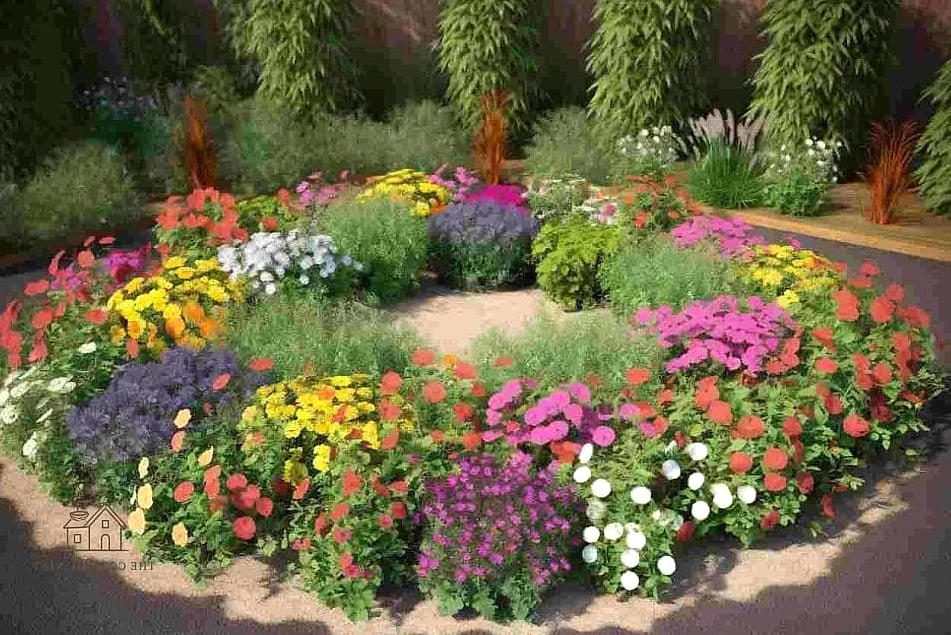
Instead of hugging the house, an island bed sits out in the open lawn as its own focal point. A circular or oval shape works best so it reads well from the street and the driveway.
Plant taller specimens like ornamental trees or ornamental grasses in the center, then layer down to shorter flowers at the edges. This creates a 360-degree view since people will see it from multiple angles.
Keep the size proportional to your yard so it doesn’t feel like an obstacle course to mow around.
Xeriscape-Inspired Desert Bed
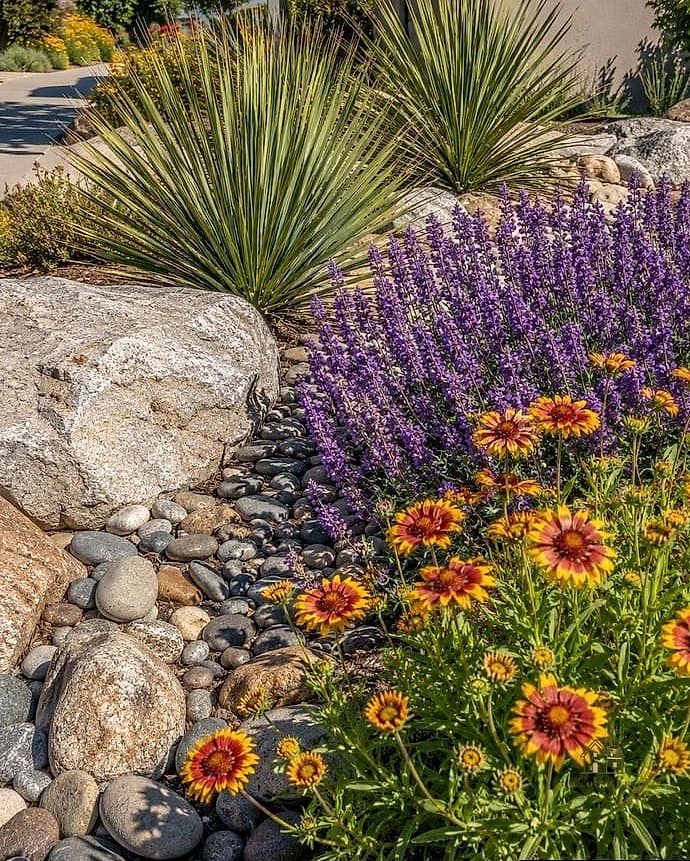
For a modern, water-wise approach, combine agave, yucca, and desert marigold with decorative gravel and a few larger boulders. This style has grown popular even outside traditional desert climates.
It reads as clean and architectural, which suits contemporary or minimalist home exteriors particularly well. Maintenance is refreshingly low once the plants establish their roots.
Just double-check your climate zone before committing, since some desert plants won’t survive a hard freeze.
Pastel Spring Bulb Display
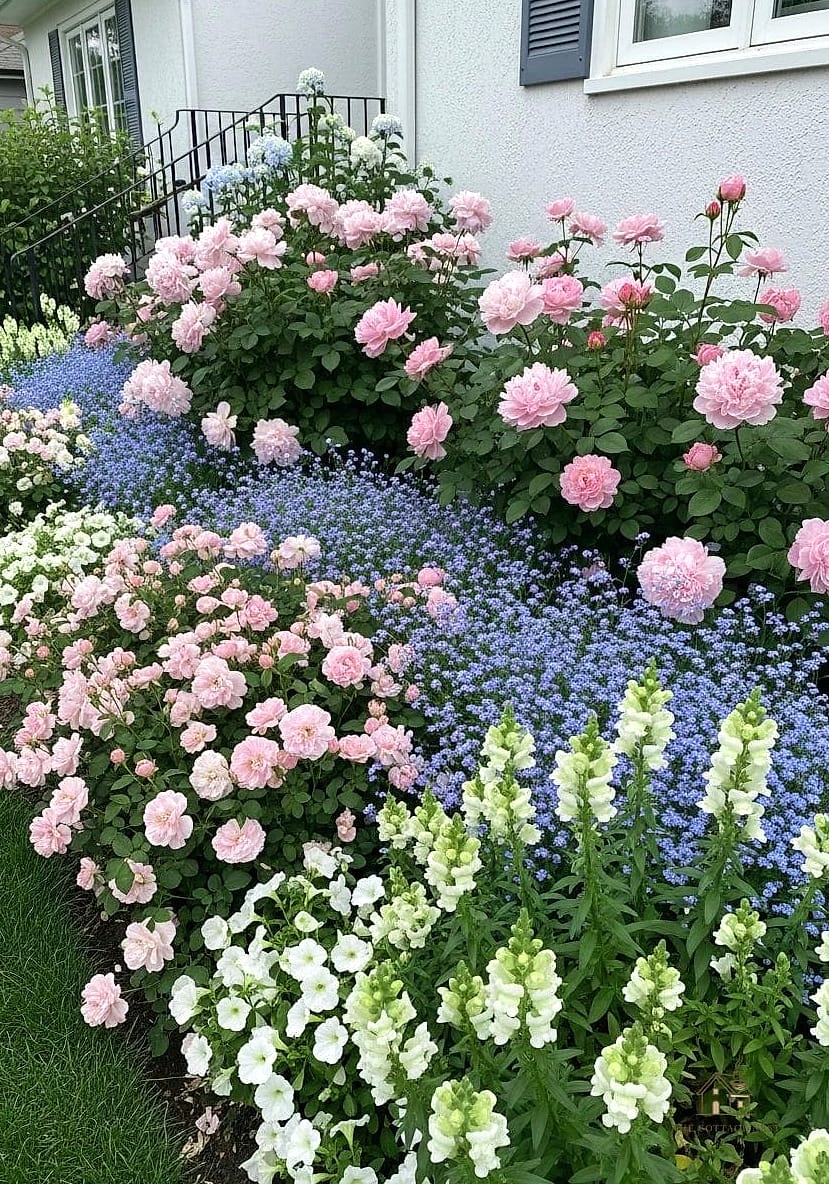
Nothing announces spring quite like a bed full of tulips, daffodils, and hyacinths in soft pastel shades. Plant bulbs in fall for a burst of color that greets you every March or April.
This works beautifully in front of cottage or Victorian-style homes with a lot of architectural detail. Once bulbs fade, tuck in annuals to keep the bed looking full through summer.
It’s an affordable way to get big color impact without a huge ongoing investment.
Black Mulch with Bright Annuals
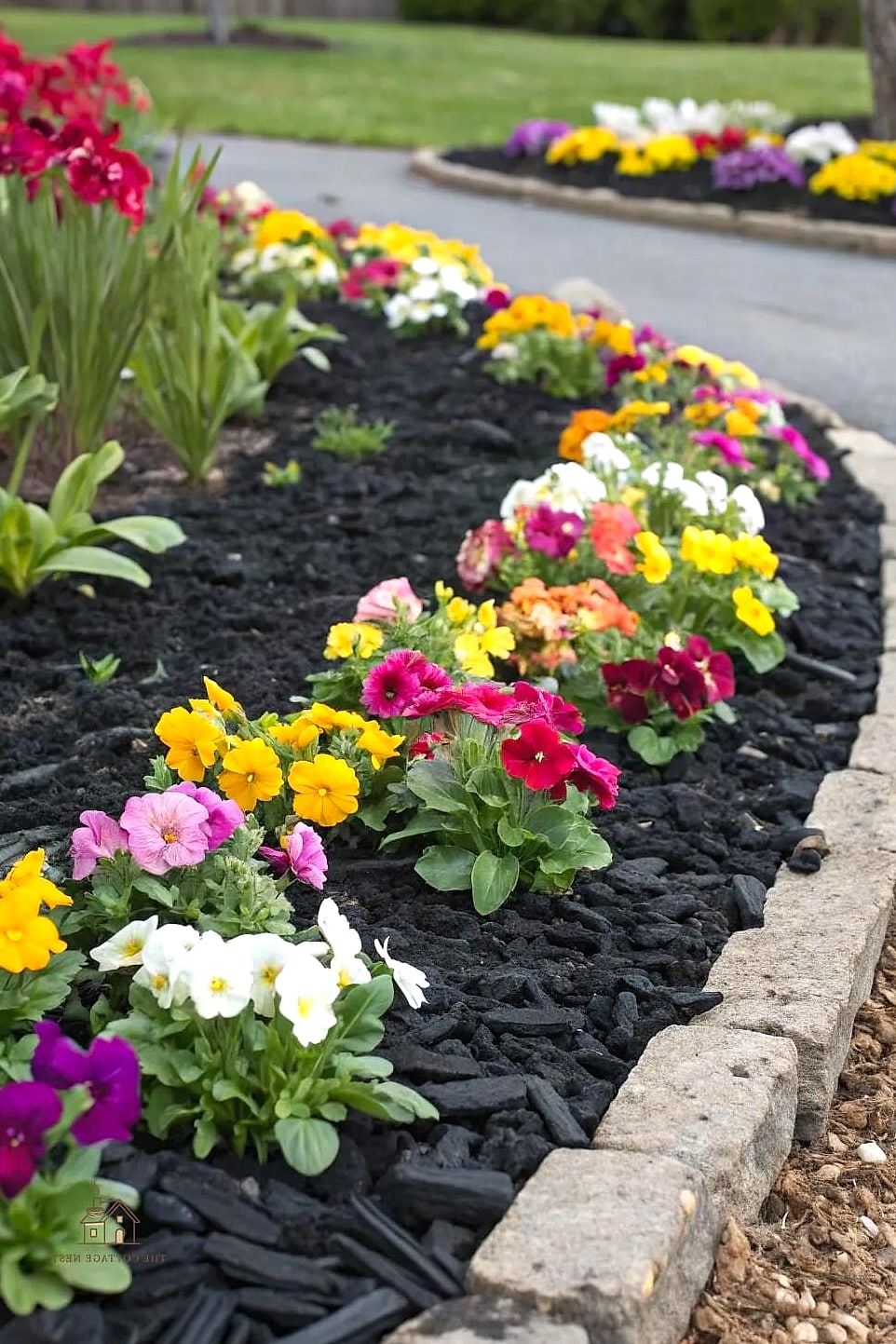
Sometimes it’s the small choices that make the biggest visual difference. Swapping traditional brown mulch for black mulch makes bright annual colors like red geraniums or yellow marigolds pop even more.
This trick works particularly well for homes with lighter exterior colors, since the contrast reads clean and intentional rather than random. It’s an easy weekend refresh if your current bed feels flat.
Black mulch also tends to retain heat a bit more, which can help warm-season plants thrive earlier.
Herringbone Brick Path Through the Bed
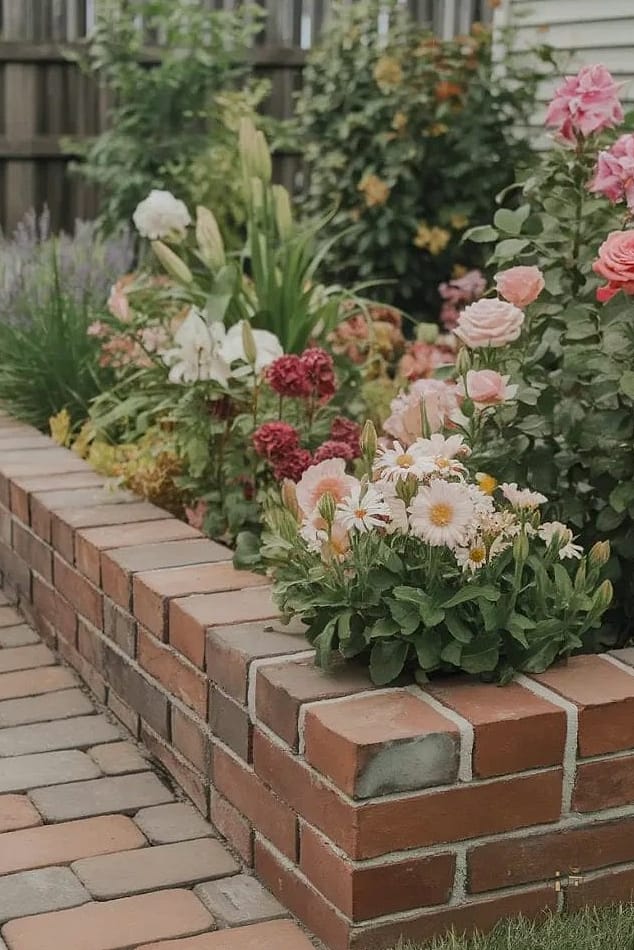
Adding a small herringbone brick path that cuts through or borders your flower bed gives it a designed, purposeful feel. It also creates a practical route if you need to access plants for watering or trimming.
This pairs nicely with traditional or craftsman homes that already have brick accents elsewhere. Choose a brick tone that complements your house rather than matching it exactly.
It’s a bit more involved to install but adds serious curb appeal for the effort.
Shade Garden Under a Front Tree
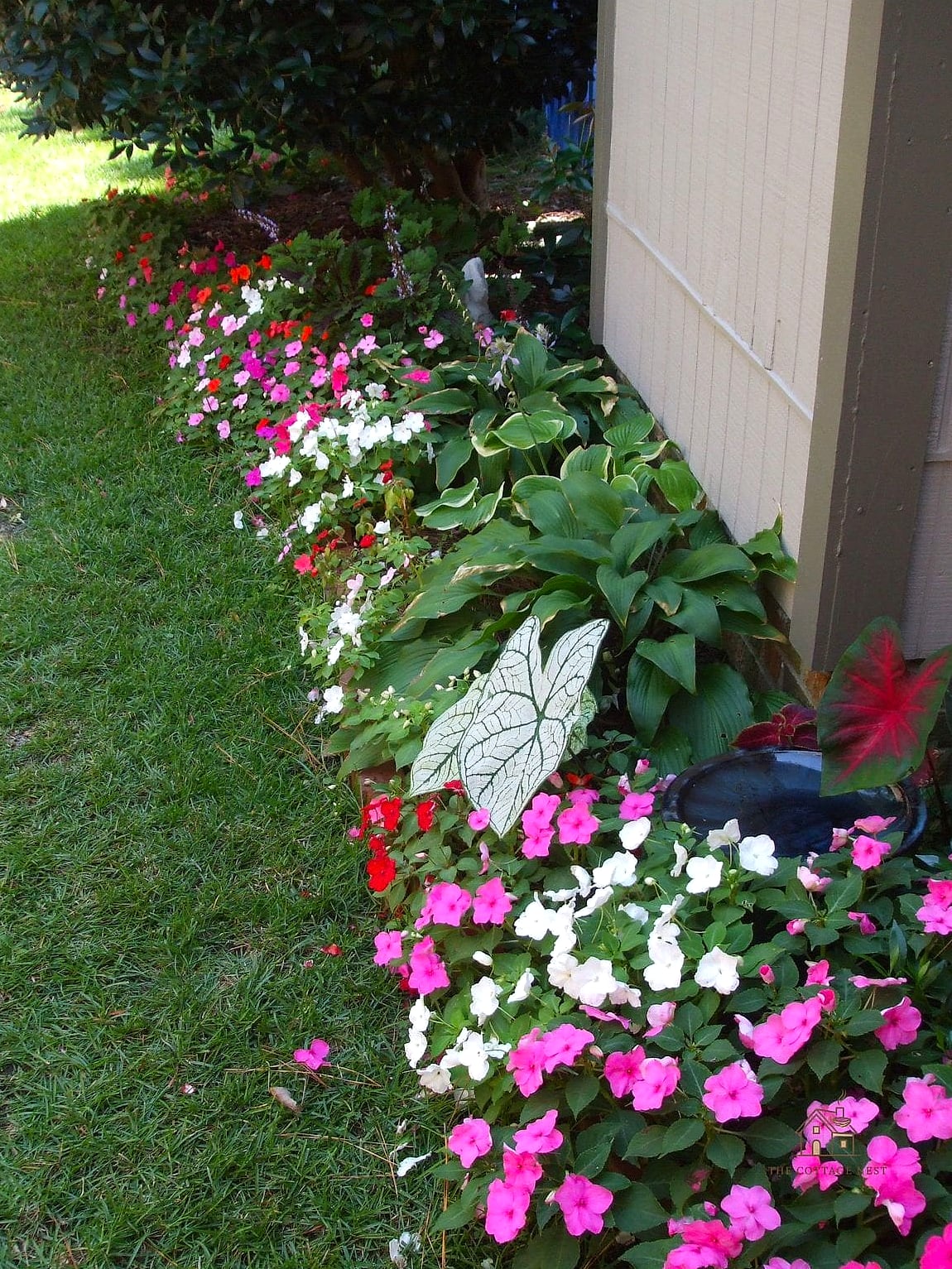
If a mature tree shades part of your front yard, work with it instead of fighting it. Hostas, ferns, astilbe, and heuchera all thrive in low light and add rich texture.
This is one of the more forgiving beds to maintain since shade-loving plants generally need less water than sun-lovers. It also solves the age-old problem of grass refusing to grow under trees.
Mulch heavily here to help retain moisture and suppress weeds.
Vertical Trellis Flower Bed
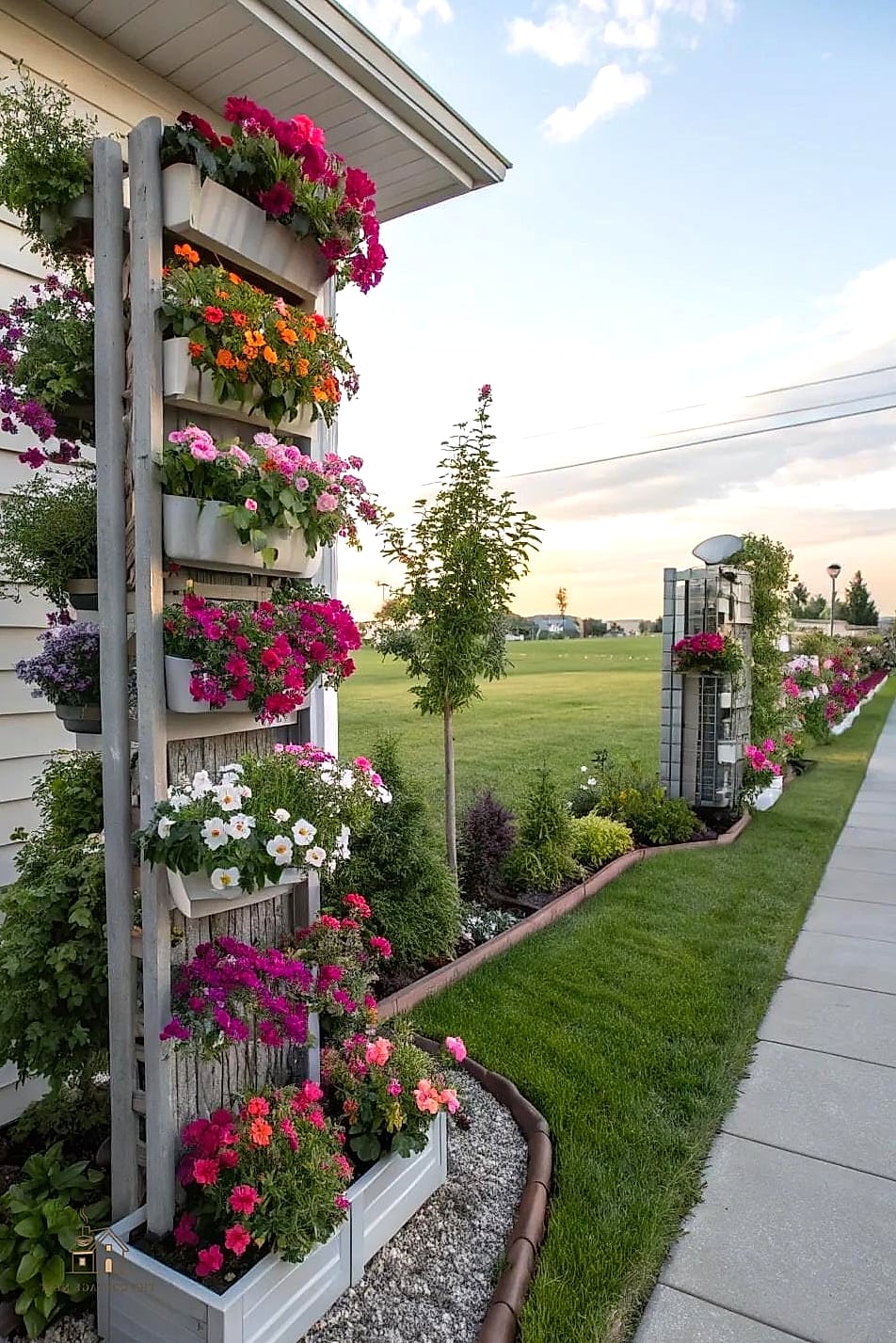
Adding a trellis or two within your flower bed lets you grow climbing plants like clematis or climbing roses, which adds height without taking up extra ground space. This is especially handy for narrower beds.
It draws the eye upward, which can make your entryway feel grander than it actually is. Pair with lower plantings at the base for a layered effect.
Just make sure the trellis material matches your home’s overall style, whether that’s wrought iron, wood, or something more rustic.
Two-Tone Color Block Bed
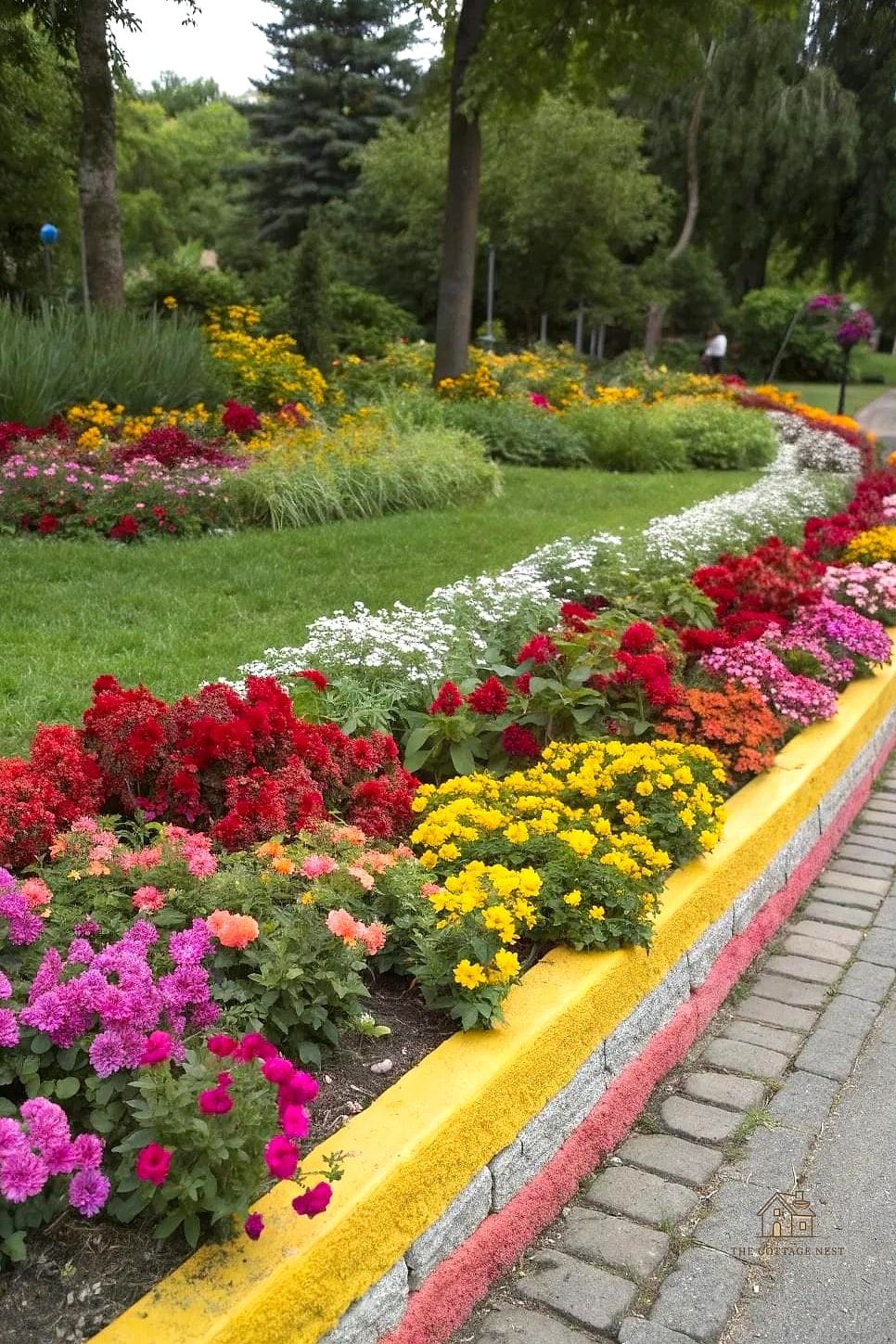
Choose two complementary colors, say purple and yellow or pink and white, and plant them in distinct blocks or drifts rather than mixing everything together. It reads as more intentional and modern.
This works great for contemporary homes where a wild cottage look wouldn’t fit the aesthetic. Salvia and marigolds are a reliable pairing if you want something low-fuss.
Keep the blocks generously sized so the color statement actually reads from the street.
Native Plant Pollinator Bed
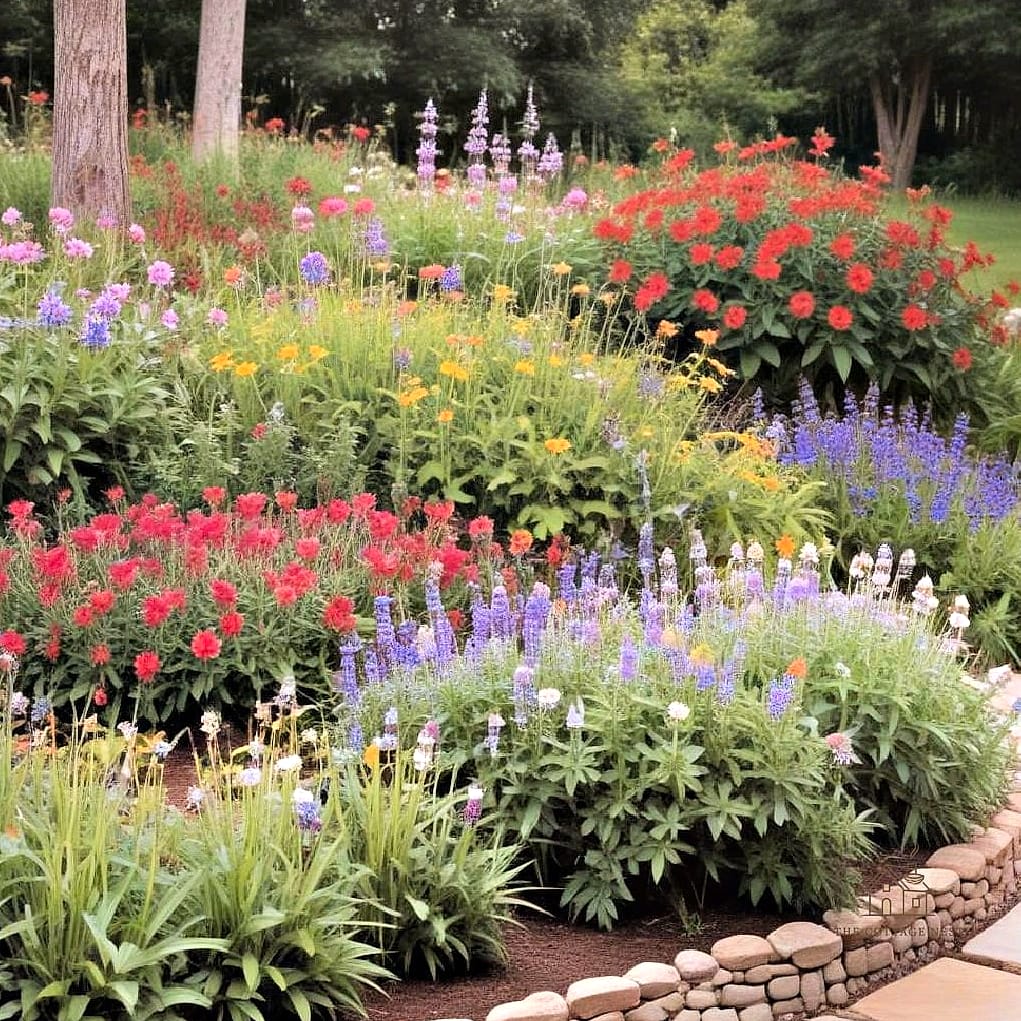
Filling your front bed with native plants suited to your specific region tends to mean less watering, less fussing, and more wildlife activity. Milkweed, asters, and native grasses are common starting points depending on where you live.
This approach has gained real traction lately as more homeowners think about sustainability alongside curb appeal. It’s also genuinely budget-friendly since native plants are usually cheaper and hardier.
Check with a local nursery for species specific to your area for the best results.
Formal Boxwood Parterre
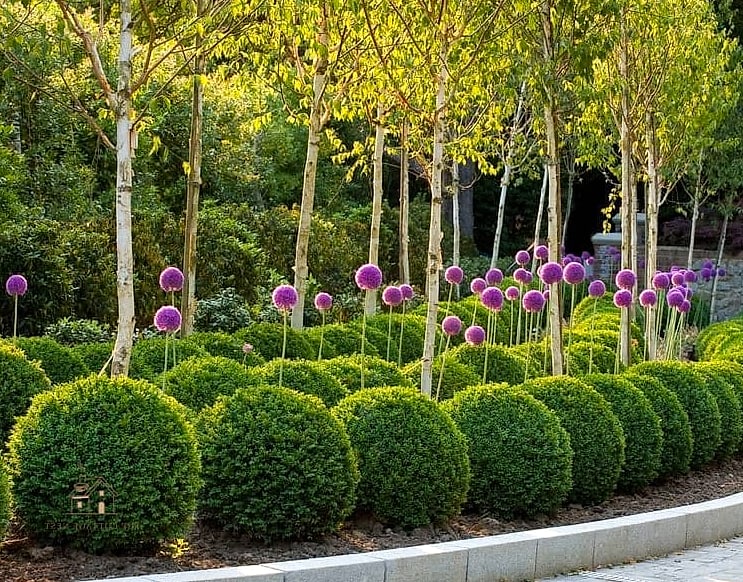
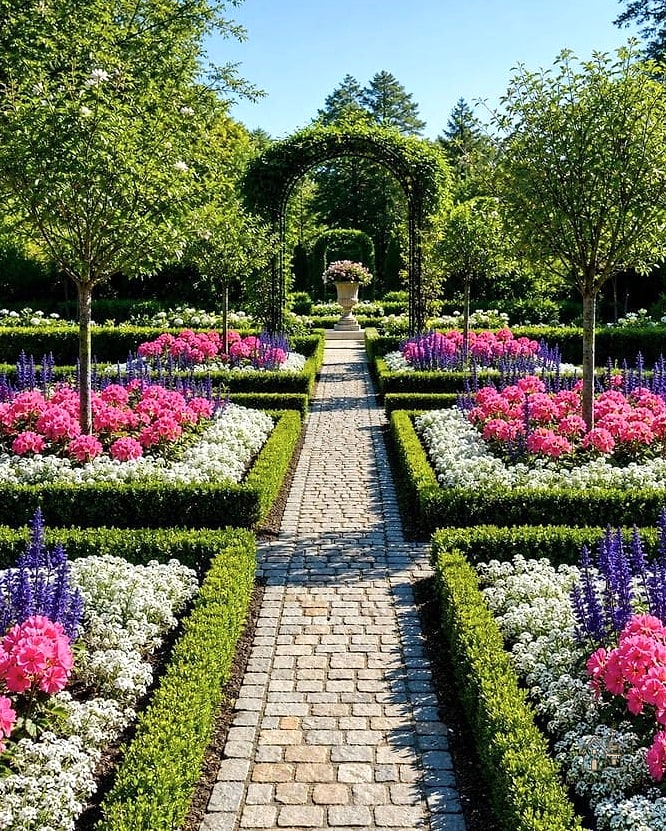
A parterre is a more elaborate, geometric design where boxwood hedges form patterns like squares, diamonds, or knots, with flowers filling the gaps. It’s a striking, high-end look.
This suits larger properties and more traditional or European-inspired homes best. It requires more upfront planning and trimming maintenance, so it’s not really a low-effort option.
If you love a manicured, formal aesthetic, though, this delivers serious visual payoff.
Container Cluster Instead of a Dug Bed
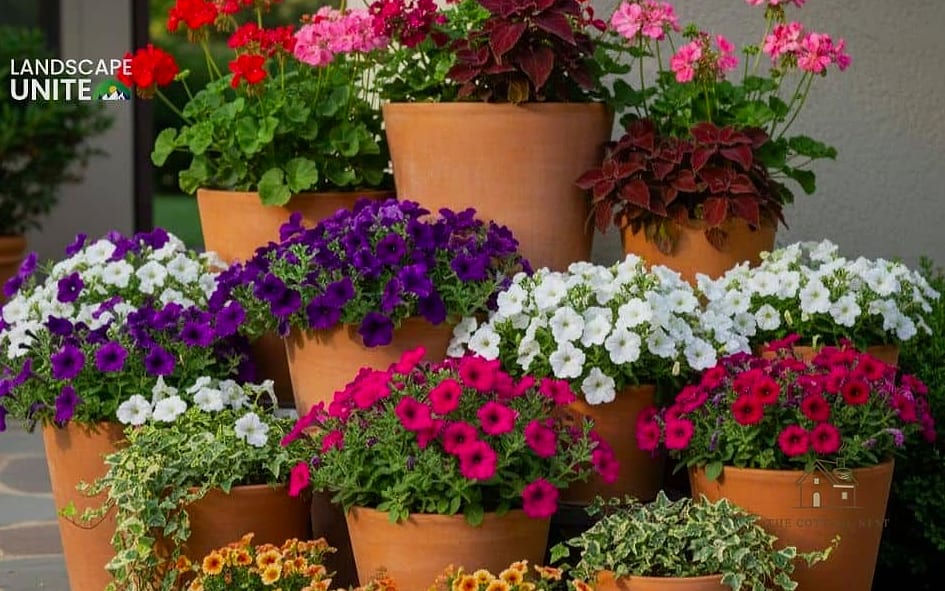
If you’re renting or just not ready to commit to digging up your yard, a cluster of large planters near your entrance can mimic the look of a flower bed. Vary the heights and pot sizes for visual interest.
This is one of the most renter-friendly options on this list since it requires zero permanent changes to the property. You can also rearrange or swap plants seasonally with ease.
Terracotta, concrete, or black metal planters all work depending on your home’s style.
Butterfly Garden Bed
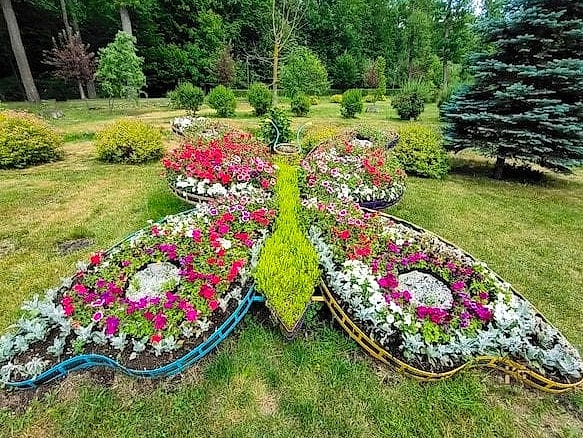
Designed specifically to attract butterflies, this bed leans on nectar-rich plants like butterfly bush, zinnias, and lantana. It’s a lovely option if you want your front yard to feel alive and active.
Kids especially seem to love watching butterflies visit these beds, so it’s a nice family-friendly project if you’ve got little ones interested in nature.
Avoid pesticides here, since the whole point is inviting pollinators in rather than driving them off.
Moon Garden with Night-Blooming Flowers
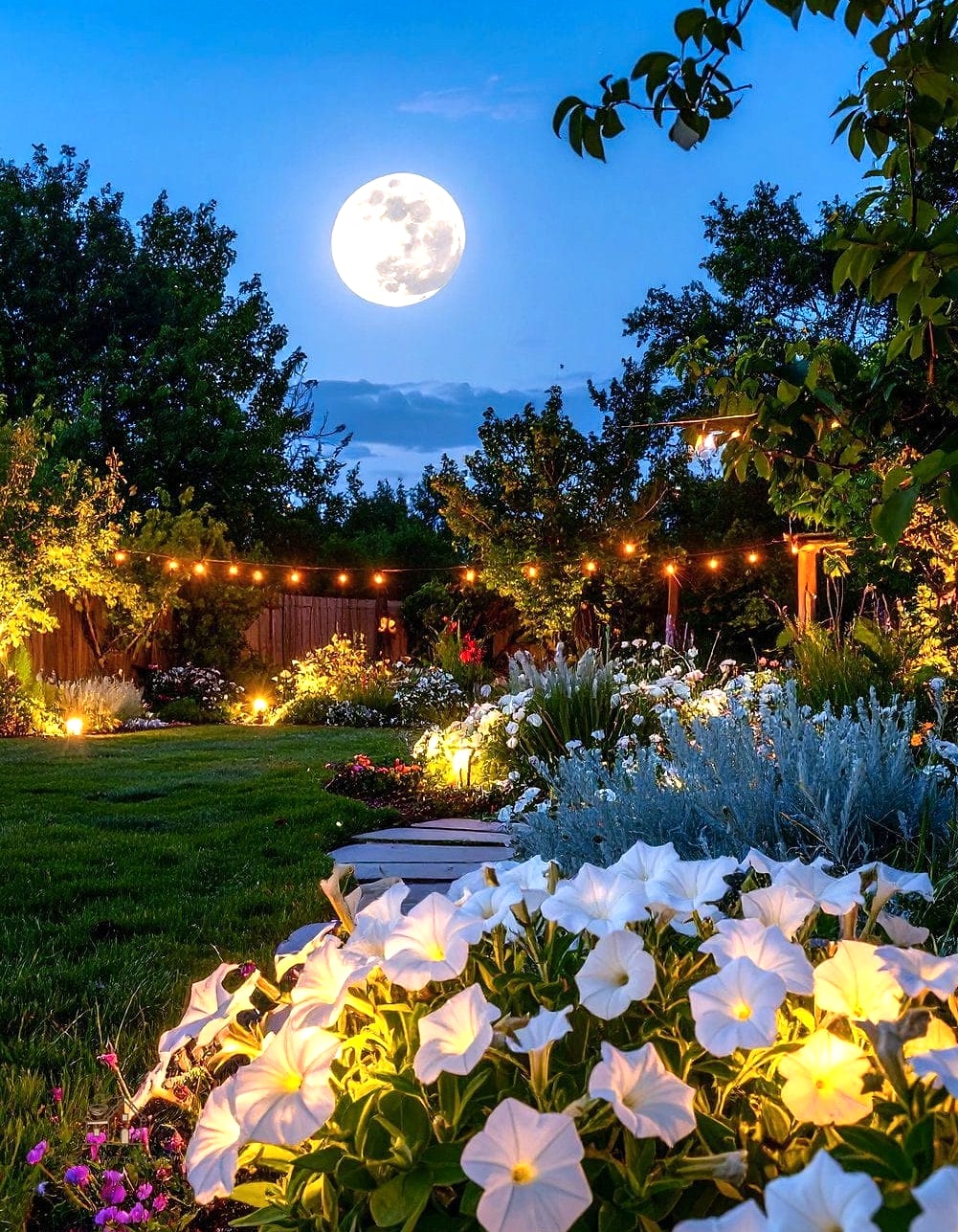
A moon garden is planted with white and pale-colored flowers that seem to glow under moonlight, like moonflowers, white petunias, and silver dusty miller. It’s a fun, unexpected concept for anyone who enjoys their porch in the evenings.
This works particularly well if you spend warm evenings sitting out front. Add a few solar lights nearby to enhance the effect after dark.
It’s more of a novelty design, but it’s genuinely a conversation starter with neighbors.
Herb and Flower Combo Bed
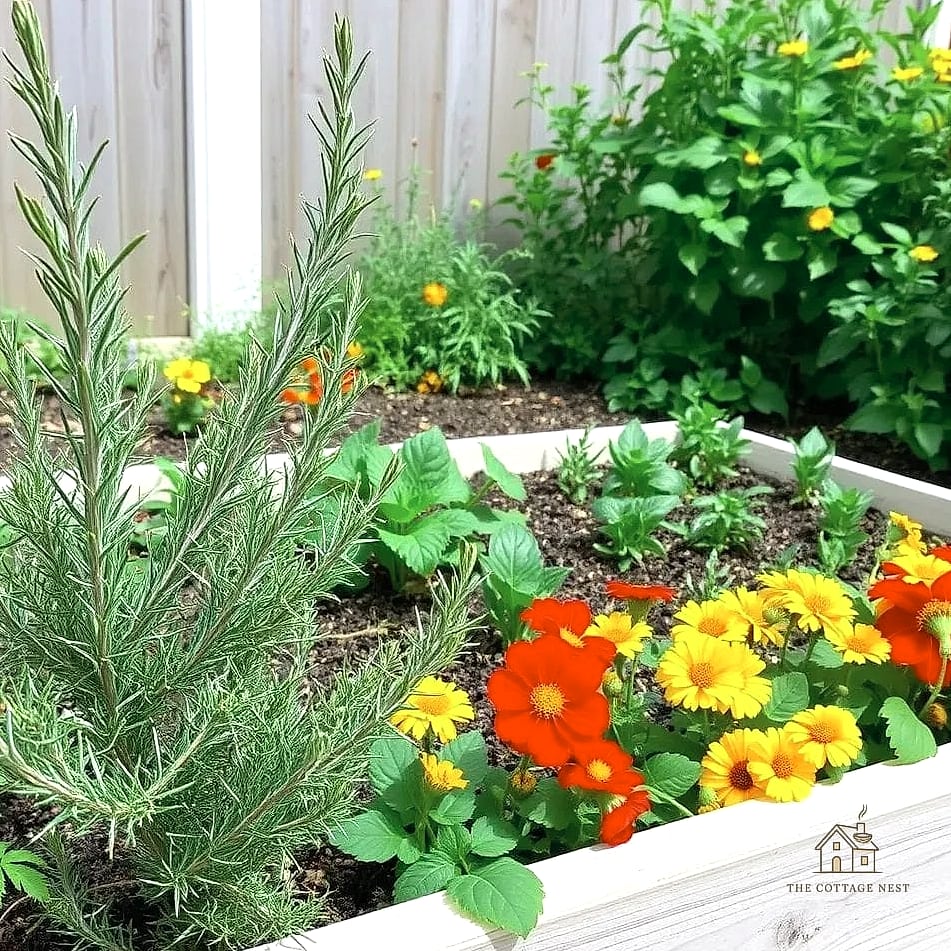
Mixing edible herbs like rosemary, lavender, and thyme with ornamental flowers creates a bed that’s both pretty and practical. Lavender in particular does double duty as a fragrant border plant.
This works well near a front porch or entry where you might actually reach out and snip herbs for cooking. It also tends to smell wonderful when brushed against.
Most of these herbs are drought-tolerant too, so it’s a fairly low-water option.
Asymmetrical Modern Bed
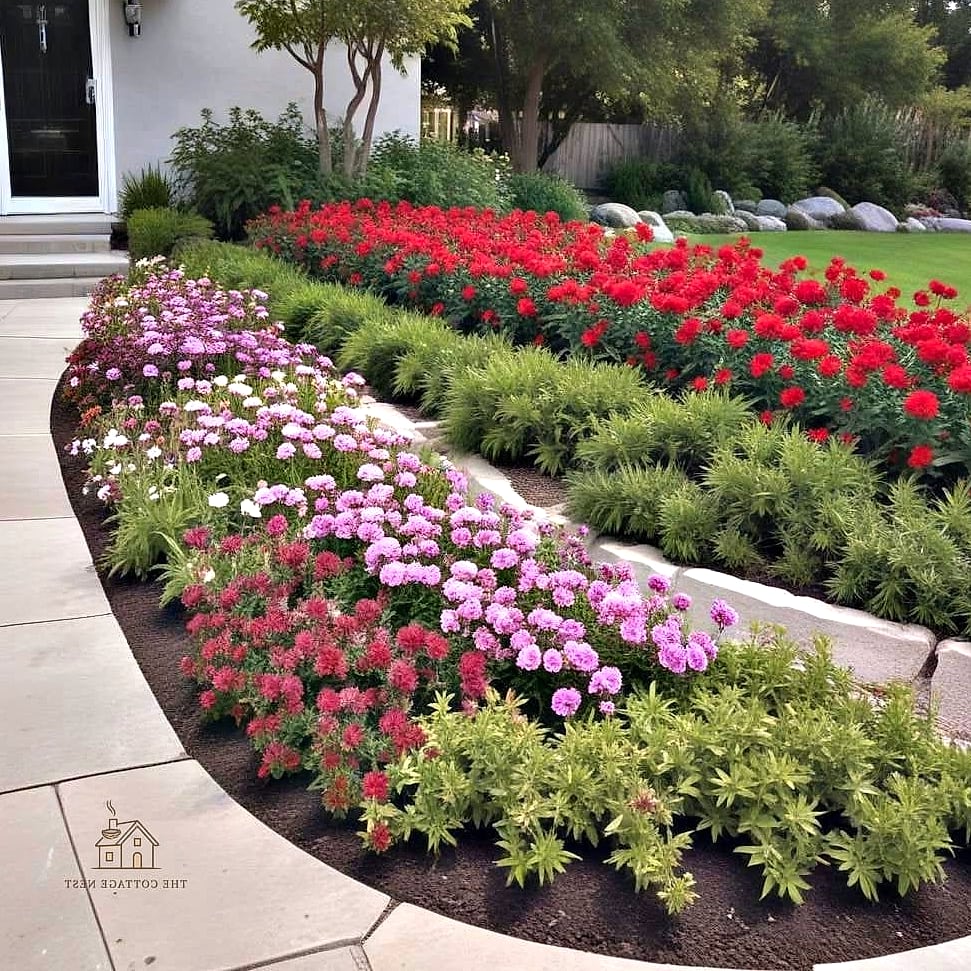
Skip the mirrored, symmetrical layout and go with an intentionally asymmetrical bed instead, larger on one side of the entry than the other. This suits modern and minimalist home exteriors that favor clean, architectural lines.
Use fewer plant varieties here than you would in a cottage-style bed. Restraint is really the whole point of this look.
Ornamental grasses paired with one or two flowering shrubs tend to nail this aesthetic.
Corner Lot Wraparound Bed
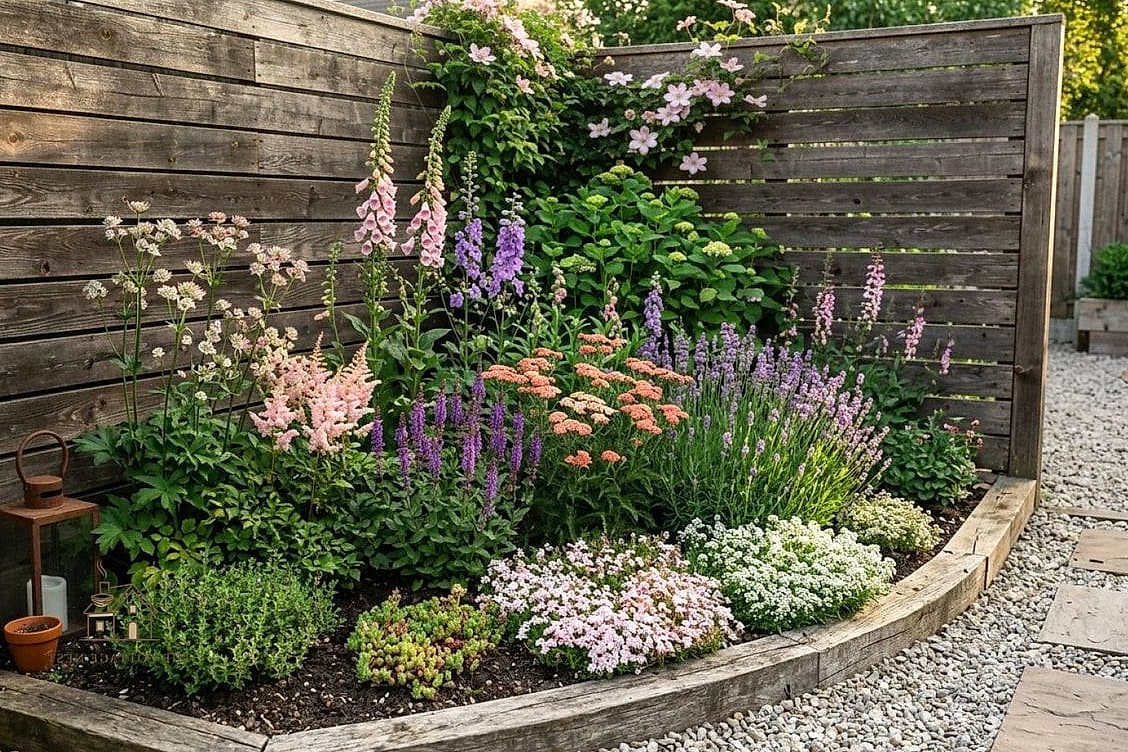
If your home sits on a corner lot, consider wrapping your flower bed around the corner rather than stopping it at the front. This creates continuity and curb appeal from both street angles.
Taller plants work well at the corner itself, tapering down as the bed continues along each side. It’s a bigger project, but corner lots get double the visibility, so it’s often worth the extra effort.
Stagger bloom times so something’s always flowering as you round the corner.
Rustic Wagon Wheel or Vintage Accent Bed
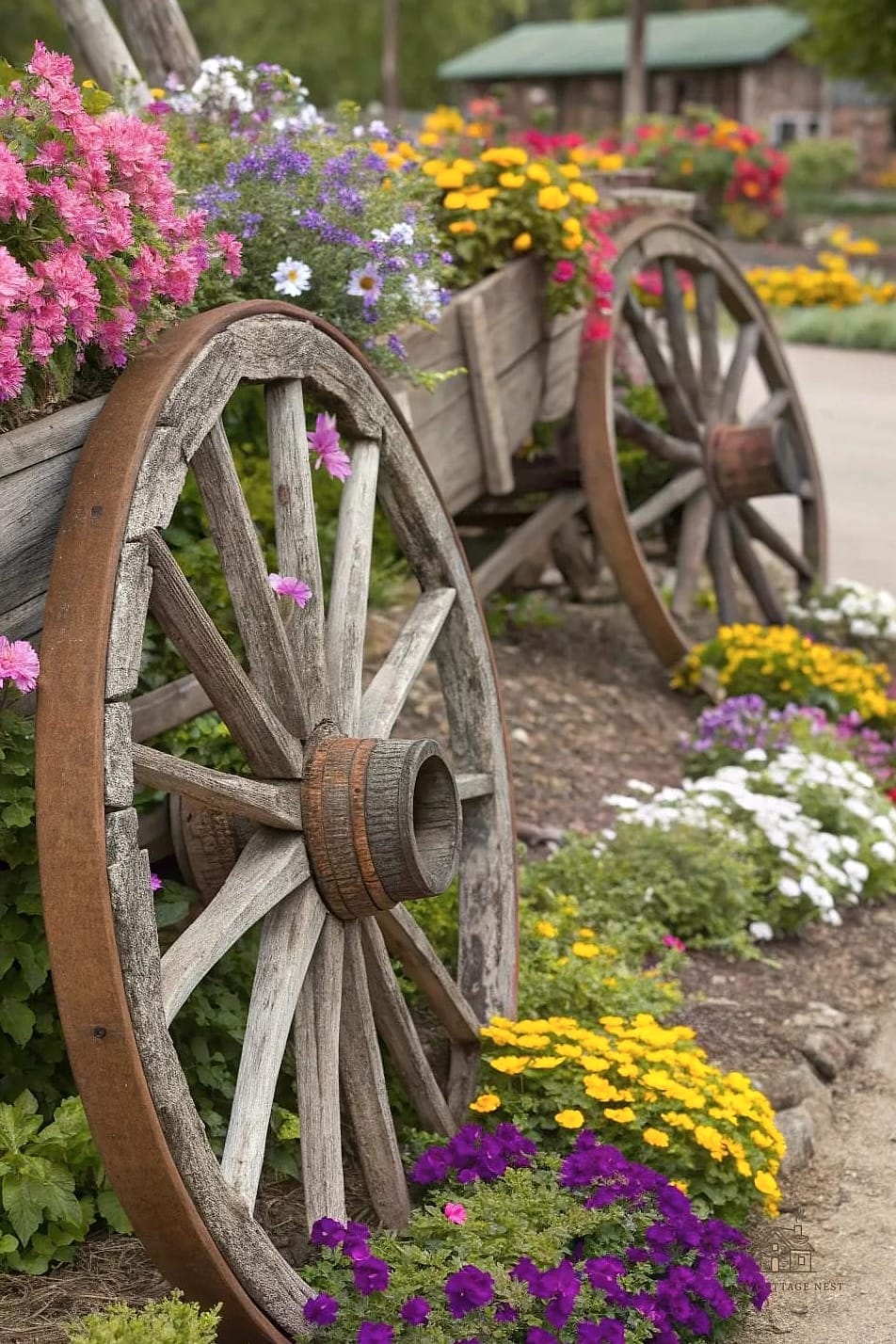
Tucking a vintage element like an old wagon wheel, weathered ladder, or repurposed wheelbarrow into your flower bed adds instant character and a bit of storytelling. Surround it with cascading flowers like sweet alyssum or trailing petunias.
This works especially well for farmhouse and rustic-style homes. It’s also a great way to repurpose something you already have sitting in storage.
Just make sure whatever you use is weather-treated so it holds up outdoors.
Layered Evergreen and Seasonal Bed
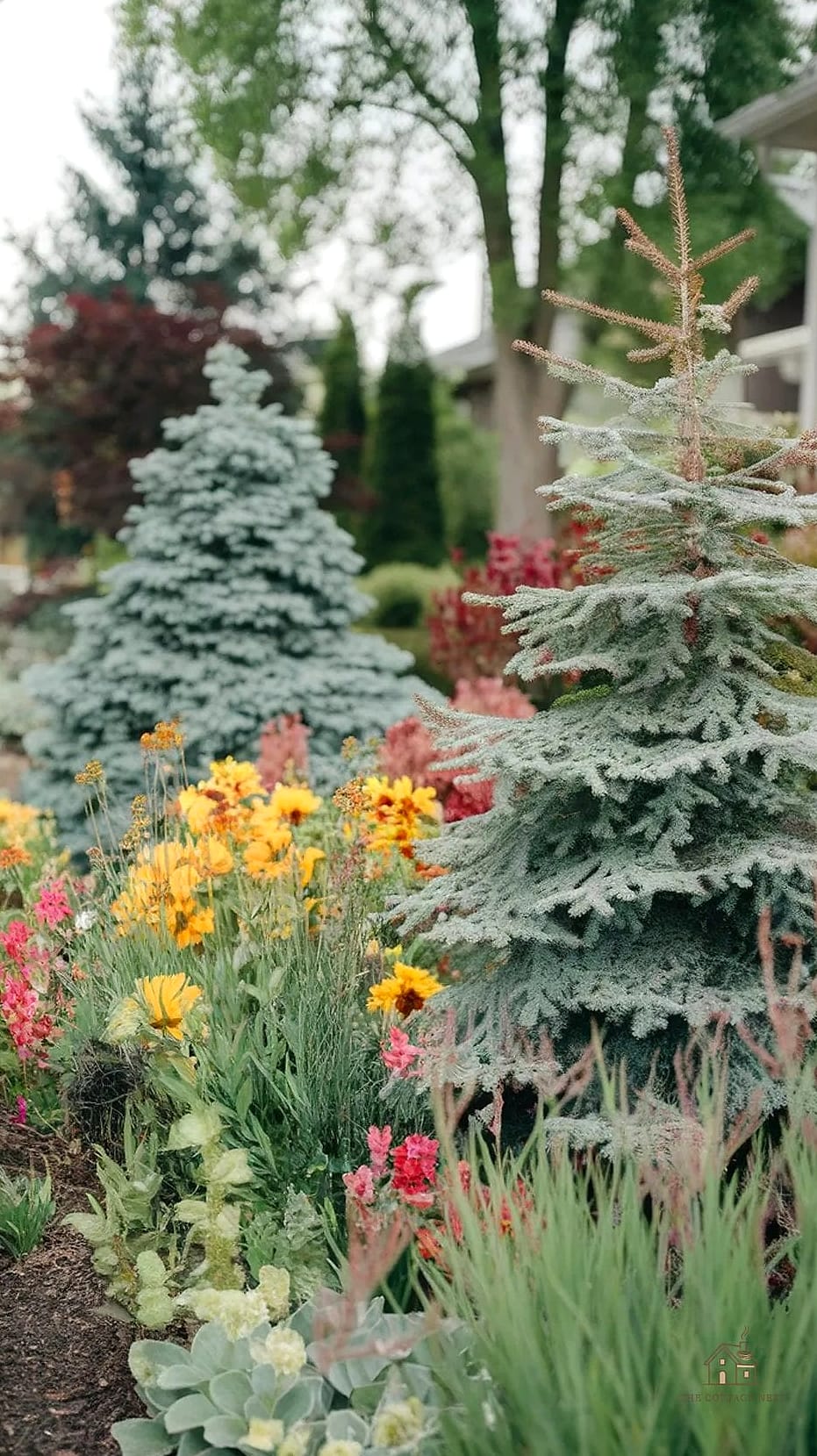
Combining evergreen shrubs like dwarf holly or juniper with rotating seasonal annuals gives you year-round structure plus flexibility for color changes. The evergreens anchor the bed even in winter when nothing else is blooming.
This is a practical choice if you want your front yard to look intentional in every season, not just spring and summer. Budget for swapping annuals two to three times a year for best results.
It strikes a nice balance between low-maintenance and constantly fresh.
Fragrant Garden Bed
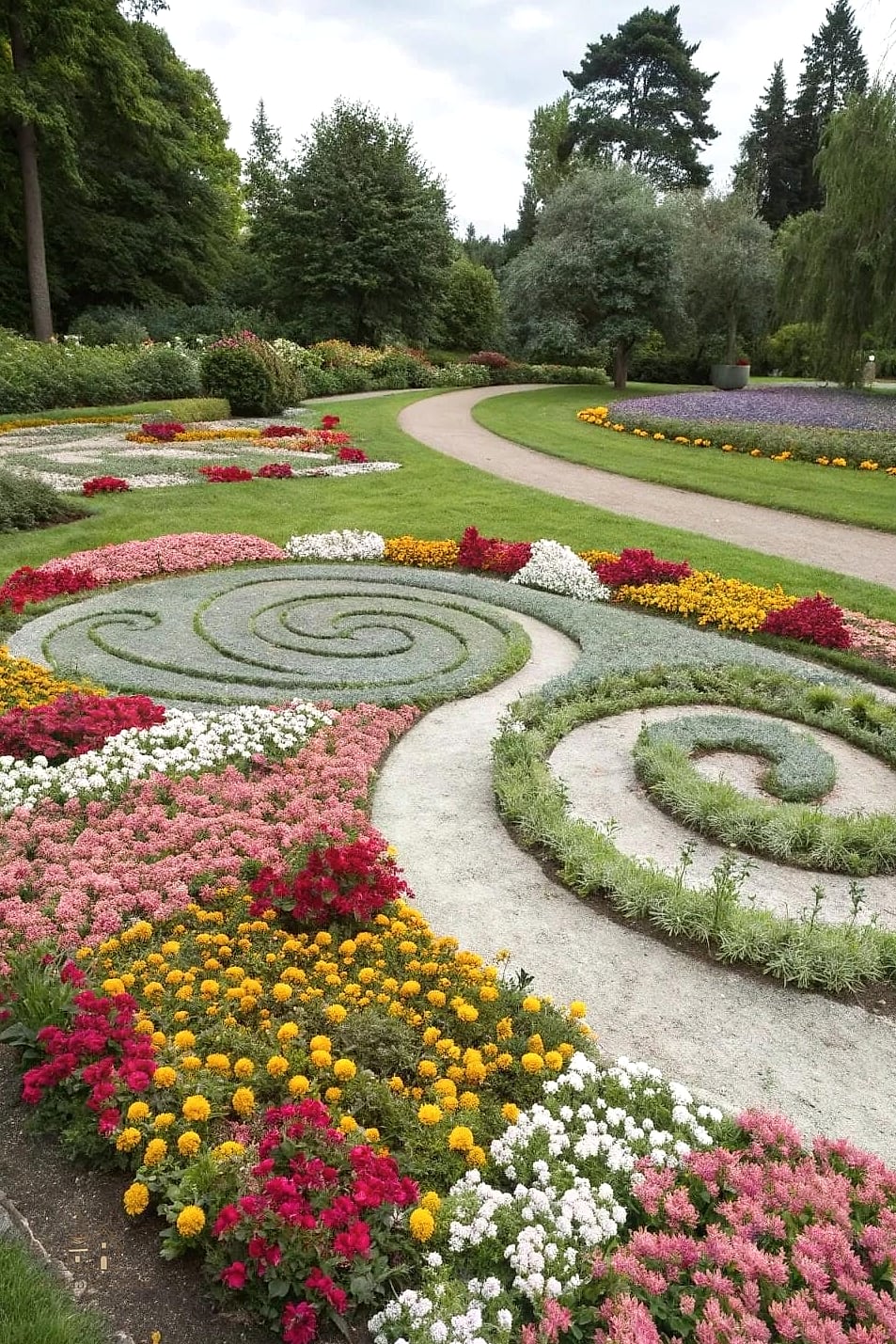
Planting for scent as much as sight, think jasmine, gardenia, peony, and sweet alyssum, turns your entryway into a sensory experience every time you walk up. It’s easy to forget smell when planning a garden, but it makes a real difference.
This works best planted close to walkways or porches where people actually brush past or linger. Morning and evening tend to be when fragrance is strongest.
Pair fragrant bloomers with less scented filler plants so it doesn’t become overwhelming.
Low-Growing Groundcover Border
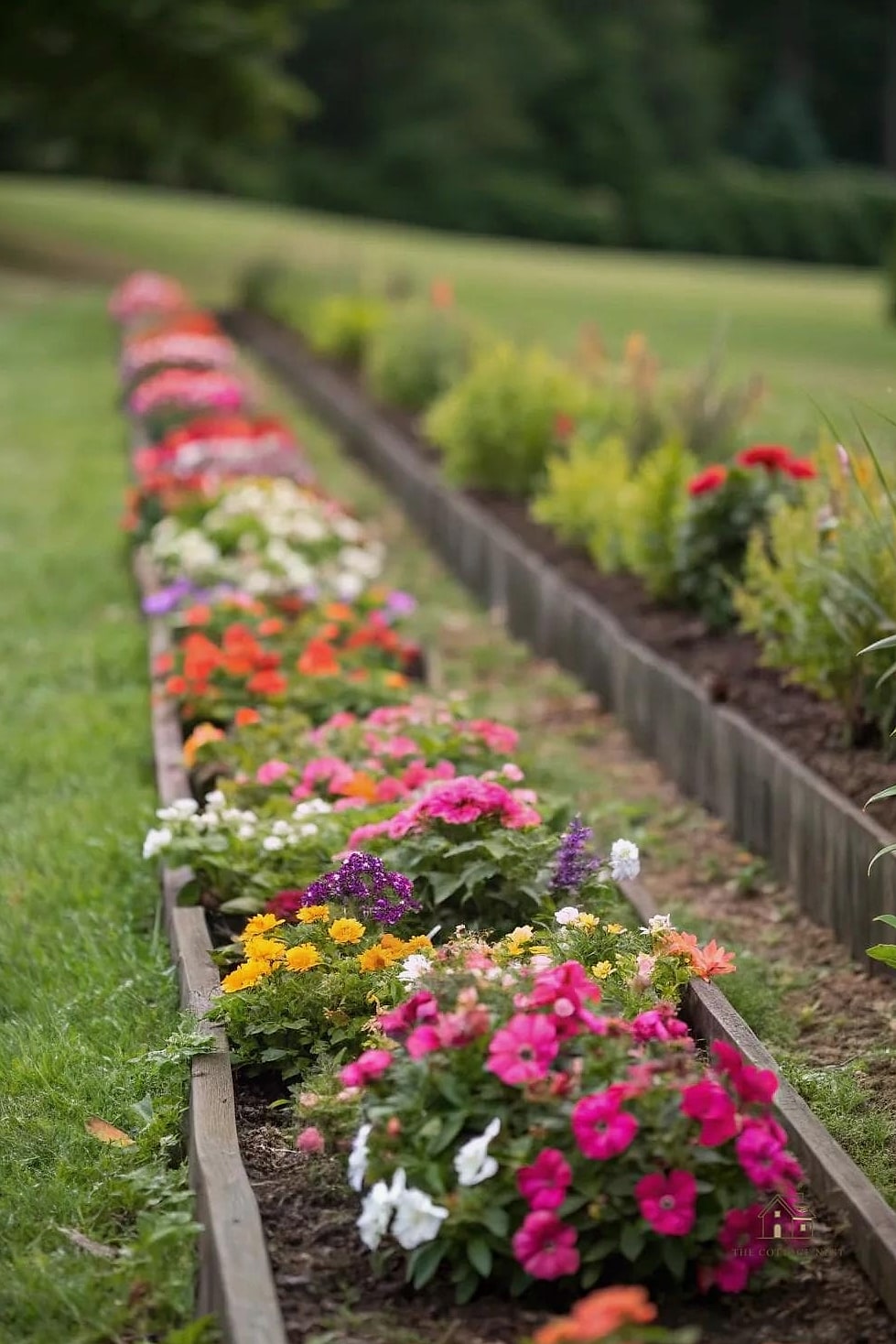
Instead of traditional mulch, use a low groundcover like creeping thyme or sedum as the base layer of your bed, then add taller accent flowers sparingly. It creates a lush, carpeted look.
This is a great pet-friendly option since groundcover tends to be more resilient to foot traffic than delicate blooms. It also naturally suppresses weeds, cutting down on maintenance.
Give it a season or two to fully fill in before judging the final look.
Dry Creek Bed with Flanking Flowers
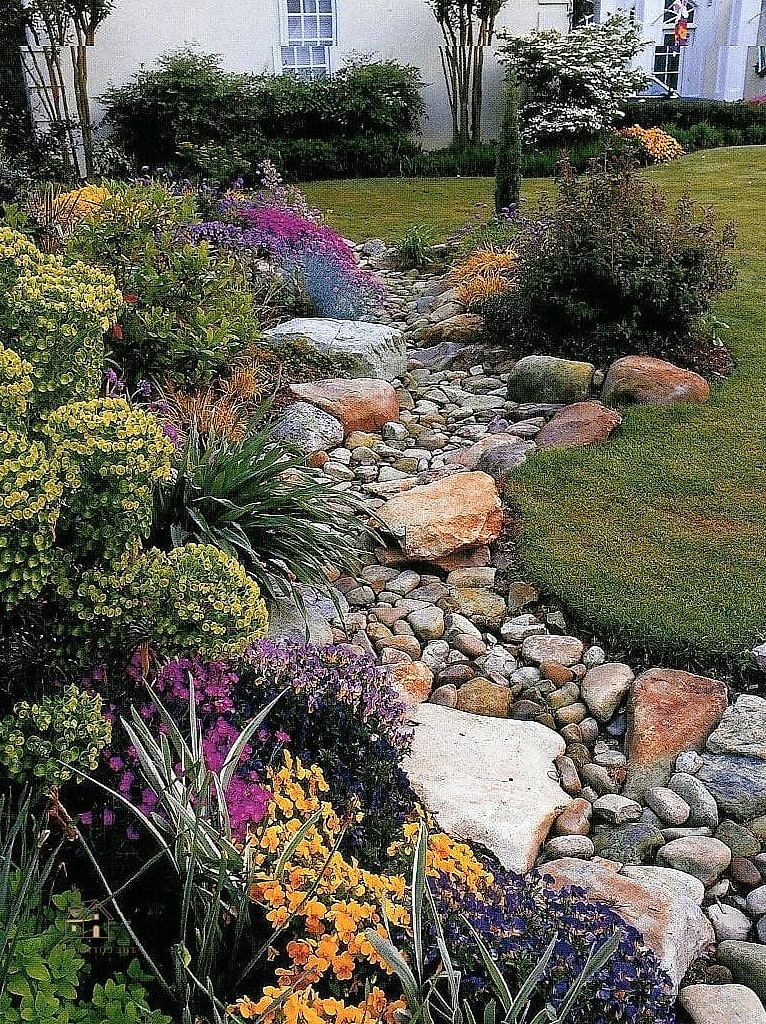
A dry creek bed, essentially a stone-lined channel that mimics a natural waterway, adds visual interest and can double as functional drainage if your yard collects runoff. Flank it with moisture-loving flowers on the edges.
This works well for yards with drainage issues after heavy rain. It also adds a unique textural element you won’t see in every yard on the block.
Irises and daylilies are popular choices for the edges since they tolerate occasional damp soil well.
Cutting Garden Bed
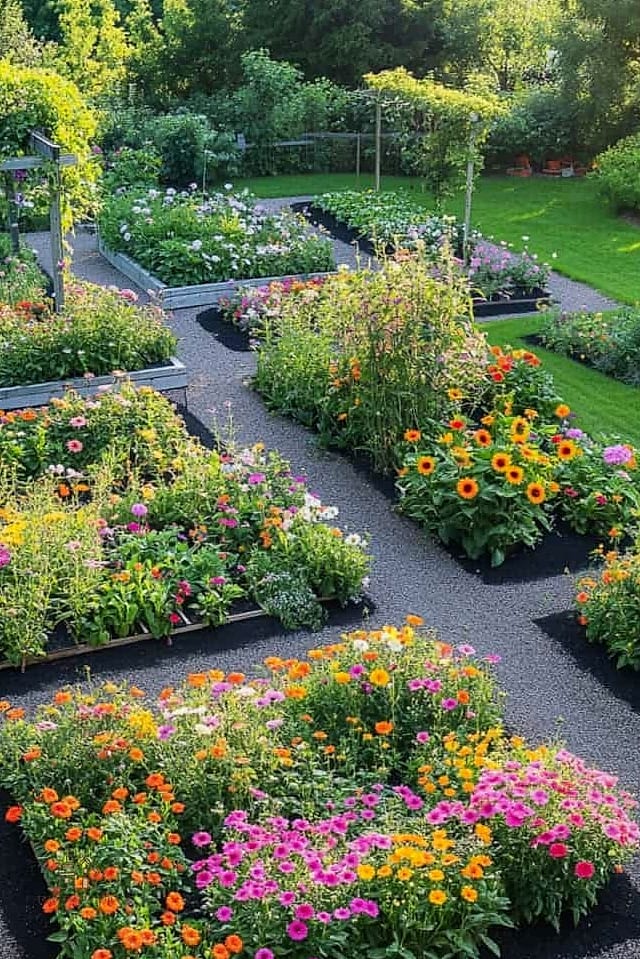
Design your front bed specifically to grow flowers you’ll actually cut and bring inside, like zinnias, dahlias, and cosmos. It’s a practical twist on a decorative bed.
This works best in a sunny spot with a bit more room to let plants get bushy. Regular cutting actually encourages more blooming, so it’s a win-win.
If you love having fresh flowers on your table, this bed basically pays for itself in bouquets.
Minimalist Single-Species Bed
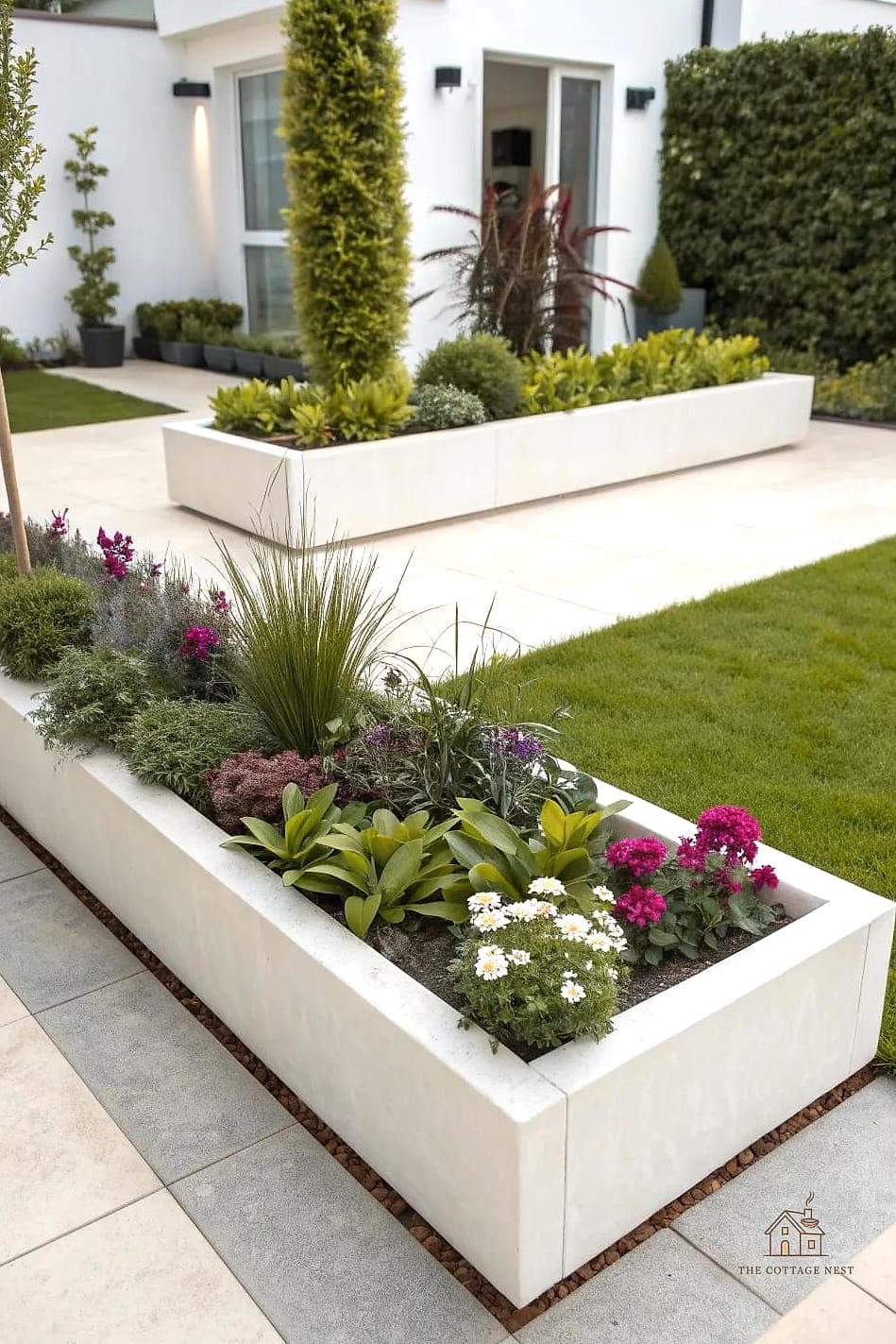
Sometimes less really is more. Planting one variety, like a mass of lavender or a single type of ornamental grass, creates a clean, cohesive look that reads as very intentional.
This suits modern homes especially well, where a busy mix of plants might feel cluttered. It’s also genuinely one of the easier beds to maintain since you’re only learning the needs of one plant type.
Choose a variety that blooms for an extended season so the bed doesn’t look bare for months at a time.
Layered Height Bed for Wide Facades
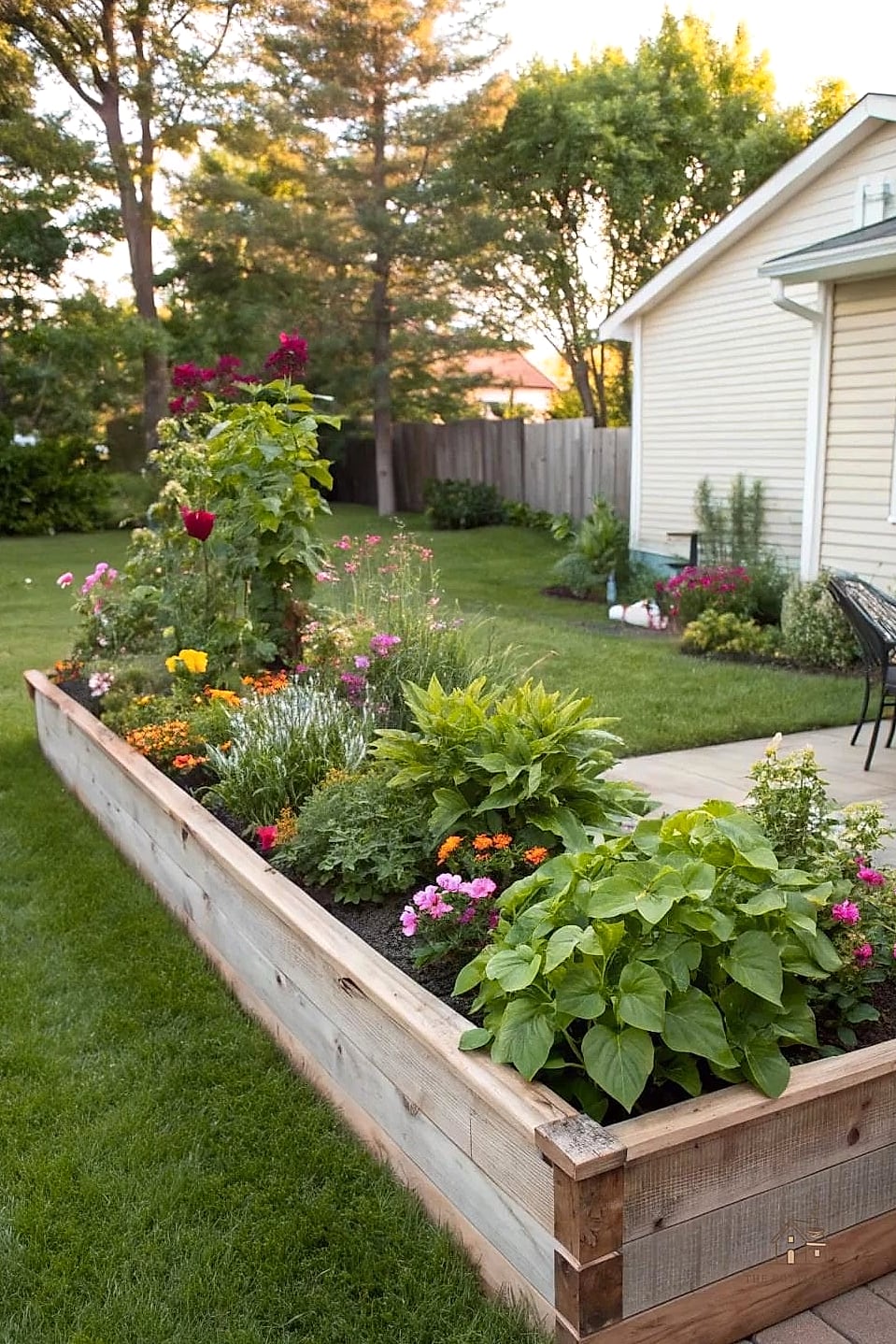
For homes with a long, wide front facade, a bed that steps up in height, low groundcover in front, mid-height perennials in the middle, taller shrubs or small trees at the back, helps fill the visual space without feeling flat.
This layered approach also gives the bed depth from the street, since you’re seeing multiple levels rather than one flat plane of color.
It takes more planning upfront, but it’s one of the most professional-looking results on this list once it fills in.
Whichever direction you go, remember that a great flower bed doesn’t have to be complicated to make a big impression. Start with what suits your climate, your maintenance appetite, and your home’s style, and build from there. Hopefully these 35 creative flower beds for front of house that will inspire you gave you a solid starting point for your own front yard refresh.