45 Brilliant Mailbox Flower Bed Ideas to Copy Right Now
- Classic Circle Bed Around the Post
- Cottage Garden Overflow
- Low-Maintenance Succulent Border
- Symmetrical Boxwood and Annual Combo
- Raised Timber Bed
- Rock Mulch with Pops of Color
- Vertical Trellis Behind the Mailbox
- Monochrome White Garden Bed
- Wildflower Meadow Patch
- Brick-Edged Formal Bed
- Hanging Basket Companion
- Native Plant Pocket Garden
- Two-Tiered Mounded Bed
- Herb and Flower Combo Bed
- Painted Mailbox with Coordinating Blooms
- Solar Light Accented Bed
- Ornamental Grass Backdrop
- Cutting Garden Mailbox Bed
- Mulch Ring with Single Statement Plant
- Perennial-Only Bed for Year-Round Return
- Rustic Wagon Wheel Accent
- Butterfly Garden Bed
- Coastal-Inspired Sandy Bed
- Layered Bulb Bed for Early Spring Color
- Fairy Garden Mailbox Bed
- Modern Minimalist Bed
- Vintage Watering Can Planter Accent
- Shade-Tolerant Bed for Tree-Lined Streets
- Seasonal Rotation Bed
- Painted Rock Border
- Two-Color Palette Bed
- Mailbox Post Wrapped in Blooms
- Drought-Tolerant Xeriscape Bed
- Farmhouse Galvanized Bucket Accent
- Shell and Sea Glass Mulch Accent
- Ornamental Cabbage Cool-Season Bed
- Repurposed Tire Planter Ring
- Formal Boxwood Knot Pattern
- Native Grass and Wildflower Meadow Strip
- Terracotta Pot Cluster Beside the Bed
- Moon Garden for Evening Curb Appeal
- Edible Flower and Vegetable Border
- Steppingstone Path Through the Bed
- Ombre Color Gradient Bed
- Minimalist Single-Species Drift
45 Brilliant Mailbox Flower Bed Ideas to Copy Right Now
Your mailbox sees more daily traffic than almost any other spot in your yard, yet it’s often the last thing anyone thinks to decorate. A little bed of flowers around the post changes that completely. It’s one of those small projects that makes your whole curb appeal look more intentional, and it doesn’t take a weekend of hard labor to pull off. Here are 45 ideas worth stealing for your own mailbox.
Classic Circle Bed Around the Post
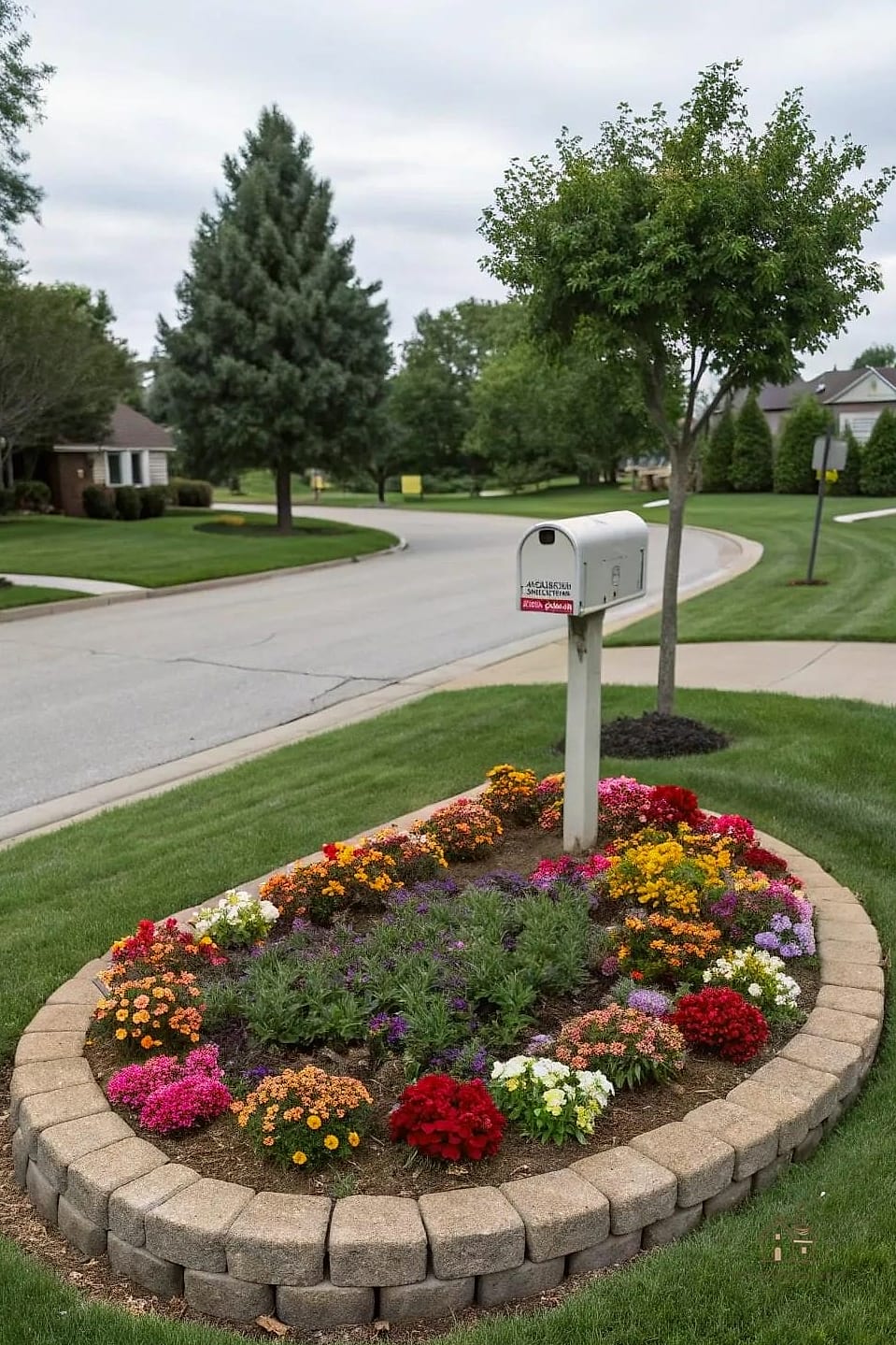
A simple circular bed cut into the lawn around your mailbox post is the easiest starting point for beginners. It softens the hard edges of the post and grass line instantly. Keep the circle around two to three feet wide so it’s easy to mow around. This works in nearly every yard style, from traditional to modern.
Cottage Garden Overflow
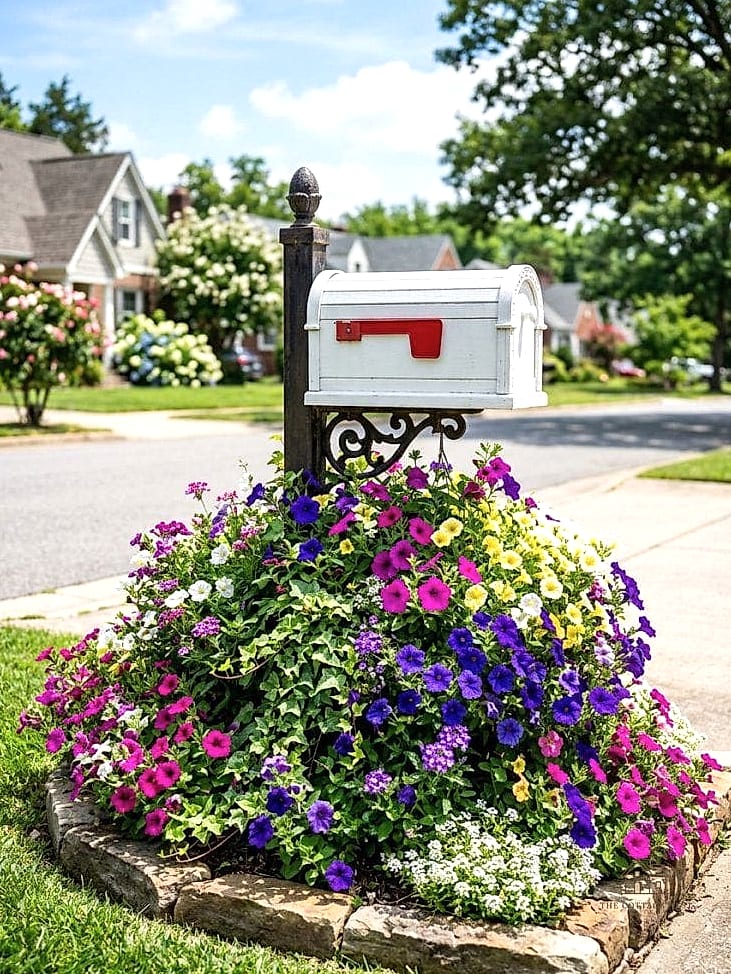
Pack the bed with cosmos, black-eyed Susans, and snapdragons for that slightly wild, overflowing cottage look. The flowers should spill toward the walkway a bit, not stay perfectly contained. This style hides an older or weathered mailbox post beautifully. It also attracts pollinators all season long.
Low-Maintenance Succulent Border
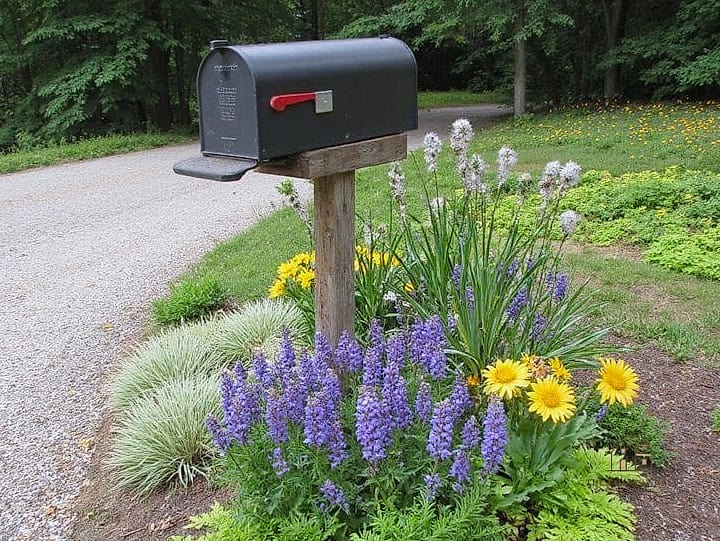
If you’re not around to water often, succulents like sedum and hens-and-chicks handle drought like champs. They stay low to the ground so they never block the mailbox flag. This is a great pick for hot, sunny mailbox locations near the street. Maintenance is basically just an occasional trim.
Symmetrical Boxwood and Annual Combo
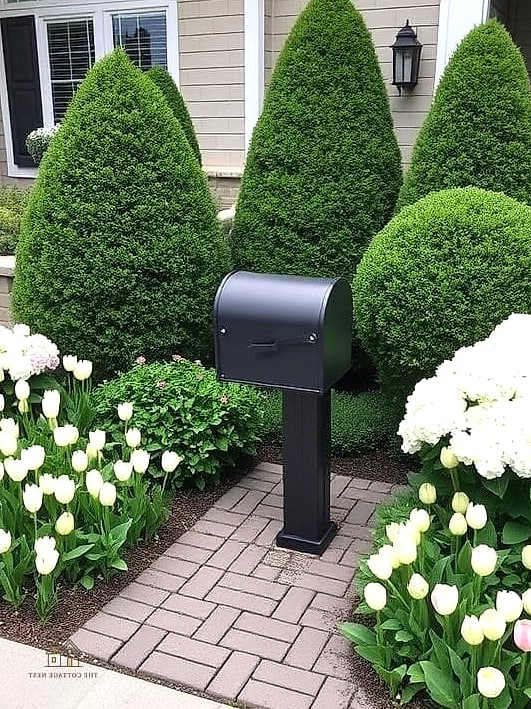
Plant two small boxwood shrubs on either side of the post, then fill the space between with seasonal annuals. The structure stays consistent year-round while the flowers rotate with the seasons. This gives a polished, almost professionally landscaped feel. It’s a favorite for colonial and farmhouse-style homes.
Raised Timber Bed
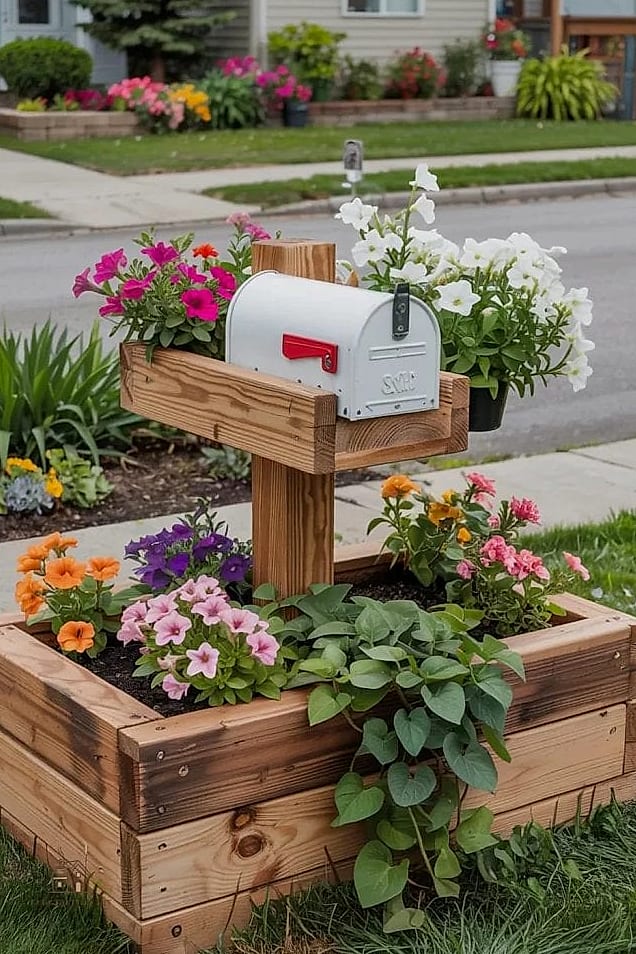
Build a small raised bed out of landscape timbers or cedar boards around the mailbox base. Raised soil drains better and keeps mulch from washing into the street during storms. It also gives you a defined edge that’s simple to maintain with a string trimmer. Fill it with a mix of perennials for something that returns every year.
Rock Mulch with Pops of Color
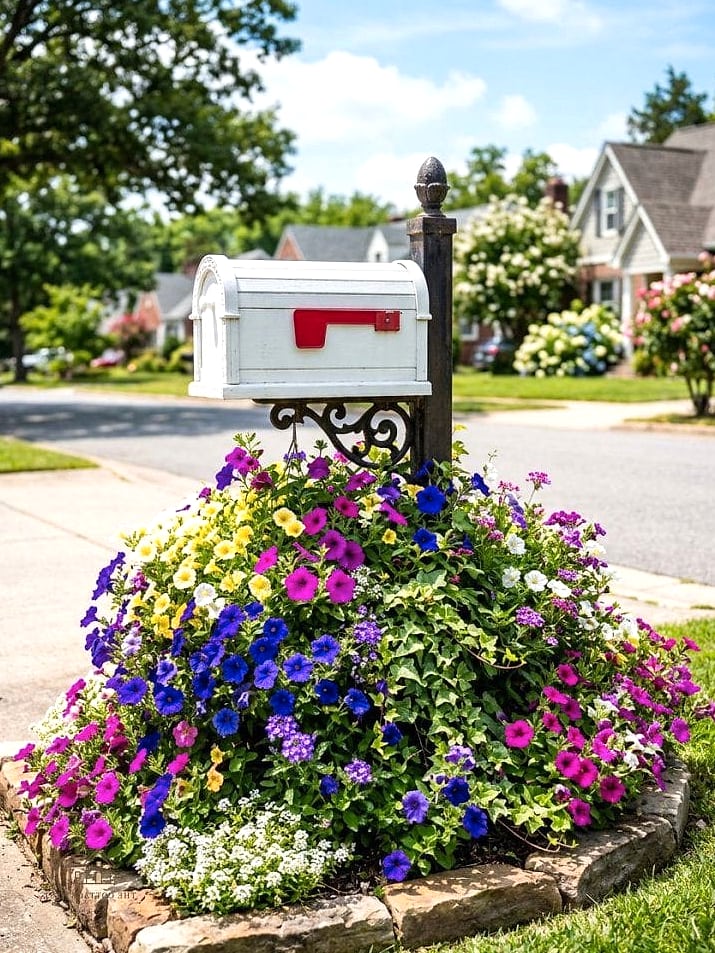
Skip the traditional mulch and use river rock or crushed granite as your base layer instead. Tuck in a few drought-tolerant flowering plants like lantana or gaillardia for color. This look works especially well in xeriscaped or desert-style yards. It’s also nearly maintenance-free once it’s established.
Vertical Trellis Behind the Mailbox
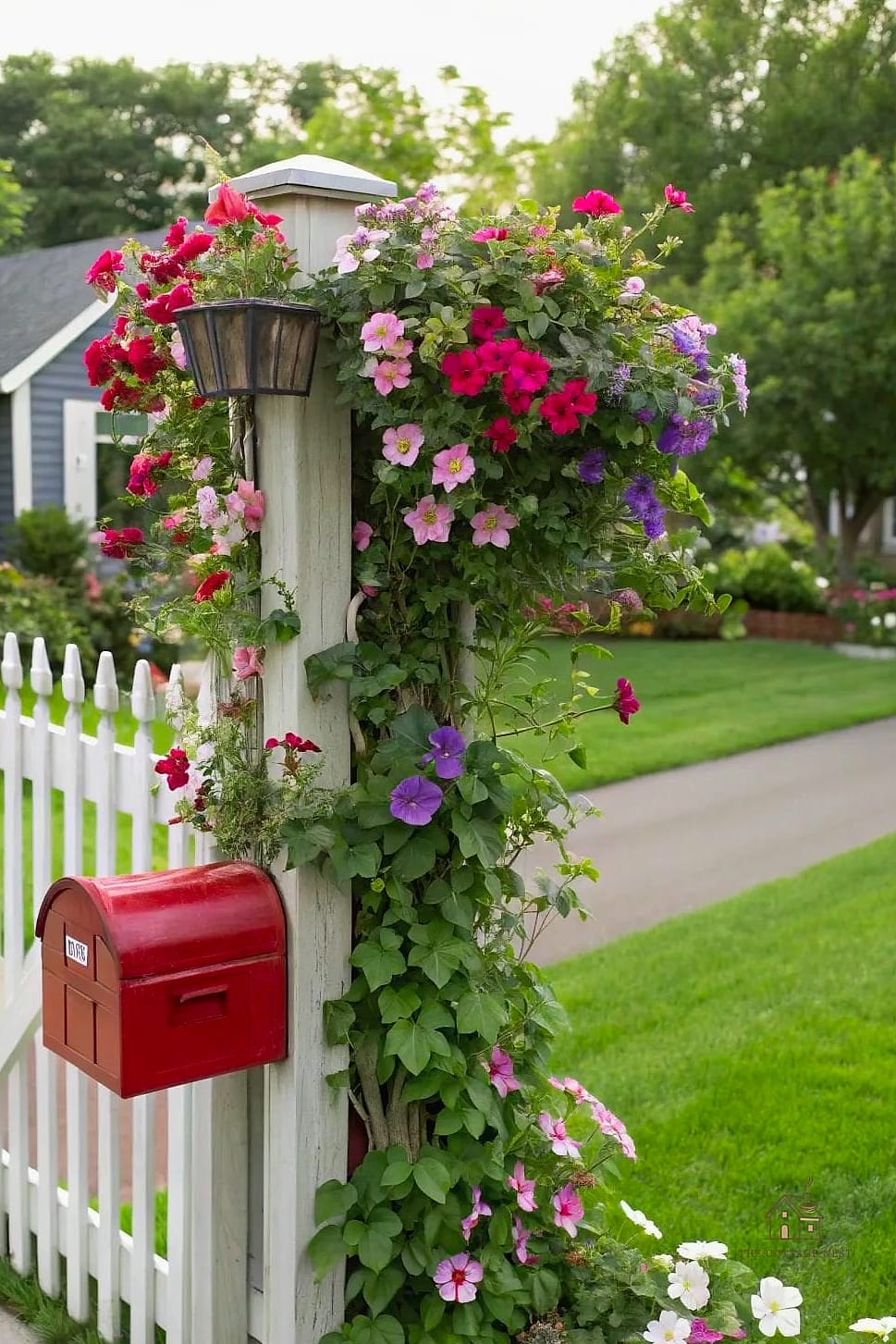
Add a small trellis behind the post and let climbing flowers like morning glory or clematis grow up it. This creates height and a bit of drama without widening the bed’s footprint. It’s ideal for narrow strips between the sidewalk and street. Just keep vines trimmed back from the mailbox door itself.
Monochrome White Garden Bed
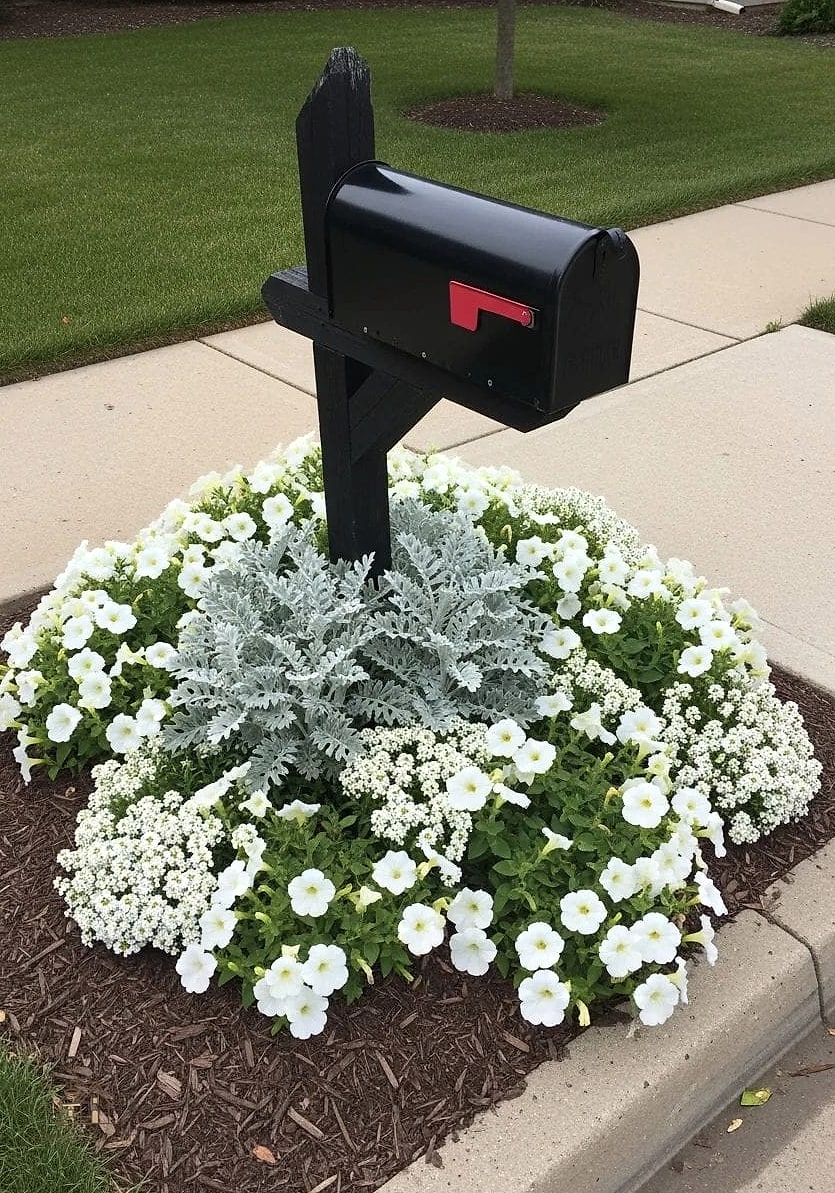
Plant all-white flowers like white petunias, white alyssum, and white impatiens for a crisp, elegant look. White blooms actually glow a little at dusk, which is a nice bonus if you’re often out walking the dog at that hour. This style pairs beautifully with black or dark bronze mailboxes. It reads as clean and put-together from any angle.
Wildflower Meadow Patch
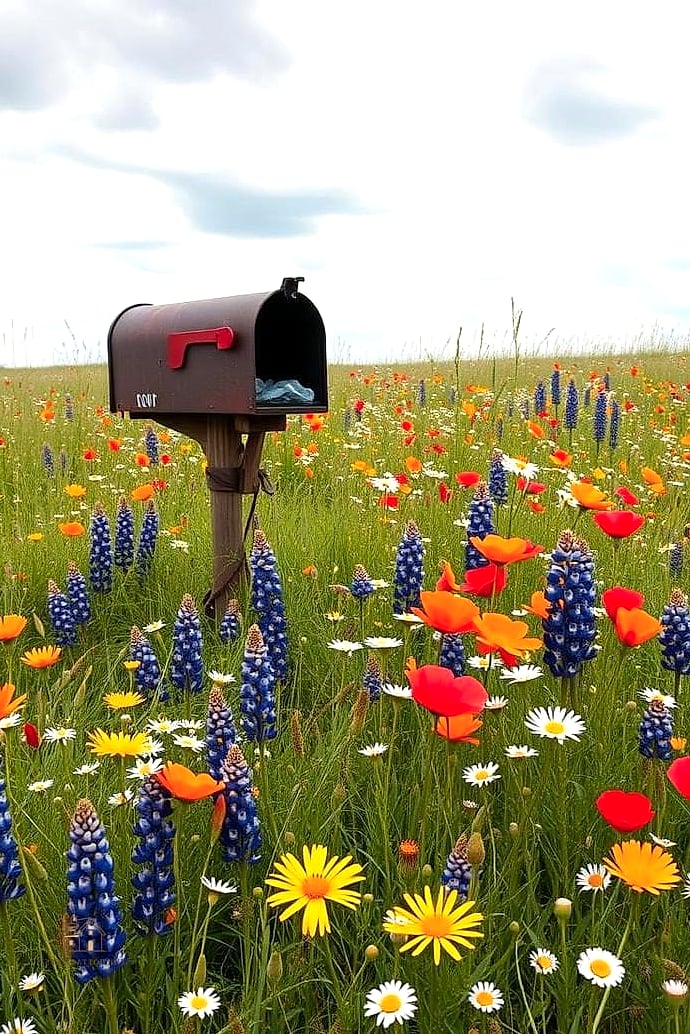
Scatter a wildflower seed mix around the mailbox for a relaxed, natural look that changes throughout the season. This is one of the most budget-friendly options since seed packets are inexpensive. It also needs very little upkeep beyond an occasional watering during dry spells. Bees and butterflies tend to love this one.
Brick-Edged Formal Bed
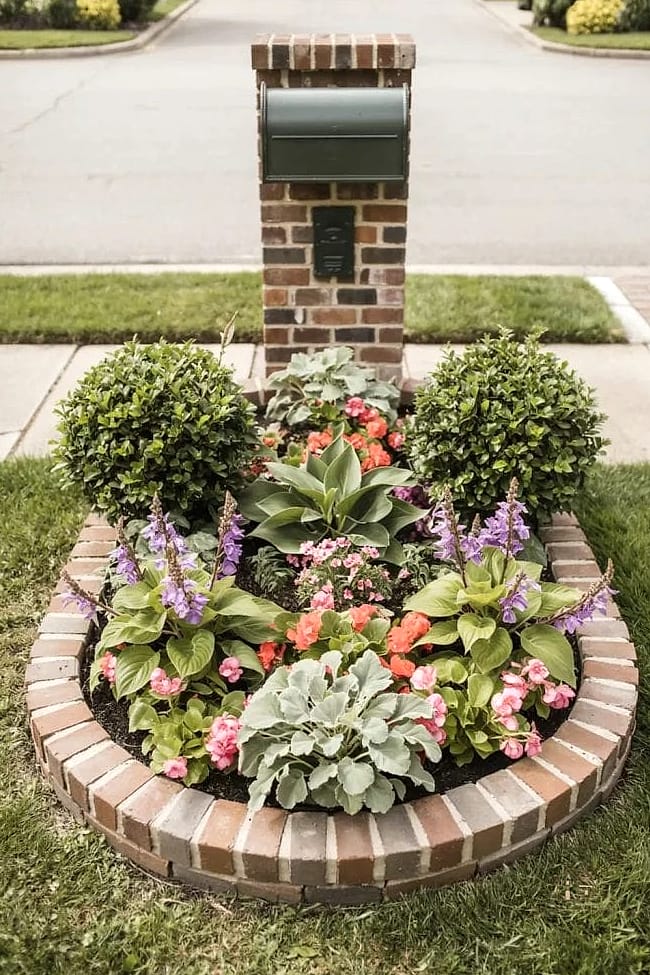
Line the bed with reclaimed brick set at an angle for a tidy, traditional edge. Fill the interior with structured plantings like marigolds or dwarf zinnias in neat rows. This is a great option if your home has brick accents you want to echo. The defined edge also keeps grass from creeping into the bed.
Hanging Basket Companion
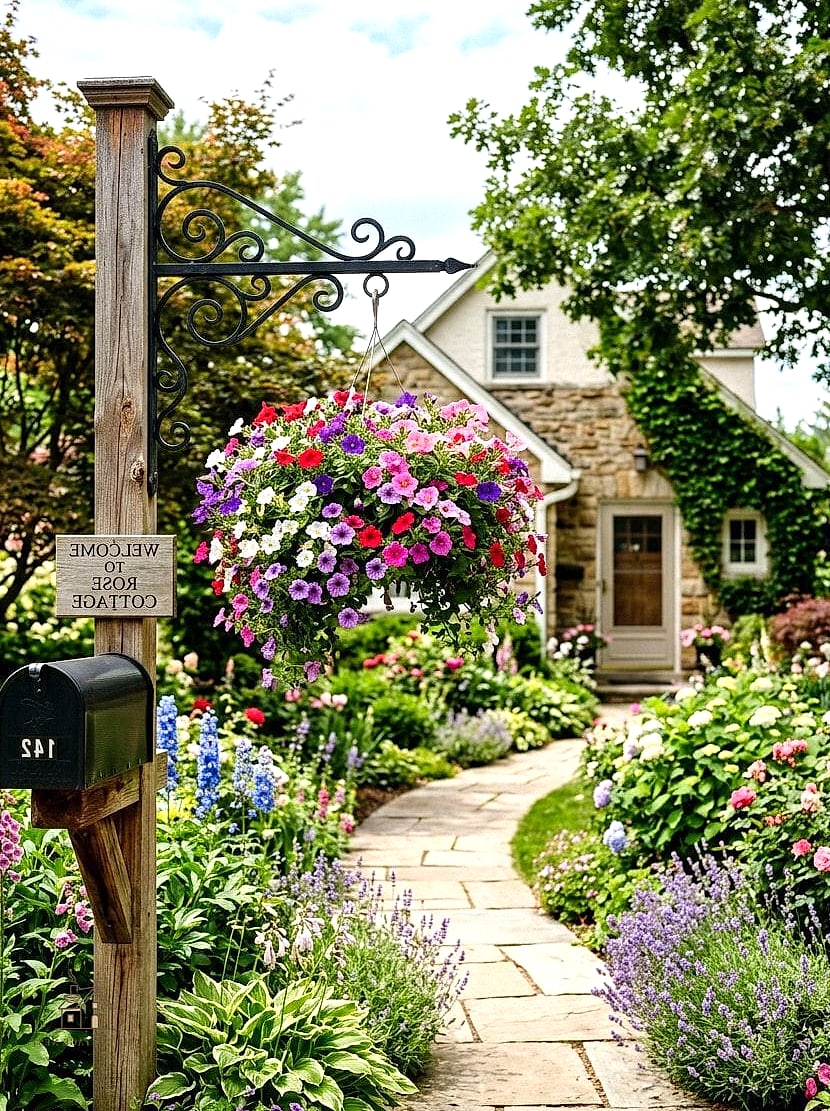
Hang a flowering basket from a small bracket attached to the mailbox post itself, then plant a matching bed below. Trailing petunias or verbena in the basket pick up the same colors as the ground-level flowers. This adds vertical interest without much extra space. It’s an easy way to double your color for very little added cost.
Native Plant Pocket Garden
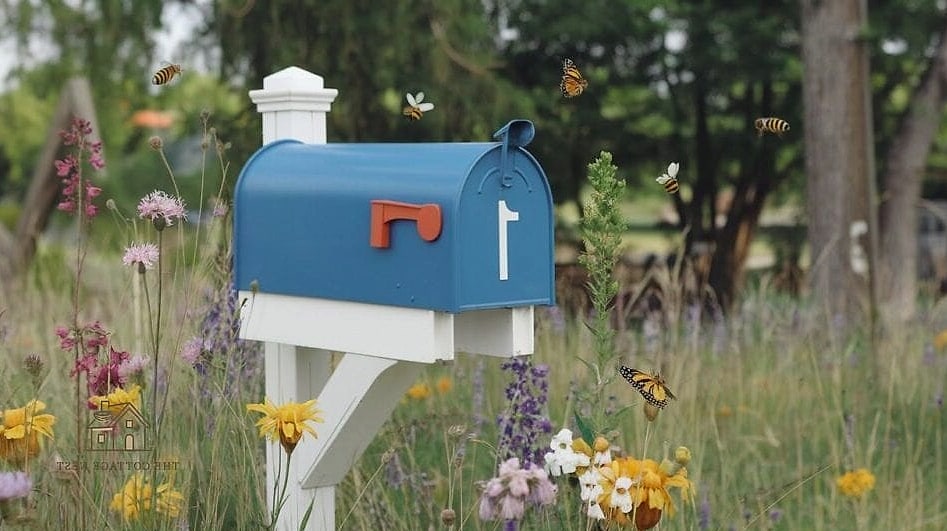
Choose plants native to your region, like coneflower or black-eyed Susan depending on where you live. Native plants tend to need less water and fewer amendments since they’re already suited to your soil. This is a smart, eco-friendly option that still looks colorful. Local extension offices are a great resource for what grows best near you.
Two-Tiered Mounded Bed
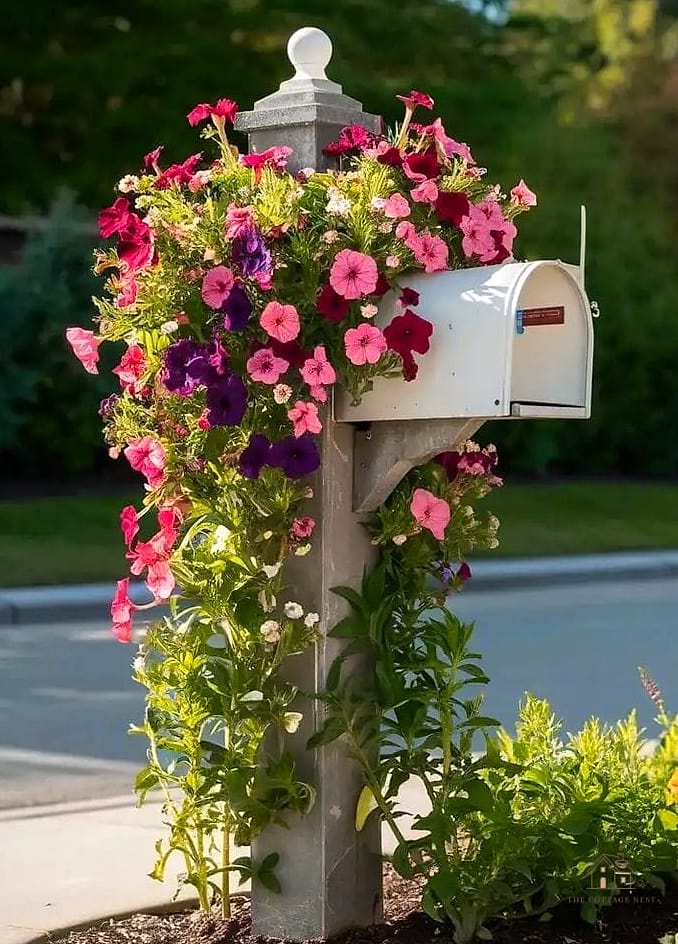
Build the soil up in a gentle mound so taller plants sit in the center and shorter ones cascade down the sides. This adds dimension that a flat bed just can’t match. Ornamental grasses in the middle with creeping phlox around the edges works particularly well. It photographs nicely too, if you’re the type who likes to document yard projects.
Herb and Flower Combo Bed
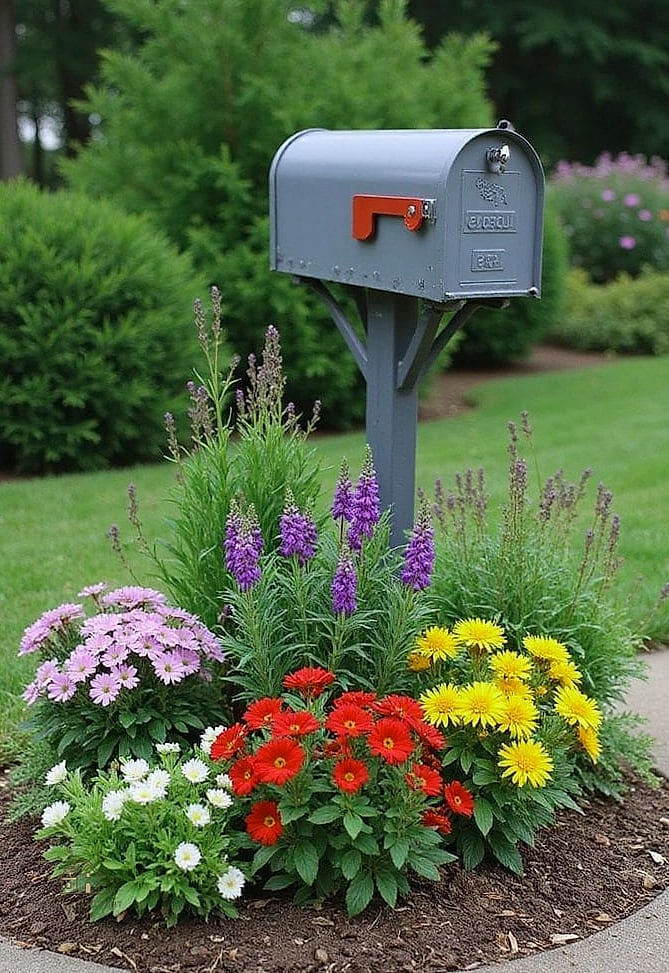
Mix flowering plants with herbs like lavender, rosemary, or creeping thyme for a bed that smells as good as it looks. Lavender especially holds up well in full sun near a street-side mailbox. This is a fun option if you like snipping herbs while you check the mail. The scent when you brush past it is a nice little bonus.
Painted Mailbox with Coordinating Blooms
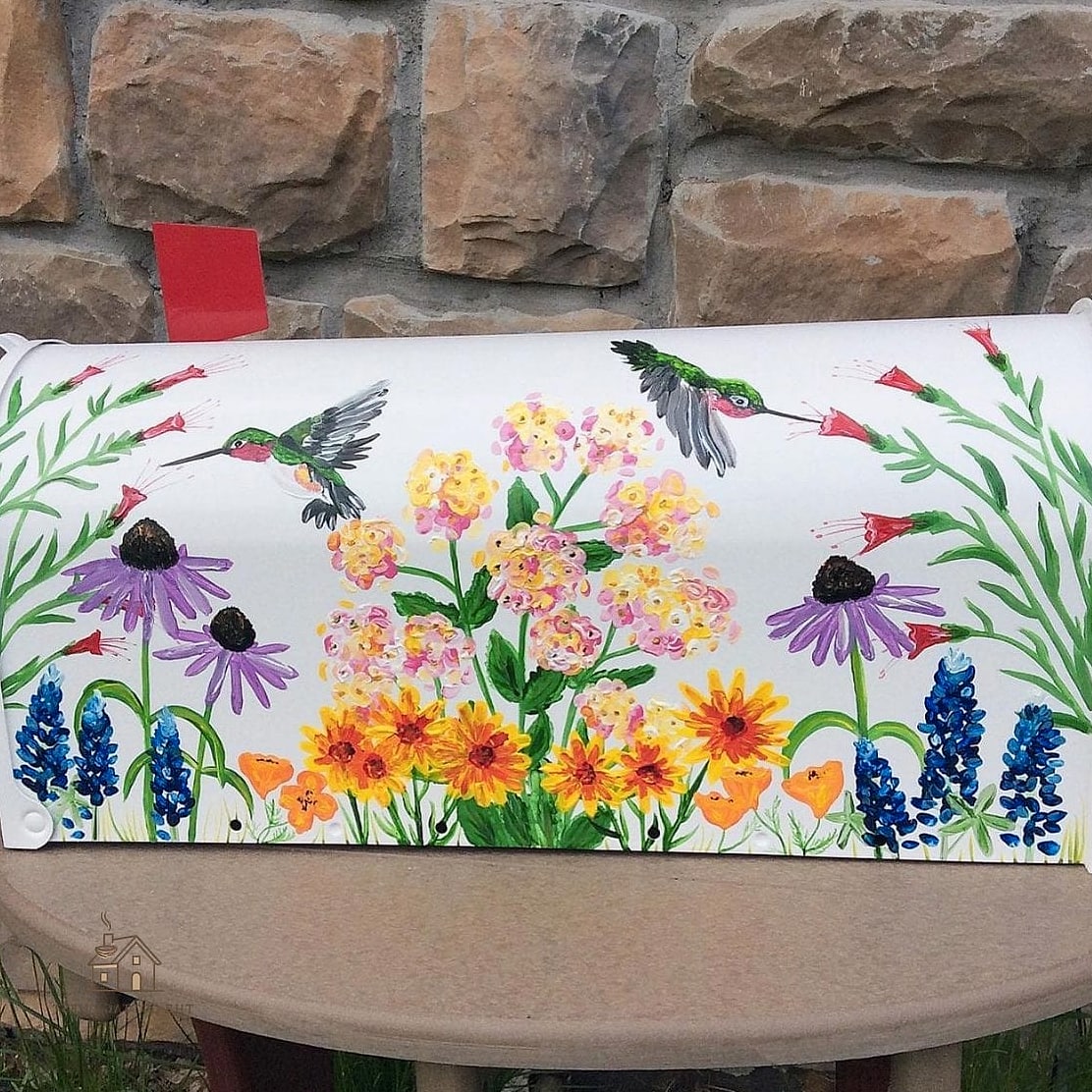
Repaint your mailbox in a fresh color, then choose flowers that either match or contrast nicely. A navy mailbox with orange marigolds, for instance, feels bold and cheerful. This is a low-cost way to make the whole area feel redesigned. Just make sure to use exterior-rated paint since it takes weather year-round.
Solar Light Accented Bed
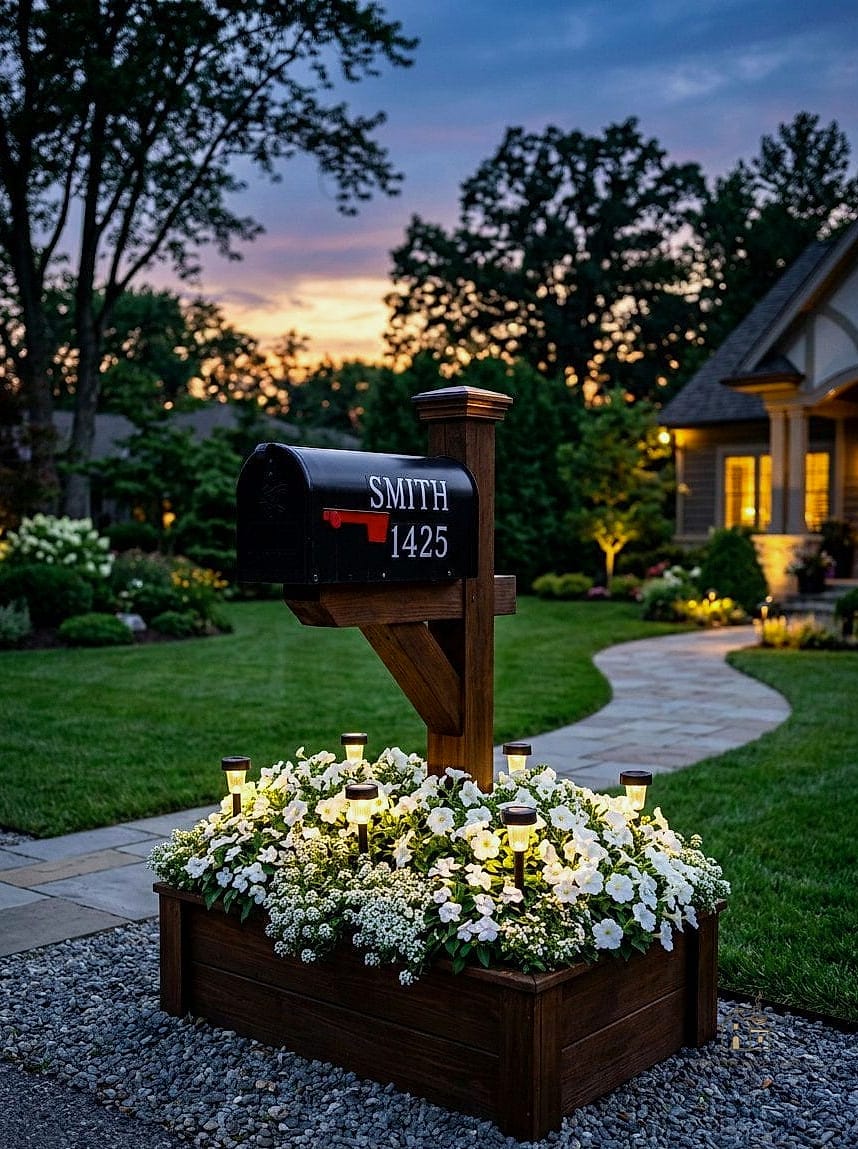
Tuck small solar path lights among the flowers so the bed glows softly at night. This is genuinely useful for visibility if your mailbox sits near a driveway entrance. Choose warm-toned lights rather than cool white for a cozier feel. It’s a simple upgrade that makes the space feel finished after dark too.
Ornamental Grass Backdrop
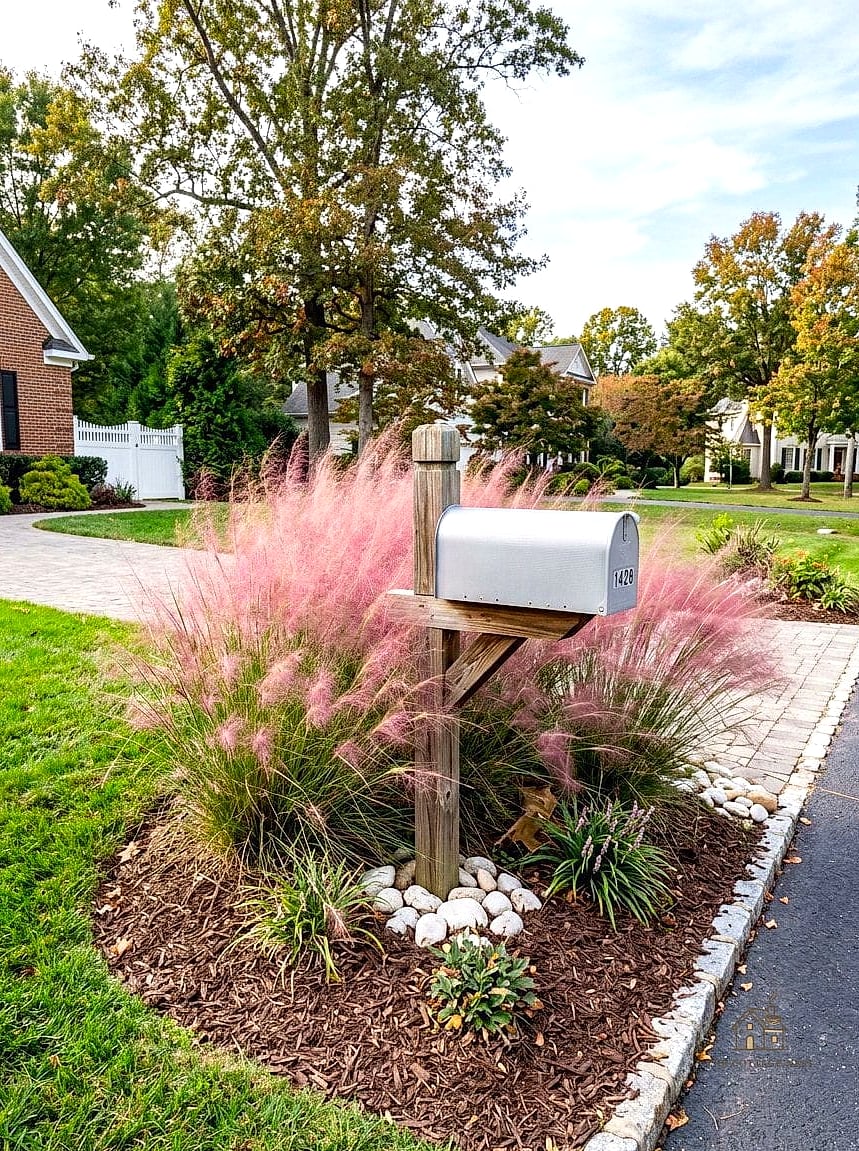
Plant a clump of ornamental grass like fountain grass or feather reed grass behind the mailbox post. The movement it adds when the wind blows brings a lot of visual interest for very little effort. Pair it with lower flowering plants in front so the grass doesn’t overwhelm the bed. This combo also holds up well into fall when many flowers have faded.
Cutting Garden Mailbox Bed
Plant flowers specifically meant for cutting, like zinnias, cosmos, and dahlias, right around your mailbox. You’ll have a built-in bouquet source every time you walk out to grab the mail. This works especially well if your mailbox gets good sun exposure. Just replant a few times a season to keep it full.
Mulch Ring with Single Statement Plant
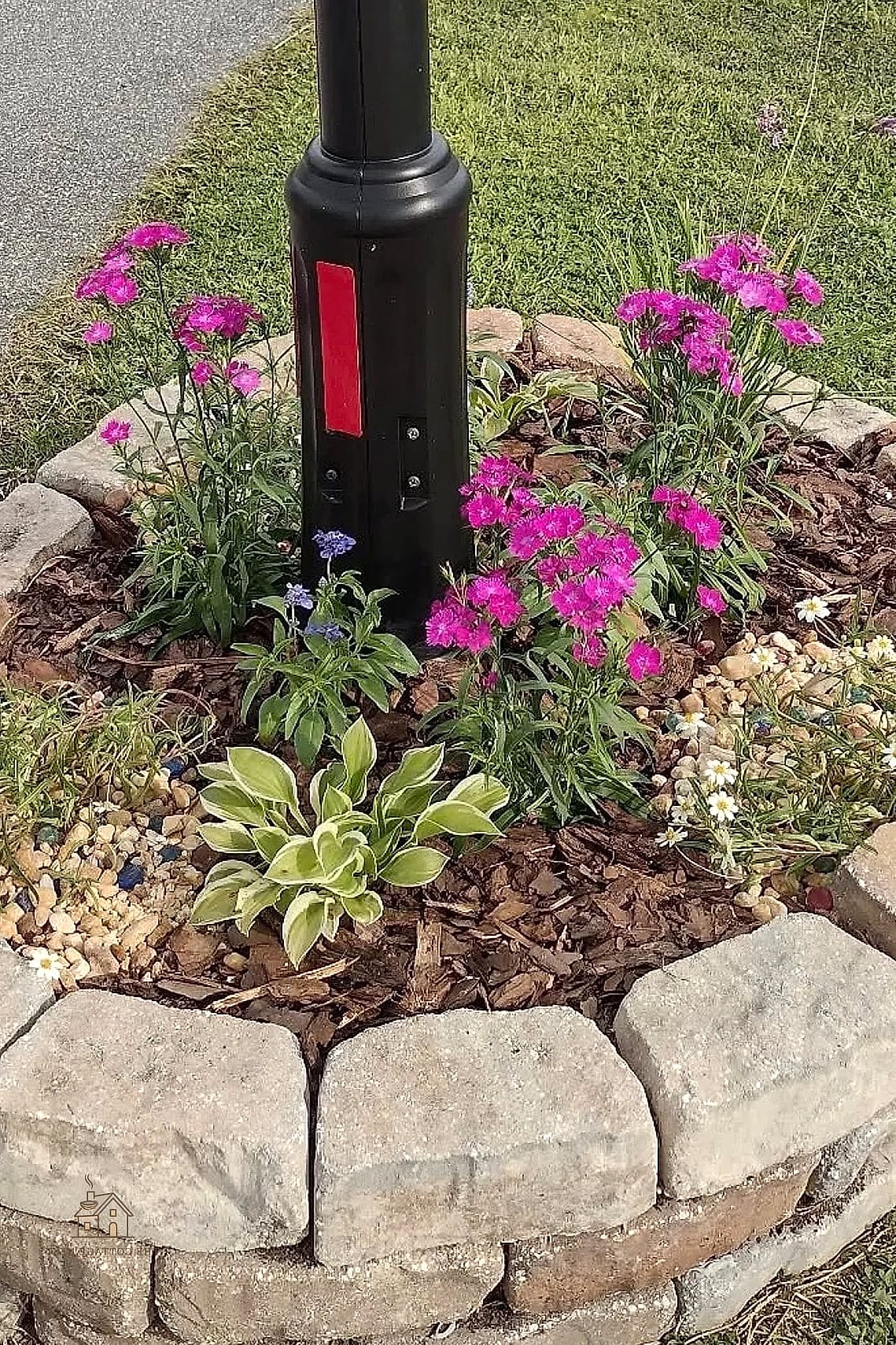
Sometimes less really is more. A single hydrangea or peony planted in a mulched ring can look more sophisticated than a packed bed. This is a low-maintenance option that still makes a statement. It’s also easier to keep looking tidy since there’s less to manage.
Perennial-Only Bed for Year-Round Return
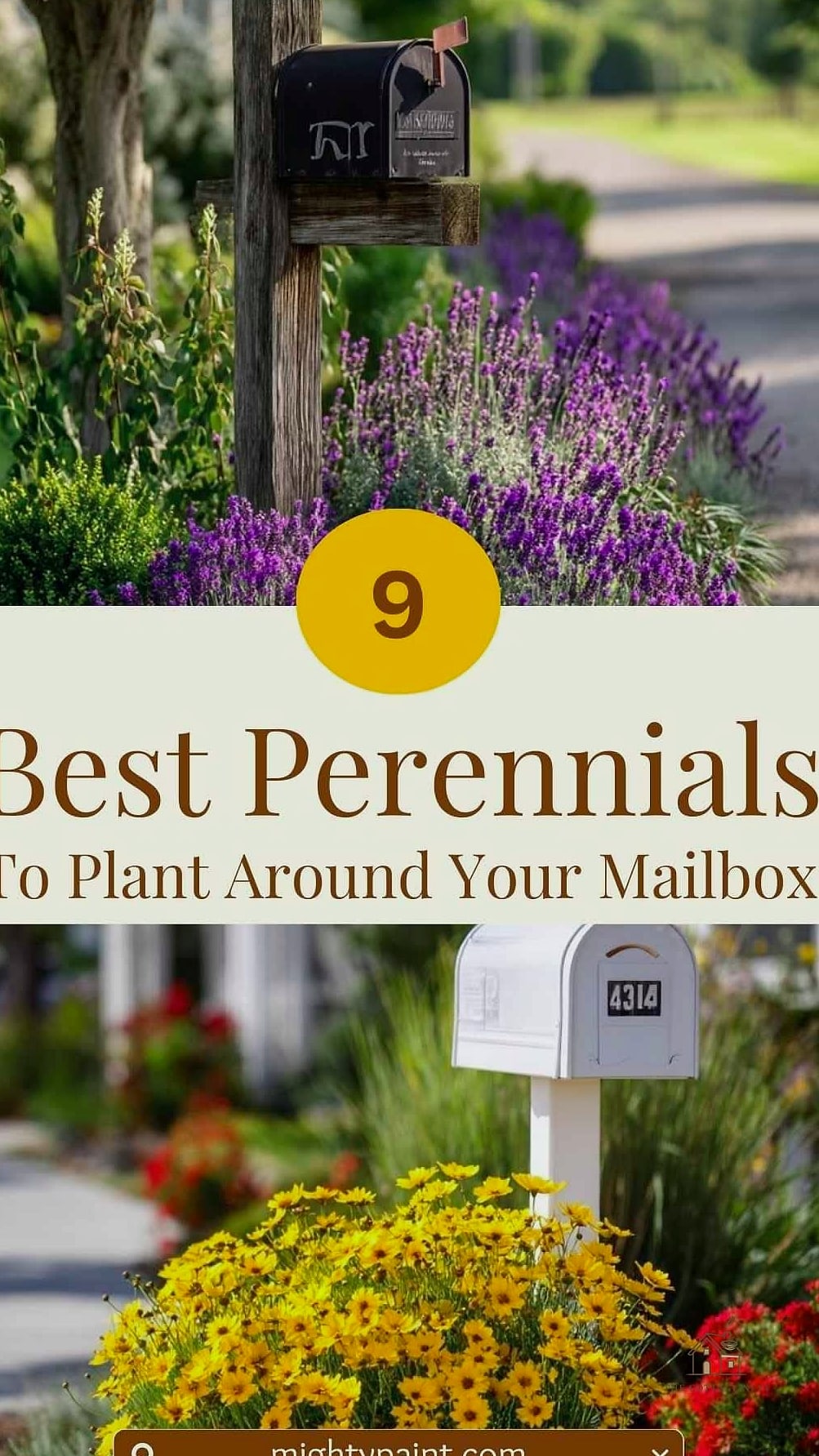
Fill the space entirely with perennials like coneflowers, daylilies, and salvia so you’re not replanting annuals every spring. This saves money over time even though the upfront cost might be a bit higher. Stagger bloom times so something is always flowering from spring through fall. It’s a smart choice for anyone who wants color without constant upkeep.
Rustic Wagon Wheel Accent
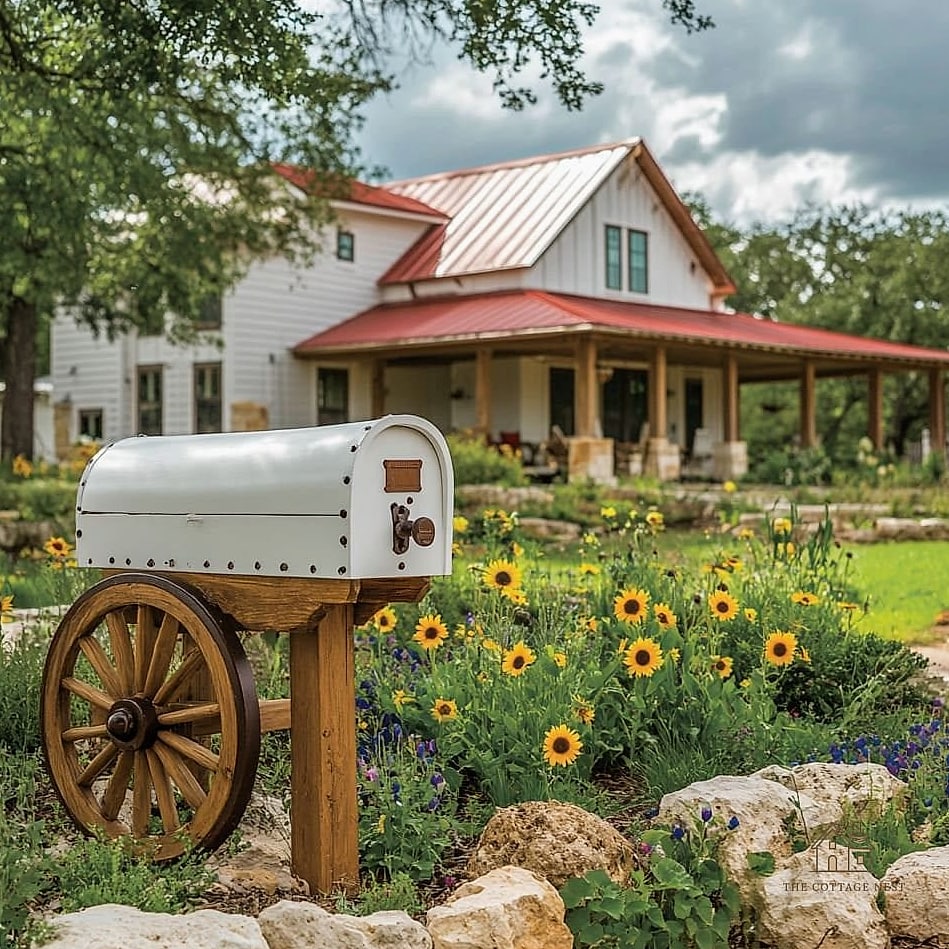
Lean an old wagon wheel or decorative garden wheel against the mailbox post and plant flowers around its base. This adds a farmhouse or rustic charm that’s hard to get any other way. Climbing nasturtium woven through the spokes looks especially charming. It’s a fun option if you already have a similar piece sitting unused in storage.
Butterfly Garden Bed
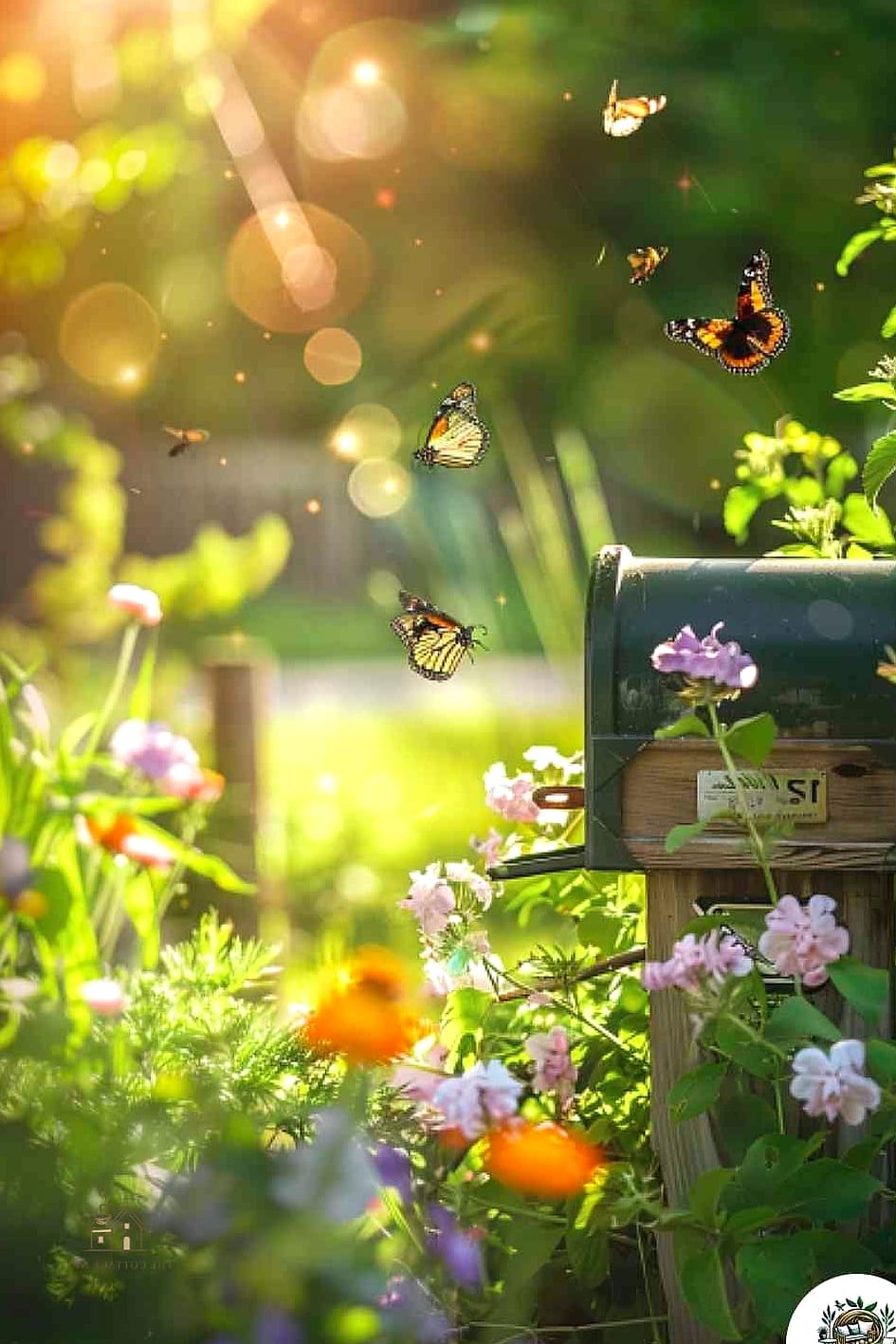
Choose nectar-rich flowers like milkweed, zinnias, and butterfly bush to turn your mailbox area into a pollinator stop. This is a great option if you enjoy watching wildlife from your porch or driveway. It also supports local butterfly populations, which is a nice side benefit. Keep a small water dish nearby if you want to go all in.
Coastal-Inspired Sandy Bed
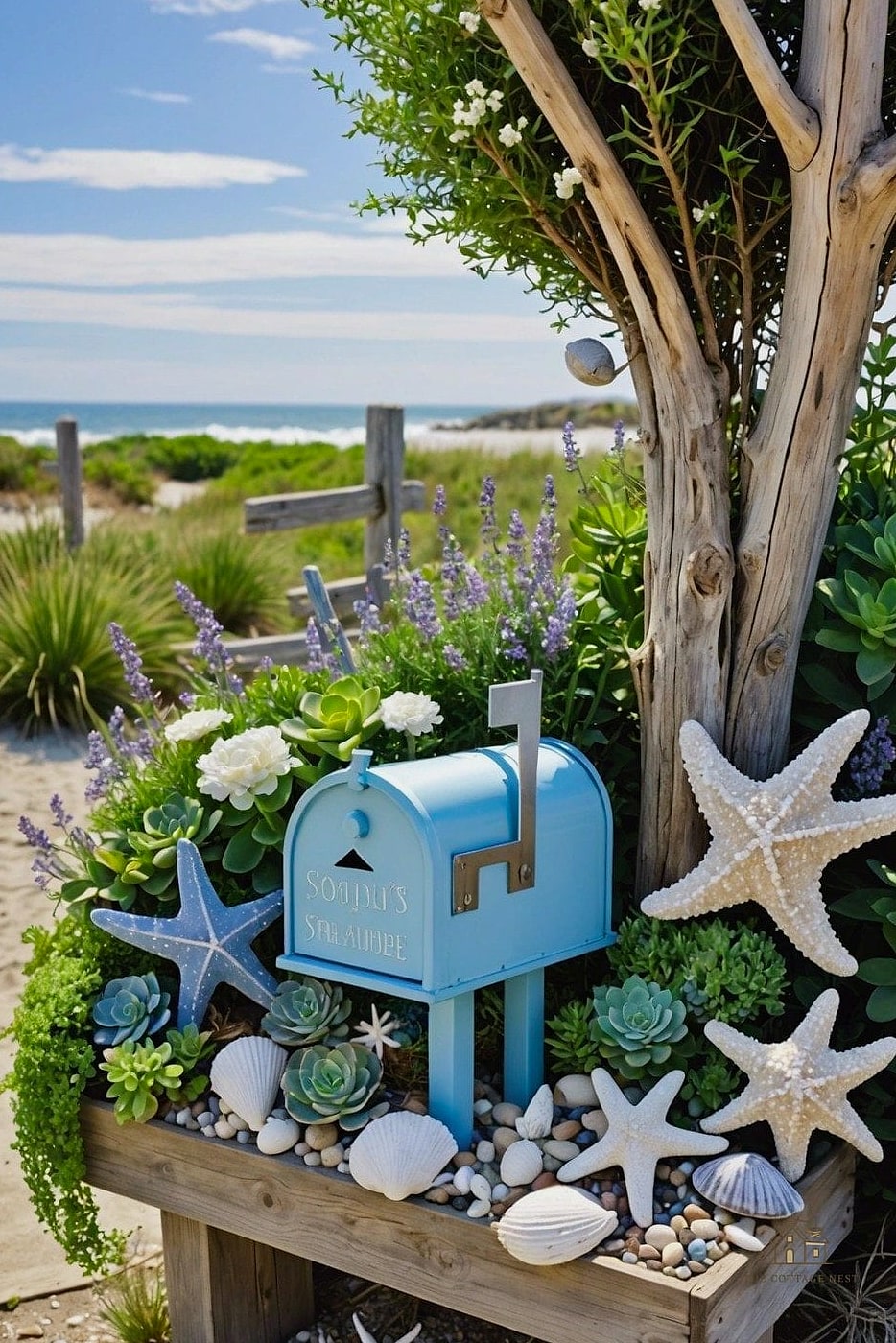
Use pale sand-colored mulch or crushed shell as your base, then add beach-friendly plants like sea oats or blue fescue. This look works beautifully for homes near the coast or anyone wanting that relaxed vibe. Adding a small piece of driftwood as an accent ties the theme together. It’s a distinctive choice that stands out from typical mailbox landscaping.
Layered Bulb Bed for Early Spring Color
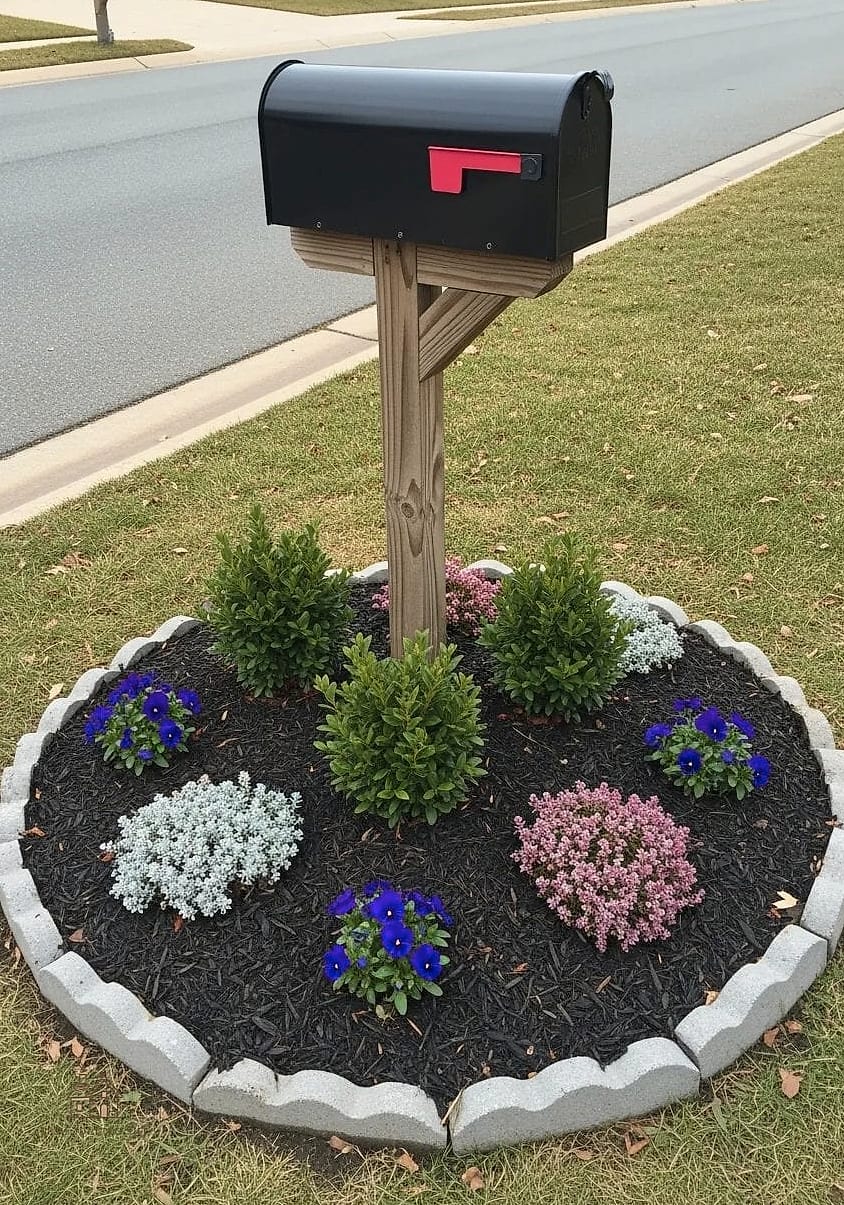
Plant tulips, daffodils, and crocus bulbs in the fall so your mailbox bed is one of the first colorful spots in your yard come spring. This is especially rewarding after a long winter when everything else still looks bare. Layer bulbs at different depths so blooms appear in succession. Once the bulbs fade, fill in gaps with summer annuals.
Fairy Garden Mailbox Bed
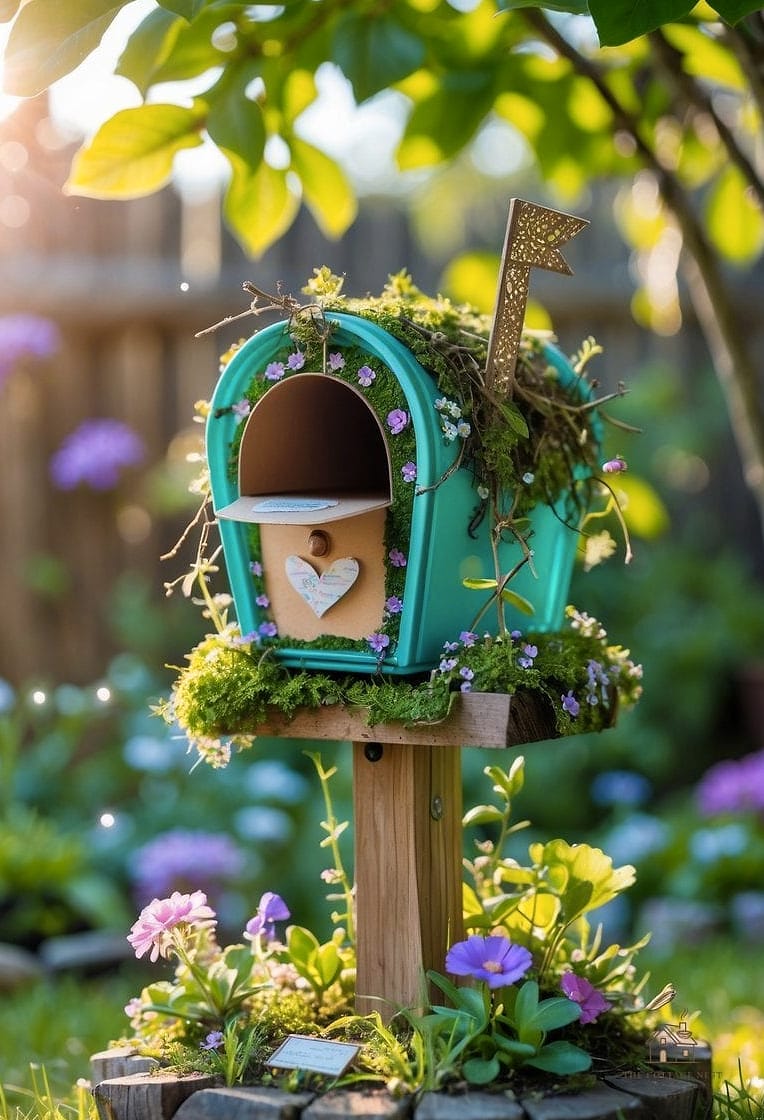
Add tiny fairy garden accessories like miniature houses, bridges, or a small fence tucked among low-growing flowers. This is a delightful option if you have kids who like to help with the mailbox garden. Sweet alyssum or creeping thyme works well as the “grass” for the scene. It adds whimsy without looking cluttered if you keep the pieces to just a few.
Modern Minimalist Bed
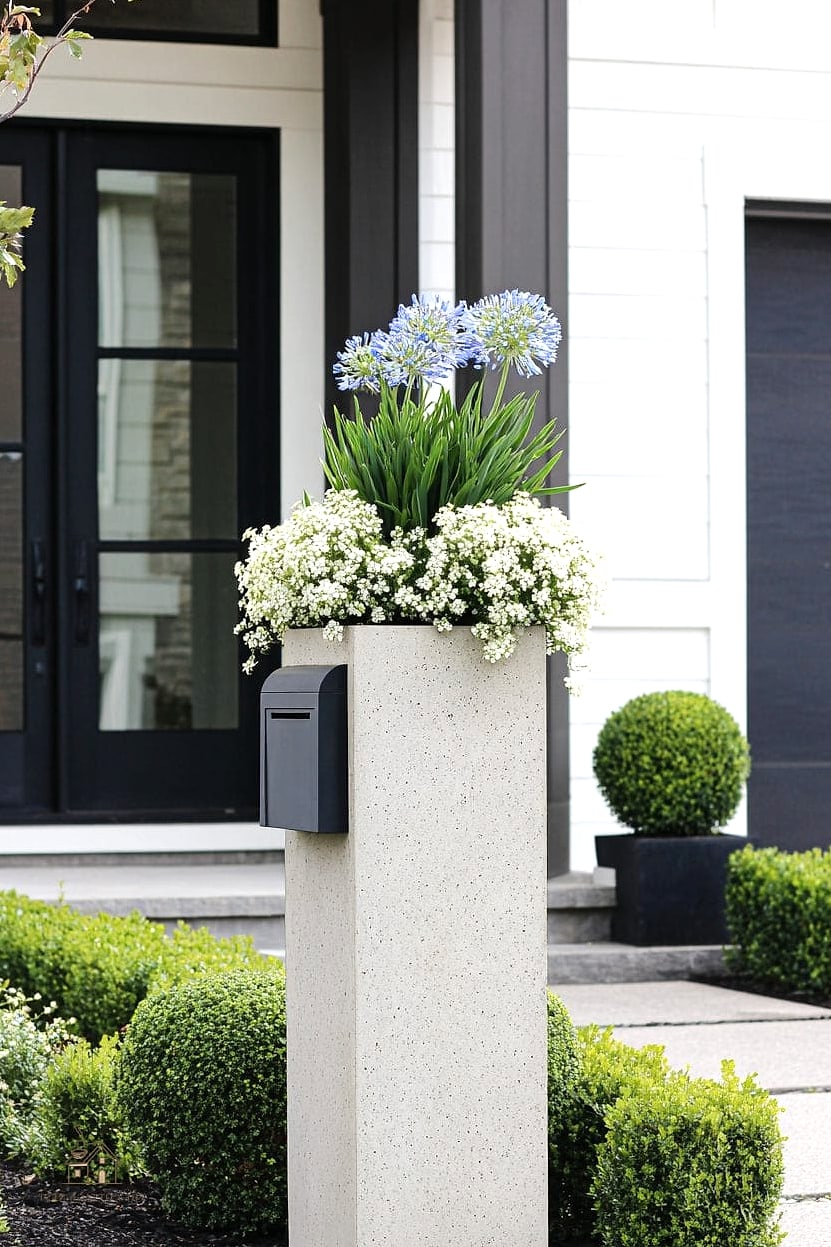
Stick to one or two plant varieties in a clean geometric bed shape, like a simple rectangle or square. Ornamental grasses paired with a single flowering shrub keep things restrained and architectural. This suits contemporary homes with clean lines better than a busy, colorful mix. Black mulch or dark gravel enhances the modern feel even further.
Vintage Watering Can Planter Accent
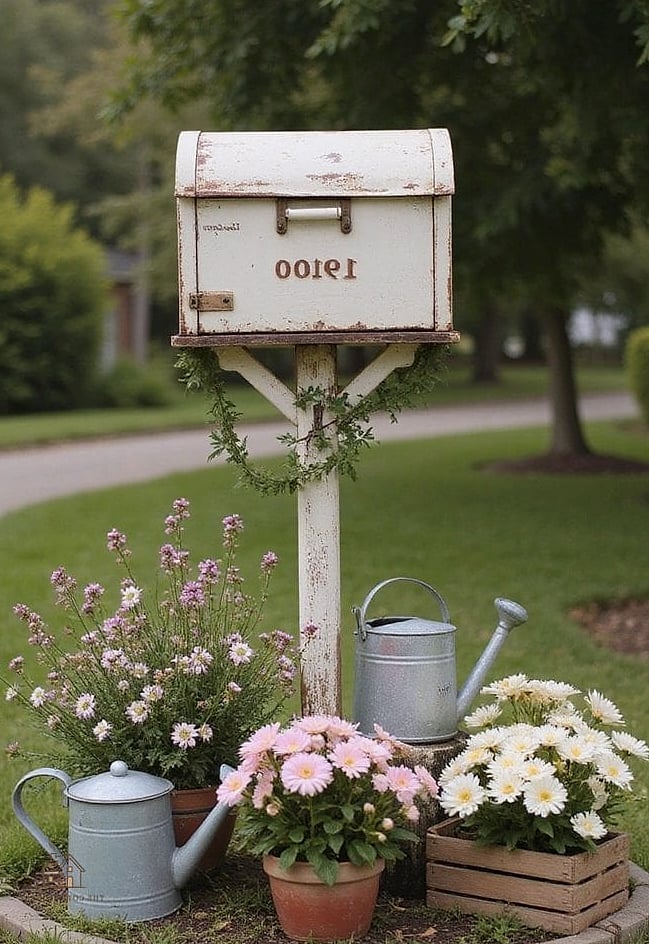
Place an old vintage watering can on its side near the mailbox, with flowers spilling out as if they’re pouring from it. Trailing varieties like lobelia or bacopa sell the illusion best. This is a charming, budget-friendly focal point if you can find a can at a thrift store or flea market. It adds personality without much planning required.
Shade-Tolerant Bed for Tree-Lined Streets
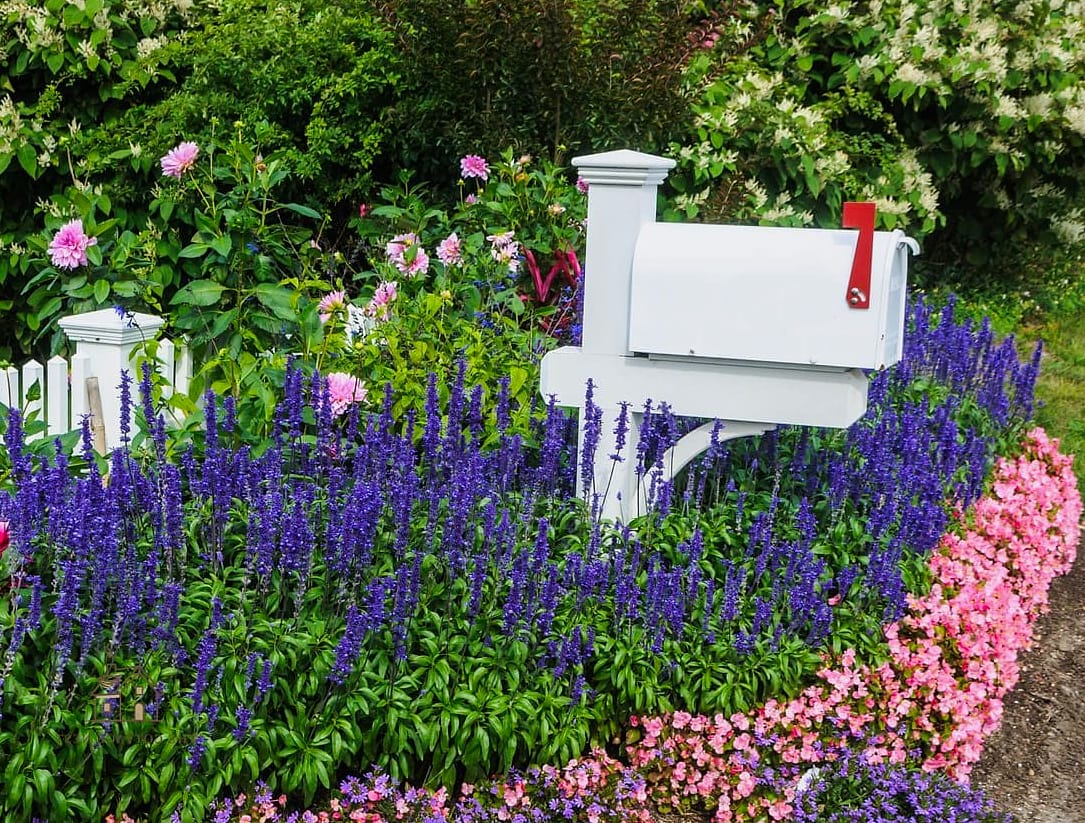
If your mailbox sits under a tree, choose shade-loving plants like hostas, astilbe, or impatiens instead of sun-hungry varieties. Many people assume a shady mailbox spot can’t look good, but it absolutely can with the right plant choices. Add some variegated foliage for brightness even without direct sun. This is a practical fix for a spot that often gets overlooked.
Seasonal Rotation Bed
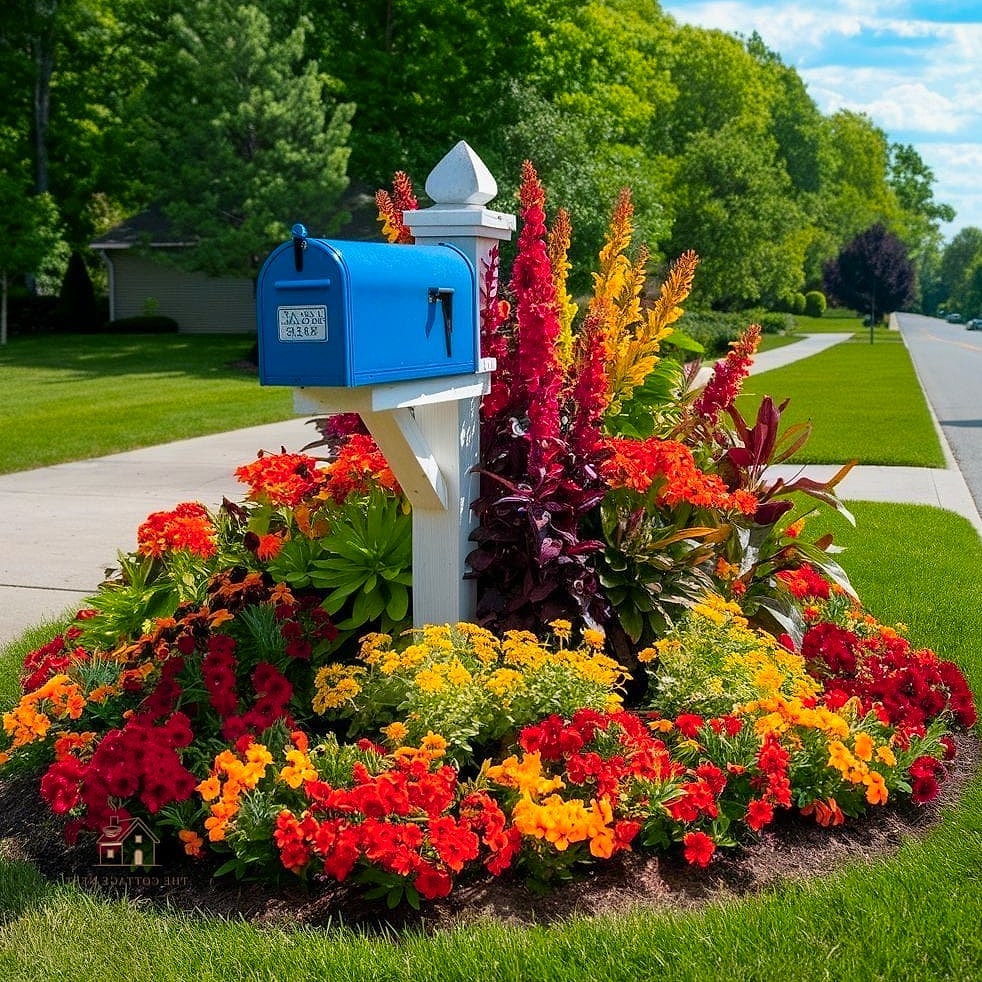
Plan four rotations a year, pansies in early spring, petunias in summer, mums in fall, and evergreen boughs with berries in winter. This keeps the mailbox area looking fresh no matter the month. It does take a bit more effort than a set-it-and-forget-it bed. But the payoff is a mailbox garden that never looks tired or dated.
Painted Rock Border
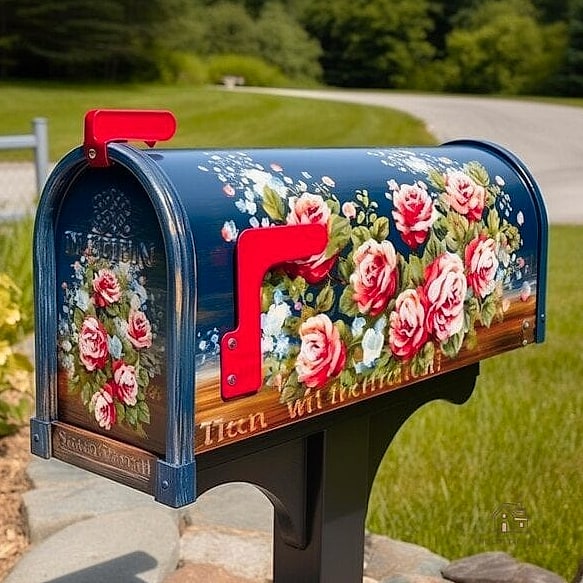
Line the edge of the bed with painted rocks, either store-bought or a fun family painting project. This is an affordable, personal touch that costs almost nothing if you gather rocks yourself. It also gives kids an easy way to contribute to the yard project. Pair it with cheerful annuals like marigolds for a playful finished look.
Two-Color Palette Bed
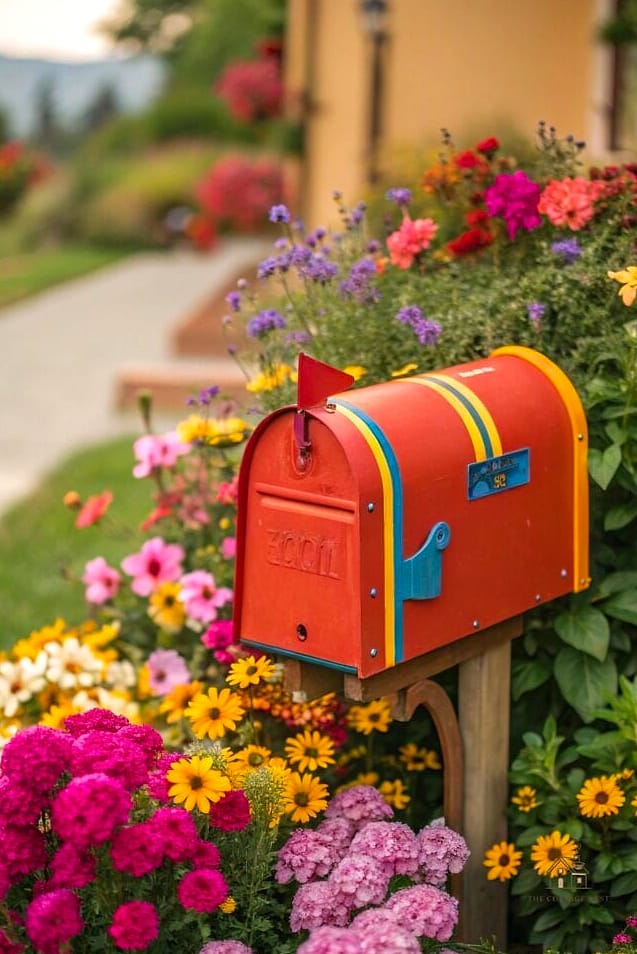
Pick just two complementary colors, like purple and yellow or pink and white, and build your whole plant selection around them. This creates a cohesive, designer-looking bed without much guesswork. Purple salvia with yellow coreopsis is a classic, reliable pairing. Sticking to a limited palette also makes shopping for plants much easier.
Mailbox Post Wrapped in Blooms
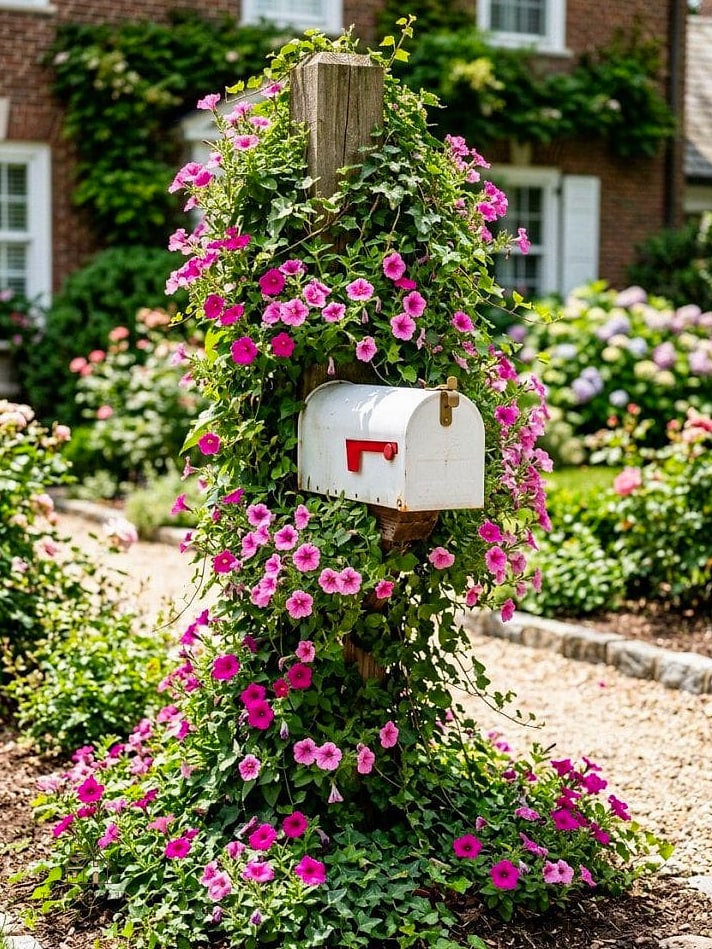
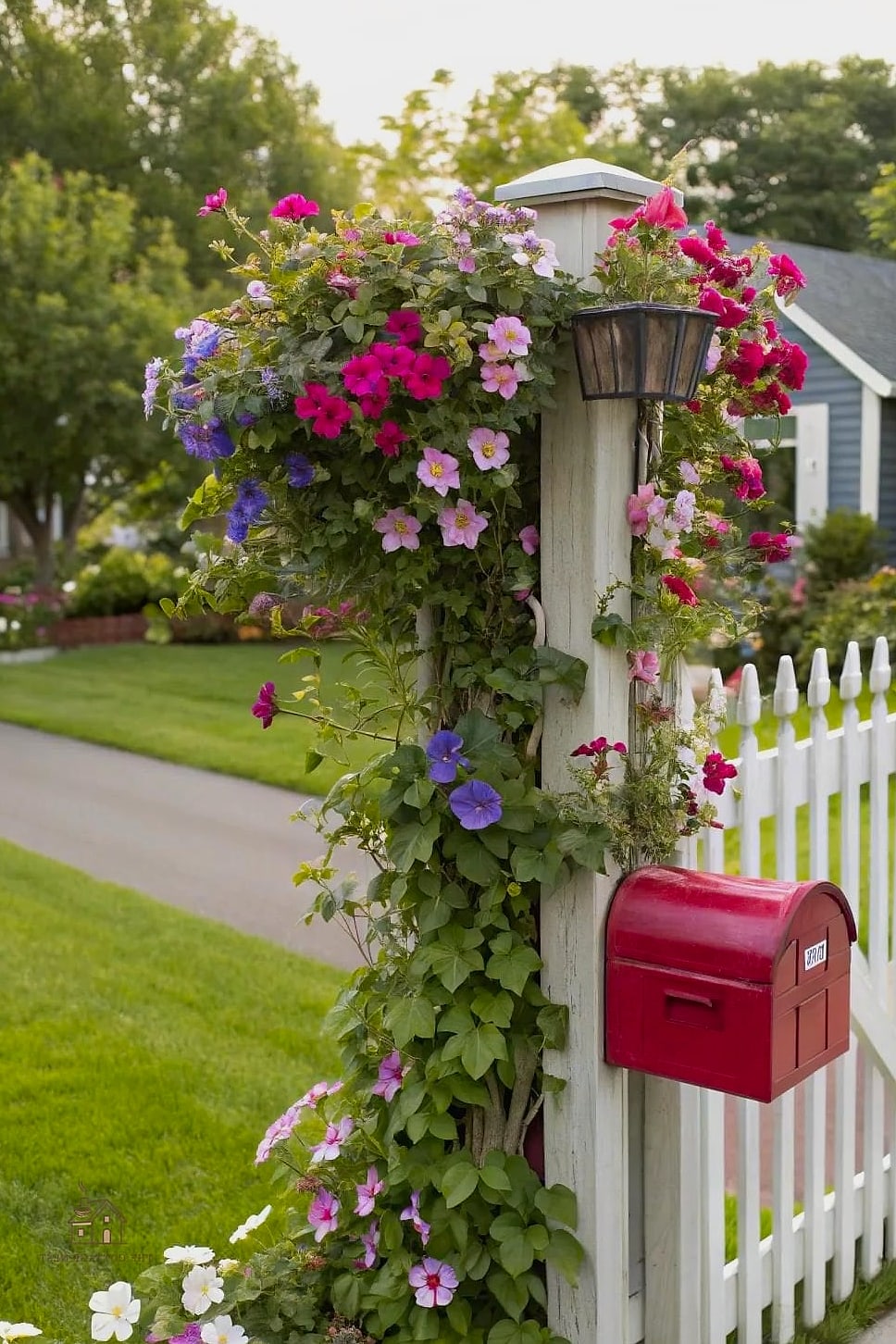
Instead of just planting around the base, let a flowering vine climb the actual post using a thin wire or twine guide. Sweet pea or black-eyed Susan vine works well for this without damaging the wood or metal. This transforms the post itself into part of the display, not just the ground around it. Just check that your mail carrier still has easy access to the door.
Drought-Tolerant Xeriscape Bed
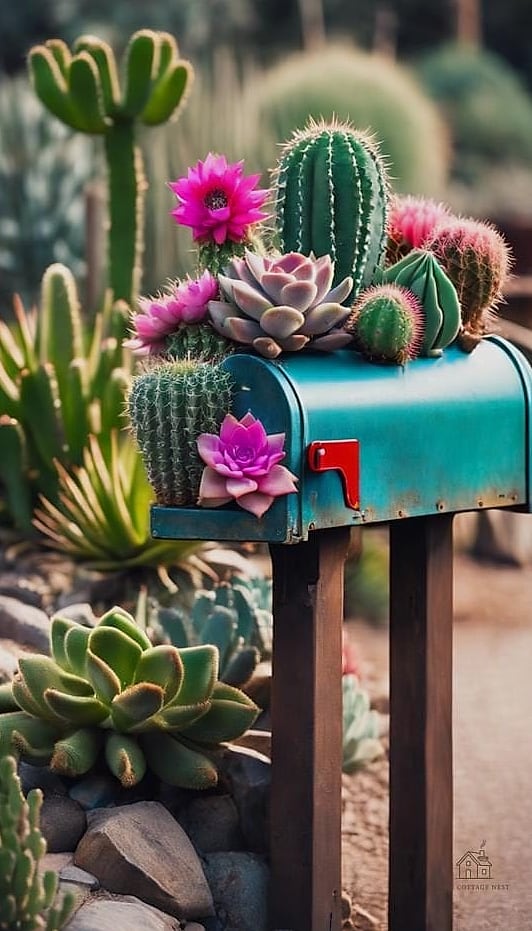
Combine gravel mulch with drought-hardy bloomers like yarrow, ice plant, and Russian sage. This is ideal for regions with water restrictions or hot, dry summers. It also cuts down significantly on the time you’ll spend watering. The silvery foliage of many drought-tolerant plants adds nice texture even when nothing is in bloom.
Farmhouse Galvanized Bucket Accent
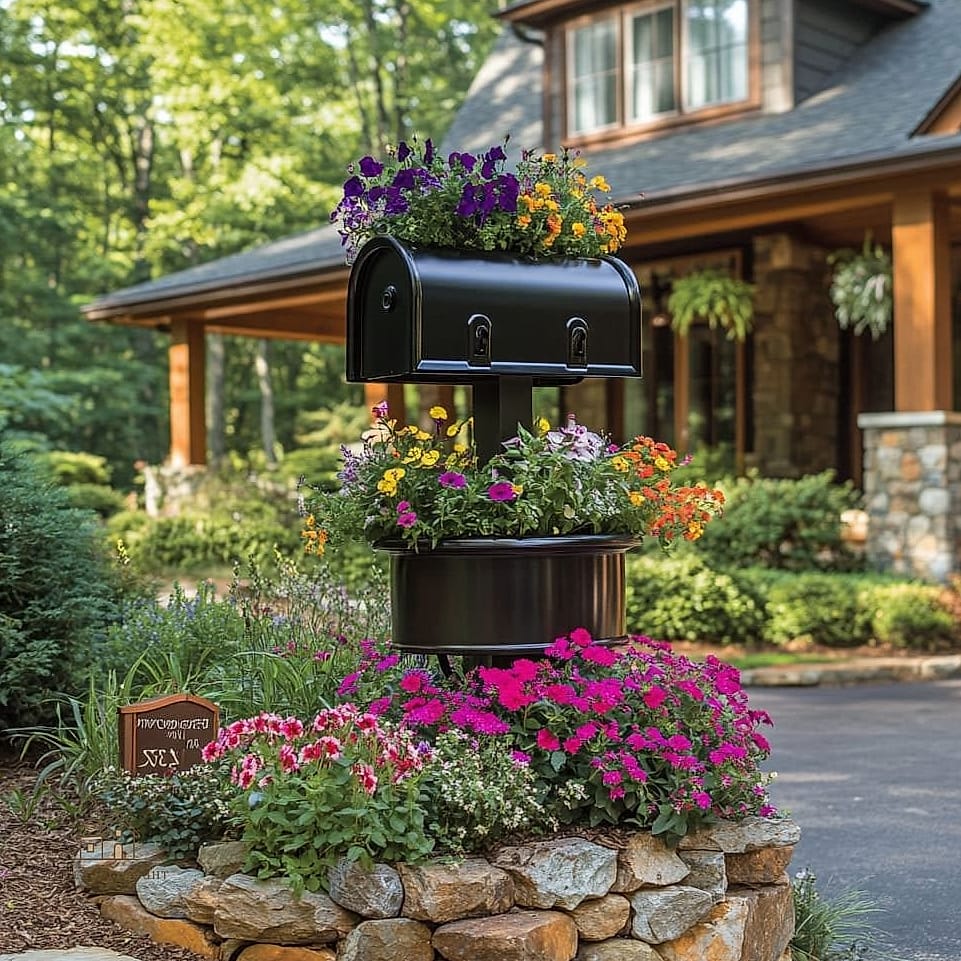
Set a galvanized metal bucket beside the mailbox and plant it separately from the ground bed, then coordinate the flowers between the two. This adds height variation and a bit of farmhouse charm. Geraniums or petunias in the bucket hold up well outdoors all season. It’s an easy way to add interest if your bed itself is fairly flat.
Shell and Sea Glass Mulch Accent
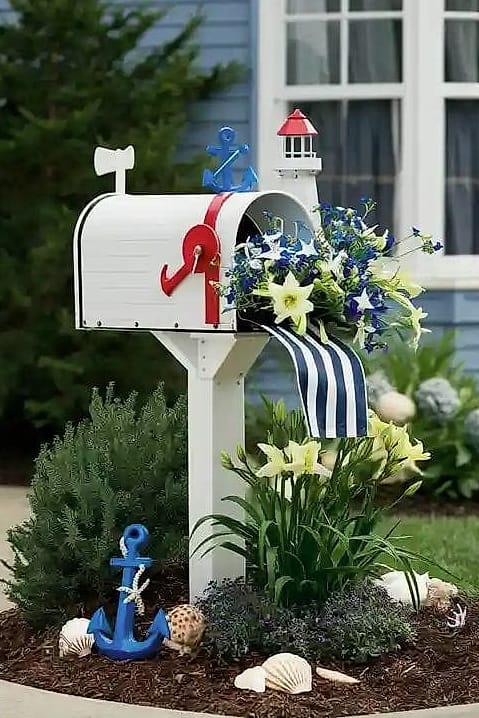
For a coastal or beachy theme, mix crushed shells or sea glass pieces into your mulch layer. Pair with hardy blooms like daylilies or black-eyed Susans that can handle full sun near the road. This is a distinctive, low-maintenance choice that doesn’t need constant replanting. It also catches the light nicely in the afternoon sun.
Ornamental Cabbage Cool-Season Bed
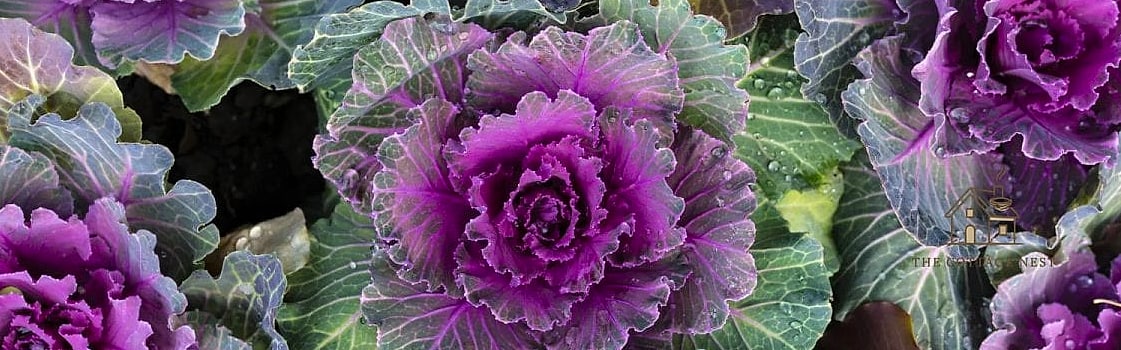
When summer annuals fade, ornamental cabbage and kale step in with gorgeous purples and greens well into late fall. They tolerate light frost, so you get extended color when most flowers have already checked out. Pair them with pansies for an even fuller cool-season look. This is an underused option that a lot of homeowners forget about.
Repurposed Tire Planter Ring
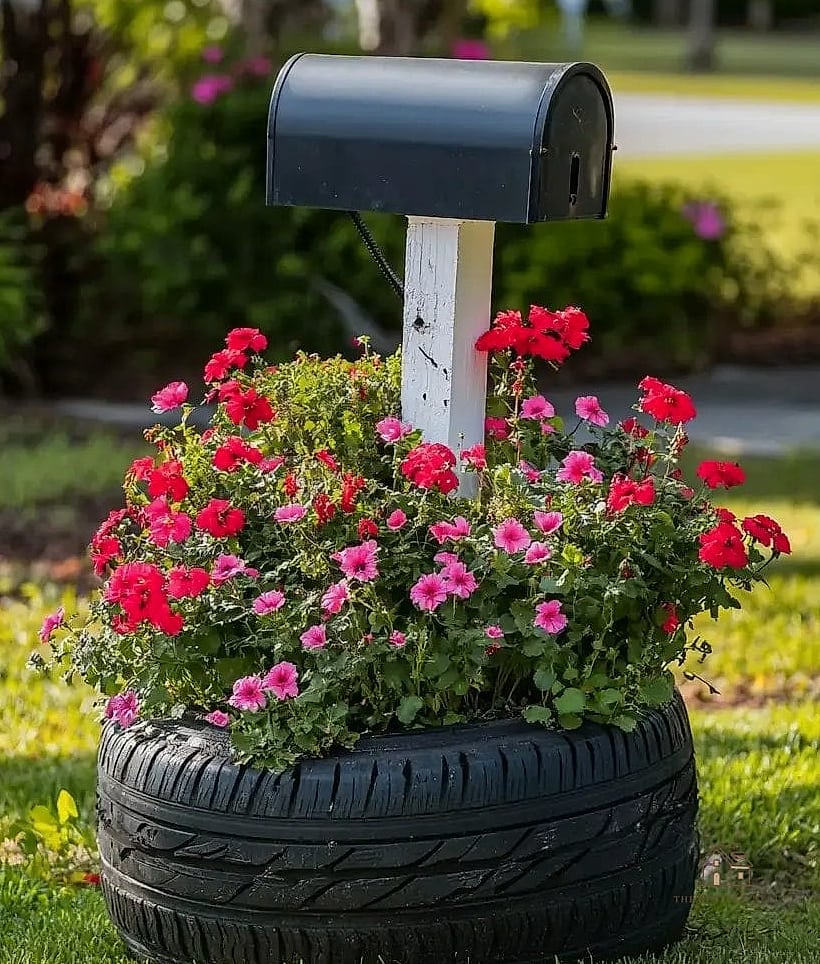
An old tire, painted and set on its side, makes a surprisingly sturdy raised planting ring around the mailbox post. It’s an unconventional but genuinely budget-friendly option if you already have one sitting around. Fill it with a mix of trailing and upright annuals for fullness. This is more of a rustic or reclaimed-style choice, so it won’t suit every home.
Formal Boxwood Knot Pattern
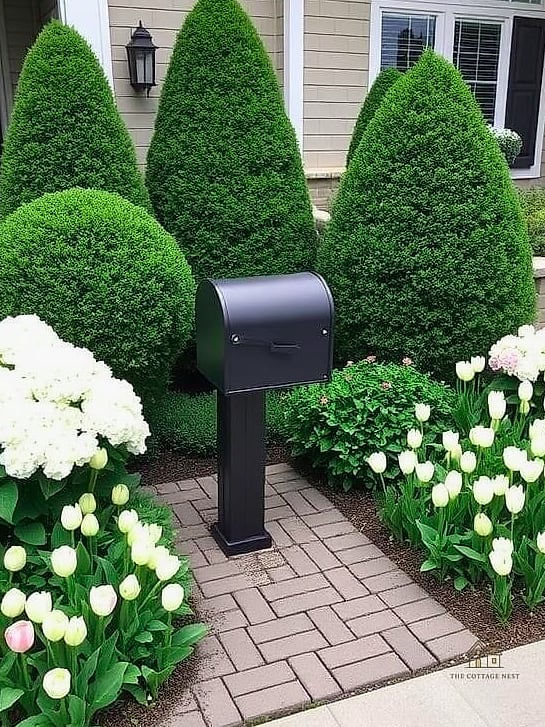
For homeowners who want something more elaborate, a small boxwood knot or interlocking pattern around the mailbox base is a striking option. This takes more planning and trimming than most ideas on this list. It suits traditional or estate-style homes best. Fill any open sections with a single flower color for contrast against the greenery.
Native Grass and Wildflower Meadow Strip
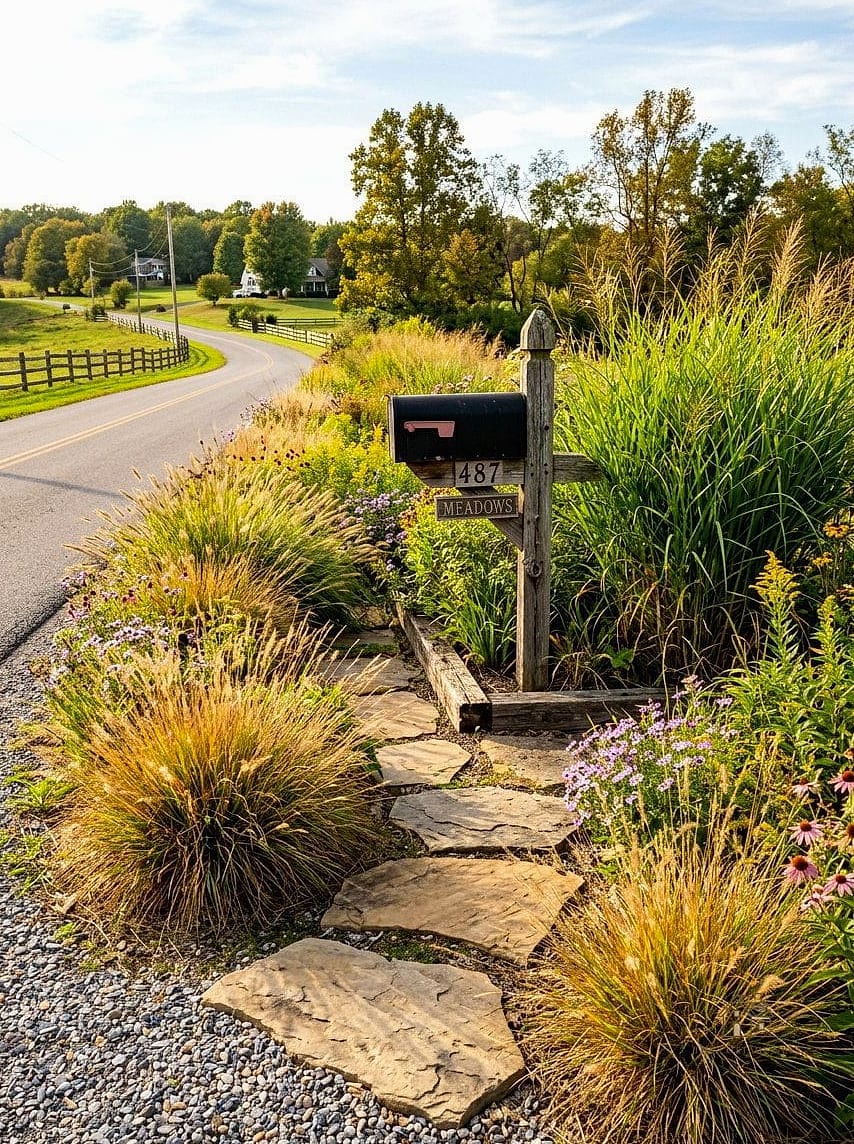
Extend the mailbox bed into a longer strip along the road using a mix of native grasses and wildflowers. This works particularly well for rural properties or larger lots with more space to fill. It requires far less mowing than a strip of plain lawn would. Over time, it also tends to attract more birds and beneficial insects.
Terracotta Pot Cluster Beside the Bed
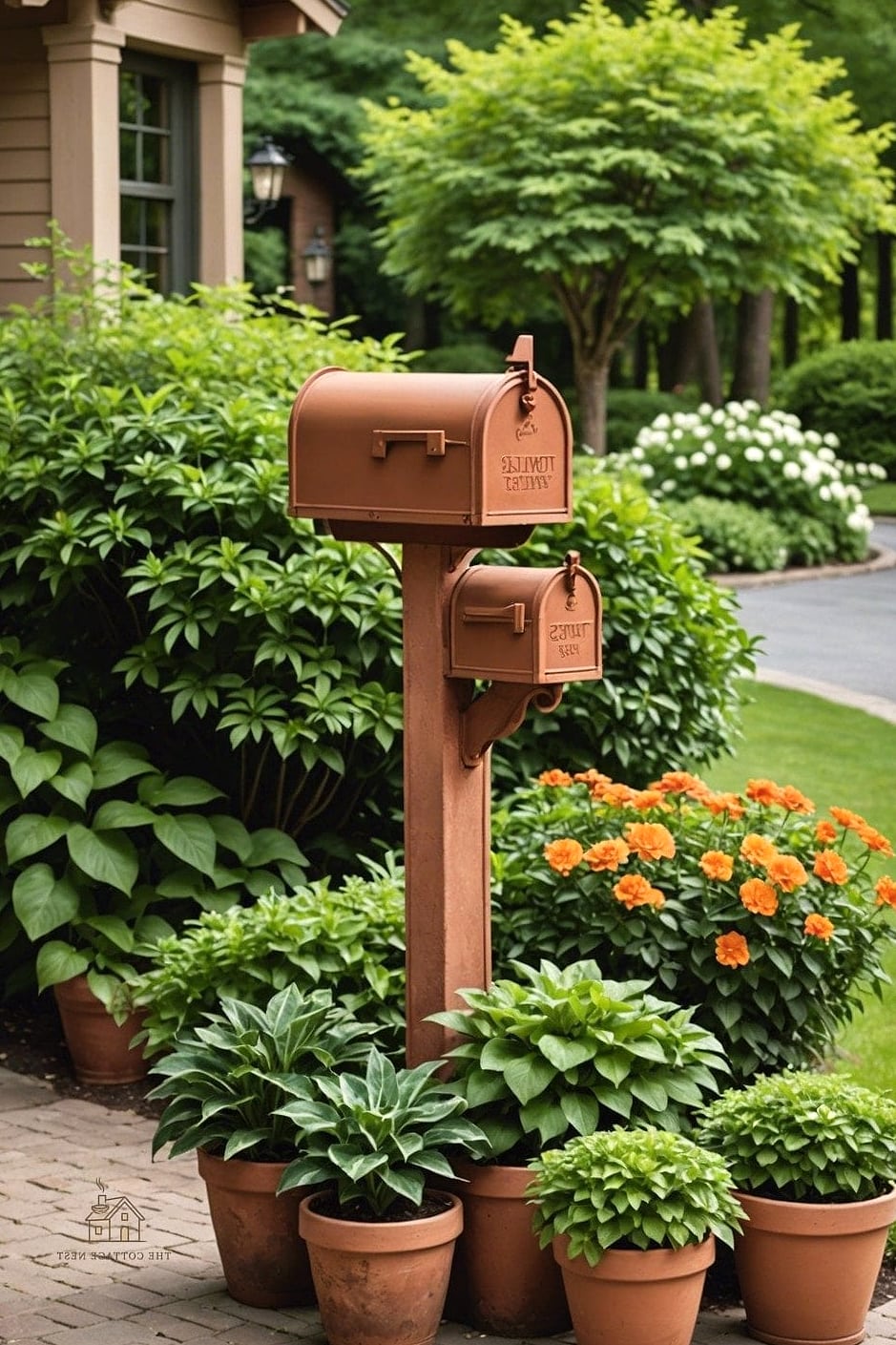
Group a few terracotta pots of varying heights next to the in-ground bed rather than planting everything directly in the soil. This gives you flexibility to rearrange or swap plants without disturbing the main bed. Geraniums, marigolds, or trailing ivy all do well in this setup. It’s also a good workaround if your soil near the road isn’t great quality.
Moon Garden for Evening Curb Appeal
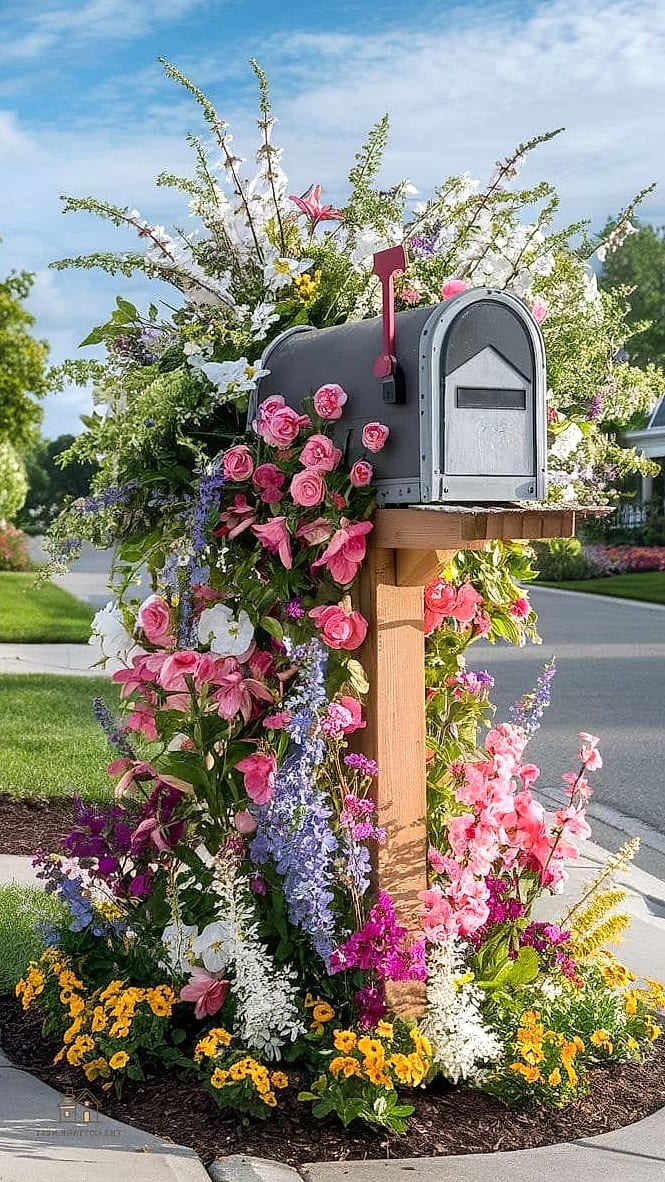
Plant white and pale-colored flowers that seem to glow under moonlight, like moonflower, white cosmos, and silvery dusty miller. This is a fun idea if you’re often out in the evening checking mail or walking. The pale colors also make the mailbox easier to spot in low light. It’s a unique twist that most neighbors probably haven’t thought to try.
Edible Flower and Vegetable Border
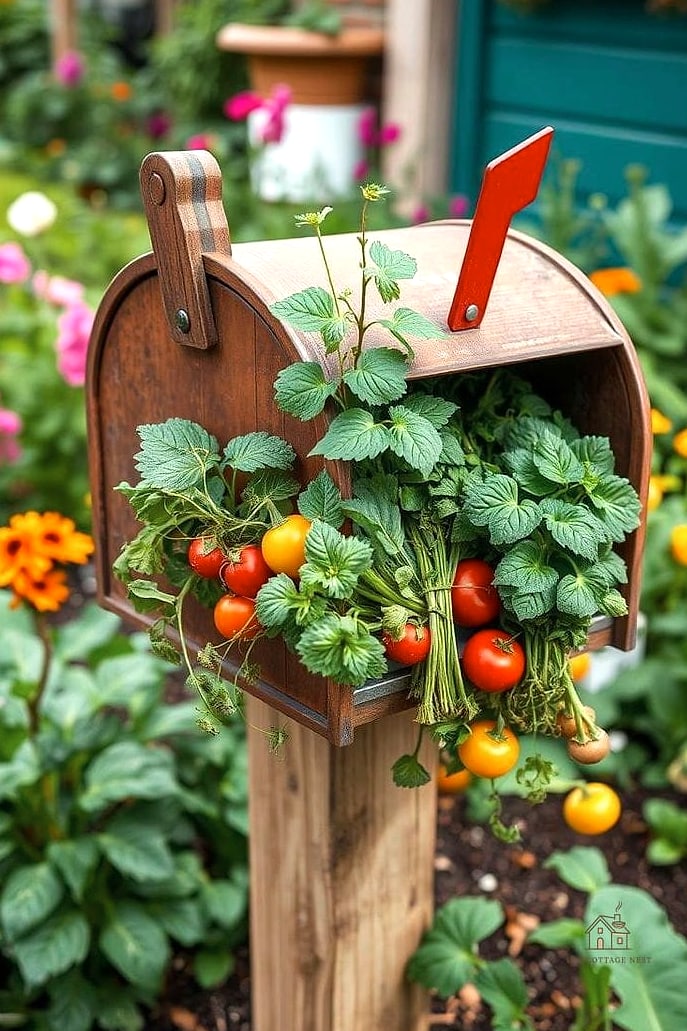
Combine edible flowers like nasturtium and calendula with small vegetable plants like cherry tomatoes in a decorative cage. This is a fun, functional twist on the typical ornamental bed. It works best if your mailbox gets plenty of direct sun throughout the day. Just keep in mind vegetables need a bit more regular care than most flowering perennials.
Steppingstone Path Through the Bed
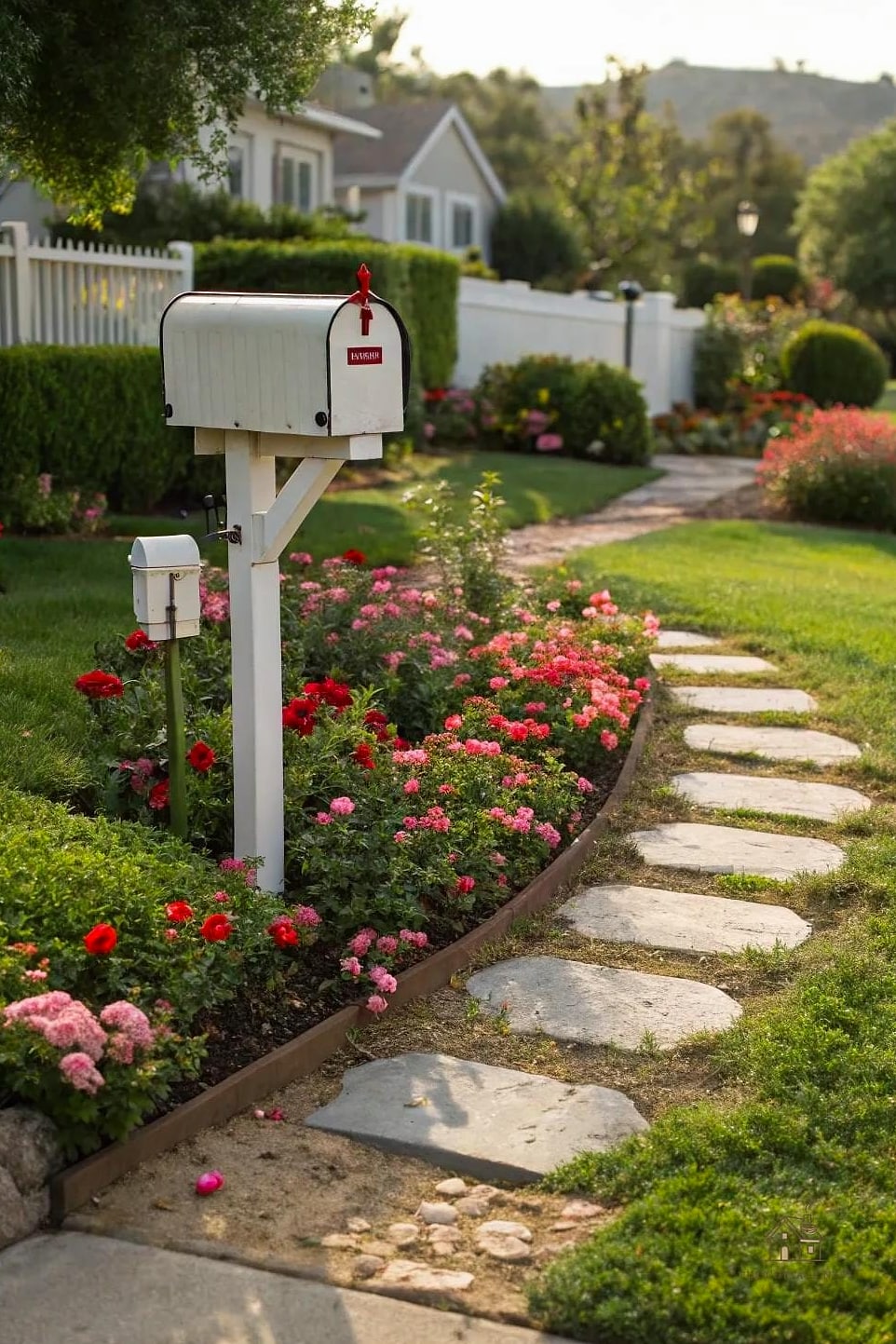
Add a few flat steppingstones through or beside the bed so you can access the mailbox without trampling plants. This is especially useful if your bed wraps around more than one side of the post. Choose stones that complement your home’s exterior material for a cohesive look. It’s a small detail that makes the whole area feel more thought out.
Ombre Color Gradient Bed
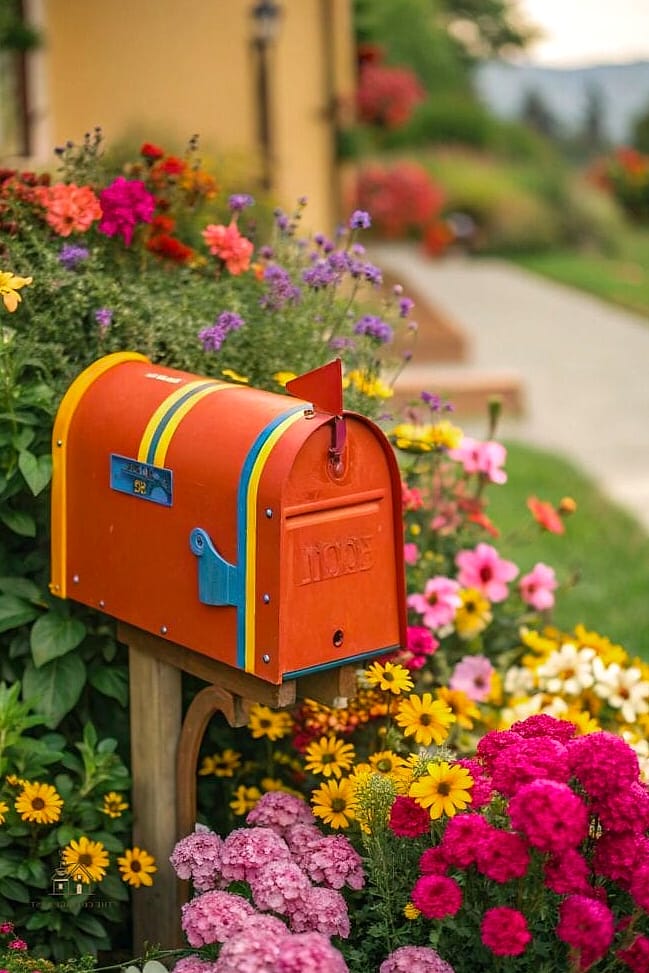
Arrange flowers so the color gradually shifts from light to dark, like pale pink fading into deep magenta. This takes a bit more planning at the nursery, but the visual payoff is worth it. Petunias and verbena both come in enough shades to pull this off easily. It’s a striking option for anyone who wants their mailbox bed to feel a little more artistic.
Minimalist Single-Species Drift
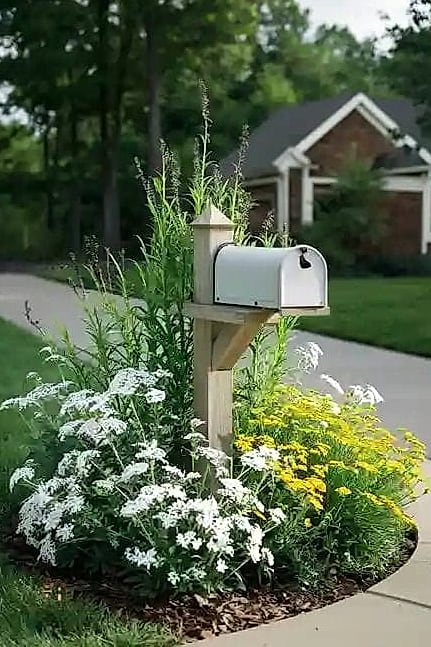
Choose one flower variety, like a mass planting of black-eyed Susans, and let it fill the entire bed in a loose drift. This creates a bold, unified look without needing to coordinate multiple plant types. It’s also one of the easier beds to maintain since everything has the same water and sun needs. This works particularly well for larger mailbox beds that would otherwise need a lot of plant variety to fill.
Whichever direction you go, the beauty of a mailbox flower bed is how much impact it delivers for such a small footprint. Start small if you’re unsure, you can always expand the bed once you see what thrives in that spot. And don’t be afraid to mix a few of these ideas together to make something that feels distinctly yours.