25 Clever Down Ceiling Design Bedrooms Ideas for Every Style
- Cove Lighting Ring Around the Bed
- Tray Ceiling with Wood Slats
- Geometric Down Ceiling with Hidden LED
- Minimalist Perimeter Drop
- Star-Pattern Ceiling with Fiber Optic Lights
- Curved Organic Ceiling Drop
- Two-Tier Ceiling with Contrasting Paint
- Coffered Ceiling for a Traditional Bedroom
- Down Ceiling with Recessed Cove for Curtains
- Floating Ceiling Panel with Backlighting
- Wood Beam and Drywall Combo
- Multi-Level Stepped Ceiling
- Down Ceiling with Integrated Ceiling Fan
- Soft Curved Drop Over a Reading Nook
- Industrial-Style Exposed Track Lighting Drop
- Down Ceiling with Skylight Integration
- Minimal Cove with No Visible Fixtures
- Down Ceiling with Acoustic Panels
- Circular Drop Ceiling Medallion
- Down Ceiling with Hidden Storage Above
- Matte Black Drop Ceiling Frame
- Textured Plaster Down Ceiling
- Down Ceiling with Built-In Speakers
- Angled Ceiling Drop for Sloped Rooms
- Two-Tone Down Ceiling with Wallpaper Insert
25 Clever Down Ceiling Design Bedrooms Ideas for Every Style
A dropped ceiling, or down ceiling as it’s often called, is one of those design moves that quietly does a lot of heavy lifting in a bedroom. It hides wiring and ductwork, adds architectural interest, and gives you a spot to tuck in mood lighting that regular flat ceilings just can’t offer. If you’ve been scrolling through inspiration photos wondering how to bring that same layered, cozy feel into your own space, you’re in the right place. Here are 25 down ceiling ideas that work across budgets, room sizes, and personal taste.
Cove Lighting Ring Around the Bed
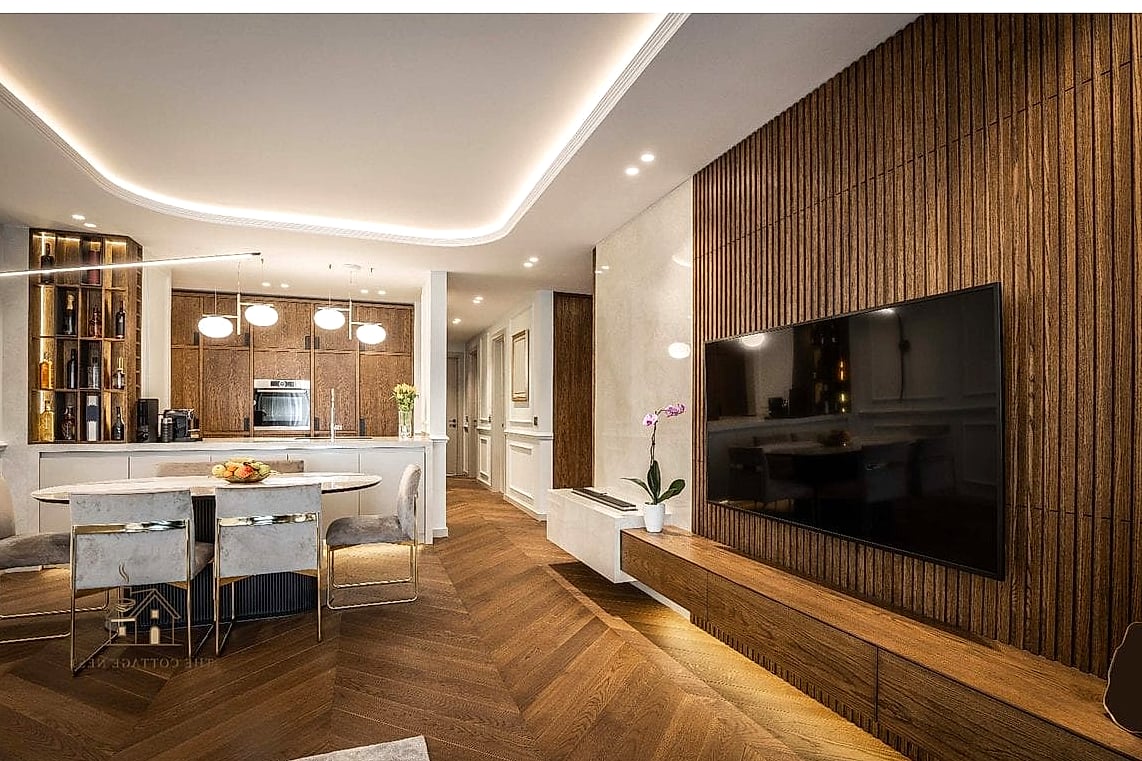
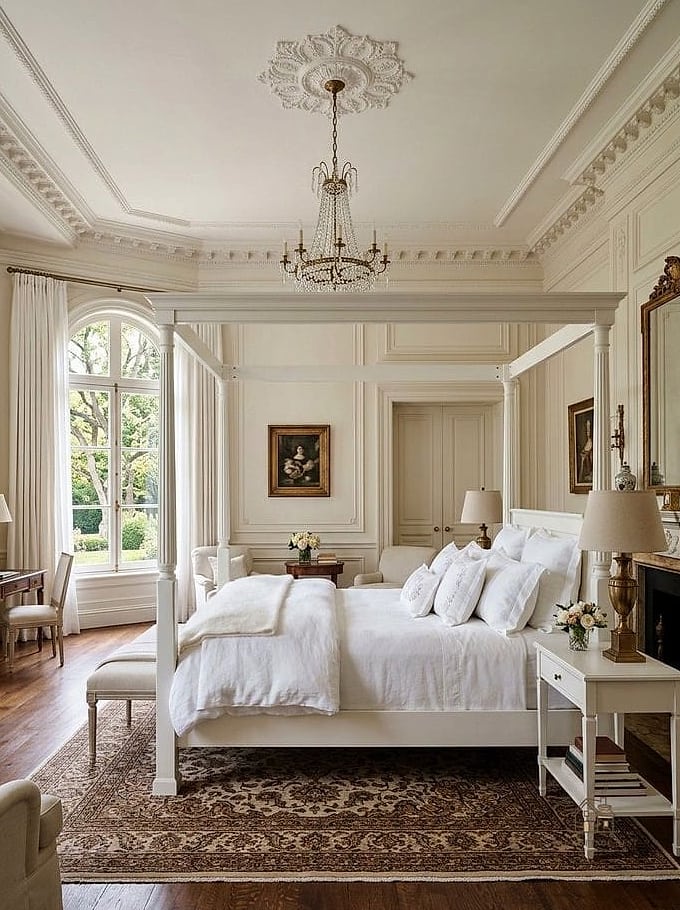
This is probably the most requested down ceiling style out there, and for good reason. A rectangular or oval gypsum frame drops down a few inches from the main ceiling, with LED strip lighting tucked into the cove to wash light upward and outward. It works beautifully over a bed as a soft, ambient glow that doesn’t require lamps at night. Pair it with warm white bulbs around 2700K for a cozy feel, and dimmable strips if you like to adjust brightness depending on your mood.
Tray Ceiling with Wood Slats
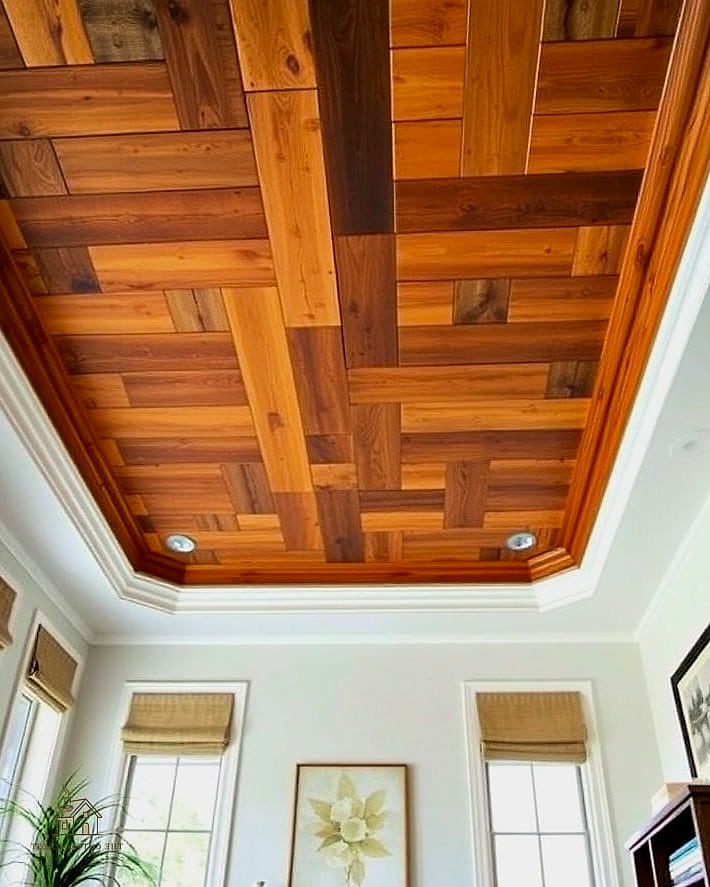
If you love a warm, natural look, a tray ceiling filled with slatted wood panels adds texture without overwhelming the room. The recessed center creates depth, while the wood slats bring in that trending Scandinavian or Japandi vibe. This works especially well in bedrooms with higher ceilings since the layered effect needs a bit of vertical room to breathe. Pair it with linen bedding and matte black hardware for a grounded, calming space.
Geometric Down Ceiling with Hidden LED
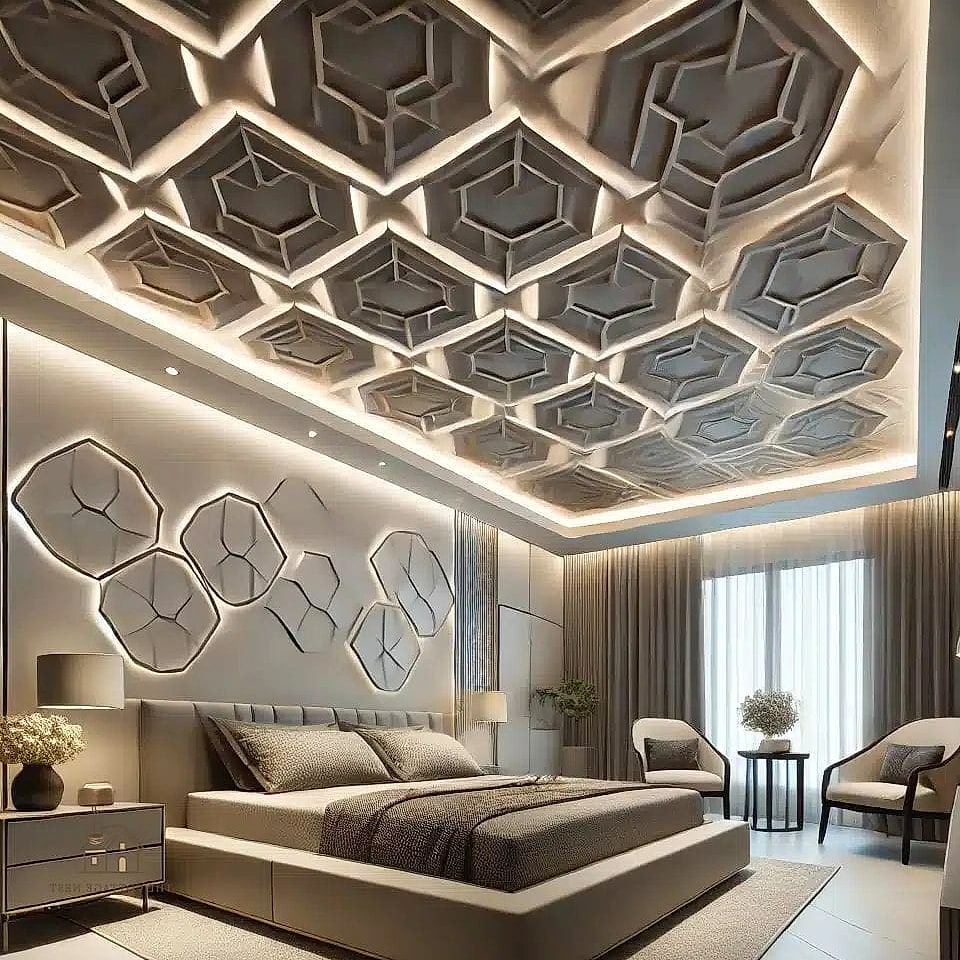
Instead of a simple rectangle, some homeowners are opting for geometric shapes like hexagons or angled panels that step down in stages. Each tier can house its own hidden LED strip, creating a layered lighting effect that feels almost sculptural. This is a bolder choice best suited to modern or contemporary bedrooms. It’s not the easiest DIY project, so budgeting for a professional ceiling contractor is worth it here.
Minimalist Perimeter Drop
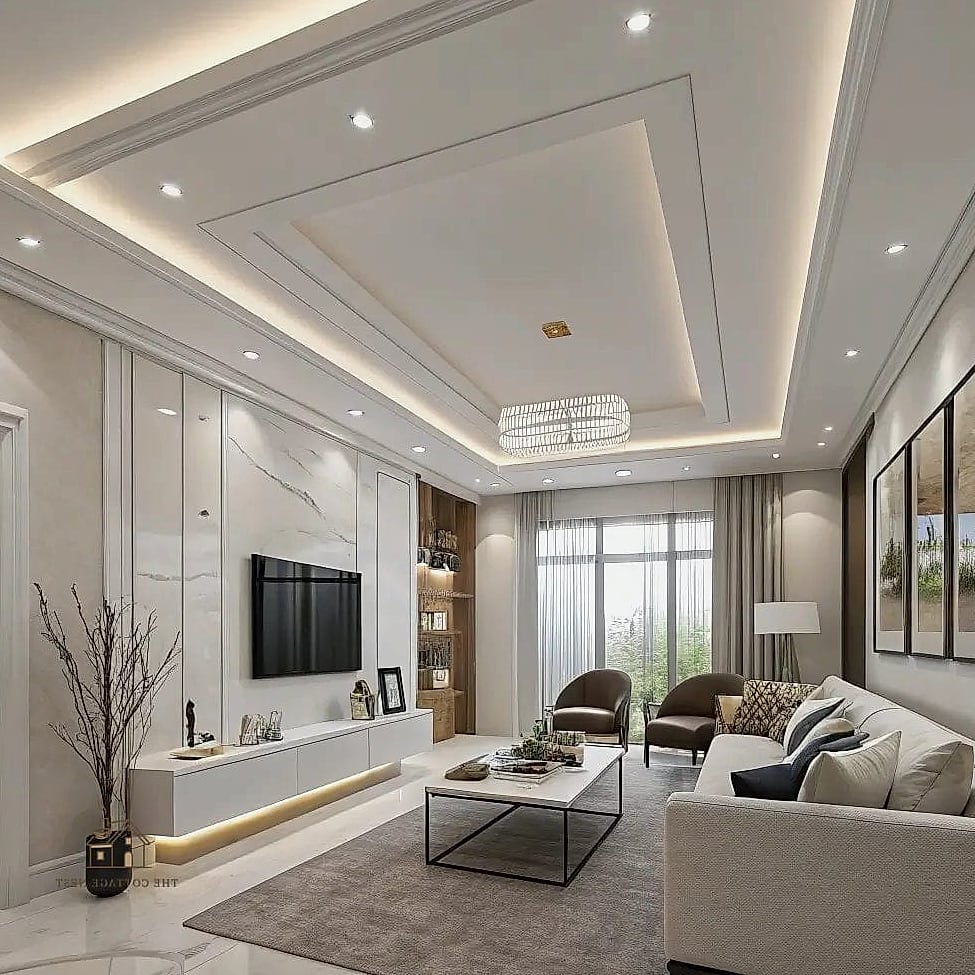
Sometimes less really is more. A shallow perimeter drop, just two to three inches around the edges of the room, creates a subtle frame effect without dominating the space. It’s an easy way to add dimension in smaller bedrooms where a deep tray ceiling might feel heavy. This style plays nicely with almost any decor, from farmhouse to mid-century modern, since it’s more about shadow and shape than statement design.
Star-Pattern Ceiling with Fiber Optic Lights
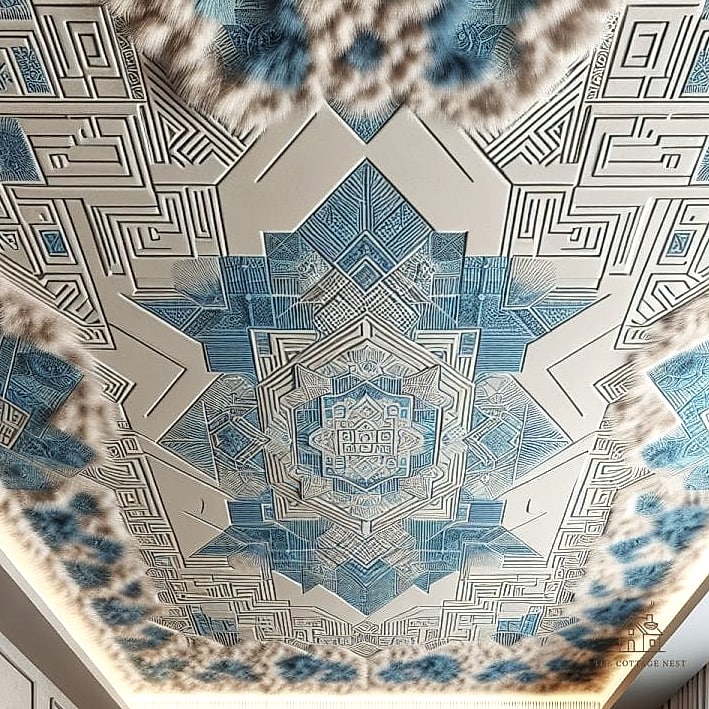
For kids’ rooms or anyone who loves a whimsical touch, a down ceiling with tiny embedded fiber optic lights that mimic a starry sky is a fun option. The gypsum board gets small perforations where fiber optic strands pass through, creating twinkling points of light. It’s a bit of a specialty install, so look for contractors who’ve done star ceilings before. Dimmer controls let you turn the twinkle up or down depending on the night.
Curved Organic Ceiling Drop
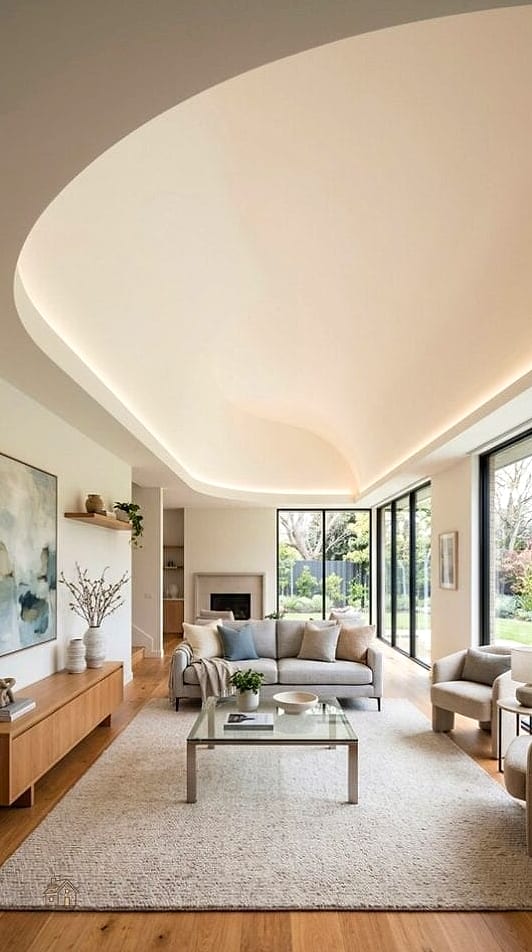
Straight lines aren’t for everyone, and curved down ceilings have been showing up more in bedrooms that lean soft and organic. Think gentle wave shapes or rounded corners instead of sharp rectangles. This softens the whole room and pairs beautifully with rounded furniture, curved headboards, and rattan accents. It does require more skilled installation since curves are trickier to frame than straight edges.
Two-Tier Ceiling with Contrasting Paint
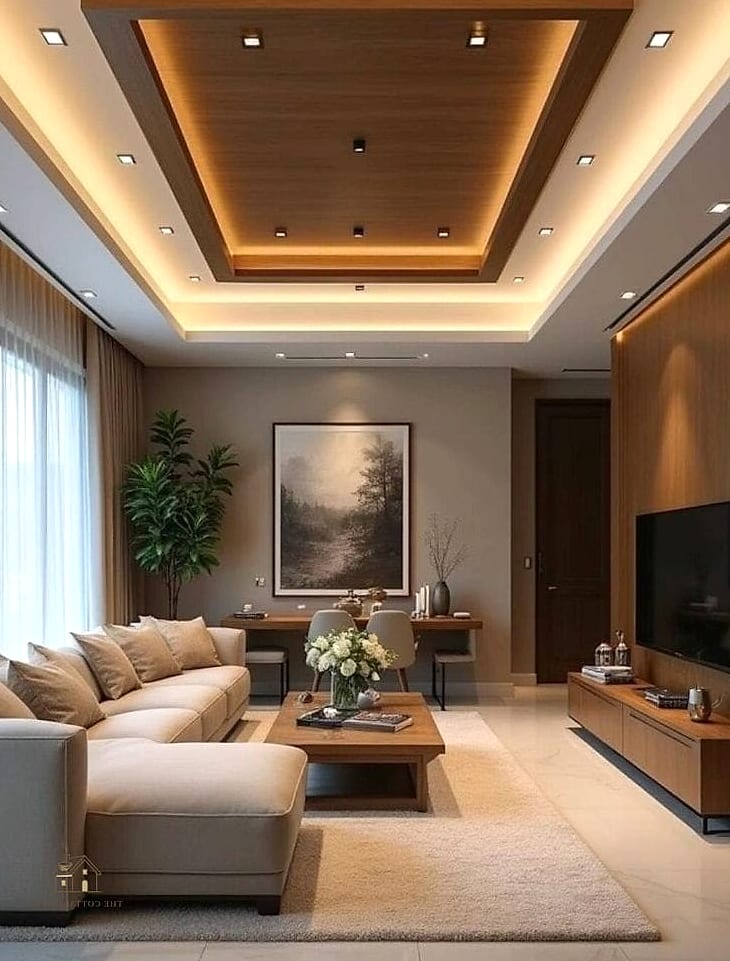
A two-tier drop ceiling gives you a natural spot to play with color. Paint the upper level a soft neutral and the lower drop a deeper shade, like navy, forest green, or terracotta. The contrast draws the eye up and makes the room feel more intentional. This is a great budget-friendly way to add drama since paint costs so much less than extra millwork or lighting.
Coffered Ceiling for a Traditional Bedroom
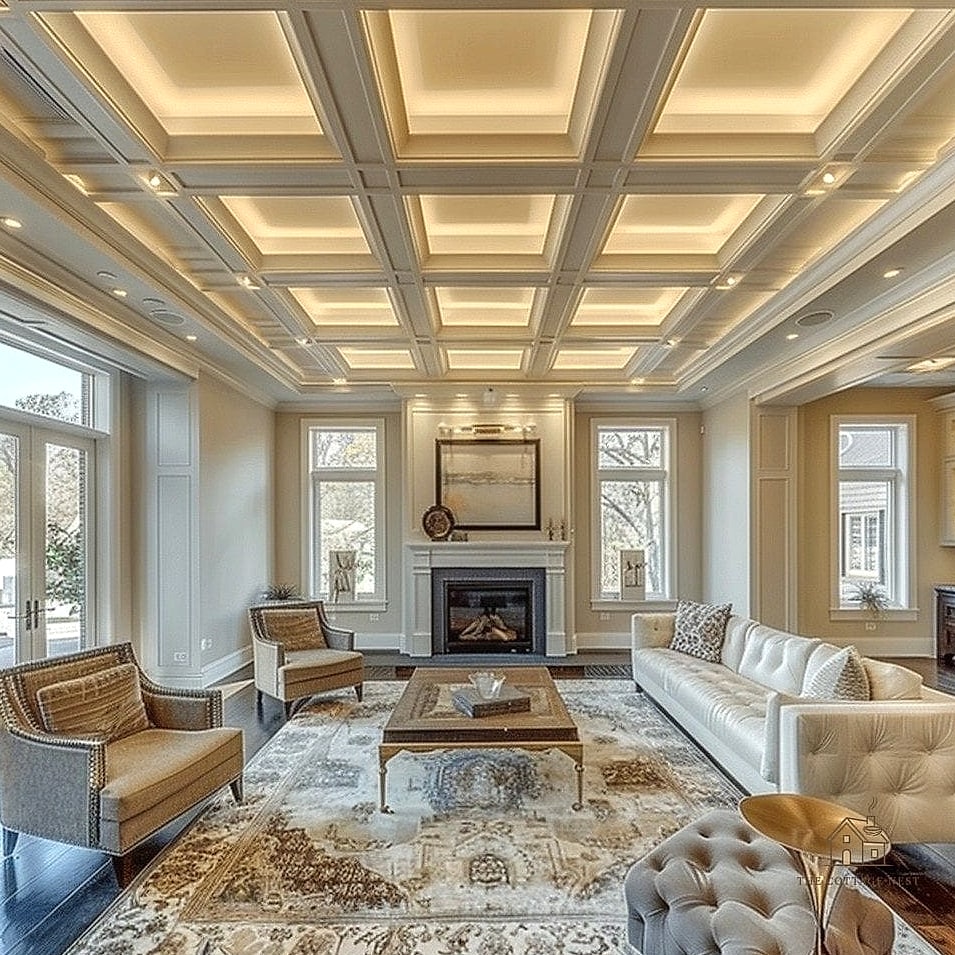
Coffered ceilings, with their grid of recessed panels, bring a classic, almost old-world elegance to a bedroom. This style suits larger primary suites with higher ceilings, especially in traditional or transitional homes. You can go simple with painted white beams or richer with stained wood for a more masculine, study-like feel. It’s a bigger investment but tends to add real value to a home.
Down Ceiling with Recessed Cove for Curtains
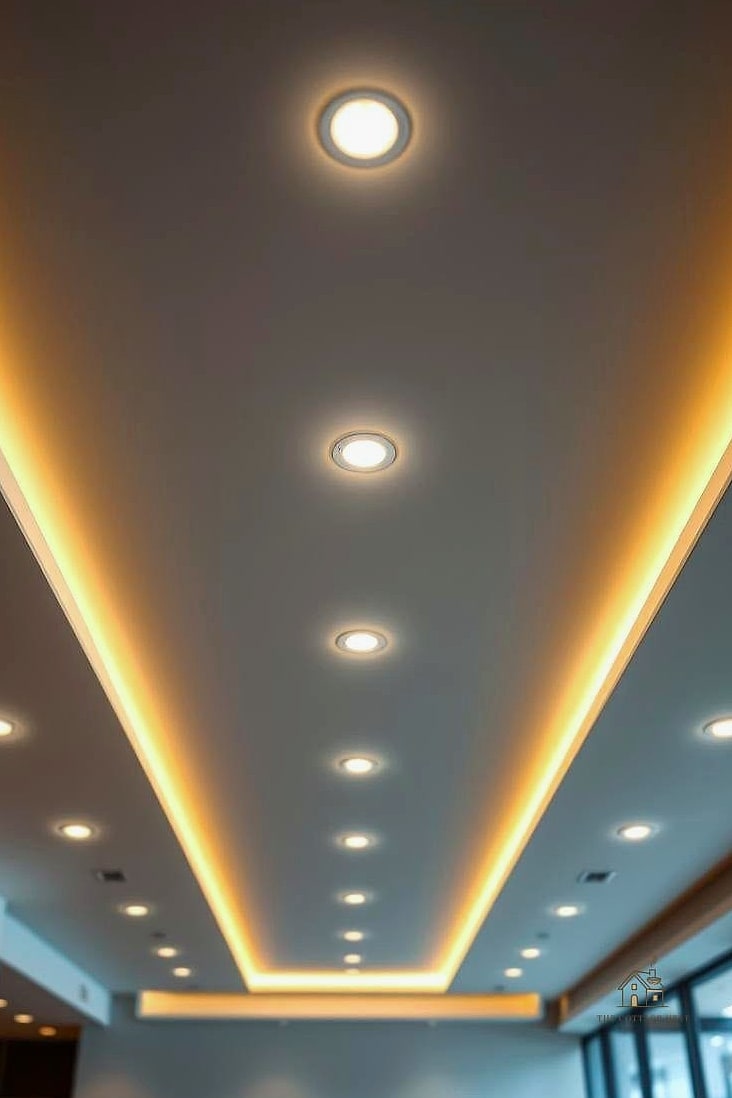
Here’s a clever trick a lot of designers use: build the drop ceiling deep enough near the window to hide curtain rods and hardware completely. The curtains appear to flow straight from the ceiling, which makes windows look taller and the whole room feel more polished. It’s a small detail, but it makes a noticeable difference in how finished a bedroom feels.
Floating Ceiling Panel with Backlighting
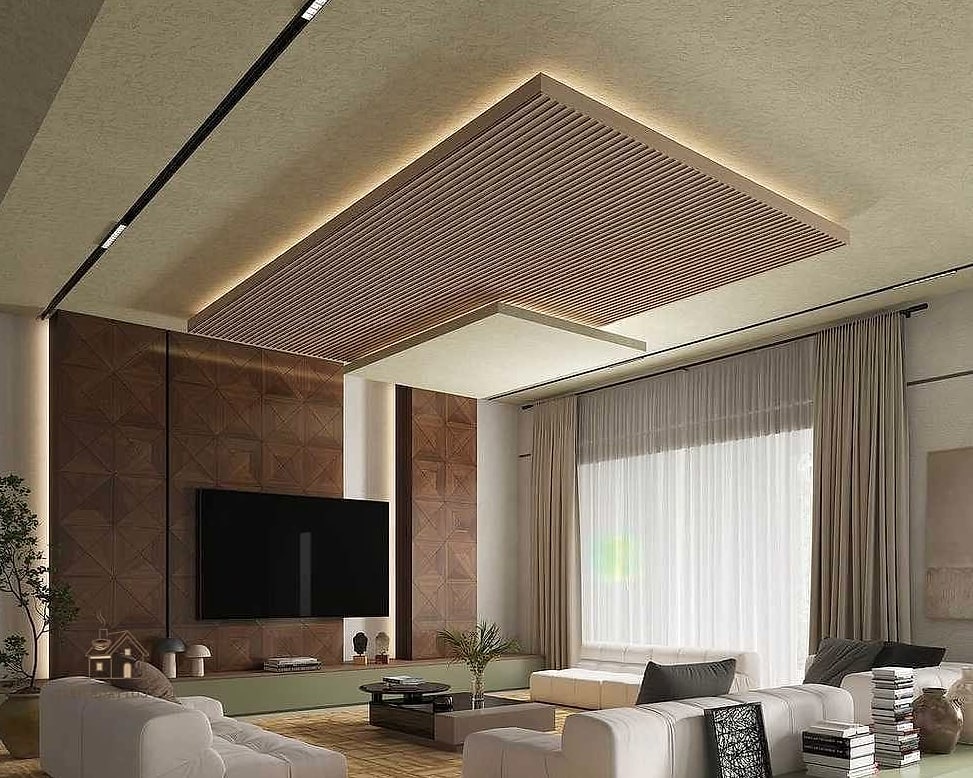
A floating panel design uses a rectangular or oval piece of ceiling that appears to hover, separated from the surrounding ceiling by a thin gap filled with LED light. It creates a striking halo effect above the bed. This works particularly well in modern or luxury bedrooms where you want a wow factor. Keep the color temperature warm to avoid the space feeling clinical.
Wood Beam and Drywall Combo
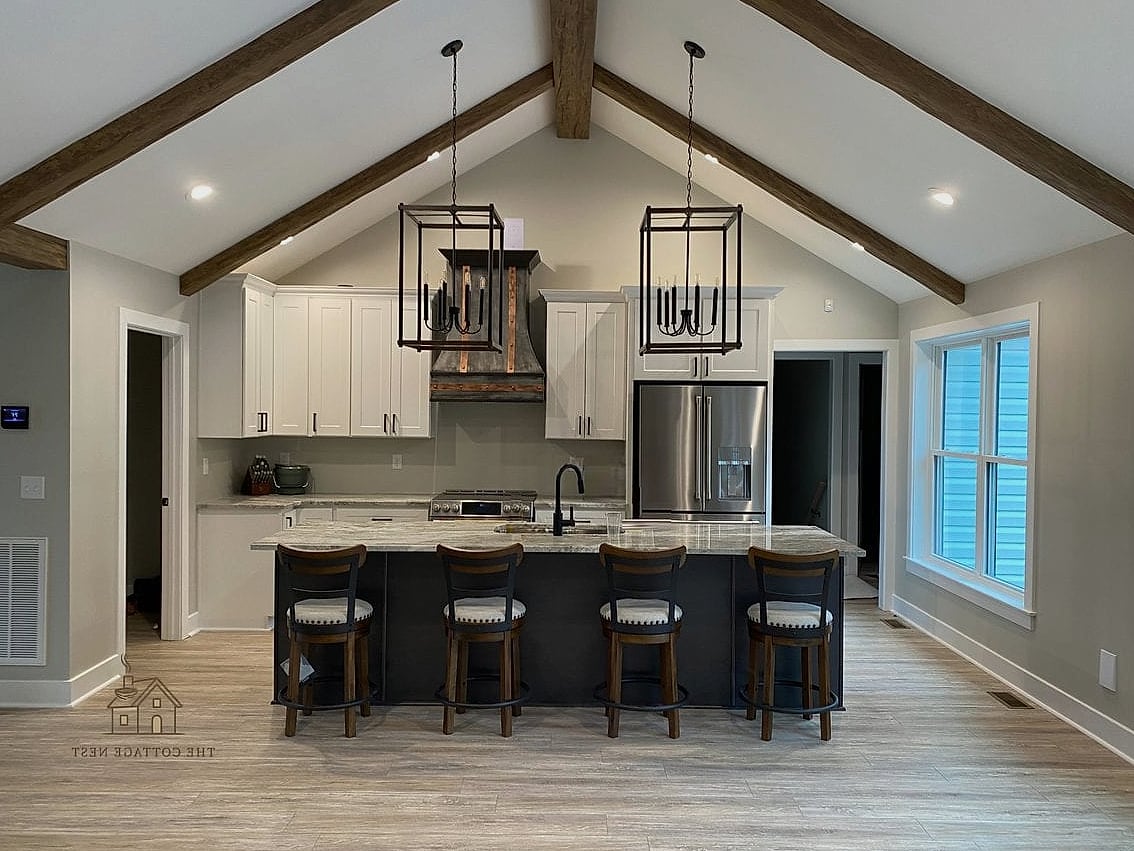
Combining exposed wood beams with a dropped drywall section between them gives a farmhouse or rustic bedroom real character. The beams add texture and warmth while the recessed drywall keeps things from feeling too heavy. This pairs nicely with shiplap walls, woven textiles, and warm wood furniture. It’s also fairly renter-friendly if you use faux beams instead of structural ones.
Multi-Level Stepped Ceiling
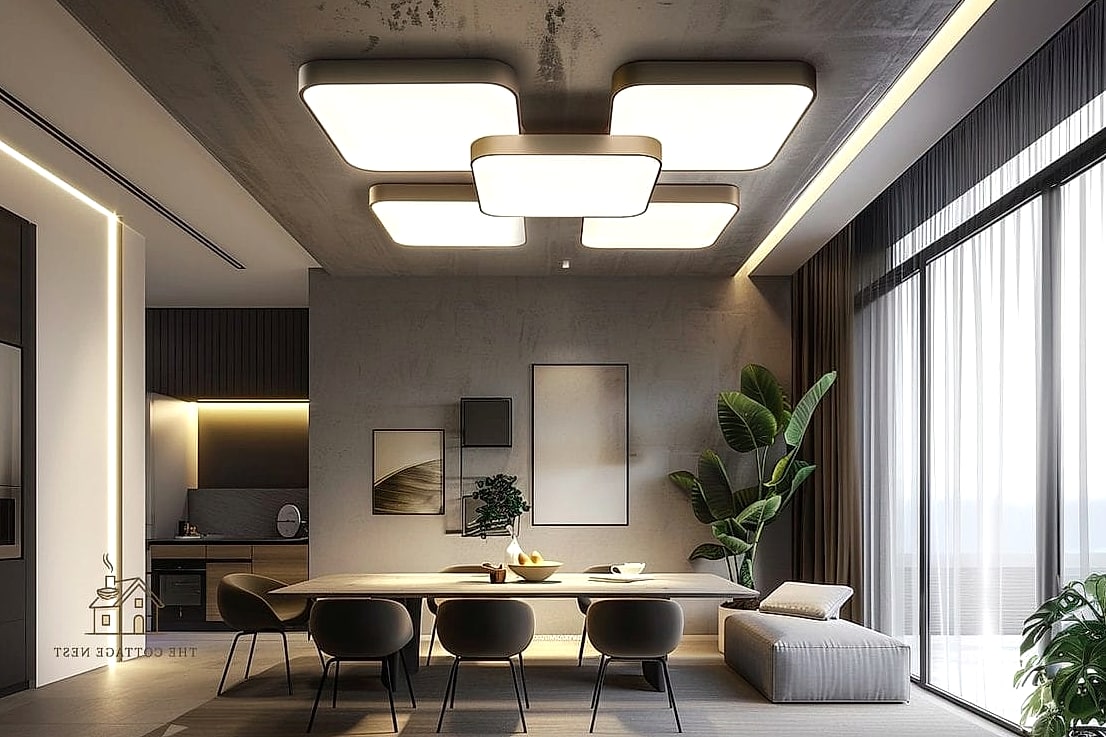
For bedrooms with generous ceiling height, a multi-level stepped design creates serious drama. Each step down gets its own subtle lighting, building toward a lower center point, often right above the bed. This is a more elaborate, higher-budget option best left to experienced contractors. The payoff is a bedroom that genuinely feels like a boutique hotel suite.
Down Ceiling with Integrated Ceiling Fan
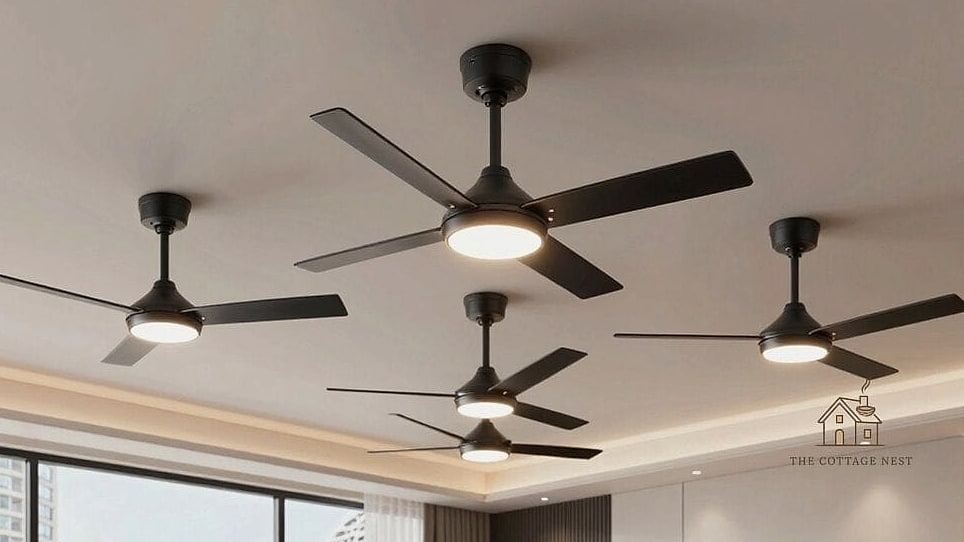
Practicality matters too, and a lot of homeowners are designing their drop ceilings specifically to frame a ceiling fan. The recessed center houses the fan while the surrounding drop conceals extra wiring and creates a cleaner look than a fan just hanging from a flat ceiling. This works especially well in warmer climates or bedrooms without central air. Choose a fan with a built-in light kit to save on separate fixtures.
Soft Curved Drop Over a Reading Nook
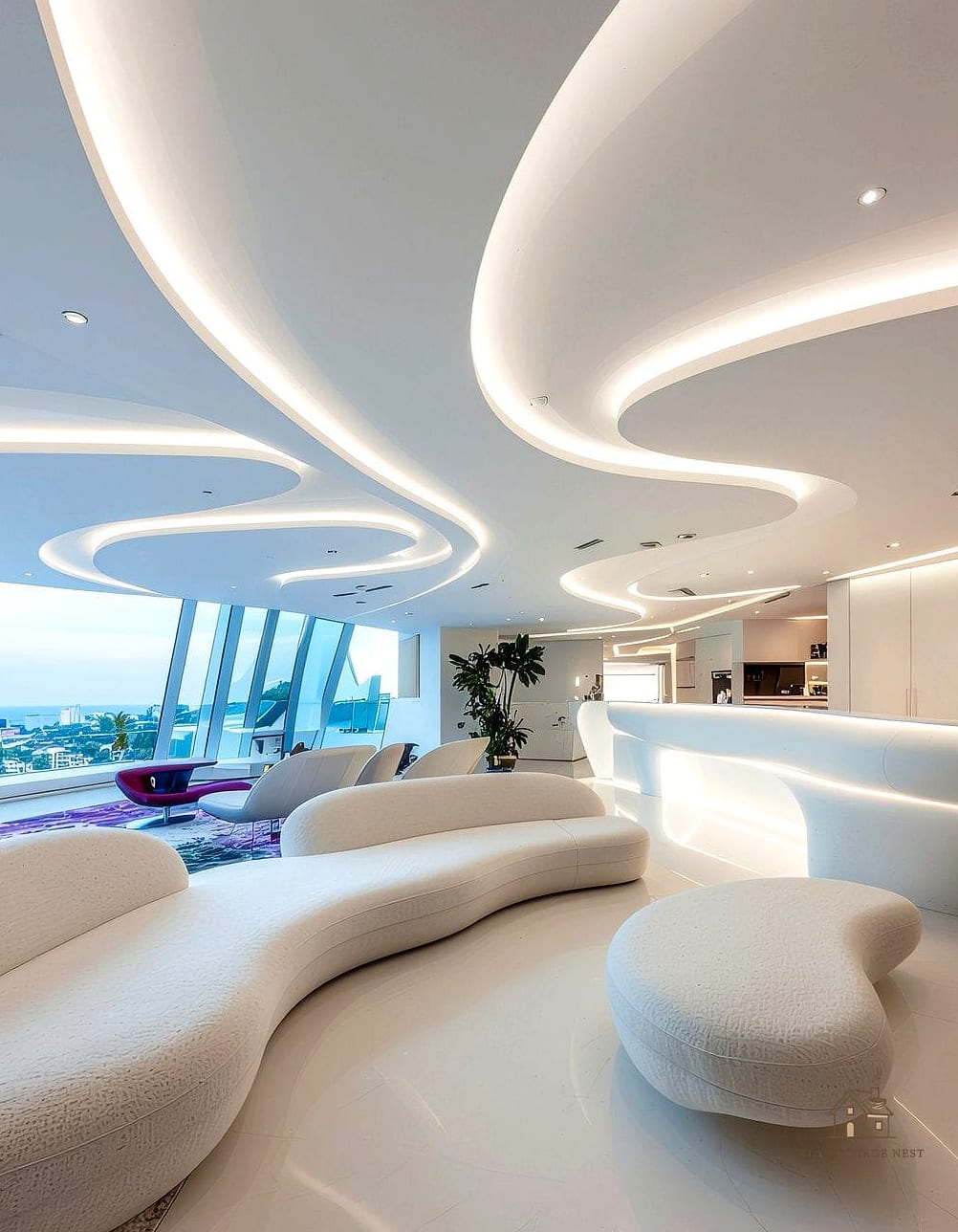
If your bedroom has a cozy corner with a chair or window seat, consider extending a soft curved ceiling drop just over that nook. It visually separates the reading area from the sleeping area without adding walls. Add a small pendant or wall sconce underneath for task lighting. This is a nice touch for anyone who reads before bed and wants that little zone to feel special.
Industrial-Style Exposed Track Lighting Drop
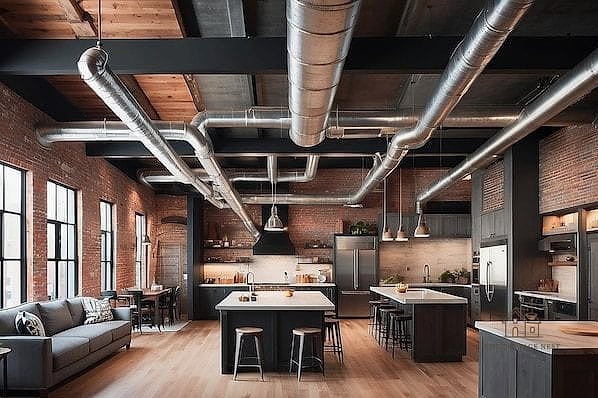
For a more industrial or loft-style bedroom, skip the soft cove lighting and instead build a shallow drop ceiling that houses exposed track lighting. The fixtures themselves become part of the design rather than being hidden. This suits bedrooms with concrete, brick, or dark metal accents. It’s also easier to update later since you can simply swap out light fixtures as trends change.
Down Ceiling with Skylight Integration
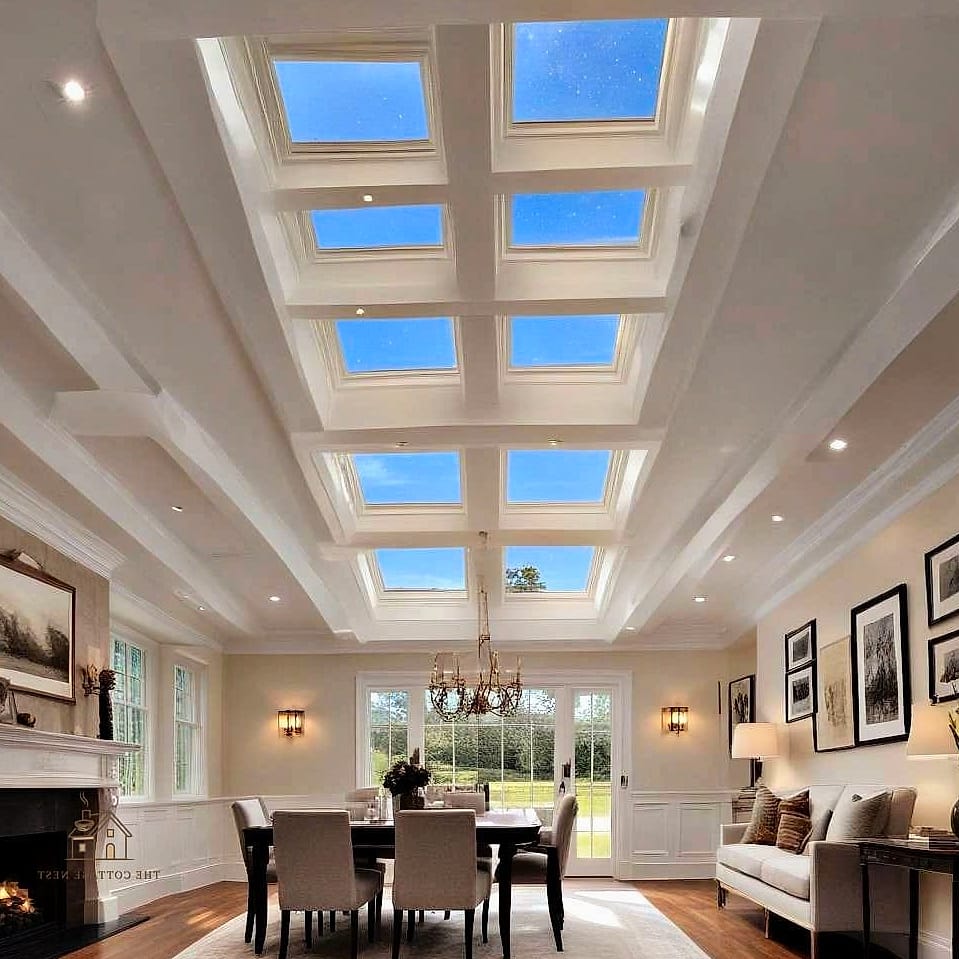
If you’re lucky enough to have a skylight, framing it with a recessed drop ceiling makes the natural light feel intentional rather than accidental. The drop creates a soft transition between the flat ceiling and the skylight opening. Add LED strips around the frame for nighttime ambiance when the natural light disappears. This is a wonderful option for attic bedrooms or top-floor primary suites.
Minimal Cove with No Visible Fixtures
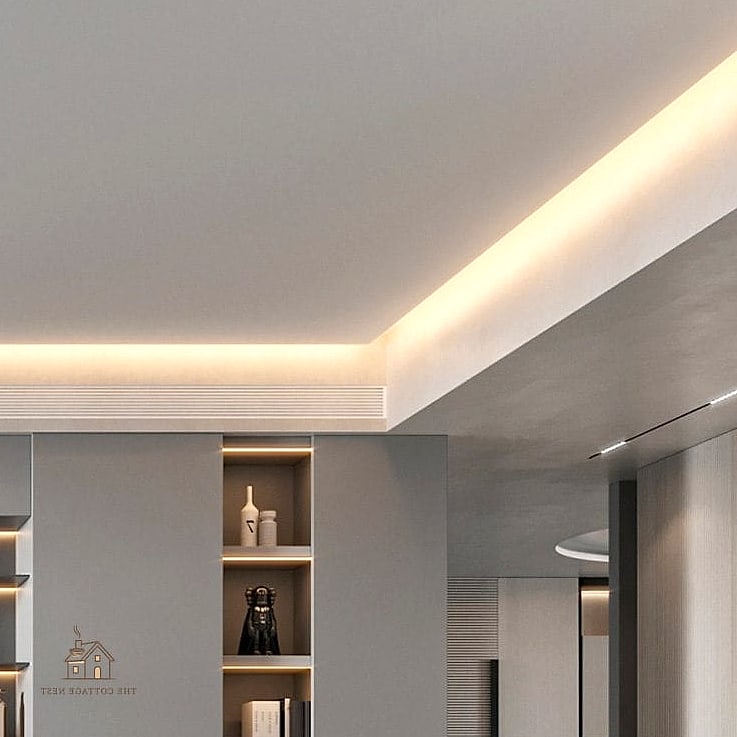
Some homeowners want the lighting effect without any visible hardware at all. This down ceiling style tucks LED strips so deep into the cove that you only see the glow, never the actual light source. It’s a clean, seamless look that works well in minimalist or modern bedrooms. The tradeoff is a slightly more precise installation process to get the depth just right.
Down Ceiling with Acoustic Panels
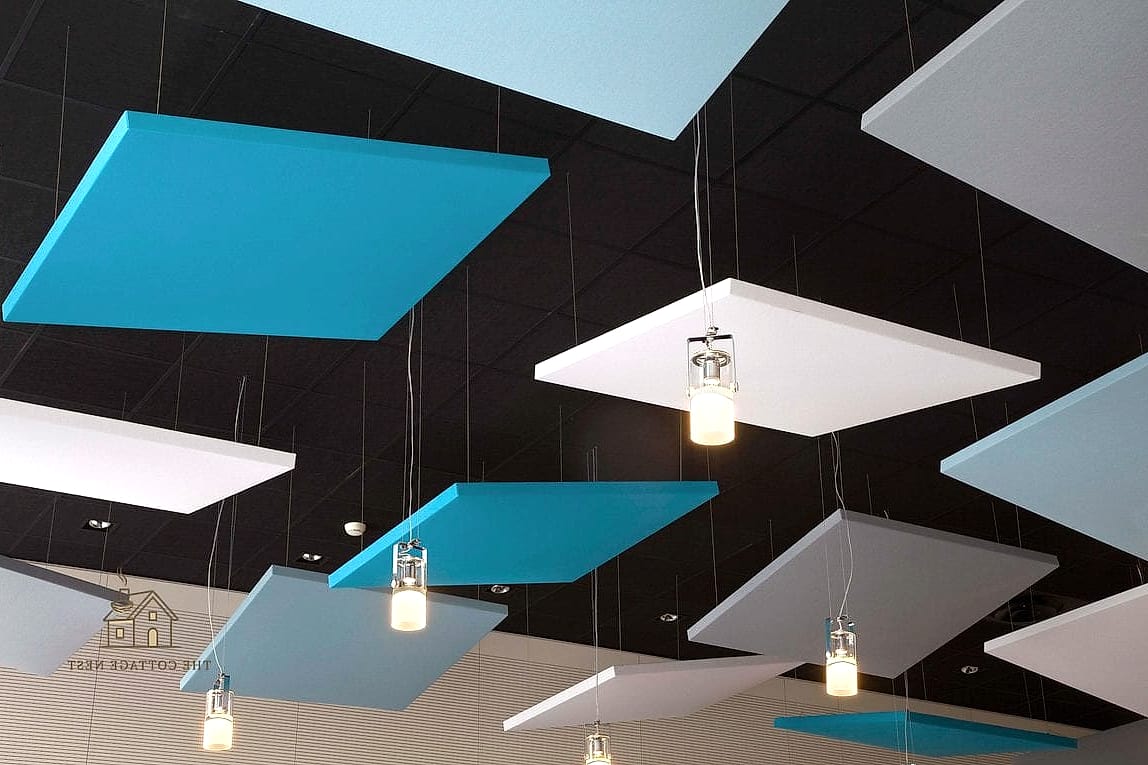
For bedrooms above garages, near street noise, or shared walls with other rooms, a drop ceiling with integrated acoustic panels solves a practical problem while still looking good. The panels come in fabric-wrapped or perforated wood options that blend into the design rather than screaming “soundproofing.” This is a smart pick for light sleepers or anyone working from a home office nearby.
Circular Drop Ceiling Medallion
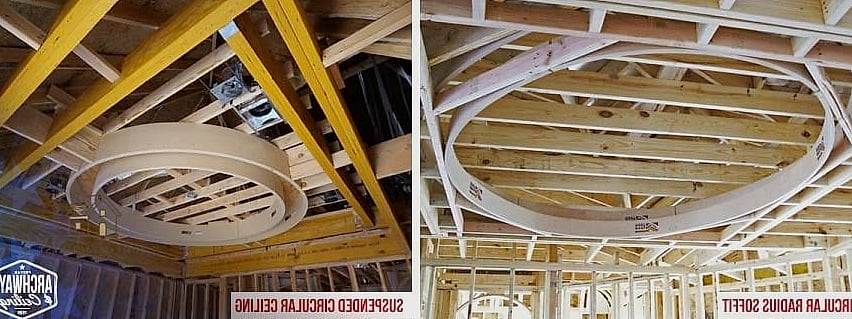
A circular or oval medallion-style drop, centered above the bed or seating area, brings a soft, almost boutique-hotel feel to a bedroom. It’s smaller in scale than a full tray ceiling, which makes it a good fit for bedrooms where you don’t want to commit to covering the whole ceiling. Add a simple pendant light in the center or ring it with LED strips for extra glow.
Down Ceiling with Hidden Storage Above
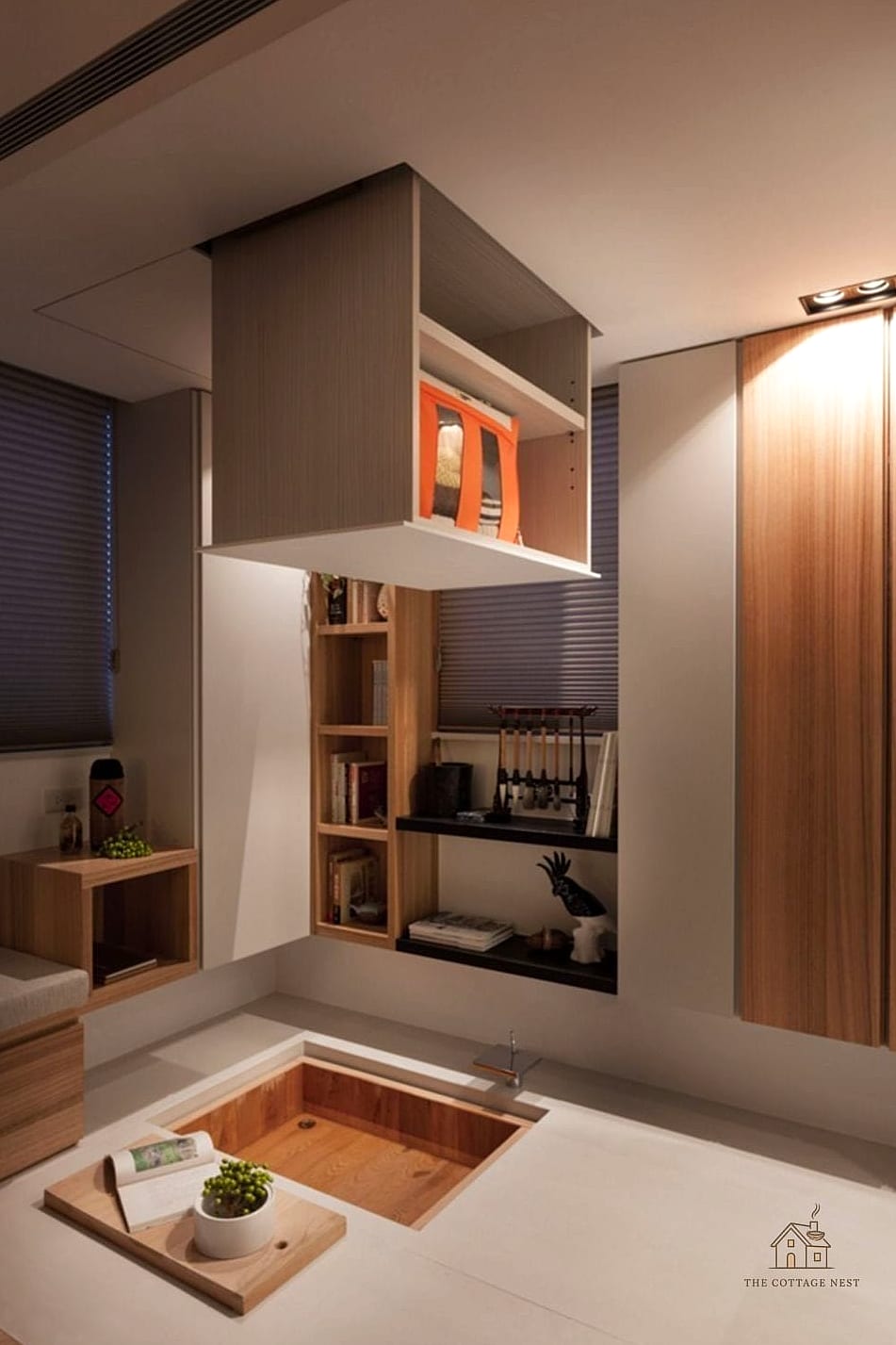
Here’s a lesser-known trick: use the gap created by a drop ceiling to run extra electrical for future fixtures, or in some builds, to conceal small storage compartments near closets. It’s not something every bedroom needs, but for renovation projects it’s worth asking your contractor whether the space above the drop can serve double duty. Practical and a little clever at the same time.
Matte Black Drop Ceiling Frame
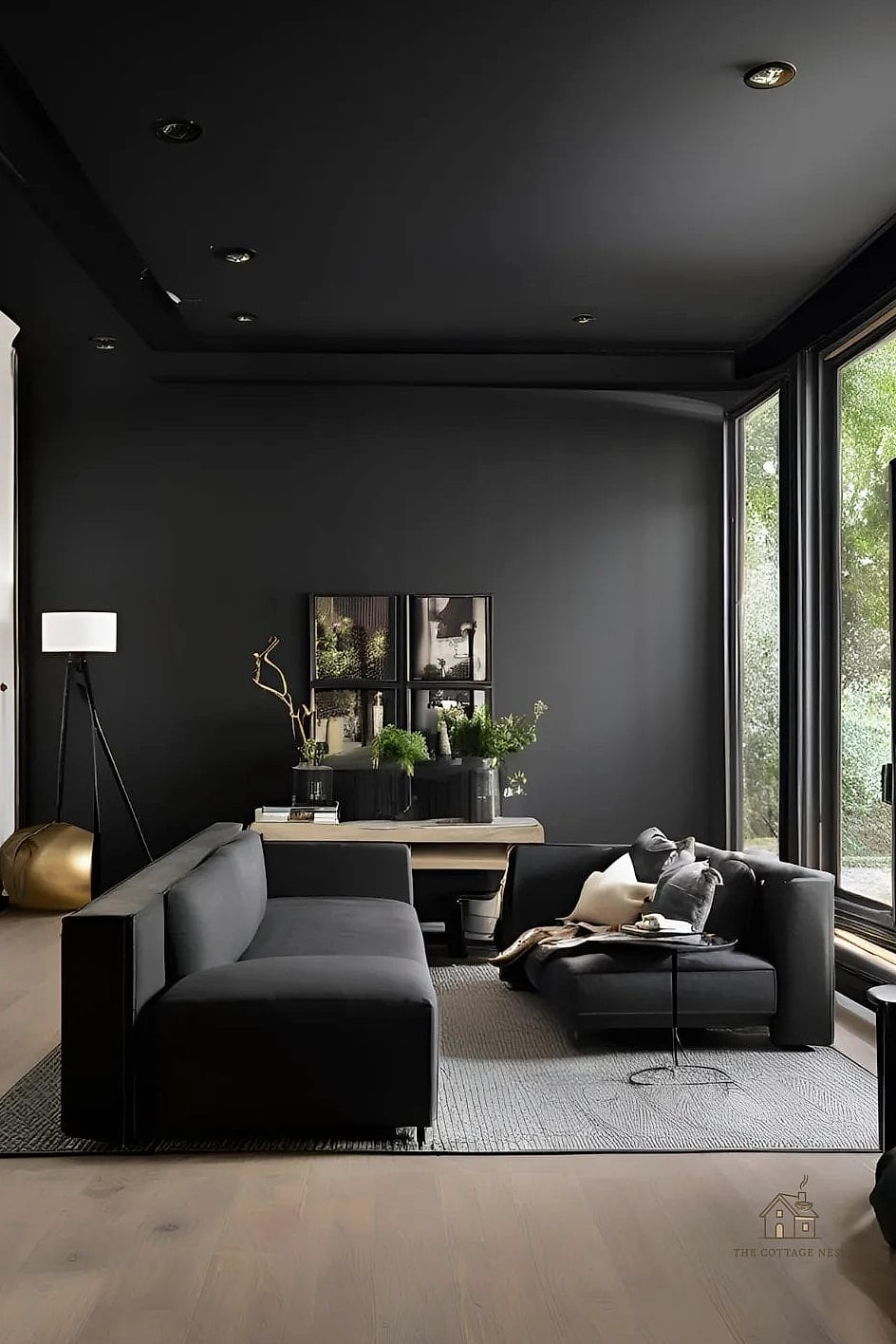
Black ceilings have had a moment, and a matte black drop ceiling frame against a white or light-colored main ceiling creates striking contrast. It’s a bold choice that works best in bedrooms with plenty of natural light so the space doesn’t feel too dark overall. Pair it with brushed brass or warm wood accents to keep things from feeling cold.
Textured Plaster Down Ceiling
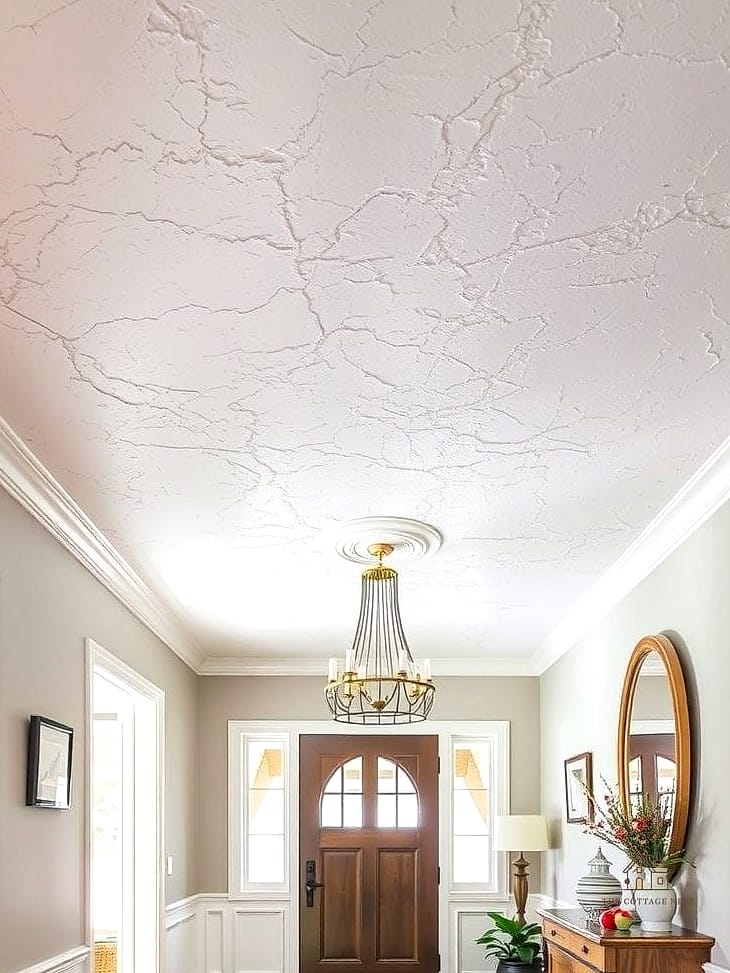
Smooth drywall isn’t the only option. A textured plaster finish on the drop ceiling adds a handmade, artisanal quality that photographs beautifully and feels wonderful in person too. This suits organic modern or Mediterranean-inspired bedrooms. It costs a bit more due to the specialized finishing work, but the tactile result is hard to replicate with paint alone.
Down Ceiling with Built-In Speakers
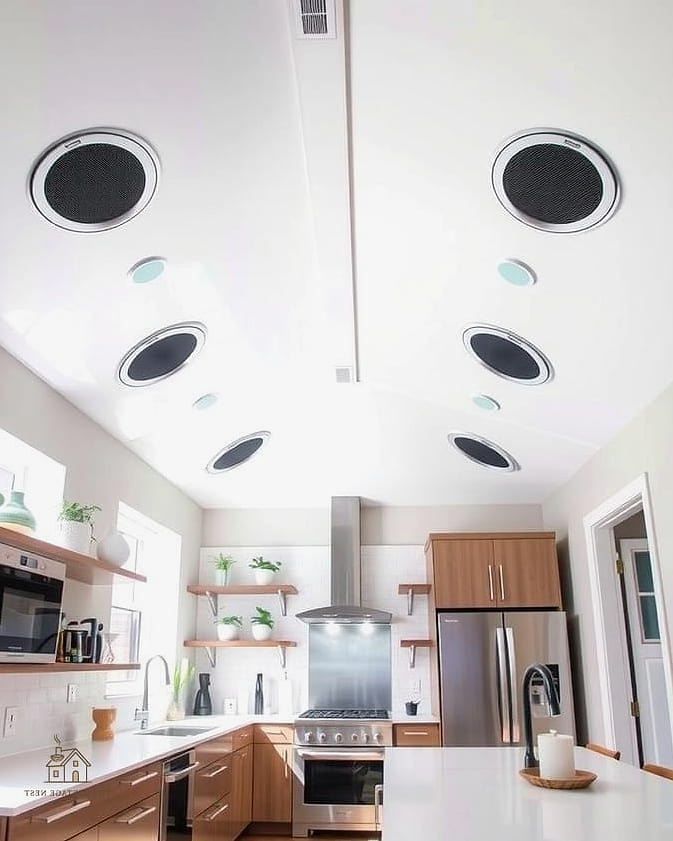
For anyone who likes falling asleep to music or a podcast, building small recessed speakers into the drop ceiling keeps the bedroom looking clean while still delivering great sound. The drop provides the depth needed to house the speaker housing out of sight. This pairs well with smart home setups where you can control everything from your phone.
Angled Ceiling Drop for Sloped Rooms
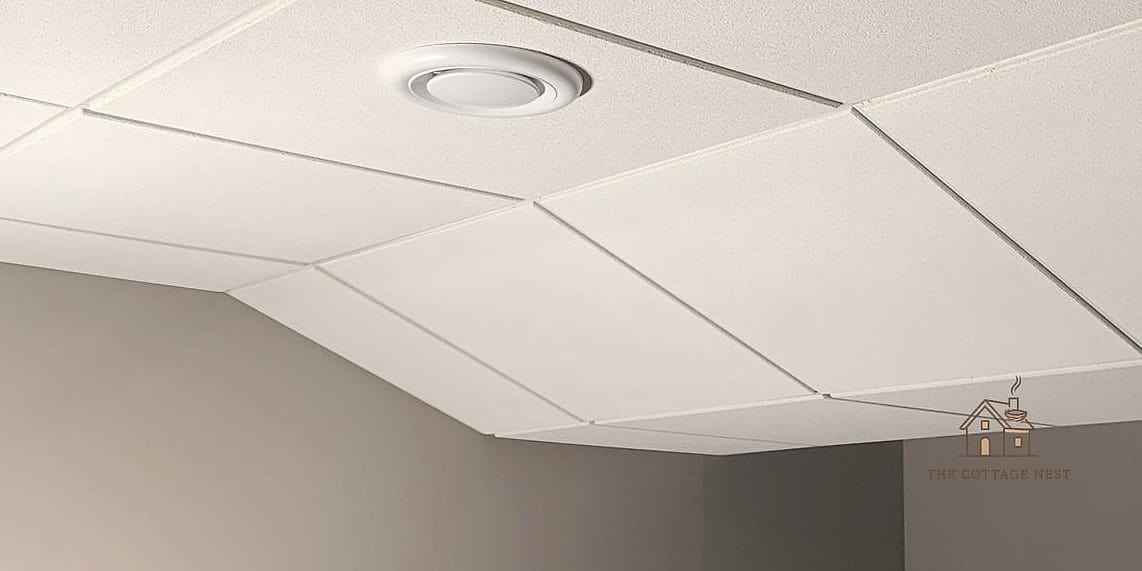
Attic or loft bedrooms with sloped ceilings can still get the drop ceiling treatment. Instead of a flat rectangular drop, the design follows the angle of the roofline, creating a lower, cozier feel exactly where the bed sits. This is a smart way to make an awkward sloped space feel intentional rather than cramped. Add a skylight or dormer window nearby to keep the room from feeling too enclosed.
Two-Tone Down Ceiling with Wallpaper Insert
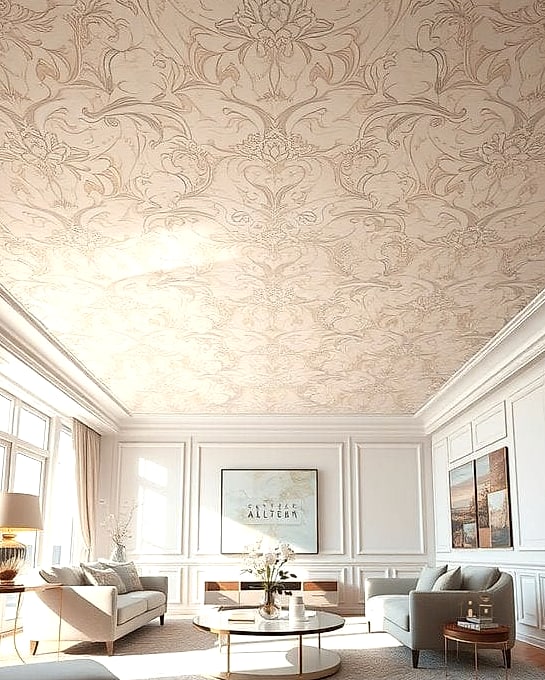
For a truly custom look, some designers are adding wallpaper inside the recessed portion of the drop ceiling instead of paint. A subtle print or textured wallpaper up above adds a surprising, memorable detail when you look up. This works particularly well in primary bedrooms where you want a bit of unexpected personality. Choose a paper with some sheen so it catches the light from your cove lighting.
Down ceilings might seem like a small architectural detail, but as you can see, they open up a huge range of design possibilities. Whether you’re after subtle depth, dramatic lighting, or a practical solution for wiring and acoustics, there’s a version of this idea that fits your bedroom and your budget. Start with what matters most to you, whether that’s coziness, drama, or function, and build the rest of the design around it.