15 Brilliant Dining Room Rug Ideas to Copy Right Now
- Layered Neutral Jute Under a Wood Table
- Bold Vintage-Style Rug for a Neutral Room
- Round Rug Under a Round Table
- Striped Runner for a Narrow Dining Space
- Layered Rugs for Extra Texture
- Moroccan-Style Rug for Warmth and Pattern
- Outdoor Rug Indoors for Durability
- Geometric Rug for a Modern Dining Room
- Solid Wool Rug in a Rich Color
- Rug That Extends Beyond the Table
- Patterned Rug Under a Farmhouse Table
- Dark Rug for Hiding Everyday Messes
- Sisal Rug for a Natural, Textured Look
- Colorful Kilim Rug for Personality
- Custom-Cut Rug for an Awkward Dining Space
15 Brilliant Dining Room Rug Ideas to Copy Right Now
A dining room rug does a lot more heavy lifting than people realize. It anchors the table, adds warmth underfoot, and can completely change the mood of a room without touching the walls or furniture. If your dining space feels a little flat or unfinished, the rug is probably the missing piece.
I’ve pulled together fifteen dining room rug ideas that actually work in real homes, not just styled photoshoots. Some are budget-friendly, some are a bit more of a splurge, and all of them are things you can realistically copy this weekend.
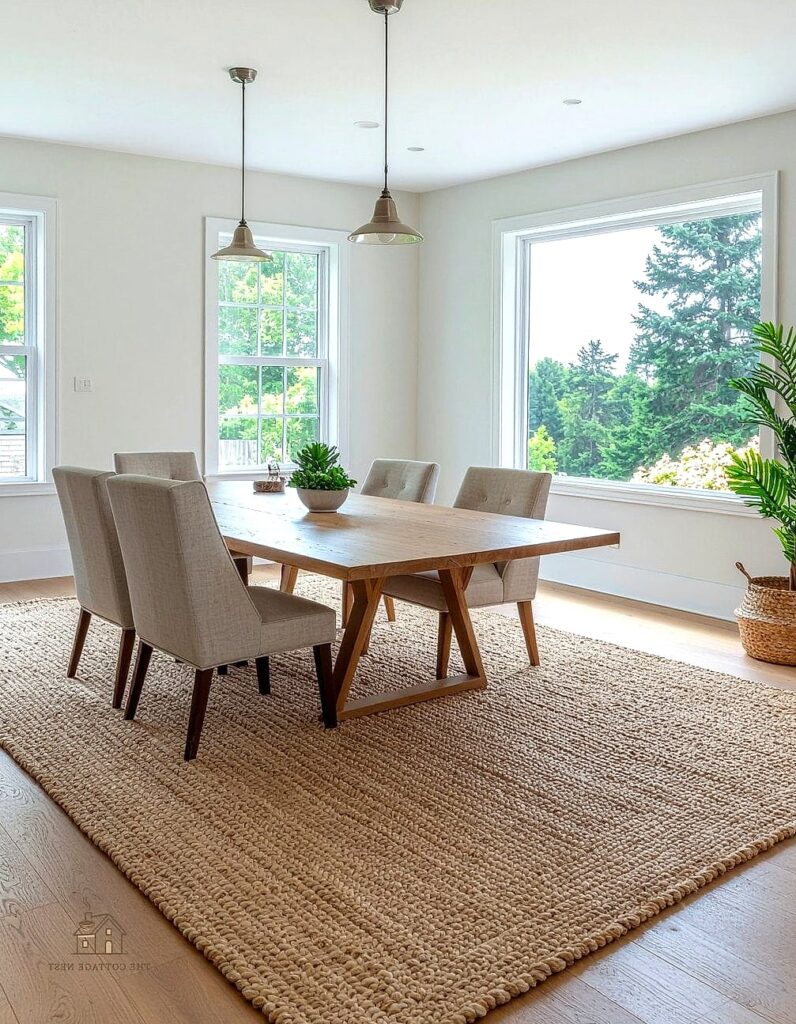
Layered Neutral Jute Under a Wood Table
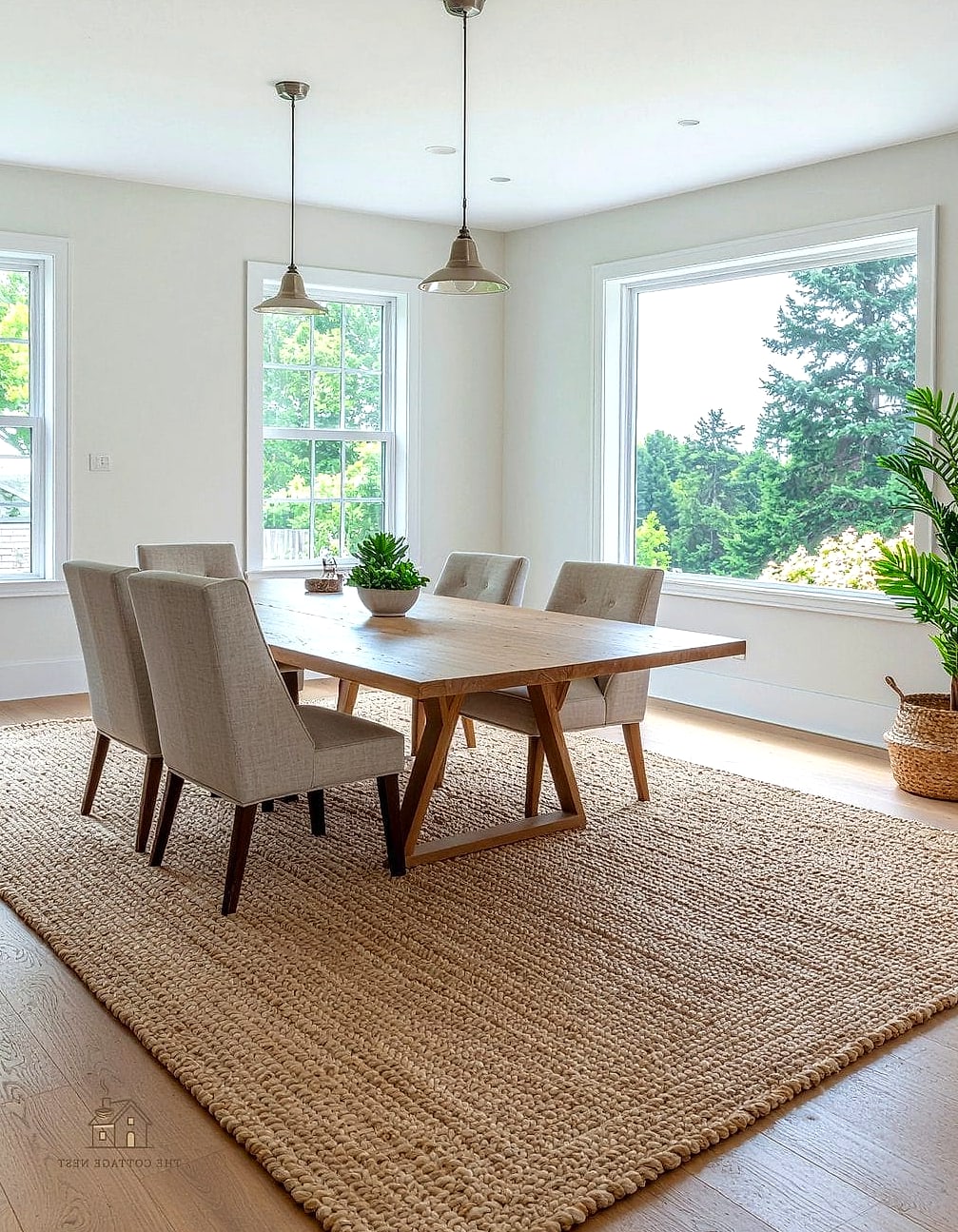
Jute rugs bring instant texture without competing with anything else in the room. They’re a favorite for a reason: the natural fiber pairs beautifully with warm wood tones and keeps the space feeling grounded rather than fussy.
This works especially well in farmhouse or transitional dining rooms where you want texture but not pattern. Jute is also fairly budget-friendly compared to wool, though it’s worth knowing it stains more easily, so it’s not the best pick if you’ve got messy toddlers at the table.
Bold Vintage-Style Rug for a Neutral Room
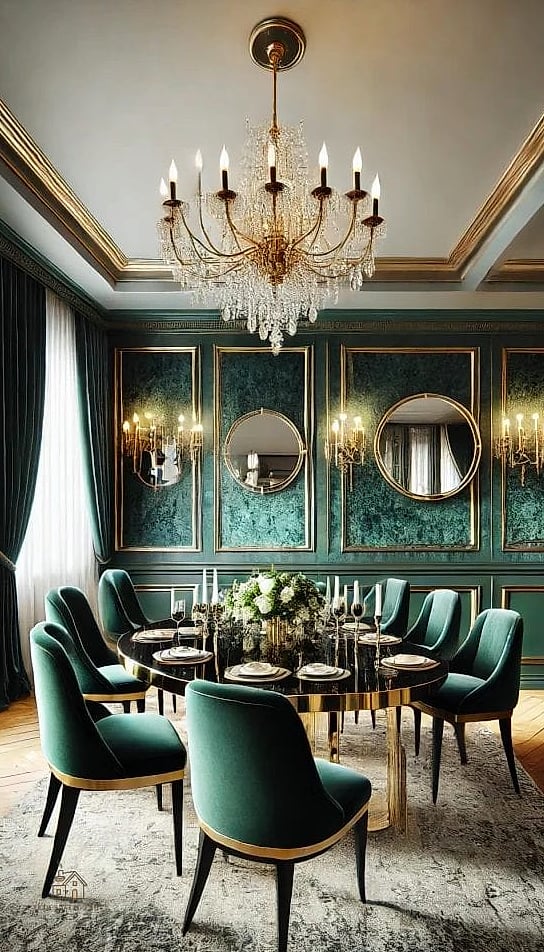
If your dining room is mostly white walls and simple furniture, a vintage-inspired rug can be the thing that gives the space personality. Think faded reds, muted blues, and that slightly worn-in look that makes a room feel collected over time rather than decorated in one trip.
These rugs work best when everything else in the room stays quiet. Let the rug be the star, and keep your table, chairs, and light fixture simple so nothing fights for attention.
Round Rug Under a Round Table
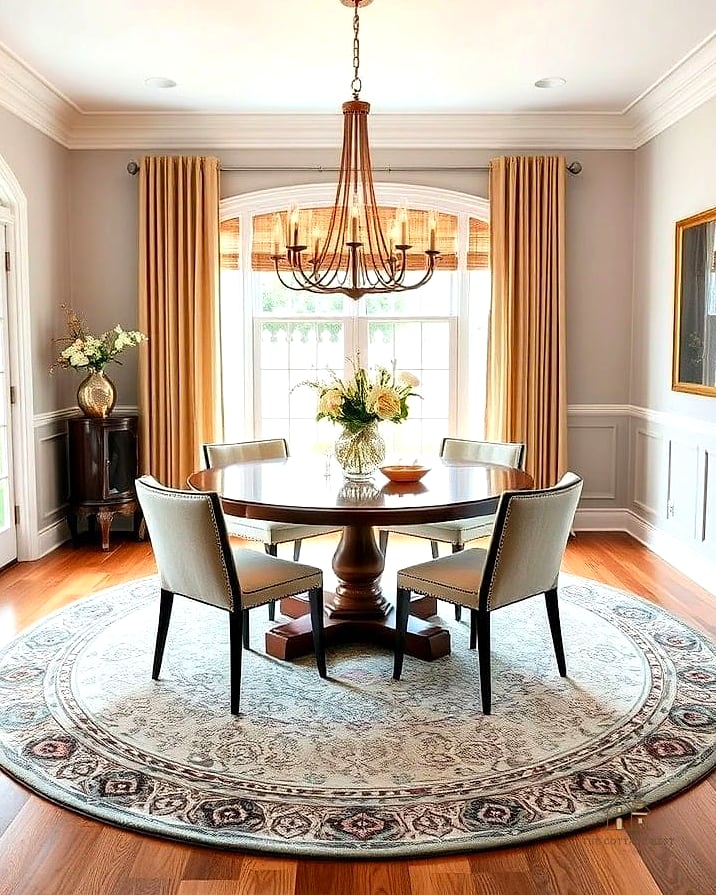
This one seems obvious once you see it, but so many people default to rectangular rugs no matter what shape their table is. A round rug under a round table just makes visual sense, and it softens all the hard angles in a room full of chair legs.
It’s a great option for smaller dining nooks or breakfast areas where a big rectangular rug would feel too heavy. Round rugs also tend to make a space feel more casual and welcoming, which is perfect for everyday family meals.
Striped Runner for a Narrow Dining Space
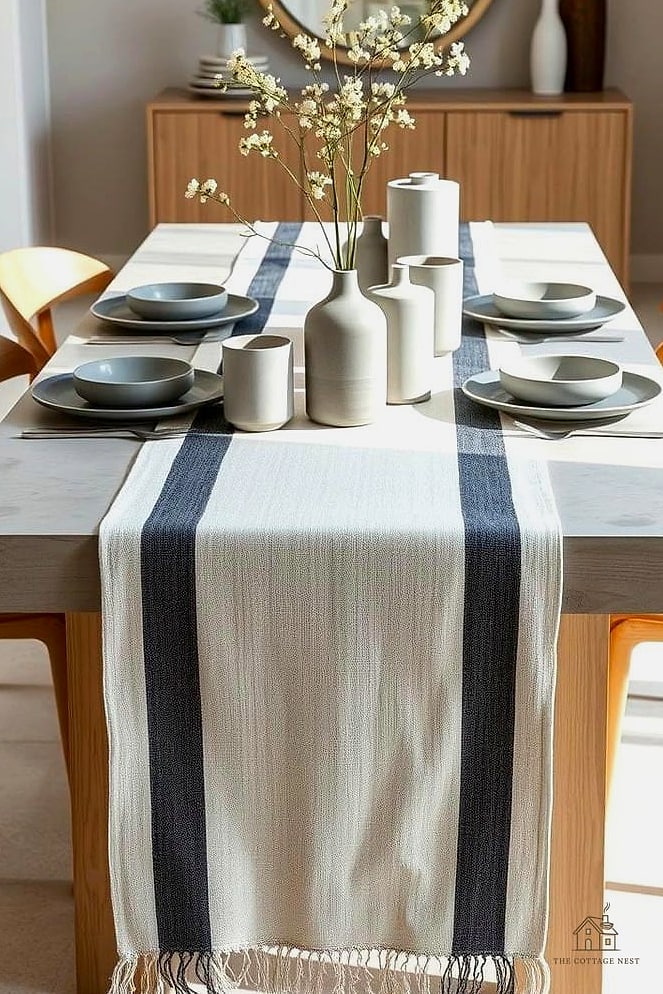
Not every dining area is a big open room. If yours is long and narrow, like a lot of galley-style kitchens with a dining spot tucked at the end, a striped runner can help the space feel intentional instead of leftover.
Horizontal stripes can visually widen a narrow room, while vertical ones draw the eye down the length of it. Either way, this is one of those simple tricks that makes a tricky layout finally feel figured out.
Layered Rugs for Extra Texture
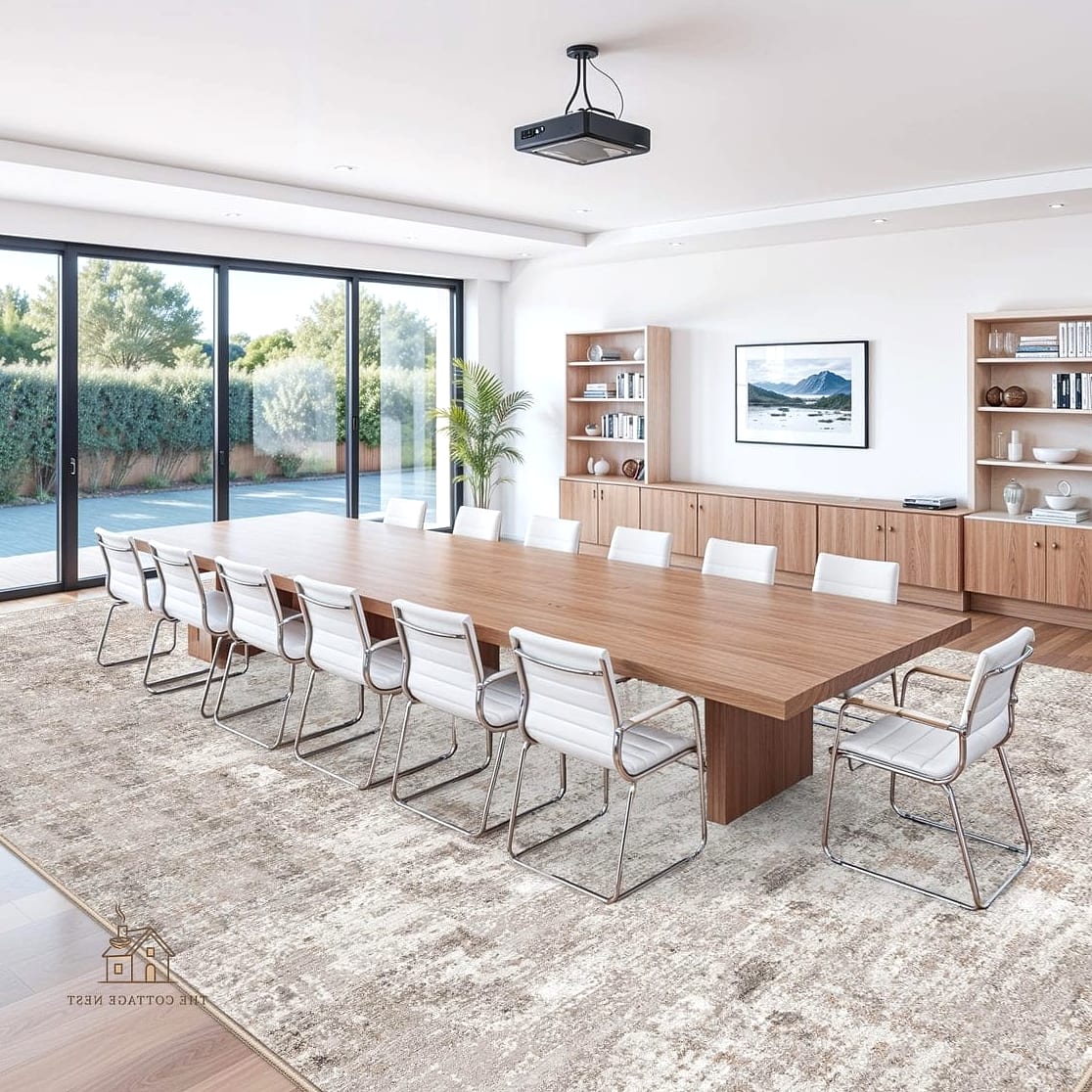
Layering two rugs, usually a larger jute or sisal base with a smaller patterned rug on top, has become a go-to move for designers, and it’s easier to pull off than it looks. The bottom layer adds size and grounding, while the top layer adds color, pattern, or a pop of personality.
This is a great option if you have a plain rug you already love but it feels a little boring on its own. Just make sure the top rug is properly sized so it doesn’t slide around under the table.
Moroccan-Style Rug for Warmth and Pattern
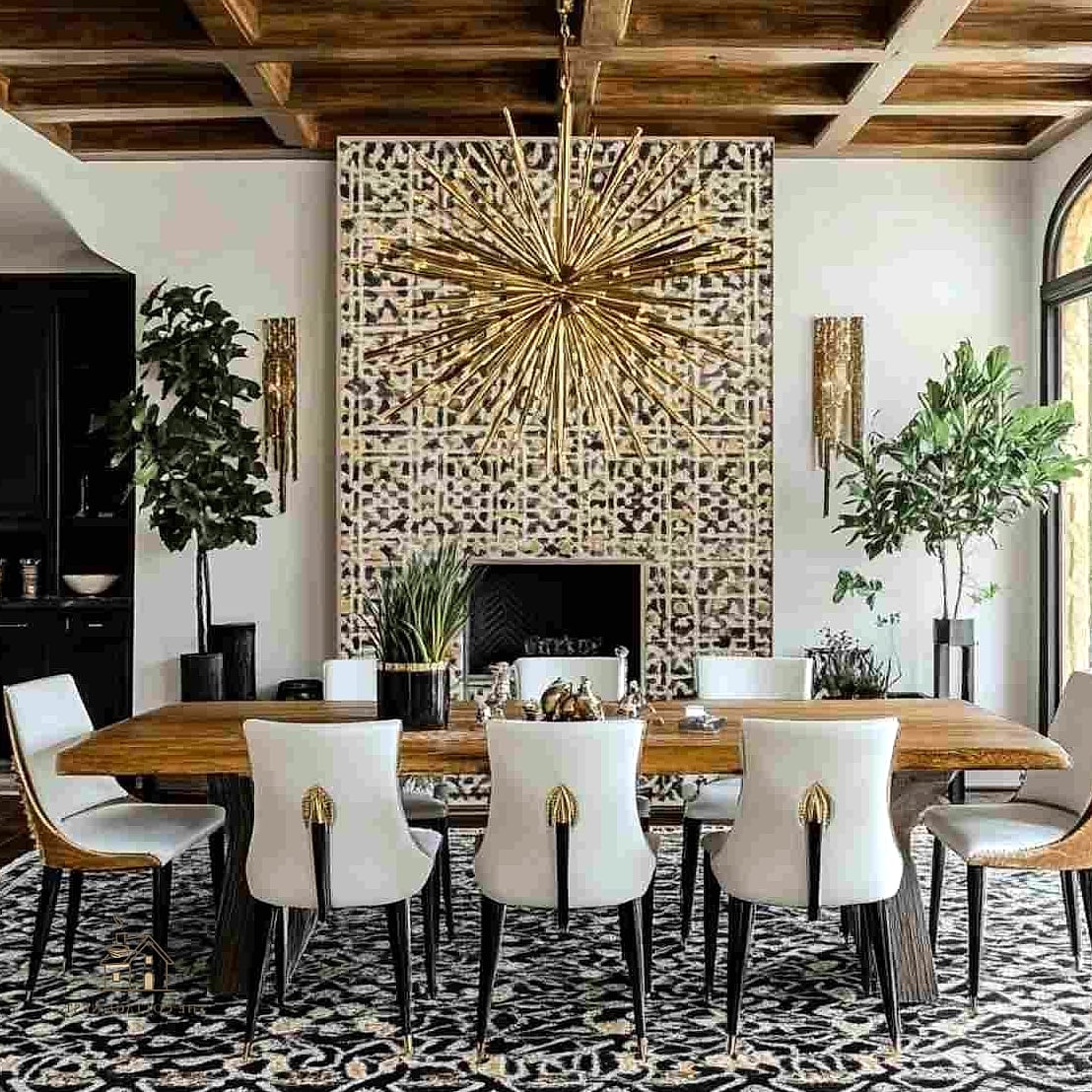
Moroccan and Beni Ourain-inspired rugs bring a cozy, lived-in feel that works surprisingly well in dining rooms, not just living rooms. The diamond patterns and cream-and-black color schemes add visual interest without feeling overly busy.
These rugs tend to hide crumbs and minor stains better than solid light-colored options, which is honestly a big deal in a room where food happens daily. They also pair nicely with both modern and traditional furniture, so you’re not locked into one style.
Outdoor Rug Indoors for Durability
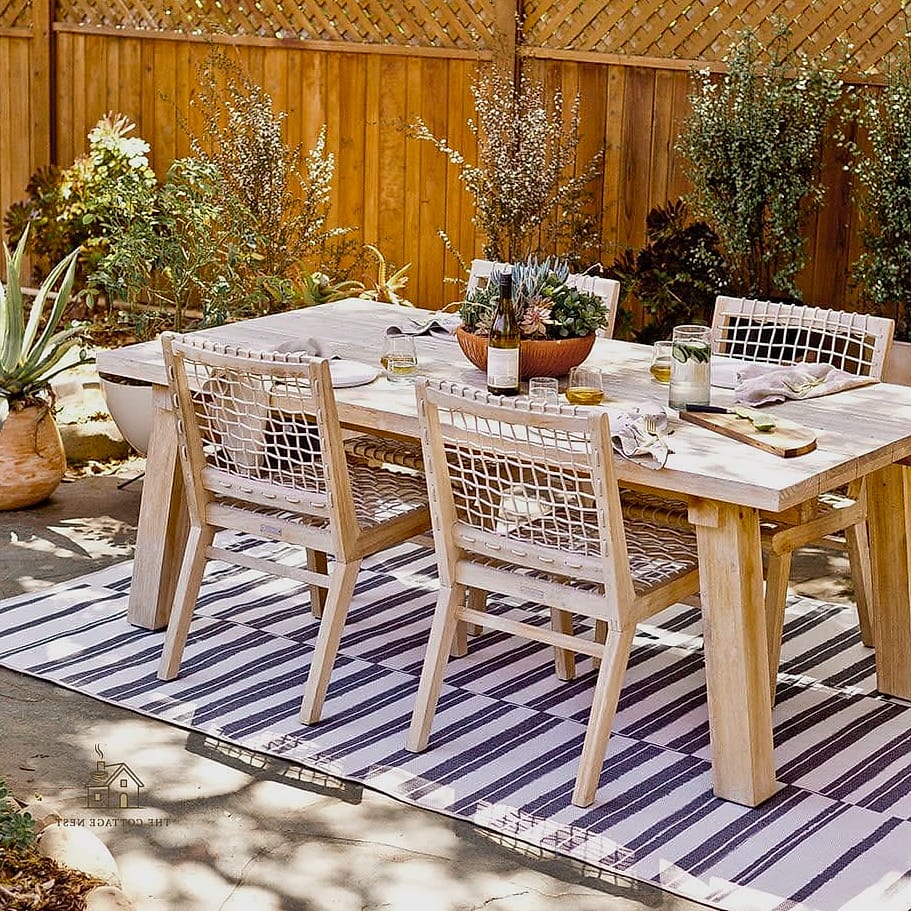
This is one of my favorite budget hacks, and it’s not just for outdoor spaces anymore. Outdoor rugs are made to handle spills, sun, and general wear, which makes them perfect for a dining room where chairs get dragged and drinks get knocked over.
Many outdoor rugs now come in patterns and colors that look just as good as indoor options, so no one will guess it’s meant for a patio. They’re also easy to hose off or spot clean, which is a huge plus for pet-friendly and kid-friendly households.
Geometric Rug for a Modern Dining Room
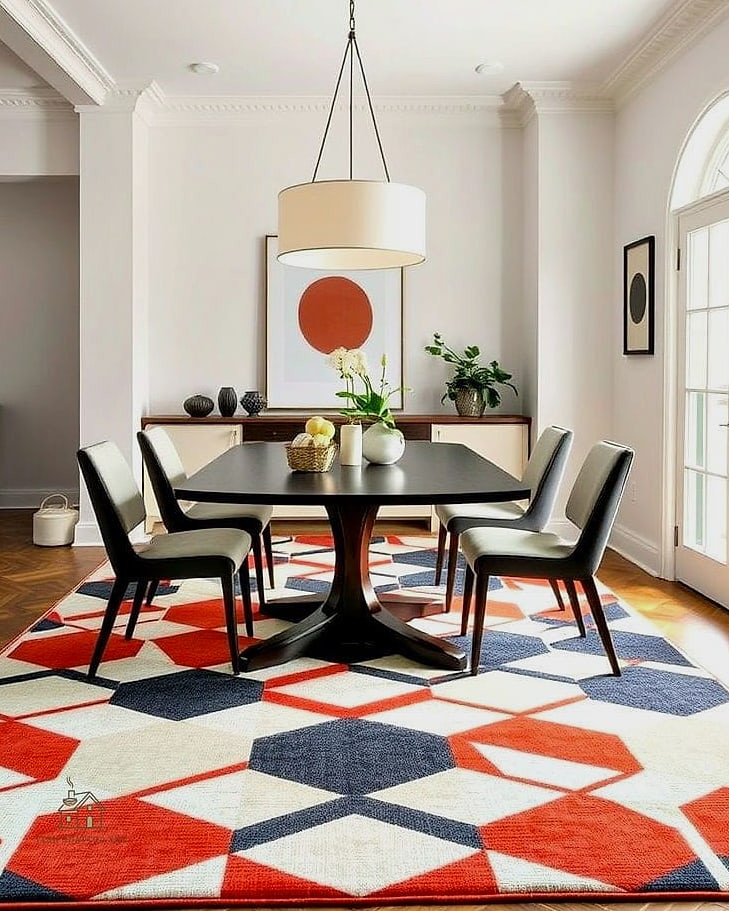
If your dining room leans modern or minimalist, a geometric rug can add just enough visual interest without cluttering the space. Think clean lines, repeating shapes, and a color palette that ties into your existing decor.
This works particularly well under glass or metal tables, where the rug becomes the main source of warmth and texture in the room. Stick to two or three colors max so the pattern doesn’t overwhelm a smaller space.
Solid Wool Rug in a Rich Color
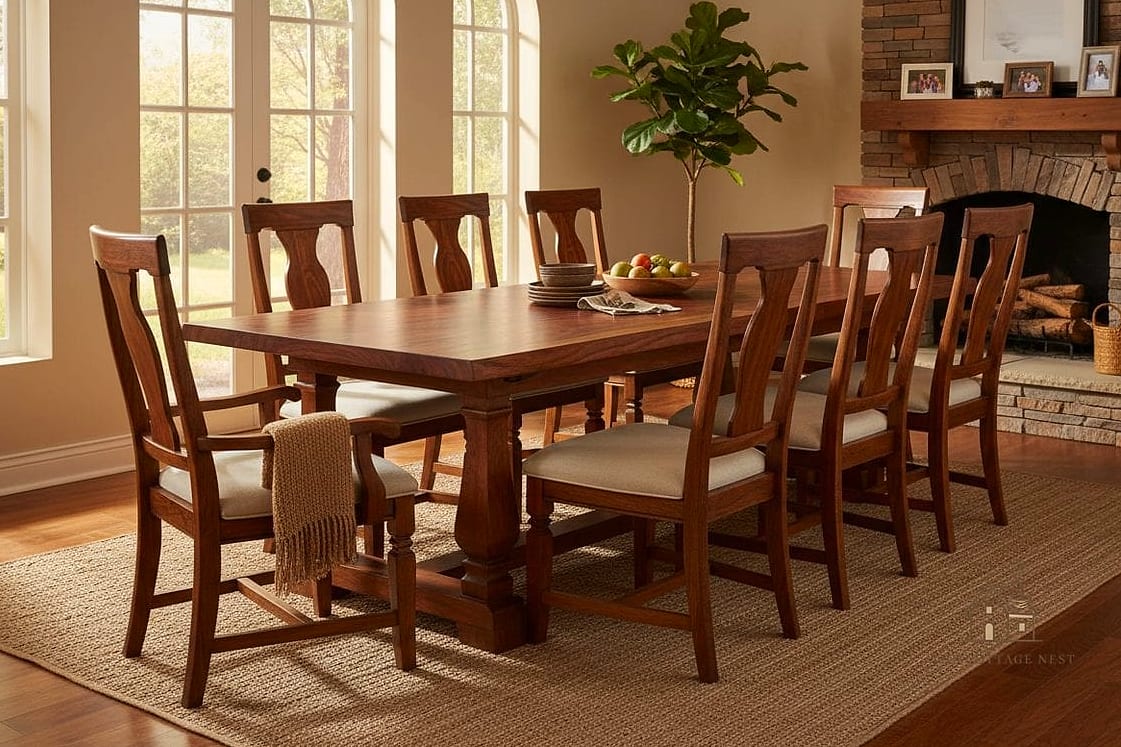
Sometimes the simplest choice is the most effective. A solid wool rug in a deep color like navy, forest green, or rust can completely change the feel of a dining room, especially if your walls and furniture are on the neutral side.
Wool is naturally stain-resistant and holds up well to daily use, which makes it a smart pick for a room where dinner happens every night. It’s a bit of an investment upfront, but it tends to last for years without looking worn out.
Rug That Extends Beyond the Table
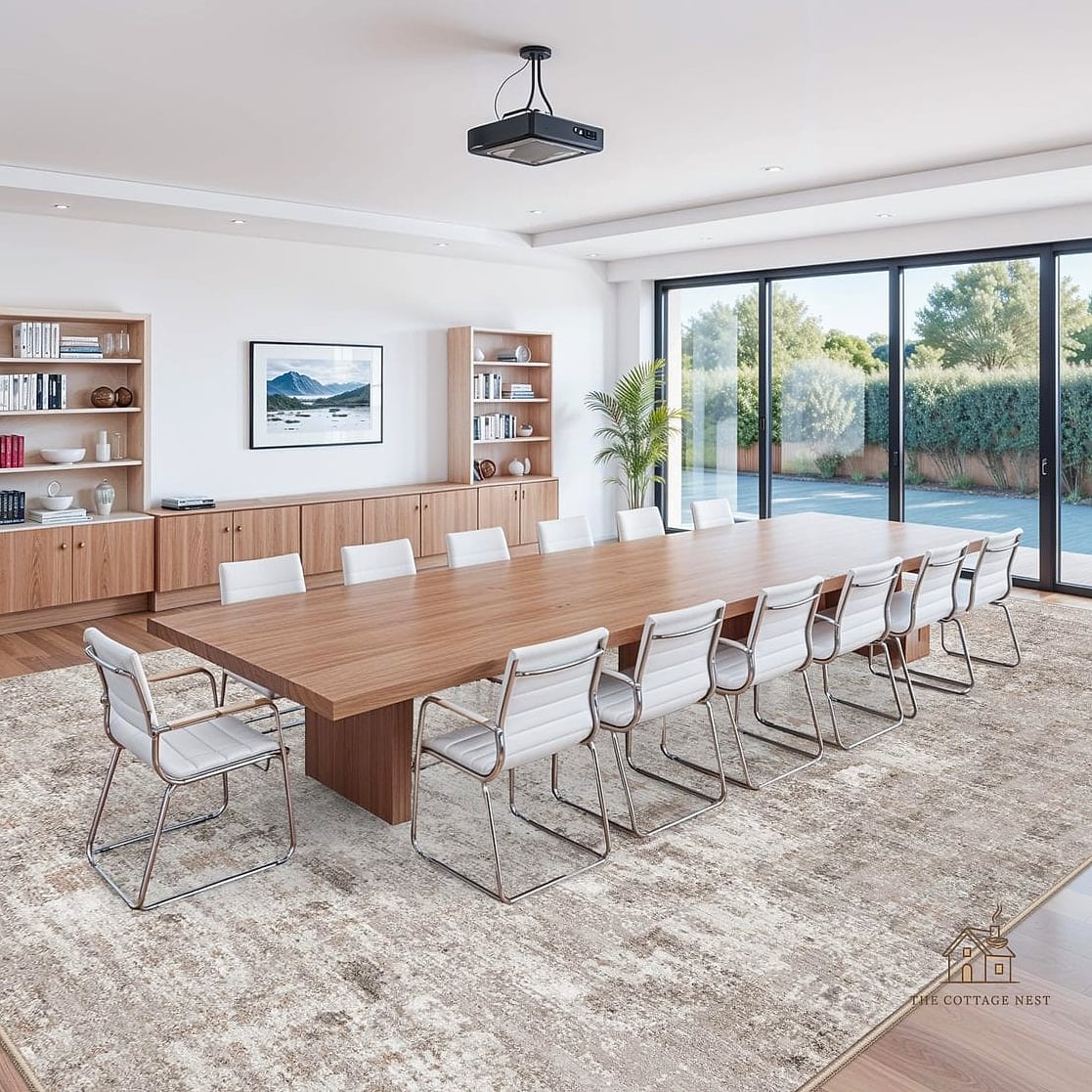
A common mistake is choosing a rug that’s too small, so the chairs fall off the edge when someone pushes back from the table. Sizing up so the rug extends at least 24 inches beyond the table on all sides makes the whole room feel more polished.
This is less about a specific style and more about proportion, but it makes a bigger visual difference than almost anything else on this list. Even a simple, inexpensive rug looks intentional when it’s sized correctly.
Patterned Rug Under a Farmhouse Table
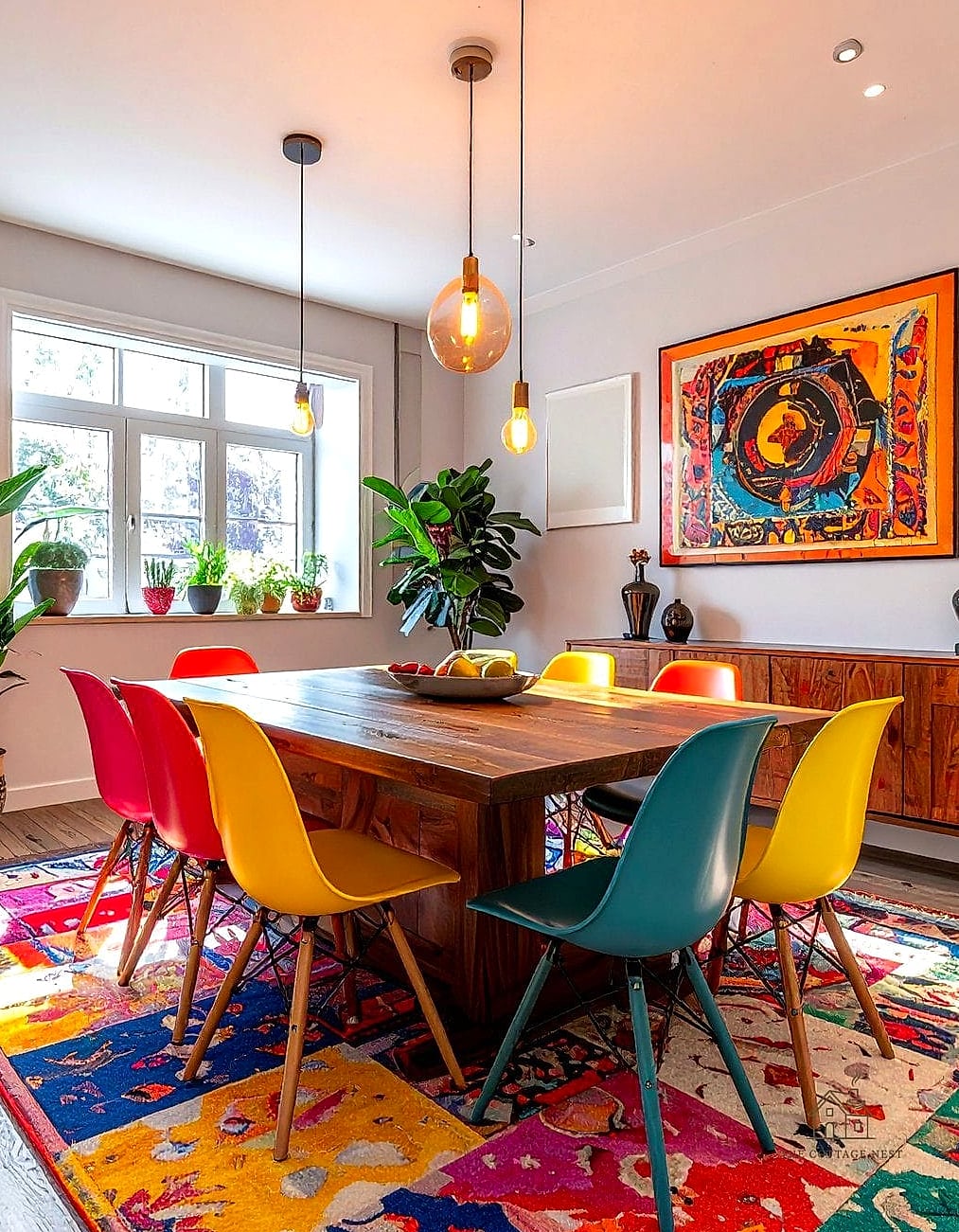
Farmhouse dining rooms often lean heavily on wood tones and neutral colors, which is exactly why a patterned rug can feel like a breath of fresh air. Look for florals, block prints, or classic diamond patterns in muted, earthy colors.
This pairing works because the pattern adds interest without clashing with the rustic wood furniture that usually anchors these spaces. It’s an easy way to soften a room that might otherwise feel a little too brown and beige.
Dark Rug for Hiding Everyday Messes
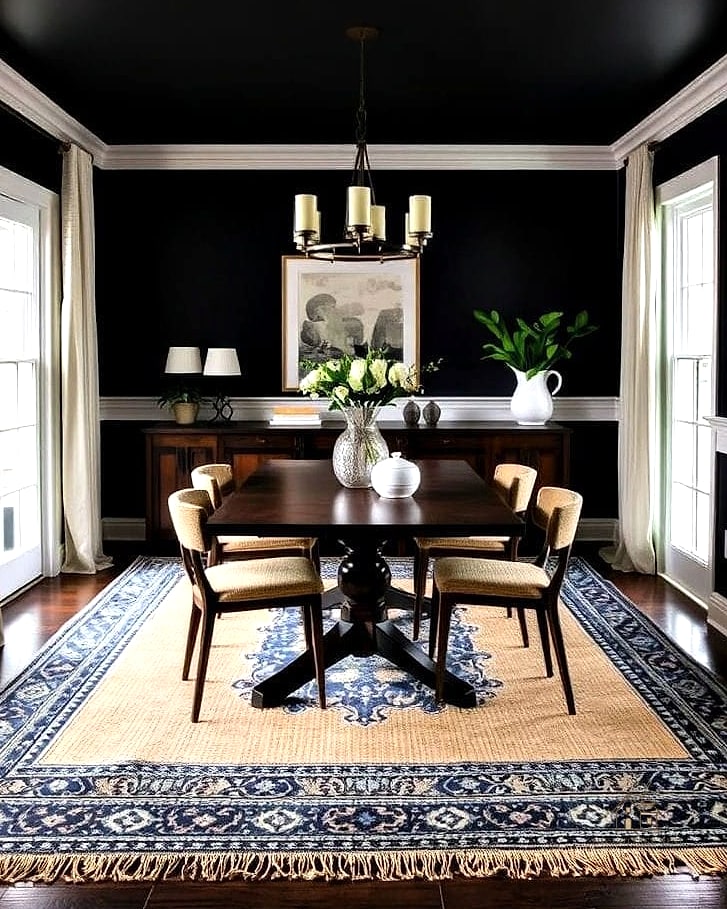
If you’ve got kids, pets, or just a habit of dropping food while you eat (no judgment, we’ve all been there), a darker rug is going to save you a lot of stress. Charcoal, deep brown, and navy tones hide stains and crumbs far better than anything light or white.
Look for rugs with a bit of pattern or texture too, since that helps camouflage everyday wear even more. It’s a practical choice that still looks intentional rather than like you just gave up on light colors.
Sisal Rug for a Natural, Textured Look
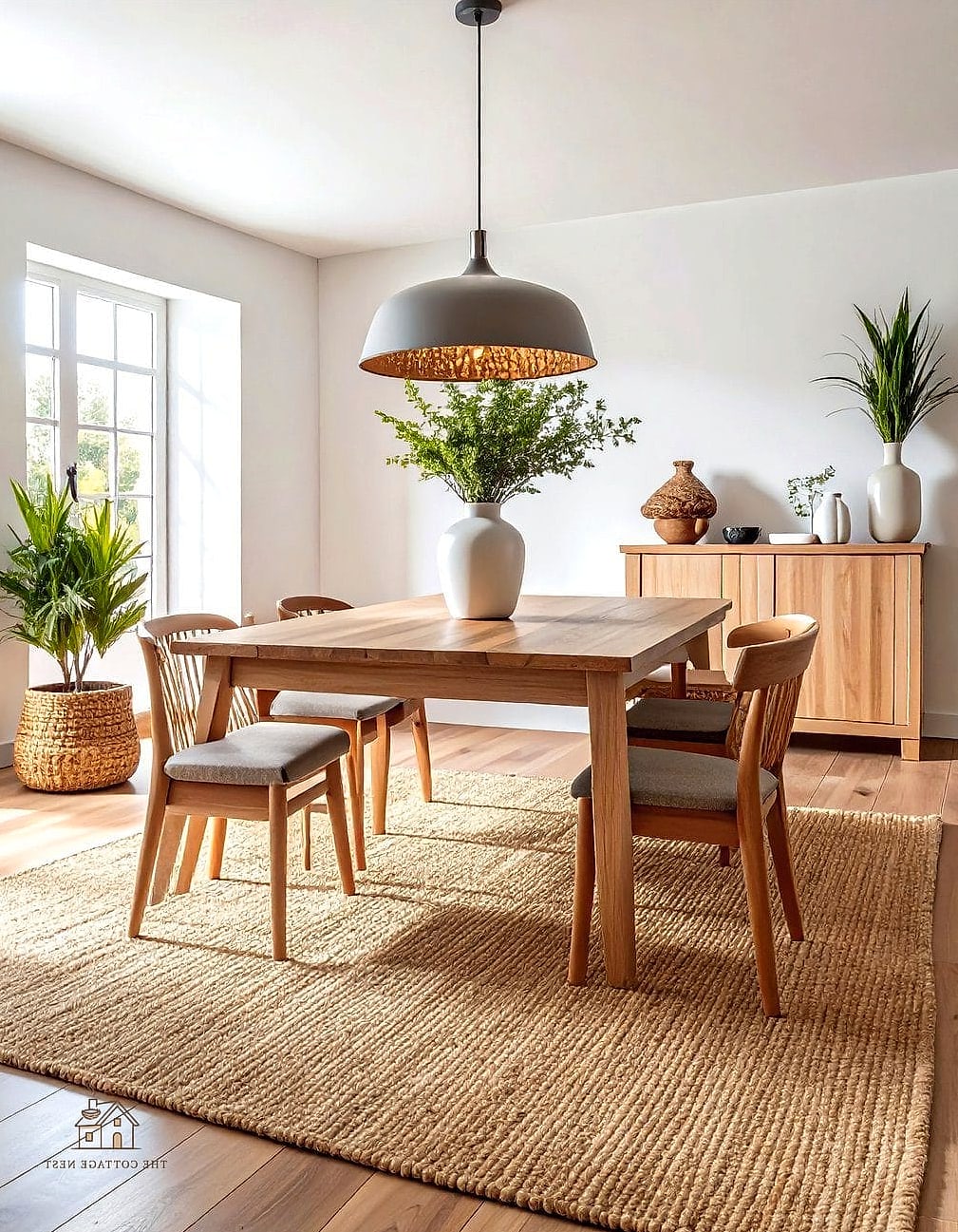
Sisal is similar to jute but slightly more durable and a little less prone to fraying, which makes it a solid pick for high-traffic dining areas. It has a subtle woven texture that adds interest without introducing any color or pattern.
This is a great base layer if you want to try the layered rug look mentioned earlier, or it can stand on its own in a room that already has a lot going on with wallpaper or artwork. Just know it can feel a bit rough underfoot in bare feet, so it might not be the coziest option for barefoot family dinners.
Colorful Kilim Rug for Personality
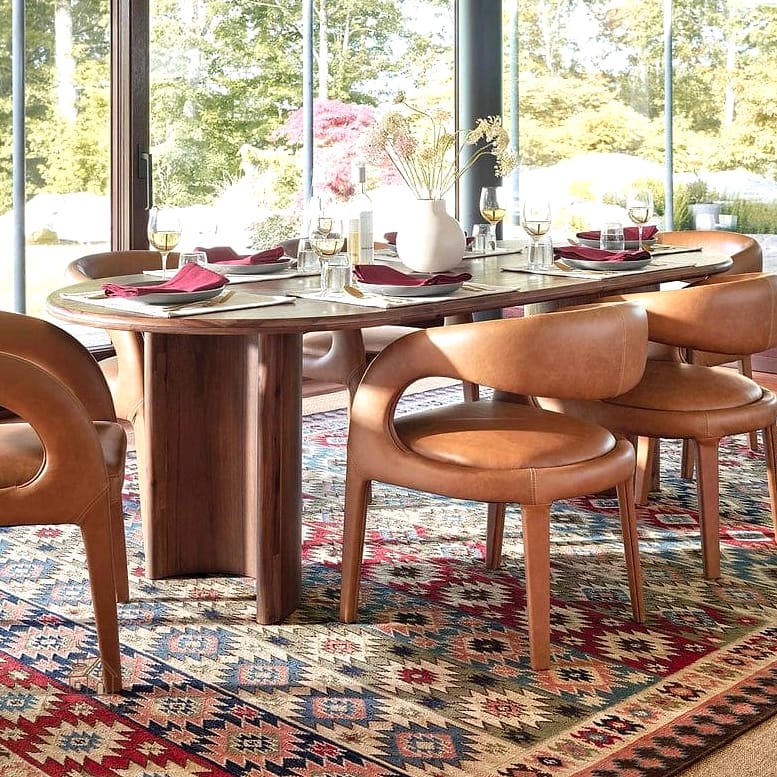
Kilim rugs bring flat-weave texture and bold color combinations that instantly make a dining room feel more collected and personal. Reds, oranges, and blues woven together create a look that feels global and a little eclectic in the best way.
These work really well in rooms with simple, modern furniture, since the rug does most of the visual work. They’re also typically thinner and lighter than plush rugs, which makes them easier to vacuum and maintain around chair legs.
Custom-Cut Rug for an Awkward Dining Space
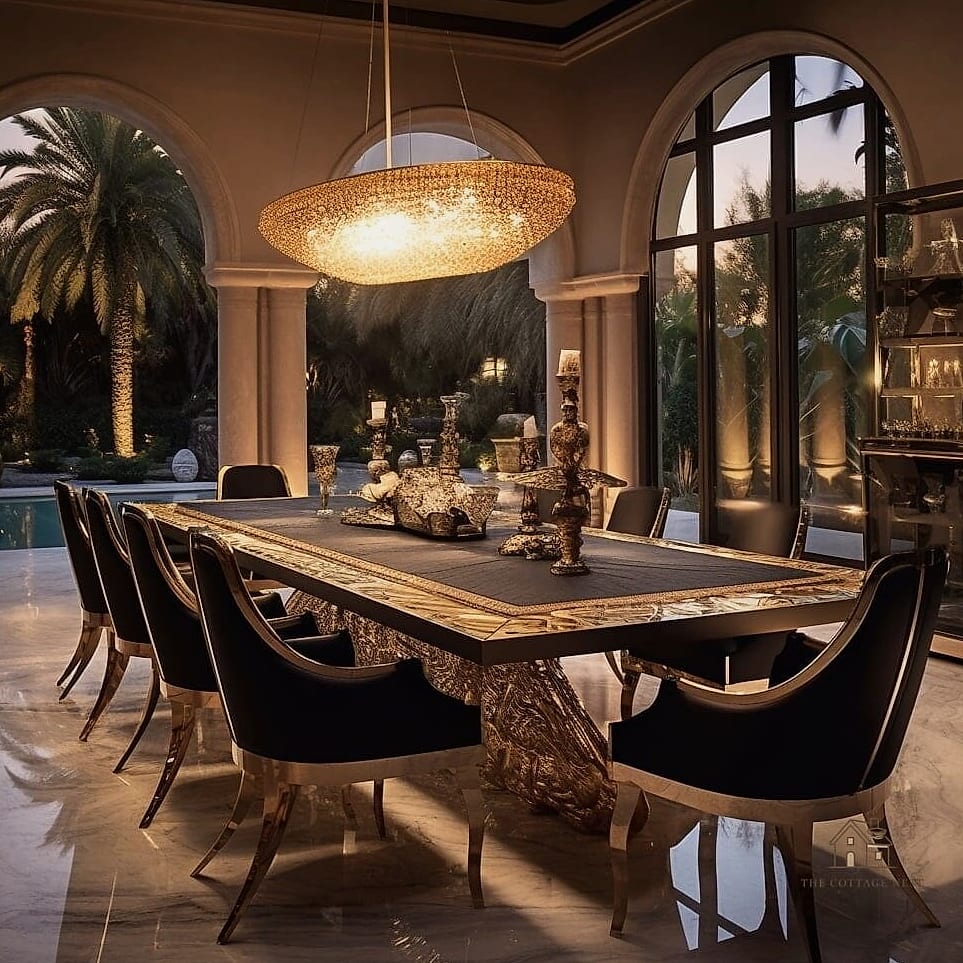
Not every dining room comes in a standard size, and sometimes the best solution is a custom-cut rug or carpet remnant sized to fit your exact space. This is especially useful for oddly shaped rooms, alcoves, or open-concept areas where a standard rug size just doesn’t work.
You can often get remnants cut and bound at a local flooring or rug store for less than the cost of a comparable pre-made rug. It’s not the flashiest idea on this list, but it solves a real problem that a lot of homeowners deal with.
Final Thoughts
Finding the right rug really comes down to how your dining room gets used day to day. A busy family kitchen table calls for something different than a formal dining room that only sees guests a few times a year, and that’s okay.
Whichever direction you go, these 15 dining room rug ideas should give you a solid starting point for making the space feel more finished. Sometimes the smallest change, like swapping out a rug, ends up making the biggest difference in how a room actually feels to sit in.