25 Brilliant Small Japanese Garden Ideas to Copy Right Now
- Create a Miniature Zen Rock Garden
- Add a Traditional Stone Lantern
- Install a Bamboo Fence for Privacy and Texture
- Build a Tiny Moss Garden
- Add a Koi Pond in Miniature Form
- Use a Torii Gate as a Focal Point
- Design a Winding Stepping Stone Path
- Plant a Dwarf Japanese Maple
- Incorporate a Bamboo Water Fountain
- Layer Different Heights with Container Plants
- Add a Simple Wooden Bench
- Use Gravel Instead of Grass
- Plant a Bamboo Grove in a Container
- Add a Stone Basin for Water
- Create a Tea Garden Corner
- Use Black Pine for Sculptural Structure
- Add String Lighting for Evening Ambiance
- Build a Raised Zen Garden Box
- Incorporate Ferns for Lush Greenery
- Use a Curved Wooden Bridge
- Add a Dry Creek Bed
- Choose a Restrained, Green-Dominant Color Palette
- Add a Small Meditation or Seating Circle
- Use Vertical Screening with Reed or Bamboo Panels
25 Brilliant Small Japanese Garden Ideas to Copy Right Now
You don’t need a sprawling backyard to bring the calm, layered beauty of a Japanese garden into your outdoor space. Honestly, some of the most striking Japanese-inspired gardens I’ve seen were tucked into tiny courtyards, narrow side yards, or even a corner of an apartment balcony. The whole philosophy behind this style is about intention over size — every rock, plant, and path is placed for a reason. If you’ve been craving a peaceful little retreat right outside your door, these 25 ideas will help you get there without needing acres of land.
Create a Miniature Zen Rock Garden
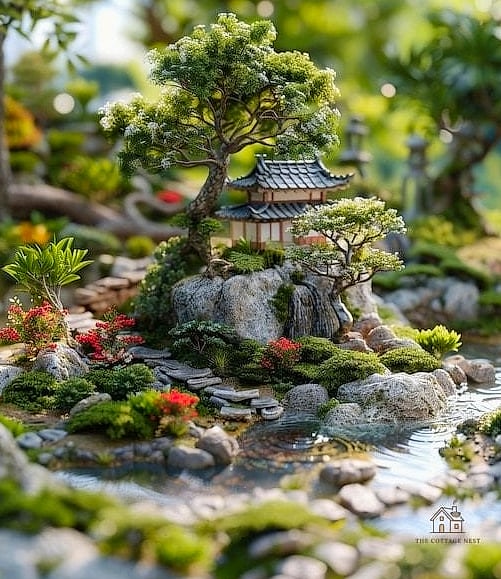
A classic karesansui, or dry rock garden, is one of the easiest ways to bring Japanese design into a small space. Rake fine gravel into rippling patterns around a few carefully placed stones, and you’ve got an instant meditation spot. This works beautifully in a corner of a patio or even a raised bed. Maintenance is low since there’s no watering involved, just occasional raking to keep the lines crisp. Budget-wise, this is one of the more affordable options since gravel and stones are inexpensive at most landscape supply yards.
Add a Traditional Stone Lantern
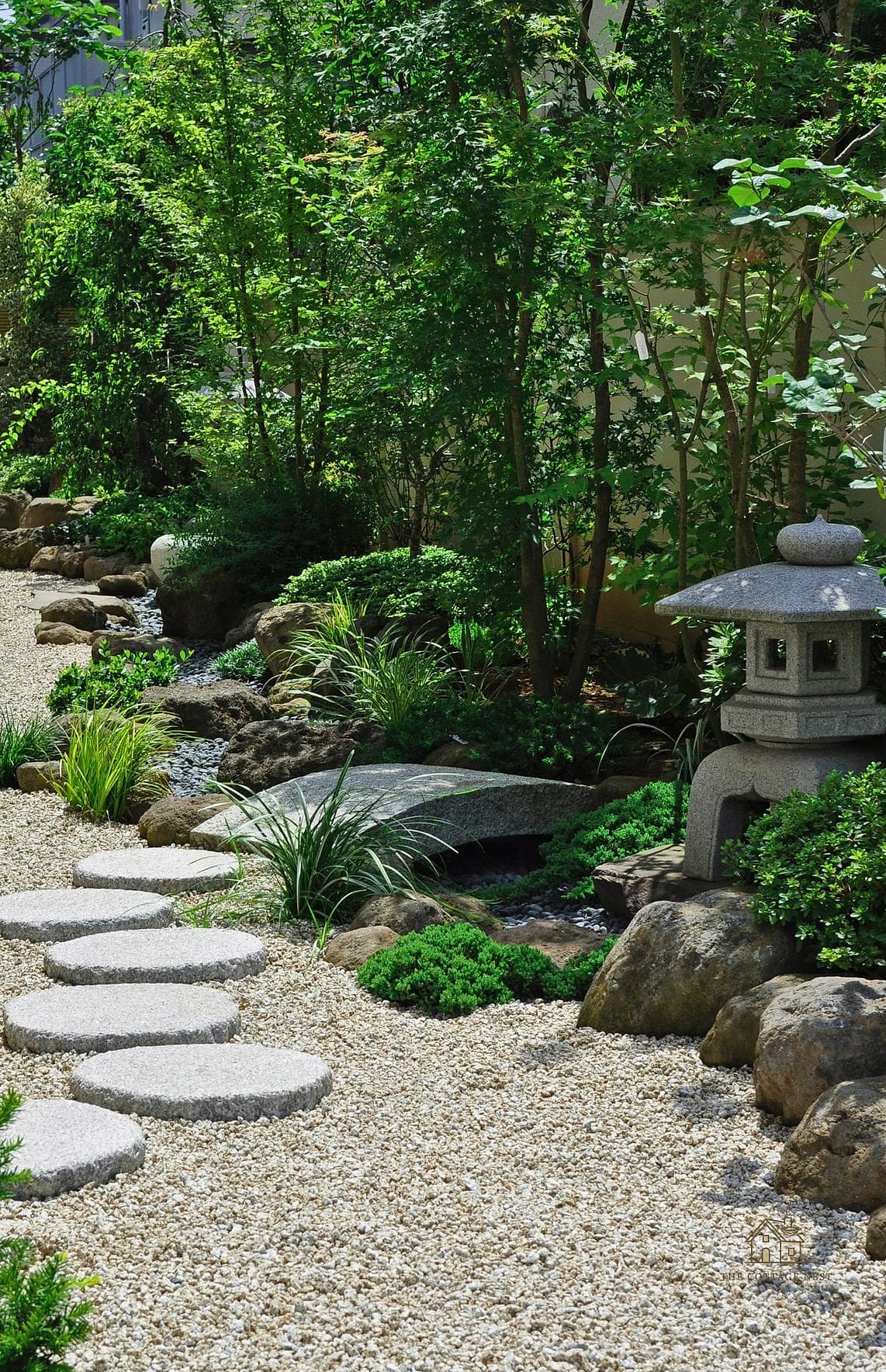
A single stone lantern, or toro, instantly signals Japanese garden style even in a postage-stamp-sized yard. Place it near a path or beside a small water feature so it catches the eye without overwhelming the space. Concrete versions are budget-friendly, while carved granite lanterns feel more authentic and luxurious. These pieces need almost zero upkeep beyond an occasional wipe-down, making them ideal for anyone who wants beauty without extra chores.
Install a Bamboo Fence for Privacy and Texture
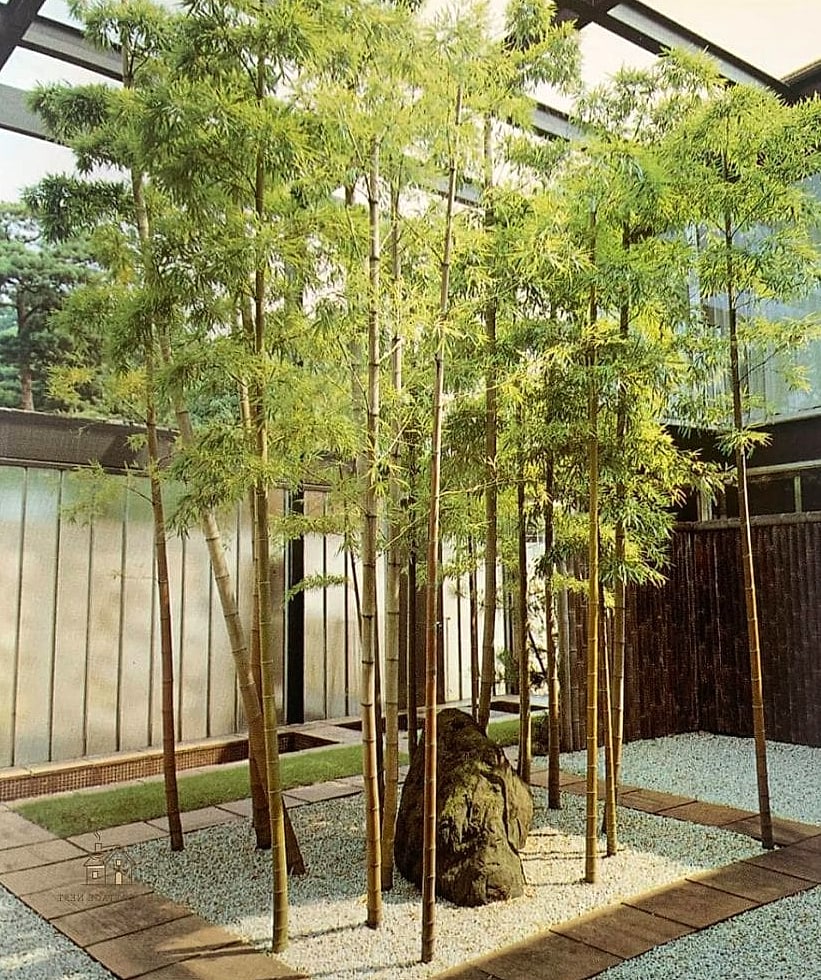
Bamboo fencing solves two problems at once: it screens your small space from neighbors and adds that unmistakable Japanese texture. You can go with natural bamboo poles lashed together in the traditional style, or opt for a bamboo-look composite panel if you want something more weather-resistant. This works especially well along a narrow side yard where a solid fence would feel heavy and closed-in. Bamboo has a lightness to it that keeps compact spaces feeling open.
Build a Tiny Moss Garden
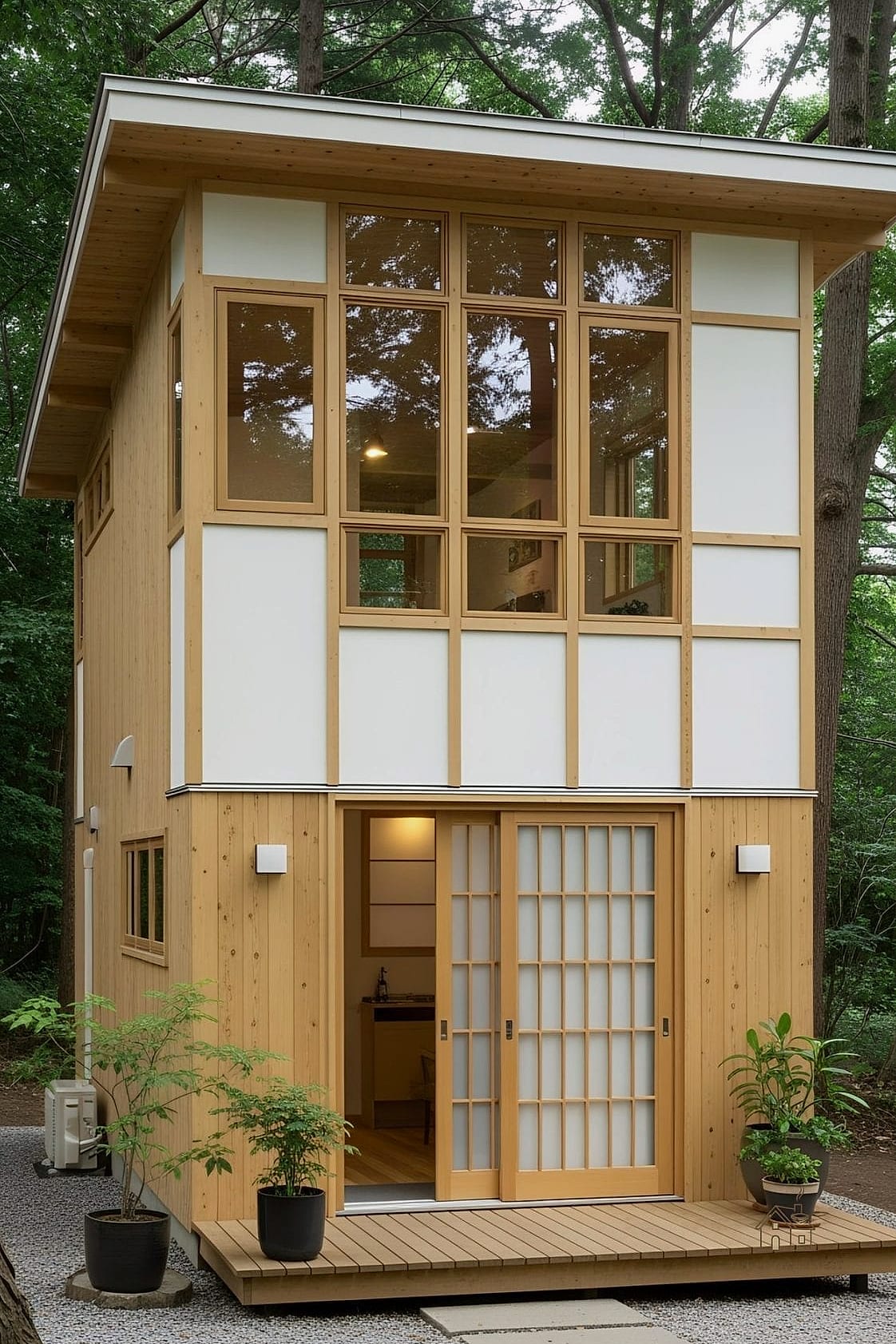
If your small yard has shade, moss is your best friend. It carpets the ground in a soft, velvety green that instantly reads as tranquil and lush. Moss gardens thrive in damp, low-light spots where grass usually struggles anyway, so it’s a practical solution as much as a beautiful one. Keep it looking its best by removing fallen leaves and giving it a light misting during dry spells. I love pairing moss with a few flat stepping stones for a natural, walkable texture.
Add a Koi Pond in Miniature Form
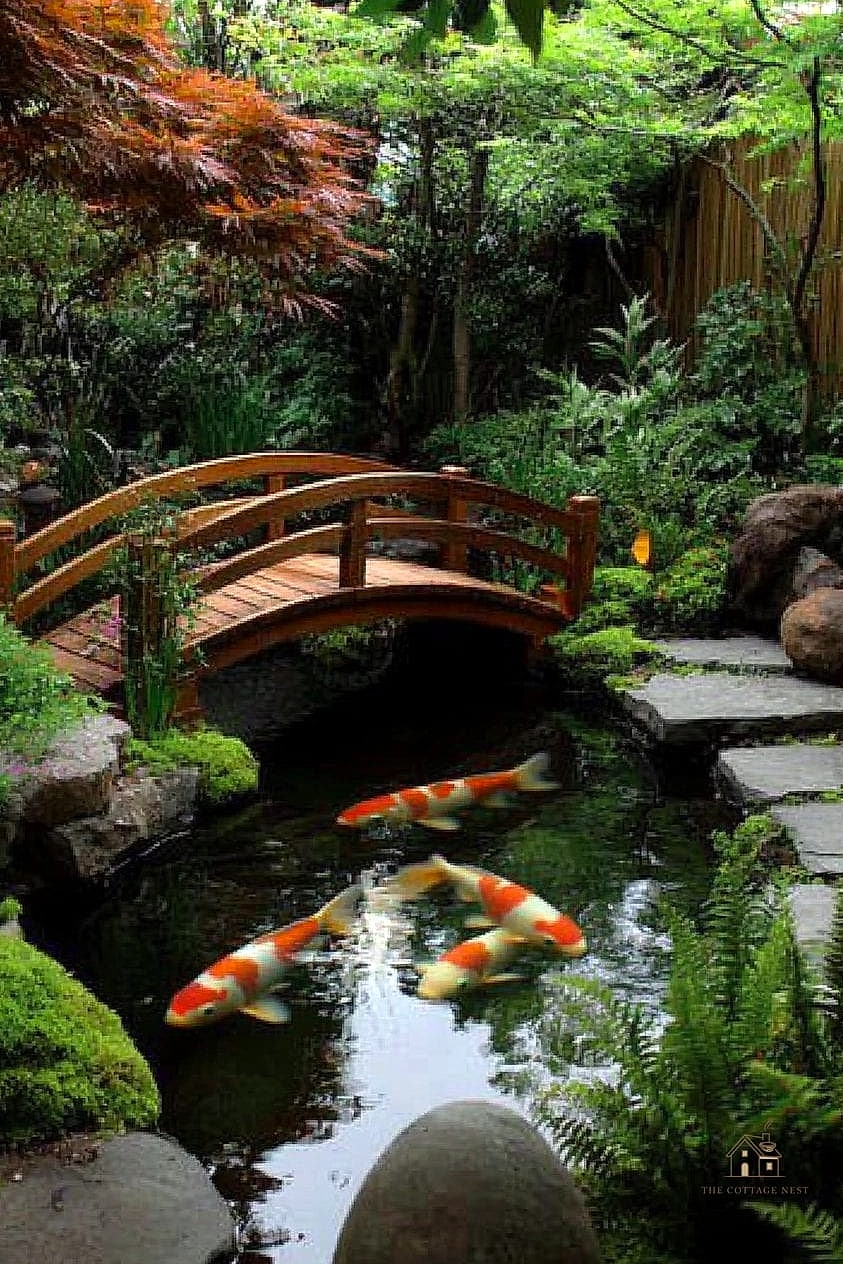
You don’t need a full-sized koi pond to get that serene water feature vibe. A half-barrel or small preformed pond liner tucked into a corner can hold a few goldfish or even just some floating water plants. The sound of trickling water from a small pump adds an immediate sense of calm to the whole space. Just budget for a bit of regular maintenance, since any water feature needs occasional cleaning to stay algae-free.
Use a Torii Gate as a Focal Point
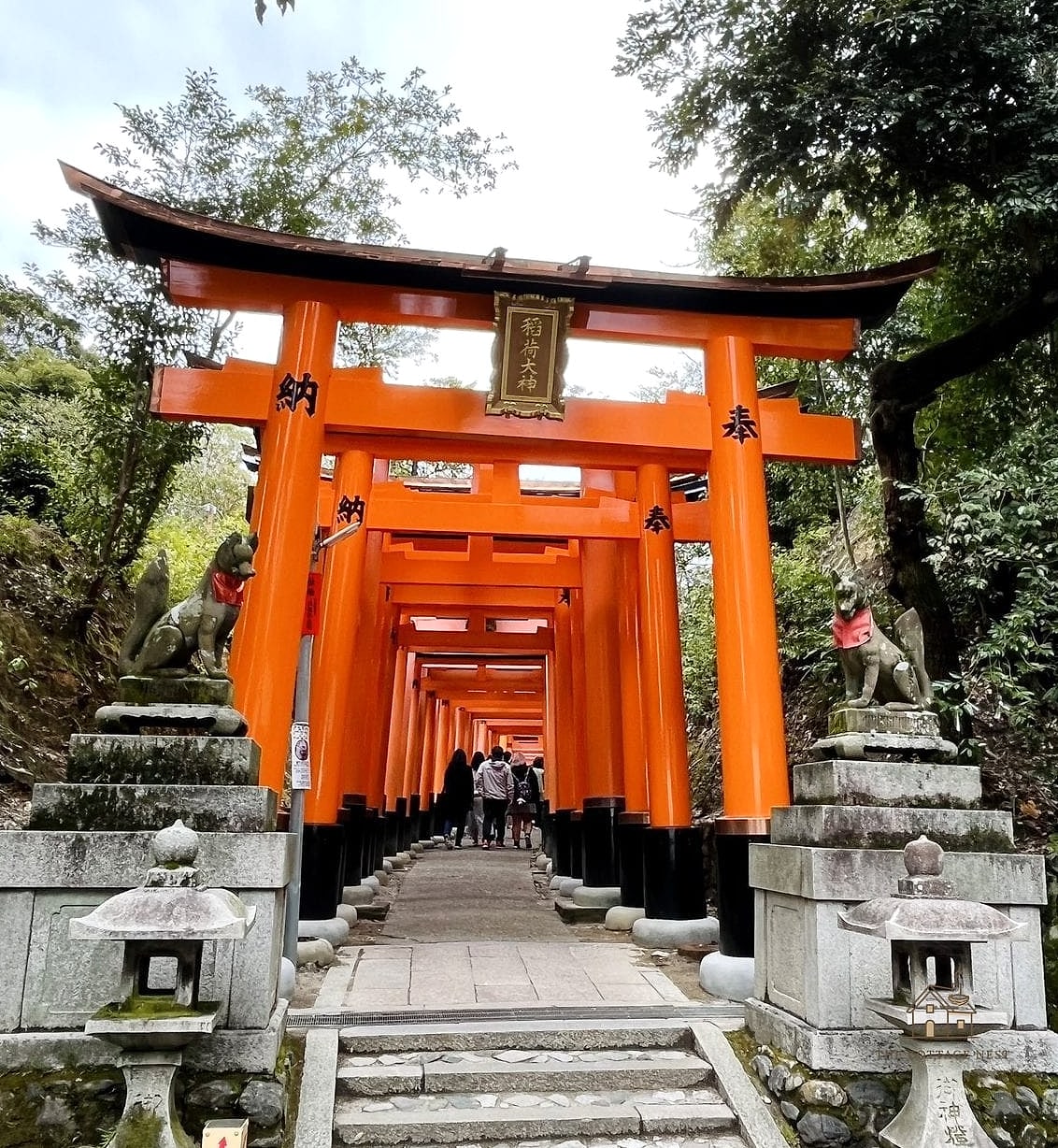
A small wooden or painted torii gate placed at the entrance to your garden path creates an instant sense of arrival, like you’re stepping into somewhere special. Even a modest 3-foot version works in a compact yard and gives the whole space a defined focal point. These are widely available online in kit form, which makes this a fairly approachable DIY weekend project. Paint it the traditional red-orange or go with a more subdued natural wood finish depending on your overall palette.
Design a Winding Stepping Stone Path
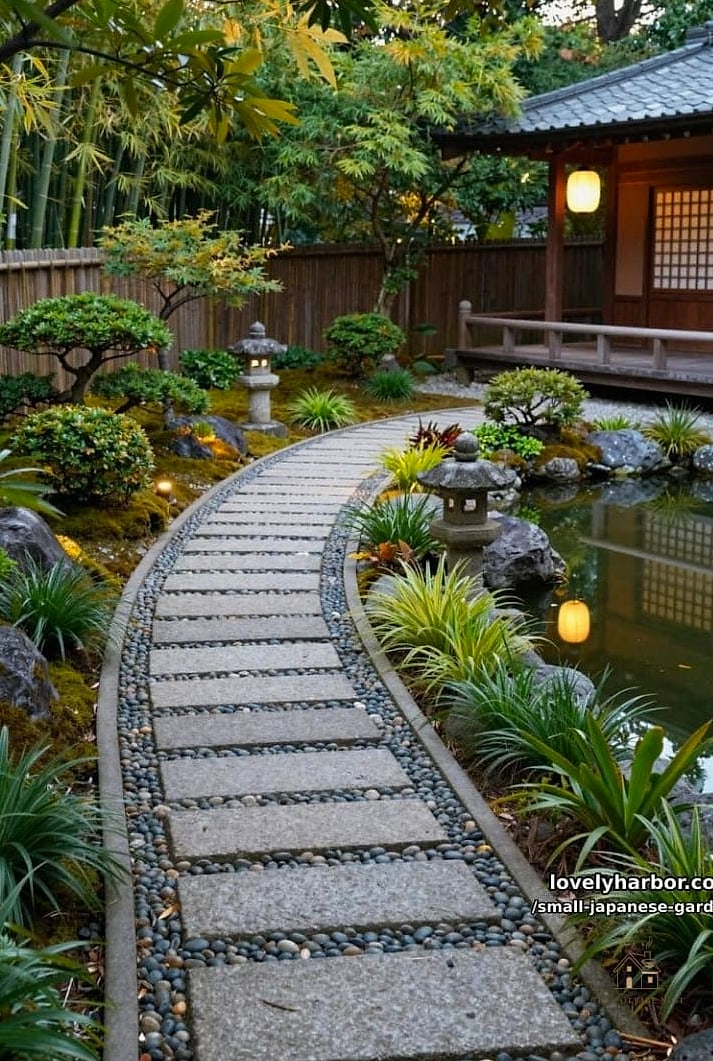
Straight paths feel rushed, but a winding stepping stone path slows you down and makes a small garden feel bigger than it actually is. Stagger flat stones through gravel, moss, or low groundcover so the eye follows a gentle curve rather than a straight line. This is one of those details that instantly makes a garden feel more custom without requiring a full landscaping overhaul. It’s also very DIY-friendly since you’re really just arranging stones rather than doing heavy construction.
Plant a Dwarf Japanese Maple
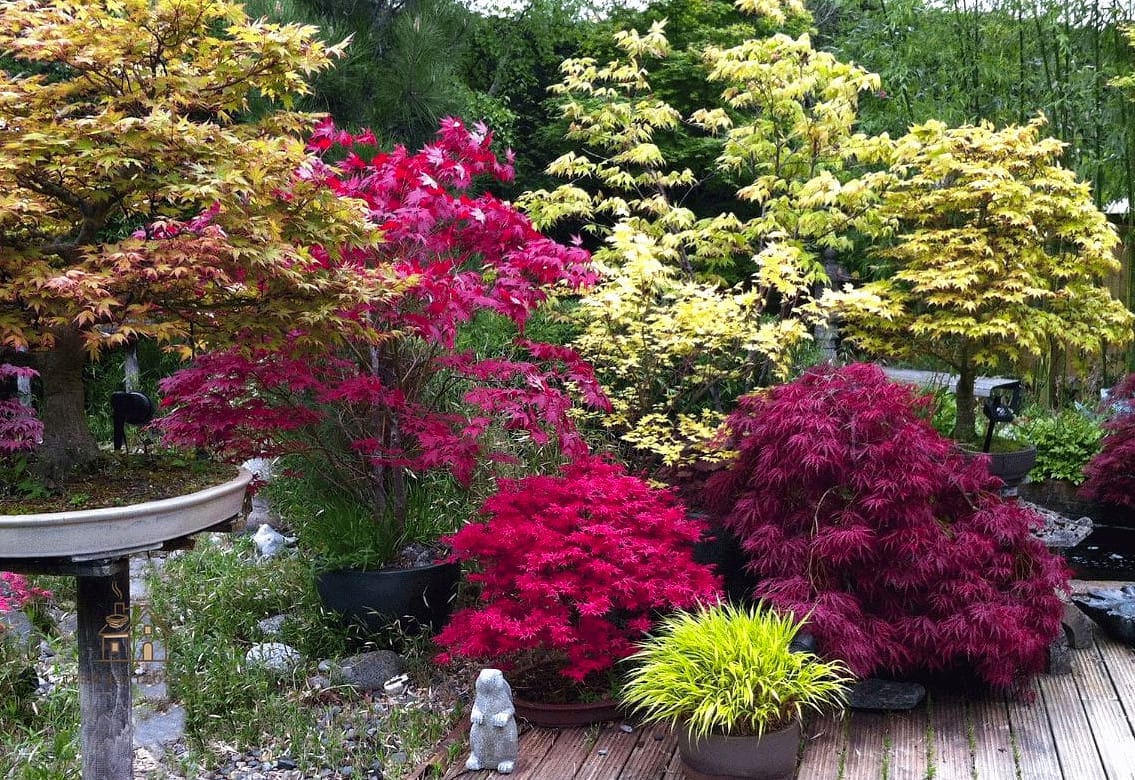
Japanese maples are the showstopper of this whole aesthetic, and thankfully there are dwarf varieties bred specifically for container gardens and small yards. Their delicate, layered foliage turns brilliant shades of red and orange in fall, giving your space seasonal drama without taking up much square footage. Plant one in a large ceramic pot near a seating area so you can really appreciate the branching structure up close. They do best in partial shade with protection from harsh afternoon sun.
Incorporate a Bamboo Water Fountain
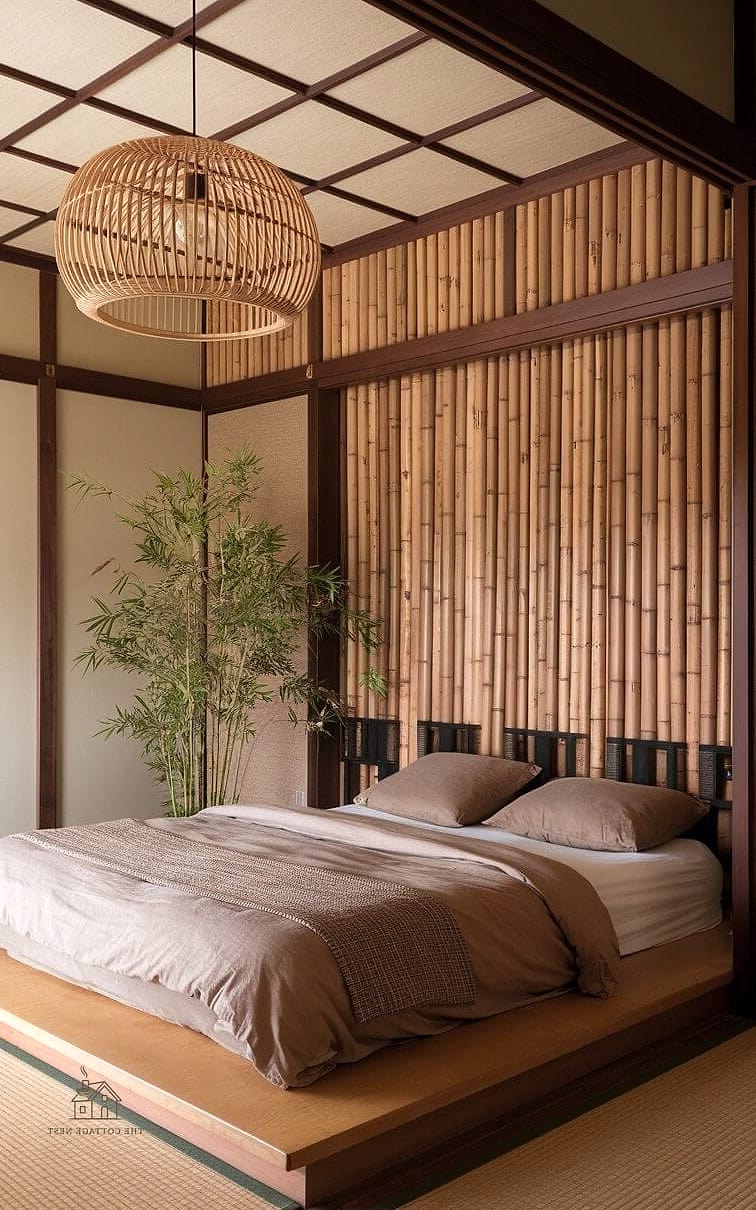
A shishi-odoshi, or deer scarer fountain, is that iconic bamboo piece that fills with water, tips, and taps against a stone with a satisfying clack. It’s a small but mighty addition that brings movement and sound to even the tiniest courtyard. These work well near a patio or entryway where you’ll actually hear the rhythmic tapping throughout the day. They’re available as complete kits, so installation is pretty straightforward even for garden DIY beginners.
Layer Different Heights with Container Plants
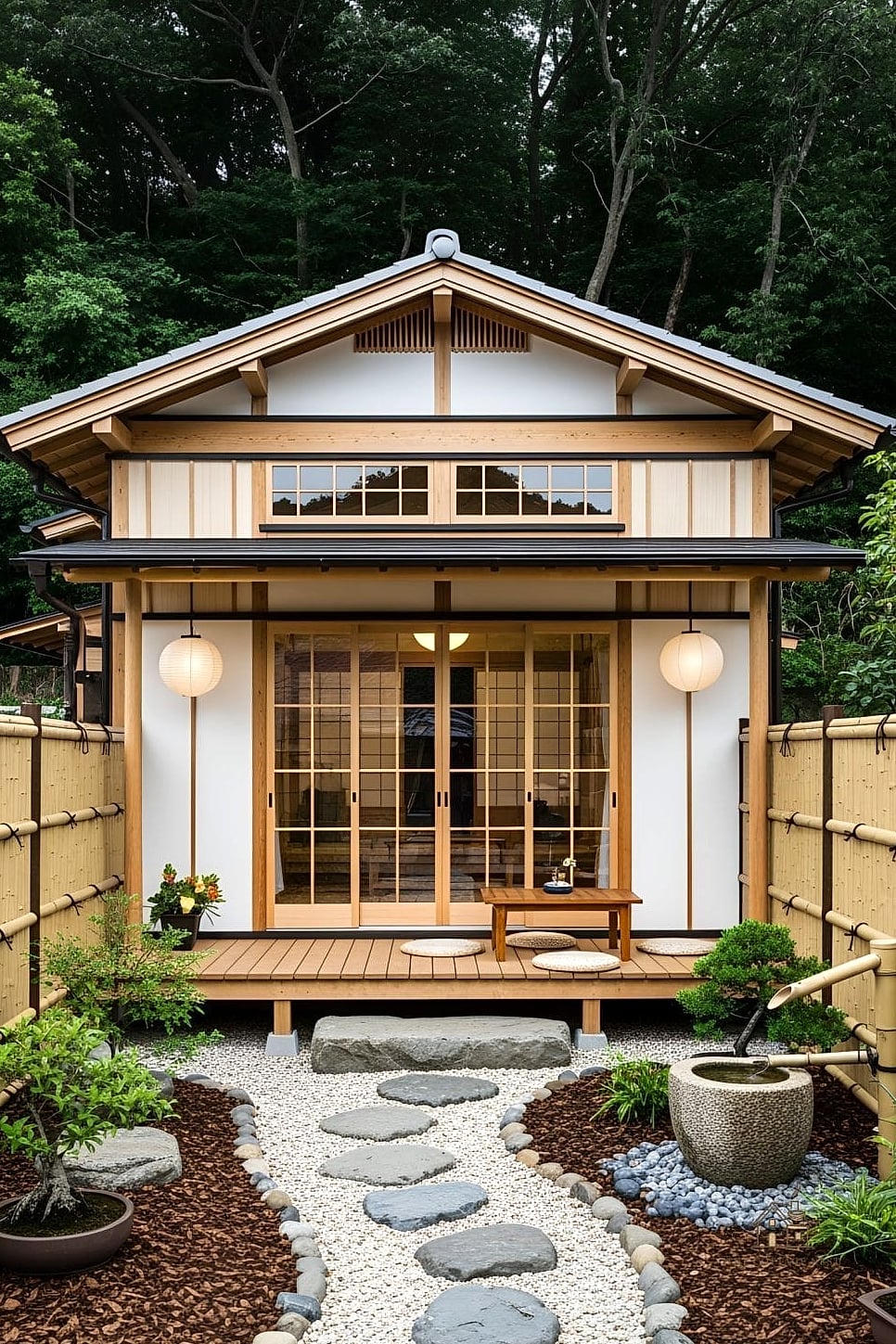
Small Japanese gardens often rely on containers to create the layered, naturalistic look you’d find in a full-sized garden. Group pots of varying heights, from low moss-covered bowls to taller bamboo or maple containers, to build visual depth. This trick works especially well on balconies or patios where you’re working with a hard surface instead of soil. Terracotta and dark glazed ceramic pots both fit the aesthetic nicely, so pick whichever suits your existing color palette.
Add a Simple Wooden Bench
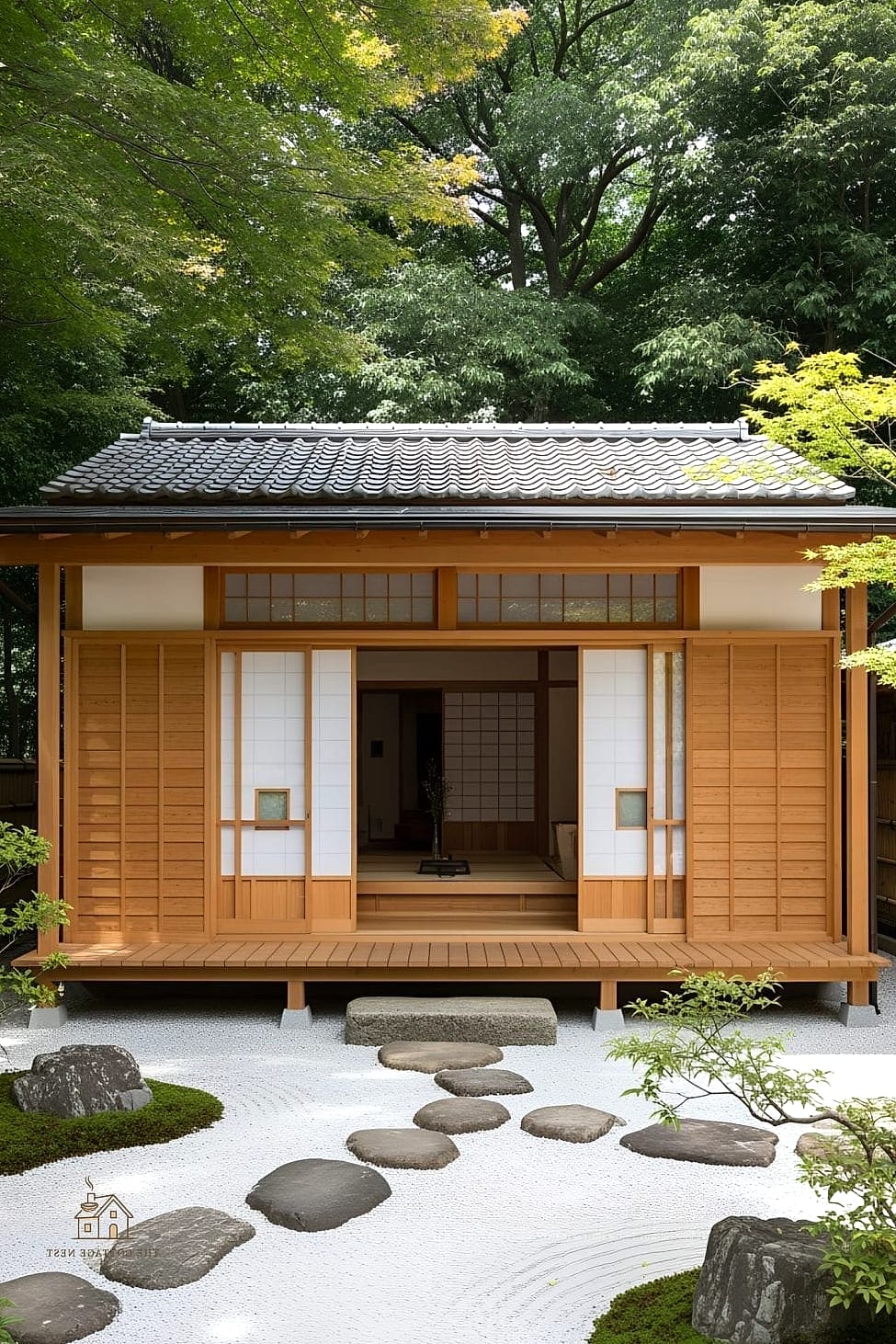
A low, unadorned wooden bench gives you a spot to actually sit and enjoy your small garden rather than just looking at it from a window. Keep the design simple, clean lines and natural wood tones, since ornate furniture tends to clash with the understated Japanese aesthetic. Place it facing your focal point, whether that’s a rock garden, water feature, or maple tree. Cedar and teak hold up well outdoors and weather into a beautiful silvery patina over time.
Use Gravel Instead of Grass
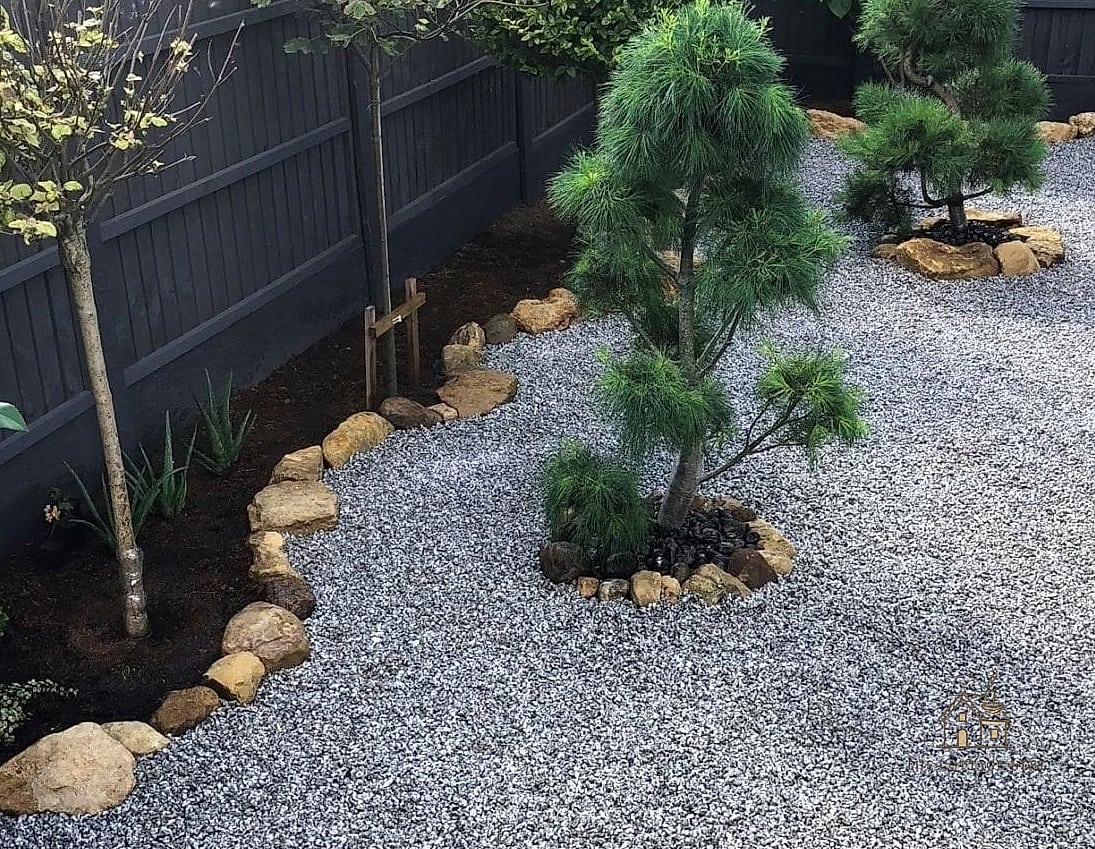
Swapping grass for raked gravel is a smart move for small yards, especially ones that get limited sun or heavy foot traffic. It’s low-maintenance, drains well, and gives you that classic dry-garden texture without any mowing involved. Choose a fine, light-colored gravel for the most authentic look, and edge it with stone or metal borders to keep it contained. This is also a great budget option since gravel costs far less than sod or artificial turf.
Plant a Bamboo Grove in a Container
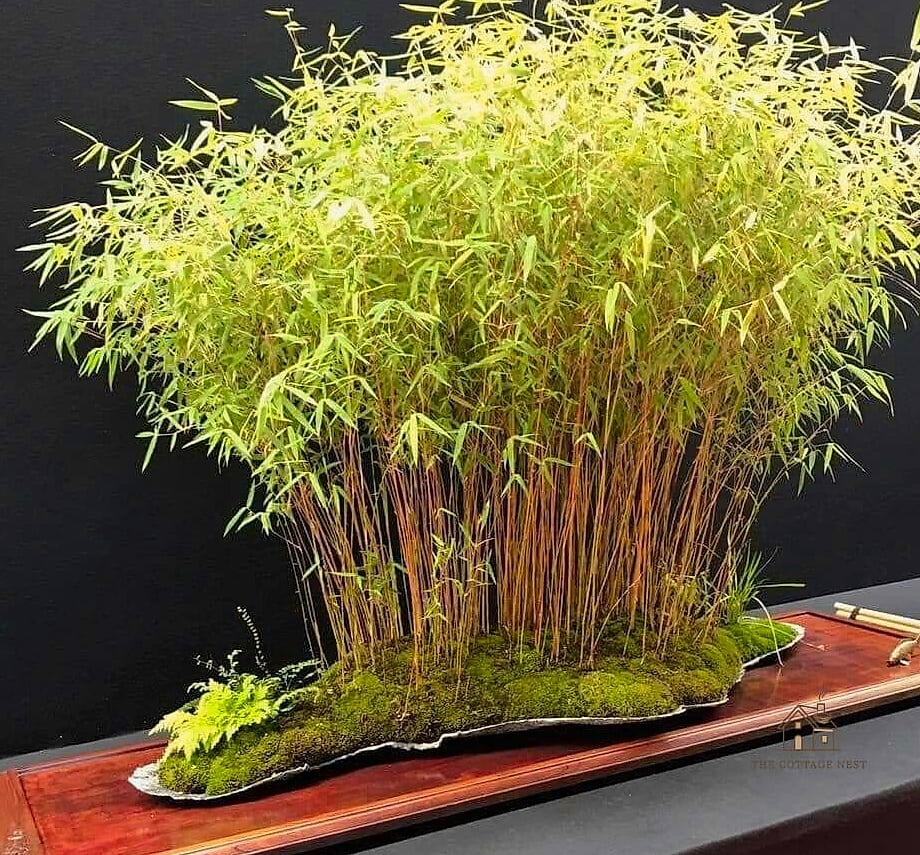
Full-sized bamboo can take over a small yard fast, but clumping varieties grown in large containers give you that lush, vertical greenery without the invasive spread. Position a cluster of potted bamboo along a fence line to create natural privacy screening with serious visual texture. The rustling sound in a breeze is honestly one of my favorite parts of this idea. Just make sure to choose clumping rather than running varieties, or you’ll be fighting root spread for years.
Add a Stone Basin for Water
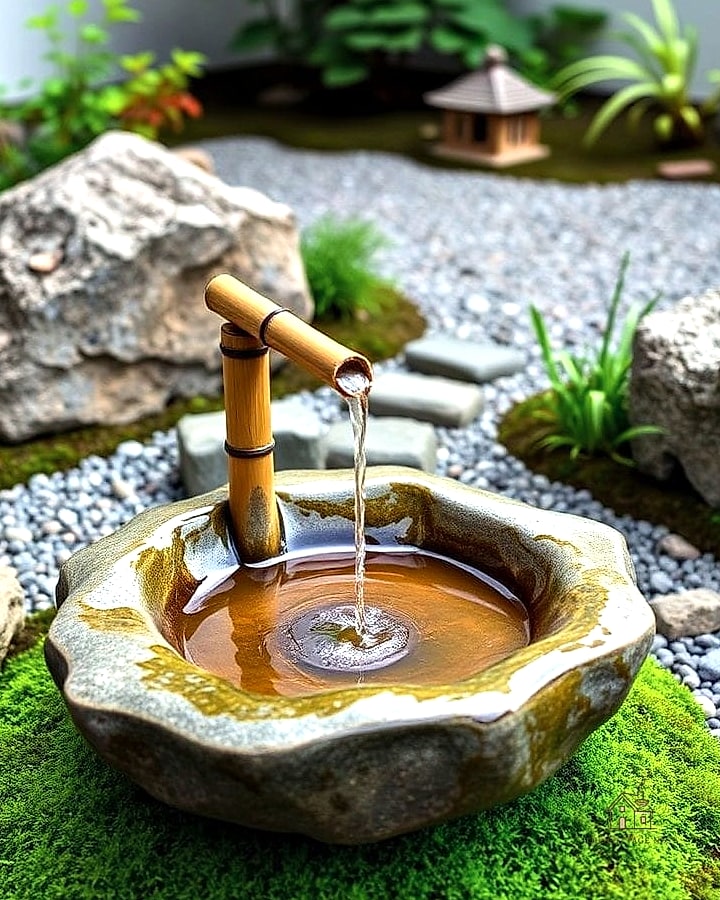
A tsukubai, or stone water basin, is traditionally used for ritual hand-washing before a tea ceremony, but it makes a gorgeous decorative feature in any small garden. Fill it with water and let it sit as a still, reflective element near your entryway or seating area. Add a small bamboo ladle resting across the top for an authentic touch. These basins come in many sizes, so even a narrow side yard can fit a compact version.
Create a Tea Garden Corner
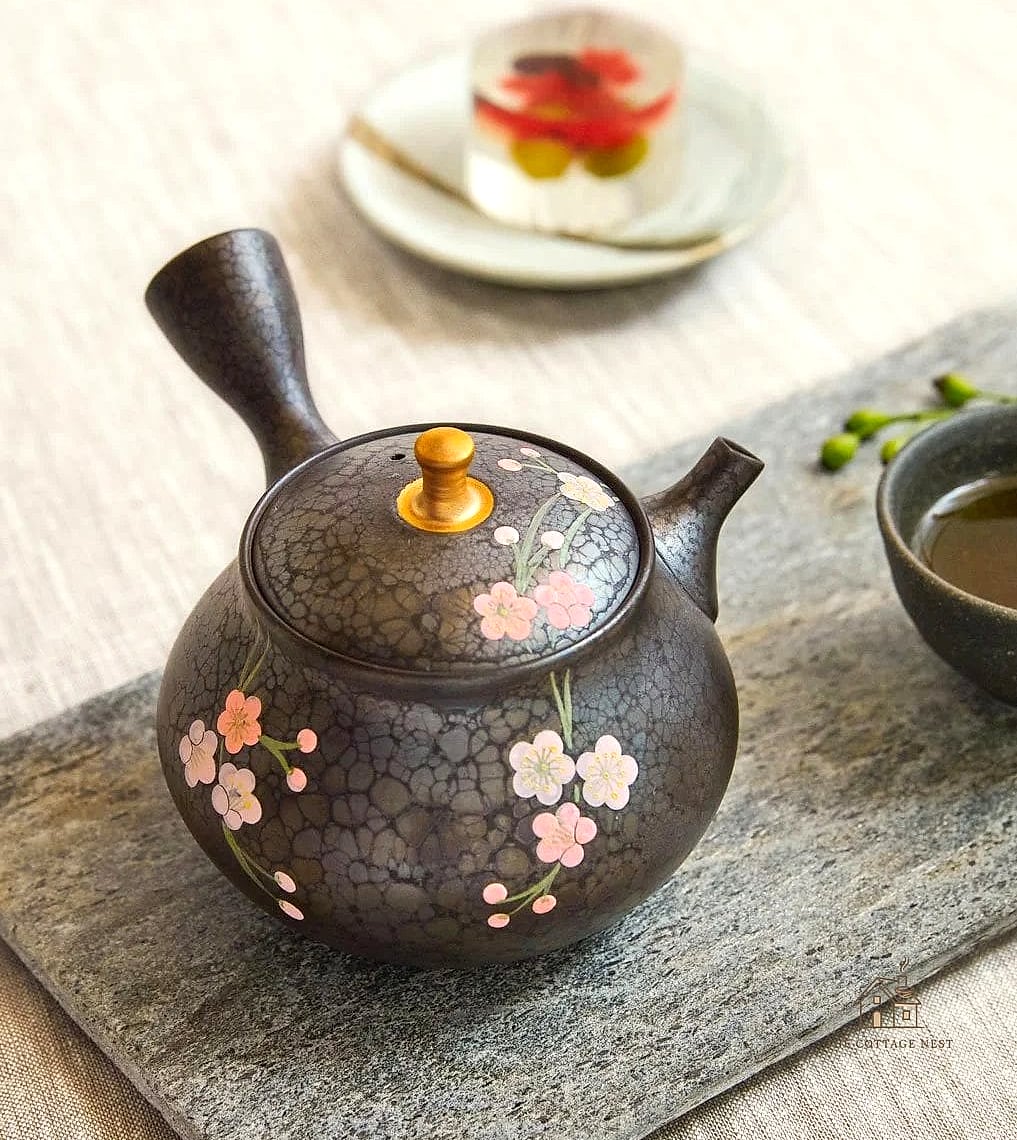
Dedicate one small corner to a roji, or tea garden path, complete with stepping stones, a stone lantern, and low plantings leading to a simple seating spot. This works beautifully as a “destination” within your yard, somewhere you walk to rather than just look at. Keep the plant palette restrained, mostly greens with the occasional pop of seasonal color, to maintain that quiet, contemplative feel. It’s a lovely spot for morning coffee if you’re not into the tea ceremony tradition itself.
Use Black Pine for Sculptural Structure
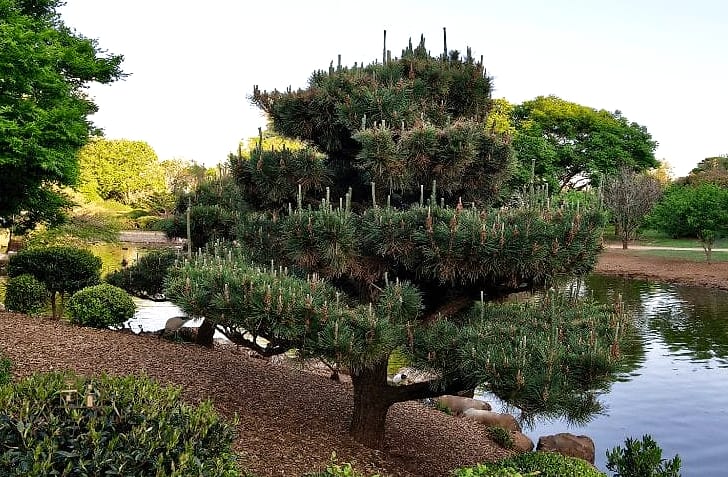
Japanese black pine is often pruned into striking, sculptural shapes that add architectural interest to small gardens. While full specimens need space, dwarf and container-grown varieties bring that same dramatic silhouette to compact yards. These trees do require some pruning knowledge to maintain their shape, so this is a good option if you enjoy a bit of hands-on garden work. The twisted, wind-swept look pairs beautifully with rock gardens and gravel beds.
Add String Lighting for Evening Ambiance
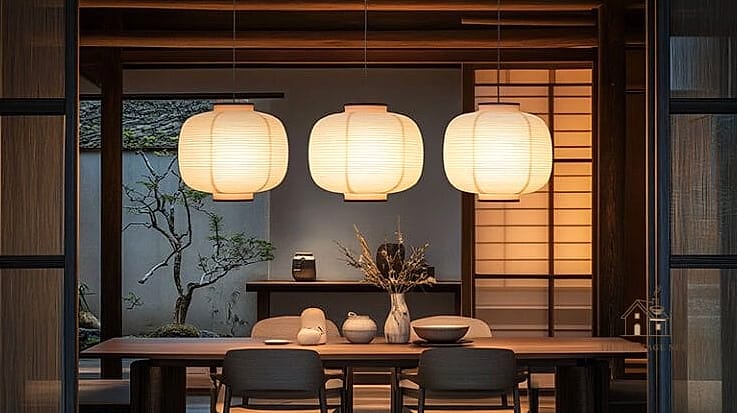
Soft, warm lighting strung along a fence line or draped through a small tree extends how much you can enjoy your garden after sunset. Paper lantern-style string lights fit the aesthetic particularly well and cast a gentle, diffused glow. This is a renter-friendly upgrade too, since most lighting can be hung without any permanent installation. Layer it with a few solar path lights along your stepping stones for practical nighttime visibility.
Build a Raised Zen Garden Box
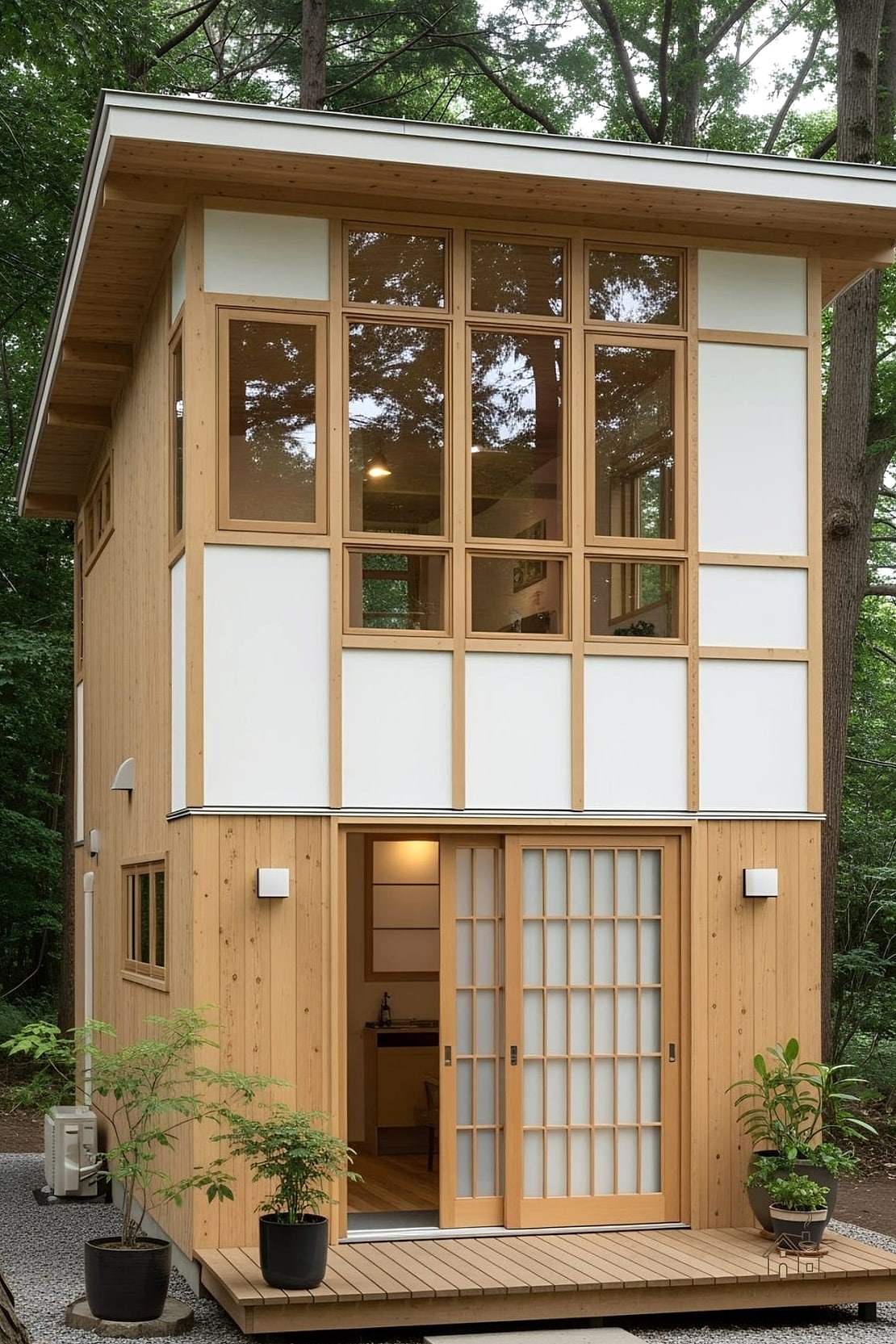
If you’re working with a balcony or patio instead of actual ground, a raised wooden box filled with sand or fine gravel gives you a portable dry garden. Add a small rake so you (or your kids) can experiment with different patterns whenever the mood strikes. This is a genuinely fun, low-cost DIY project that works in almost any small outdoor space. It’s also completely renter-friendly since the whole thing can move with you.
Incorporate Ferns for Lush Greenery
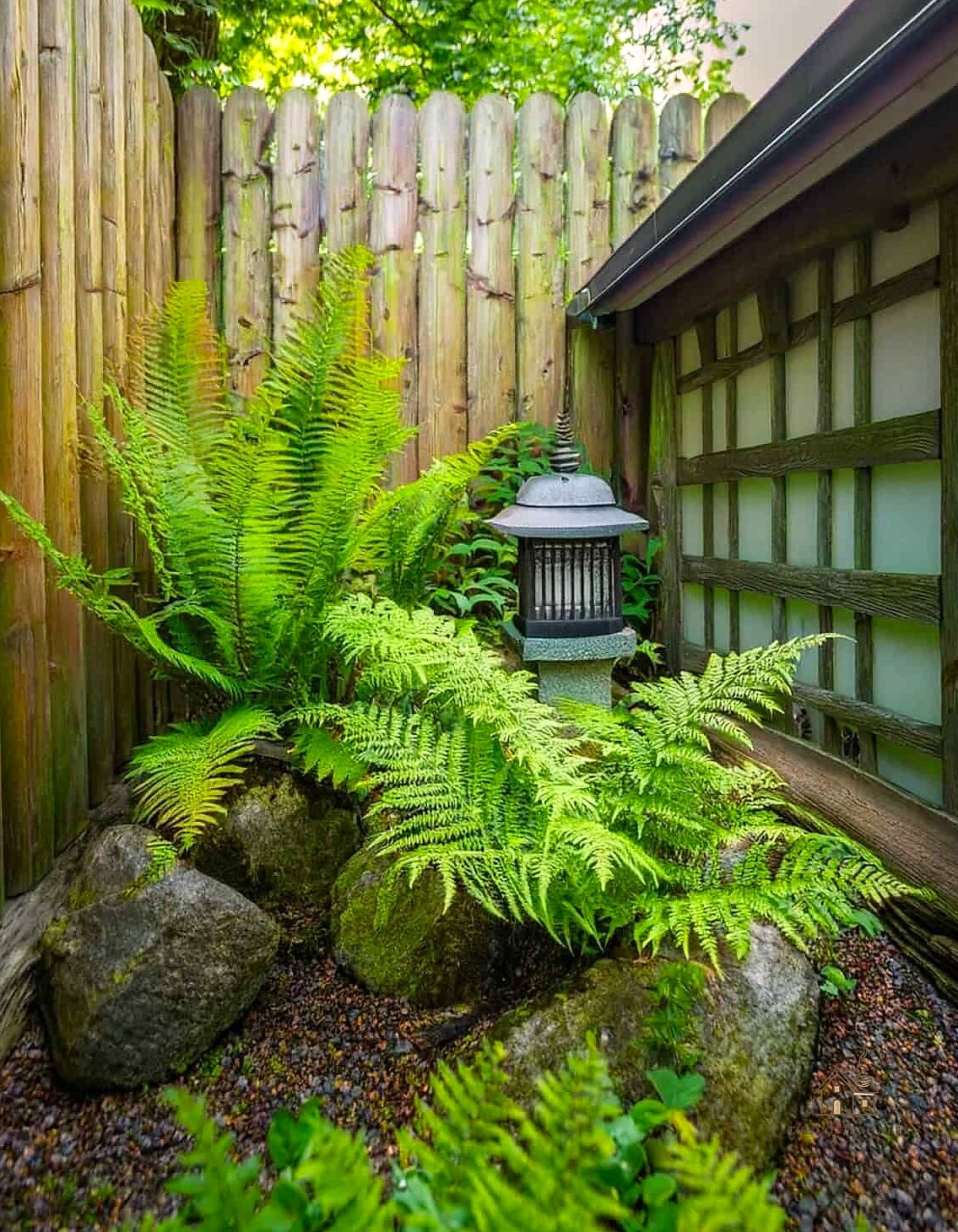
Ferns bring a soft, feathery texture that contrasts nicely with the more structured stones and gravel typical of this style. They thrive in shaded, small-space conditions where many other plants struggle, making them a practical pick for tucked-away corners. Japanese painted fern in particular has a silvery-purple tint that adds subtle color without disrupting the calm green palette. Group a few varieties together at different heights for a naturalistic, layered look.
Use a Curved Wooden Bridge
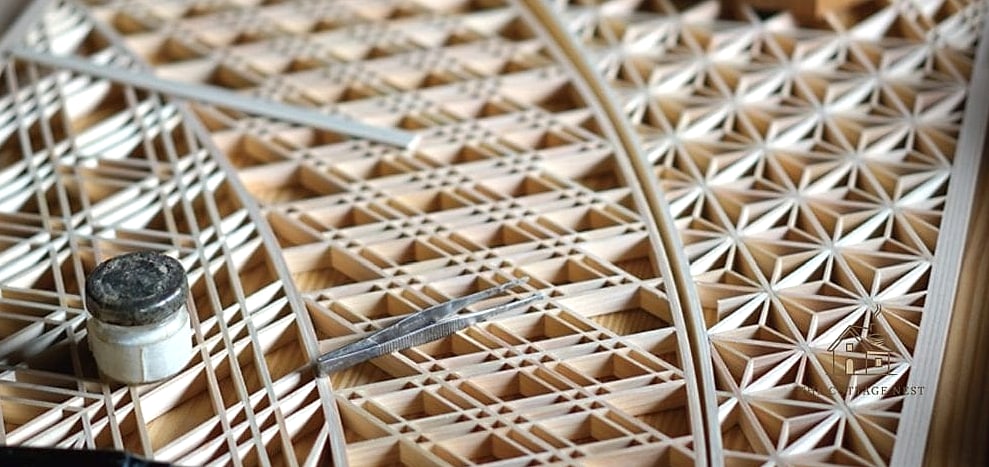
Even a tiny bridge, just a few feet long, spanning a dry creek bed or small pond adds instant charm and a sense of journey to your garden. Arched wooden bridges are a signature element of Japanese garden design and work surprisingly well at a miniature scale. Pair it with smooth river stones beneath to mimic a streambed if you’re not adding actual water. This is a fun weekend build if you’re handy with basic woodworking tools.
Add a Dry Creek Bed
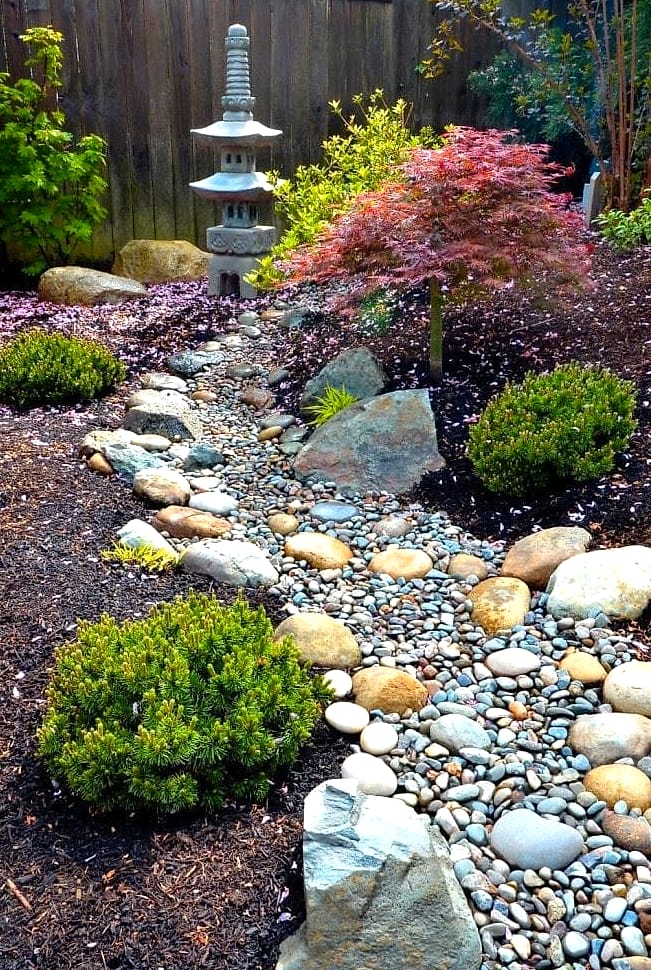
Speaking of streambeds, a dry creek made from rounded river stones is a clever way to suggest water movement without any actual plumbing or pump involved. It also happens to be a practical solution for directing rainwater runoff in small yards prone to pooling. Vary the stone sizes for a natural look, and let it wind organically rather than in a straight line. This pairs beautifully with a small wooden bridge or stepping stones crossing over it.
Choose a Restrained, Green-Dominant Color Palette

One thing that sets Japanese gardens apart is restraint. Instead of a riot of flower colors, the palette leans heavily on varying shades of green with occasional seasonal accents. This makes even a tiny space feel calm and cohesive rather than busy. When you do want color, let it come from something intentional, like a maple’s fall foliage or a single flowering azalea, rather than mixed bedding plants.
Add a Small Meditation or Seating Circle
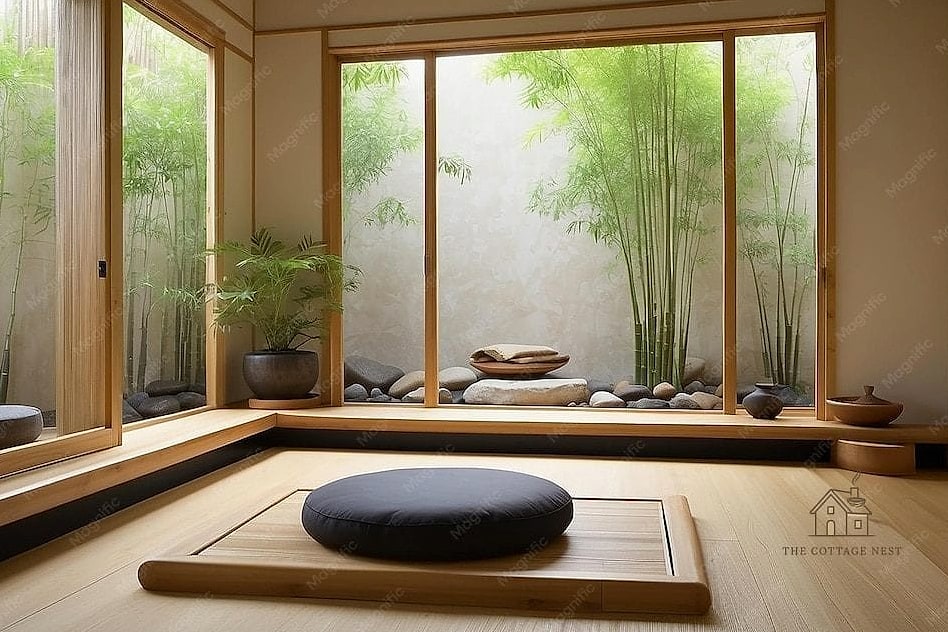
Carve out a circular gravel or stone patch just large enough for a cushion or low stool, creating a dedicated spot for quiet reflection. This doesn’t need to be elaborate, sometimes a simple flat stone surrounded by raked gravel is enough. Positioning it to face your garden’s main focal point, whether that’s a lantern, tree, or water feature, makes the whole space feel purposeful. It’s a small addition that makes a big difference in how the garden actually gets used.
Use Vertical Screening with Reed or Bamboo Panels
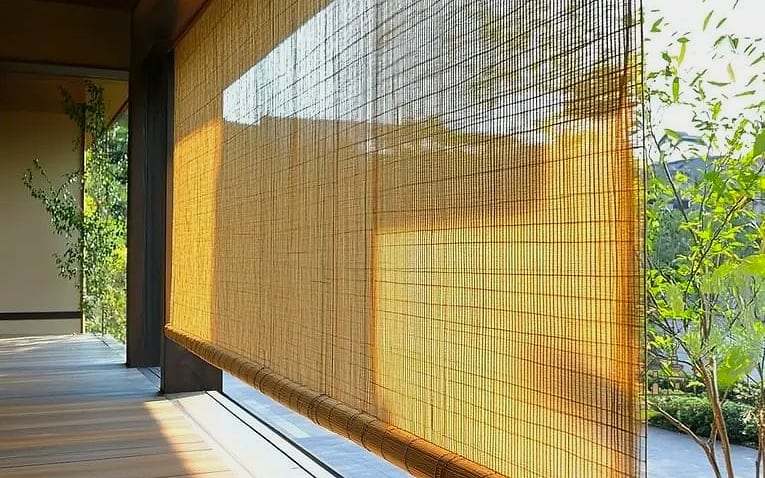
For really tight spaces, like a narrow balcony or side yard, vertical reed or bamboo screening adds privacy and texture without eating into your limited square footage. These panels attach easily to existing railings or fences, making them a great renter-friendly option. They also soften harsh sightlines from neighboring buildings, which is especially helpful in urban settings. Pair with a few potted plants in front for a fuller, more finished look.
Bringing Japanese garden style into a small space really comes down to editing rather than adding. Pick a handful of these ideas that suit your yard’s light, size, and your own maintenance comfort level, then let each element have room to breathe. That’s the real secret behind why these gardens feel so peaceful, even when they’re barely bigger than a parking spot.