35 Brilliant Cottage Garden Ideas to Copy Right Now
- Layer Your Flower Heights
- Let a Climbing Rose Take Over a Fence
- Add a Gravel Path That Winds
- Mix Vegetables Right Into the Flower Beds
- Use a Weathered Wooden Arbor
- Plant Foxgloves for Vertical Drama
- Border Beds With Boxwood or Lavender
- Add a Rustic Picket Fence
- Include a Cutting Garden Section
- Use Self-Seeding Annuals
- Add a Small Reflecting Pool or Birdbath
- Grow Climbing Sweet Peas on a Trellis
- Use Mismatched Vintage Containers
- Plant a Cottage-Style Herb Spiral
- Add a Weathered Garden Bench
- Grow Climbing Hydrangeas on a Wall
- Use a Cottage-Style Color Palette
- Add a Rustic Potting Bench
- Plant Hollyhocks Against a Wall
- Use a Meandering Stepping Stone Path
- Add a Cluster of Terracotta Pots
- Grow a Wildflower Meadow Patch
- Add Climbing Clematis Alongside Roses
- Use a Rustic Wattle Fence
- Plant Foxglove and Delphinium Together
- Add a Small Kitchen Garden Gate
- Use Layered Lighting for Evening Charm
- Grow Climbing Nasturtiums for Easy Color
- Add a Rustic Trellis Made From Branches
- Use Repeating Plant Groups for Cohesion
- Add a Cozy Seating Nook
- Grow Climbing Honeysuckle for Fragrance
- Use Antique Garden Ornaments
- Plant a Border of Catmint
- End With a Fragrant Herb Path Border
35 Brilliant Cottage Garden Ideas to Copy Right Now
If you’ve ever walked past a garden bursting with flowers in every direction, spilling over pathways and climbing up fences like it just happened naturally, you were probably looking at a cottage garden. This style has been around for centuries, but it’s having a real moment again, and honestly, I get why. It’s romantic, a little wild, and forgiving if you’re not the type to fuss over perfectly manicured rows. Here are 35 ideas to help you bring that lush, storybook charm to your own yard.
Layer Your Flower Heights
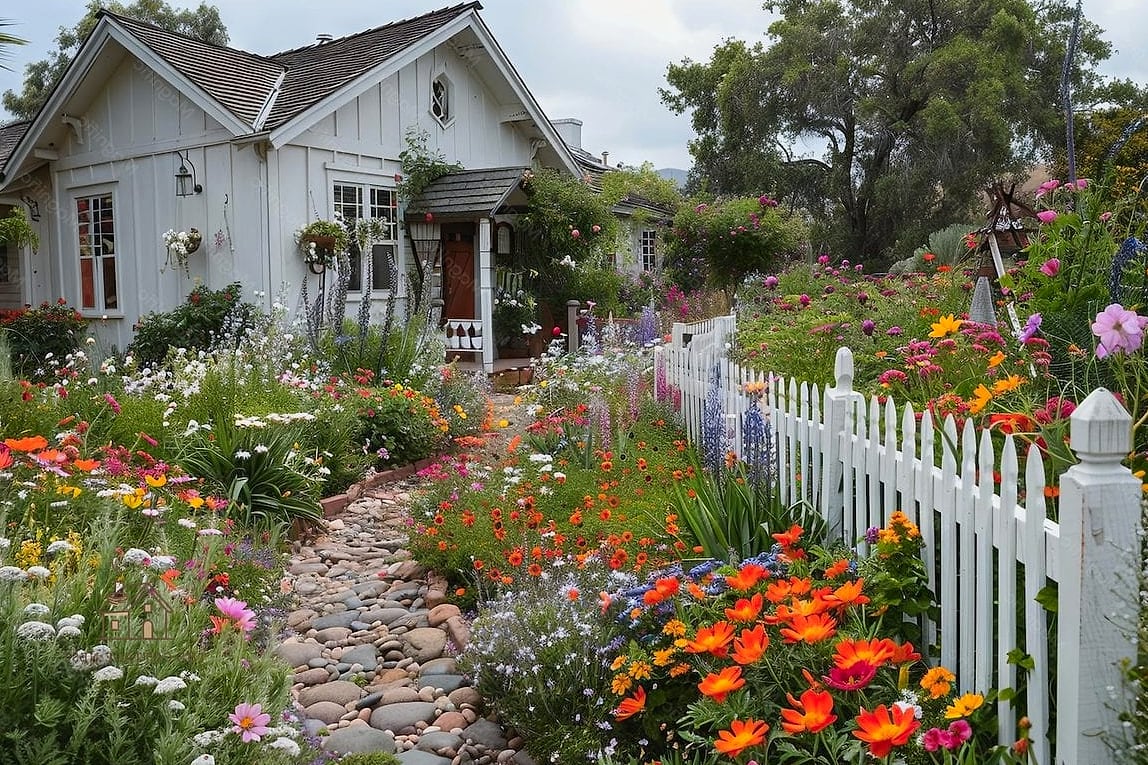
The secret to that classic cottage garden look is planting in layers instead of neat rows. Put taller blooms like delphiniums or hollyhocks toward the back, medium plants like foxgloves in the middle, and low growers like alyssum up front. This creates depth and makes even a small space feel full. It also means something is always blooming at eye level no matter the season.
Let a Climbing Rose Take Over a Fence
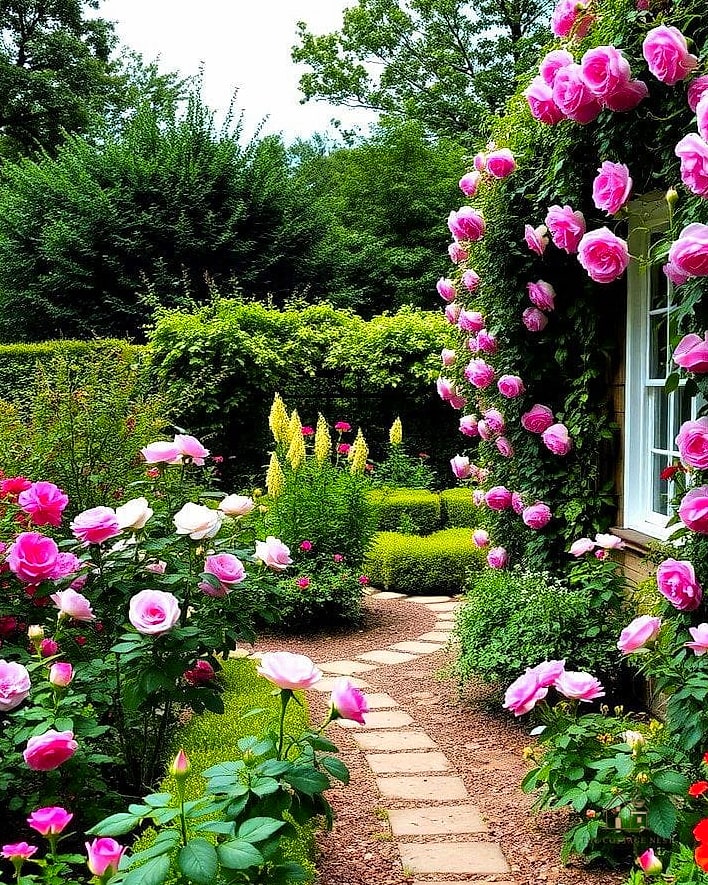
A wooden or wire fence covered in climbing roses is basically the poster image for cottage gardens. Pick a repeat-blooming variety if you want color from spring through fall. Give it something sturdy to grab onto, and be patient the first year while it establishes. Once it takes off, you’ll barely see the fence underneath.
Add a Gravel Path That Winds
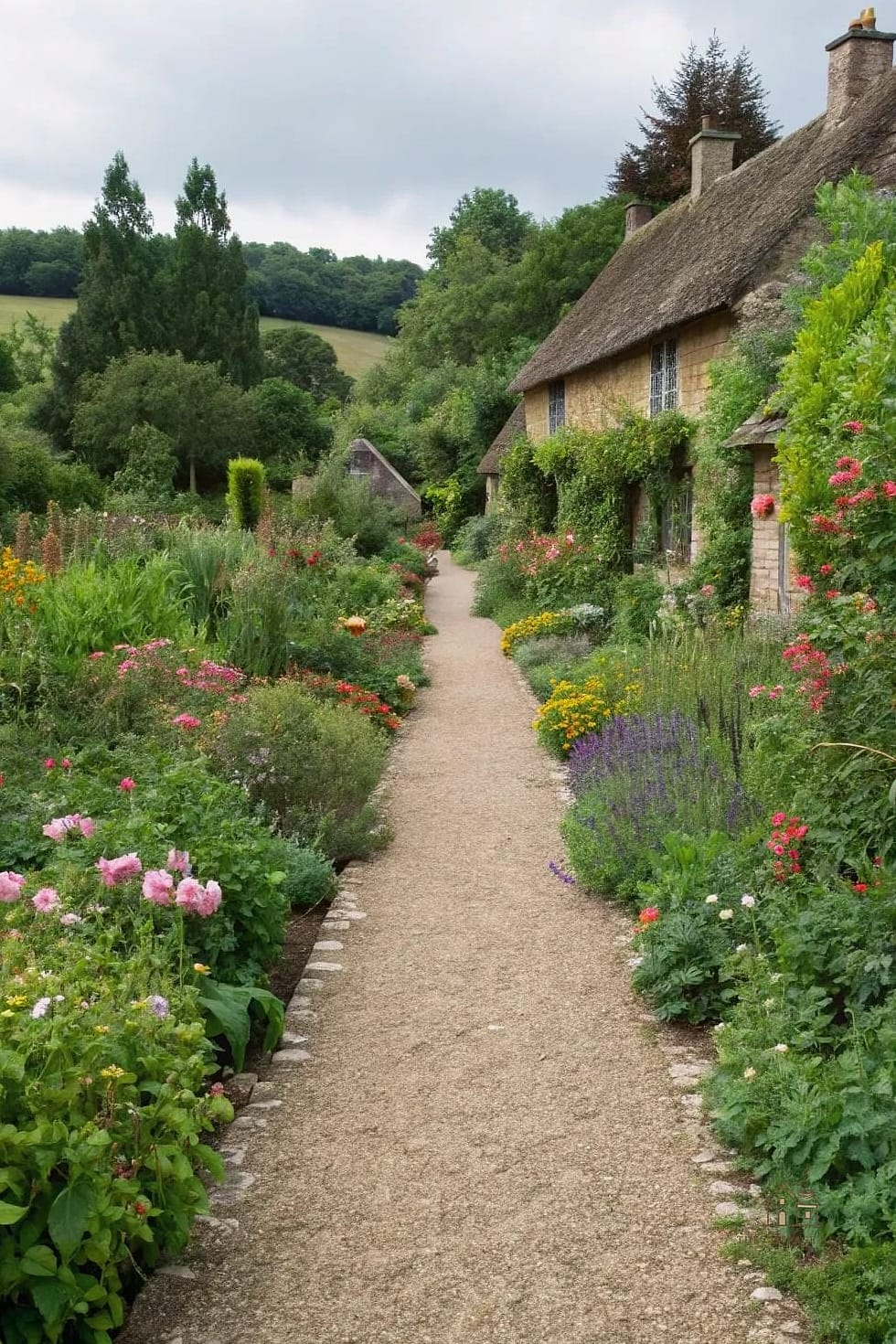
Straight paths feel too formal for this style. A curving gravel path invites people to wander and slows down the pace of walking through the garden. Pea gravel is budget-friendly and easy to DIY over a weekend. Edge it with brick or stone to keep it from spreading into your beds.
Mix Vegetables Right Into the Flower Beds
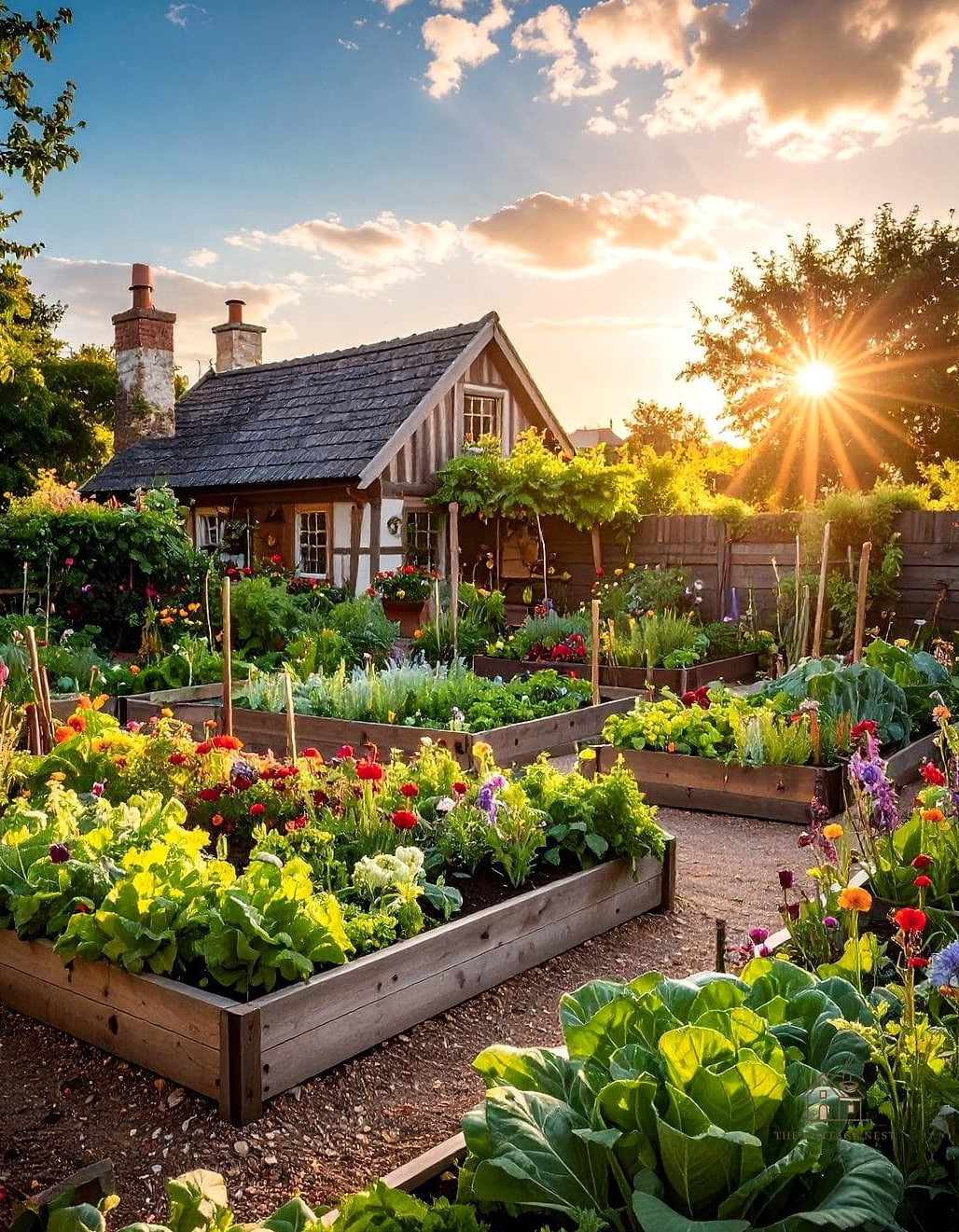
Cottage gardens historically weren’t just pretty, they were practical. Tuck lettuce, chard, or herbs like sage and thyme between your flowers instead of keeping a separate vegetable patch. The textures actually complement each other nicely, and you get fresh herbs without dedicating extra space.
Use a Weathered Wooden Arbor
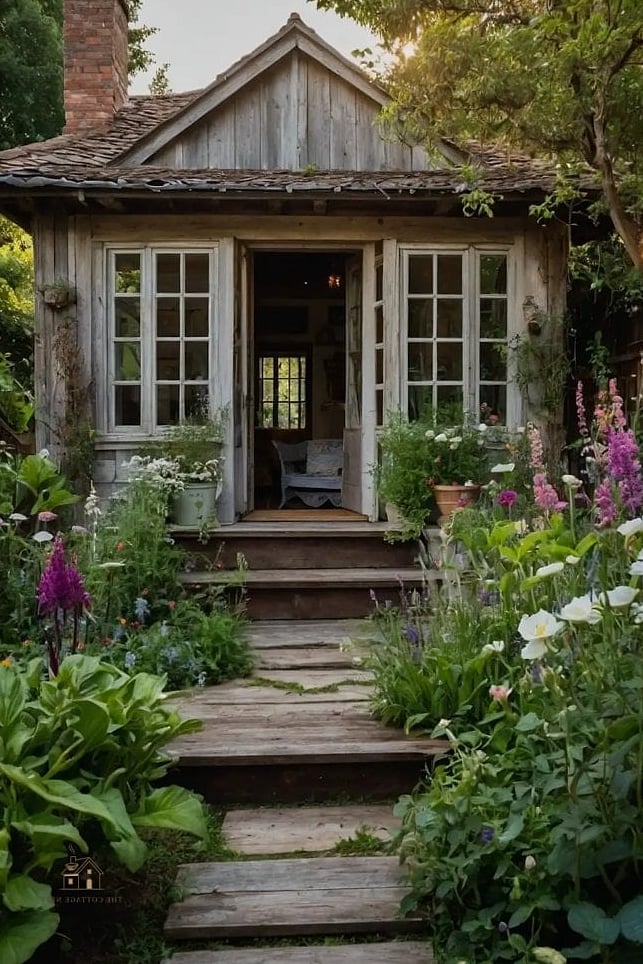
An arbor at the entrance to your garden or over a path instantly adds structure and a sense of arrival. Let clematis or jasmine climb it for fragrance and color. Cedar holds up well outdoors without much treatment, though a reclaimed or slightly weathered look actually suits this style better than something brand new.
Plant Foxgloves for Vertical Drama
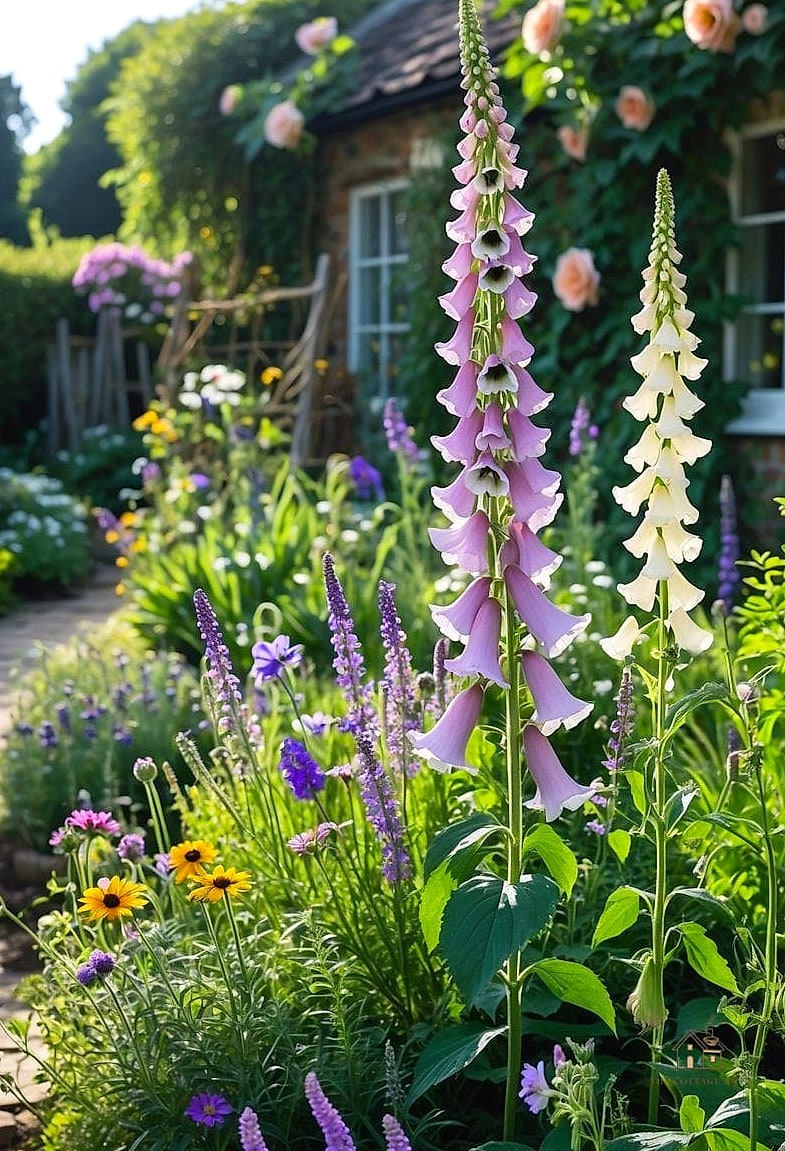
Foxgloves are one of those flowers that just scream cottage garden. Their tall spires come in soft pinks, purples, and whites, and bees absolutely love them. They self-seed readily, so once you plant them, you’ll likely have volunteers popping up in new spots each year, which honestly adds to the charm.
Border Beds With Boxwood or Lavender
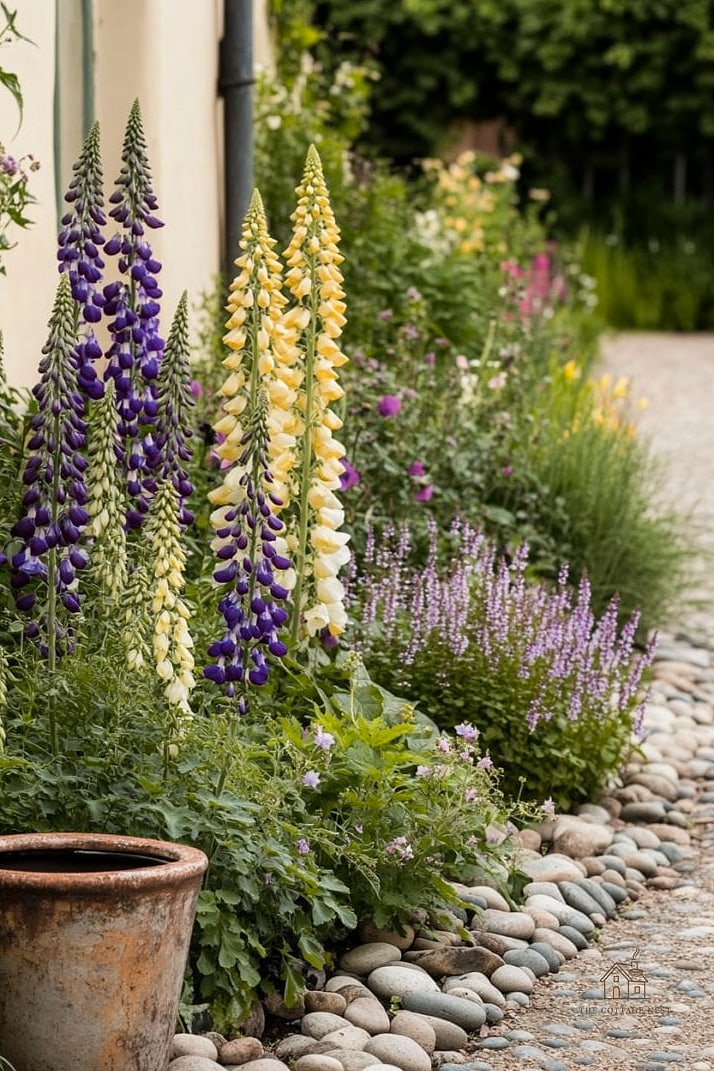
A low hedge along the edge of your beds gives structure without feeling stiff. Lavender works beautifully because it also adds fragrance and color, while boxwood offers year-round green structure. Either option helps define the space so the wilder plantings inside don’t look messy.
Add a Rustic Picket Fence
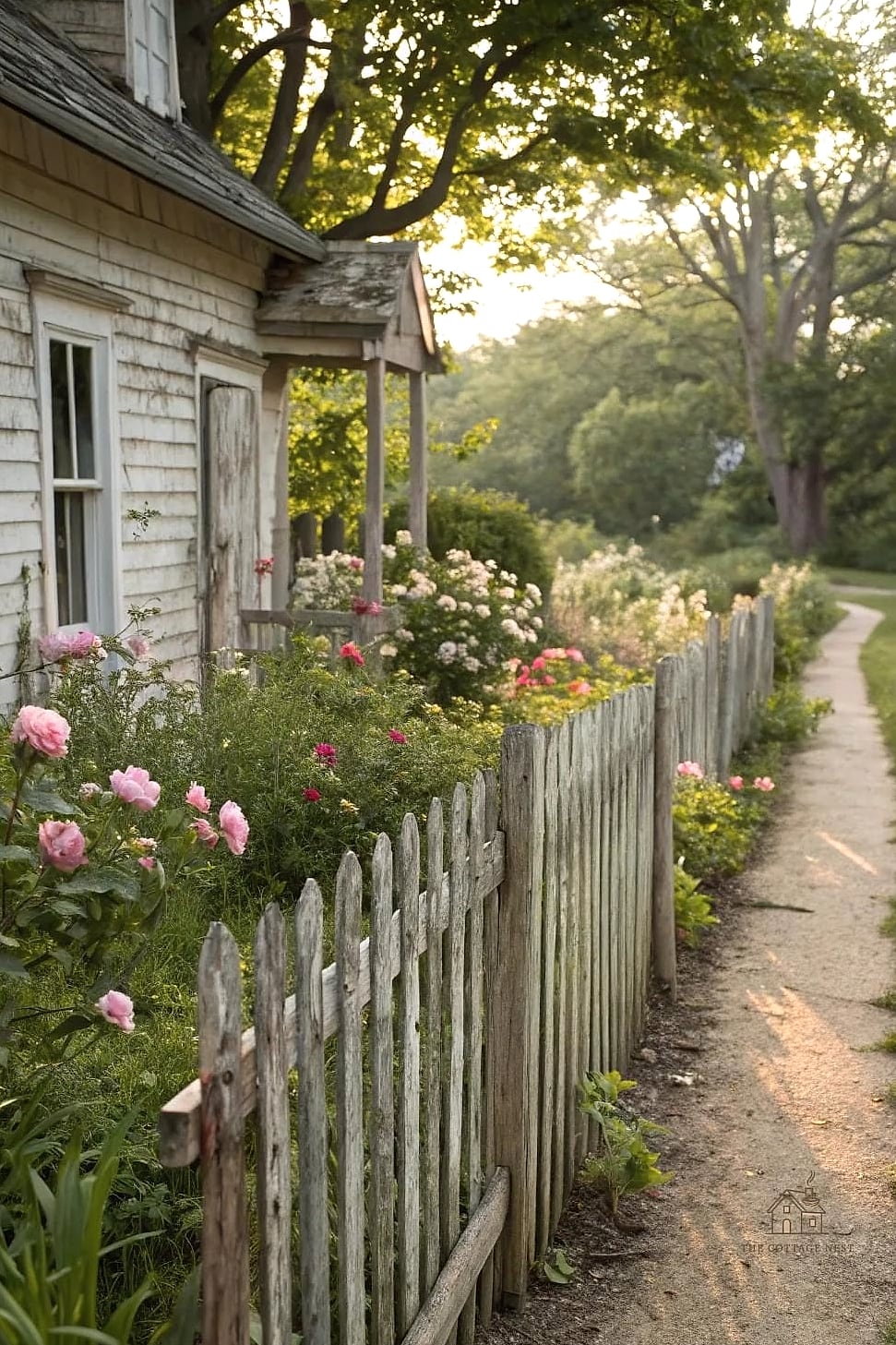
A white or weathered wood picket fence frames a cottage garden perfectly and gives climbing plants something to grow on. It doesn’t need to be tall or imposing, just enough to suggest a boundary. Painted white is classic, but a soft sage or gray also works if you want something less traditional.
Include a Cutting Garden Section
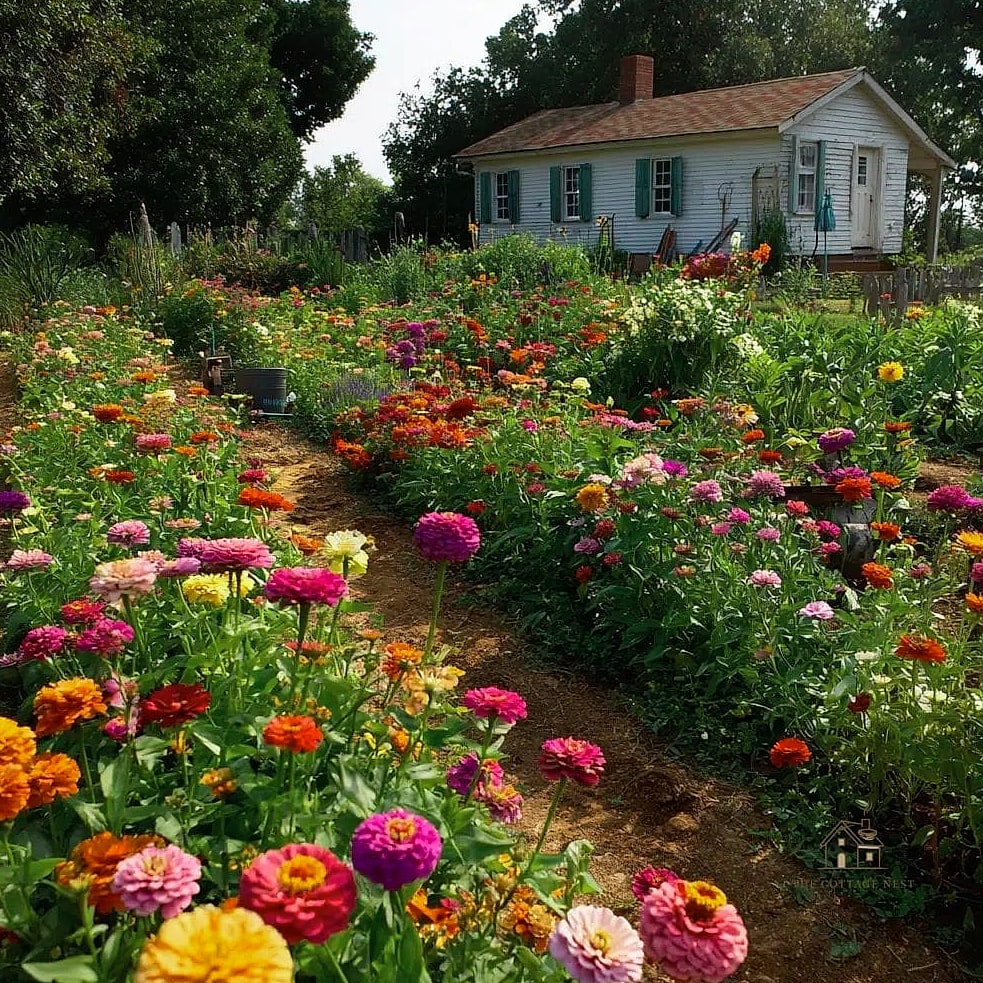
Set aside a small section just for growing flowers you don’t mind cutting for indoor bouquets. Zinnias, cosmos, and sweet peas are great choices because they bloom generously and encourage more flowers the more you cut them. This way you get fresh flowers for your table without stripping your main display beds.
Use Self-Seeding Annuals
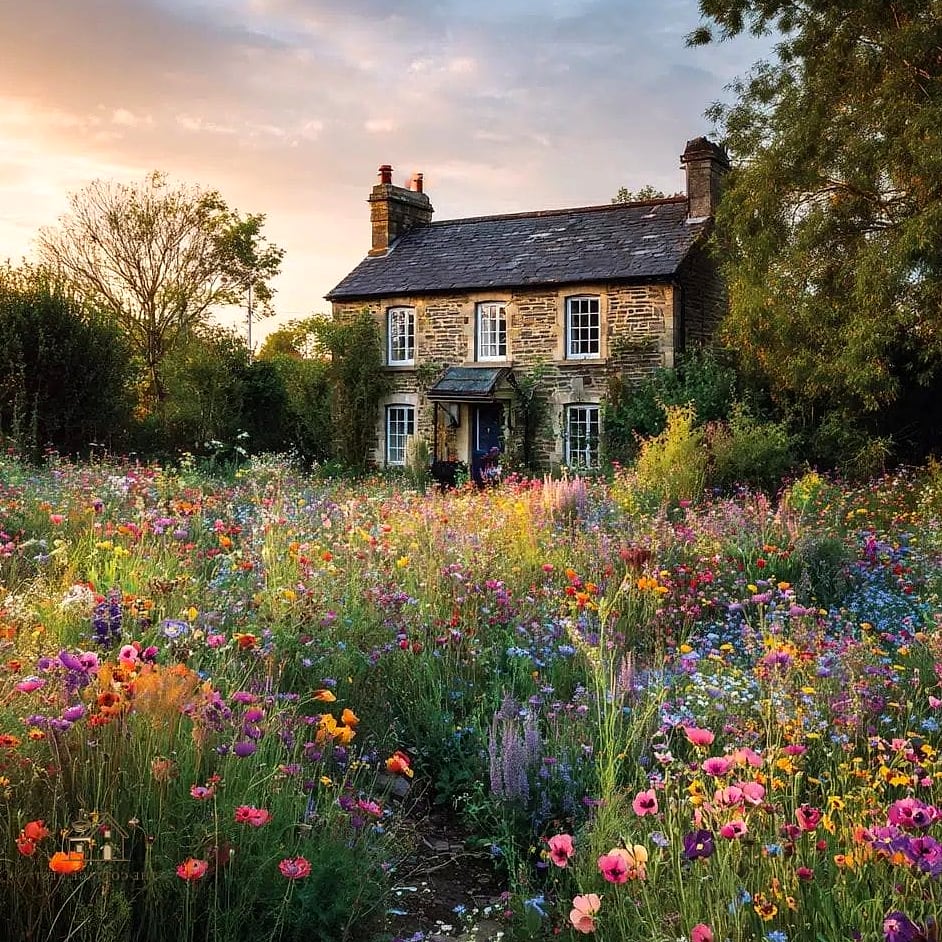
Plants like poppies, larkspur, and calendula scatter their own seeds and come back year after year with almost no effort from you. This gives the garden that slightly unpredictable, natural feel that’s central to the cottage style. Just be ready for them to show up in spots you didn’t originally plan.
Add a Small Reflecting Pool or Birdbath
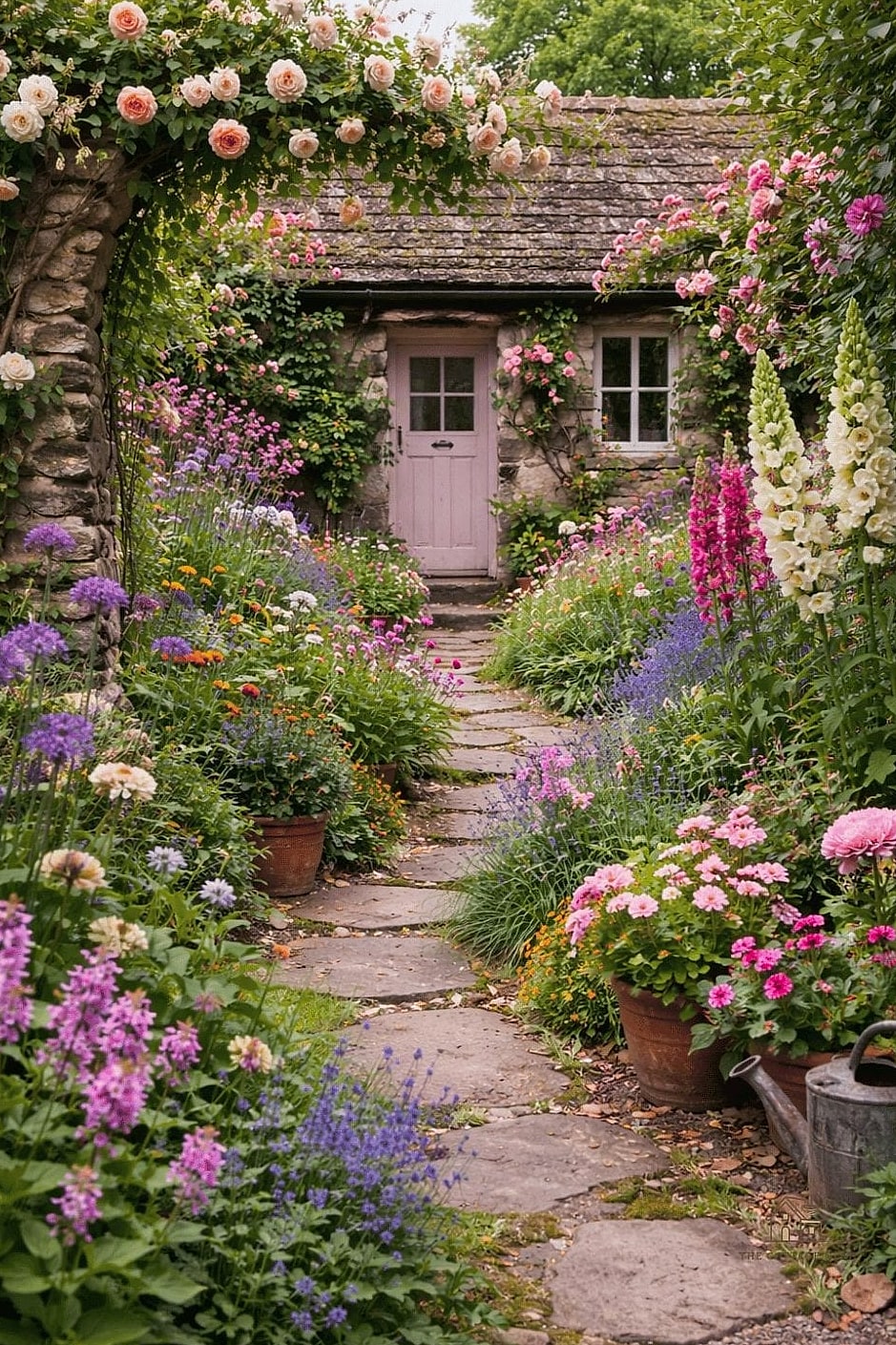
A simple water feature brings in birds and adds a calming focal point among all the color. It doesn’t need to be elaborate. A stone birdbath or a small pre-formed pond liner tucked into a corner works just fine. The sound of water, even minimal trickling, adds another sensory layer to the space.
Grow Climbing Sweet Peas on a Trellis
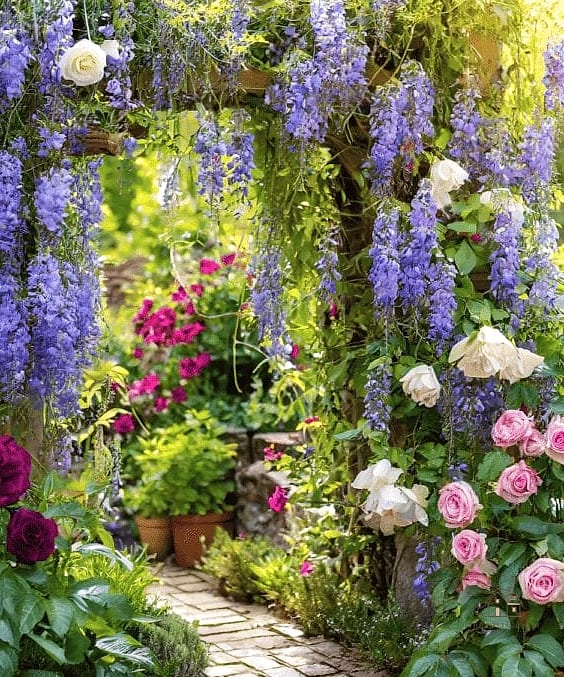
Sweet peas are fragrant, fast-growing, and come in gorgeous pastel shades. A simple teepee trellis made from bamboo stakes gives them something to climb while adding vertical interest. They’re also great for beginners since they’re pretty forgiving and bloom quickly from seed.
Use Mismatched Vintage Containers
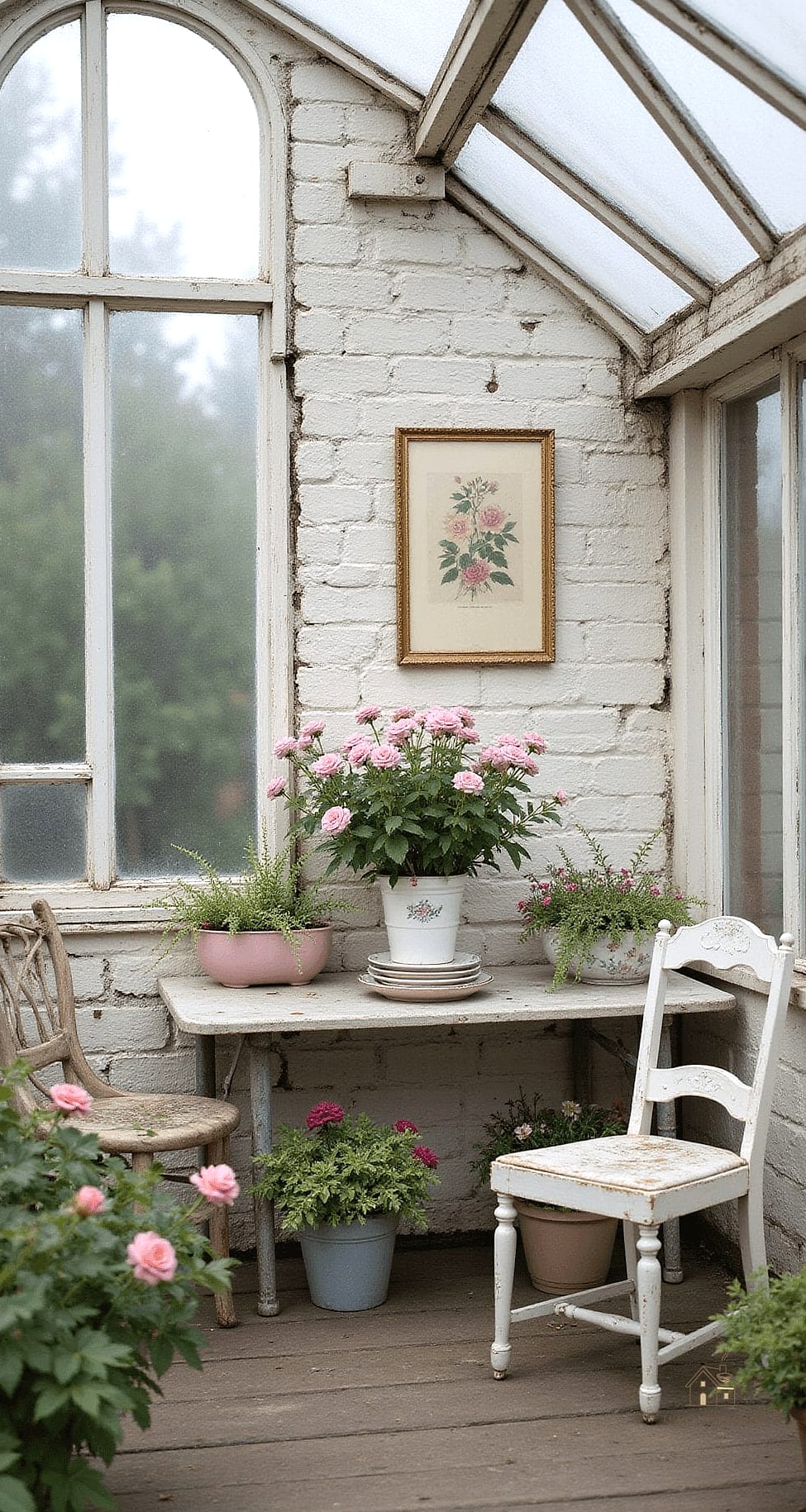
Instead of matching pots, gather old watering cans, chipped ceramic pitchers, or weathered wooden crates to use as planters. This thrifted, collected-over-time look fits the cottage aesthetic much better than anything too polished. Thrift stores and estate sales are great places to hunt for these pieces.
Plant a Cottage-Style Herb Spiral
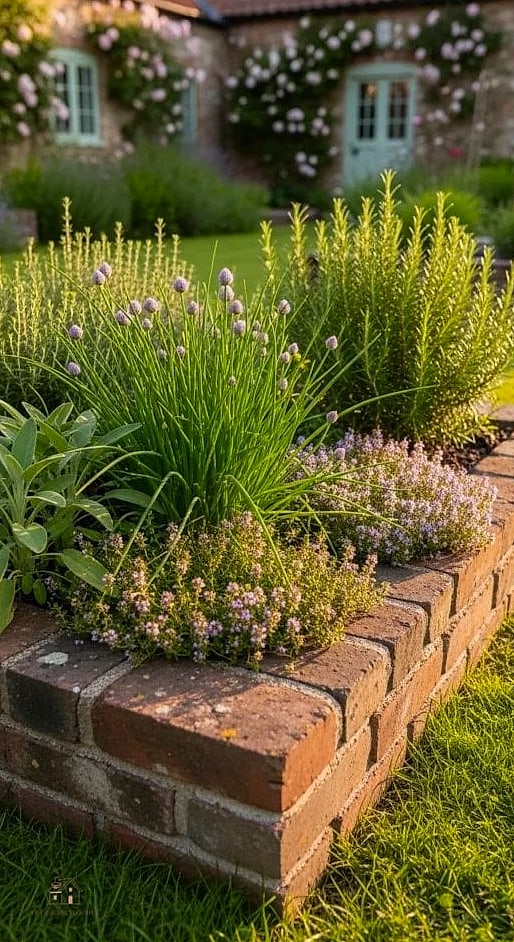
An herb spiral is a raised, coiled bed that lets you grow herbs with different water and sun needs in one compact space. It’s a fun weekend DIY project using stone or brick, and it becomes a real focal point near a kitchen door. Rosemary, thyme, and oregano all do well in the drier upper sections.
Add a Weathered Garden Bench
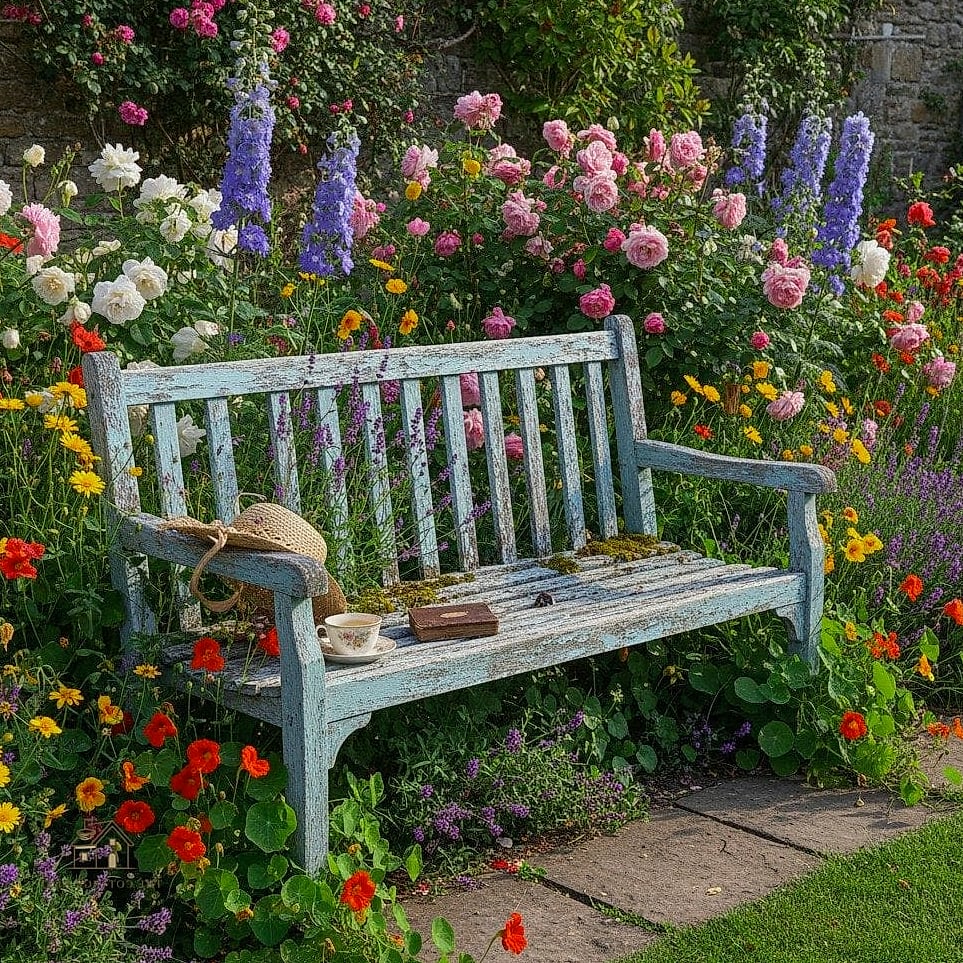
Tuck a simple wooden bench somewhere in the garden, ideally partially hidden among the plantings. It gives the space a lived-in feel and an actual reason to slow down and sit. Teak or cedar ages beautifully outdoors, developing a soft gray patina that only adds to the charm.
Grow Climbing Hydrangeas on a Wall
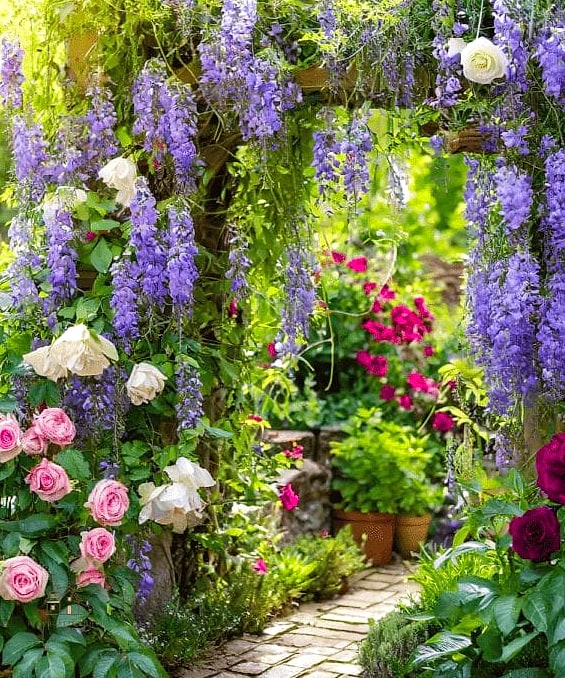
If you have a shaded wall or fence, climbing hydrangea is a stunning option that most people don’t think of right away. It takes a couple years to establish but eventually produces lacy white blooms against deep green foliage. It’s one of the few flowering vines that actually tolerates shade well.
Use a Cottage-Style Color Palette
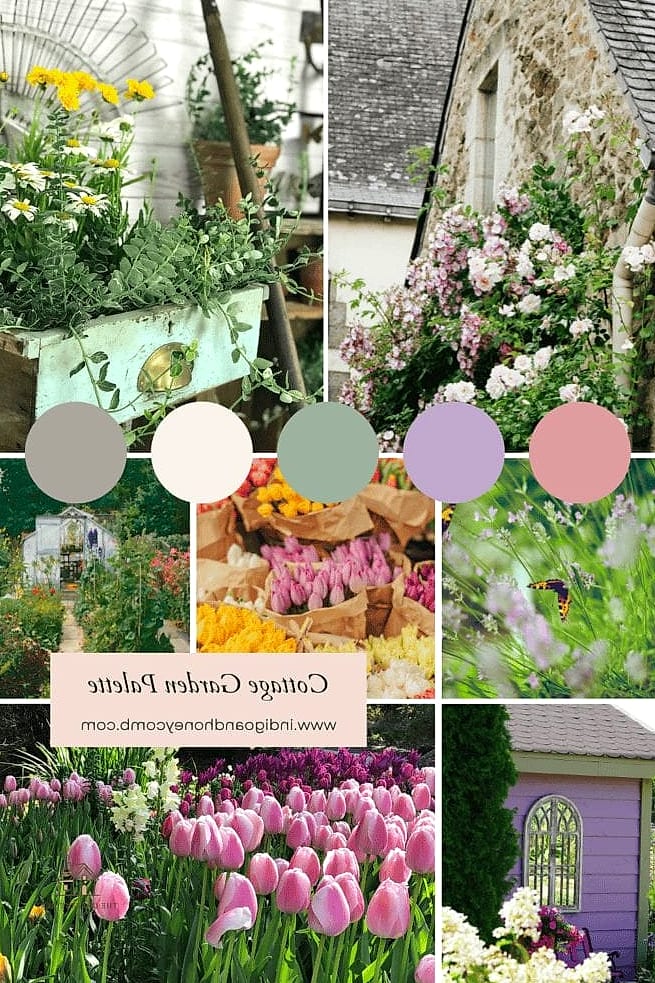
Stick to soft, romantic colors like dusty pink, lavender, cream, and pale yellow rather than bold, saturated tones. This keeps the overall look cohesive even with dozens of different plant varieties mixed together. You can always add a few pops of deeper color, like burgundy dahlias, for contrast.
Add a Rustic Potting Bench
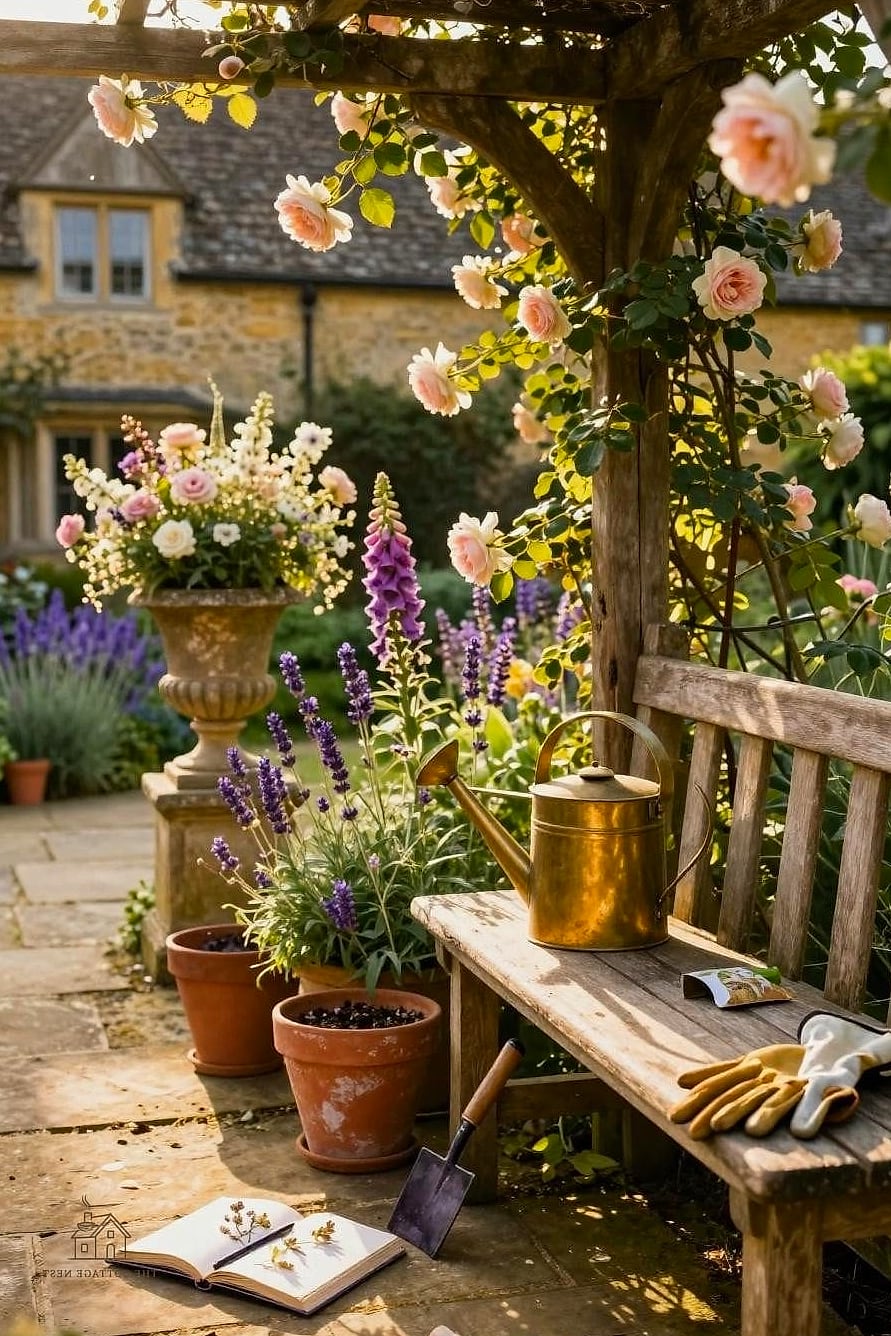
A potting bench near your garden gives you a dedicated spot for repotting, seed starting, and general puttering. Reclaimed wood or an old dresser repurposed for this use fits the style perfectly. Add a few hooks for hanging tools and a shelf underneath for pots and soil bags.
Plant Hollyhocks Against a Wall
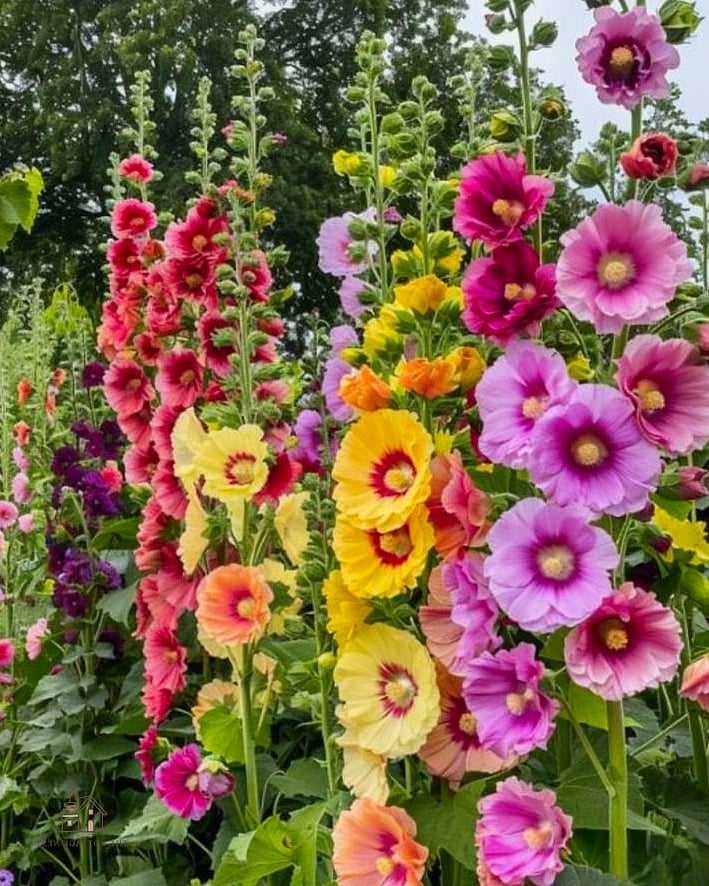
Hollyhocks grow incredibly tall and look best planted against a fence or wall where they have some support. Their old-fashioned blooms come in almost every color and have that quintessential grandmother’s garden feel. They’re biennials, so they’ll take a season to establish before really putting on a show.
Use a Meandering Stepping Stone Path
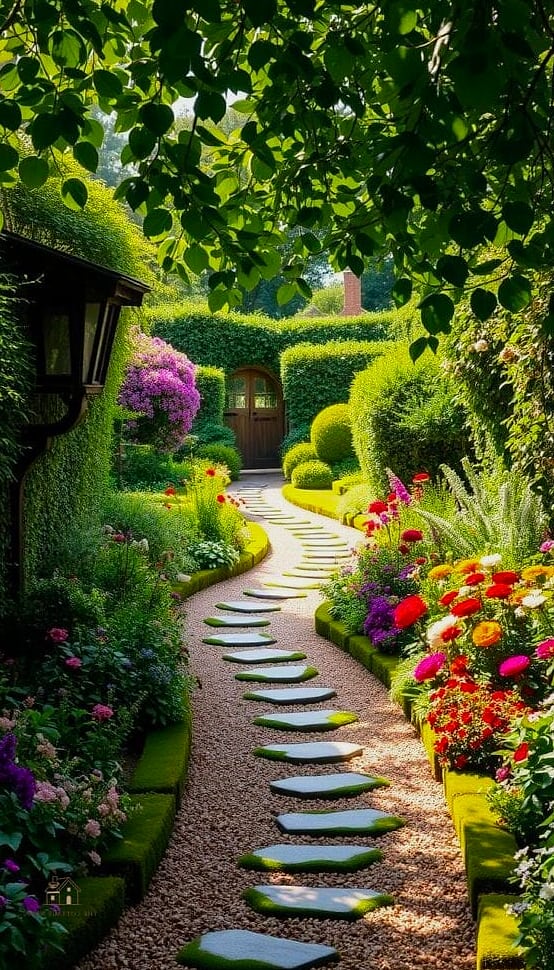
Instead of gravel, flat stepping stones set into the grass or soil create a softer, more organic path. Leave gaps between stones and let creeping thyme or moss fill in around them. It looks especially charming when the plants start to soften the edges of each stone over time.
Add a Cluster of Terracotta Pots
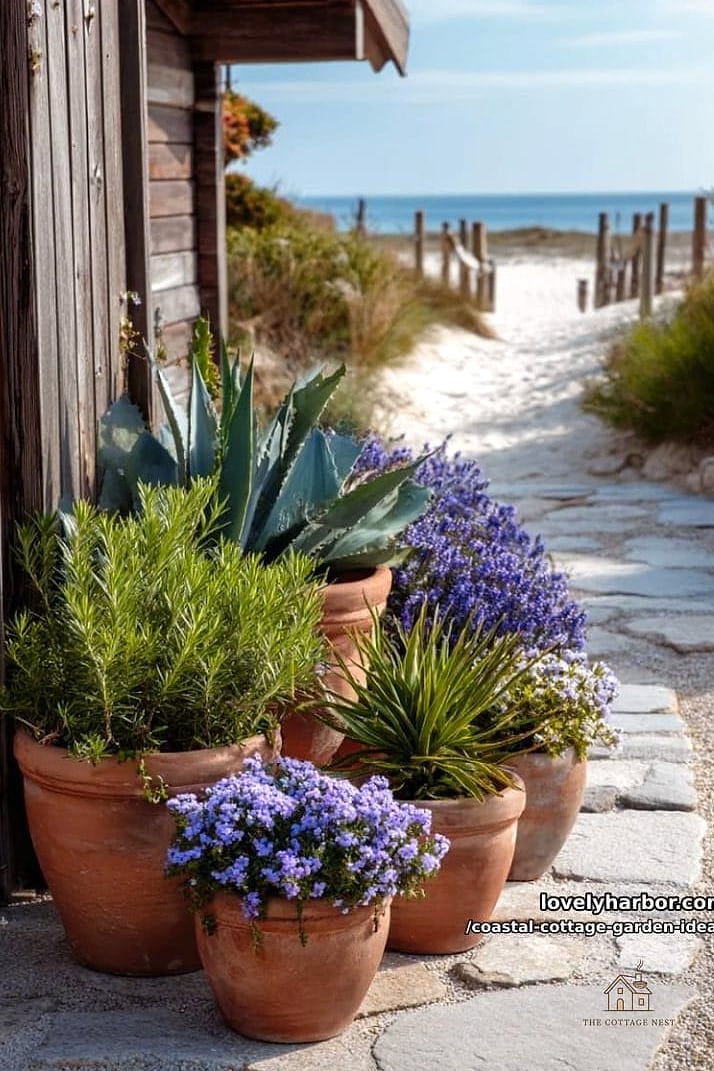
Group terracotta pots of varying sizes near an entryway or on a patio for an easy way to add cottage charm without committing to in-ground planting. Fill them with trailing plants like ivy or nasturtiums that spill over the edges. Terracotta is budget-friendly and gets better with age as it weathers.
Grow a Wildflower Meadow Patch
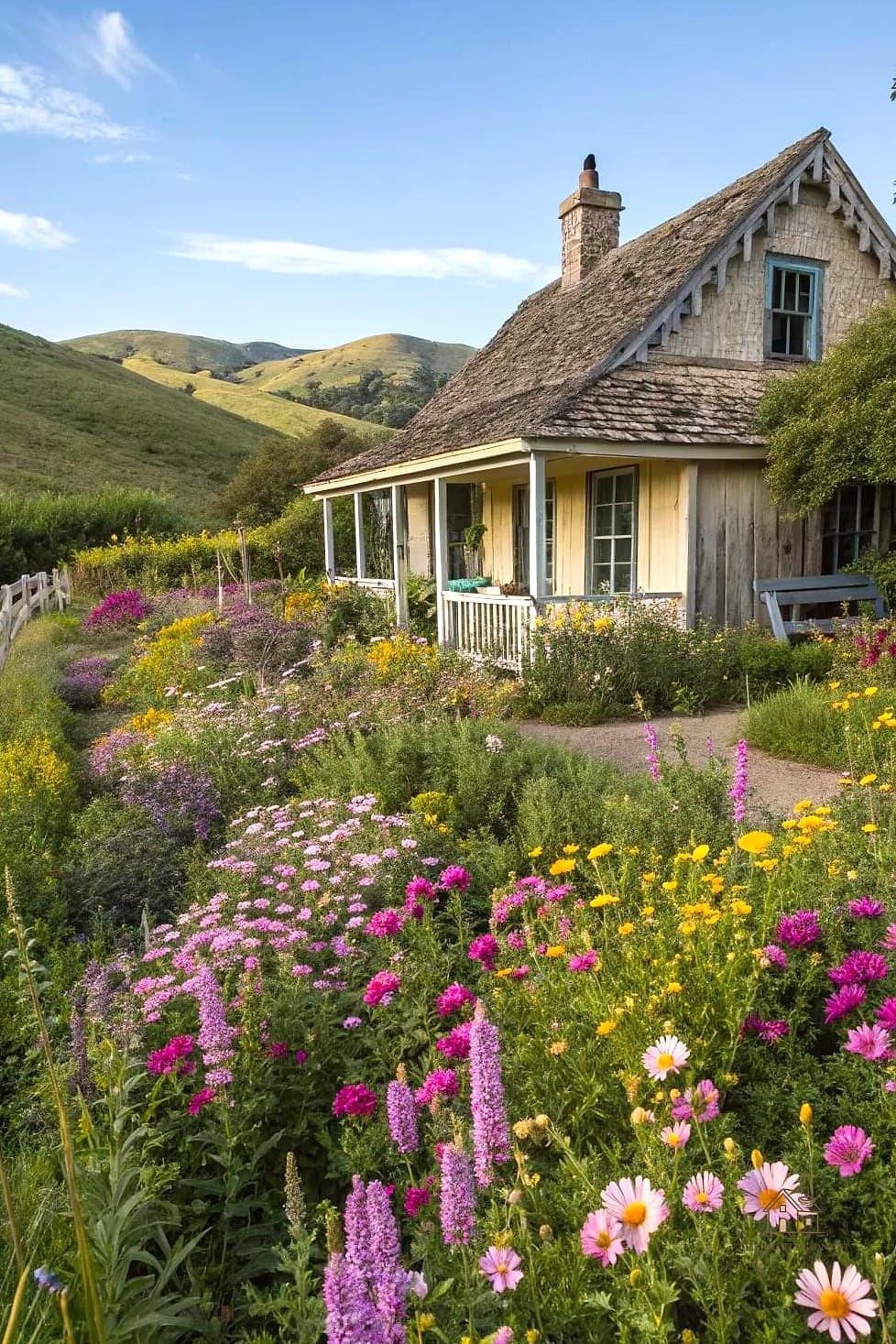
If you have extra space, consider letting a section grow into a semi-wild wildflower patch instead of a manicured lawn. A mix of native wildflower seed creates a low-maintenance, pollinator-friendly area that still fits beautifully within the cottage garden aesthetic. Mow a path through it so it still feels intentional.
Add Climbing Clematis Alongside Roses
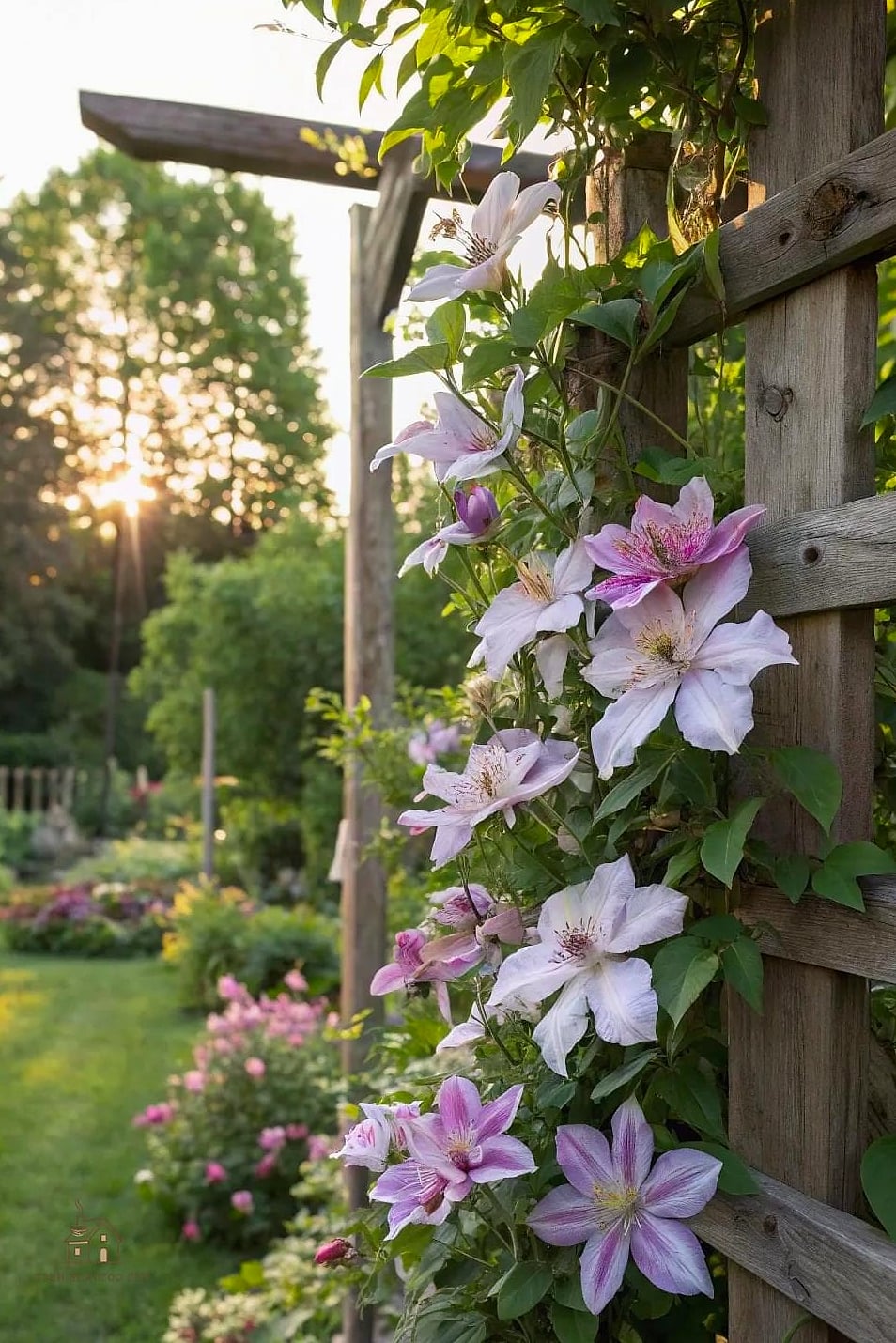
Pairing clematis with climbing roses on the same trellis or fence creates layered blooms and extends your color show since they often flower at slightly different times. This combination is a classic cottage garden pairing for good reason. Just make sure both plants get enough sun and consistent watering while established.
Use a Rustic Wattle Fence
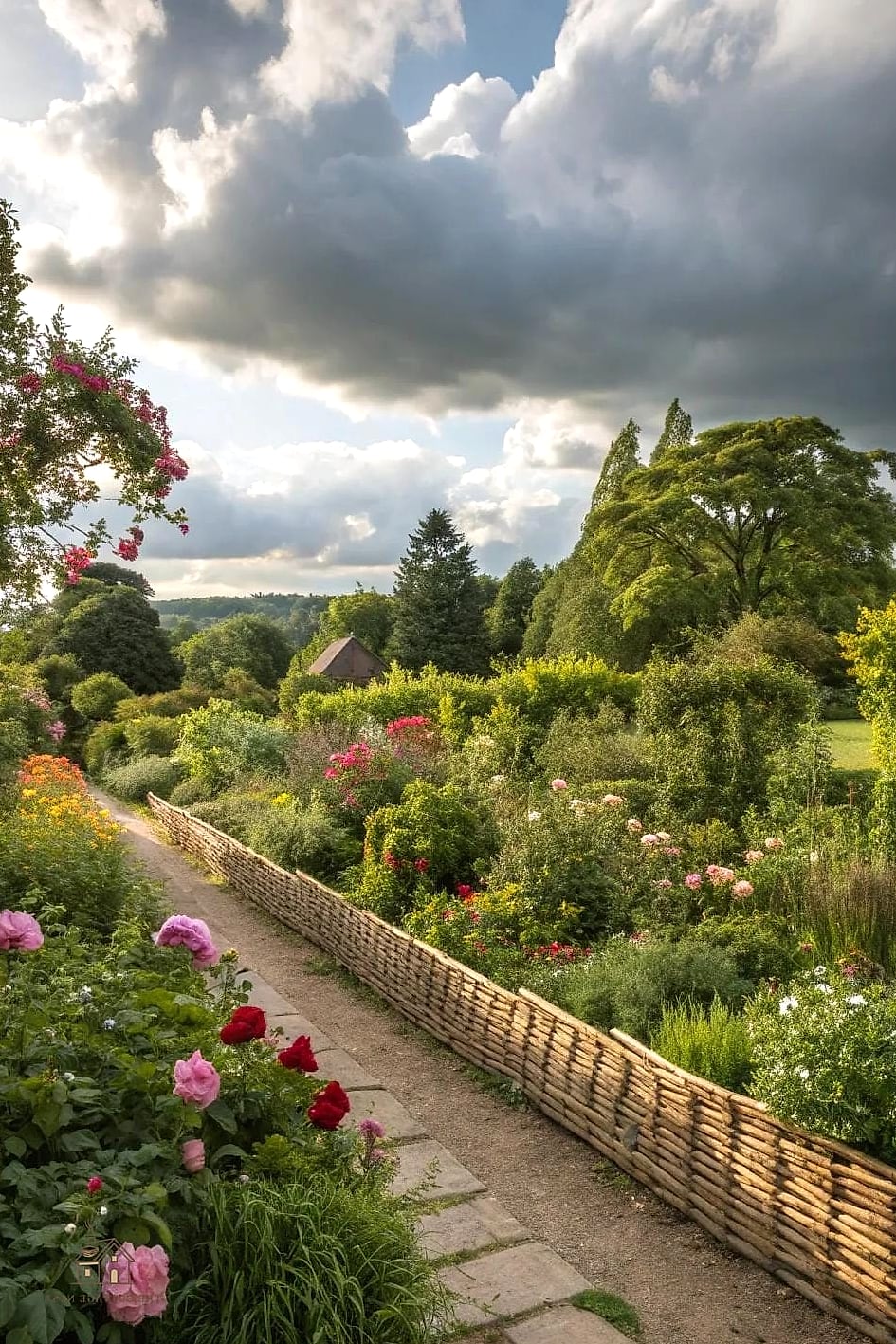
A wattle fence, woven from thin branches or willow, gives your garden edges a handmade, old-world feel that’s hard to replicate with any manufactured fencing. It’s a great DIY project if you have access to flexible branches. Even a short section used as a backdrop for a flower bed adds real character.
Plant Foxglove and Delphinium Together
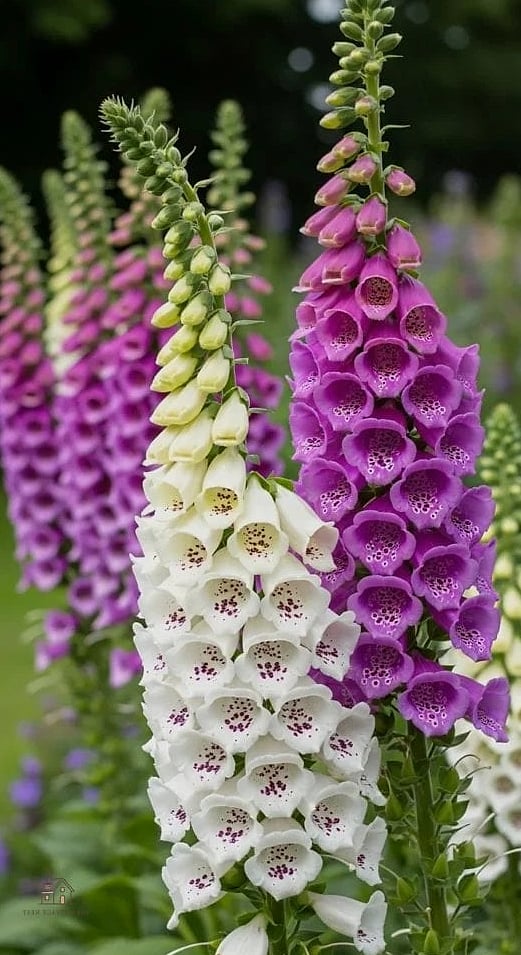
Combining these two tall bloomers creates a stunning wall of color in blues, purples, and pinks. They bloom around the same time and both thrive in similar conditions, making them an easy pairing for the back of a border. Stake taller delphinium varieties since they can get top-heavy in wind.
Add a Small Kitchen Garden Gate
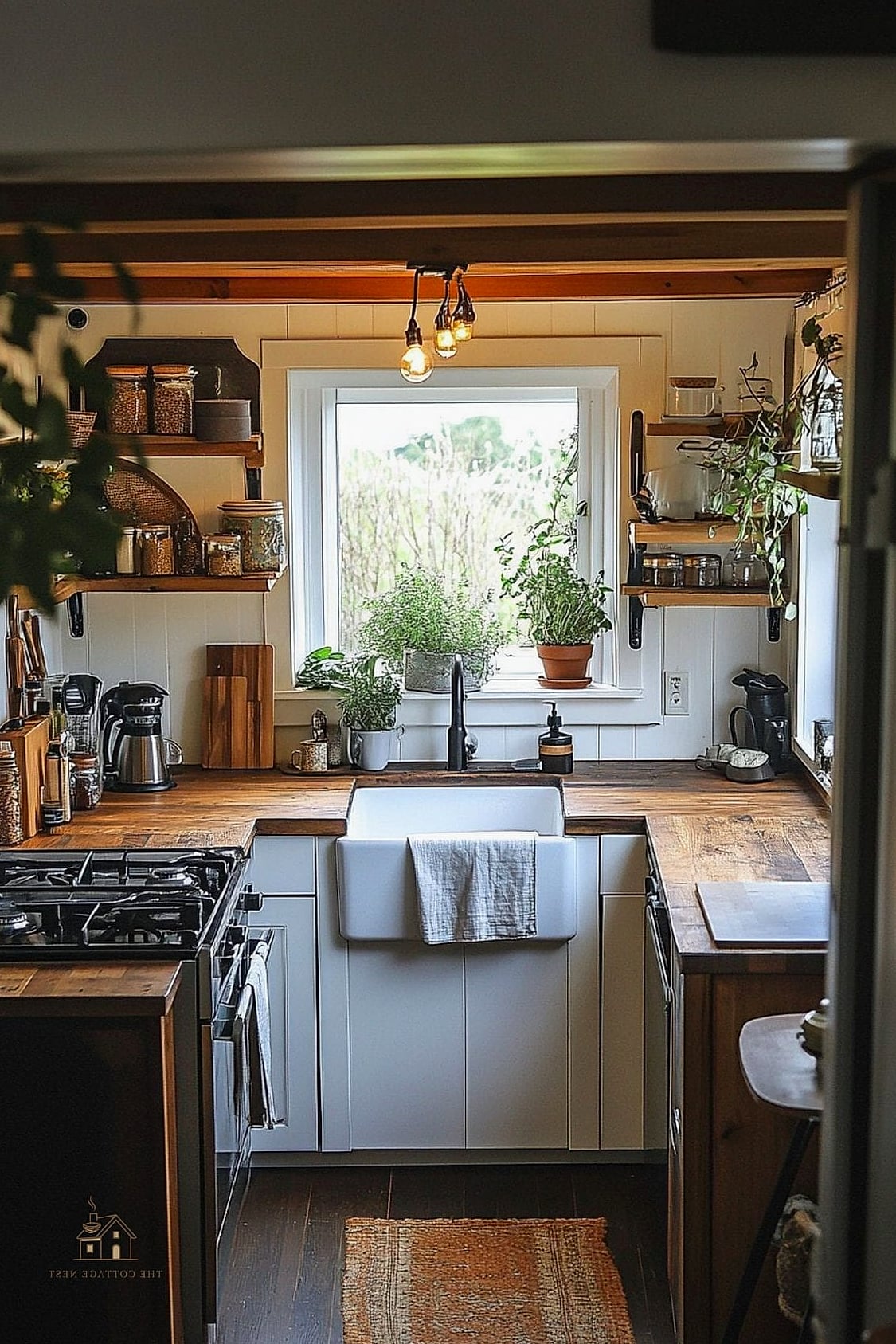
A simple gate, even a decorative one that doesn’t fully close off the space, adds a sense of entry and anticipation before you even step into the garden. Weathered wood or wrought iron both work well. Let a vine partially cover it for an even more storybook feel.
Use Layered Lighting for Evening Charm
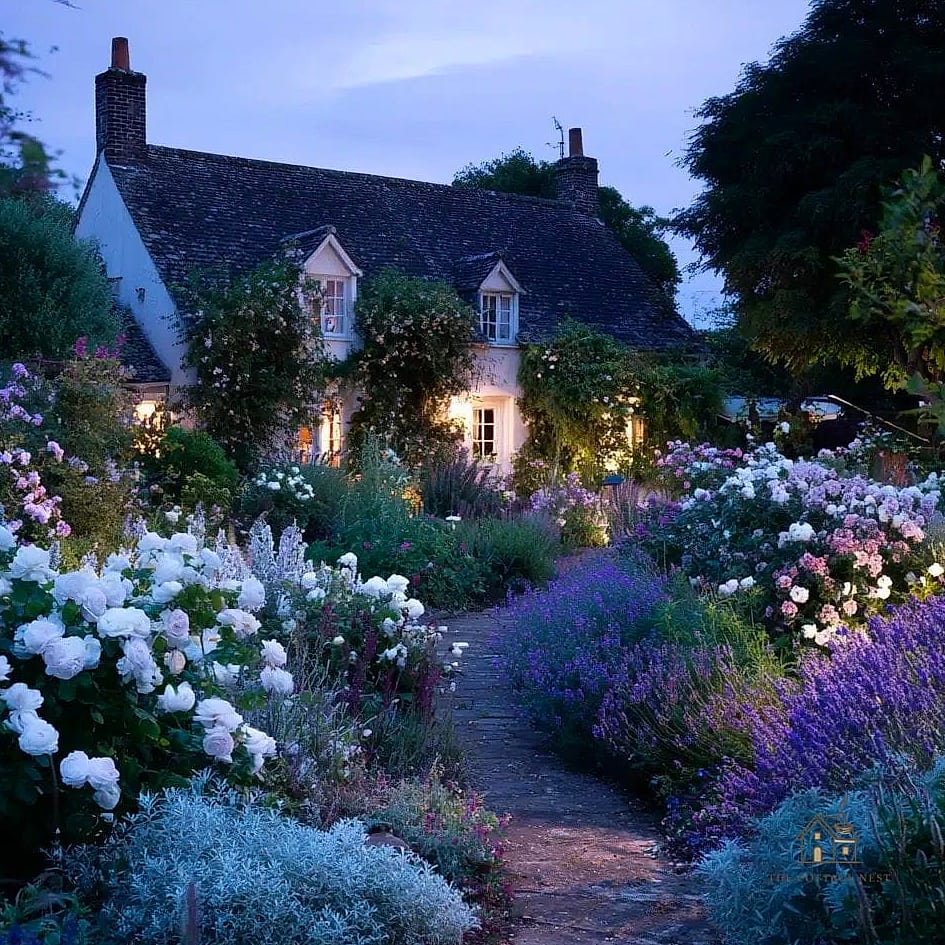
String lights woven through an arbor or draped along a fence extend how much you can enjoy the garden after sunset. Solar lanterns tucked among plants add a soft glow without any wiring needed. This layered approach, rather than one bright overhead light, keeps the mood soft and romantic.
Grow Climbing Nasturtiums for Easy Color
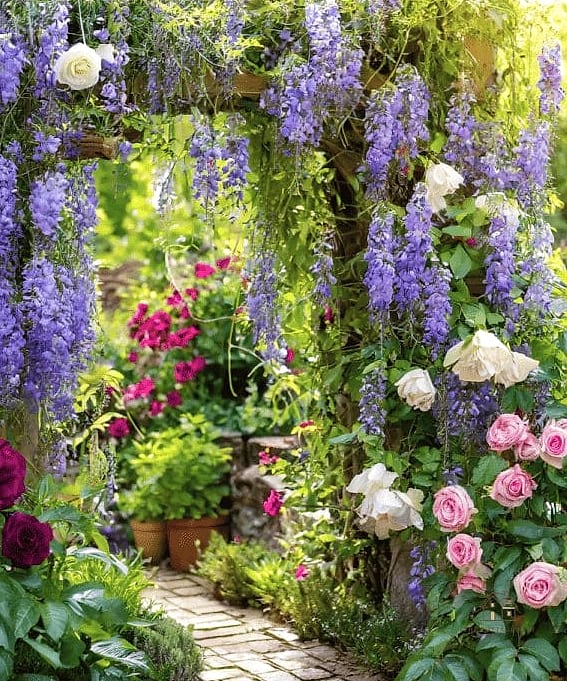
Nasturtiums are about as low-maintenance as flowering vines get, and they’re edible too, which is a fun bonus for a kitchen garden. They thrive in poor soil, which makes them a forgiving choice if your growing conditions aren’t ideal. Their round leaves and bright orange or yellow blooms add a cheerful, informal touch.
Add a Rustic Trellis Made From Branches
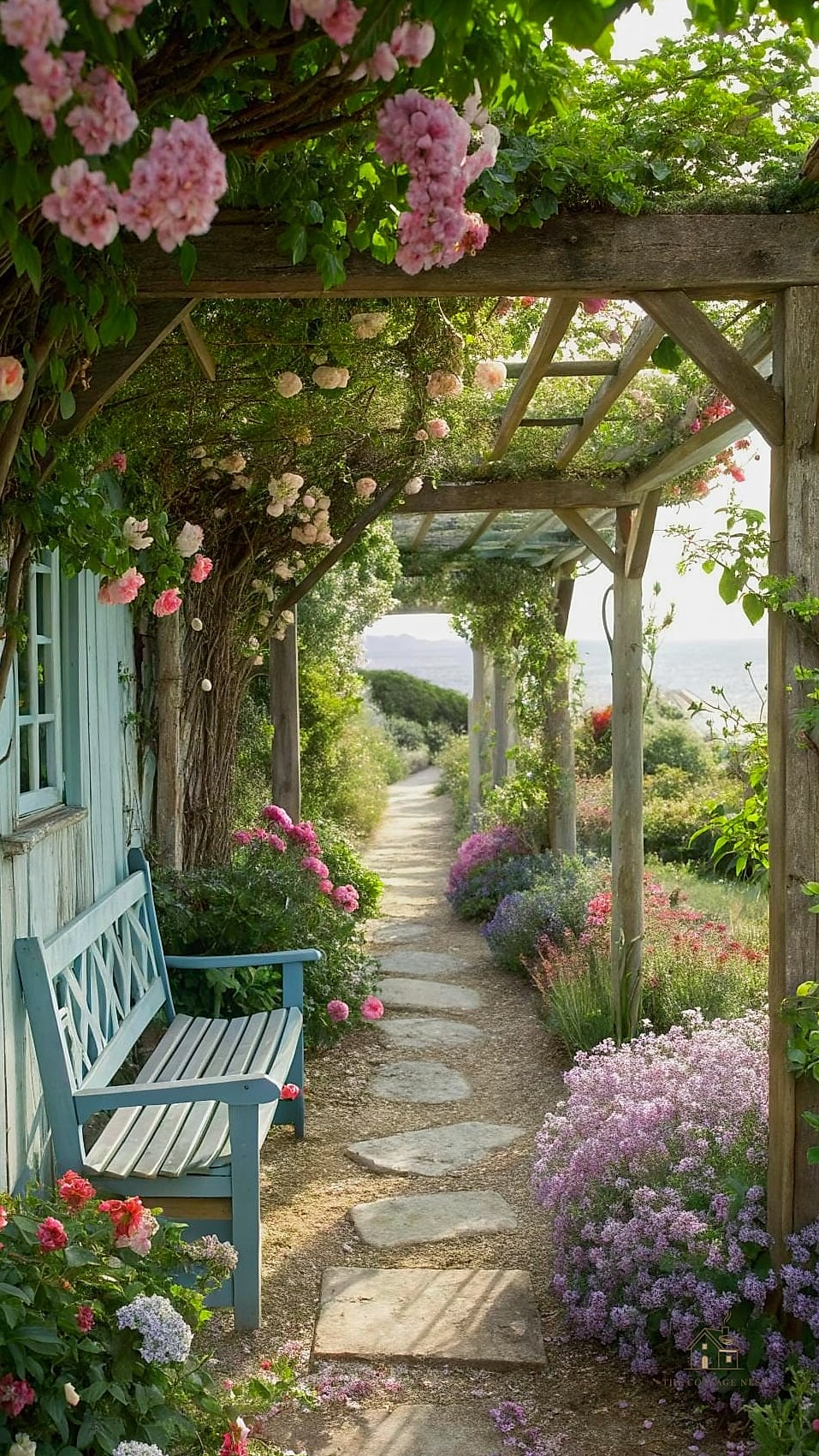
Instead of buying a manufactured trellis, build one from fallen branches or bamboo tied together. This DIY approach fits the handmade, gathered-over-time feel of a cottage garden much better than anything store-bought and polished. It’s also essentially free if you have access to branches in your yard.
Use Repeating Plant Groups for Cohesion
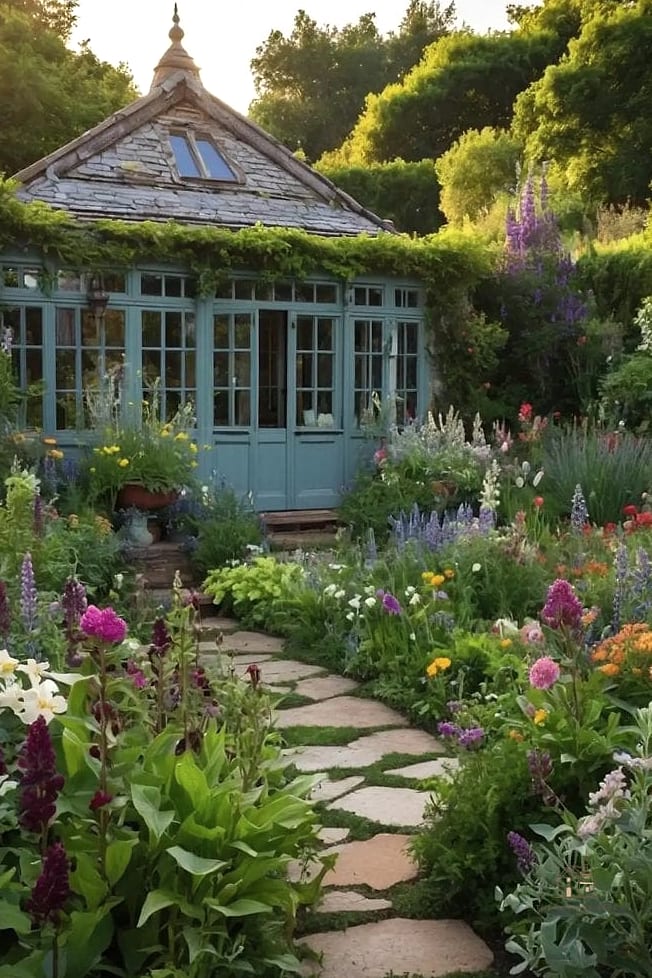
With so many different flowers in a cottage garden, it helps to repeat a few key plants throughout the space to tie everything together visually. Planting the same lavender or salvia in three or four spots creates rhythm without making the garden feel overly planned. This trick is used by professional garden designers for a reason.
Add a Cozy Seating Nook
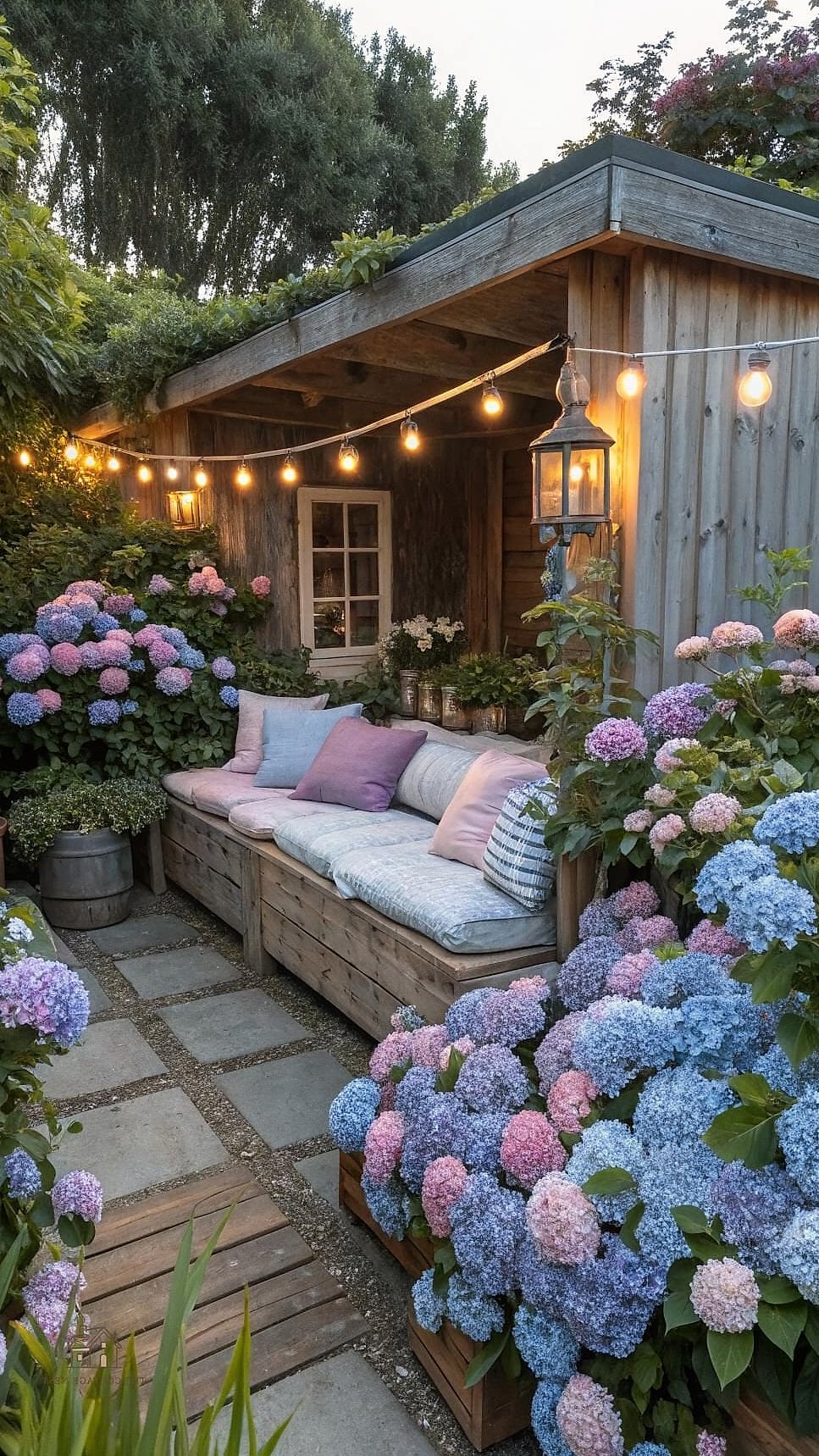
Carve out a small seating area within the garden itself, surrounded by plants rather than off to the side. Two chairs and a small side table tucked into a semi-enclosed spot feels intimate and inviting. It’s a lovely spot for morning coffee surrounded by all that greenery and bloom.
Grow Climbing Honeysuckle for Fragrance
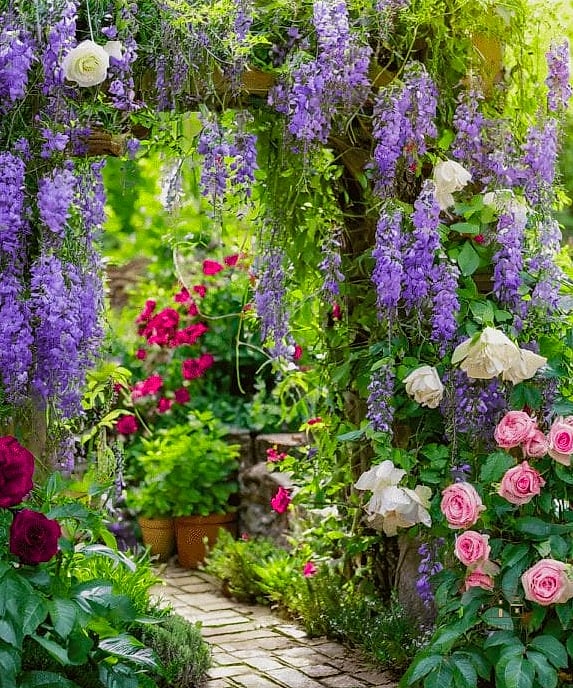
Honeysuckle is one of the most fragrant climbers you can add, especially in the evening when the scent really carries. It attracts hummingbirds and pollinators while covering fences or trellises fairly quickly once established. Choose a non-invasive variety suited to your region so it doesn’t take over more than intended.
Use Antique Garden Ornaments
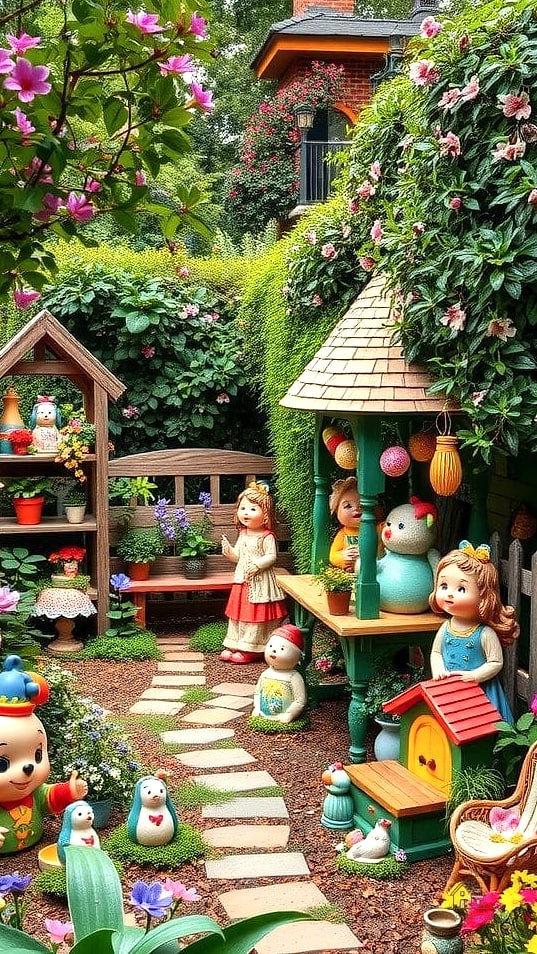
A weathered urn, an old sundial, or a small statue tucked among the plantings adds a sense of history, even if the piece isn’t actually old. Salvage yards and antique shops are great sources for these finds. Place them so they’re partially hidden by foliage rather than front and center.
Plant a Border of Catmint
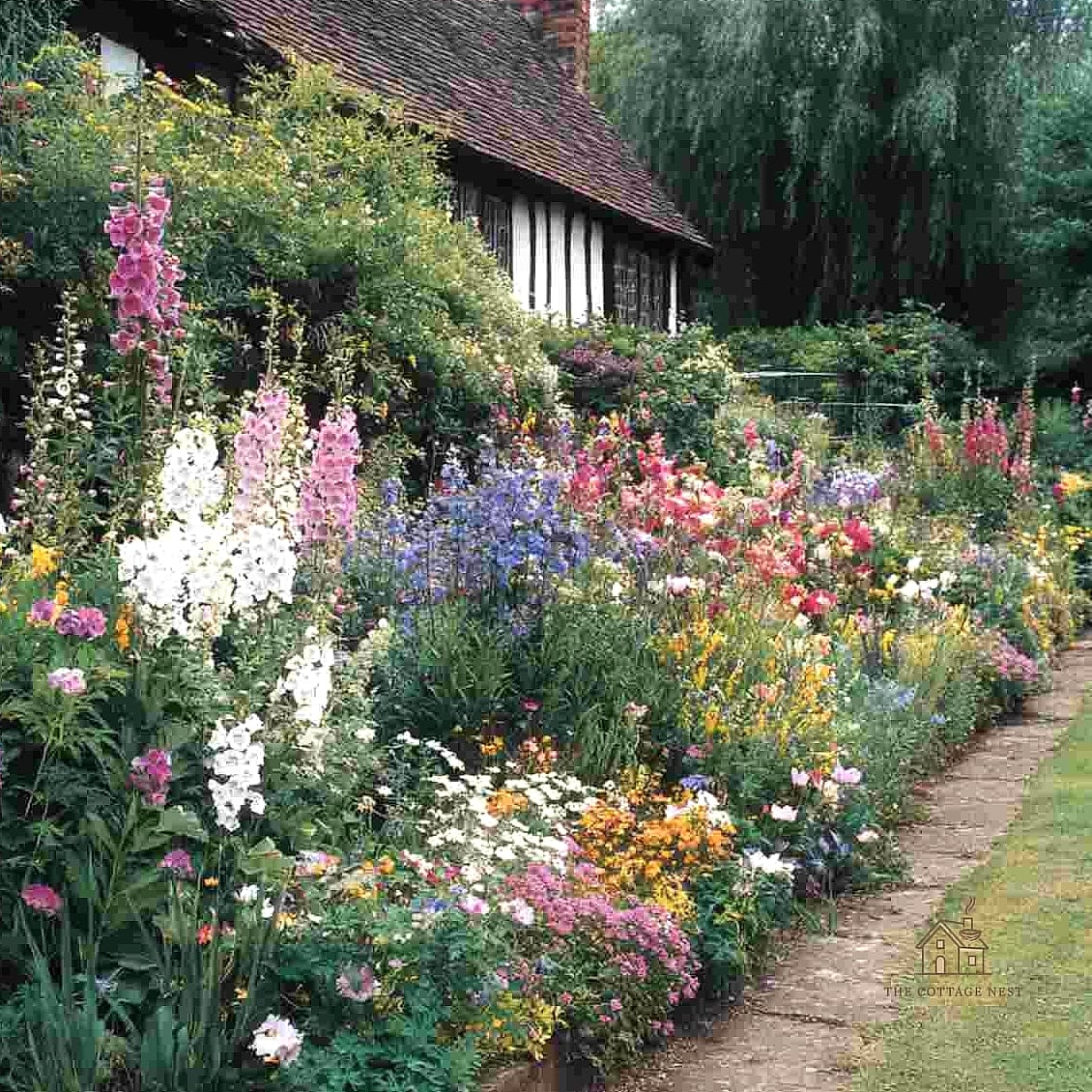
Catmint is a workhorse plant that blooms for months, tolerates heat and drought well, and gives that soft, silvery-purple edging that looks great along paths or bed borders. Bees adore it, and it requires very little maintenance once established. Trimming it back after the first flush of blooms encourages a second round.
End With a Fragrant Herb Path Border
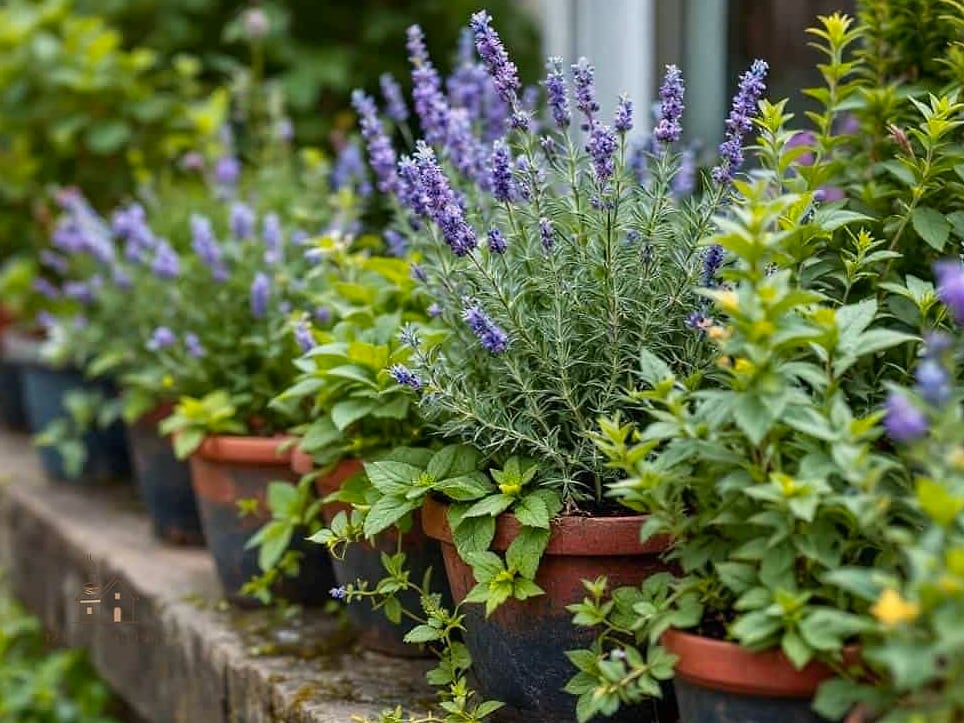
Line your main path with low-growing, fragrant herbs like creeping thyme or chamomile. Every time someone brushes past or steps near them, they release a lovely scent into the air. This small detail makes the whole garden feel more immersive and adds one more layer to the sensory experience of walking through it.
There you have it, 35 ways to bring that relaxed, romantic cottage garden feeling into your own yard. You don’t need to use all of them at once. Even picking five or six that fit your space and climate will get you well on your way to that lush, gathered-over-time look everyone loves.