50 Beautiful Garden Border Ideas to Transform Your Space
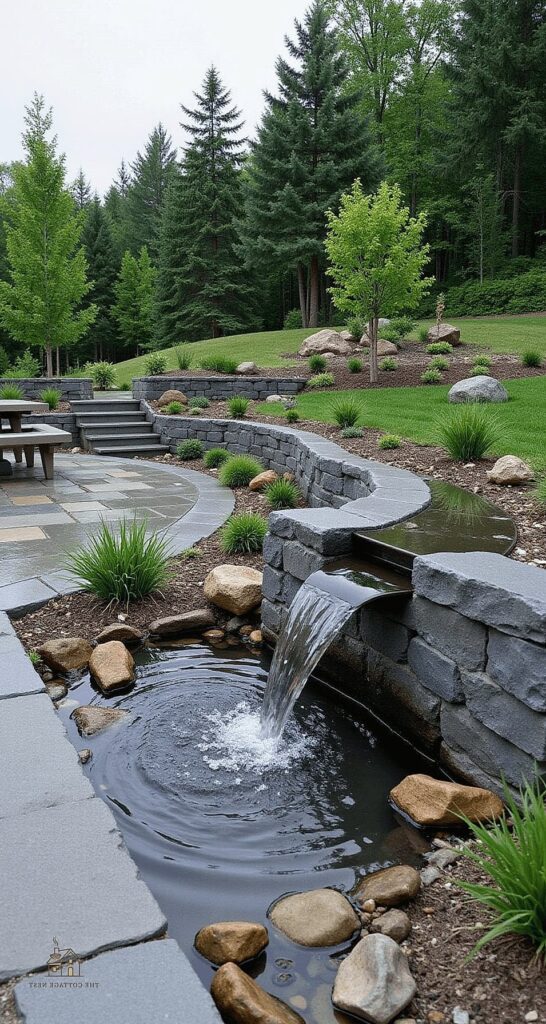
- Classic Brick Border
- Natural Fieldstone Edging
- Scalloped Concrete Edging
- Steel Landscape Edging
- Boxwood Hedge Border
- River Rock Border
- Wood Log Edging
- Corten Steel Border
- Lavender Border
- Painted Wine Bottle Border
- Woven Willow Edging
- Gravel Border Strip
- Terracotta Pot Border
- Dry Stack Stone Wall Border
- Brick-on-Edge Border
- Hosta Border
- Recycled Rubber Edging
- Herb Border
- Slate Chip Border
- Picket Fence Border
- Cinder Block Planter Border
- Marigold Border
- Copper Edging Strip
- Brick Rowlock Border
- Succulent Border
- Painted Rock Border
- Ornamental Grass Border
- Composite Decking Edging
- Brick Herringbone Border
- Moss Rock Border
- PVC Border Edging
- Daylily Border
- Railroad Tie Border
- Seashell Border
- Boulders as Border Accents
- Brick Basket Weave Border
- Dwarf Alberta Spruce Border
- Broken Tile Mosaic Border
- Aluminum Landscape Edging
- Boxwood Ball Border
- Crushed Oyster Shell Border
- Vertical Log Border
- Brick and Grass Checkerboard Border
- Iris Border
- Chicken Wire and Stone Gabion Border
- Groundcover Border
- Painted Cinder Block Alphabet Border
- Bamboo Fence Border
- Brick Border with Solar Lights
- Layered Mixed-Material Border
50 Beautiful Garden Border Ideas to Transform Your Space
If your garden beds feel a little unfinished, a well-planned border might be exactly what’s missing. Borders do more than mark the edge of a flower bed. They add structure, keep mulch and soil where it belongs, and give your whole yard a more polished look. Whether you’re working with a tight budget or ready to splurge on natural stone, there’s a border style here that fits your space. Let’s walk through 50 beautiful garden border ideas to transform your space, from classic brick to modern metal edging.
Classic Brick Border
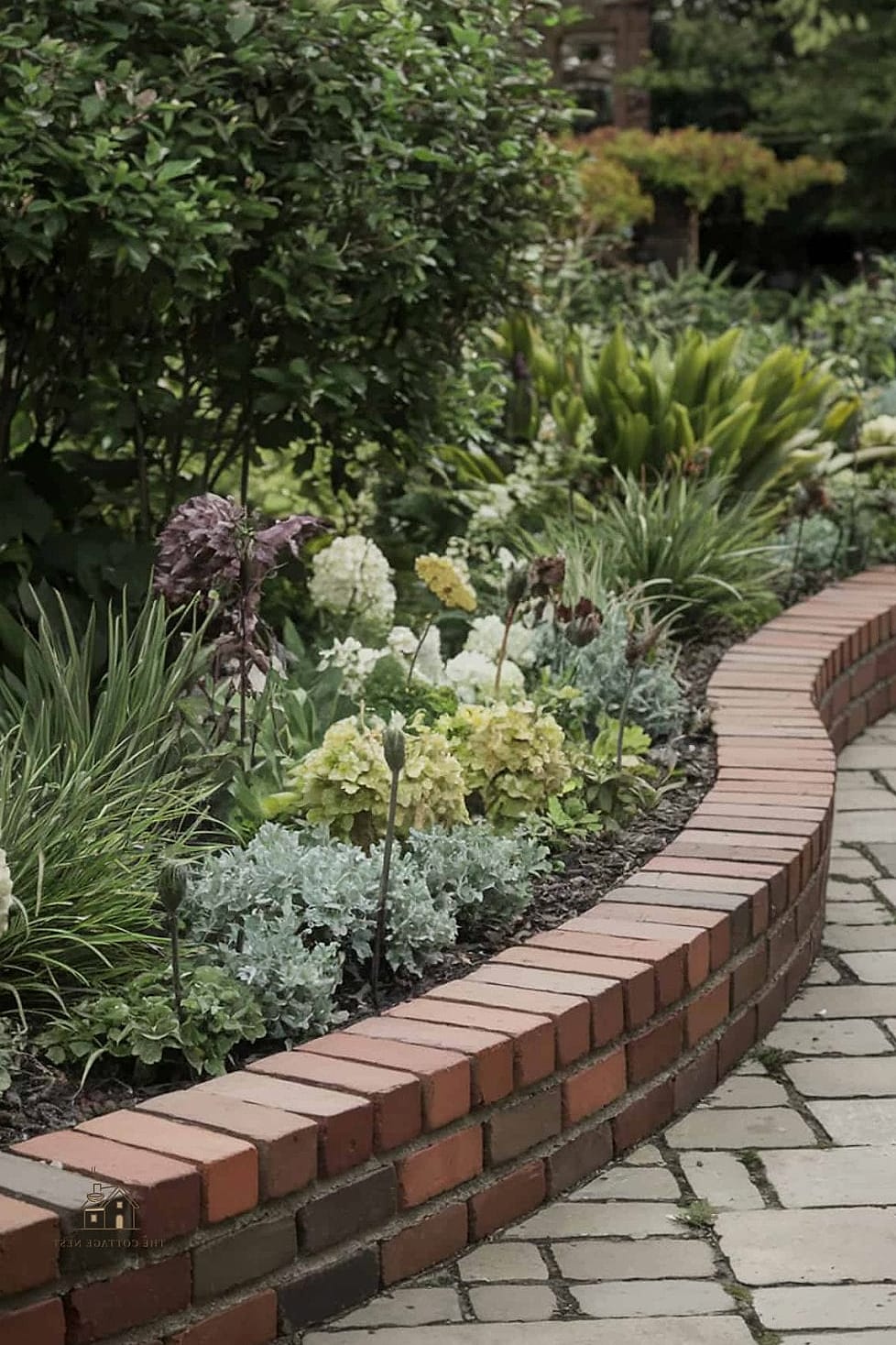
Laid in a simple row or angled for a sawtooth look, brick borders bring old-world charm to cottage and traditional gardens alike. They’re sturdy, weather-resistant, and easy to find at most hardware stores. Reclaimed brick adds even more character if you don’t mind a little extra searching.
Natural Fieldstone Edging
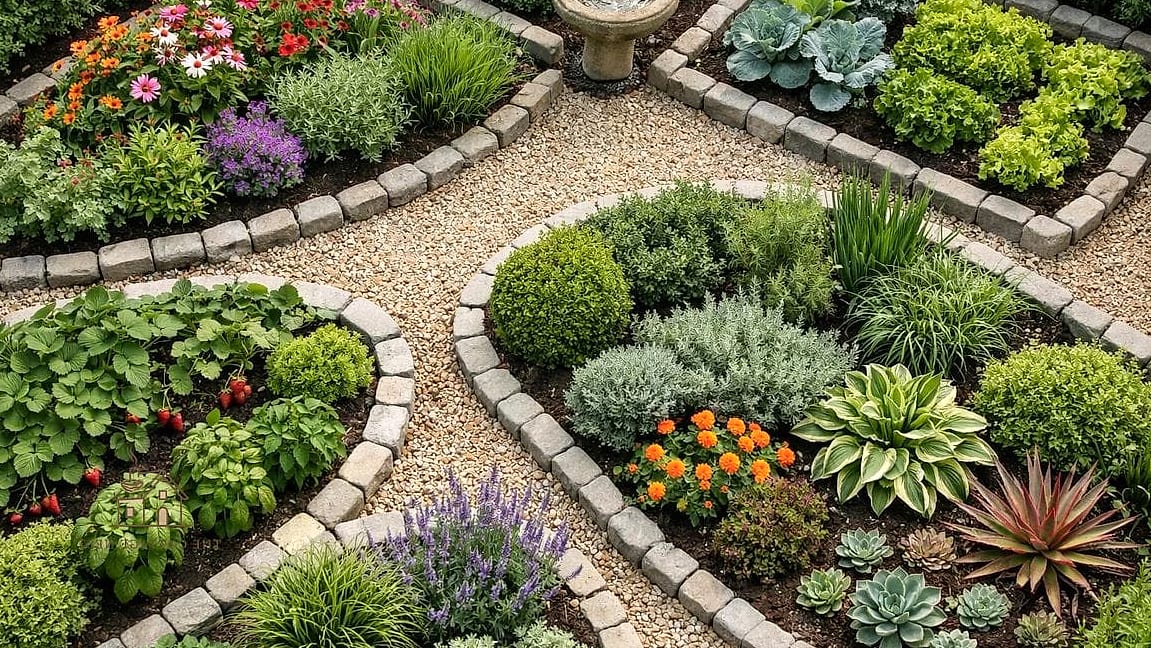
Uneven, rustic fieldstone gives beds an organic feel that fits right into woodland or farmhouse-style yards. No two stones look alike, so every border ends up one-of-a-kind. It’s heavier to install but virtually maintenance-free once it’s in place.
Scalloped Concrete Edging
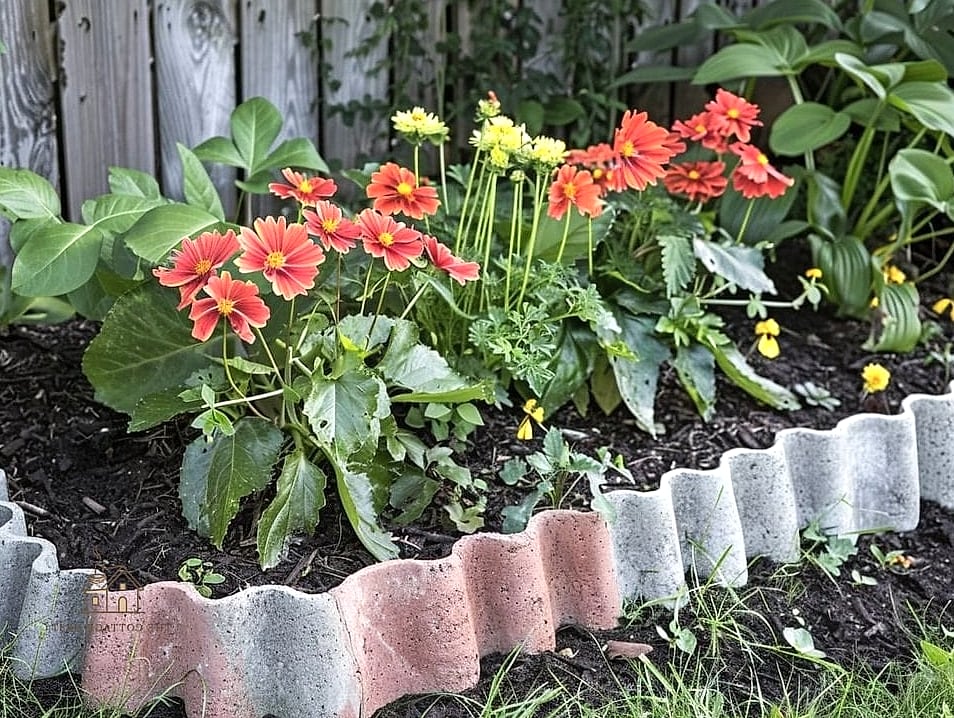
Those wavy concrete pieces you see at garden centers are inexpensive and genuinely easy for beginners to install. They create soft, rounded lines that soften sharp corners in a yard. Paint them a fresh white for a crisp, cottage-style pop.
Steel Landscape Edging
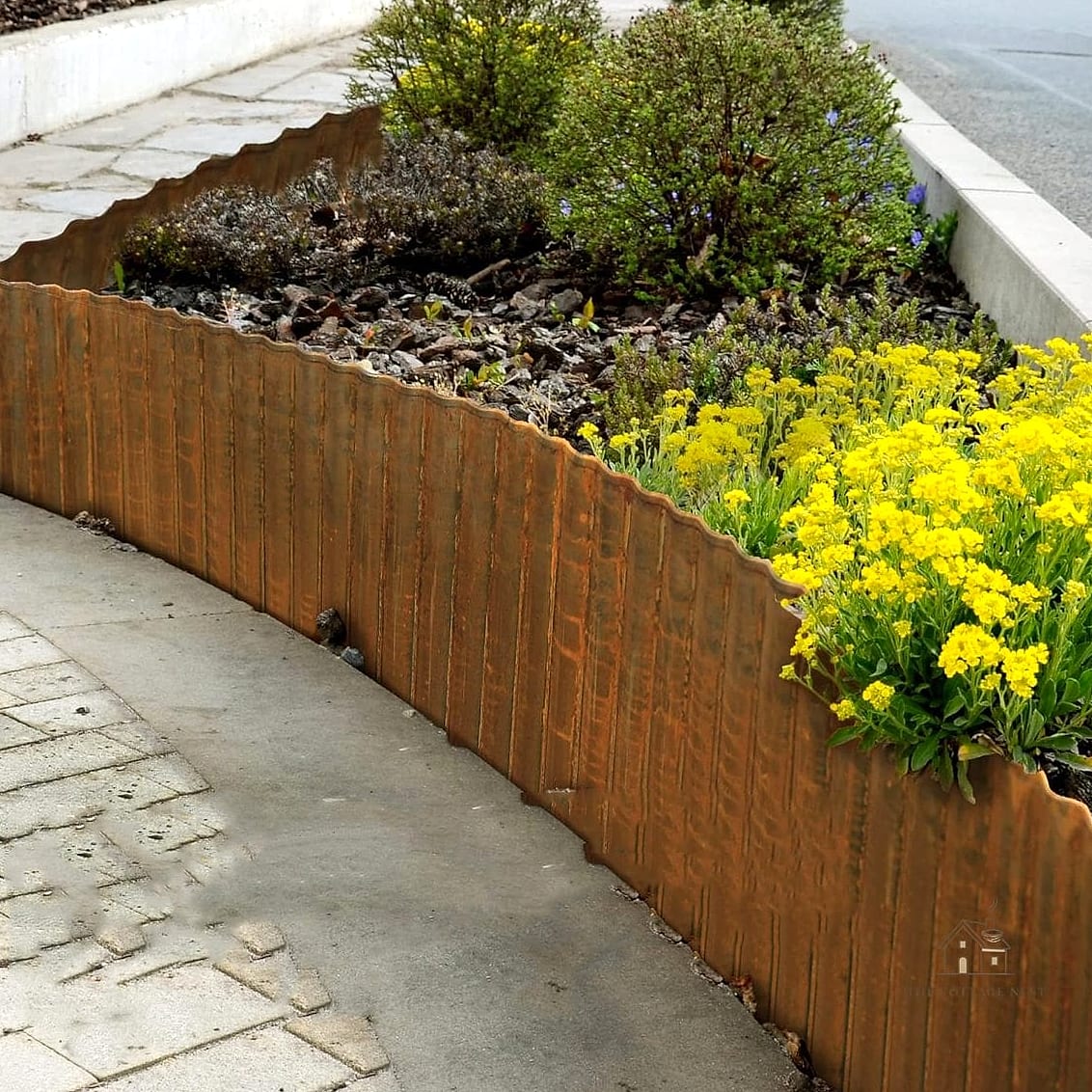
Thin steel strips create a nearly invisible border that lets the plants do the talking. It’s a favorite among modern and minimalist landscapers because it disappears into the soil line. Steel also holds a curve better than almost any other material.
Boxwood Hedge Border
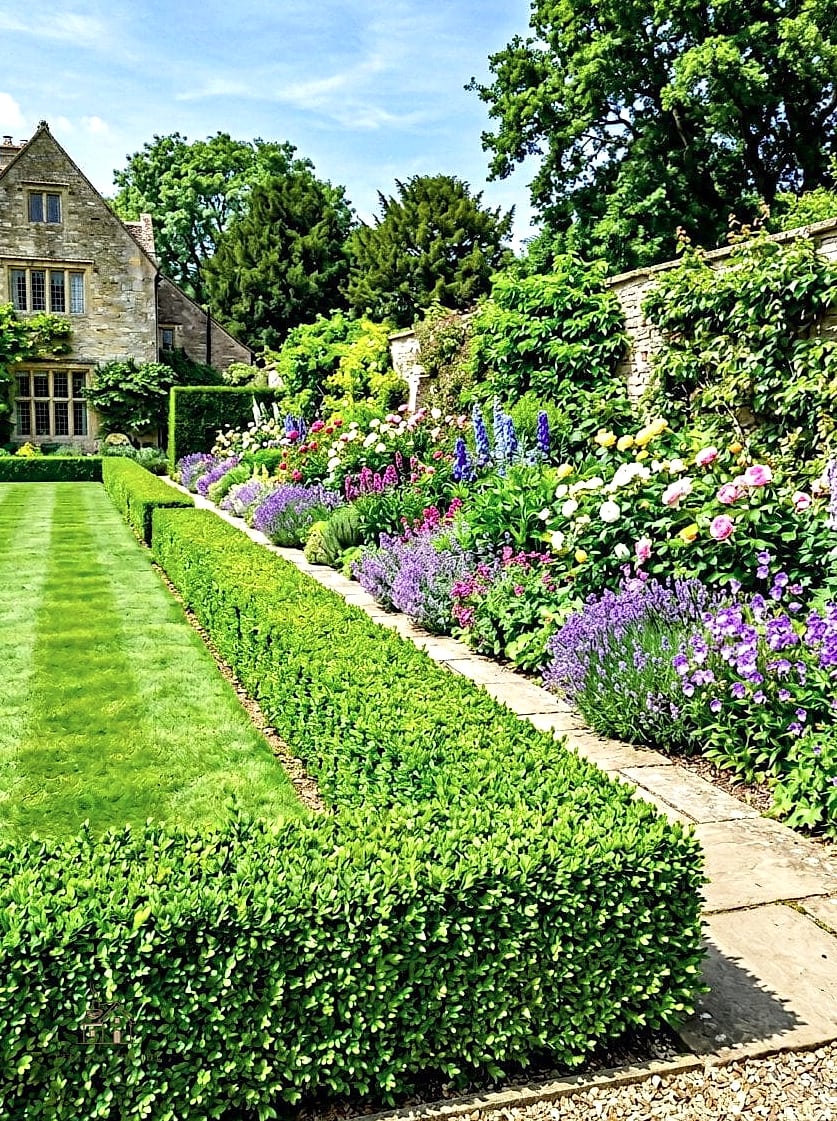
Nothing says formal garden quite like a neatly trimmed boxwood hedge. It works beautifully along walkways and around rose beds. Just plan on trimming it a couple times a season to keep those clean lines.
River Rock Border
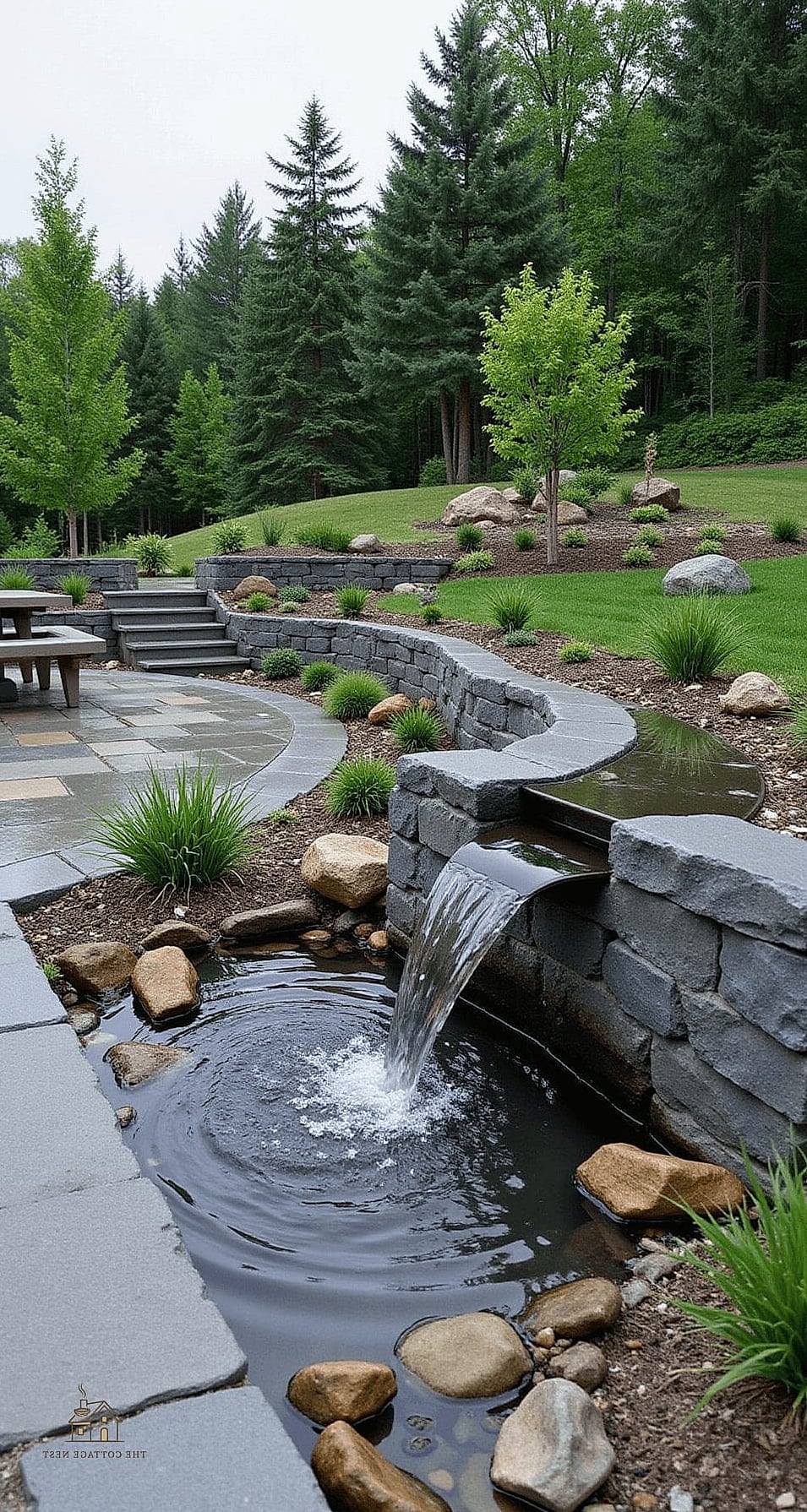
Smooth, rounded river rocks make a low-maintenance edge that also helps with drainage. They pair nicely with xeriscaped or drought-tolerant gardens. Choose a mix of sizes for a more natural, less uniform look.
Wood Log Edging
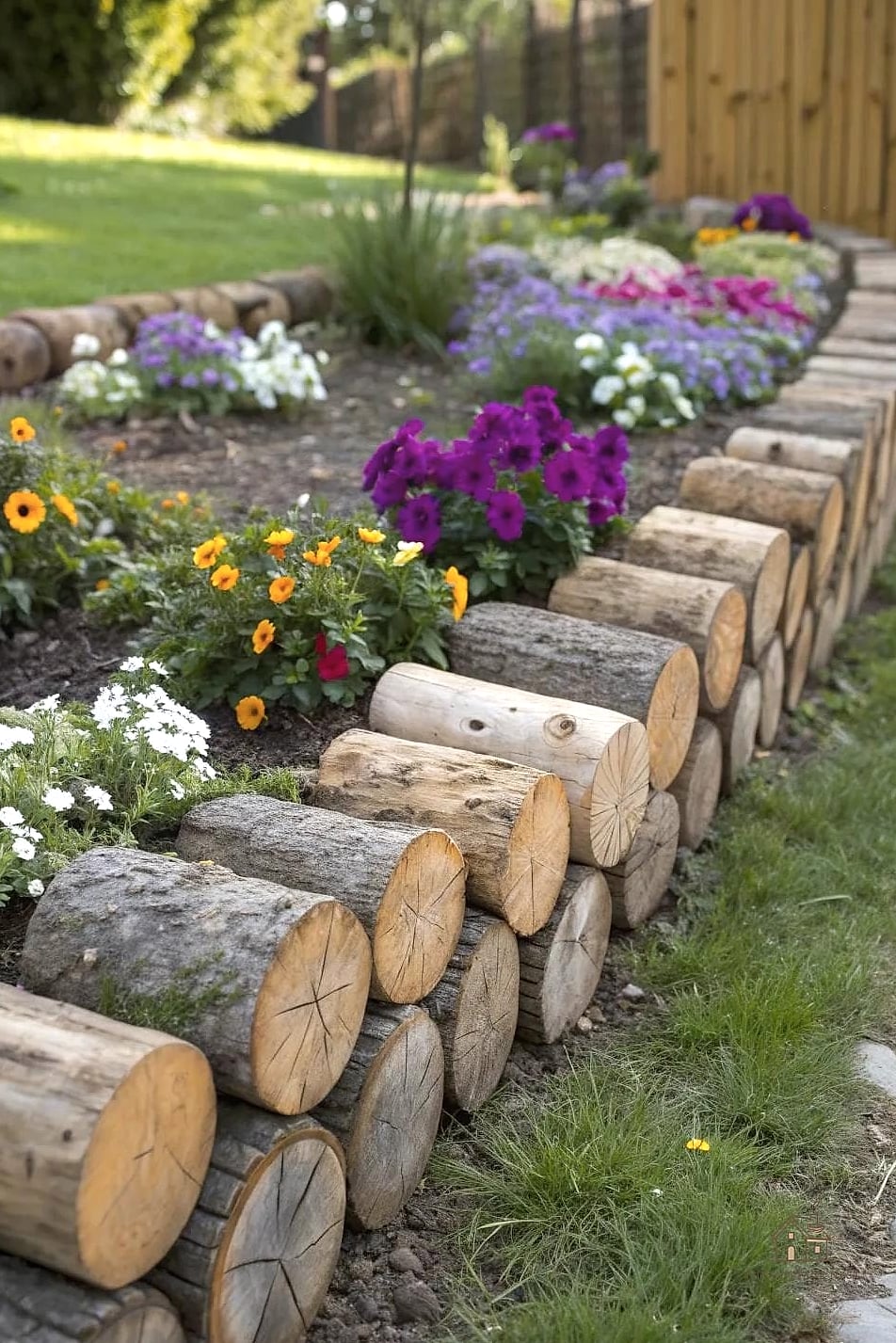
Half-buried logs or landscape timbers give beds a woodsy, cabin-inspired feel. This is a great budget-friendly option if you have access to fallen branches or leftover lumber. Just know untreated wood will need replacing every several years.
Corten Steel Border
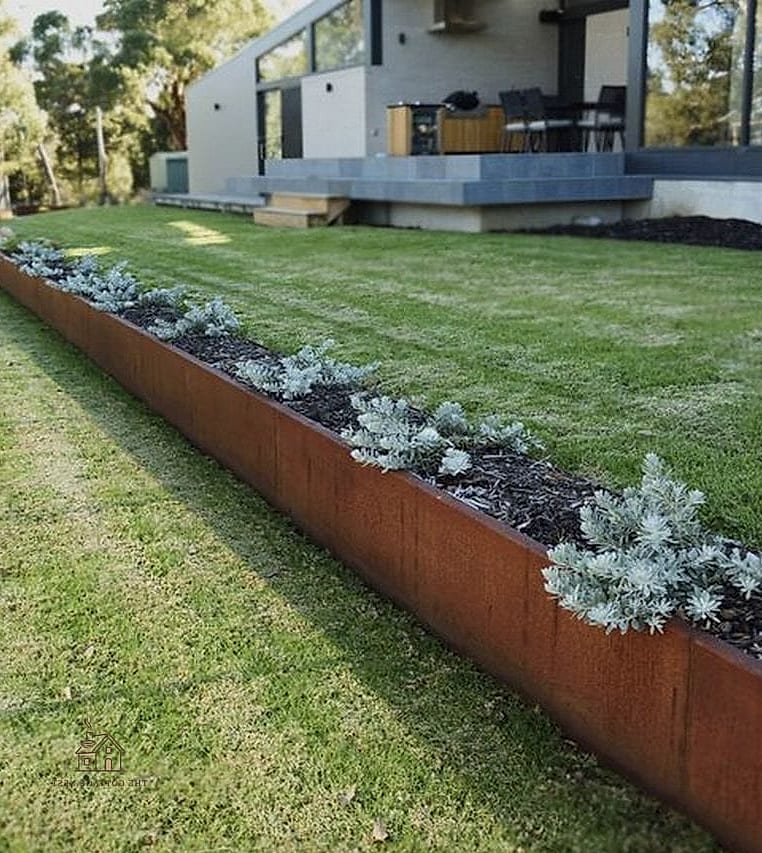
This rusted-look steel edging has become a favorite in contemporary garden design. The warm orange patina contrasts beautifully with green foliage and gray gravel. It’s pricier than basic steel but holds its shape for decades.
Lavender Border
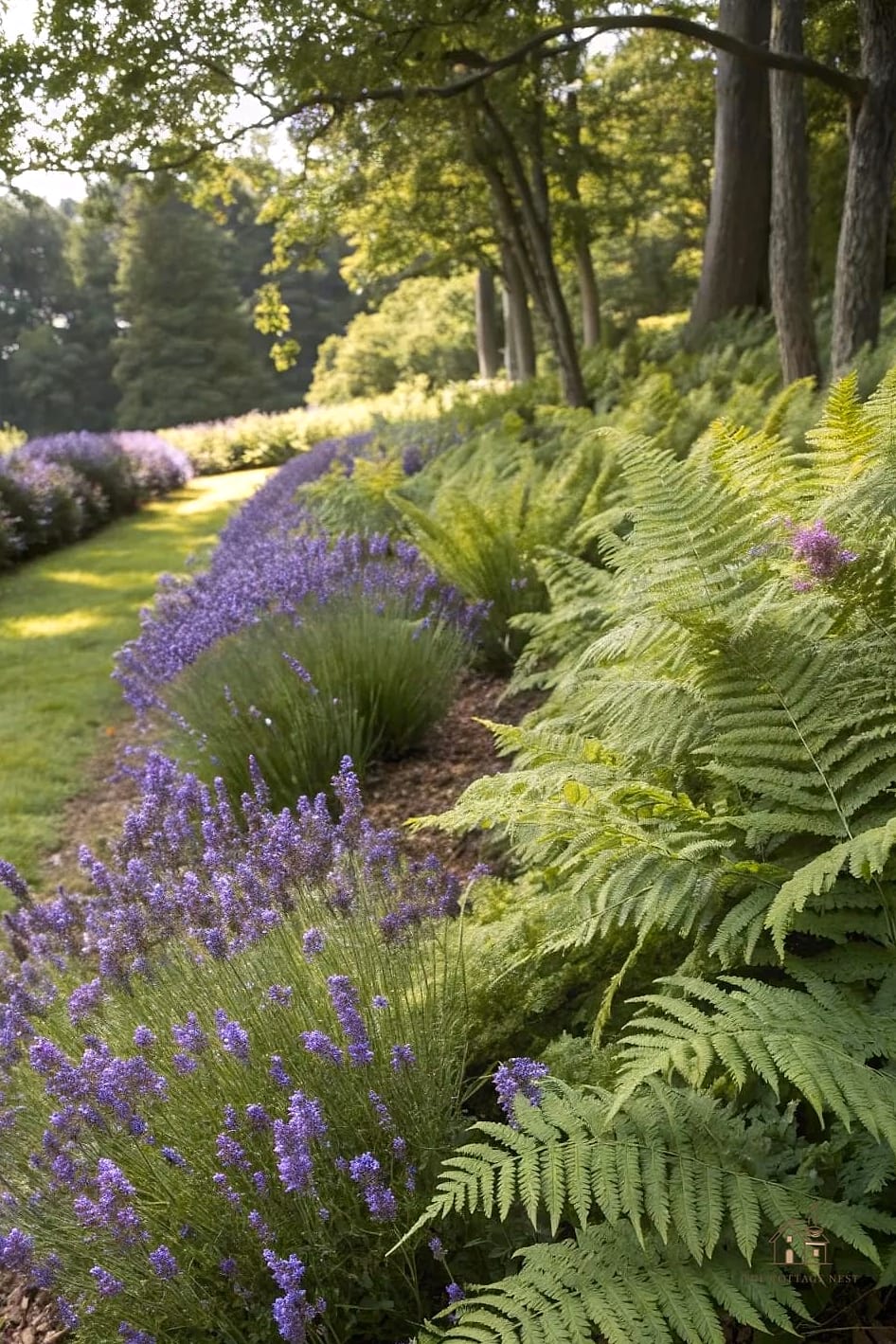
Planting a low row of lavender along a path does double duty as a border and a fragrance boost every time you brush past it. Bees and butterflies love it too. It thrives in sunny, well-drained spots and needs very little water once established.
Painted Wine Bottle Border
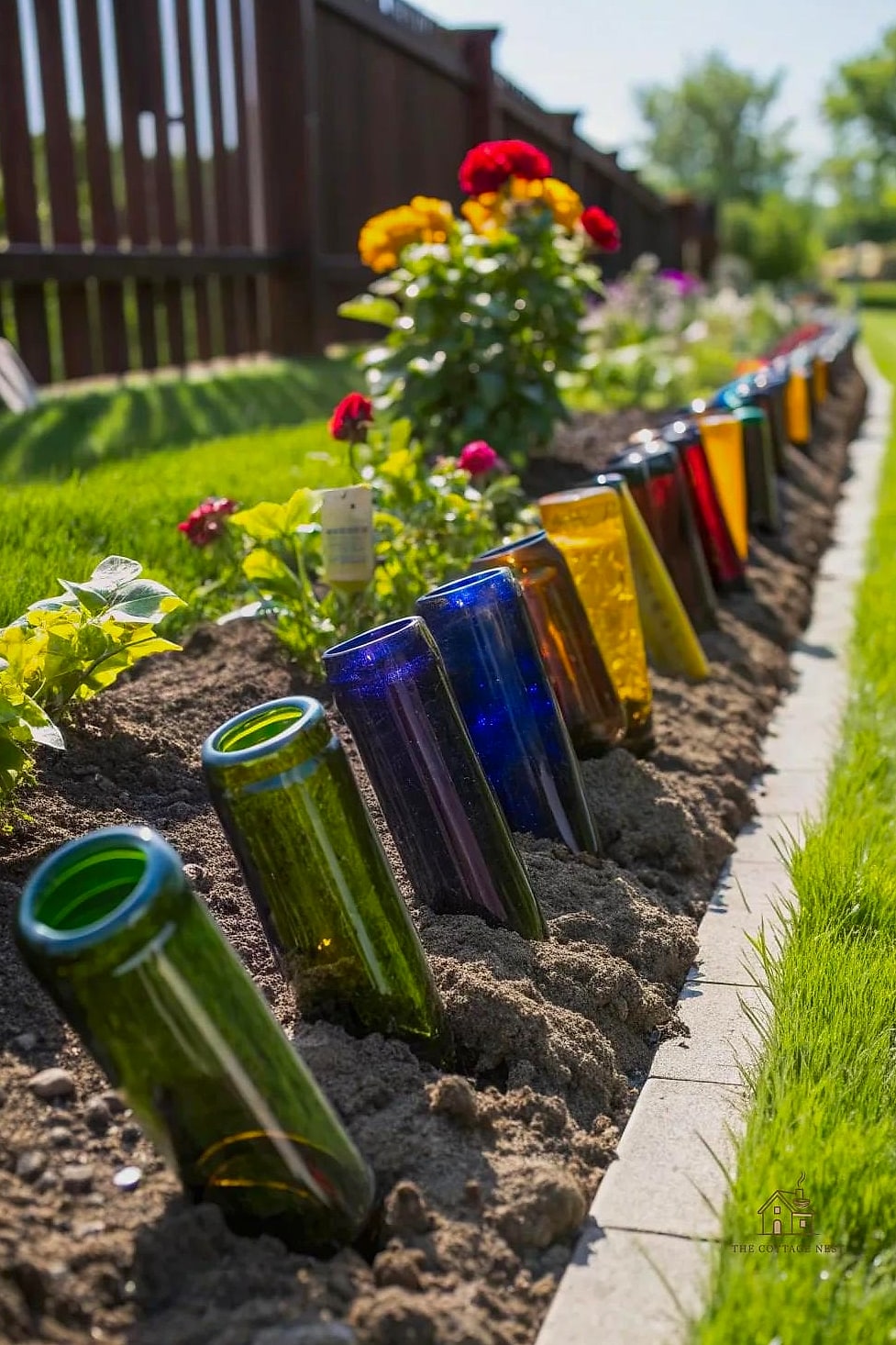
Upside-down bottles pushed into the soil create a whimsical, budget-friendly edge that’s become a popular upcycling project. Mix colors for a playful look or stick to clear glass for something subtler. It’s a fun weekend DIY with materials you probably already have.
Woven Willow Edging
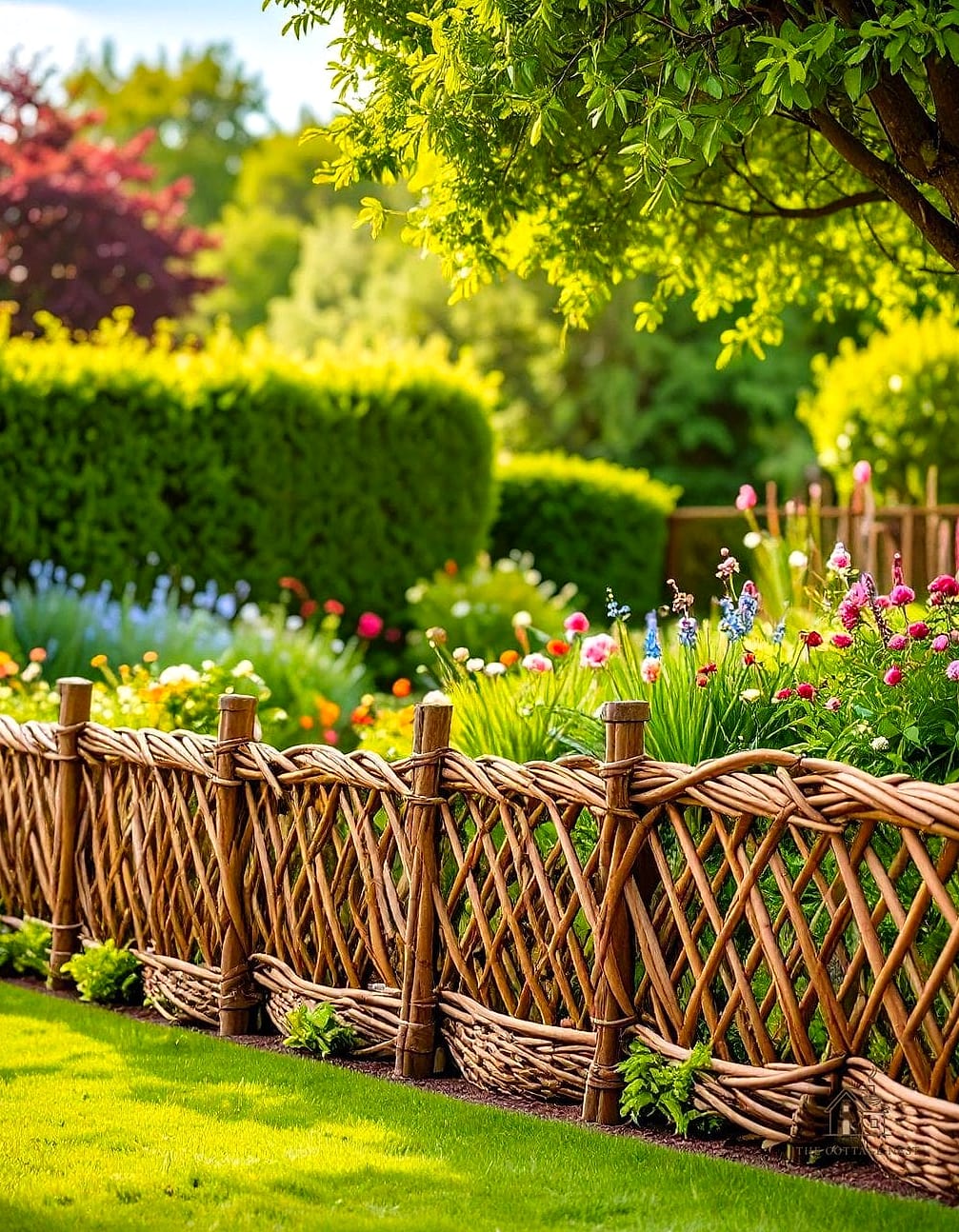
Flexible willow branches woven into low fencing give beds a cottage-garden, handmade quality. It’s biodegradable, so expect to refresh it every few seasons. Many gardeners actually like that it slowly becomes part of the compost.
Gravel Border Strip
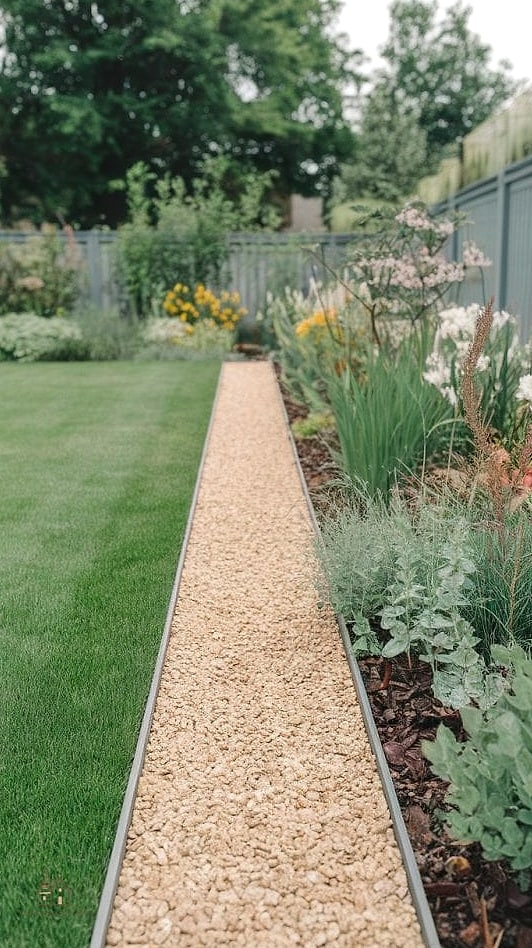
A simple strip of pea gravel between lawn and flower bed creates a clean transition and cuts down on grass creeping into your plantings. It also helps with drainage after heavy rain. Pair it with metal or plastic edging underneath to keep the gravel contained.
Terracotta Pot Border
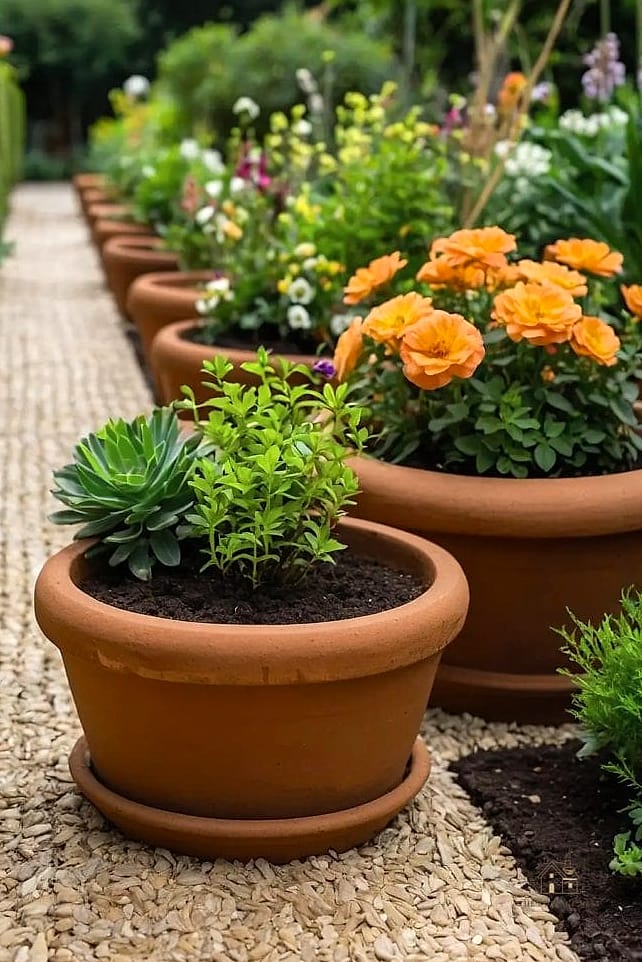
Lining a bed with small terracotta pots, either planted or empty and inverted, adds warmth and a Mediterranean feel. It’s an easy, no-dig option for renters. Just bring the pots indoors before winter if you’re in a freeze-prone climate.
Dry Stack Stone Wall Border
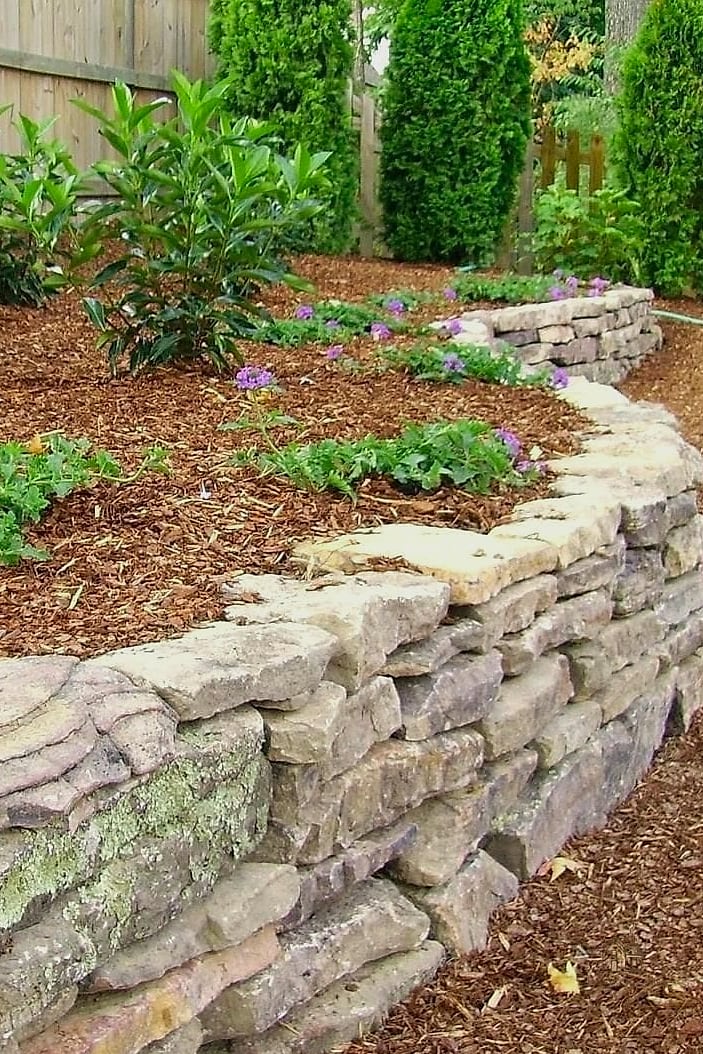
For beds with a slight elevation change, a low dry stack stone wall functions as both a border and a retaining structure. It’s a bigger project but adds serious curb appeal. Local stone keeps it feeling connected to the rest of the landscape.
Brick-on-Edge Border
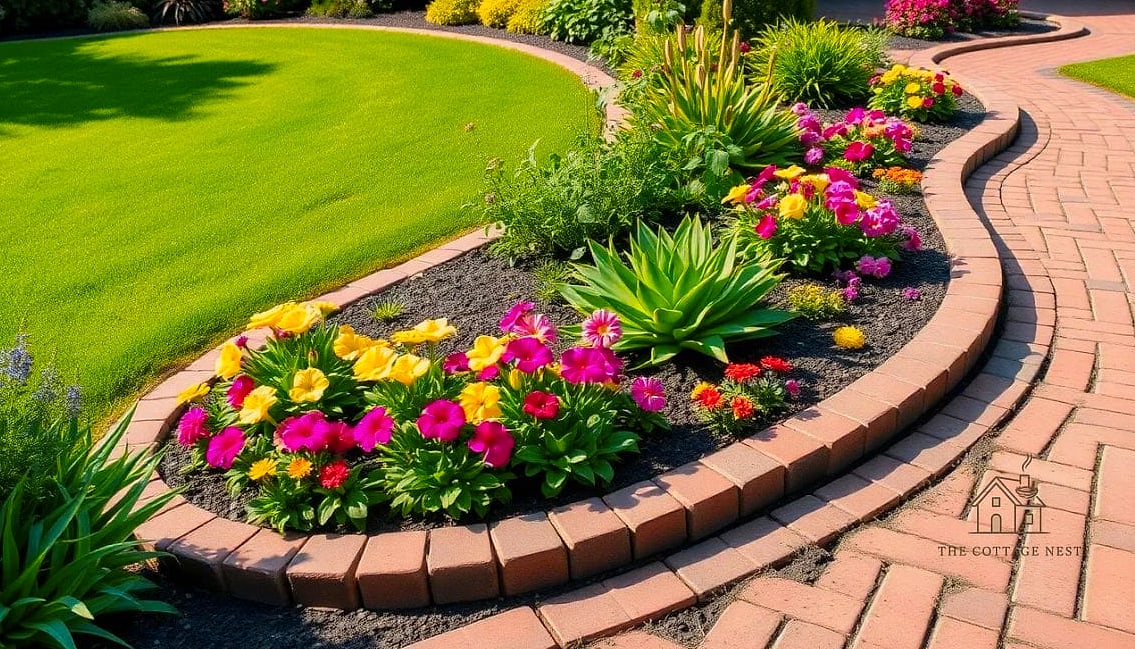
Instead of laying bricks flat, standing them on their narrow edge at an angle creates a classic sawtooth pattern that’s instantly recognizable in traditional gardens. It requires a bit more brick per foot but looks incredibly polished.
Hosta Border
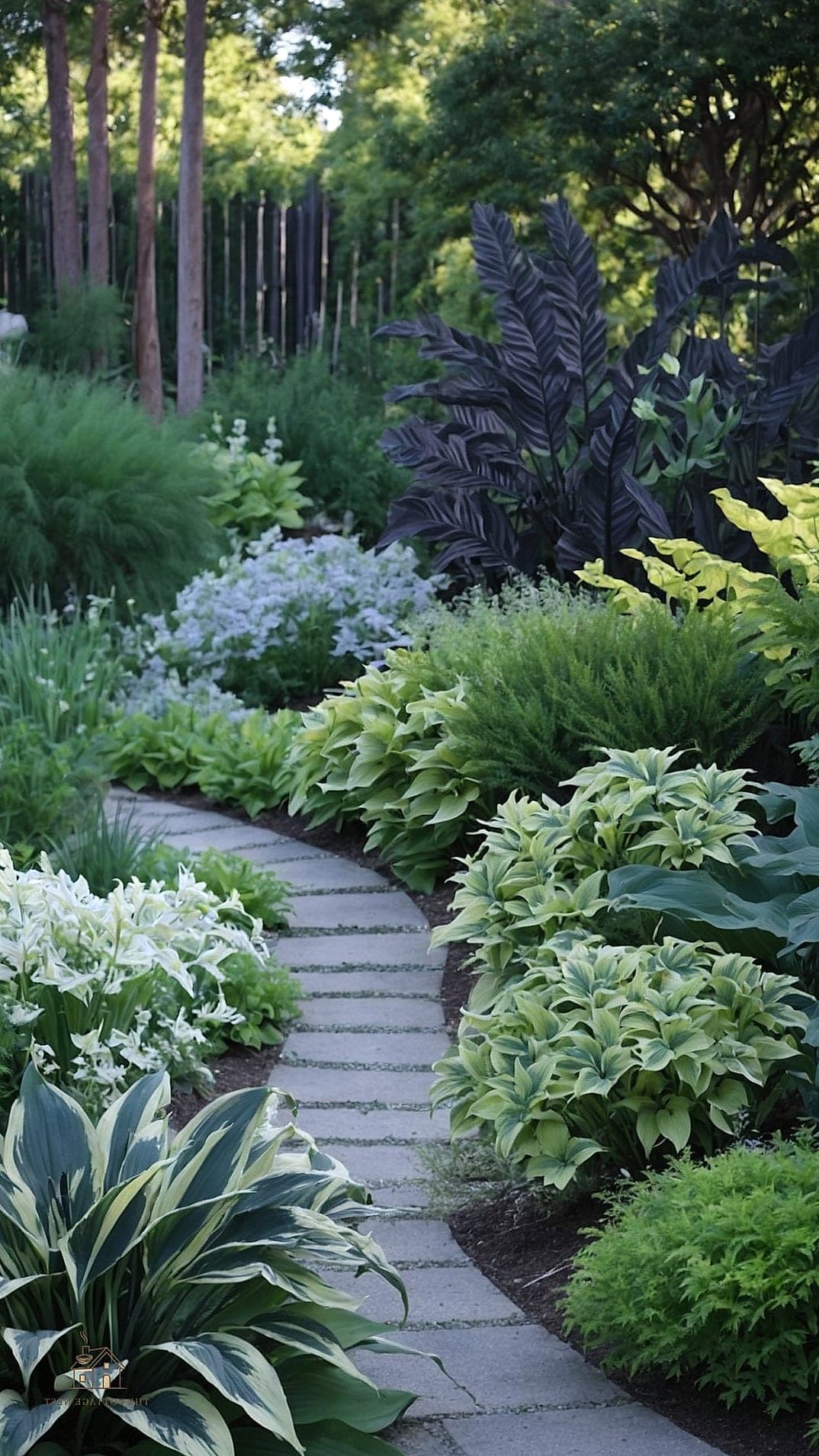
Shade gardens benefit from a border of hostas, whose broad leaves create a lush, layered edge along fences or under trees. They come in dozens of variegated patterns. Slug damage is the main downside, so keep an eye out in damp weather.
Recycled Rubber Edging
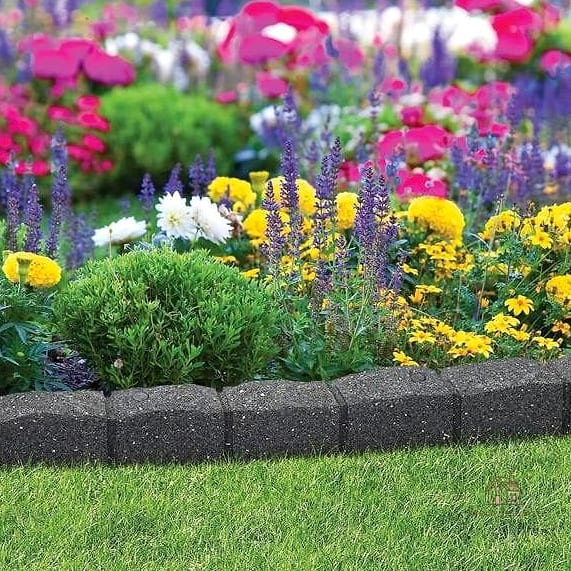
Made from recycled tires, this flexible black or brown edging is nearly indestructible and bends easily around curves. It’s a practical, budget-conscious choice for anyone who wants durability without the cost of stone. It also won’t chip or crack like concrete can.
Herb Border
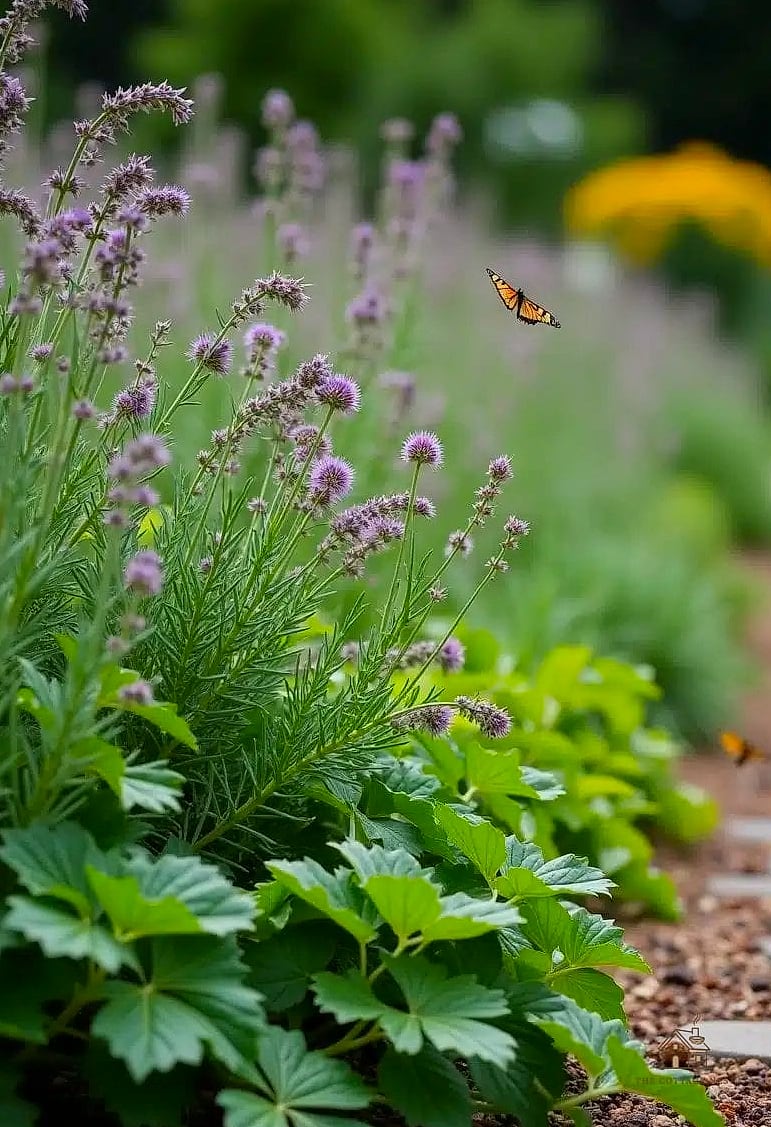
Planting a low row of thyme, oregano, or chives along a vegetable garden gives you a fragrant, edible edge that pulls double duty. It’s practical for anyone who cooks often. Most culinary herbs are drought-tolerant once established, too.
Slate Chip Border
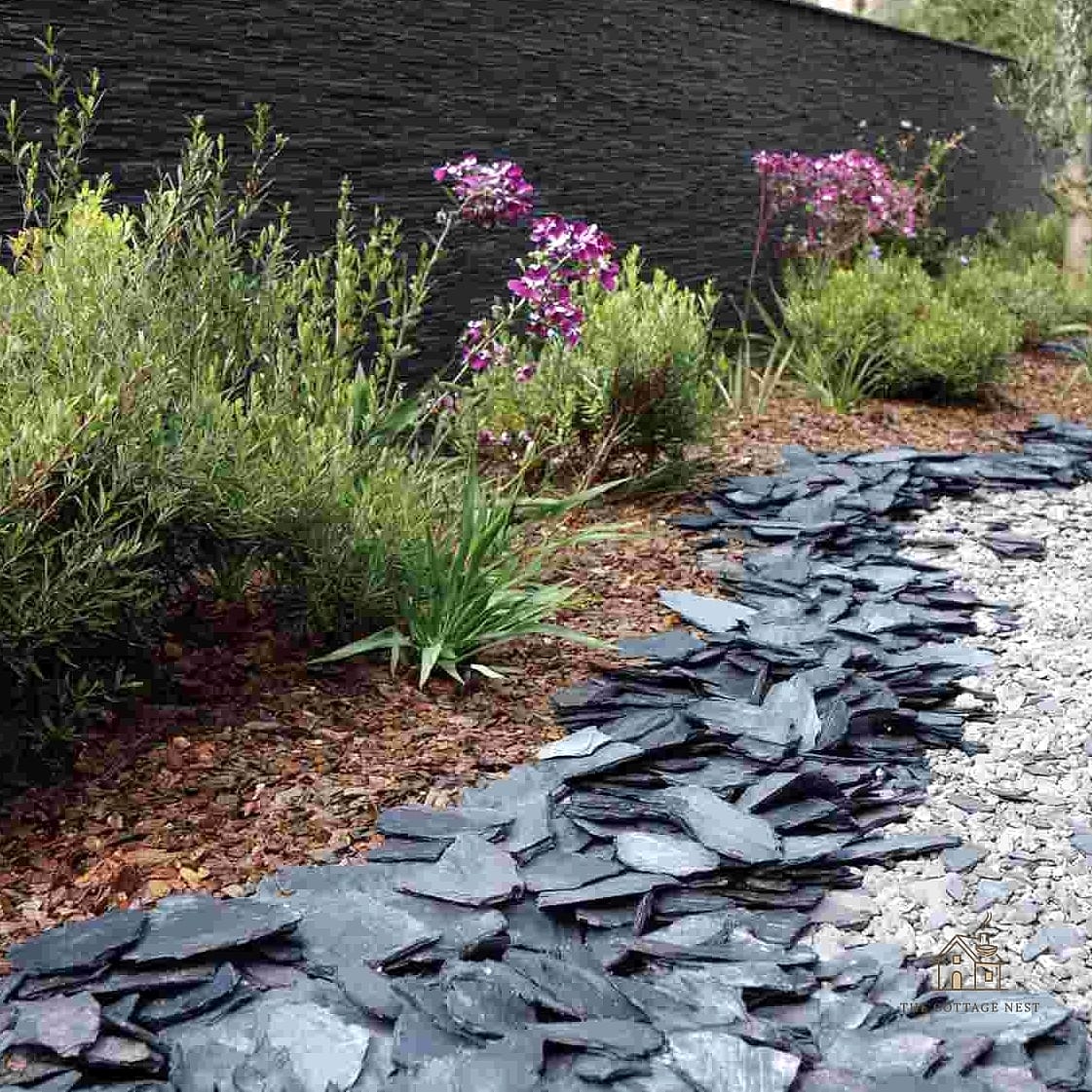
Angular slate chips in gray or charcoal create a sleek, modern edge that photographs beautifully against bright green plants. It’s a nice alternative to rounded river rock if you want sharper lines. Slate also tends to hold color better over time than dyed mulch.
Picket Fence Border
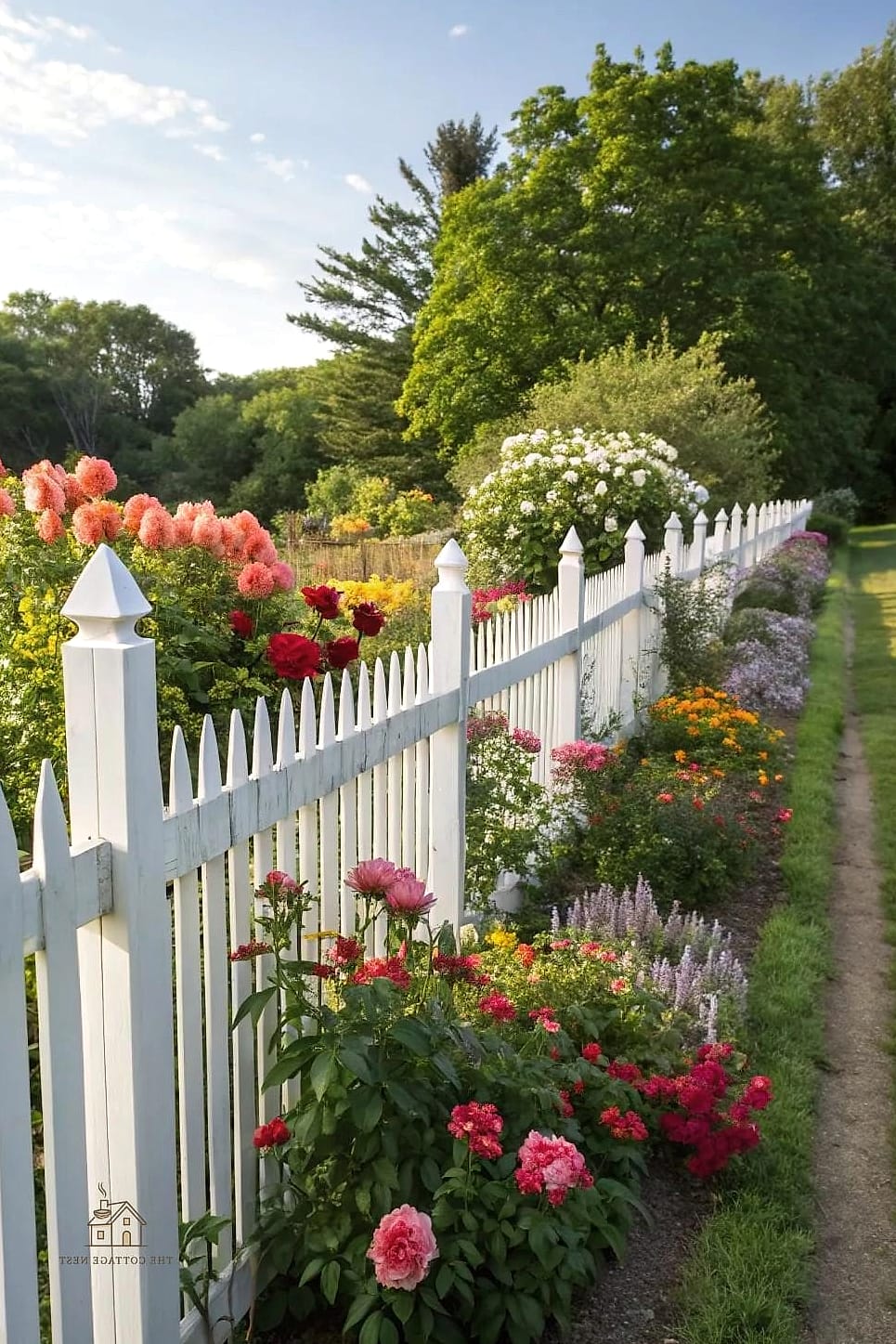
A mini picket fence, only a foot or so tall, adds a storybook quality to cottage gardens. White is classic, but a soft sage or navy can feel more current. It also happens to be great at keeping curious dogs out of your tomatoes.
Cinder Block Planter Border
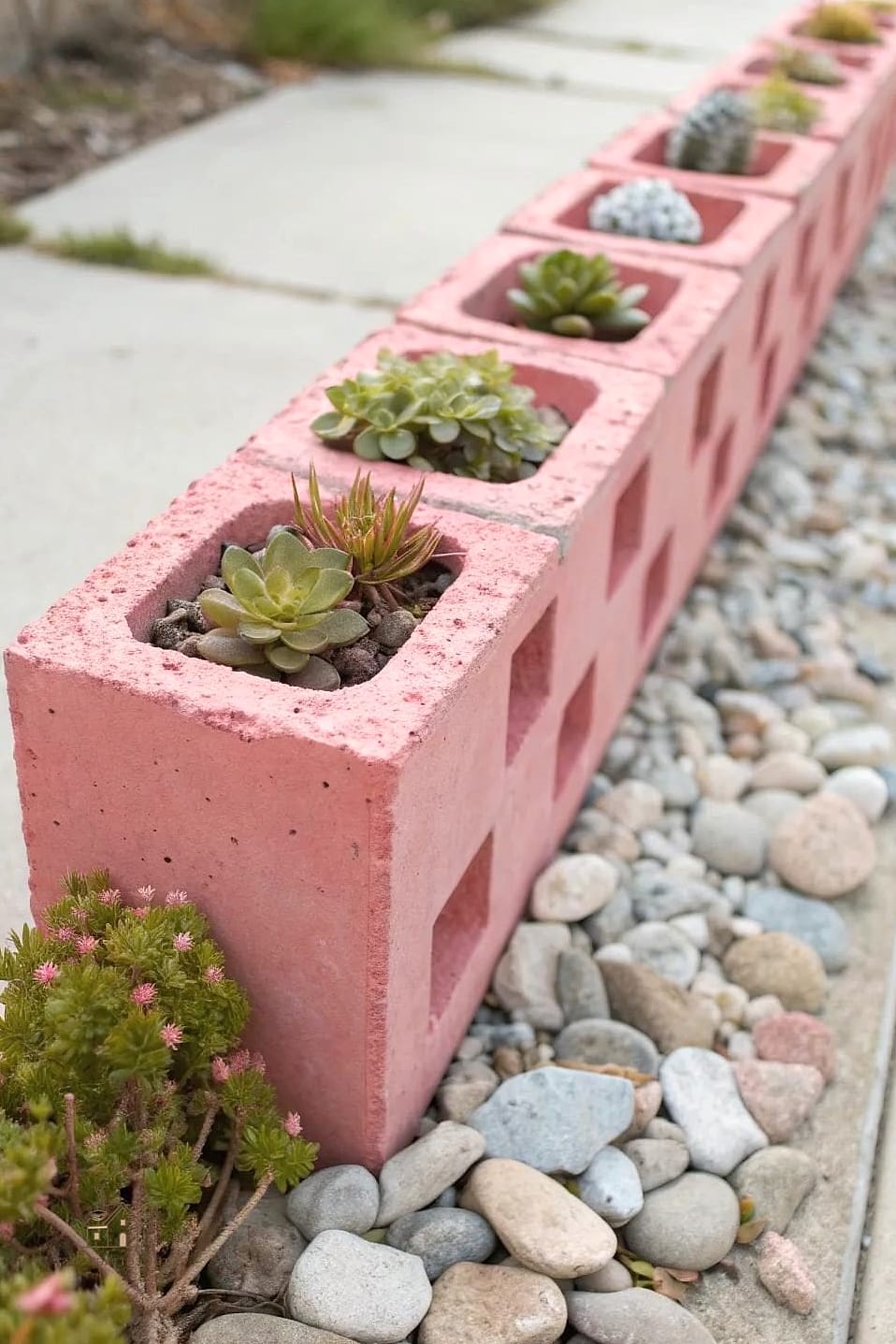
Stacked cinder blocks laid on their side double as a border and built-in planter for succulents or trailing flowers. It’s an unexpected, budget-friendly idea that’s popped up a lot in modern DIY gardens lately. Paint the blocks for a more finished look.
Marigold Border
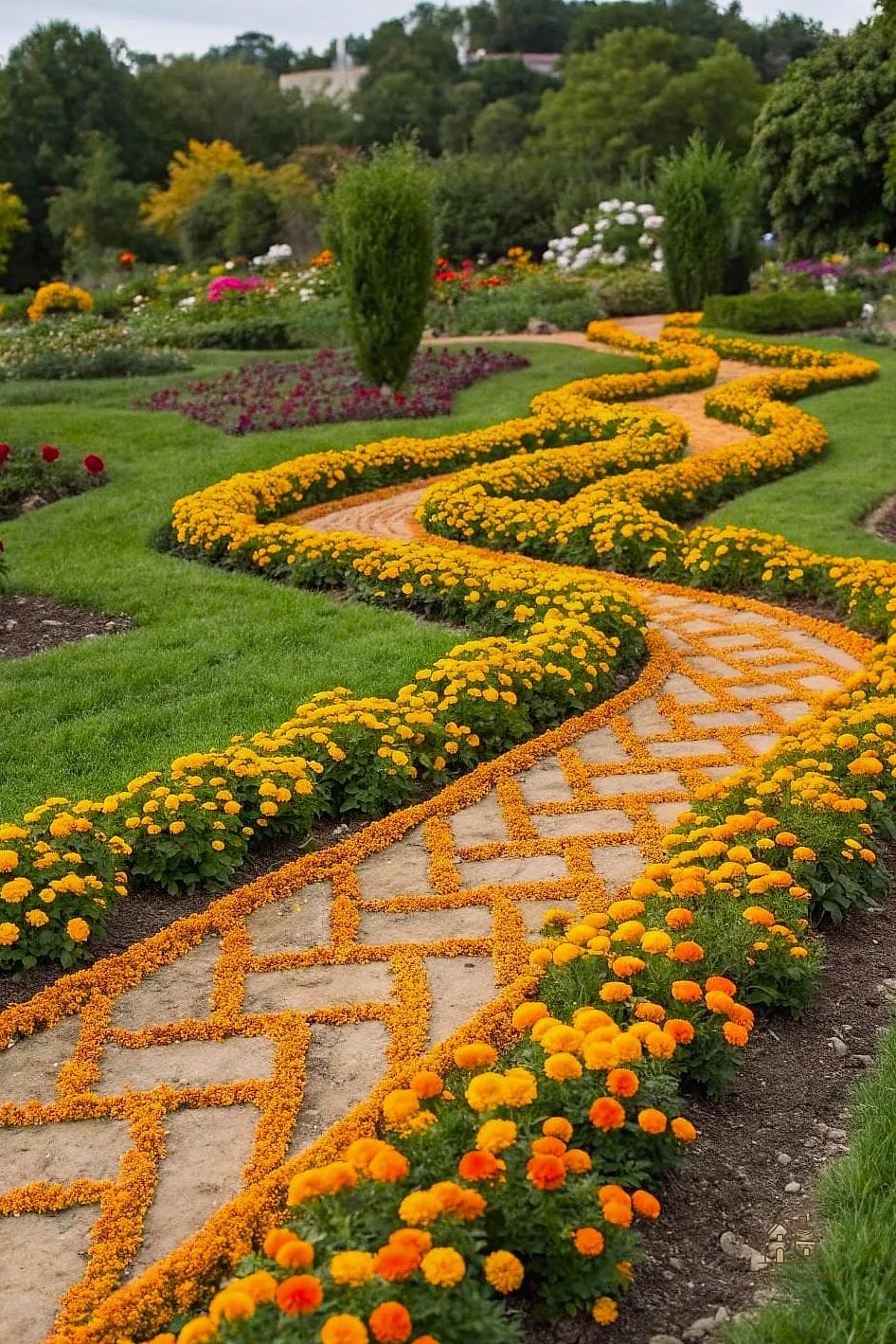
Bright orange and yellow marigolds planted in a tight row create a bold, cheerful edge that also helps deter certain garden pests. They’re inexpensive annuals, so you can experiment with color placement every year. Deadheading keeps them blooming right through fall.
Copper Edging Strip
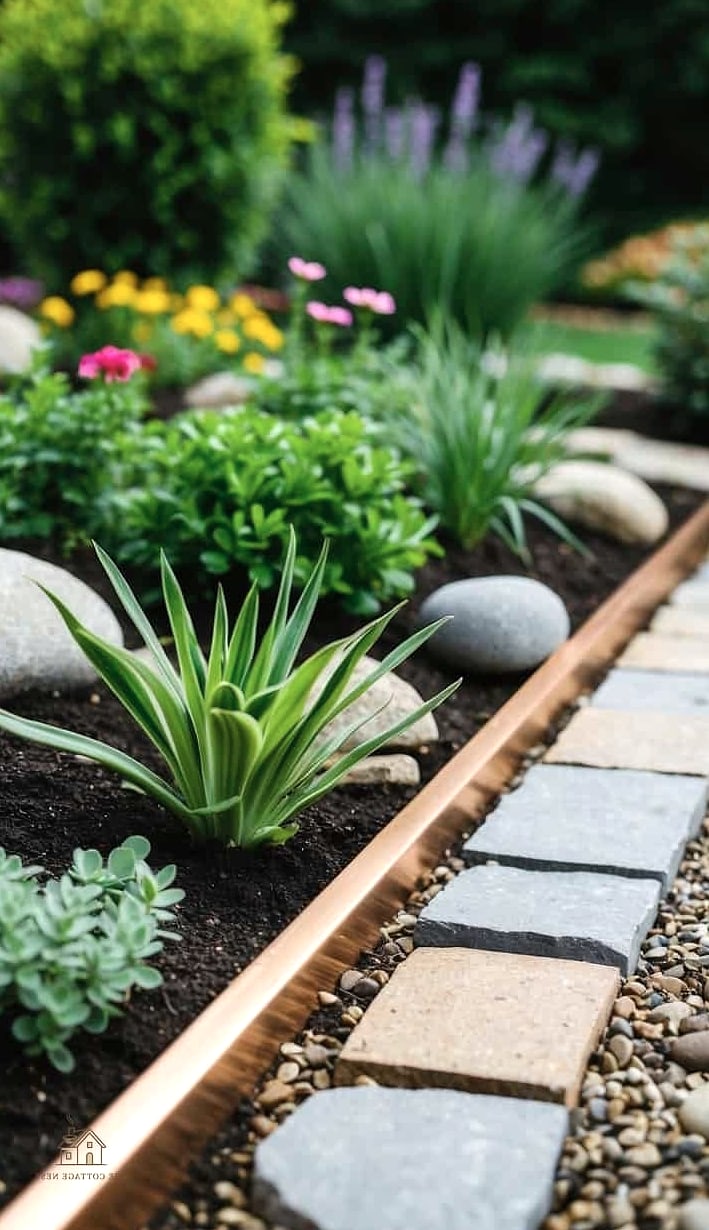
Thin copper strips develop a beautiful green patina over time, adding subtle color that changes as it weathers. It’s a splurge compared to steel, but garden designers love it for high-end landscapes. Copper also has a mild reputation for deterring slugs.
Brick Rowlock Border
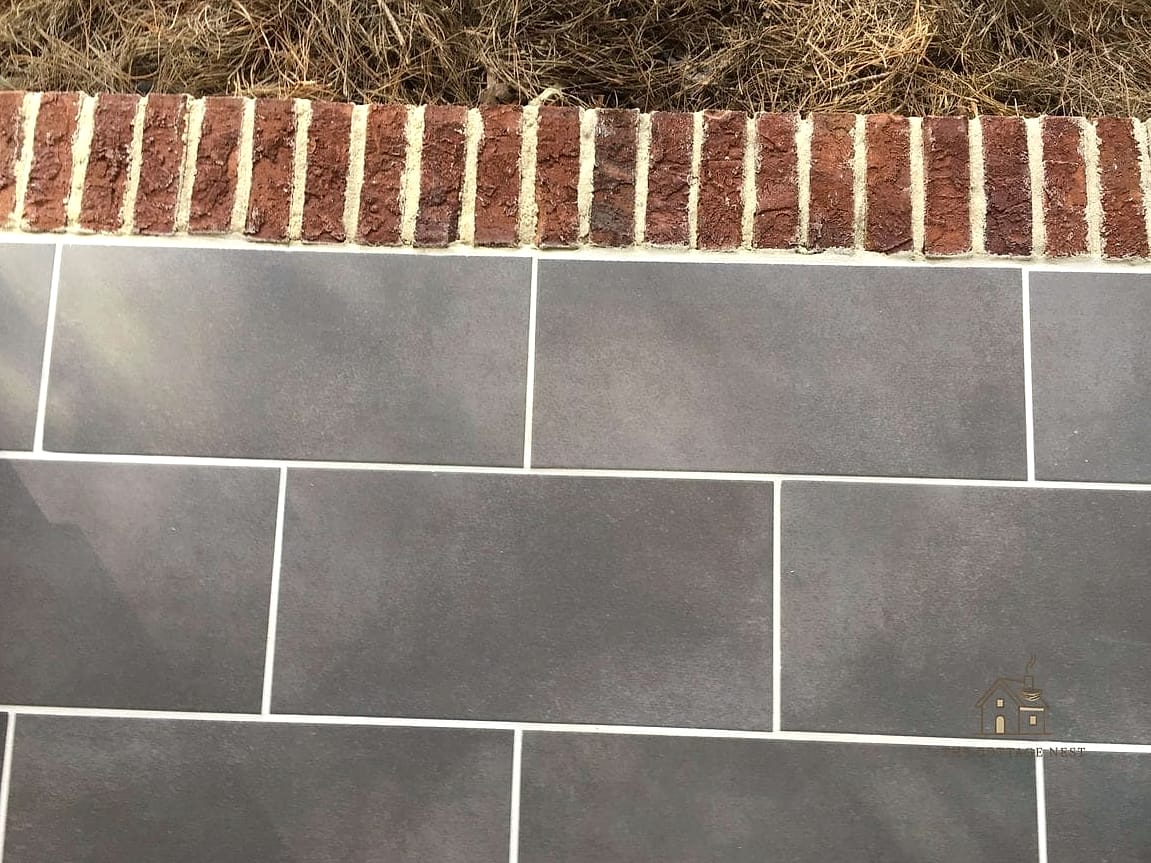
Similar to brick-on-edge but laid flat and perpendicular to the bed, a rowlock border gives a chunkier, more substantial line. It suits larger properties with wide garden beds. This style pairs especially well with brick patios or house exteriors.
Succulent Border
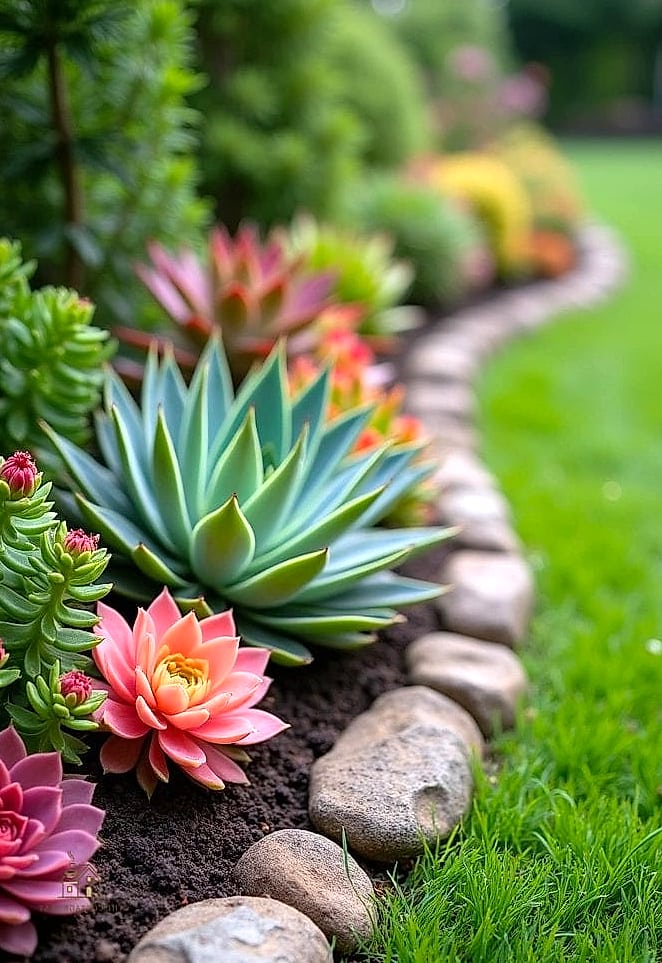
In warmer, drier climates, a low border of hens and chicks or sedum creates a textured, sculptural edge that needs almost no watering. It’s a great pick for anyone who travels often or simply forgets to water. Colors range from blue-green to deep burgundy depending on variety.
Painted Rock Border
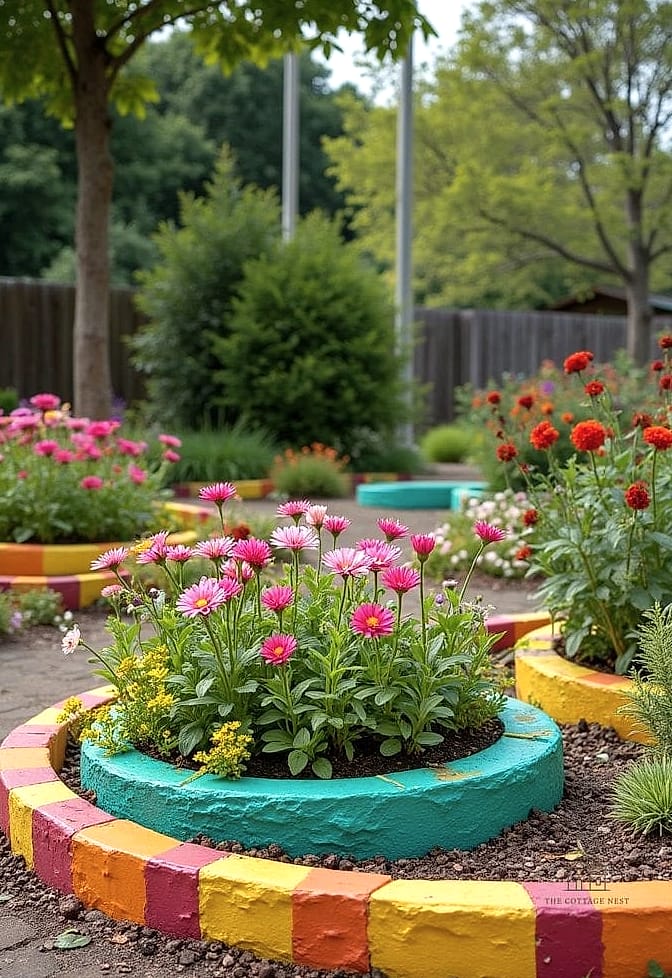
Hand-painted stones lined along a bed make for a charming, kid-friendly garden project. Every rock can be different, which makes this one of the more personal ideas on this list. It’s also nearly free if you already have stones on hand.
Ornamental Grass Border
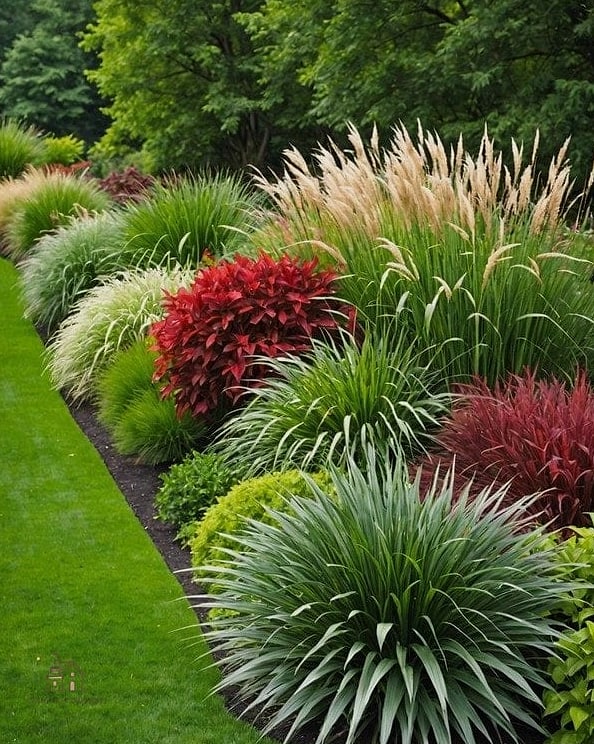
Tall, airy grasses like fountain grass or feather reed grass create movement and texture along a bed’s edge. They look striking in fall when they turn golden and catch the light. Most varieties need cutting back just once a year in late winter.
Composite Decking Edging
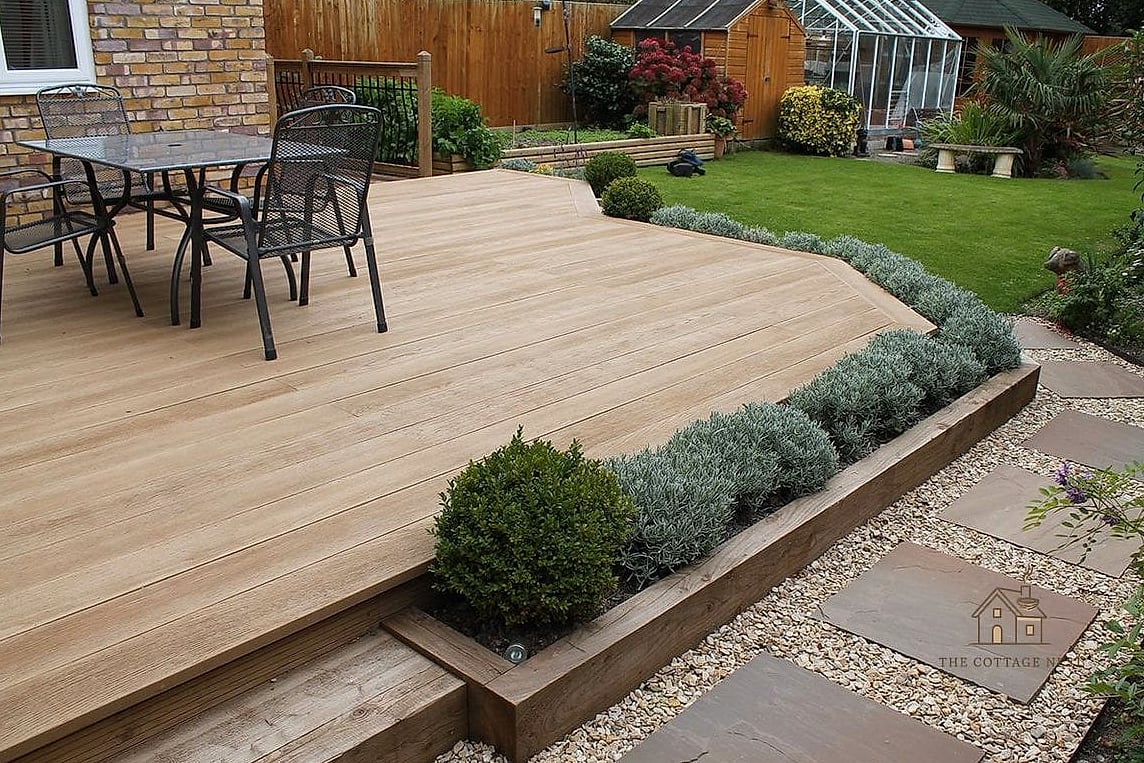
Leftover composite decking boards cut into strips make a surprisingly clean, modern border that won’t rot or splinter like wood. It’s a smart way to use scrap material from a deck project. The neutral gray and brown tones blend easily into most color schemes.
Brick Herringbone Border
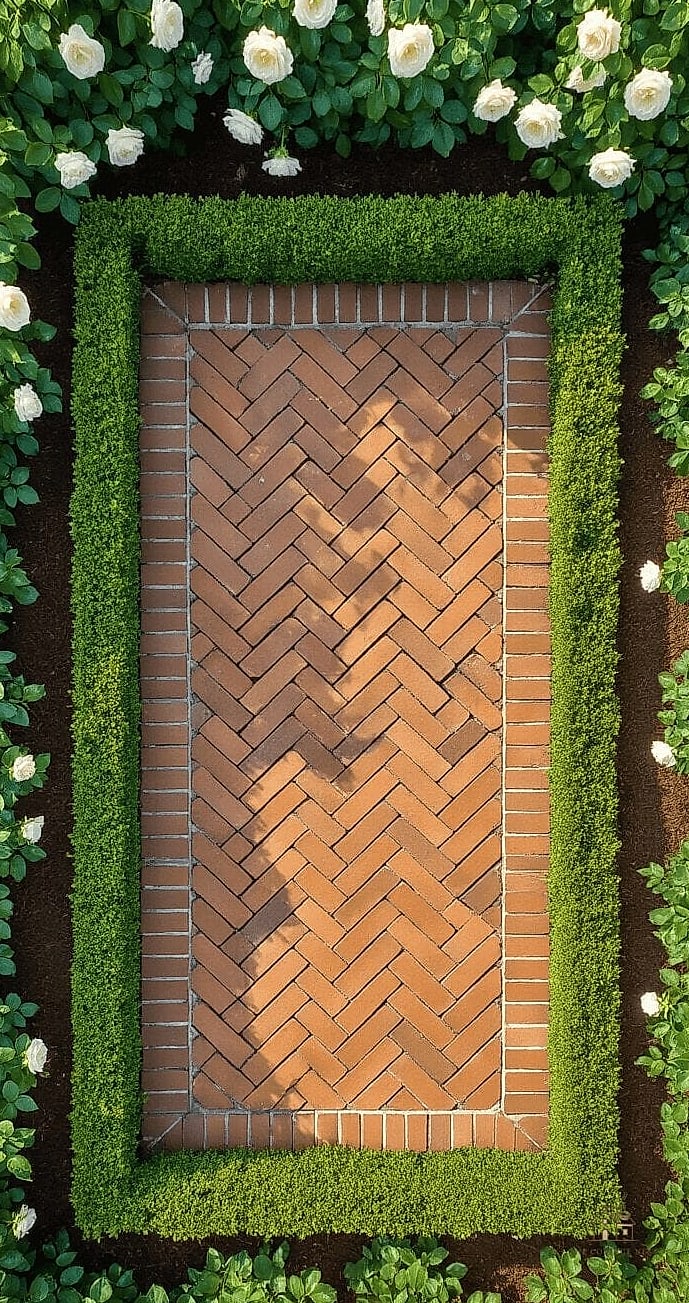
Laying bricks in a herringbone pattern along a bed edge adds visual interest without requiring any extra materials beyond standard brick. It takes a bit more patience to install than a straight row. The zigzag pattern draws the eye along the length of the path.
Moss Rock Border
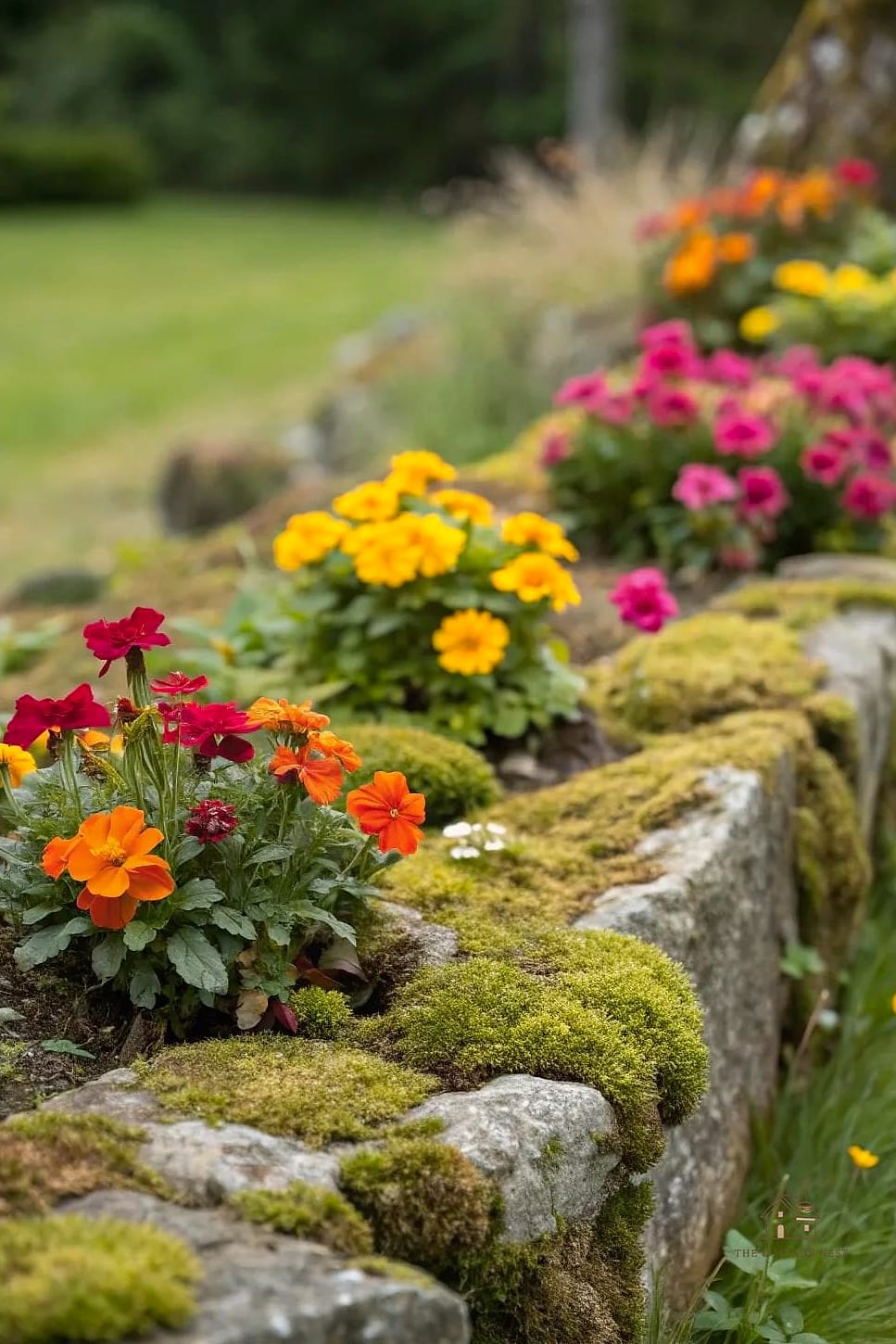
Rocks with natural moss growth bring an aged, established look to shade gardens almost instantly. They’re heavier and pricier than plain stone but worth it for the character. Keep them in consistently damp, shaded spots so the moss actually survives.
PVC Border Edging
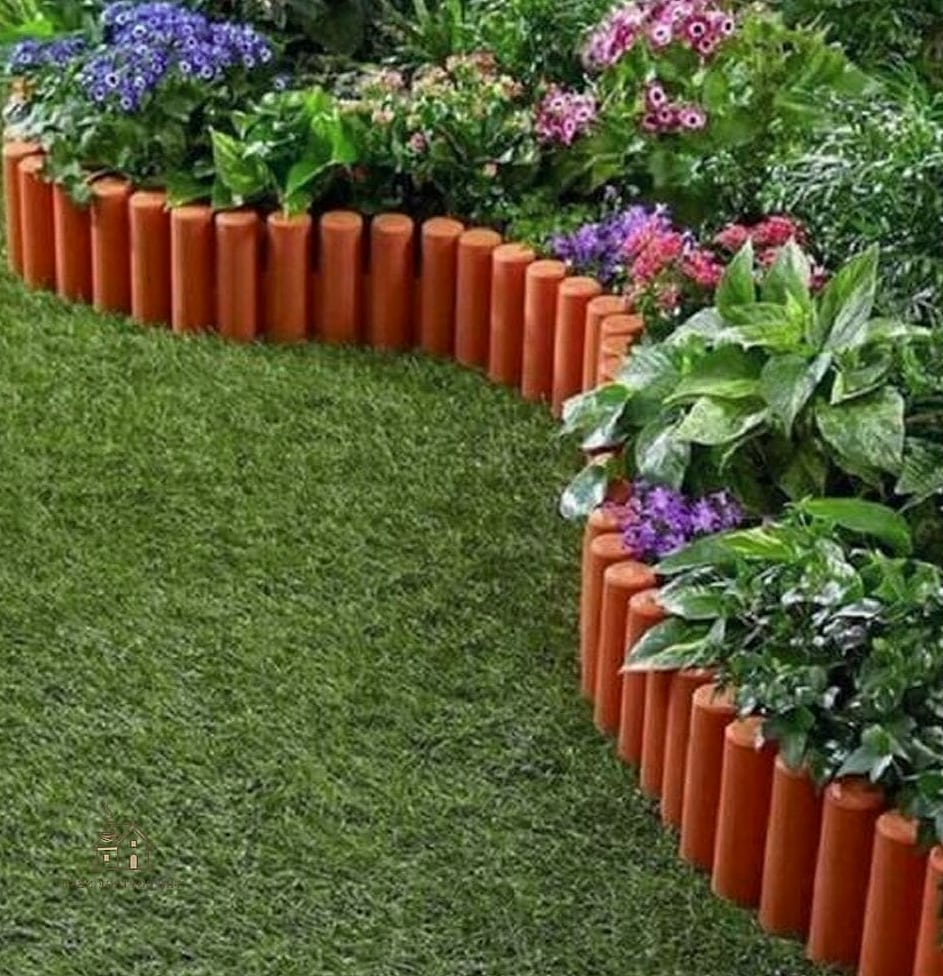
Simple white or black PVC edging is one of the most affordable, renter-friendly options out there. It’s lightweight, easy to cut, and flexible enough for curved beds. It won’t last as long as metal or stone, but it’s a solid starter option.
Daylily Border
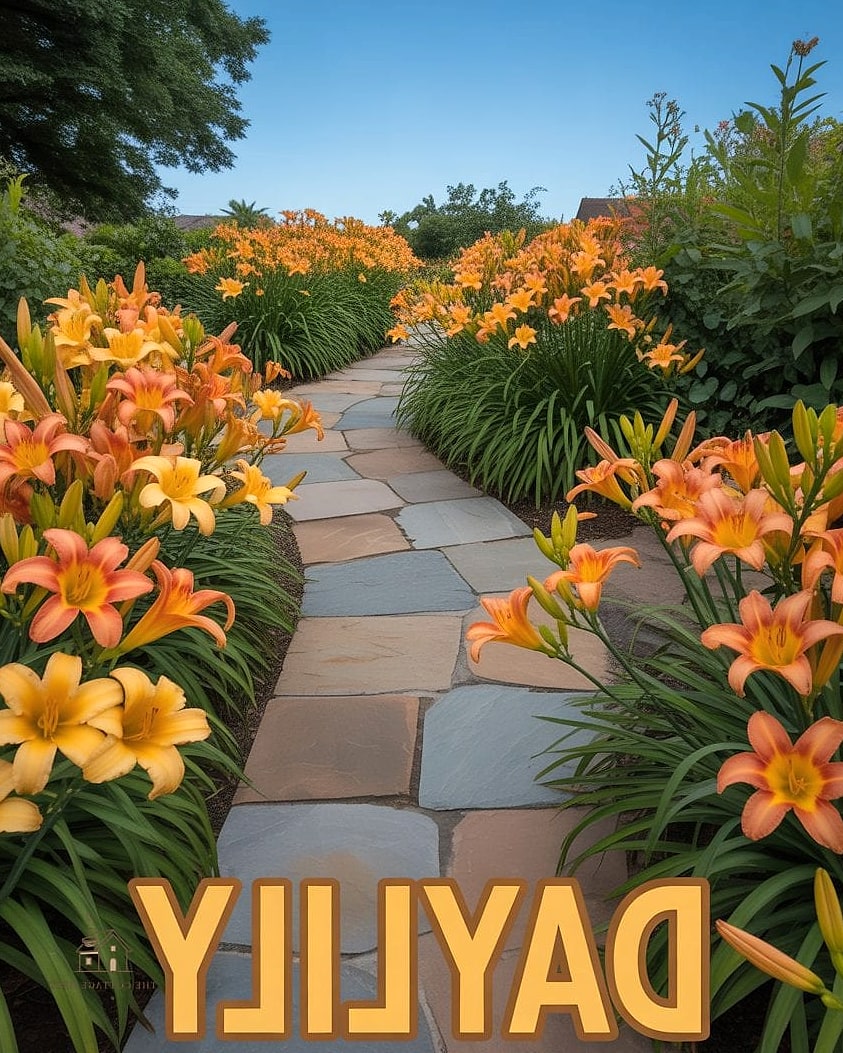
A row of daylilies gives you weeks of continuous color with almost no fuss. They spread over time, so you’ll eventually be able to divide them and fill in gaps or start new beds elsewhere. Deer tend to find them tasty, so keep that in mind if that’s an issue nearby.
Railroad Tie Border
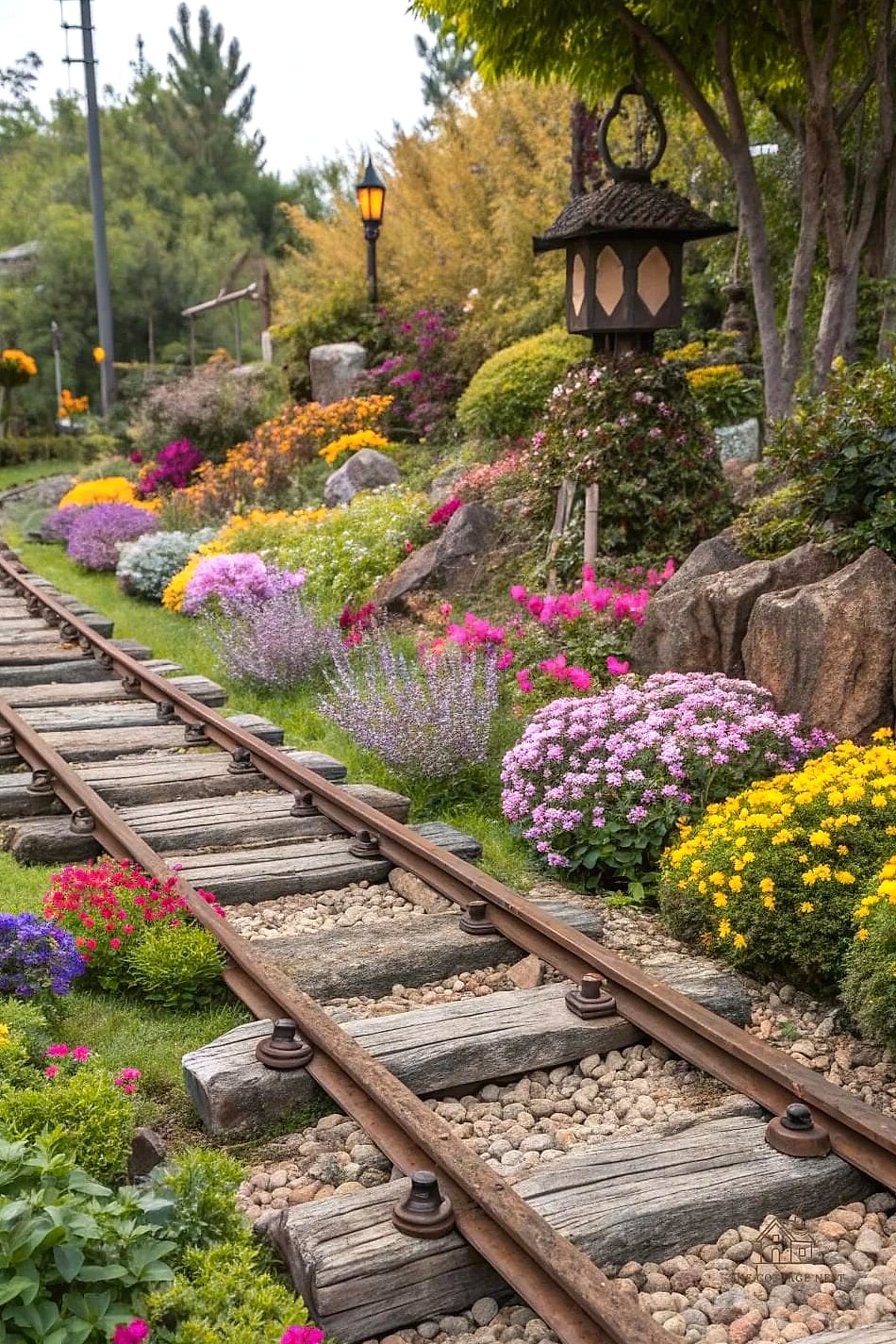
Reclaimed railroad ties create a rugged, substantial edge that works well for raised beds or sloped yards. They’re heavy, so installation is more of a two-person job. Just check for creosote treatment if you’re planning to grow food nearby.
Seashell Border
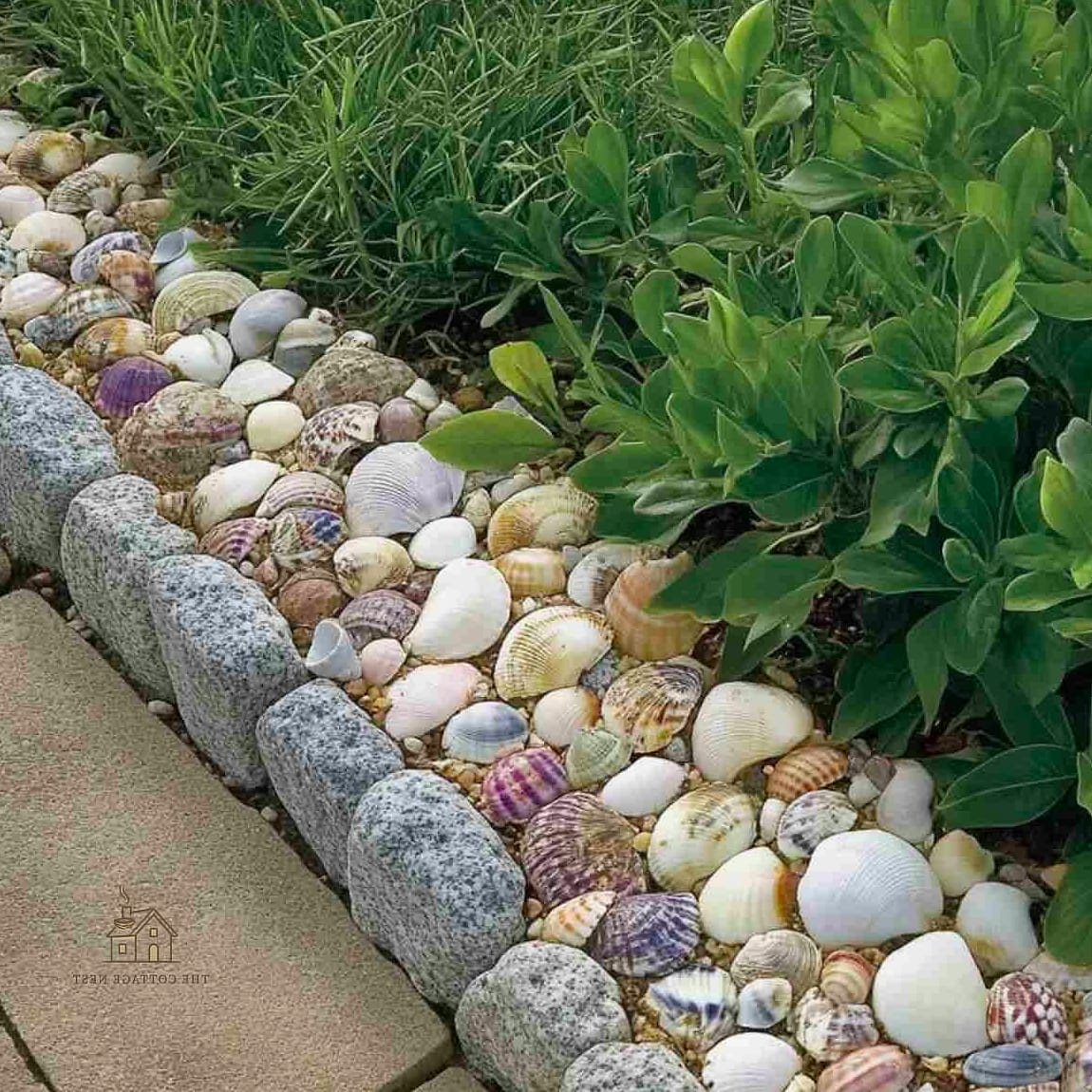
For coastal-inspired gardens, a line of seashells adds texture and a beachy, collected-over-time feel. It’s a fun way to display shells from vacations rather than storing them in a drawer. This works best in smaller accent beds rather than large plantings.
Boulders as Border Accents
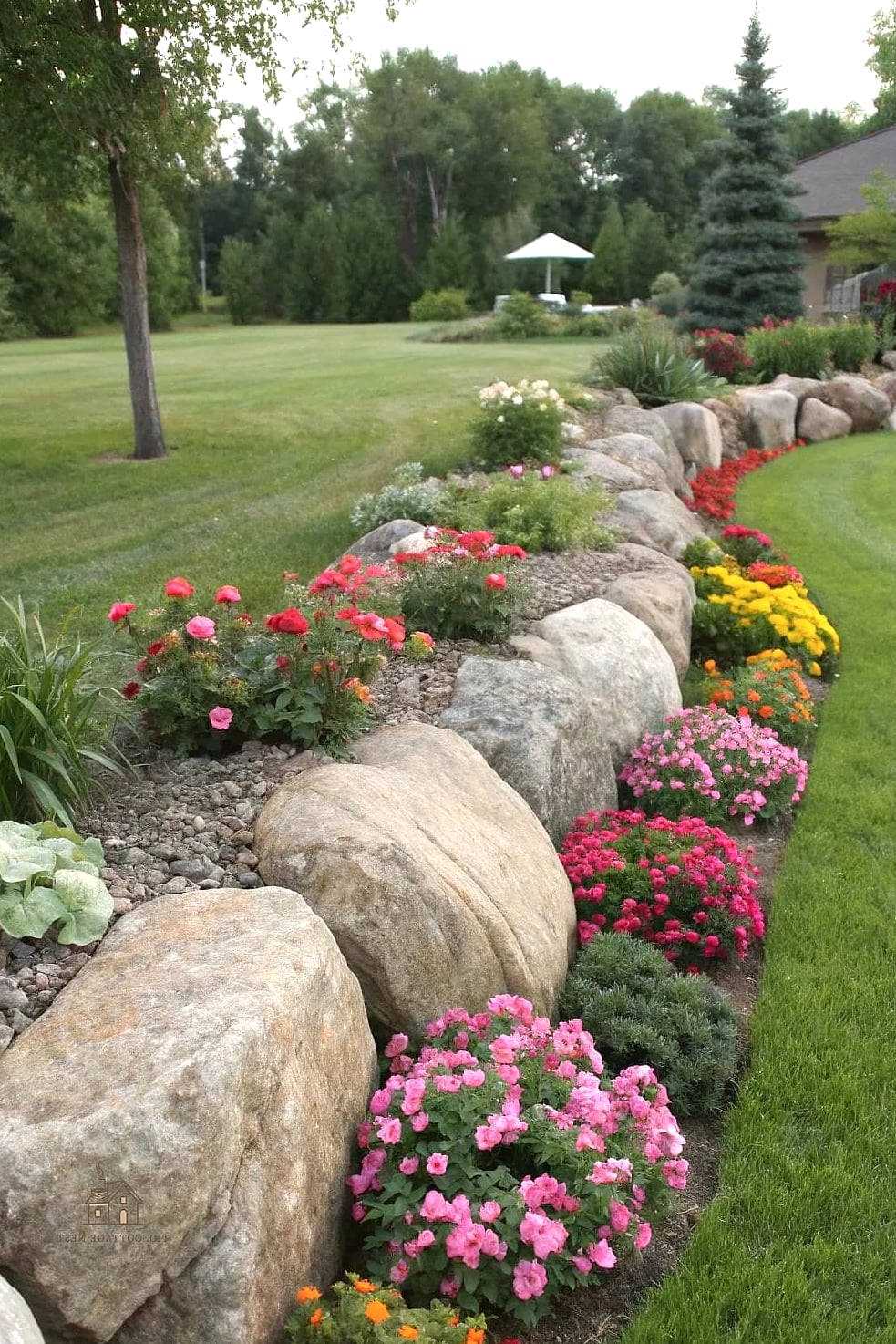
Instead of a continuous line, placing a few large boulders at intervals along a bed creates a more natural, less formal edge. It’s especially effective in xeriscape or mountain-style landscaping. Choose boulders in a size that feels proportional to your yard.
Brick Basket Weave Border
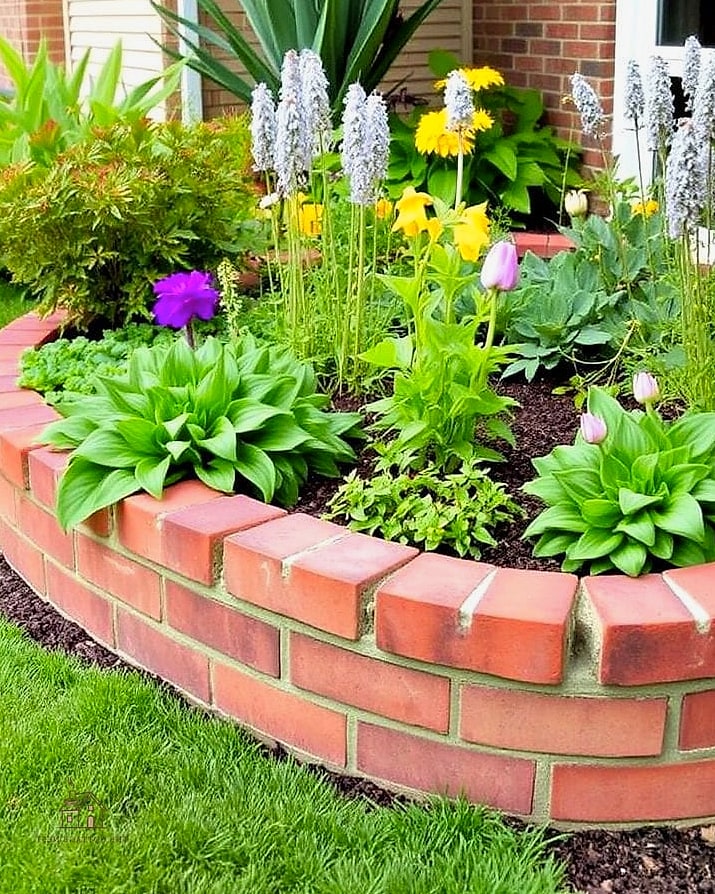
This pattern alternates pairs of bricks in a woven look, creating a decorative border that feels more elevated than a standard row. It’s a popular choice around formal rose gardens. The pattern does require careful measuring to keep everything aligned.
Dwarf Alberta Spruce Border
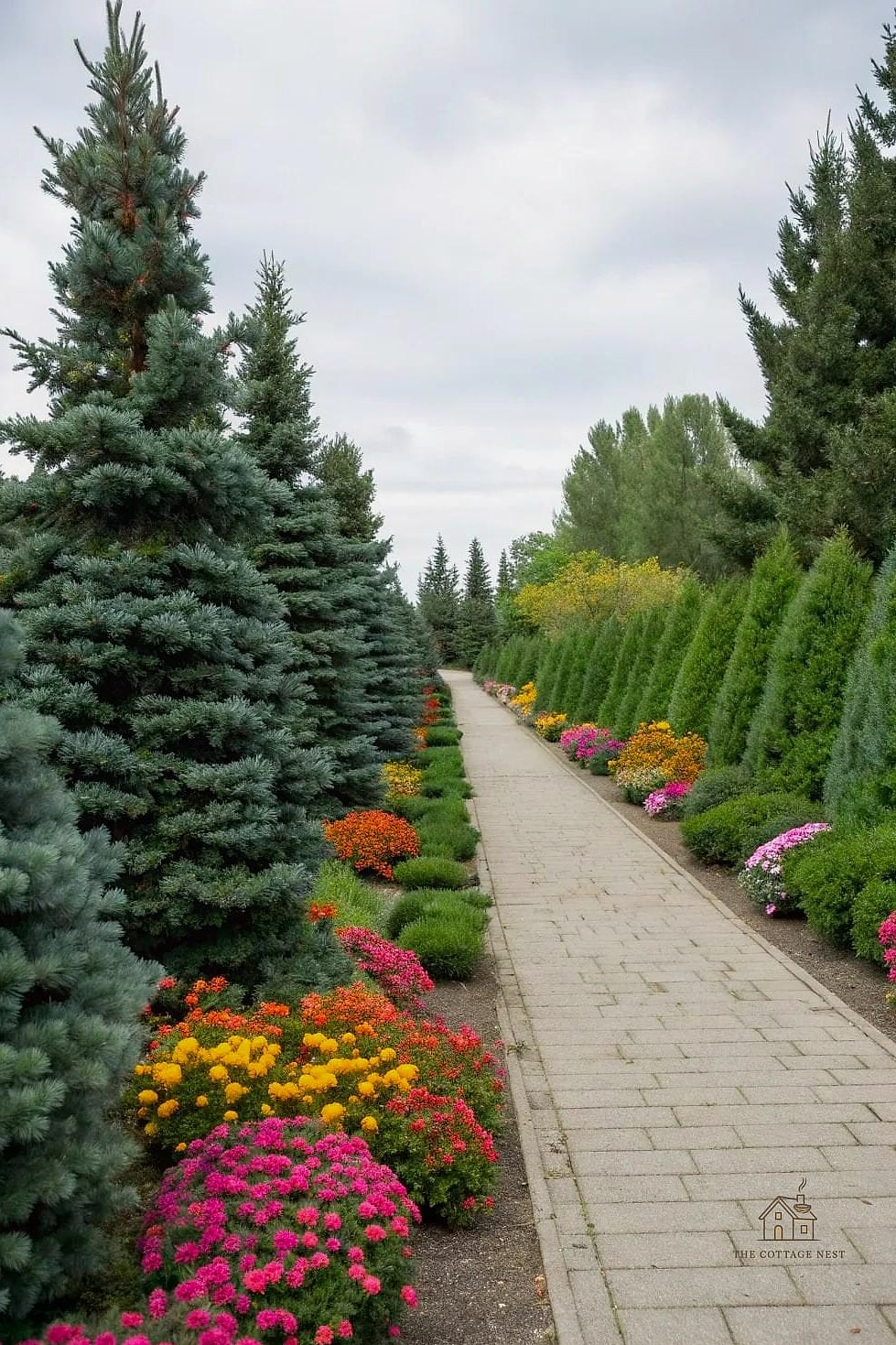
These small, cone-shaped evergreens create a formal, symmetrical edge that stays green through winter. They’re slow-growing, so they hold their shape without much pruning. Spacing them evenly along a walkway gives a tidy, structured look year-round.
Broken Tile Mosaic Border
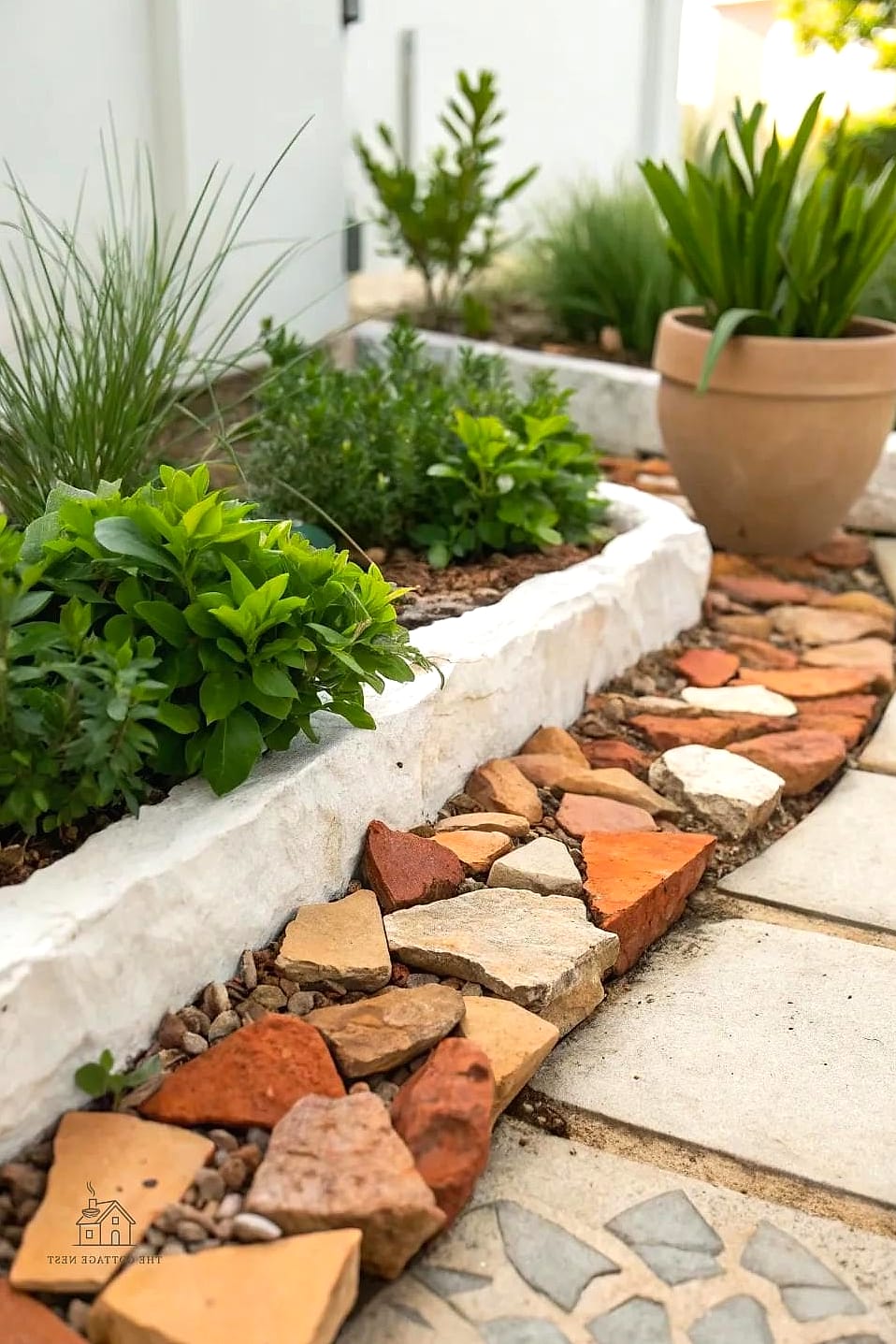
Leftover ceramic tile pieces set into mortar create a colorful, artistic edge unlike anything you’d find at a garden center. It’s a labor-intensive project but a genuinely unique one. Consider it if you have tile scraps left over from a kitchen or bathroom remodel.
Aluminum Landscape Edging
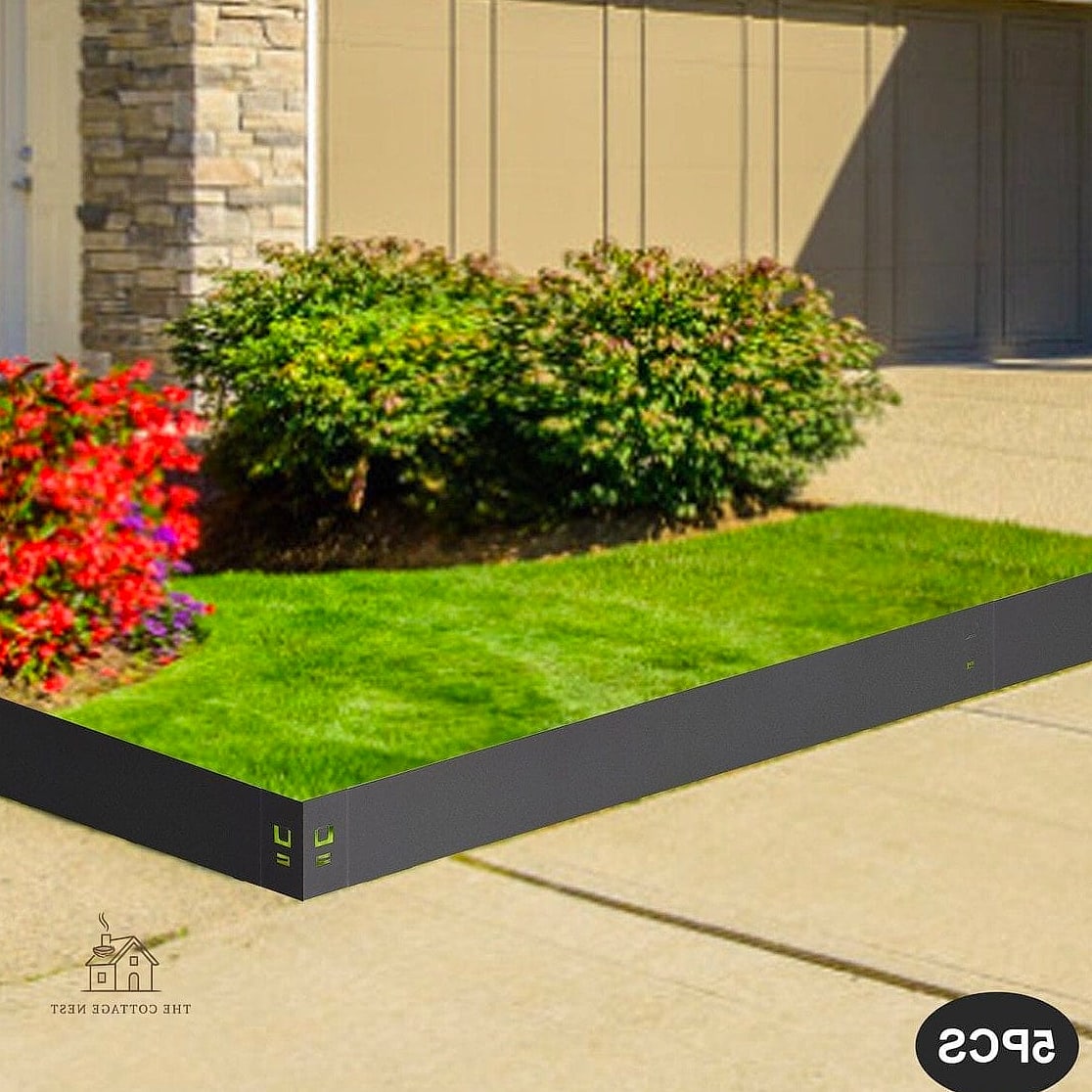
Lighter than steel and rust-proof, aluminum edging is a practical middle ground for anyone who wants clean lines without the higher price tag of corten steel. It bends easily for curved beds. It also tends to be easier for a beginner to install solo.
Boxwood Ball Border
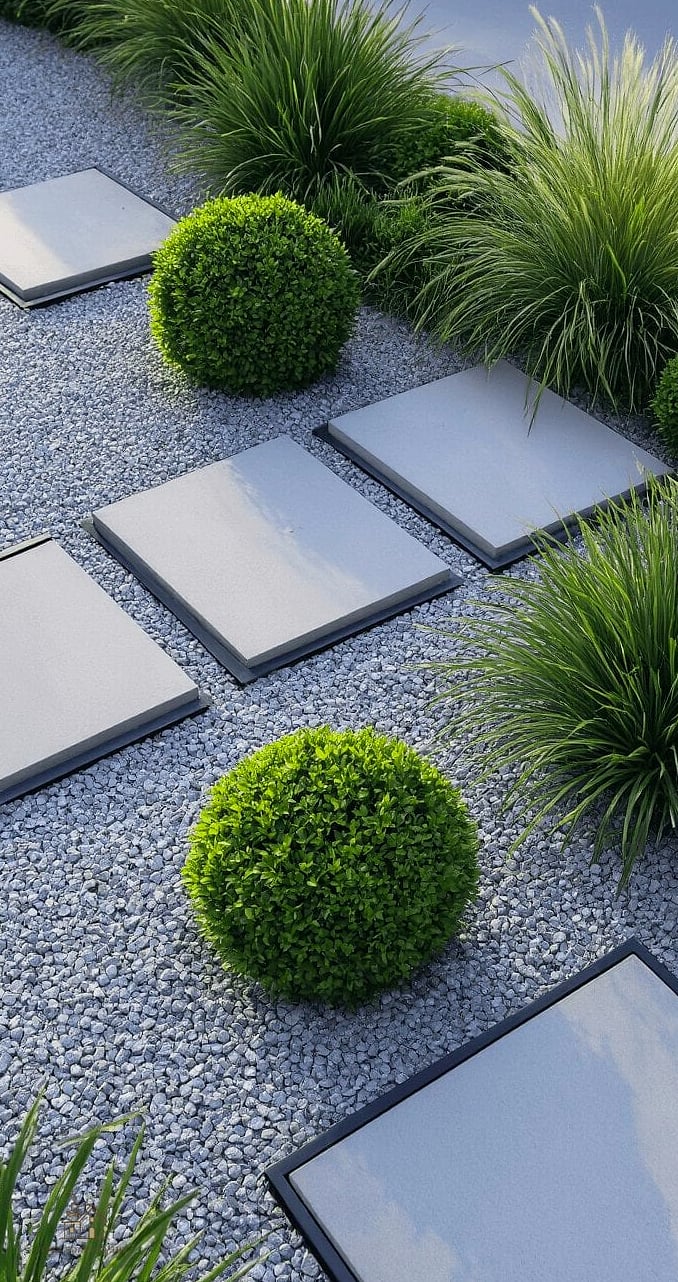
Instead of a continuous hedge, spacing individual clipped boxwood balls along a bed edge creates a more playful, rhythmic pattern. It suits both formal and slightly relaxed garden styles. Each ball needs occasional shaping to keep its round form.
Crushed Oyster Shell Border
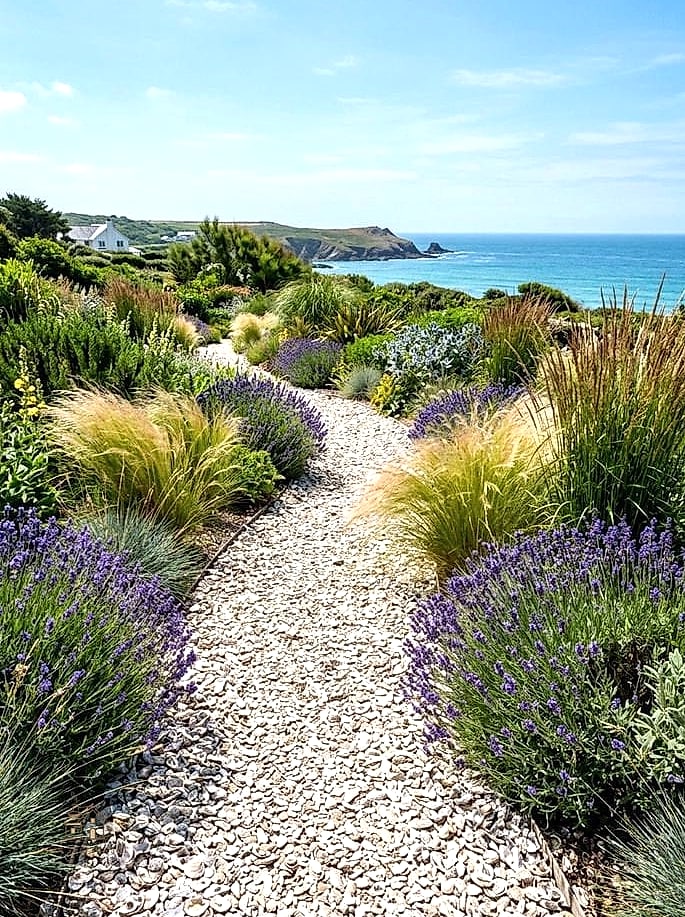
Popular in coastal and southern gardens, crushed oyster shell creates a bright white edge that reflects light beautifully at dusk. It also improves drainage in heavier soils. Over time it breaks down slightly, adding beneficial calcium back into the soil.
Vertical Log Border
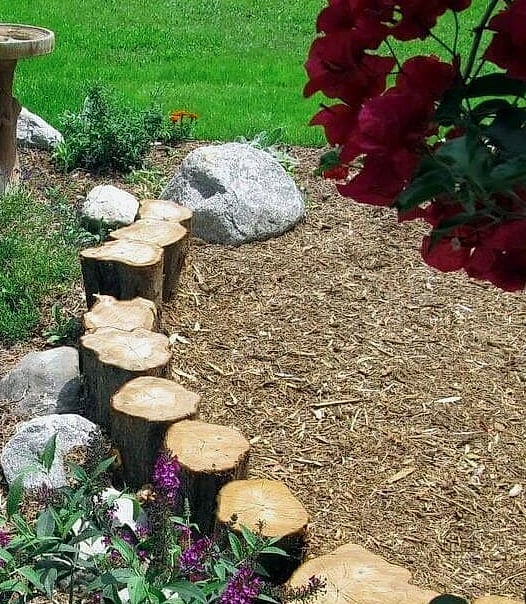
Cut logs stood upright, all roughly the same height, make a rustic, textural border that’s especially popular in naturalistic and woodland gardens. It’s a great use for wood from a fallen tree. Varying the diameters slightly adds even more visual interest.
Brick and Grass Checkerboard Border
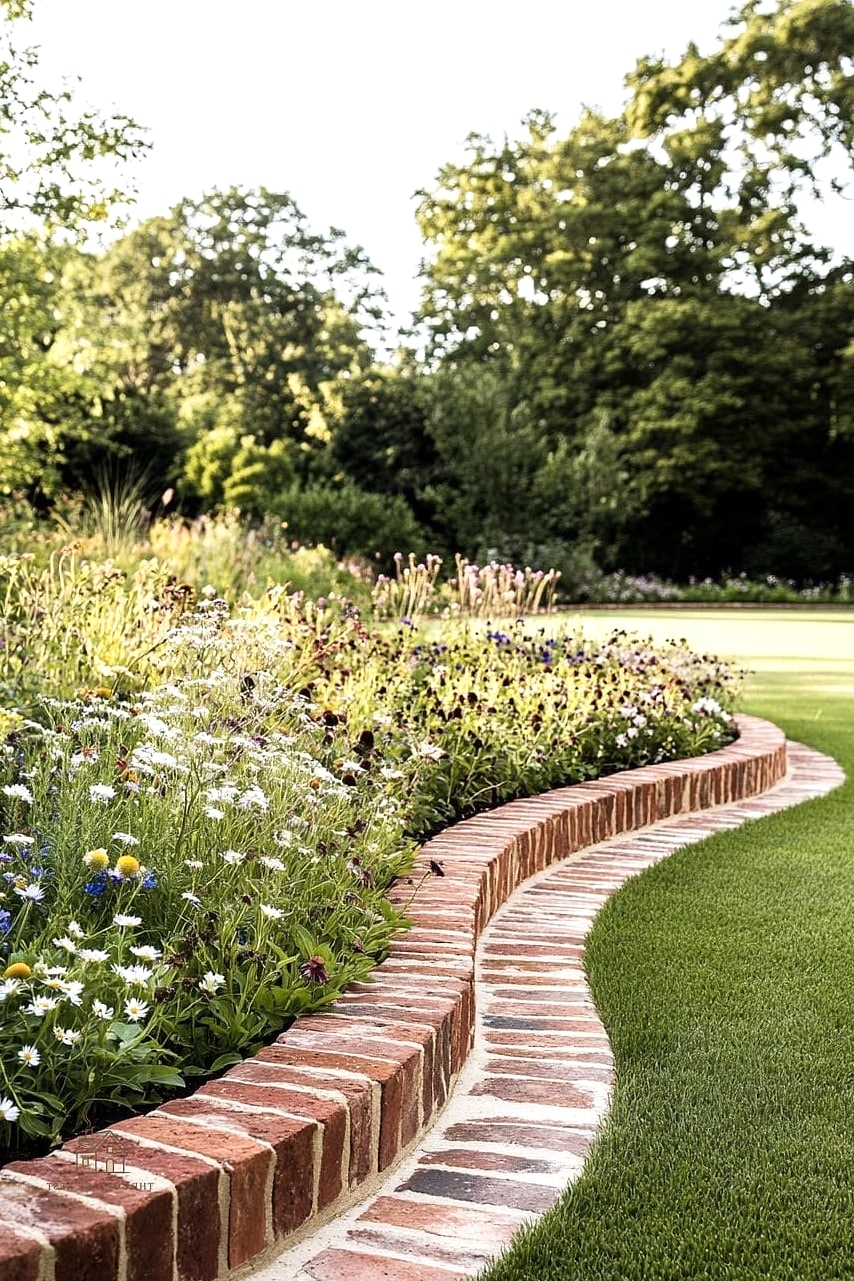
Alternating brick squares with small grass or groundcover squares creates a playful, textured transition zone between lawn and bed. It softens what would otherwise be a hard line. This works particularly well along wider borders where there’s room to alternate.
Iris Border
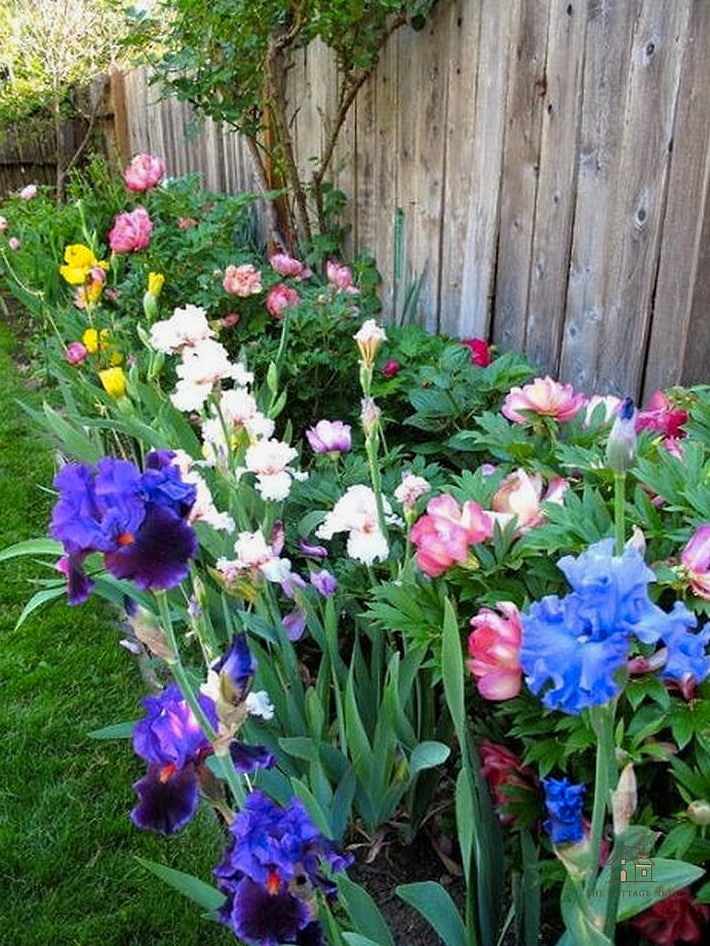
A row of bearded iris brings tall, dramatic blooms in late spring along with strappy foliage that looks tidy the rest of the season. They’re low-maintenance once planted and multiply over the years. Dividing the rhizomes every few years keeps them blooming well.
Chicken Wire and Stone Gabion Border
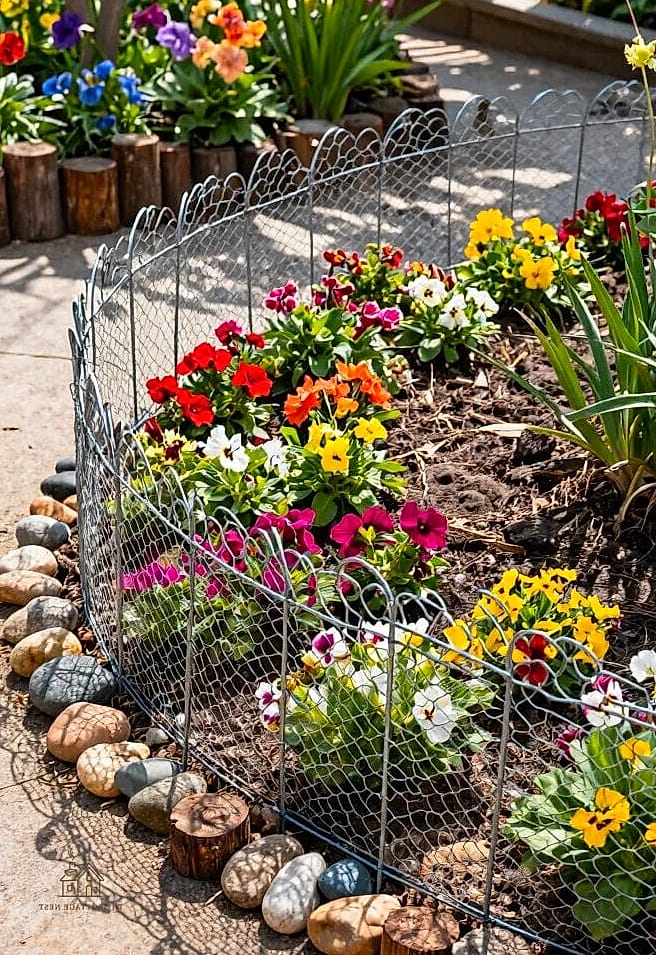
Small wire cages filled with stone, known as gabions, create an industrial-chic border that’s sturdy and genuinely long-lasting. They work especially well on sloped properties needing a bit of retaining support. It’s a heavier DIY project but one that will outlast almost everything else on this list.
Groundcover Border
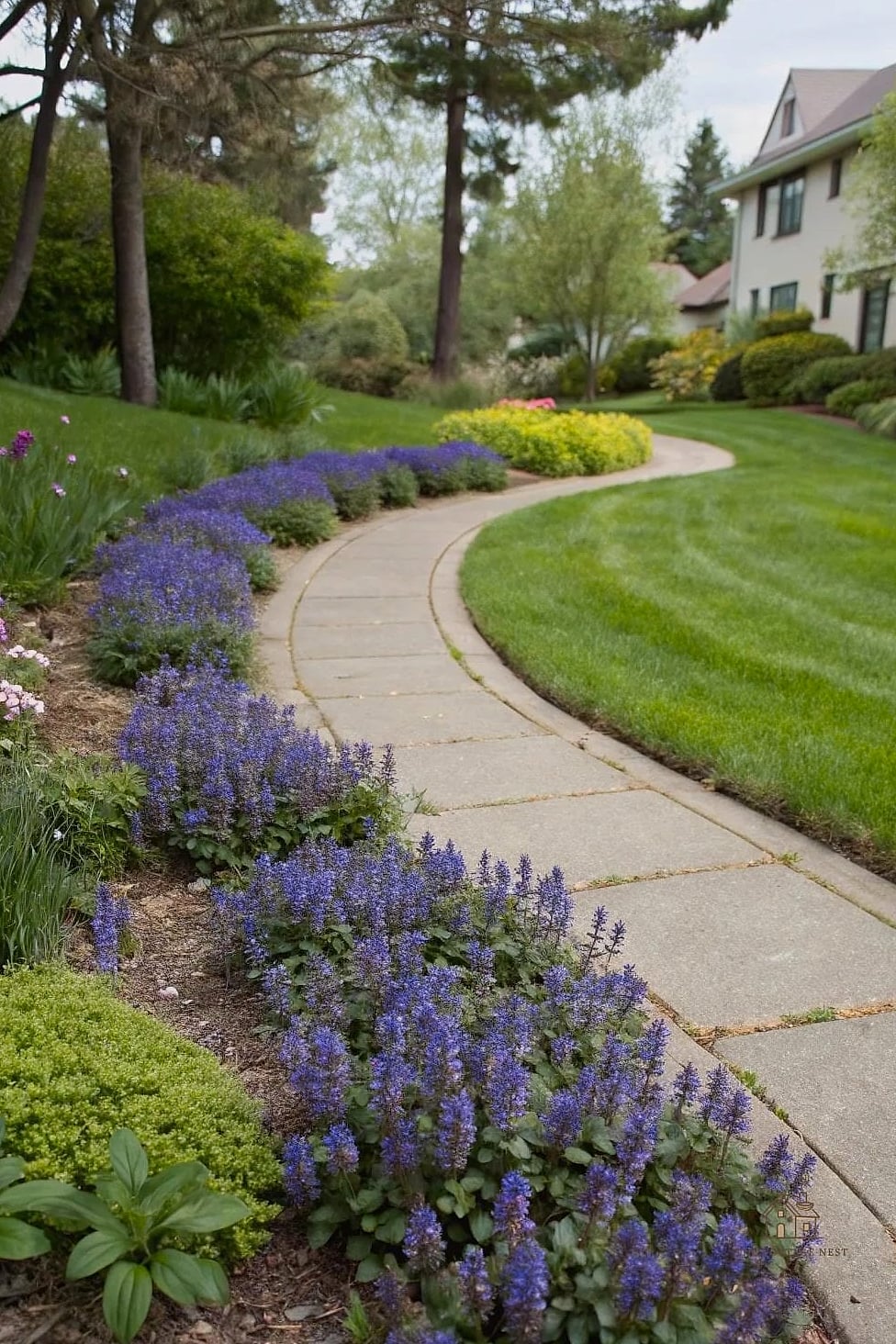
Low, spreading plants like creeping thyme or sweet woodruff naturally fill in as a soft, living edge rather than a hard material. It blurs the line between lawn and bed in a relaxed, cottage way. Occasional trimming keeps it from spreading further than intended.
Painted Cinder Block Alphabet Border
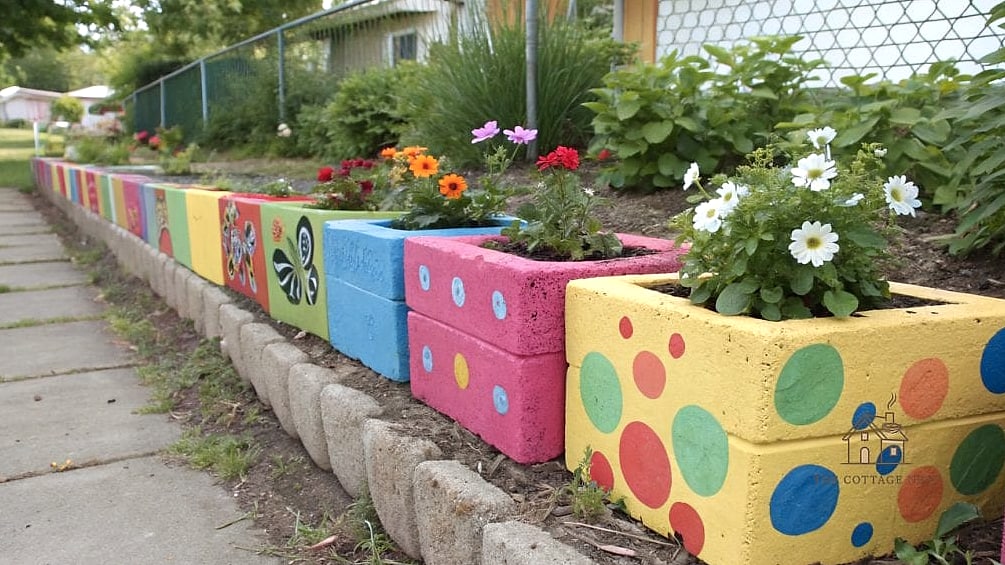
A more playful spin on the cinder block idea, painting letters or numbers on blocks creates a fun, kid-friendly border for a vegetable or learning garden. It’s an easy weekend project with paint you likely already have. Kids especially love helping pick the colors.
Bamboo Fence Border
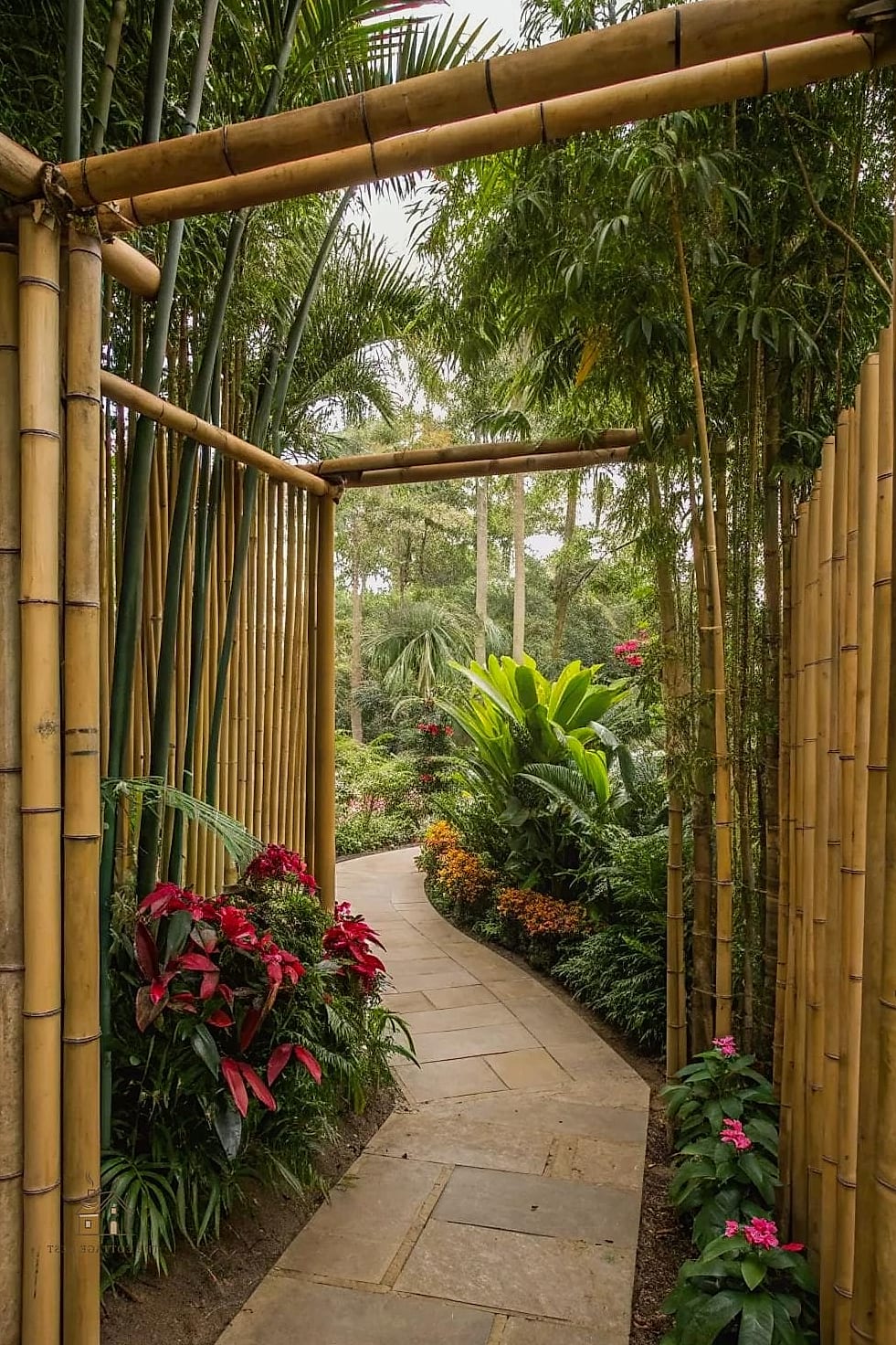
Short bamboo fencing sections create a natural, Asian-inspired border that pairs well with zen or minimalist garden designs. It’s lightweight and relatively easy to install yourself. Just note that untreated bamboo will need replacing after a handful of seasons outdoors.
Brick Border with Solar Lights
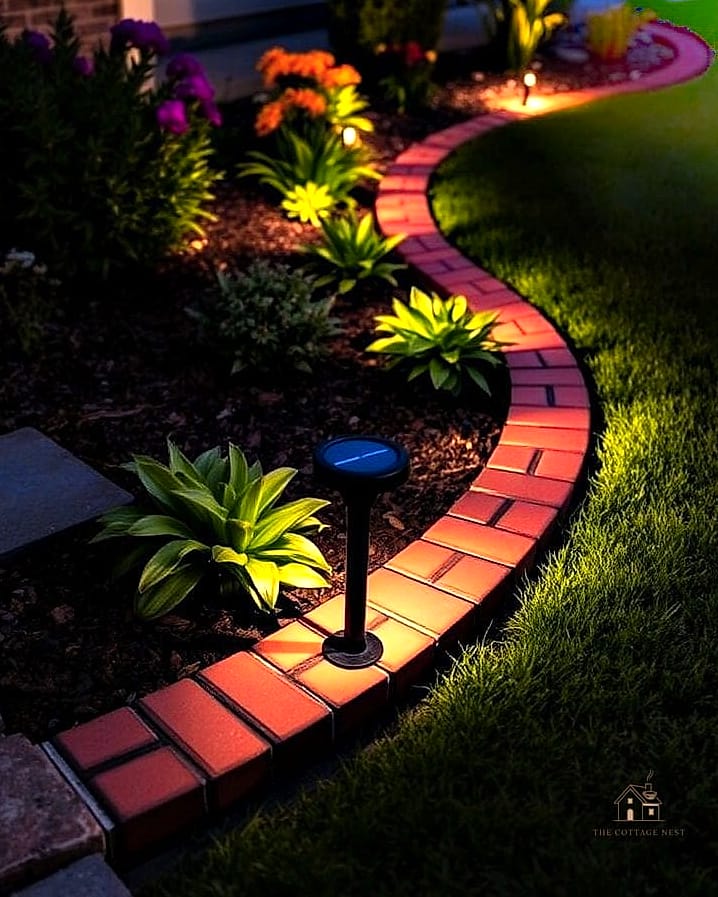
Tucking small solar path lights along a standard brick border adds a warm glow at night without any wiring required. It’s an easy upgrade to an existing border rather than a standalone idea. This is a favorite for anyone who spends evenings outside in the warmer months.
Layered Mixed-Material Border
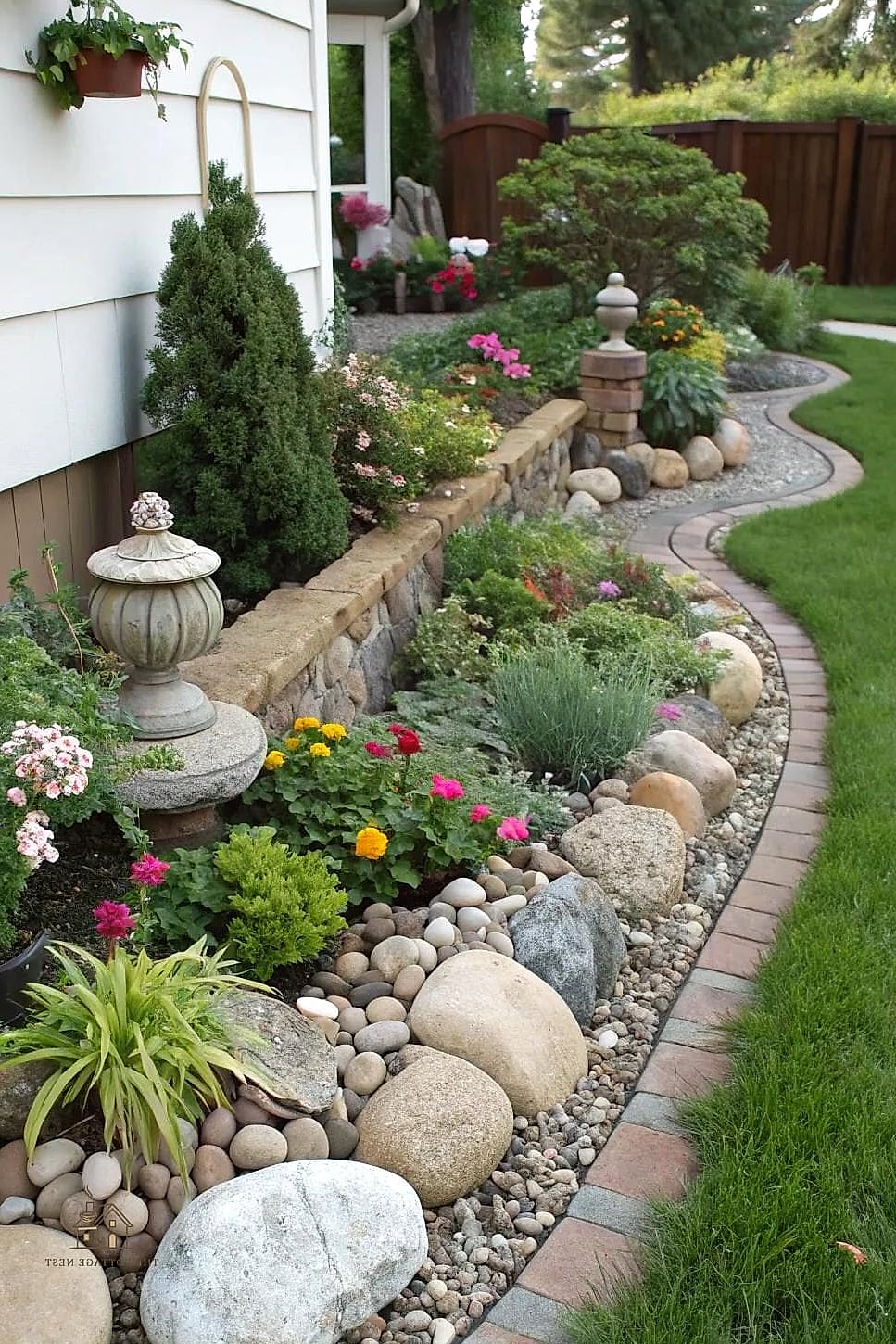
Combining two materials, like stone edging backed by a low row of lavender or brick paired with ornamental grass, creates depth that a single material can’t achieve alone. It takes more planning upfront but results in a border that feels custom-designed. This is a great final option if none of the single-material ideas above felt quite right on their own.
Whichever direction you go, remember that a garden border doesn’t need to be complicated to make a big visual difference. Start small, pick a material that fits your climate and budget, and expand from there. With so many options to choose from, you’re bound to find at least a few garden border ideas here worth trying in your own backyard.