30 Amazing Dining Room Decor Ideas on a Budget
- Paint an Accent Wall
- Hang a Statement Mirror
- Swap Out Chair Cushions
- Add a Layered Rug
- Create a Gallery Wall
- Bring In Greenery
- Update Cabinet or Sideboard Hardware
- Try a DIY Centerpiece
- Add Wainscoting or Faux Trim
- Layer Your Lighting
- Repurpose Old Furniture
- Install Open Shelving
- Use Removable Wallpaper
- Style Your Table with Layers
- Add a Bench Instead of Chairs
- Display Vintage Dishware
- Add Curtains for Softness
- Create a Coffee or Wine Station
- Mix Wood Tones Intentionally
- Use Baskets for Hidden Storage
- Frame a Window with Plants
- Add a Chandelier or Pendant Light
- Incorporate a Neutral Color Palette
- Use a Folding or Extendable Table
- Add Textured Table Linens
- Display a Rotating Art Print
- Add Molding to a Plain Table
- Style a Bar Cart as Decor
- Add a Seasonal Wreath or Garland
- Use Woven Placemats and Chargers
30 Amazing Dining Room Decor Ideas on a Budget
Your dining room doesn’t need a huge budget to feel special. A lot of the most charming dining spaces I’ve seen came together with thrift store finds, a little paint, and some creative thinking rather than a designer’s invoice. If you’re ready to give your dining area some personality without draining your savings, these 30 ideas will get you there.
Paint an Accent Wall
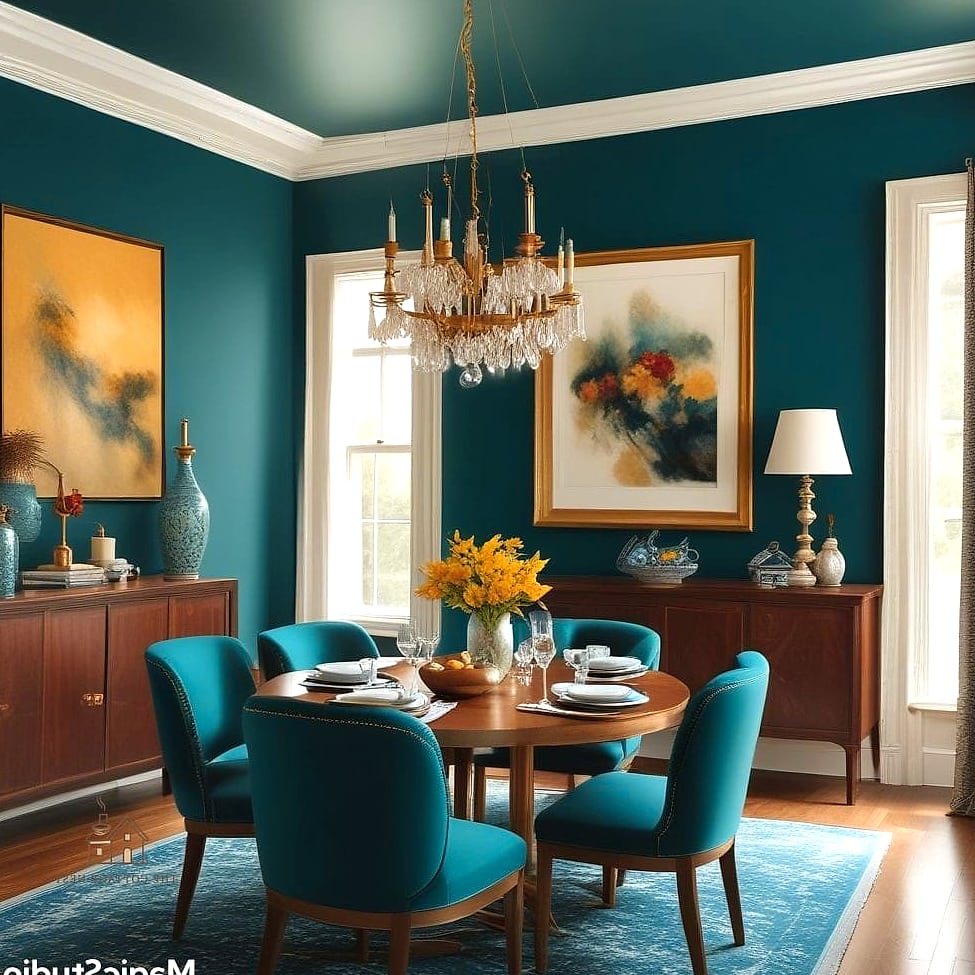
A can of paint is still one of the cheapest ways to change a room’s entire mood. Pick a deep color like navy, forest green, or terracotta for one wall behind your table to create a natural focal point. This works especially well in smaller dining rooms where a full color wash might feel heavy. Stick with a matte or eggshell finish for a soft look that hides minor wall imperfections.
Hang a Statement Mirror
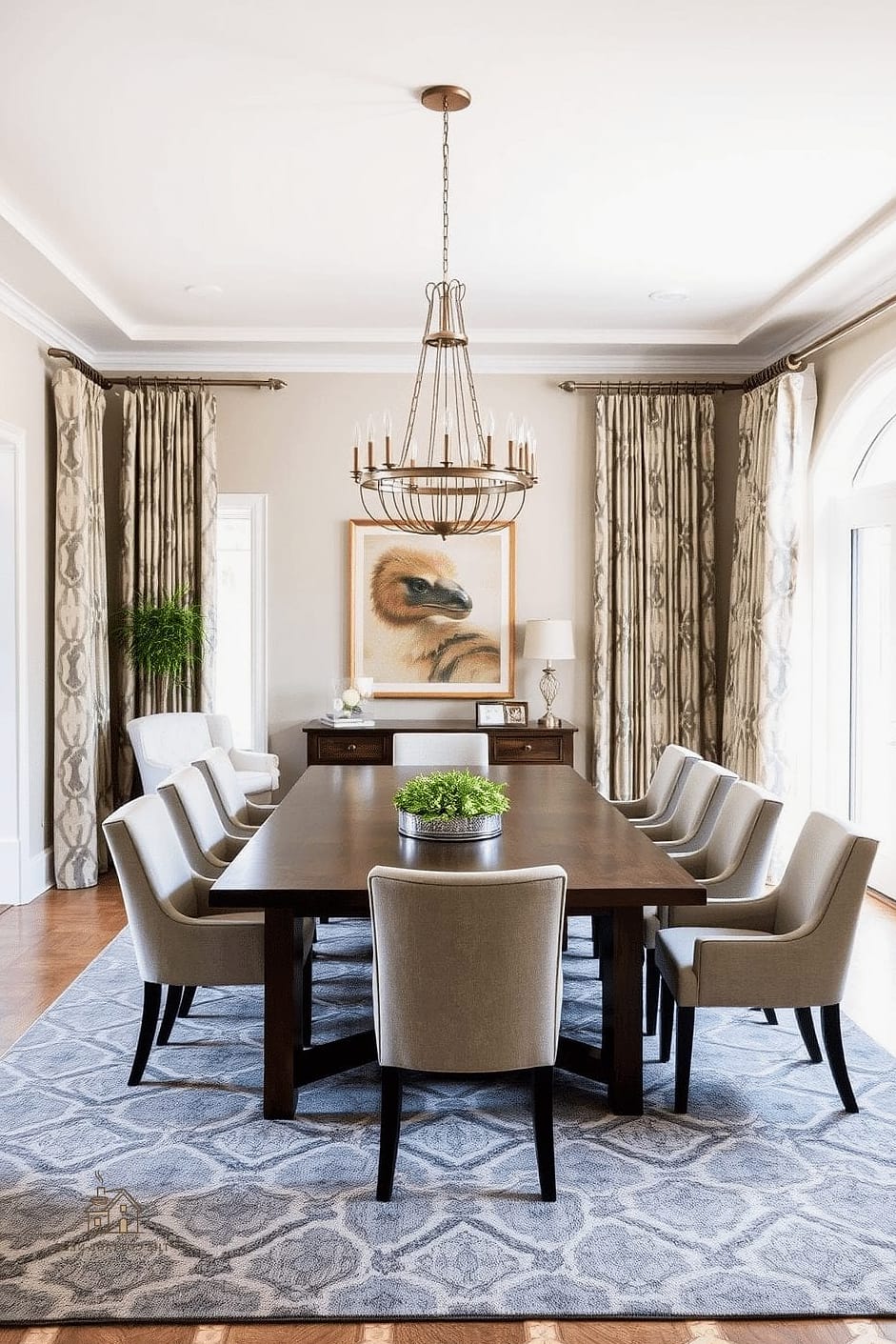
An oversized mirror bounces light around the room and makes tight dining spaces feel bigger instantly. Check secondhand shops and marketplace listings for ornate frames you can spray paint in gold or black. Position it across from a window so it reflects natural light during meals. This trick works wonders in apartments and rental dining nooks with limited windows.
Swap Out Chair Cushions
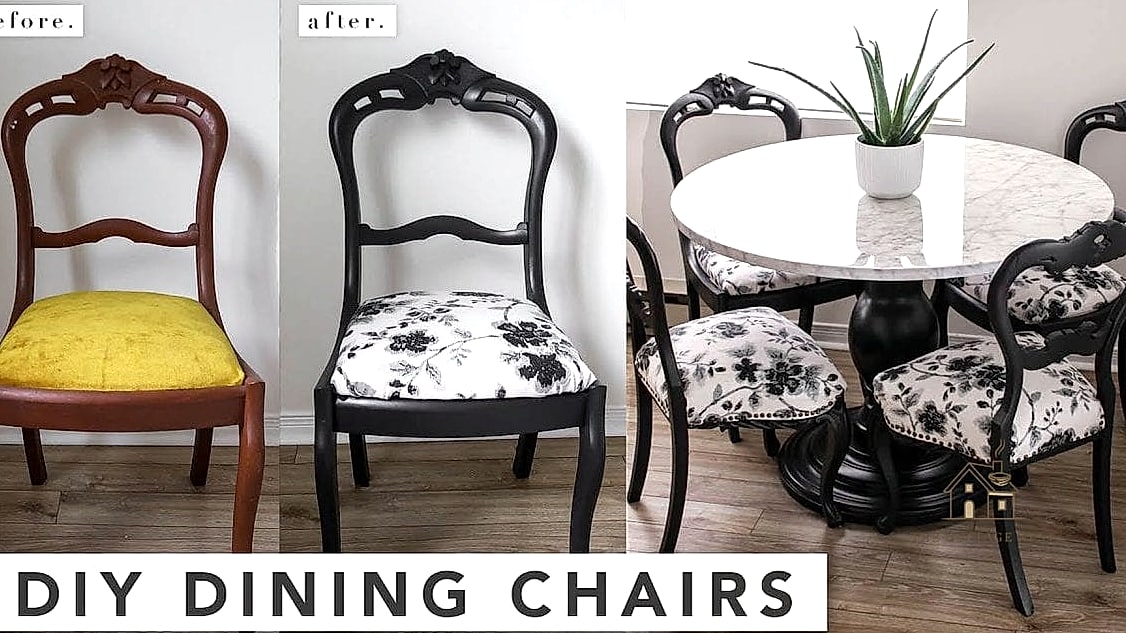
Reupholstering dining chairs sounds intimidating, but a staple gun and a yard of fabric can handle most simple seat pads in an afternoon. Choose a durable fabric since dining chairs see a lot of wear from spills and daily use. Patterned fabric adds visual interest without needing to touch the walls or furniture finish. This is a great weekend project if you want quick, visible results.
Add a Layered Rug
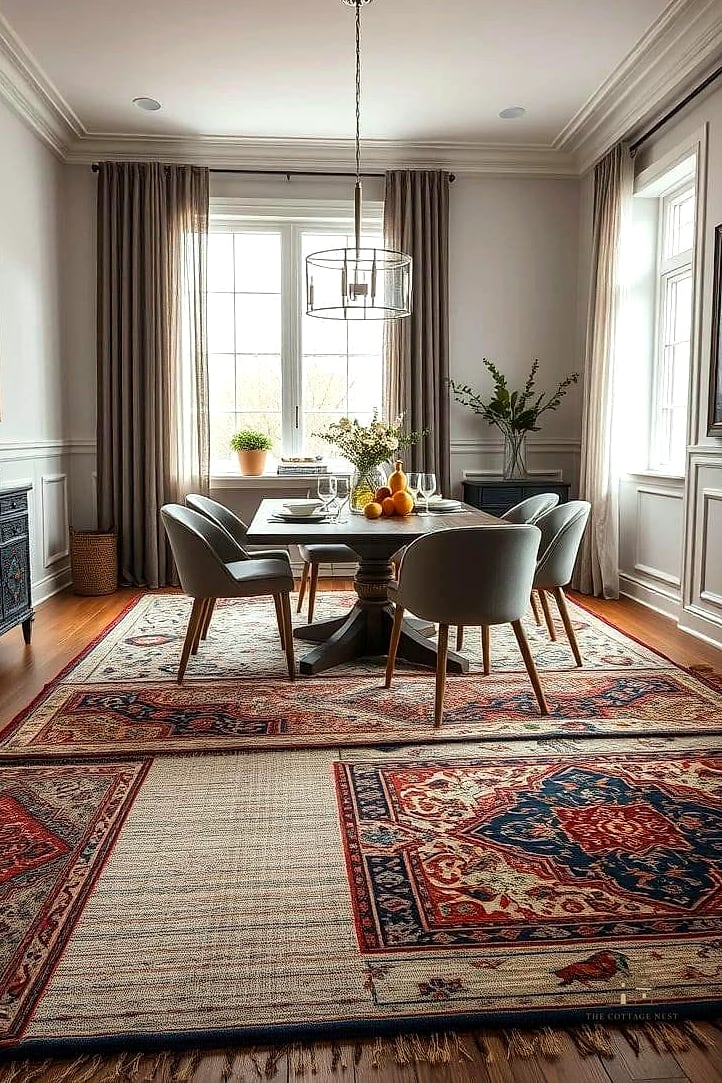
A rug under the dining table grounds the whole space and adds warmth underfoot. Look for budget-friendly flatweave or jute options that are easier to clean than plush styles. Make sure it’s large enough that chairs stay on the rug even when pulled out. Pet owners might prefer a low-pile option since it collects less fur and is simpler to vacuum.
Create a Gallery Wall
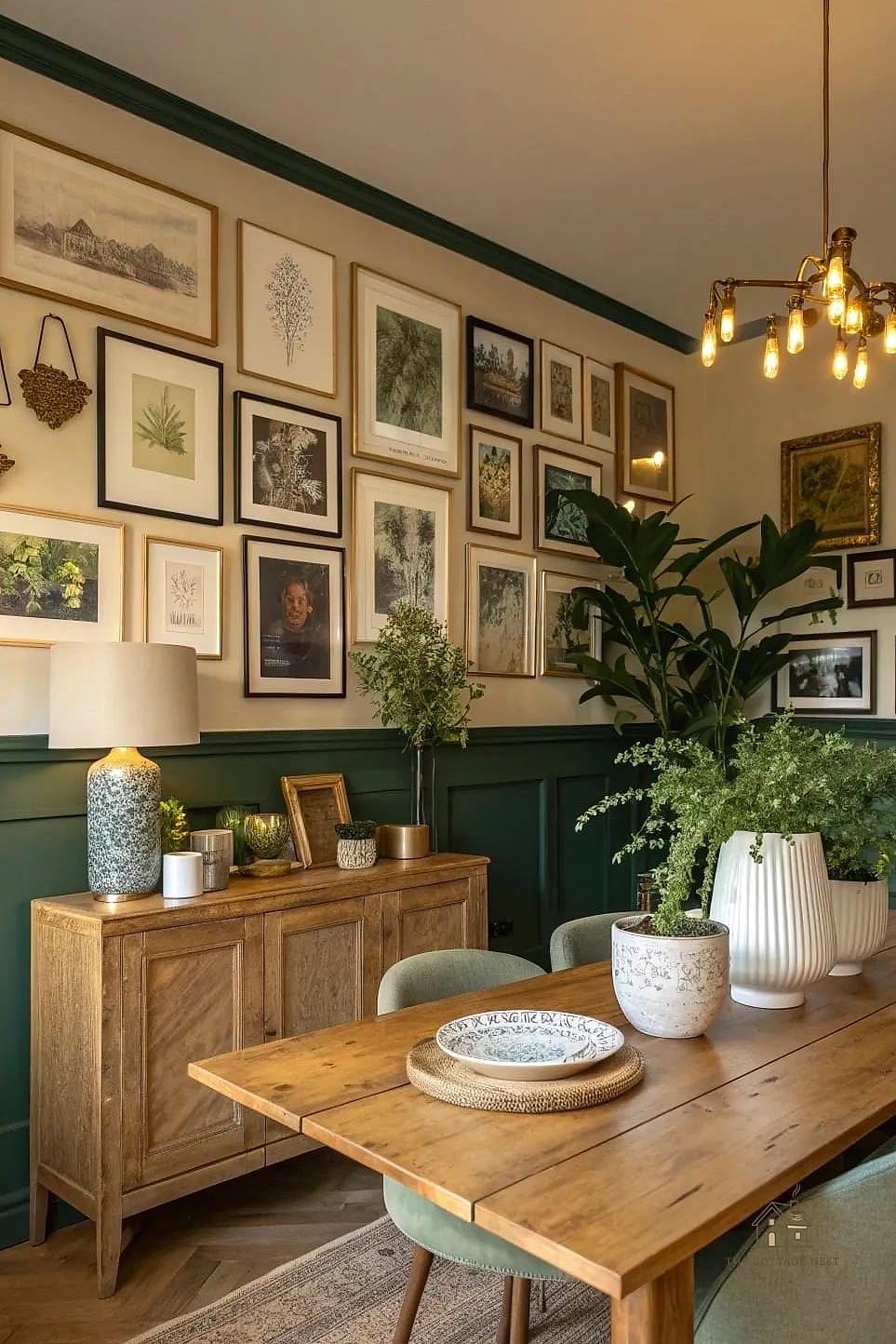
Frame prints, family photos, or even pages from an old book for an eclectic gallery wall behind your table. Mismatched frames from thrift stores actually look more collected and intentional than a matching set. Arrange everything on the floor first to figure out spacing before committing to nail holes. This idea costs almost nothing if you already have frames sitting in storage.
Bring In Greenery
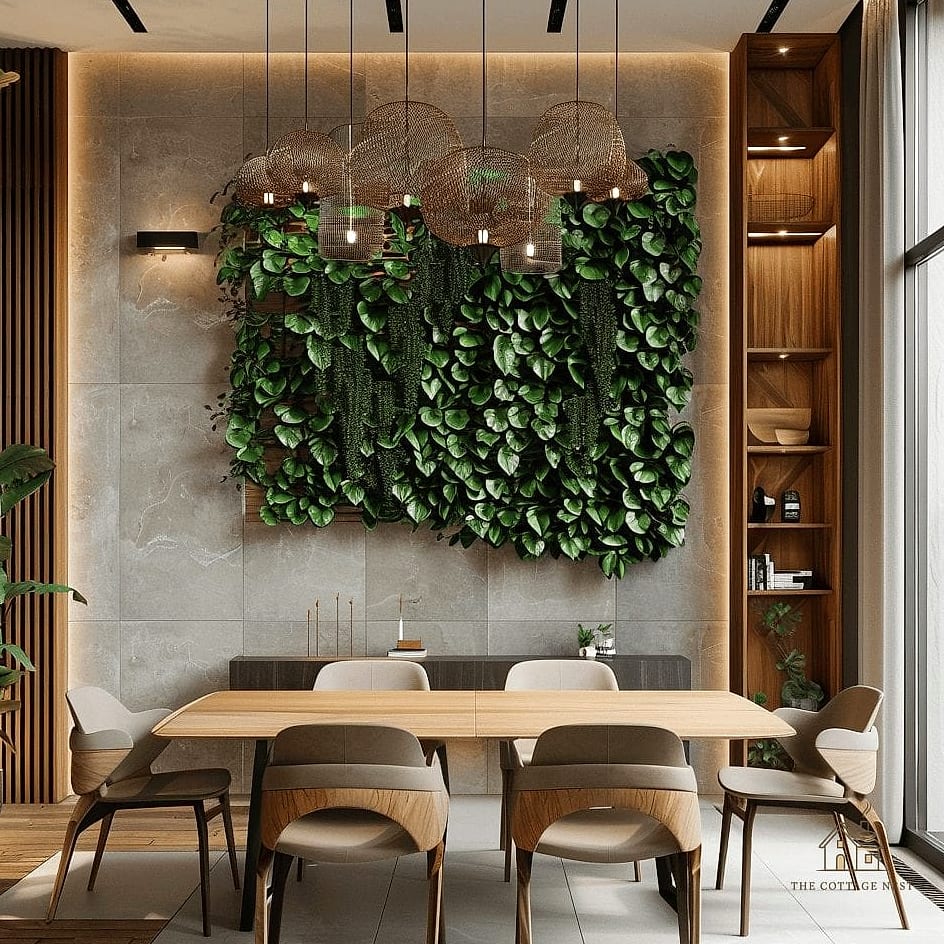
A few plants on the table, sideboard, or in a corner instantly make a dining room feel more alive. Pothos and snake plants are nearly impossible to kill and thrive in average indoor light. If you don’t trust yourself with real plants, quality faux greenery has come a long way and holds up fine from a normal viewing distance. Either way, greenery softens hard edges like wood furniture and tile floors.
Update Cabinet or Sideboard Hardware
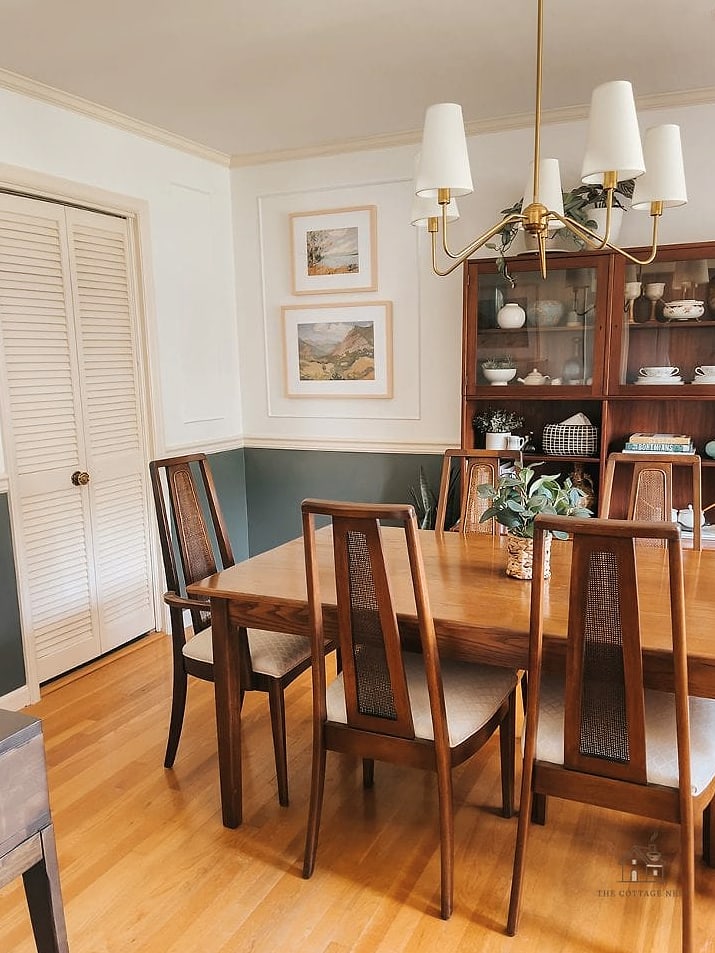
If your dining room has a built-in hutch or sideboard, new knobs and pulls can make it look like a different piece entirely. Brushed brass and matte black are popular right now and both read as more expensive than they cost. This swap usually takes less than an hour with a screwdriver. It’s one of the best low-effort, high-impact upgrades in this whole list.
Try a DIY Centerpiece
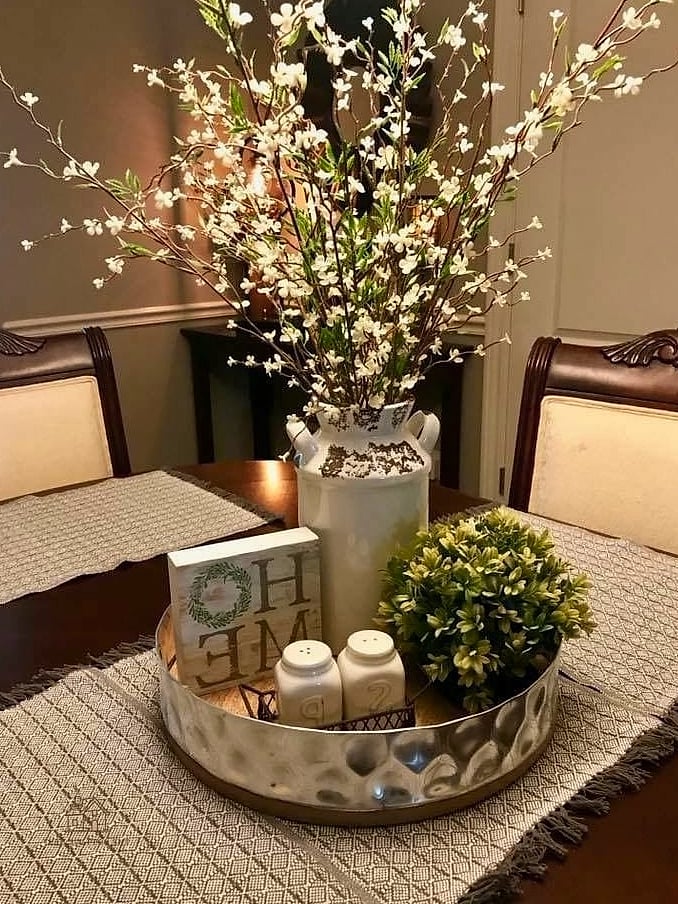
Skip pricey floral arrangements and build a centerpiece from things you already have, like a wooden tray with candles and greenery clippings. Rotating seasonal elements, like pinecones in winter or citrus in summer, keeps the table feeling fresh without extra spending. Keep it low enough that people can still see each other across the table. Simple often looks more intentional than elaborate arrangements anyway.
Add Wainscoting or Faux Trim
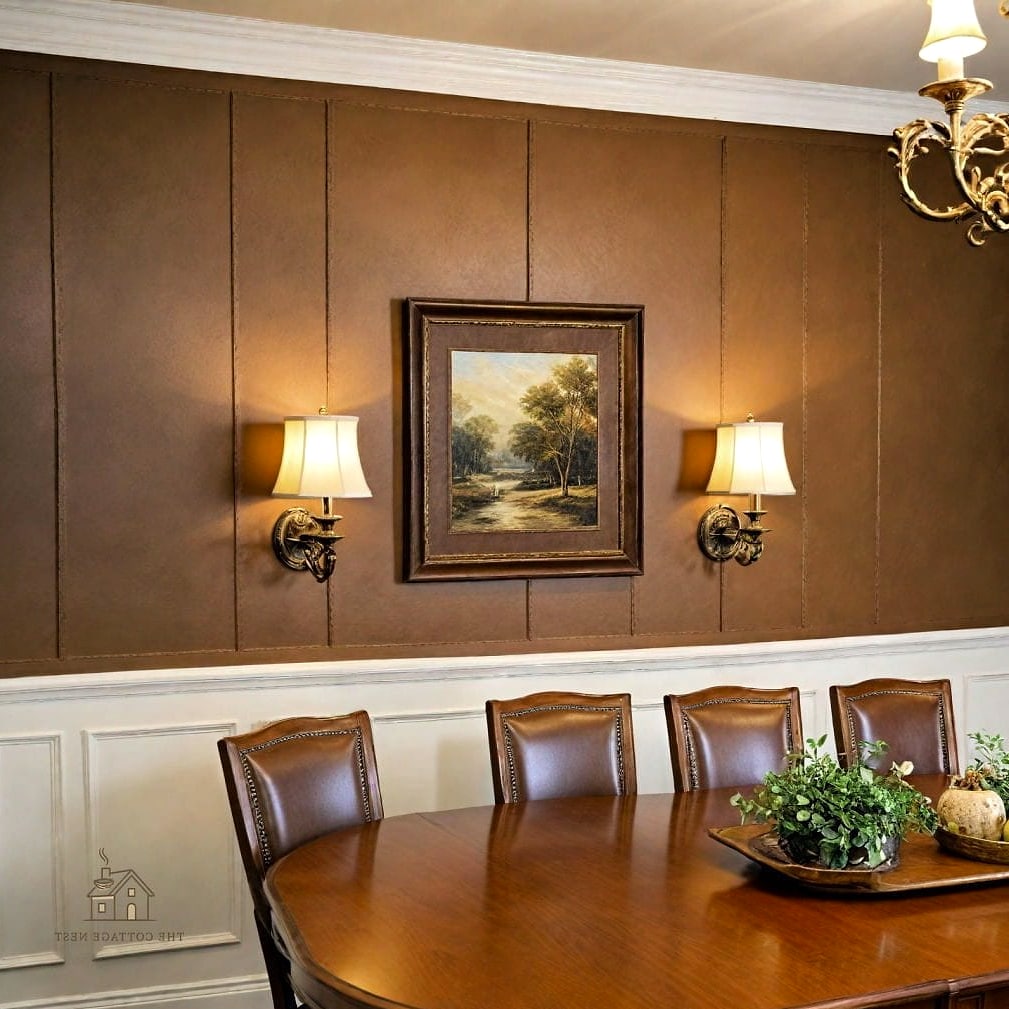
Peel-and-stick trim kits or lightweight MDF boards can mimic the look of classic wainscoting for a fraction of custom carpentry costs. This adds architectural interest to a plain, boxy dining room and pairs nicely with a painted accent wall above it. It’s a bit more involved than other ideas here, but still very doable as a weekend DIY project. Renters should check with their landlord before attaching anything permanent to the walls.
Layer Your Lighting
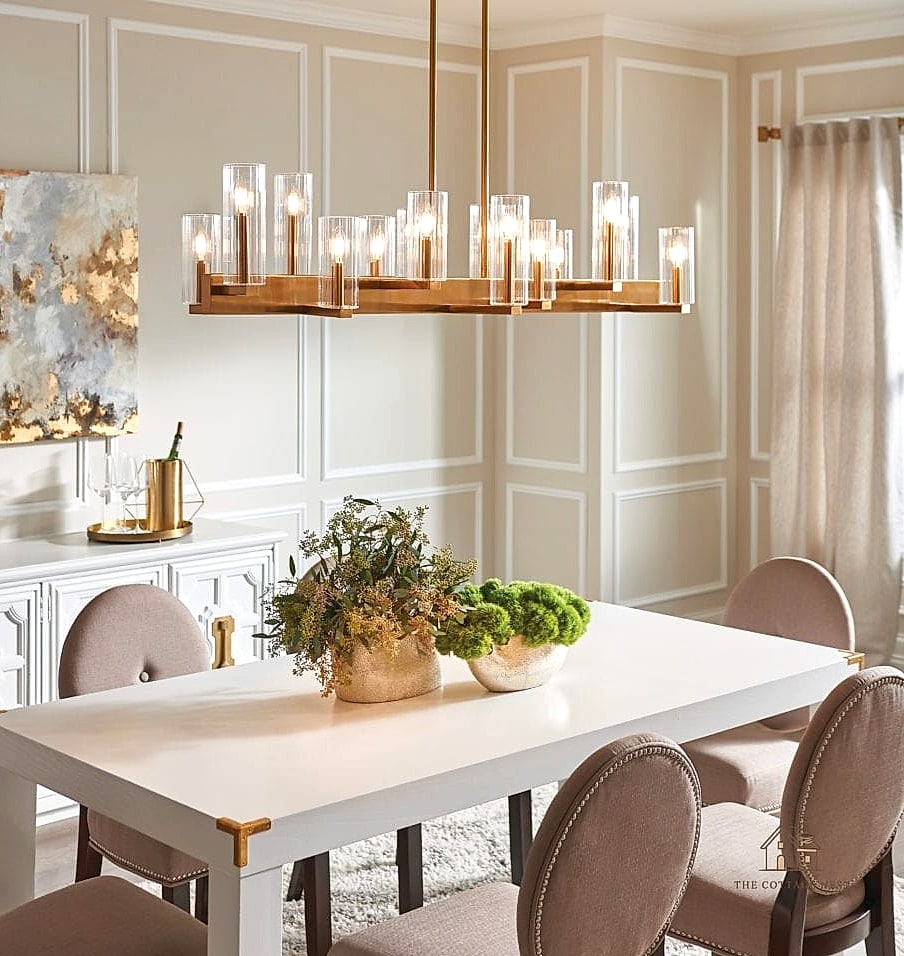
Relying on a single overhead fixture makes most dining rooms feel flat and uninviting. Add a plug-in wall sconce, a small lamp on the sideboard, or battery-operated candles for warmer ambient light. Dimmer switches are inexpensive and let you shift from bright weeknight dinners to cozy weekend gatherings. Layered lighting is one of those details that photographs beautifully too.
Repurpose Old Furniture
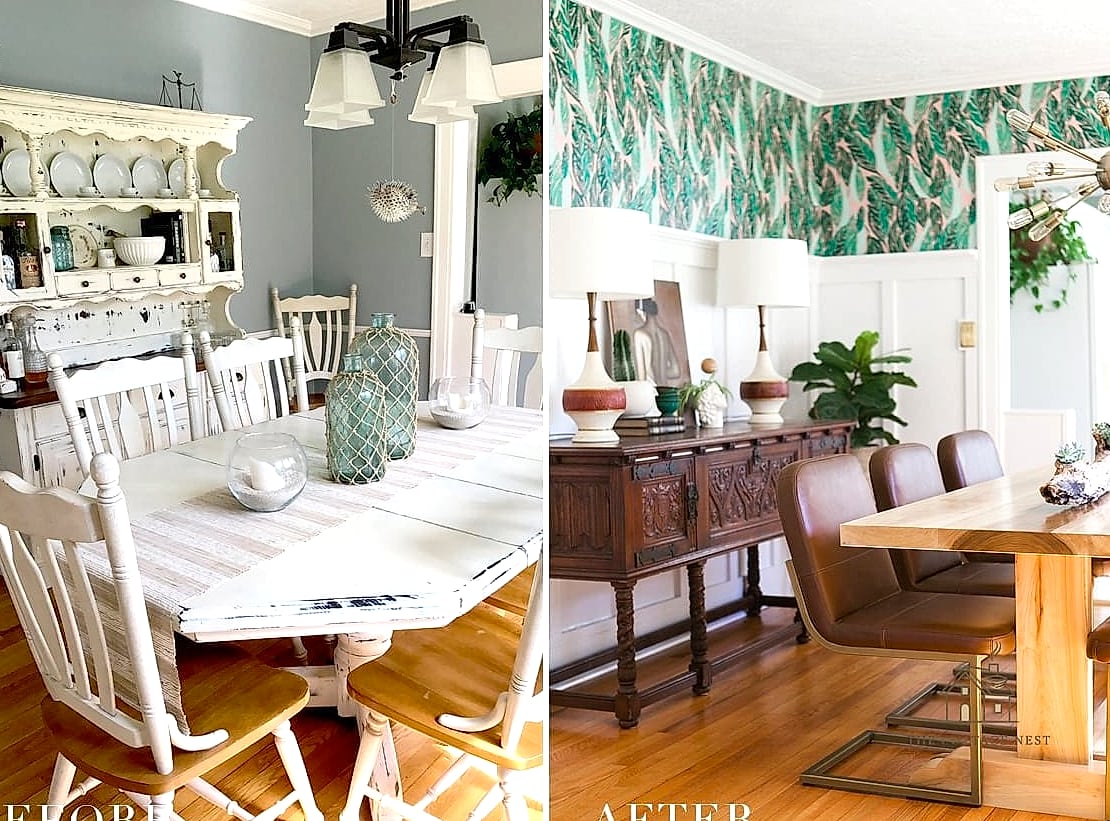
That dresser sitting in your garage could become a charming dining room buffet with some sanding and paint. Look at furniture you already own with fresh eyes before buying something new. A coat of chalk paint and new hardware can completely change the character of an old piece. This approach also keeps usable furniture out of the landfill, which is a nice bonus.
Install Open Shelving
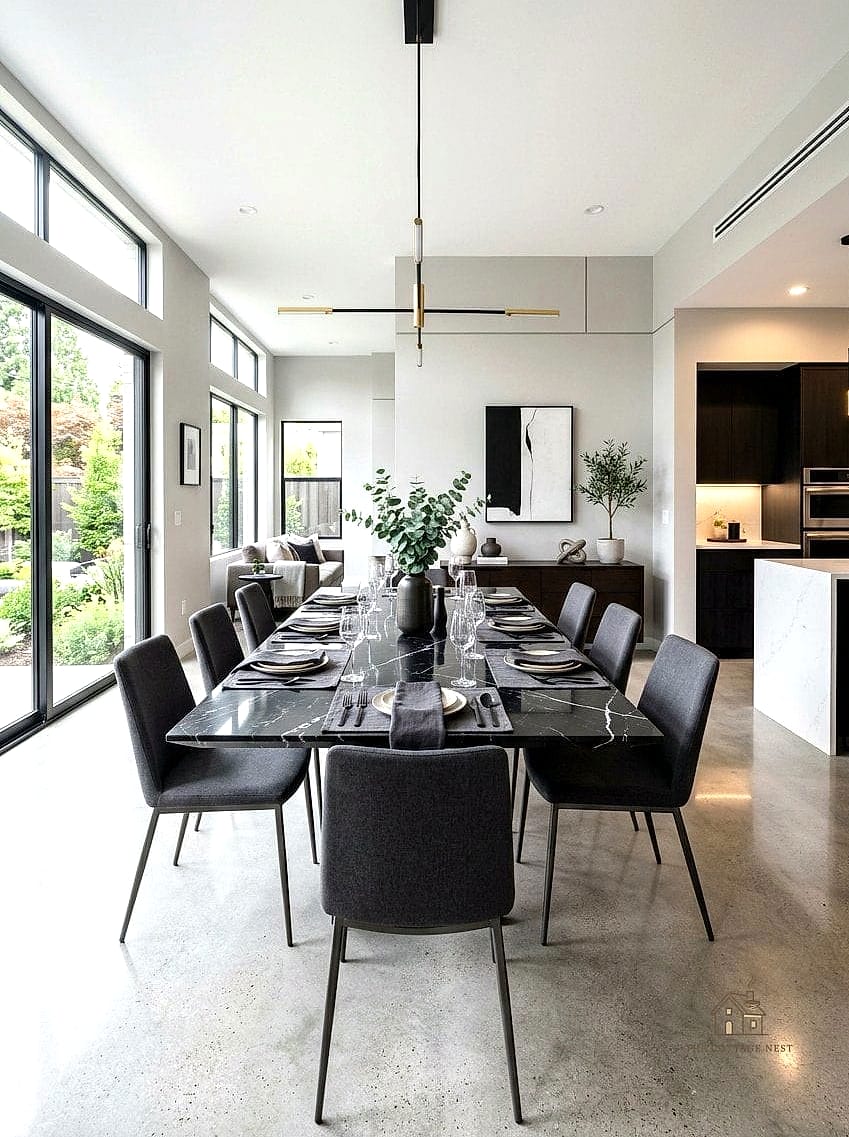
A couple of floating shelves on an empty wall gives you a spot to display dishware, glassware, or decorative objects. This works particularly well in dining rooms that share space with a kitchen since it keeps everyday items within reach. Stick to simple wood or painted brackets that match your existing trim color. Just be selective about what goes on display since open shelving gets cluttered fast.
Use Removable Wallpaper
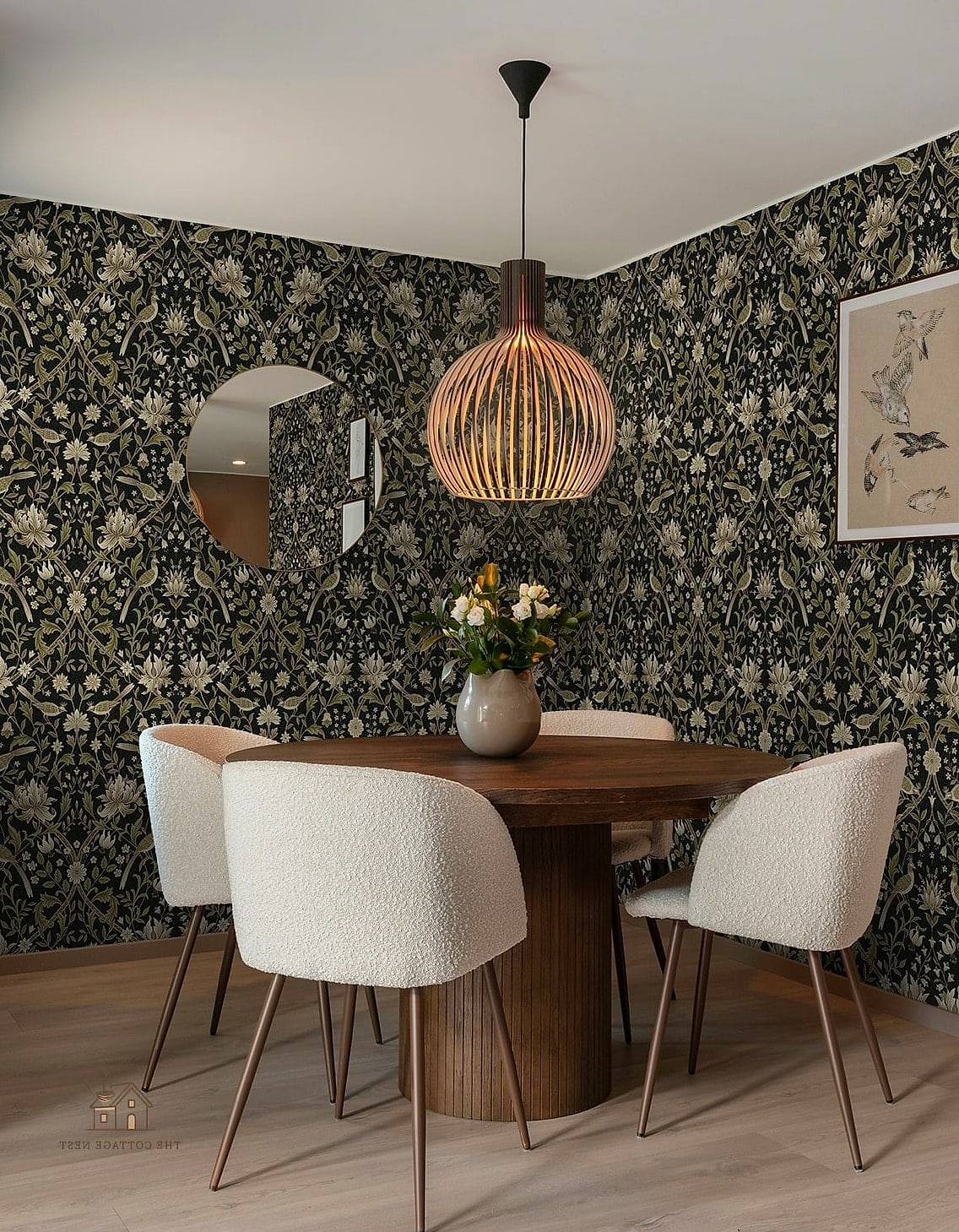
Peel-and-stick wallpaper has gotten remarkably realistic looking, from grasscloth textures to subtle floral prints. It’s ideal for renters since it comes off without damaging paint underneath. Consider applying it just to the lower half of a wall paired with trim for a wainscoting-style look. Ventilated, low-traffic dining walls are actually one of the easier rooms to practice on if you’re new to wallpapering.
Style Your Table with Layers
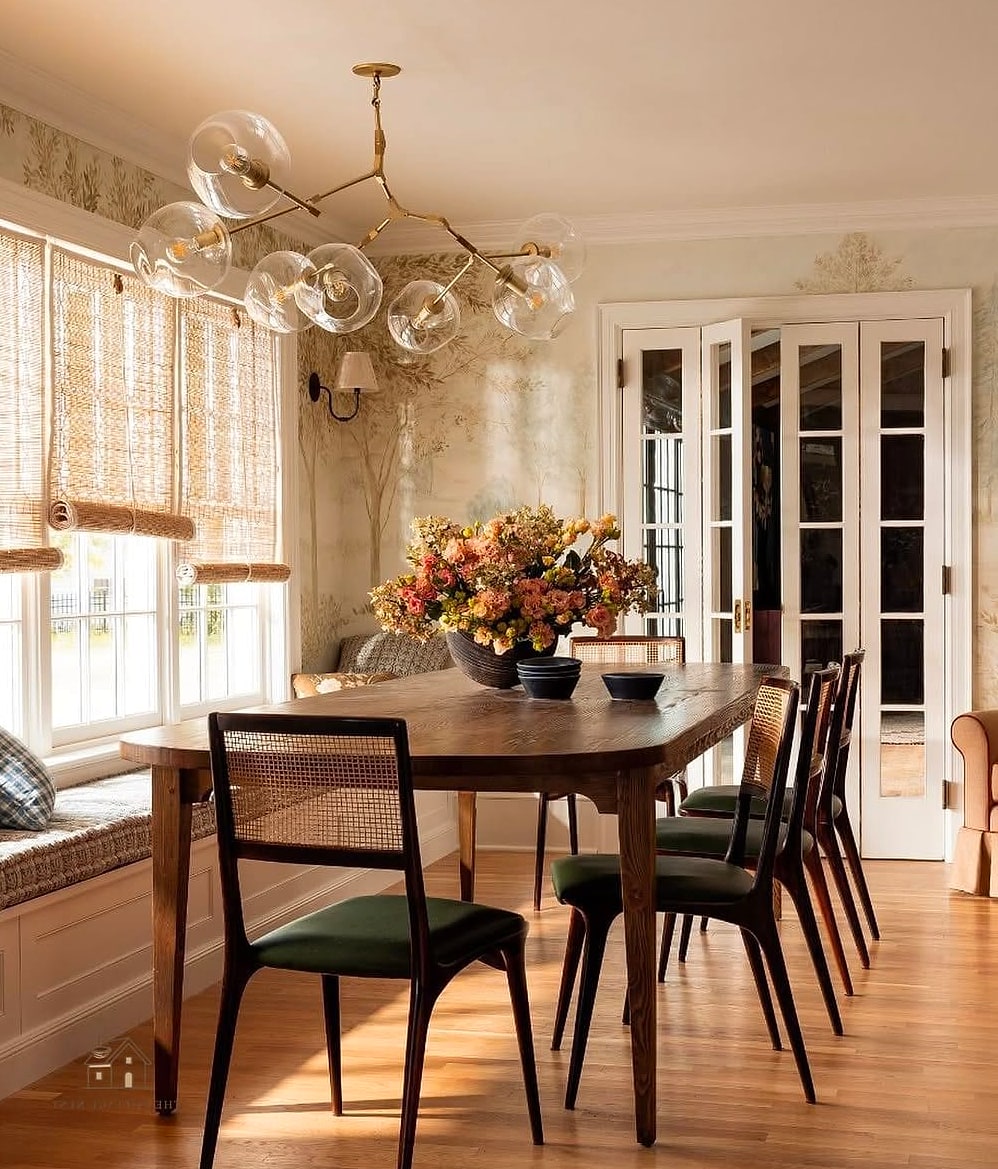
Instead of a bare tabletop, try layering a table runner over a solid tablecloth for texture and dimension. Mixing patterns and materials, like linen with a woven runner, adds visual depth without any real cost. This is an easy thing to switch out seasonally too. Keep your dinnerware neutral if your linens are patterned so the table doesn’t feel too busy.
Add a Bench Instead of Chairs
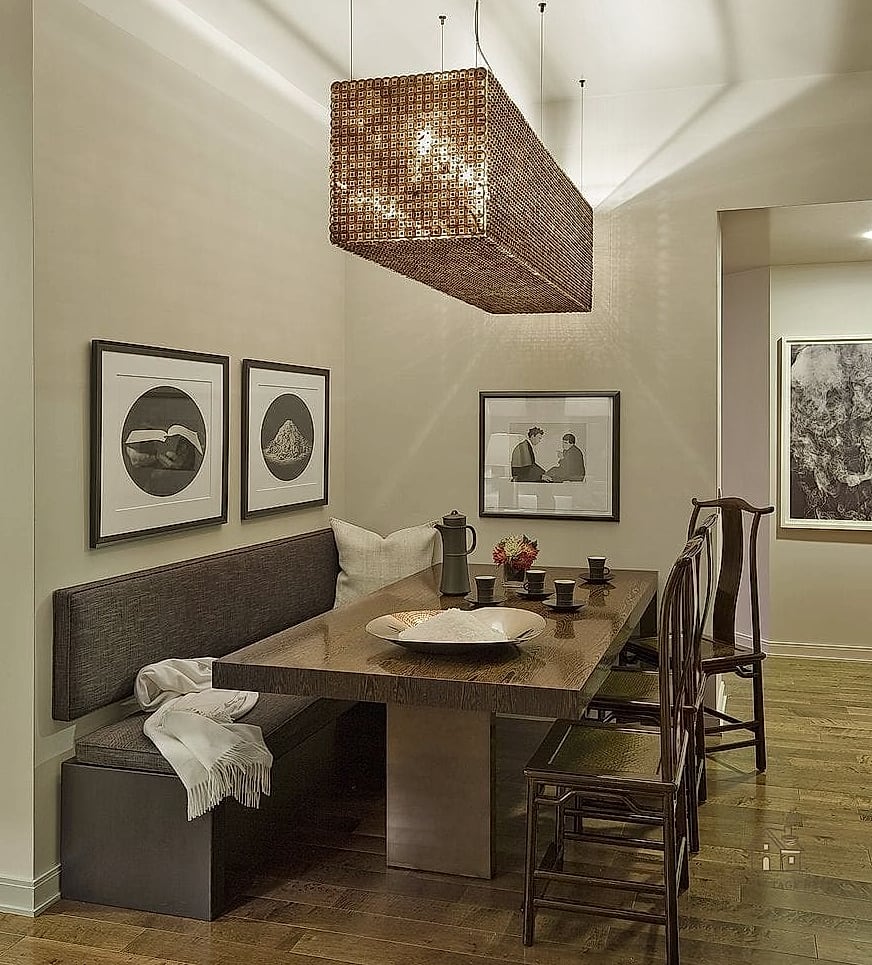
Swapping one or two chairs for a bench opens up flexible seating and gives the room a more relaxed, collected look. Benches are often cheaper than a full set of matching chairs, especially secondhand. They also tuck neatly under the table when not in use, which helps in smaller dining rooms. Add a cushion or folded throw for extra comfort during longer meals.
Display Vintage Dishware
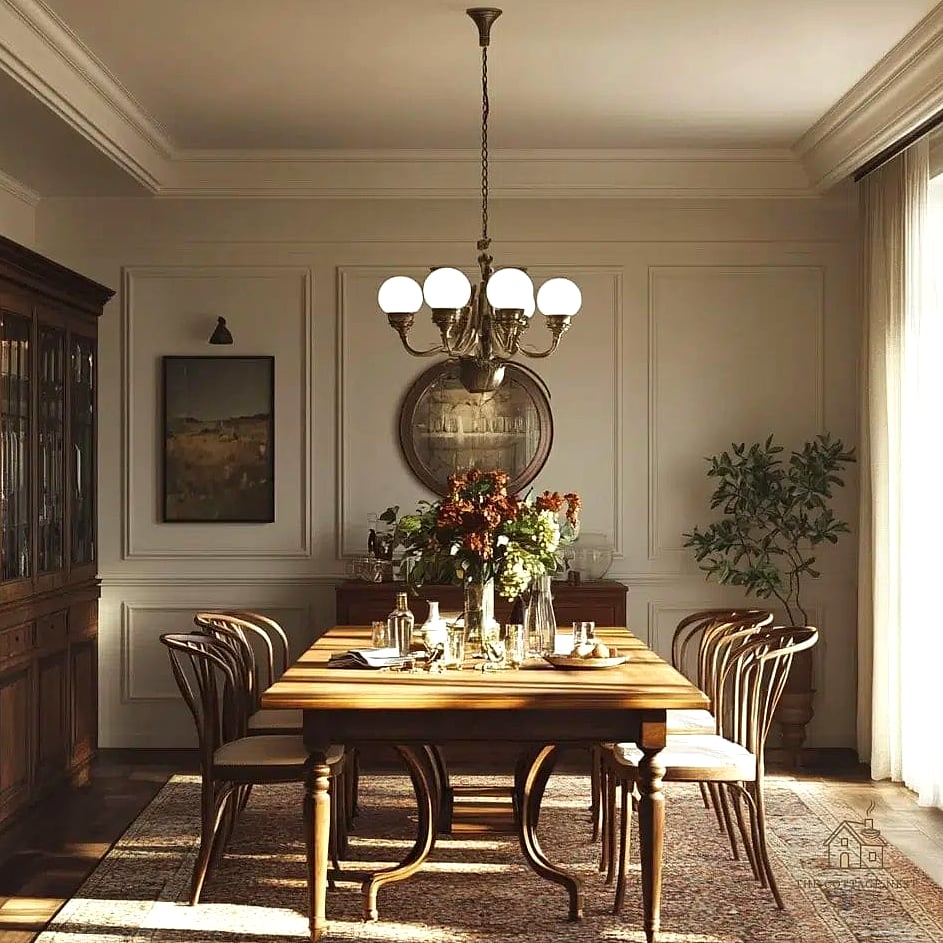
Instead of tucking your good dishes away in cabinets, let them be part of the decor on open shelves or a plate rack. Thrifted mismatched china actually looks intentional when grouped by color palette rather than pattern. This turns functional items into decoration without spending on separate decor pieces. It’s a favorite trick among collectors who like a lived-in, curated look.
Add Curtains for Softness
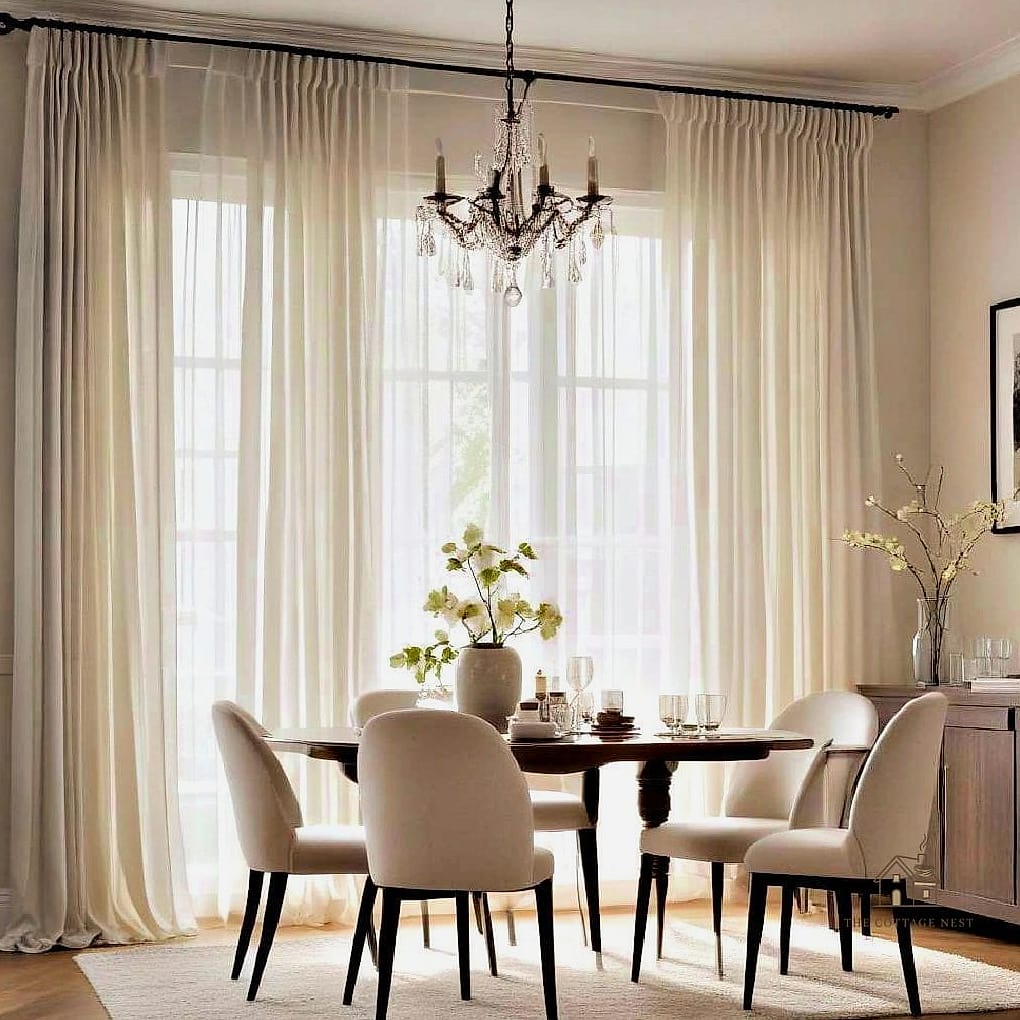
Simple curtain panels soften hard window frames and add a sense of coziness to the room. Linen or cotton in a neutral tone works with almost any style and won’t compete with other decor. Hang the rod higher than the window frame to make ceilings feel taller. This is a small detail that makes a surprisingly big difference in how finished a room feels.
Create a Coffee or Wine Station
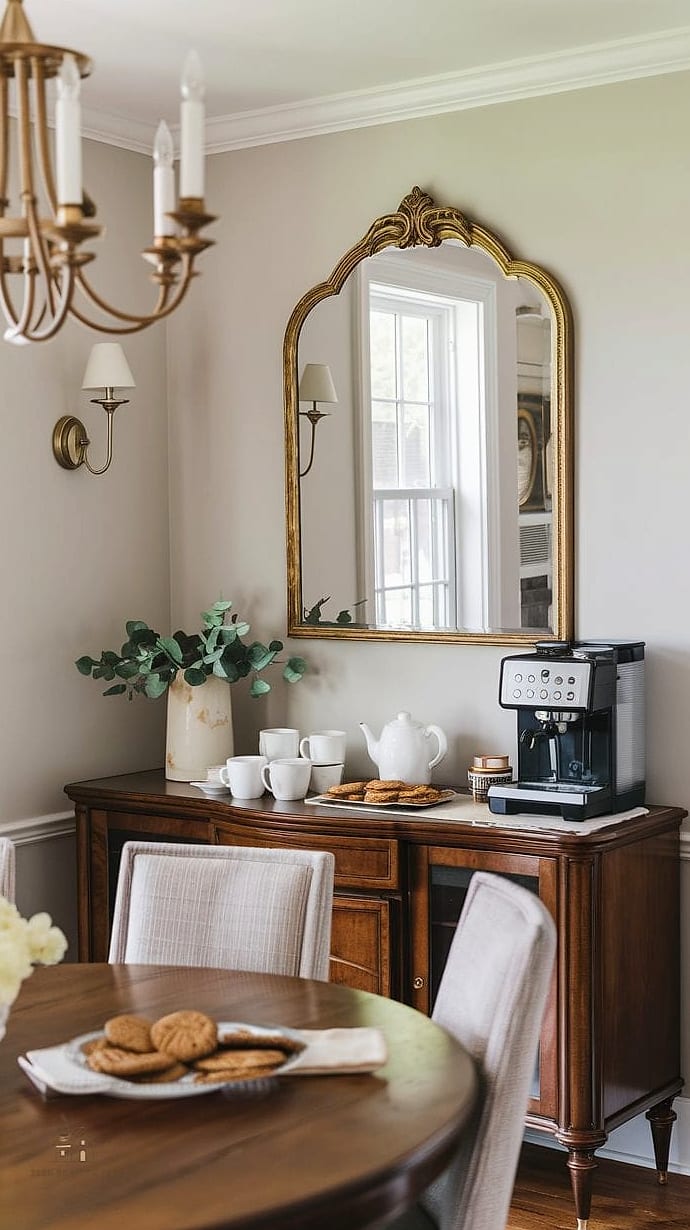
A small bar cart or repurposed side table can hold glassware, a few bottles, and a tray for an easy self-serve station. This adds function to unused corners and gives guests something to do besides sit at the table waiting for food. Secondhand cart finds are everywhere and just need a wipe-down and maybe new paint. It’s a small addition that makes hosting feel more relaxed.
Mix Wood Tones Intentionally
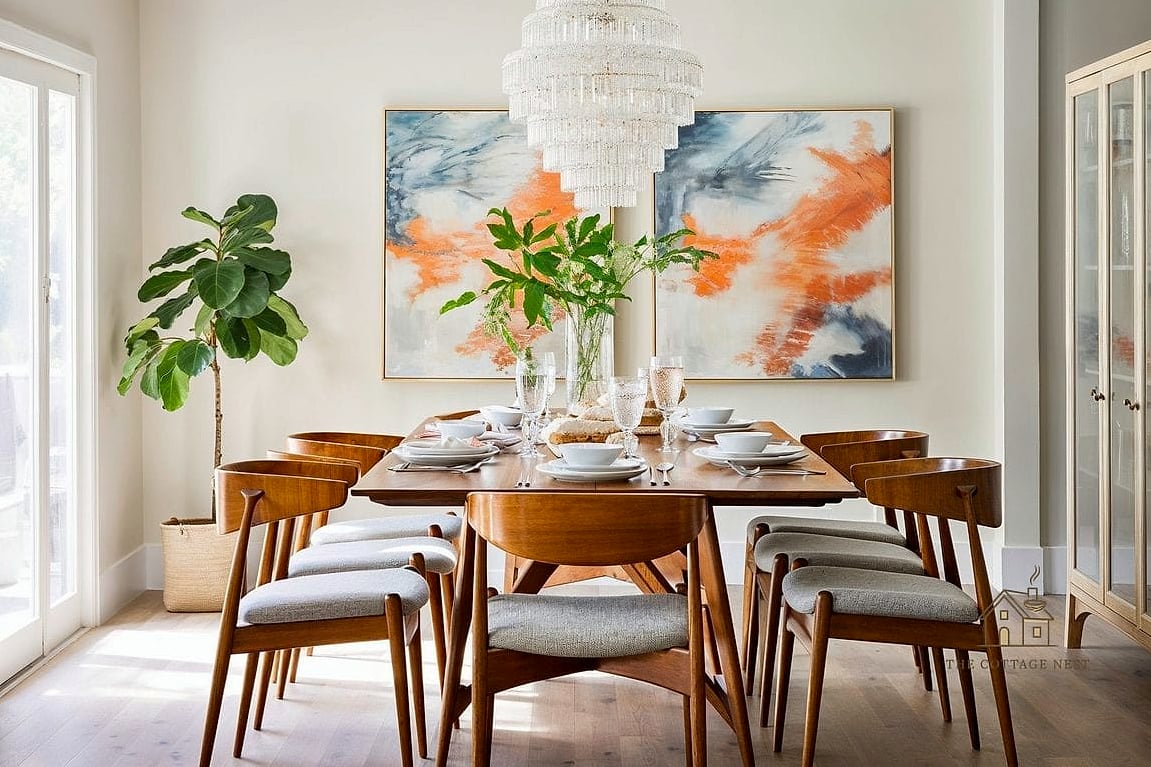
You don’t need matching furniture for a dining room to feel put together. Mixing warm and cool wood tones, like a lighter table with darker chairs, actually reads as more collected than a matchy showroom set. Tie everything together with a consistent color palette in your textiles and decor. This approach is genuinely budget-friendly since it lets you use furniture from different sources.
Use Baskets for Hidden Storage
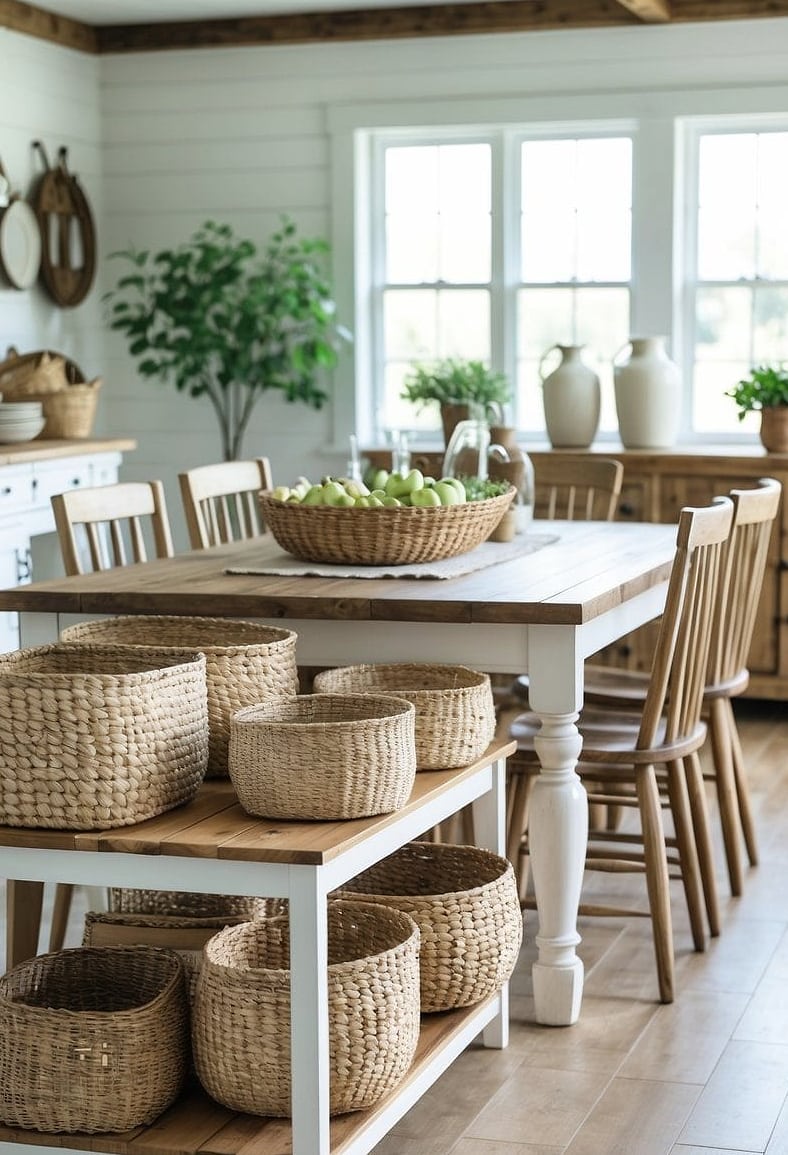
If your dining room doubles as a catch-all space, woven baskets under a console or sideboard keep clutter out of sight while adding natural texture. This is especially handy for families who need a spot for linens, extra placemats, or kids’ art supplies. Baskets are inexpensive and come in dozens of sizes to fit odd corners. They’re also easier to keep tidy than open bins since contents stay hidden.
Frame a Window with Plants
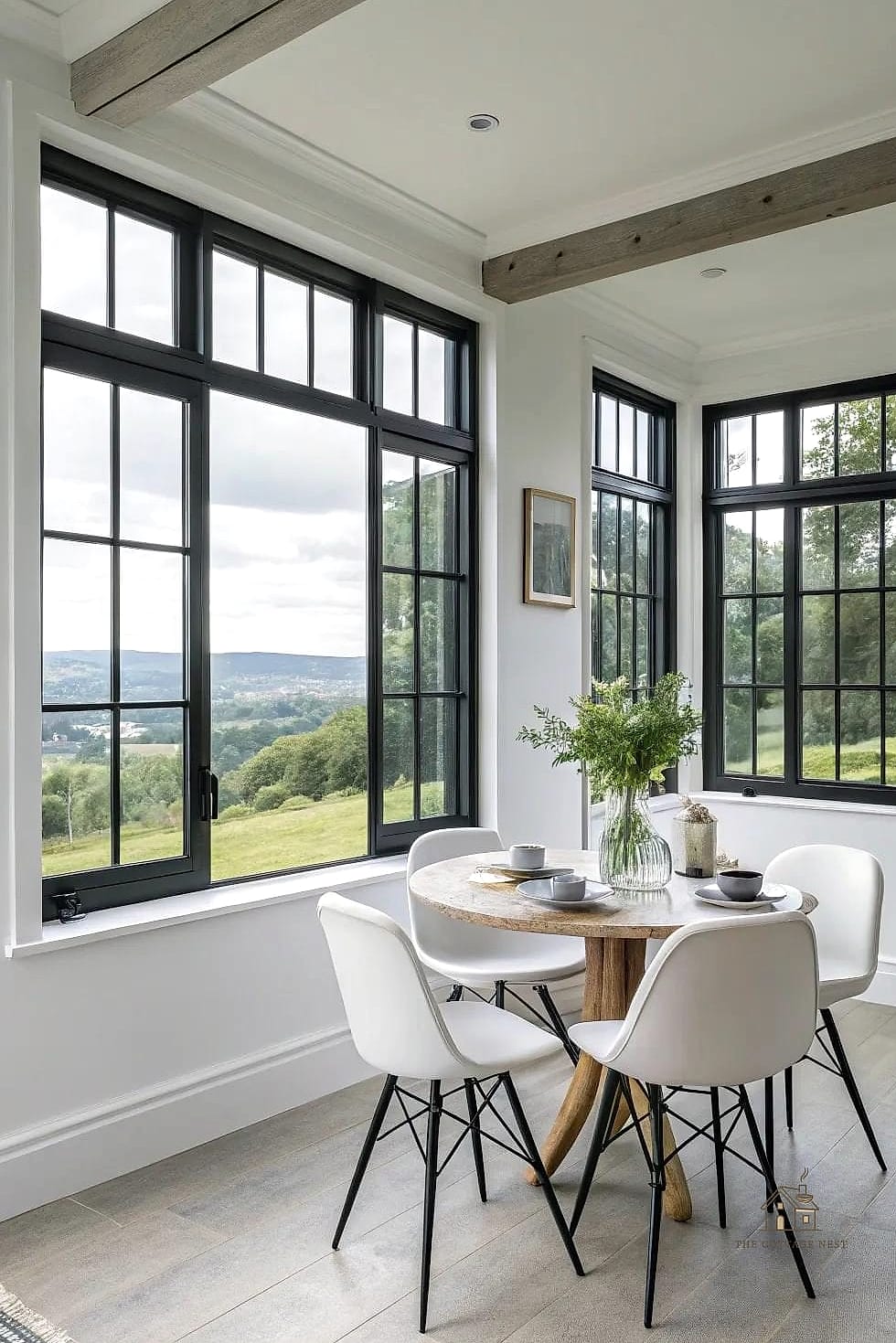
If your dining room has a window, styling it with a row of small potted plants creates a mini indoor garden view during meals. Herbs like basil and mint work well here since they get consistent light and are useful in the kitchen too. This is an especially nice touch for apartment dining nooks that don’t have much outdoor space nearby. Rotate pots occasionally so plants grow evenly toward the light.
Add a Chandelier or Pendant Light
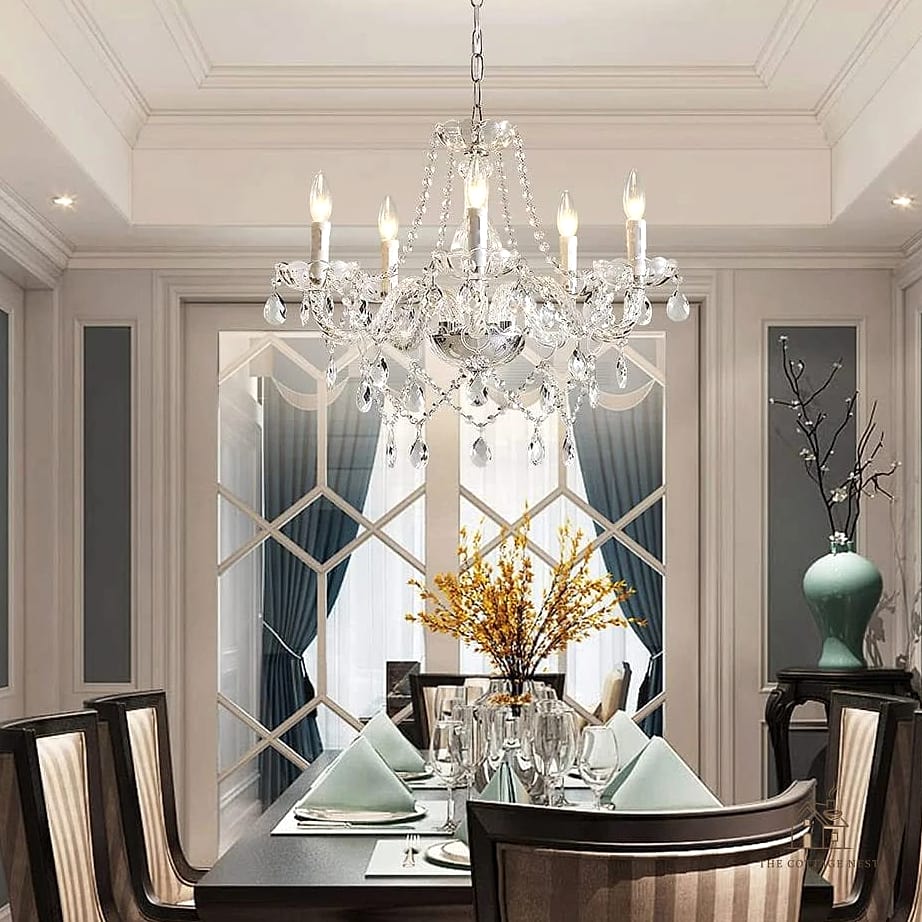
Swapping a builder-grade fixture for a more interesting pendant or small chandelier changes the whole feel of the room without touching the walls or furniture. Look for sales, floor models, or secondhand fixtures rather than paying full retail. Make sure the scale fits your table since an oversized fixture can overwhelm a small dining area. This is one splurge-feeling upgrade that’s genuinely achievable on a budget.
Incorporate a Neutral Color Palette
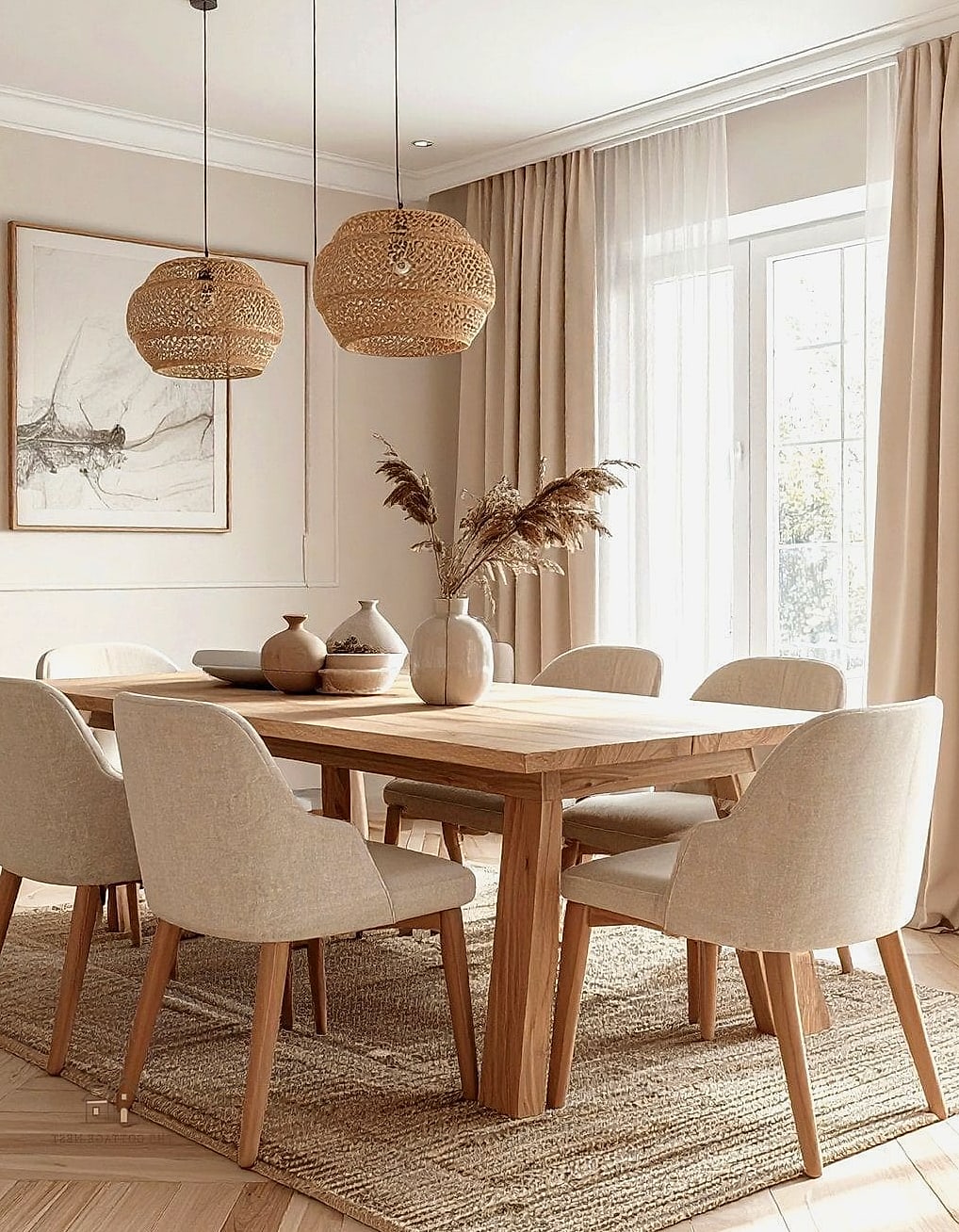
Sticking to warm neutrals like cream, taupe, and soft gray makes a small dining room feel calmer and more spacious. This palette also makes it easier to swap seasonal decor in and out without clashing. Add texture through natural materials like linen, rattan, and wood to keep things from feeling flat. It’s a forgiving approach if you’re still figuring out your personal style.
Use a Folding or Extendable Table
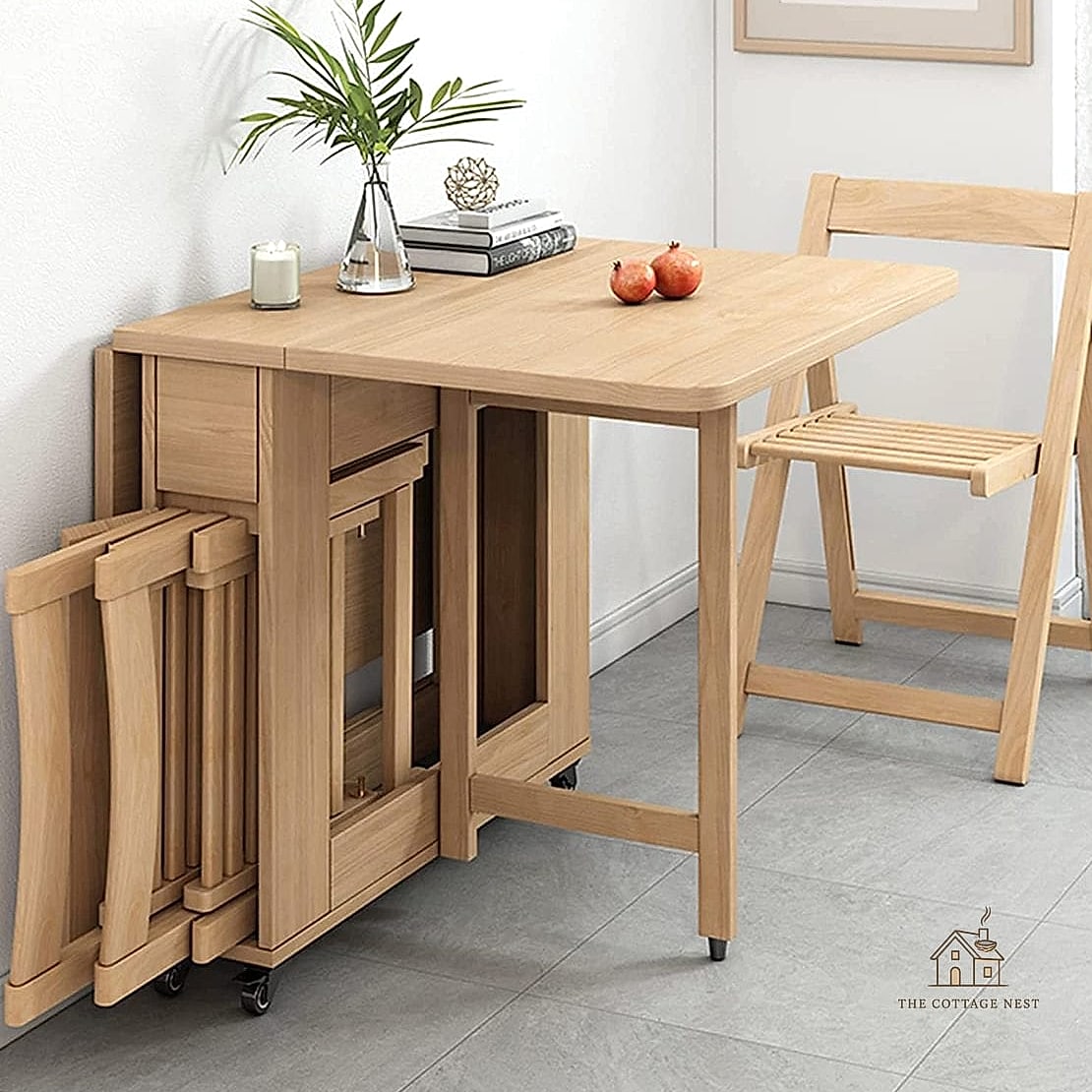
If space and budget are both tight, a simple extendable table gives you flexibility for everyday meals and larger gatherings. Many budget-friendly options fold down small enough to tuck against a wall when not needed. This is especially useful in studio apartments or multi-purpose rooms. Pair it with lightweight folding or stacking chairs for extra storage ease.
Add Textured Table Linens
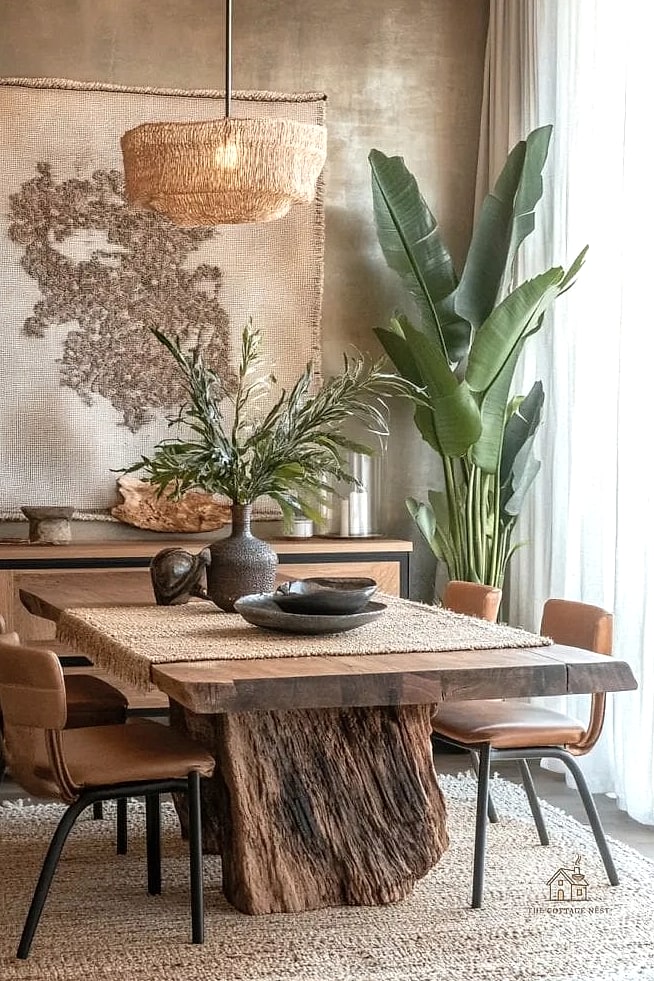
Instead of a plain white tablecloth, look for linens with texture, like waffle weave or slubbed cotton, to make the table feel more layered. These small details add visual interest in photos and in person without needing extra decor. They’re also inexpensive to switch out seasonally compared to changing furniture. Look for machine-washable options if you have kids or pets around the table often.
Display a Rotating Art Print
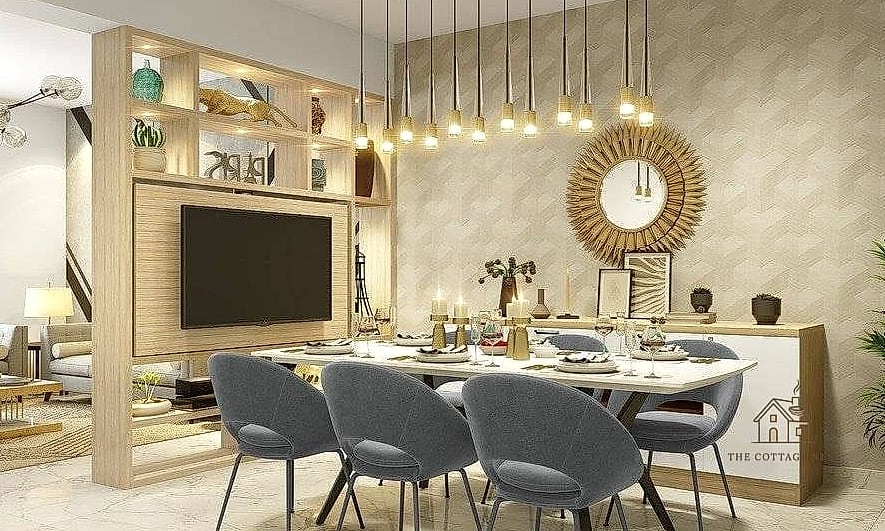
A single large art print in an affordable frame can act as the room’s focal point without the cost of an oversized painting. Many print shops offer downloadable art you can print at home or at a local shop for a few dollars. Rotate the print seasonally or when you want a quick refresh. This is a nice option if you like to change things up often without much expense.
Add Molding to a Plain Table
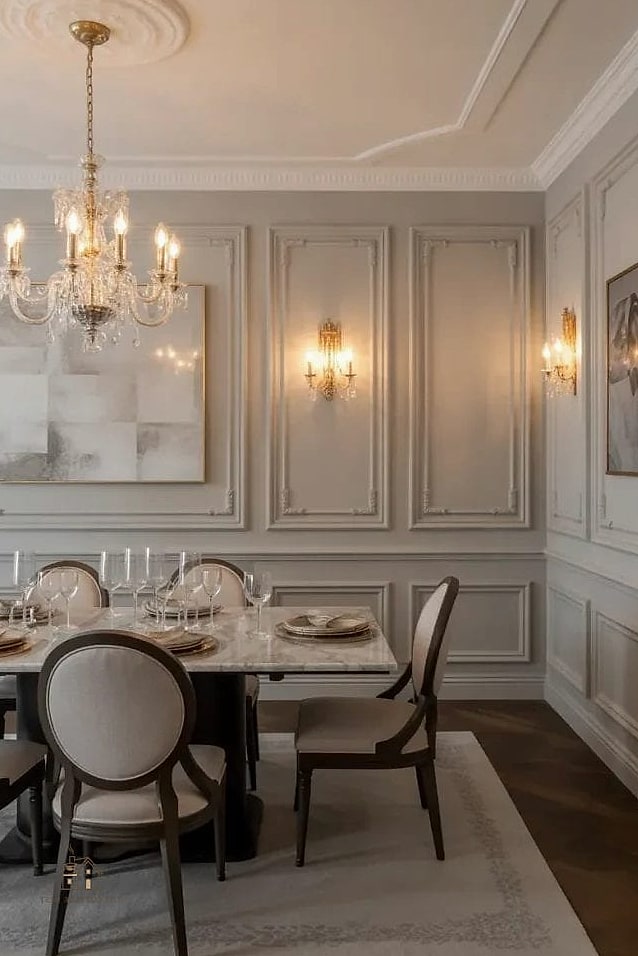
If your dining table feels dated, adding trim molding to the base or skirt can update its silhouette for the cost of some wood strips and paint. This works especially well on older, boxier tables that just need a style refresh rather than full replacement. Sand and prime before painting for a smooth, cohesive finish. It’s a project best suited for anyone comfortable with basic tools.
Style a Bar Cart as Decor
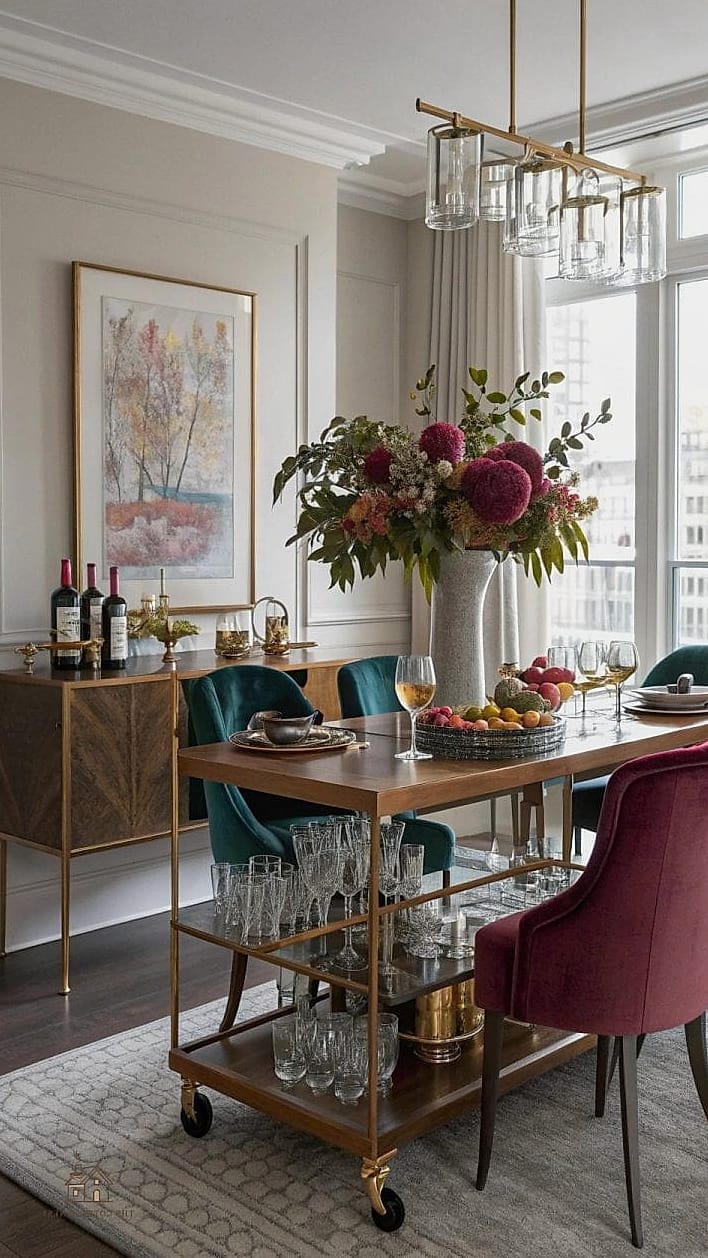
Even if you don’t drink, a bar cart styled with glassware, a tray, and a small plant makes a nice decorative accent in an empty dining room corner. It adds height and visual interest to rooms that feel too flat otherwise. Secondhand carts are common finds and easy to refresh with paint or new wheels. This doubles as functional storage when you’re hosting.
Add a Seasonal Wreath or Garland
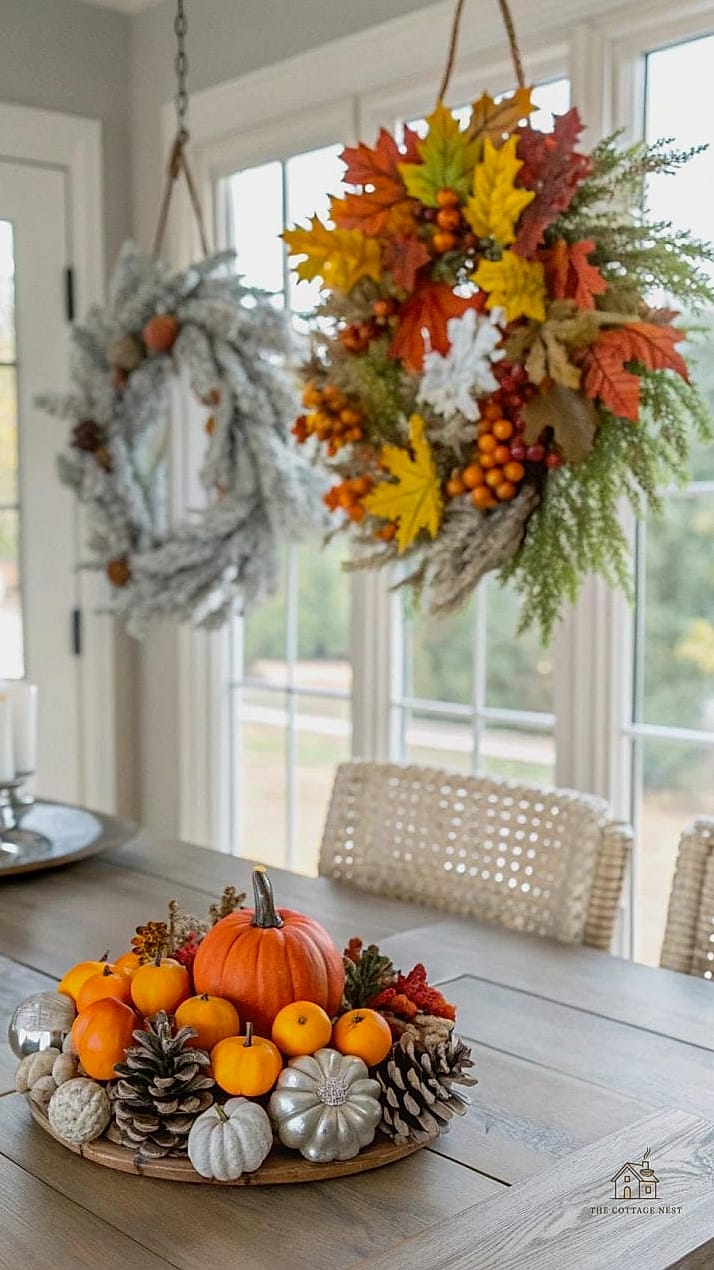
A small wreath or garland on a blank wall or above a sideboard brings low-cost seasonal charm to the dining room. Dried florals and eucalyptus hold up longer than fresh greenery and still look elegant. This is an easy way to mark the seasons without committing to permanent decor changes. Swap it out every few months to keep the space feeling current.
Use Woven Placemats and Chargers
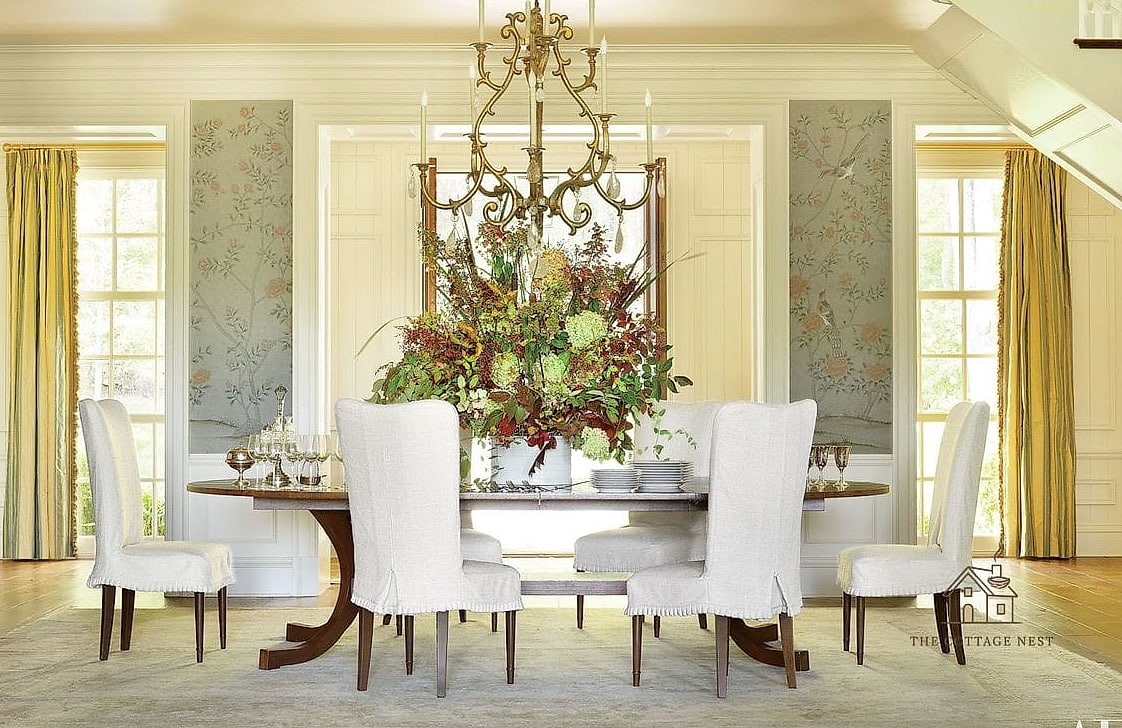
Woven placemats or rattan chargers add texture to the table setting without needing a full linen change. They’re inexpensive, easy to wipe clean, and hold up well to daily use. This detail pairs nicely with wood furniture and natural greenery for a cohesive, earthy look. It’s a small purchase that photographs well and elevates even a simple weeknight table setting.
A budget-friendly dining room really comes down to a handful of intentional choices rather than one big purchase. Start with whichever idea feels most doable this weekend, whether that’s a fresh coat of paint or finally hanging that mirror you’ve had leaning against the wall for months. Small changes add up fast, and before long your dining room will feel like a space you actually want to spend time in.