30 Amazing Dining Room Window Treatments on a Budget
- No-Sew Fabric Panels
- Bamboo Roman Shades
- Thrifted Curtain Panels
- Café Curtains for Half-Coverage
- Drop Cloth Curtains
- Faux Wood Blinds
- Layered Curtains and Blinds
- Roller Shades in a Bold Color
- Repurposed Tablecloth Curtains
- Woven Wood Shades
- DIY Painted Canvas Panels
- Tension Rod Sheers
- Cellular Shades on Clearance
- Ribbon-Trimmed Plain Panels
- Linen-Look Polyester Curtains
- Macrame Curtain Tiebacks
- Vinyl Roller Shades for Humid Rooms
- Stenciled Curtain Panels
- Bamboo Blinds with a Fabric Valance
- Solar Shades for Sunny Dining Rooms
- Repurposed Scarves as Curtains
- Wood Blinds with Cloth Tape
- DIY Curtain Rings from Hardware Store Finds
- Sheer Curtains with a Colored Border
- Faux Roman Shades from Flat Panels
- Textured Grasscloth-Look Shades
- Pinch-Pleat Curtains Made from Basic Panels
- Layered Blinds and Valance Combo
- Clip-Ring Curtains for Easy Changing
- Neutral Linen Curtains with Brass Hardware
- Window Film for Privacy Without Curtains
30 Amazing Dining Room Window Treatments on a Budget
Your dining room window doesn’t need a designer price tag to look pulled together. A lot of the best window treatment ideas cost less than you’d think, and some you can even make yourself over a weekend. Whether you’re renting, redecorating, or just tired of staring at bare glass during dinner, these 30 amazing dining room window treatments on a budget will give you plenty of inspiration to work with. Let’s get into it.
No-Sew Fabric Panels
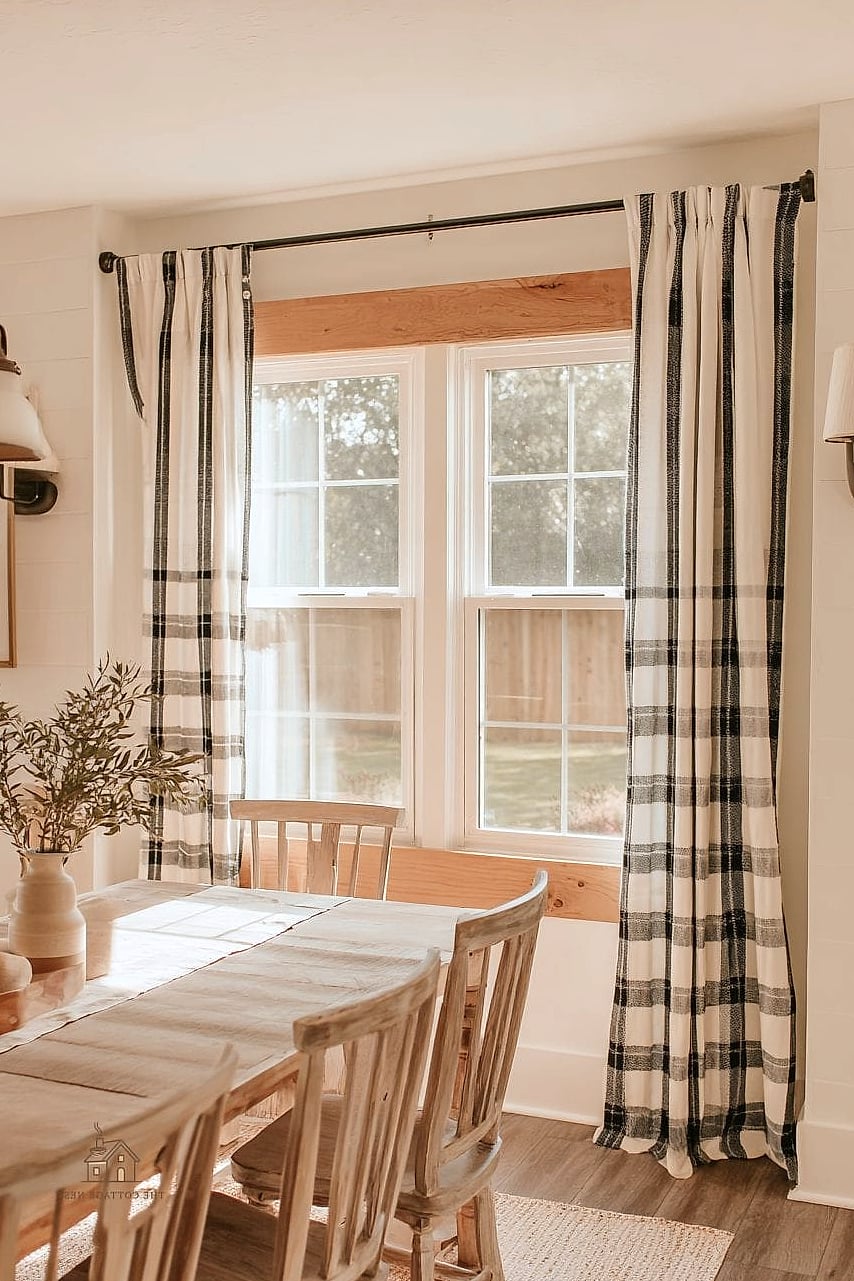
If you can use fabric glue or hem tape, you can make custom curtains without touching a sewing machine. Grab a couple yards of linen or cotton fabric from the clearance bin and hem the edges with iron-on tape. This works especially well in dining rooms with big windows where store-bought panels run wide and short. You get a custom look for a fraction of the cost, and you can swap fabrics seasonally without much effort.
Bamboo Roman Shades
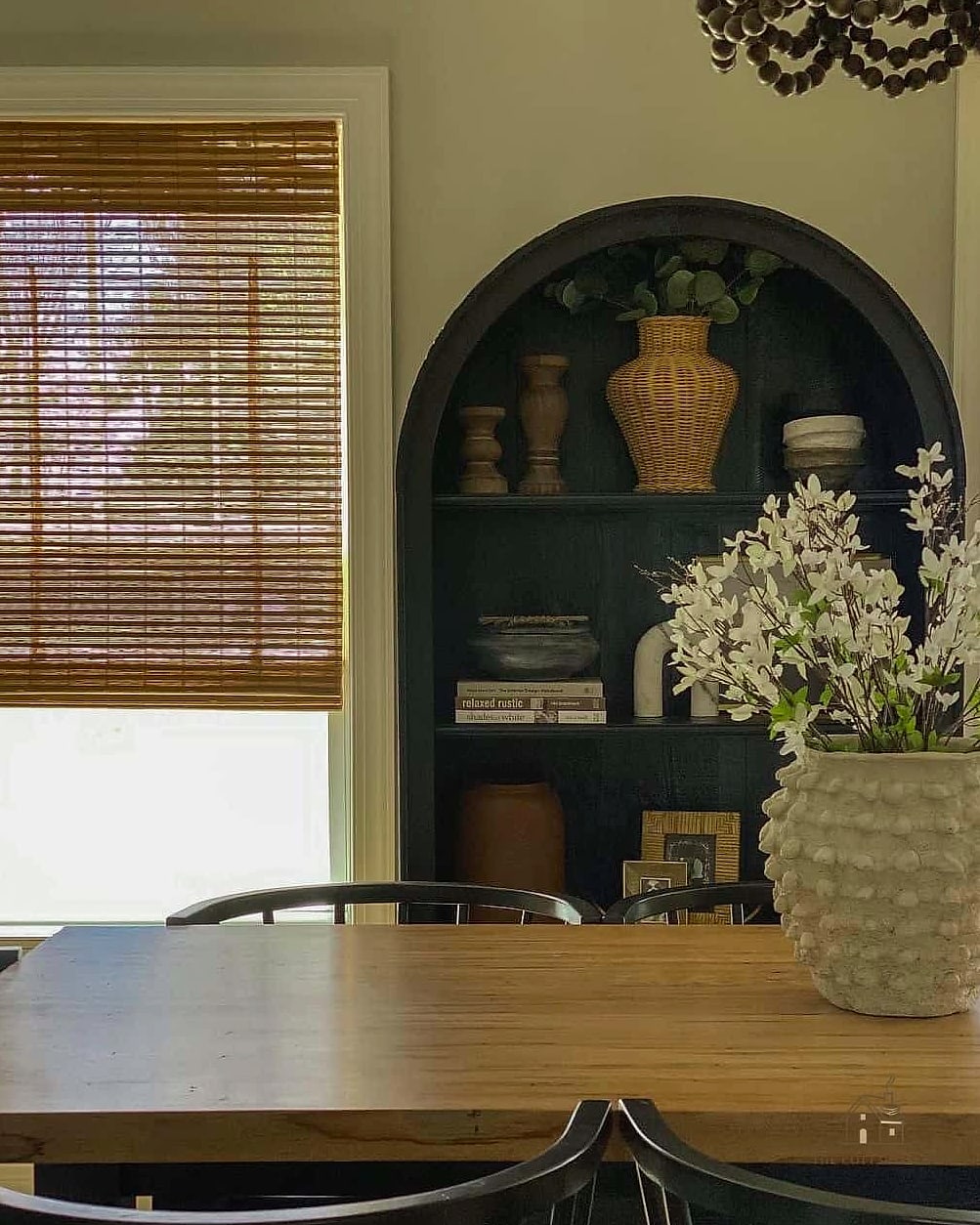
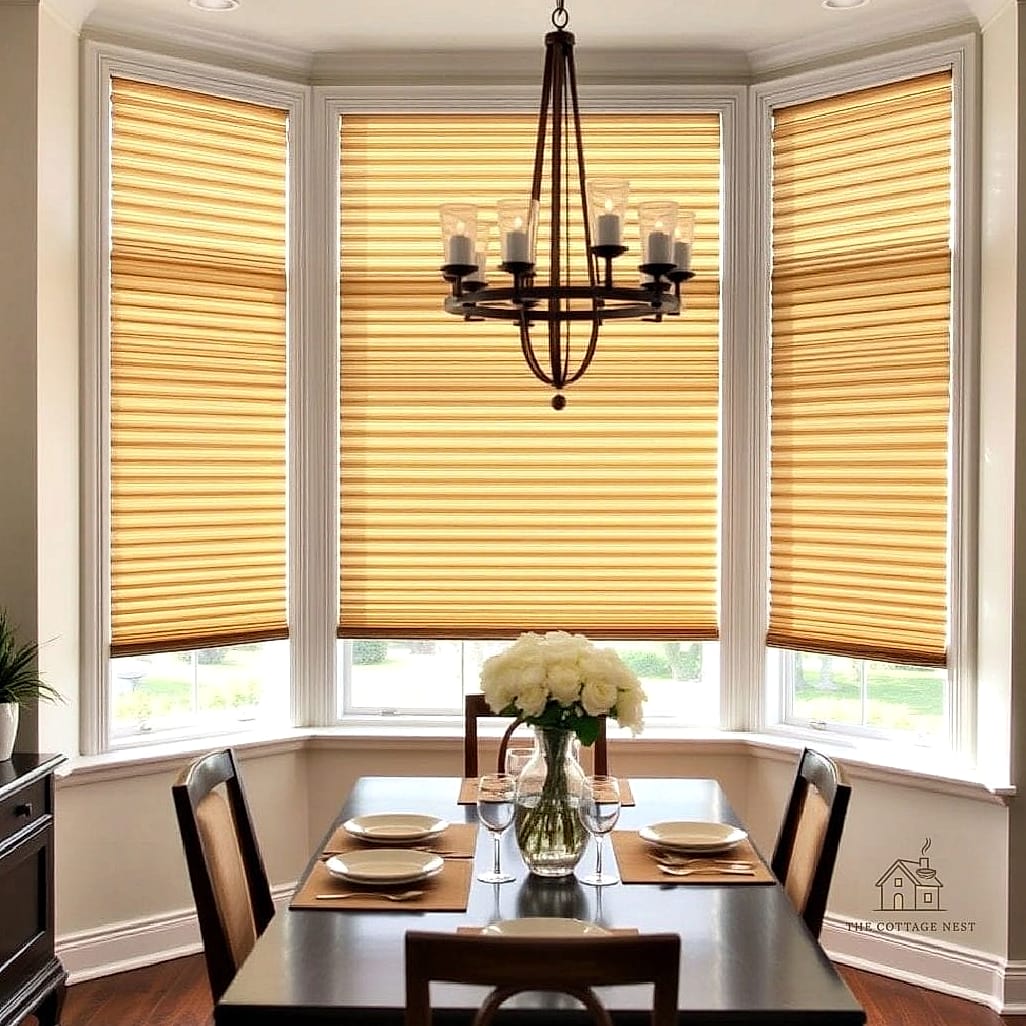
Bamboo shades bring in warm, natural texture without costing much at all. They’re widely available at big box stores for well under $50 a window. In a dining room with wood furniture or rattan chairs, they tie the whole look together effortlessly. They also diffuse light beautifully, which is great for keeping glare off the table during lunch.
Thrifted Curtain Panels
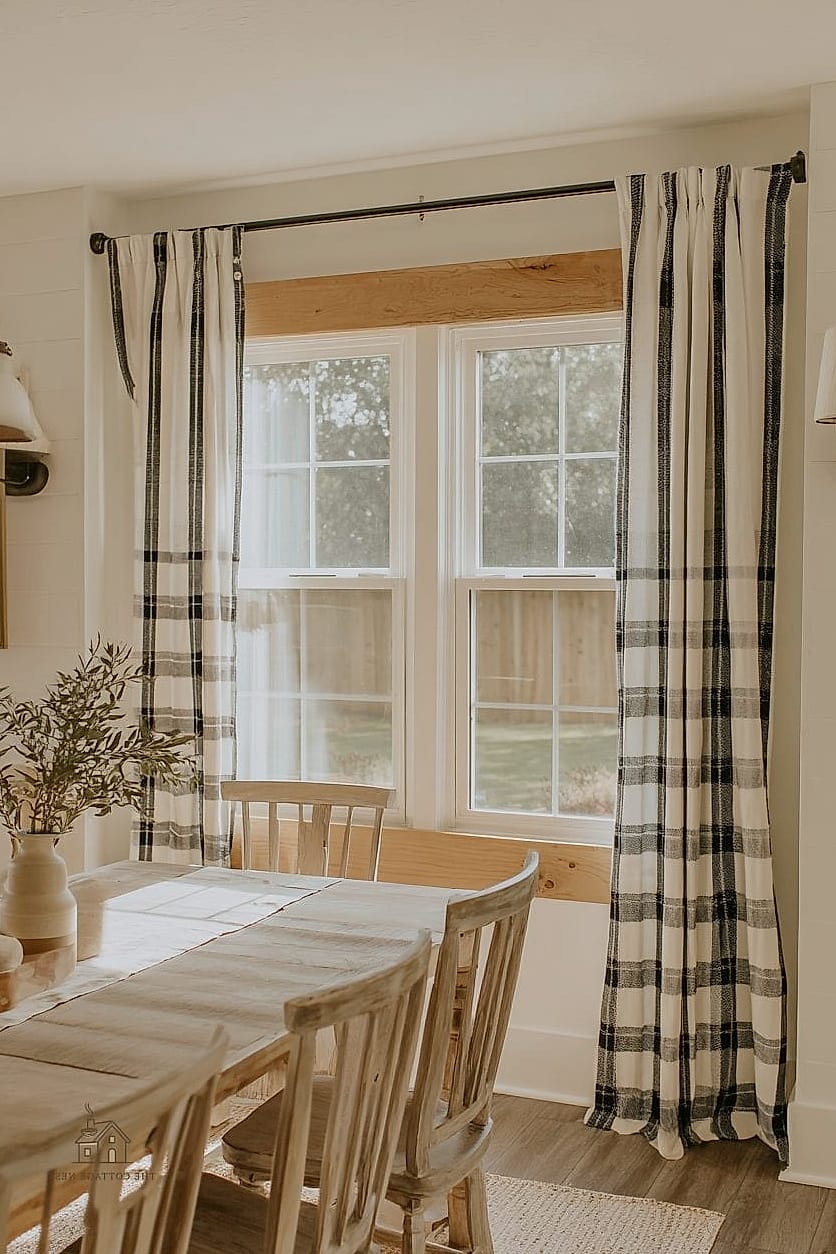
Secondhand shops and estate sales are goldmines for curtain panels, especially vintage ones with details you won’t find new. Look for natural fibers like linen or cotton that hold up well and don’t look dated once they’re hung. A quick wash and steam usually does the trick. This is one of the most budget-friendly ways to get a unique, collected look.
Café Curtains for Half-Coverage
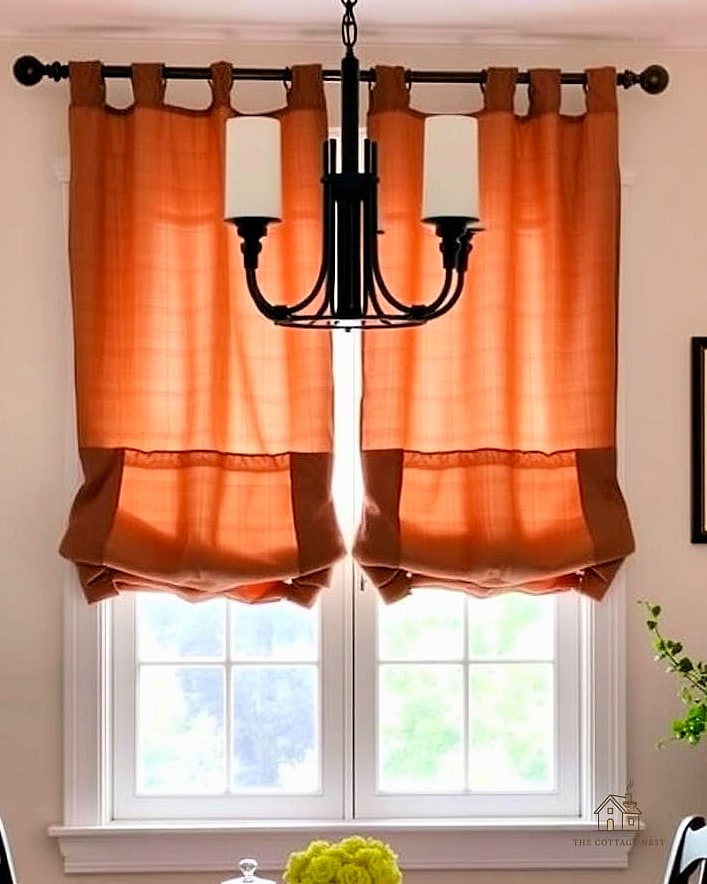
Café curtains cover just the bottom half of the window, leaving the top open for natural light. They’re perfect for dining rooms that face a street or neighbor’s yard where you want privacy without blocking the view entirely. You can make these from small fabric remnants since you only need half the length of a full panel. They also read as cottage or farmhouse style depending on the fabric you choose.
Drop Cloth Curtains
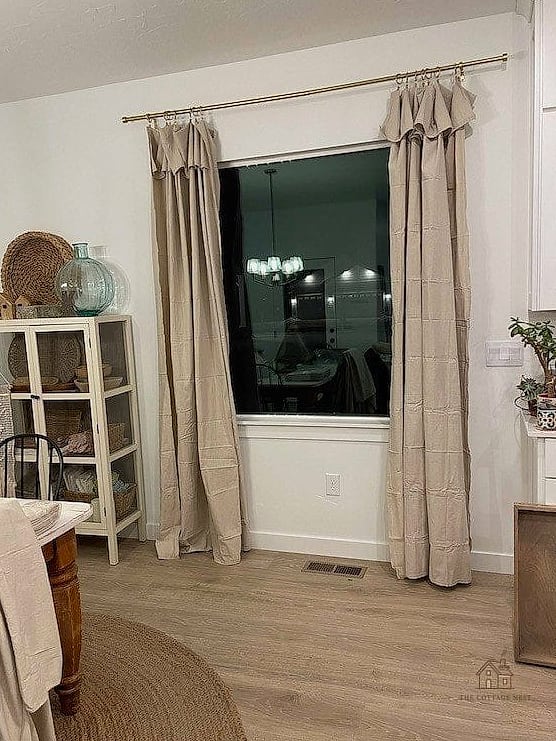
Painter’s drop cloths are a favorite budget hack among DIY bloggers for a reason. They’re inexpensive, come in generous widths, and have a relaxed, linen-like texture once washed a few times. Hem them yourself or leave the edges slightly raw for a more casual, lived-in look. They work particularly well in farmhouse or modern rustic dining rooms.
Faux Wood Blinds
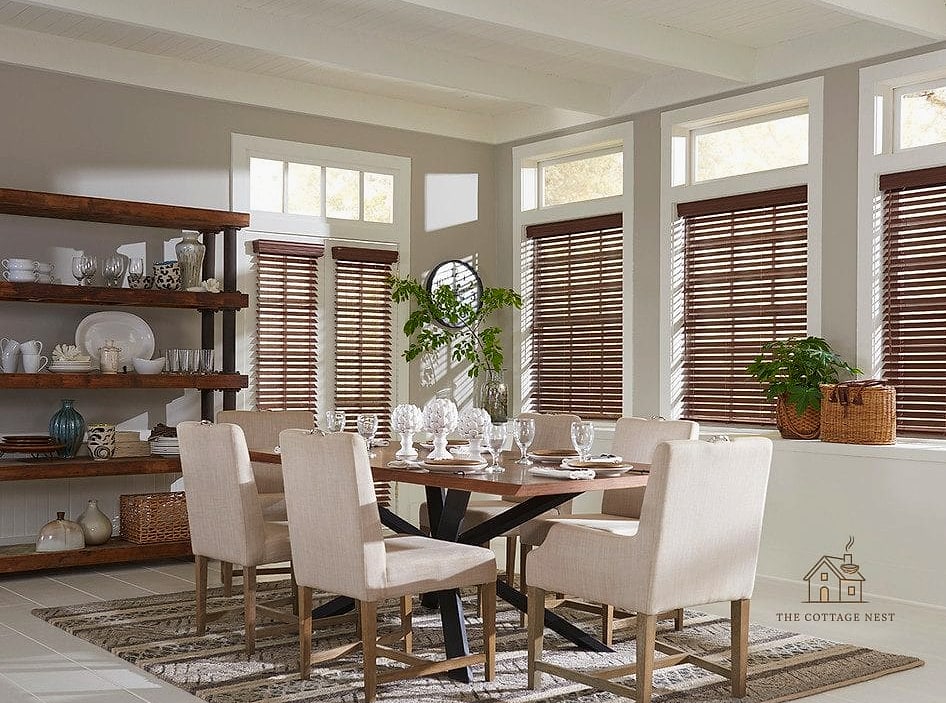
Faux wood blinds give you the look of real wood without the real wood price. They hold up better than actual wood in humid climates and are easy to wipe clean, which matters in a room where food and spills happen. Most home improvement stores carry them pre-cut to standard sizes, keeping costs low. They’re a solid pick for anyone wanting a clean, classic look that doesn’t scream “cheap.”
Layered Curtains and Blinds
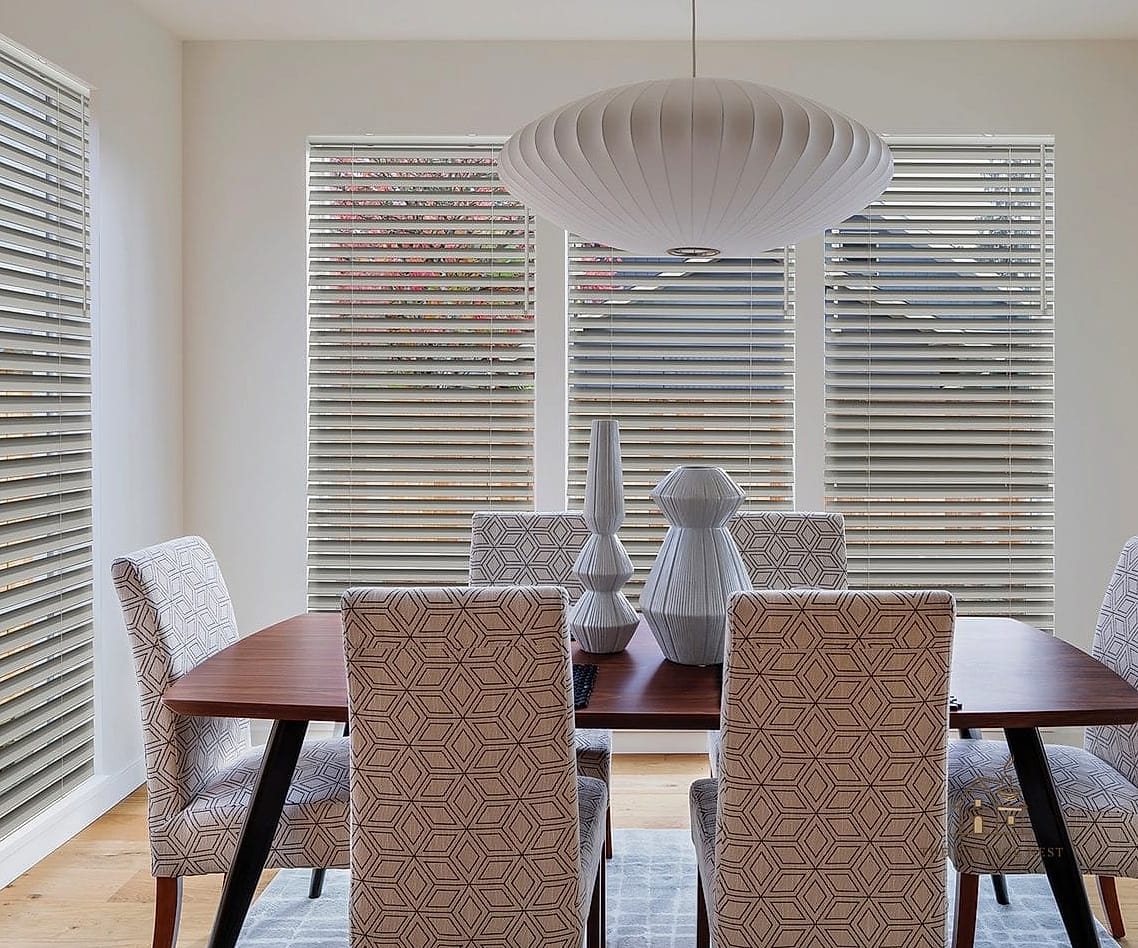
Combining sheer curtains with basic blinds gives you flexibility and a more finished look, all without spending much extra. Hang inexpensive sheers on a tension rod, then add blinds behind them for privacy control. This layered approach makes a plain window feel more designed. It’s especially nice in dining rooms used for both daytime meals and evening dinners.
Roller Shades in a Bold Color
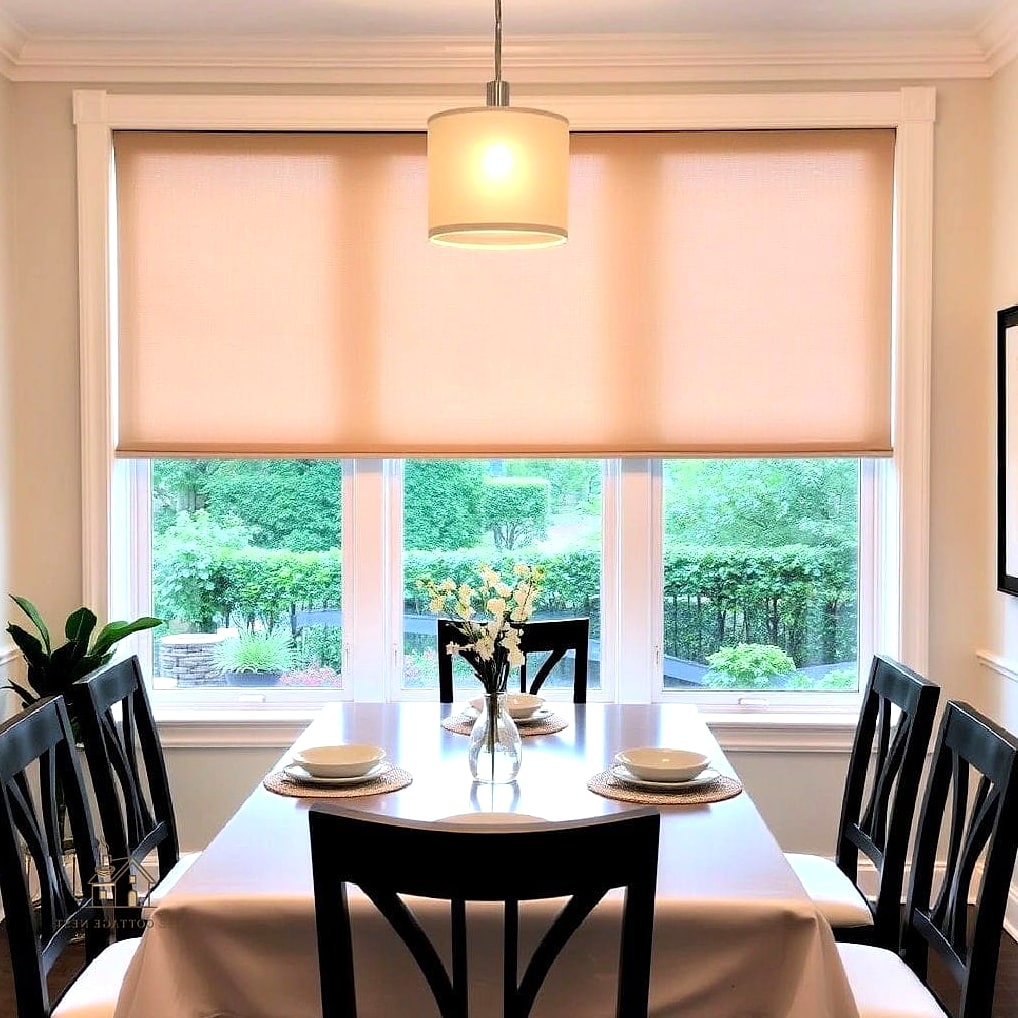
A roller shade in an unexpected color can act almost like an accent piece in an otherwise neutral dining room. They’re one of the most affordable window treatment types out there and easy to install yourself with basic tools. Look for cordless options if you have kids or pets around the table. Solid colors also tend to look more intentional than busy patterns when you’re working with a smaller budget.
Repurposed Tablecloth Curtains
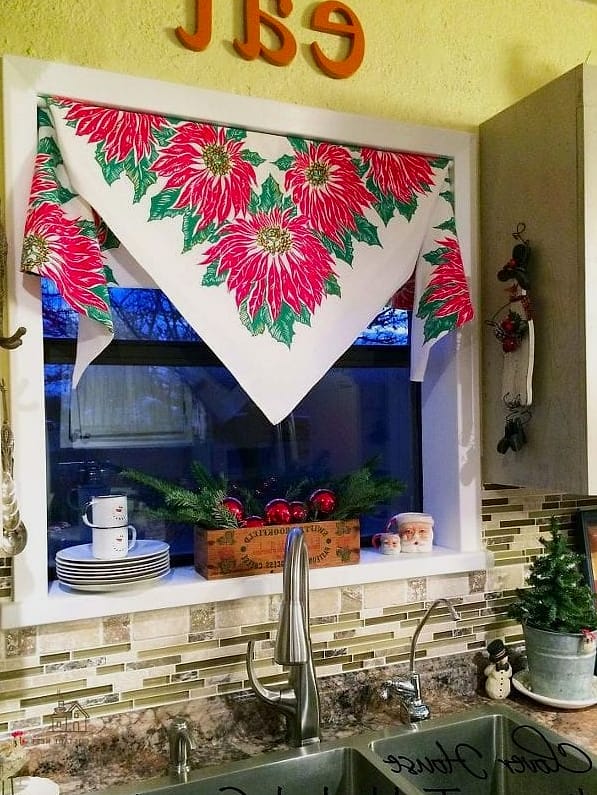
An oversized vintage tablecloth or linen napkin set can become curtain panels with a little creativity. This works particularly well if you find one with a pattern you love but can’t find in curtain form. Simply add a rod pocket or clip rings and hang. It’s a fun way to bring in pattern and story without buying yardage.
Woven Wood Shades
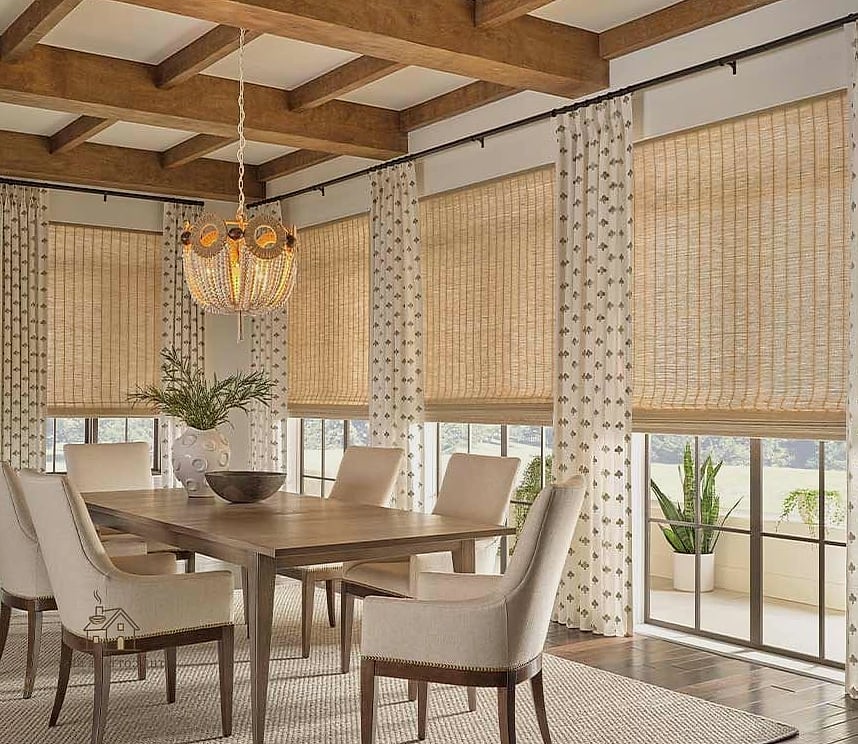
Similar to bamboo but often woven a bit tighter, these shades bring texture without heaviness. They pair nicely with wood dining tables and neutral color palettes, and they’re widely available at accessible price points. Many come with a light-filtering liner option if you want more privacy. They’re a good middle ground between blinds and full curtains.
DIY Painted Canvas Panels
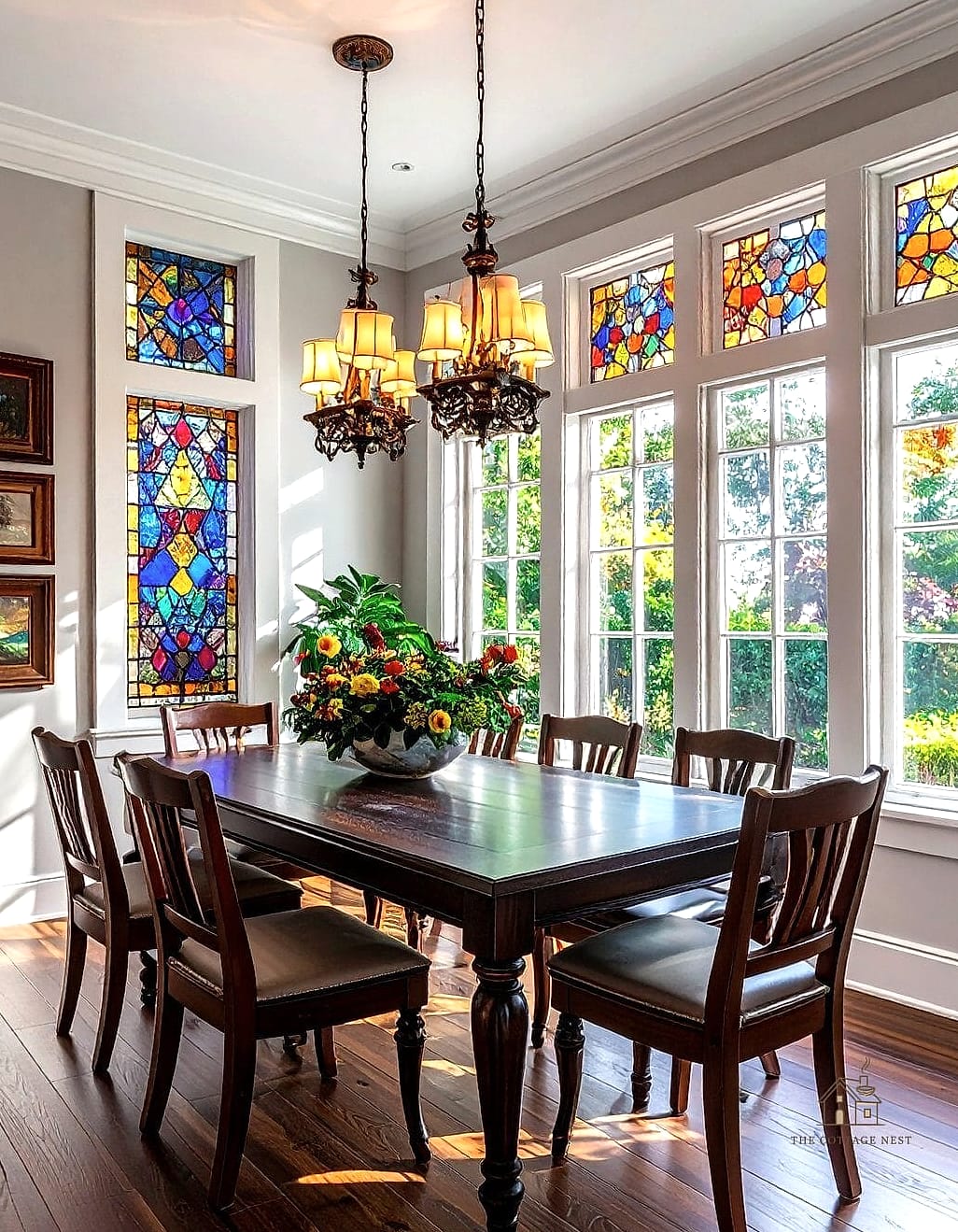
If you’re comfortable with a paintbrush, canvas drop cloths can be turned into painted curtain panels with stripes, blocks of color, or simple patterns. This is one of the more unique ideas on this list and costs next to nothing beyond basic canvas fabric and paint you may already own. It works best in dining rooms with a more artistic or eclectic vibe. Just make sure to use fabric-friendly paint so the panels stay soft.
Tension Rod Sheers
Tension rods eliminate the need for drilling, which makes this option ideal for renters. Pair one with a lightweight sheer panel for soft, diffused light during meals. This setup takes minutes to install and can be moved or removed without leaving marks. It’s an easy first project if you’ve never hung curtains before.
Cellular Shades on Clearance
Cellular shades, sometimes called honeycomb shades, offer decent insulation and a clean look, and they often go on clearance in standard sizes. Keep an eye on end-of-season sales at hardware stores for deep discounts. They’re a smart pick if your dining room window faces direct sun and you want to cut down on glare and heat. Cordless versions are safer if young kids spend time in the room.
Ribbon-Trimmed Plain Panels
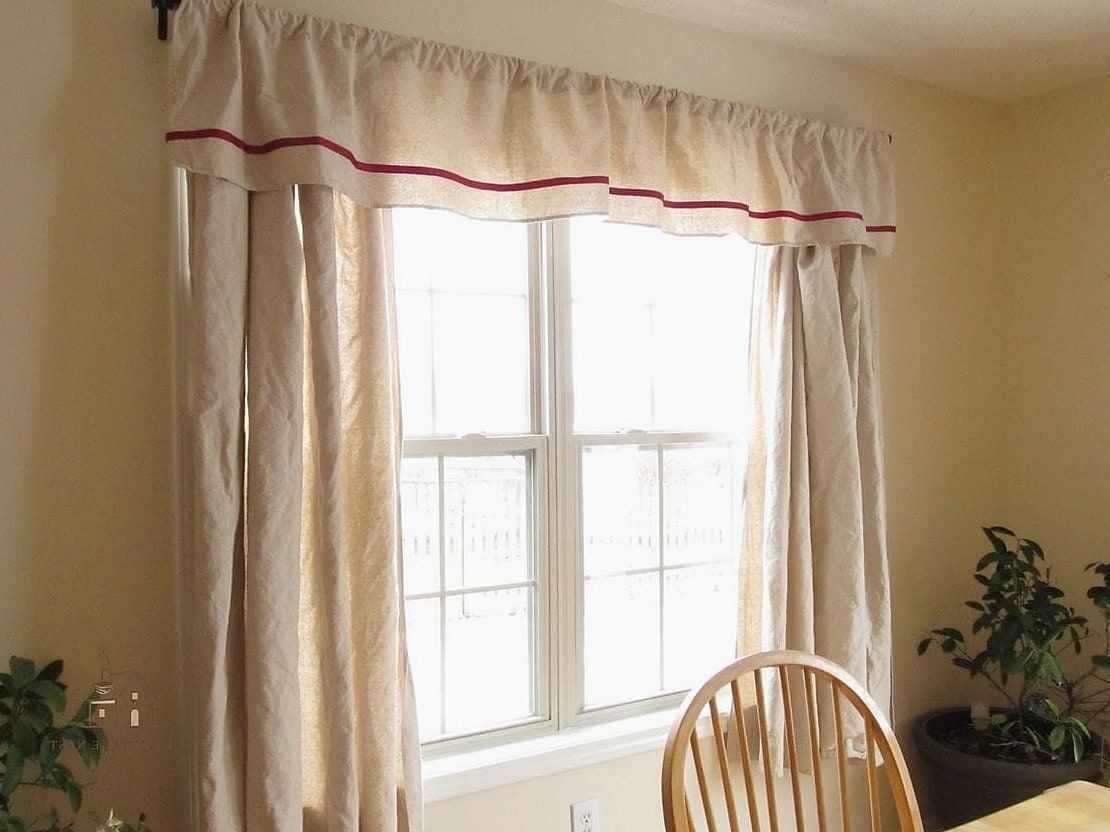
Adding a strip of ribbon or trim along the bottom or leading edge of plain curtain panels instantly upgrades the look. This is a favorite trick among DIY bloggers because it’s cheap, quick, and makes budget curtains look custom-made. Choose a trim color that pulls from your dining chairs or rug for a coordinated feel. It’s a small detail that makes a noticeable difference.
Linen-Look Polyester Curtains
Polyester curtains designed to mimic linen have come a long way and now look surprisingly convincing from a few feet away. They’re machine washable, which is a real plus in a dining room where spills happen. Look for ones with a slight texture rather than a flat sheen for the most realistic look. These are widely available and easy to find in almost any color palette.
Macrame Curtain Tiebacks
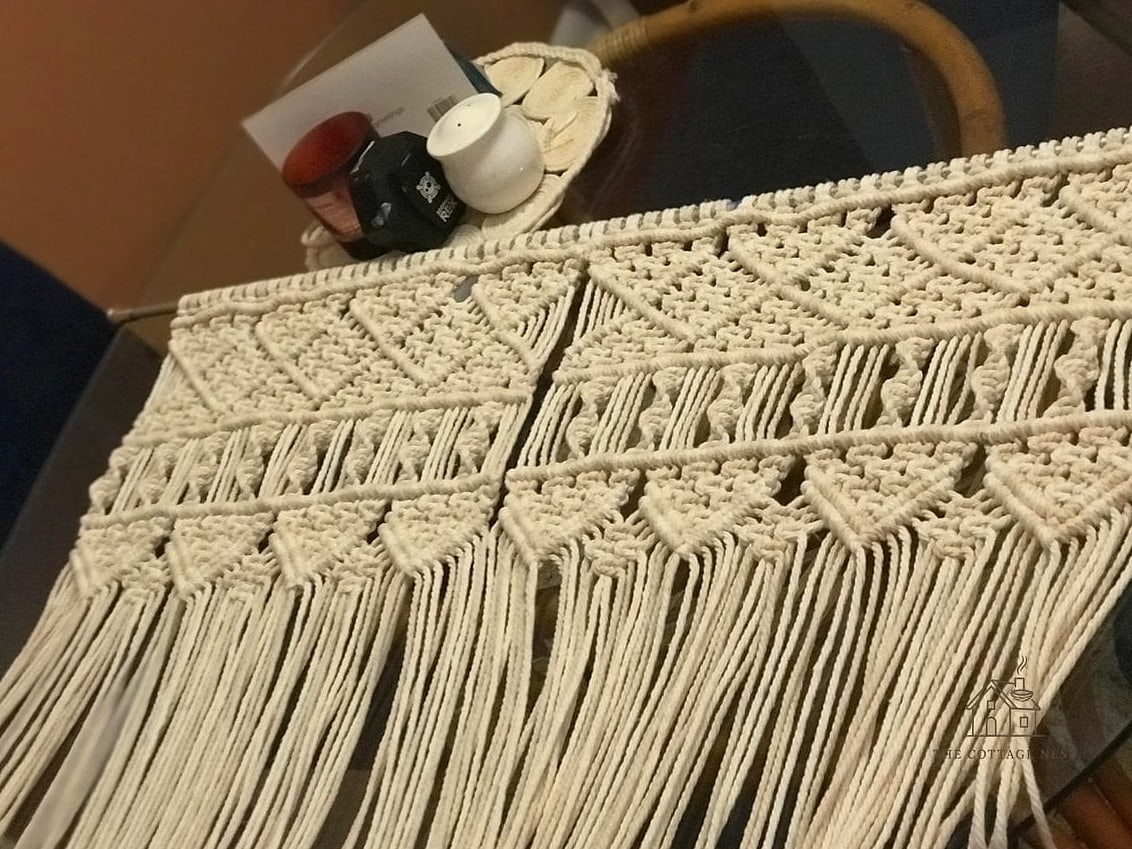
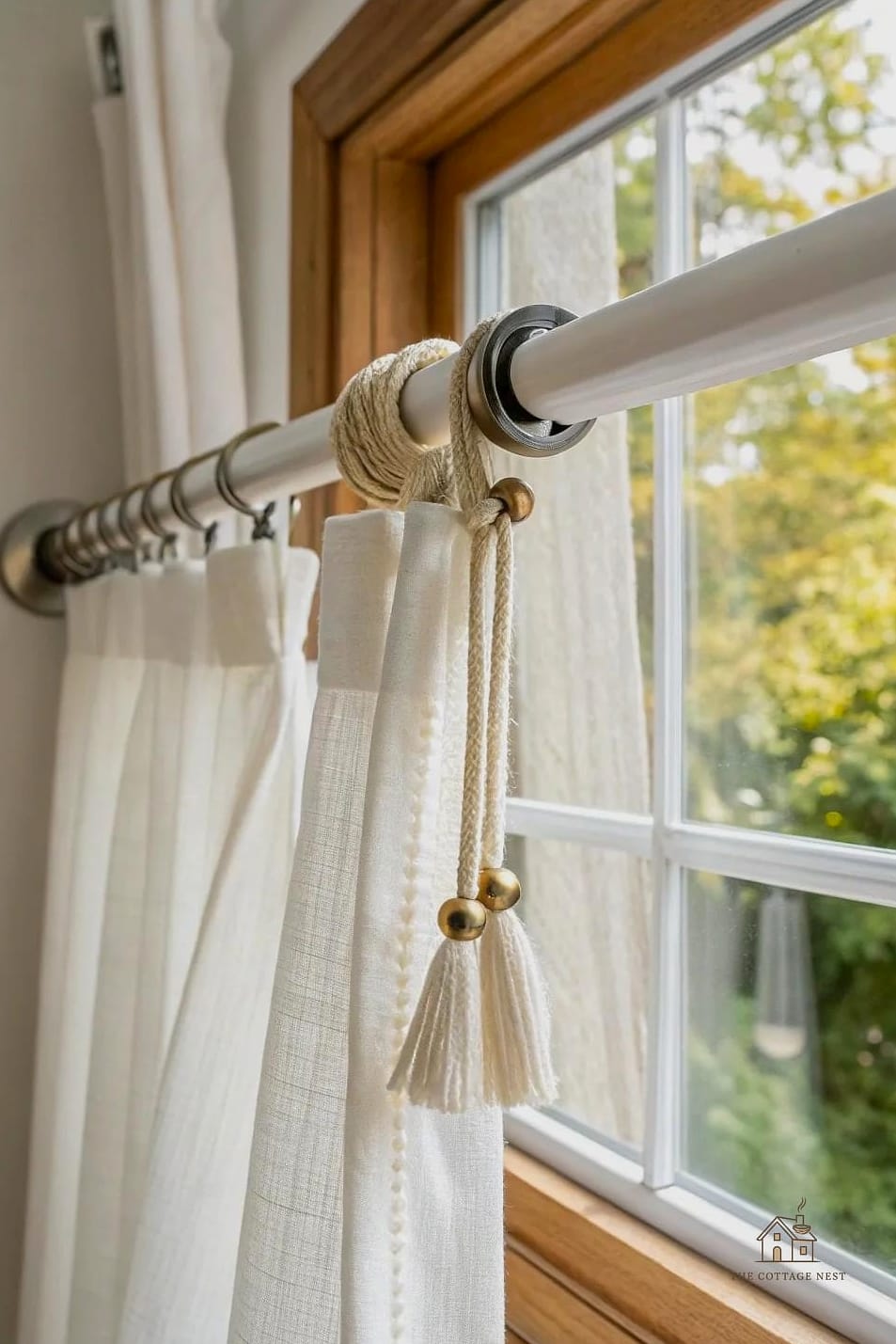
Sometimes the treatment itself is fine, but the styling needs work. Adding macrame tiebacks is an inexpensive way to add texture and a boho touch to plain curtains. You can buy these cheap or make your own with basic macrame cord. They work especially well in dining rooms with warm wood tones and natural materials.
Vinyl Roller Shades for Humid Rooms
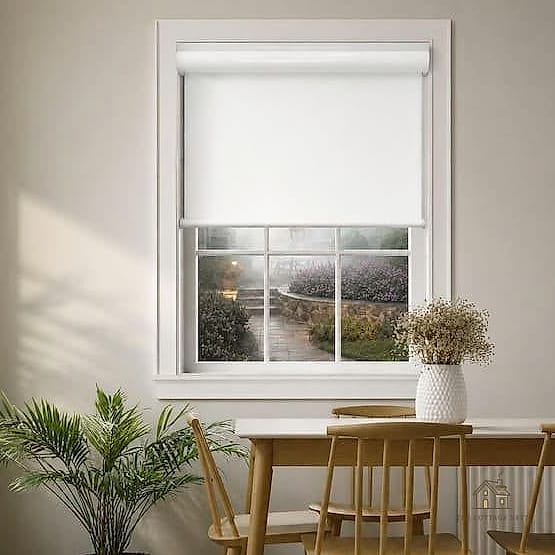
If your dining room sits near a kitchen or gets steamy during cooking, vinyl roller shades hold up better than fabric over time. They wipe clean easily and resist moisture damage, which matters more than people expect in open-concept homes. They’re also one of the more affordable options at most retailers. Choose a matte finish so they don’t look overly plasticky.
Stenciled Curtain Panels
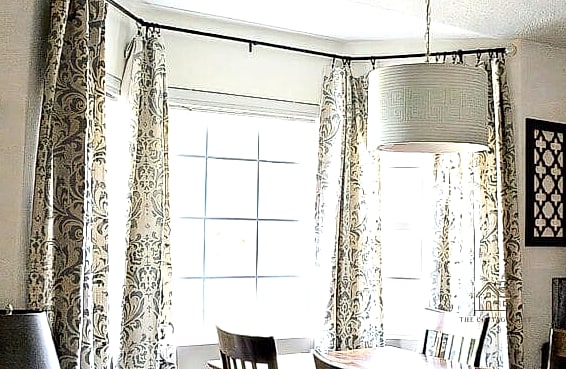
Plain white curtains become something special with a simple stencil pattern applied in fabric paint. This is a great weekend project if you want something that looks custom without a big investment. Geometric or botanical stencils both work well depending on your style. It’s forgiving too, since small imperfections just add to the handmade charm.
Bamboo Blinds with a Fabric Valance
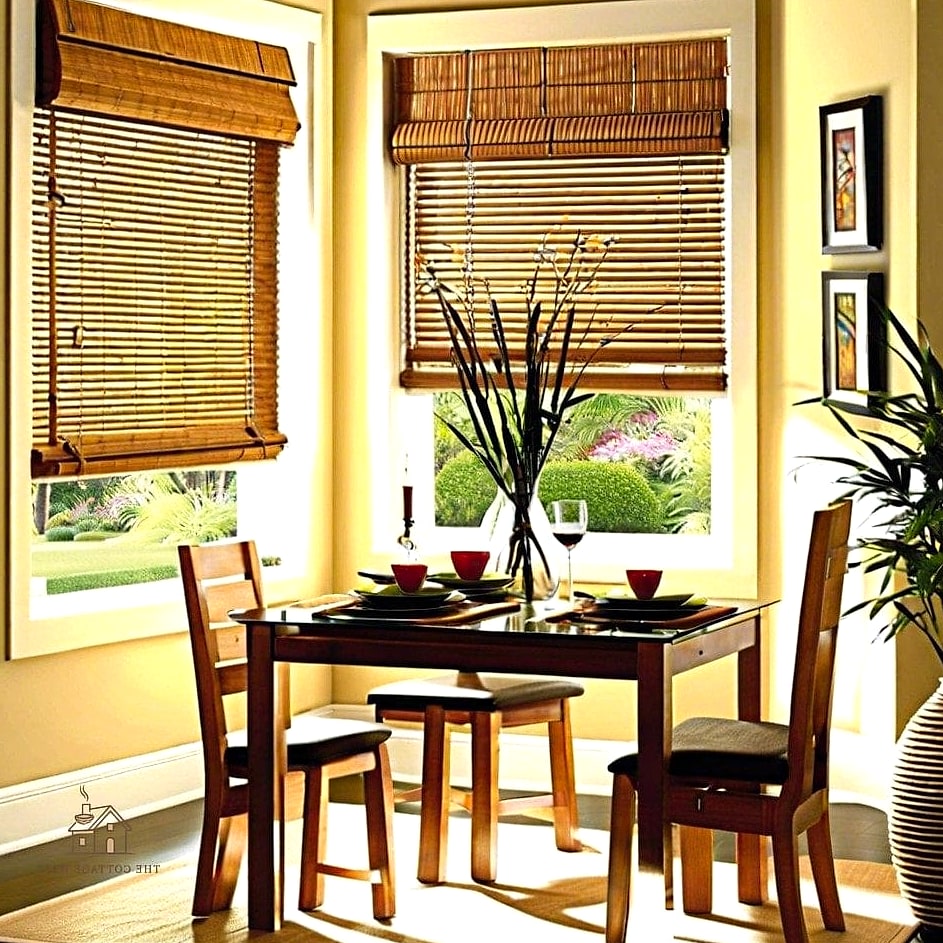
Adding a simple fabric valance above bamboo blinds softens the look and hides any hardware. You can make the valance yourself from a small fabric scrap, keeping costs minimal. This combo works particularly well in dining rooms with a coastal or relaxed farmhouse feel. It also adds a bit of height to the window visually.
Solar Shades for Sunny Dining Rooms
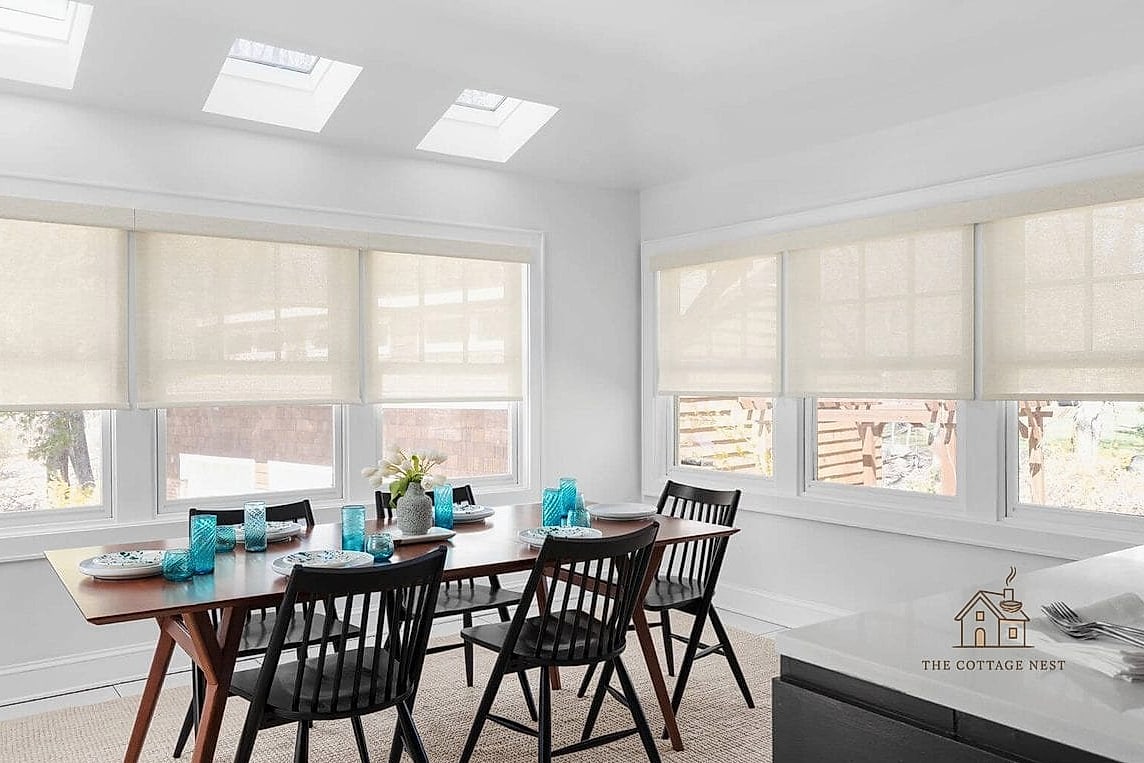
If your dining table gets hit with harsh afternoon sun, solar shades cut glare while still letting you see outside. They’re less bulky than blackout curtains and tend to be more budget-friendly than custom options. Many home stores carry ready-made sizes that fit standard windows. This is a practical pick for anyone who eats breakfast by the window.
Repurposed Scarves as Curtains
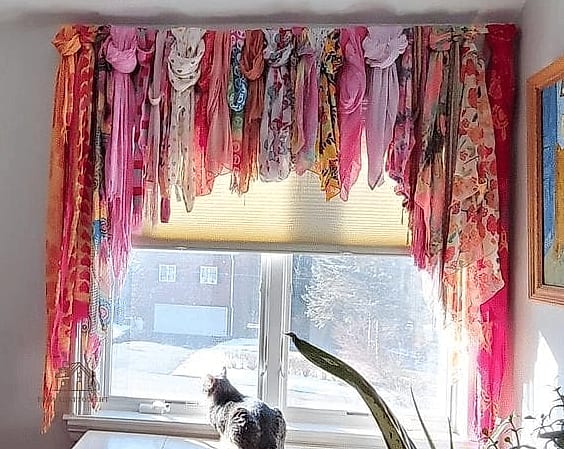
Large scarves, especially patterned or silky ones, can be hung with curtain clips for an unexpected, layered look. This works best as a single accent panel rather than full coverage. It’s a low-cost way to bring in color and pattern, especially if you already own scarves you don’t wear often. Thrift stores are also a great source for these.
Wood Blinds with Cloth Tape
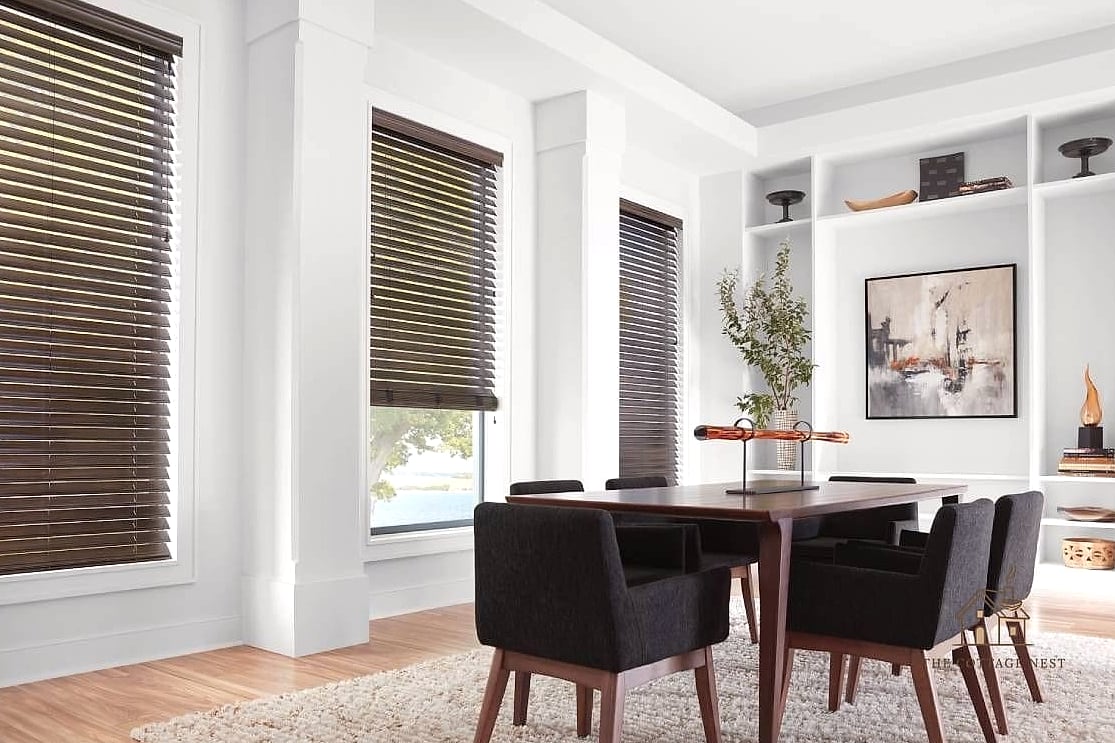
Wood blinds with fabric tape detailing look more expensive than they are, especially in warm wood tones. The tape adds a subtle design element that breaks up the slats visually. This is a nice option for a more traditional or transitional dining room. Look for sales around home improvement holidays for the best pricing.
DIY Curtain Rings from Hardware Store Finds
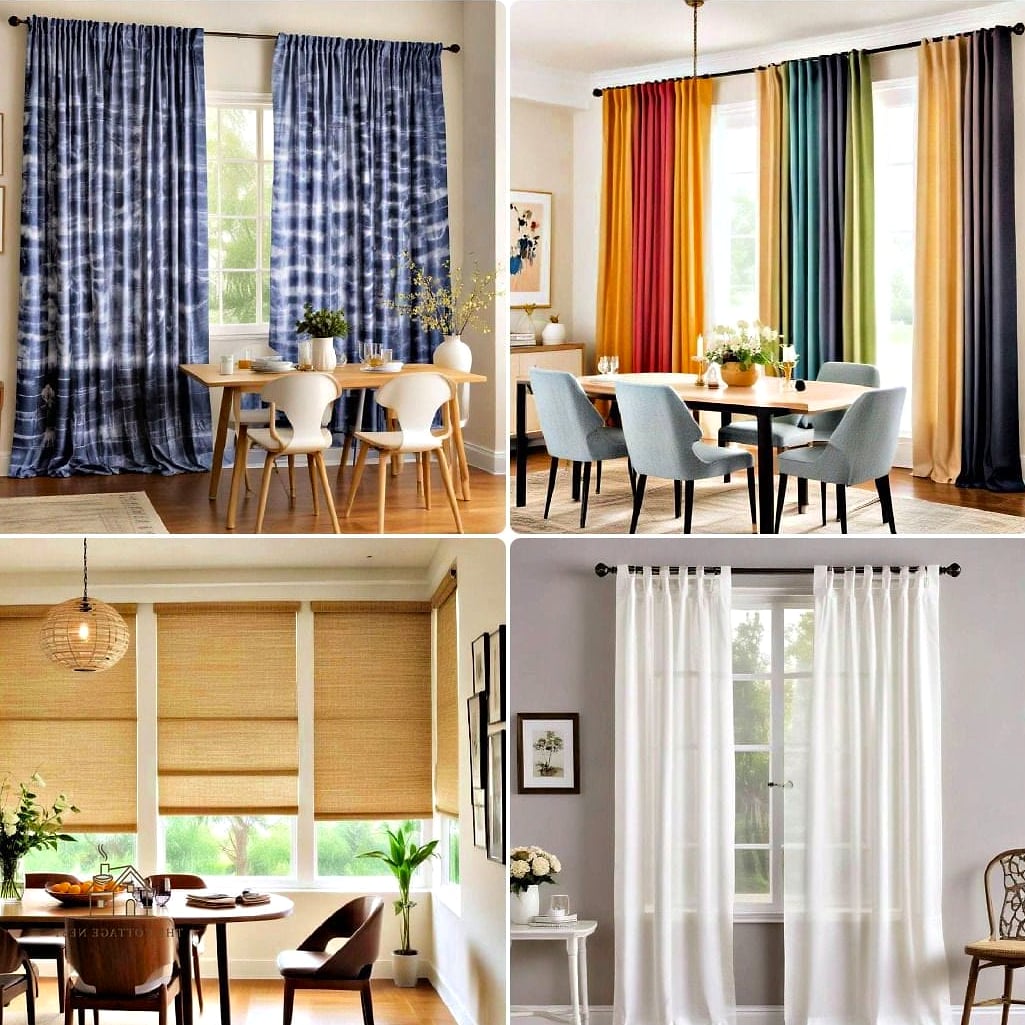
Basic metal rings from the hardware section can replace pricier curtain rings for a similar look. Pair them with a simple wood or metal rod for an industrial or minimalist feel. This swap barely costs anything but changes how the whole curtain hangs and moves. It’s a small tweak that photographs really well too.
Sheer Curtains with a Colored Border
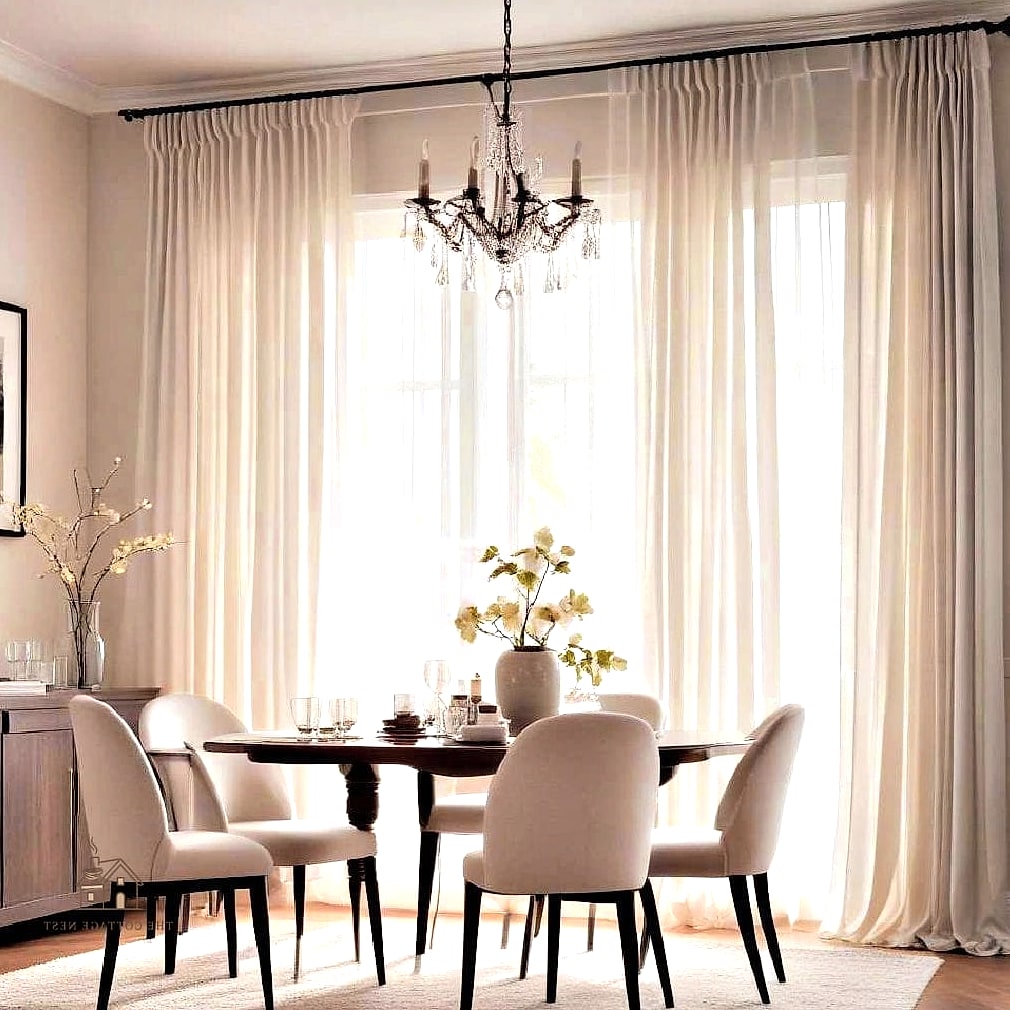
Adding a strip of colored fabric or ribbon along the edge of sheer curtains gives them definition without losing the light-filtering benefit. This is an easy sewing or no-sew project depending on your skill level. It works nicely in dining rooms that want brightness during the day and a bit of personality. Choose a color that complements your dinnerware or wall art.
Faux Roman Shades from Flat Panels
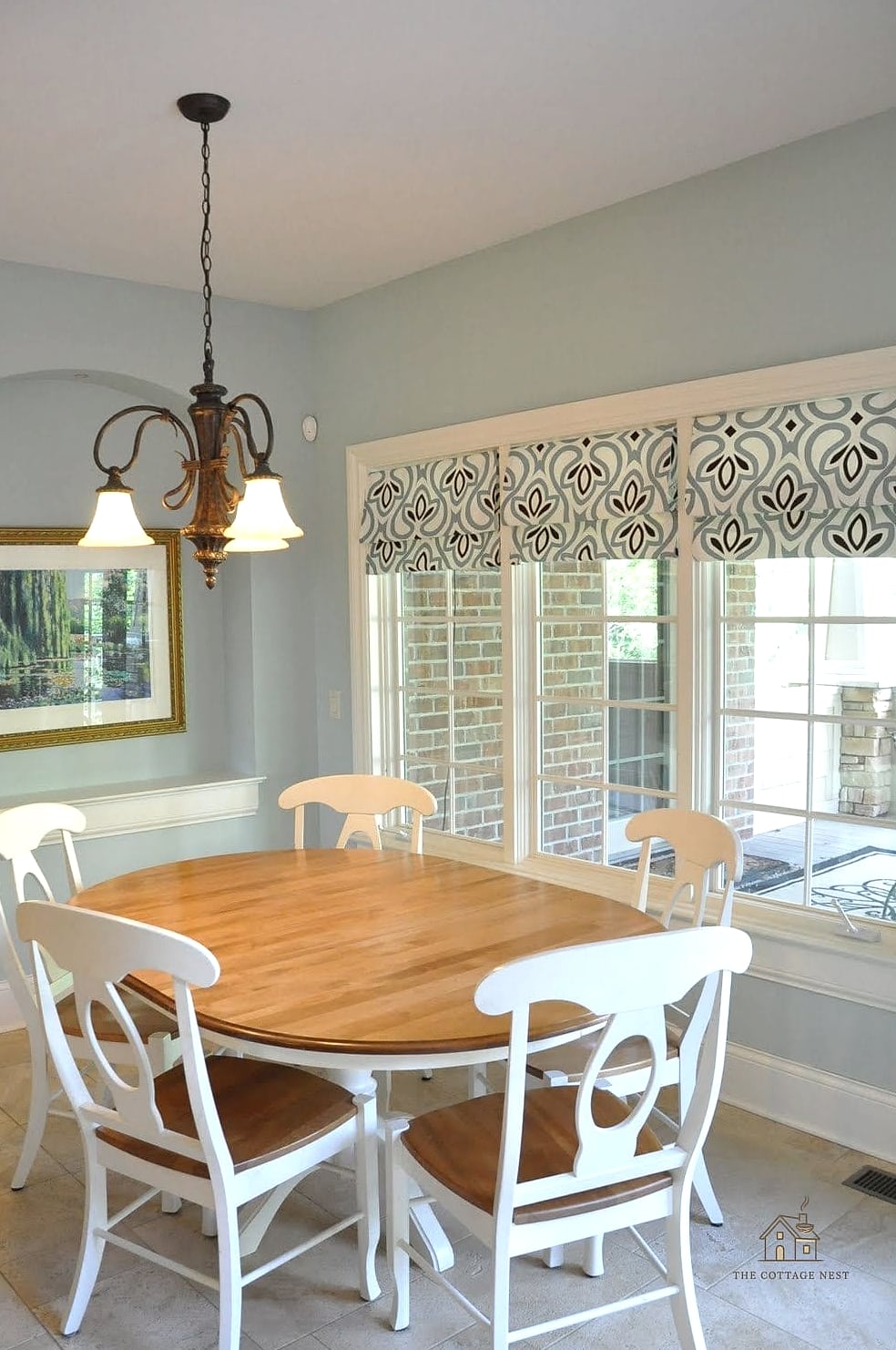
You can fake the look of Roman shades by attaching rings to the back of a flat curtain panel and threading cord through them. This costs way less than buying actual Roman shades and gives you a similarly tailored look. It takes a little patience but no advanced sewing skills. It’s a favorite trick among budget decorating bloggers for good reason.
Textured Grasscloth-Look Shades
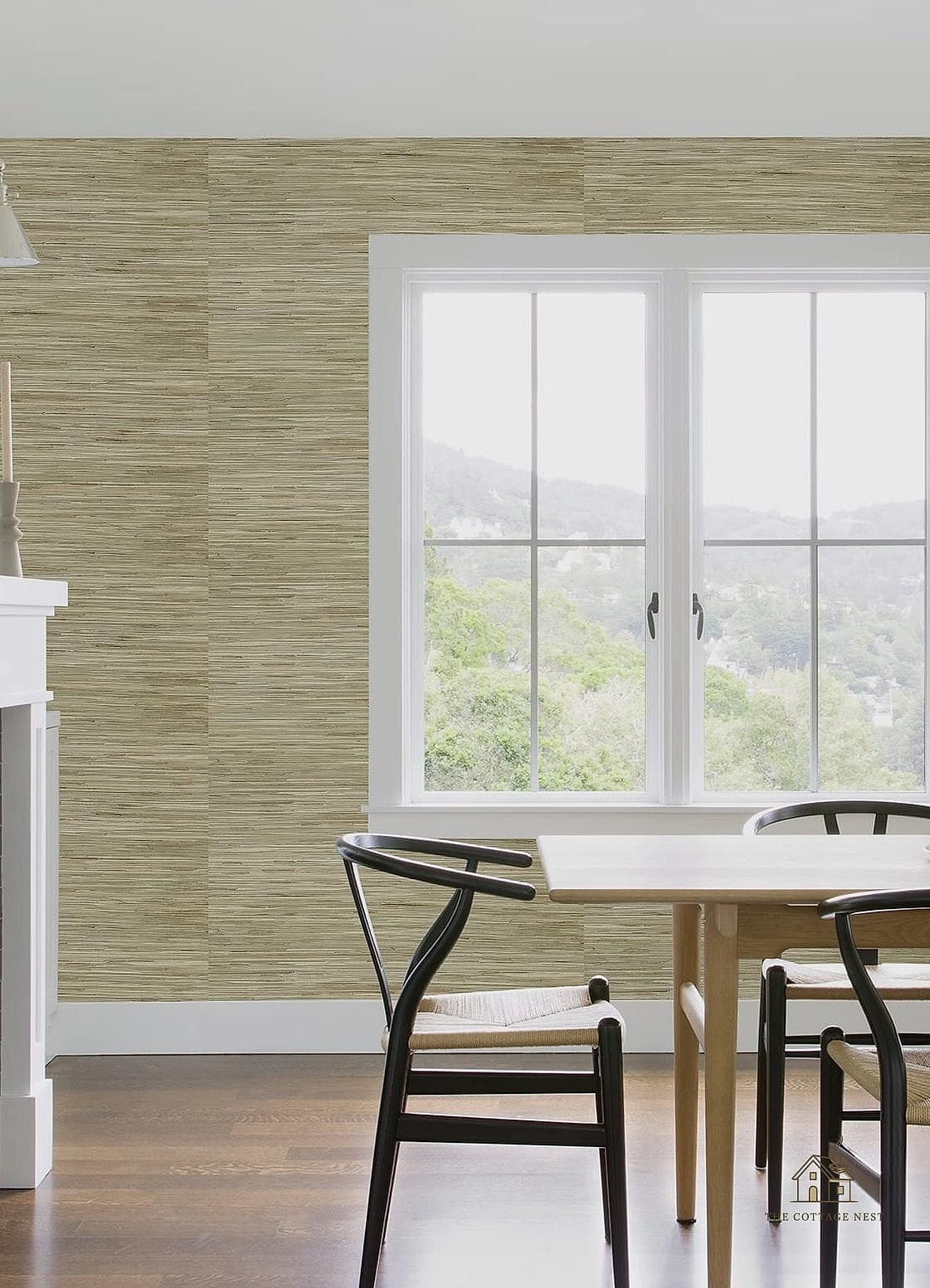
Some woven shades mimic the look of grasscloth wallpaper, adding texture to the window without committing to a full wallpaper project. They’re a nice fit for dining rooms going for an earthy, organic palette. Prices vary, but many options stay budget-friendly at standard window sizes. They pair beautifully with rattan chairs or wood beams.
Pinch-Pleat Curtains Made from Basic Panels
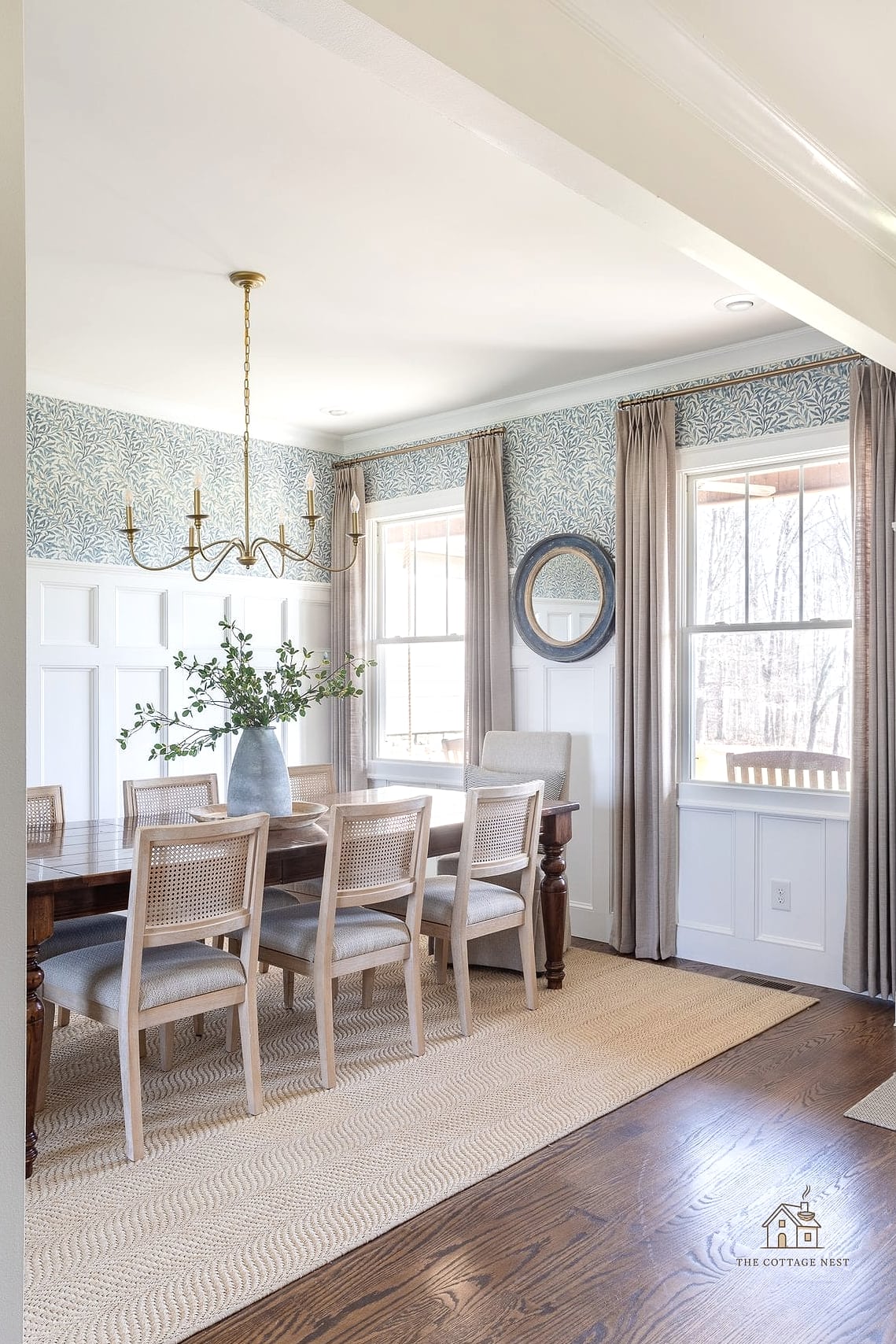
You can create a pinch-pleat look using inexpensive flat panels and pleat tape, which is far cheaper than buying pre-pleated curtains. This gives your dining room a more tailored, formal appearance without a custom price tag. It does take a bit of extra effort during installation but the payoff is worth it. This works especially well with heavier linen or cotton blends.
Layered Blinds and Valance Combo
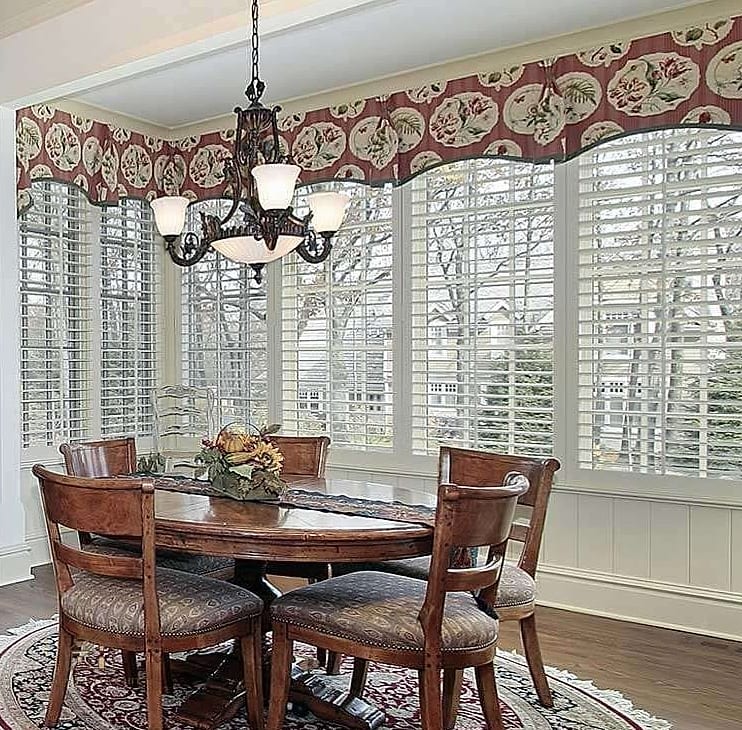
Pairing basic mini blinds with a simple fabric valance hides the hardware and softens the overall look. Both pieces can be found affordably, and the valance can even be a no-sew project using fabric glue. This combination works well in more traditional dining rooms that want a finished, layered appearance. It’s also easy to update later just by swapping the valance fabric.
Clip-Ring Curtains for Easy Changing
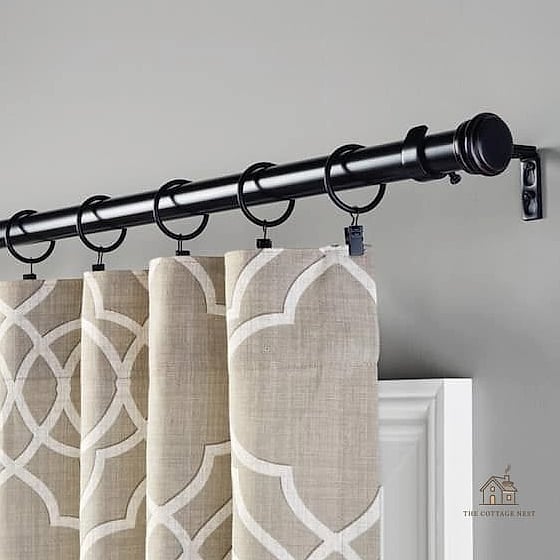
Curtain clips let you swap out panels seasonally without dealing with rod pockets or extra hardware. This is a great budget-friendly system if you like to change your decor throughout the year. Buy one good rod and clip set, then rotate fabric panels as needed. It’s practical for anyone who likes variety without buying new hardware each time.
Neutral Linen Curtains with Brass Hardware
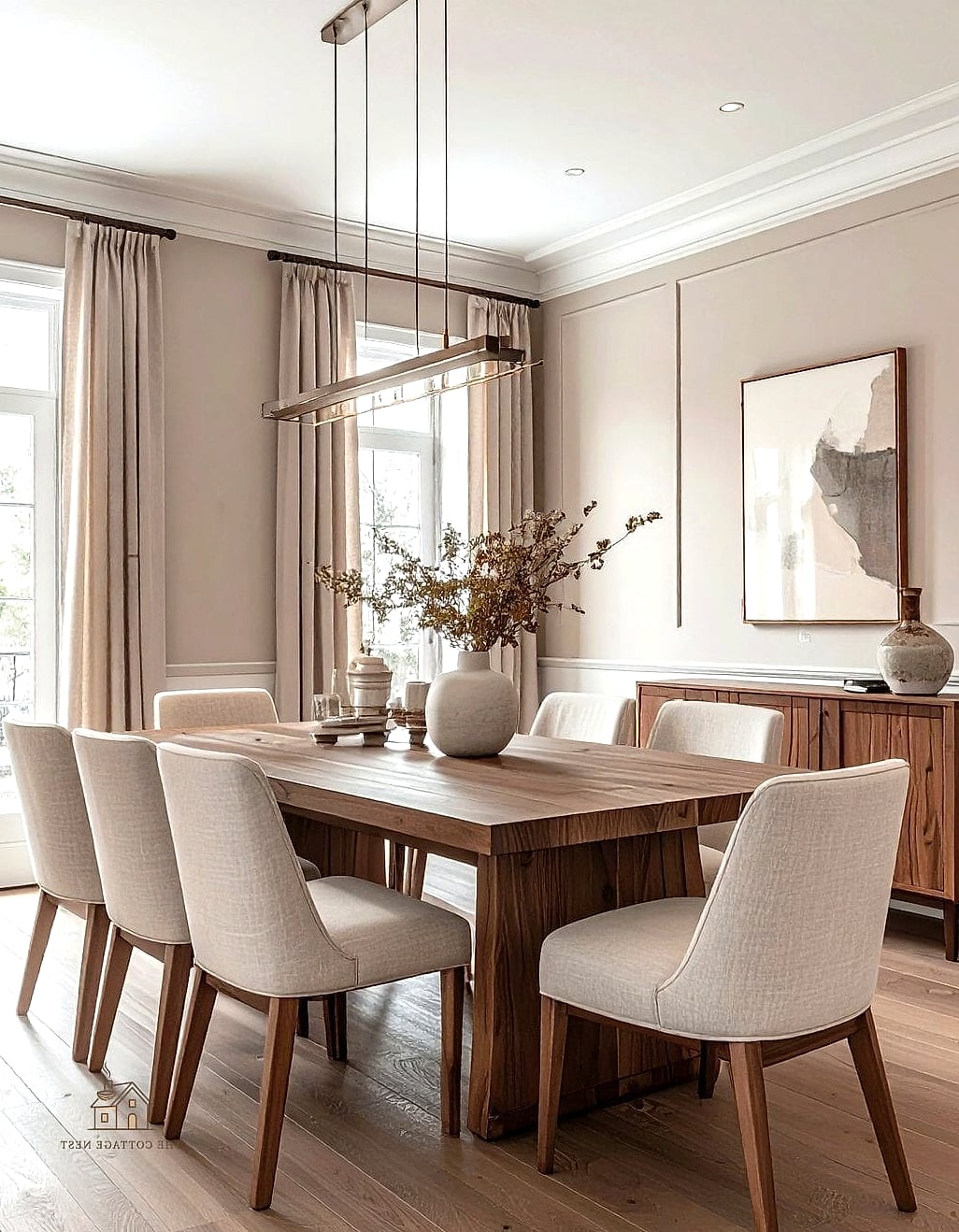
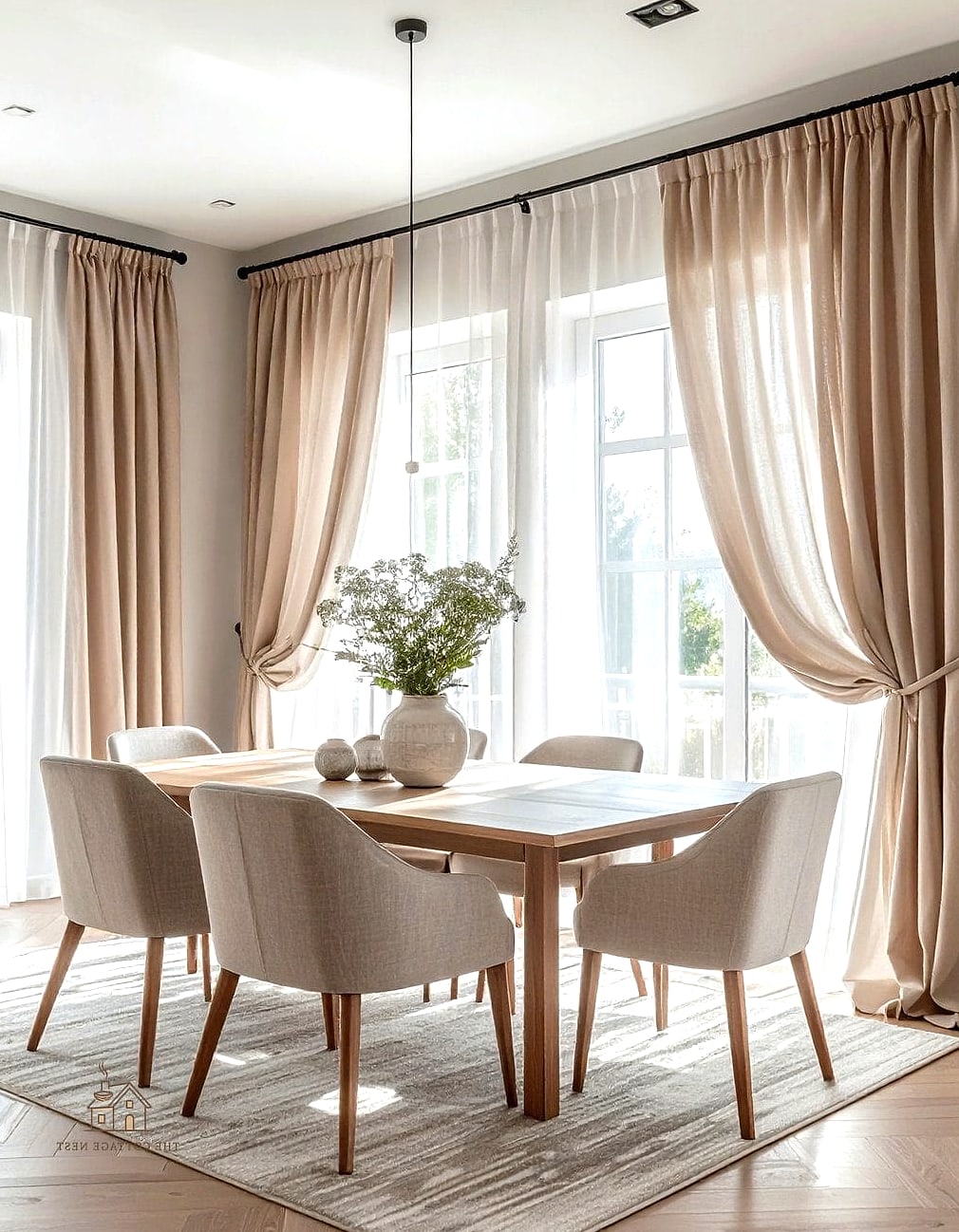
Simple neutral linen panels paired with brushed brass hardware create a look that feels more expensive than it is. The hardware upgrade alone can make a big visual difference even if the curtains themselves are basic. This combination works in almost any dining room style, from modern to traditional. It’s a safe, versatile choice if you’re not sure what direction to go.
Window Film for Privacy Without Curtains
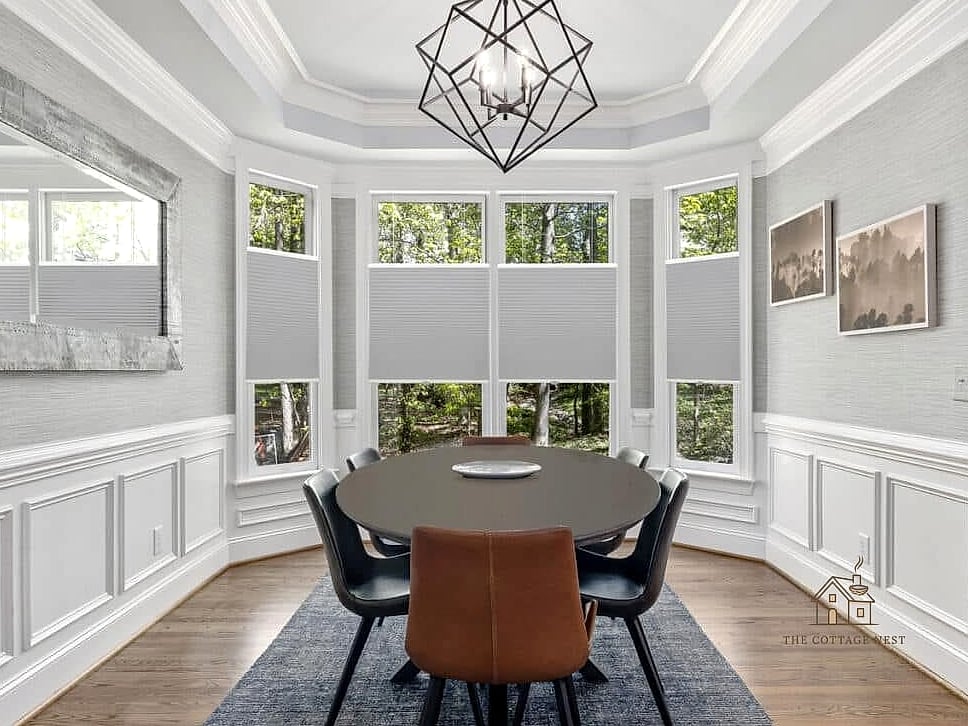
If your dining room window needs privacy but you don’t want to deal with fabric at all, static cling window film is an affordable alternative. It’s easy to apply yourself and comes in frosted or patterned designs. This works well for windows facing sidewalks or close neighbors where full coverage feels like overkill. It’s also renter-friendly since it removes without damage.
Bringing a dining room window to life doesn’t have to mean spending a lot of money or hiring anyone. Most of these ideas can be done in an afternoon with materials you can find at a hardware store, fabric shop, or even your own closet. Pick whichever fits your space, your style, and your budget, and don’t be afraid to mix a couple of these ideas together for a look that feels完全 your own.