15 Gorgeous Bedroom Paint Color Ideas That Are Totally Doable
- Warm Greige for a Cozy Neutral Base
- Deep Forest Green for Drama Without the Risk
- Soft Blush Pink for Warmth Without Feeling Juvenile
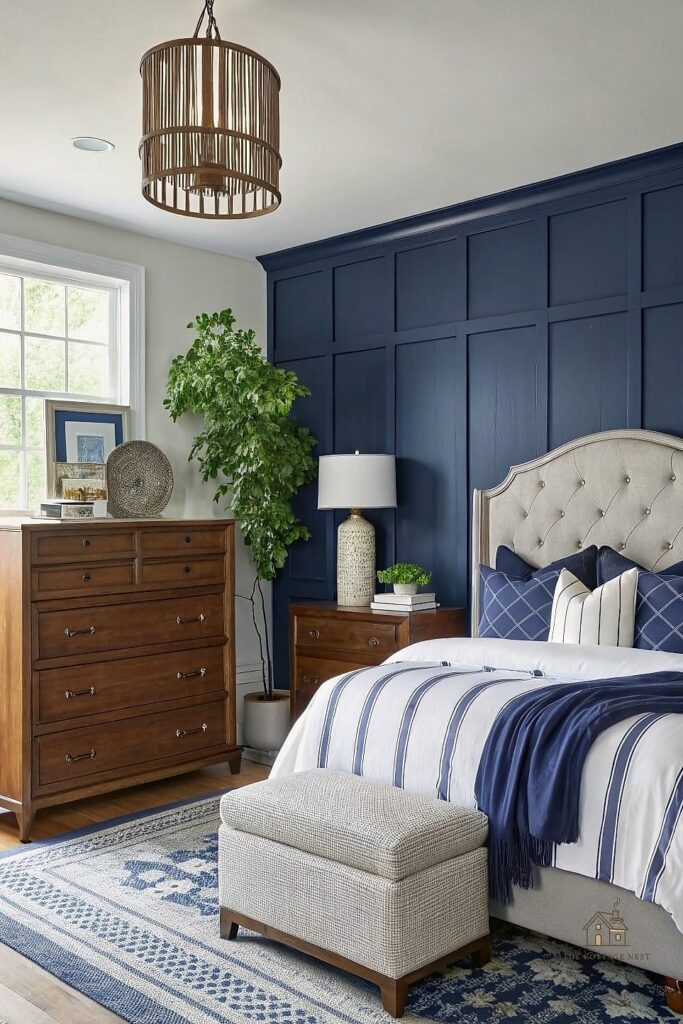
- Classic Navy for a Grounded, Restful Feel
- Muted Terracotta for Earthy Warmth
- Pale Sage for a Calm, Nature-Inspired Room
- Rich Charcoal for a Moody Retreat
- Buttery Yellow for an Unexpectedly Cheerful Space
- Warm White for a Bright, Airy Feel
- Dusty Lavender for Soft, Grown-Up Romance
- Deep Plum for Rich, Jewel-Toned Elegance
- Soft Blue-Gray for a Coastal, Calming Vibe
- Warm Taupe for a Timeless, Layered Look
- Deep Teal for Bold, Confident Style
- Barely-There Blush Beige for Subtle Softness
15 Gorgeous Bedroom Paint Color Ideas That Are Totally Doable
Picking a paint color for your bedroom can feel oddly stressful for something that’s supposed to be relaxing. You stand in the paint aisle holding four nearly identical swatches, and suddenly you’re questioning every decision you’ve ever made. I get it. Your bedroom is the one room where you actually want to slow down, so the color on the walls matters more than you’d think.
The good news is you don’t need a bold design background to pull off a great bedroom color. Most of these ideas are approachable, budget-friendly, and forgiving if you change your mind in a year or two. Here are fifteen bedroom paint color ideas that are genuinely doable, whether you’re renting, redecorating, or just tired of staring at builder-grade white.
Warm Greige for a Cozy Neutral Base
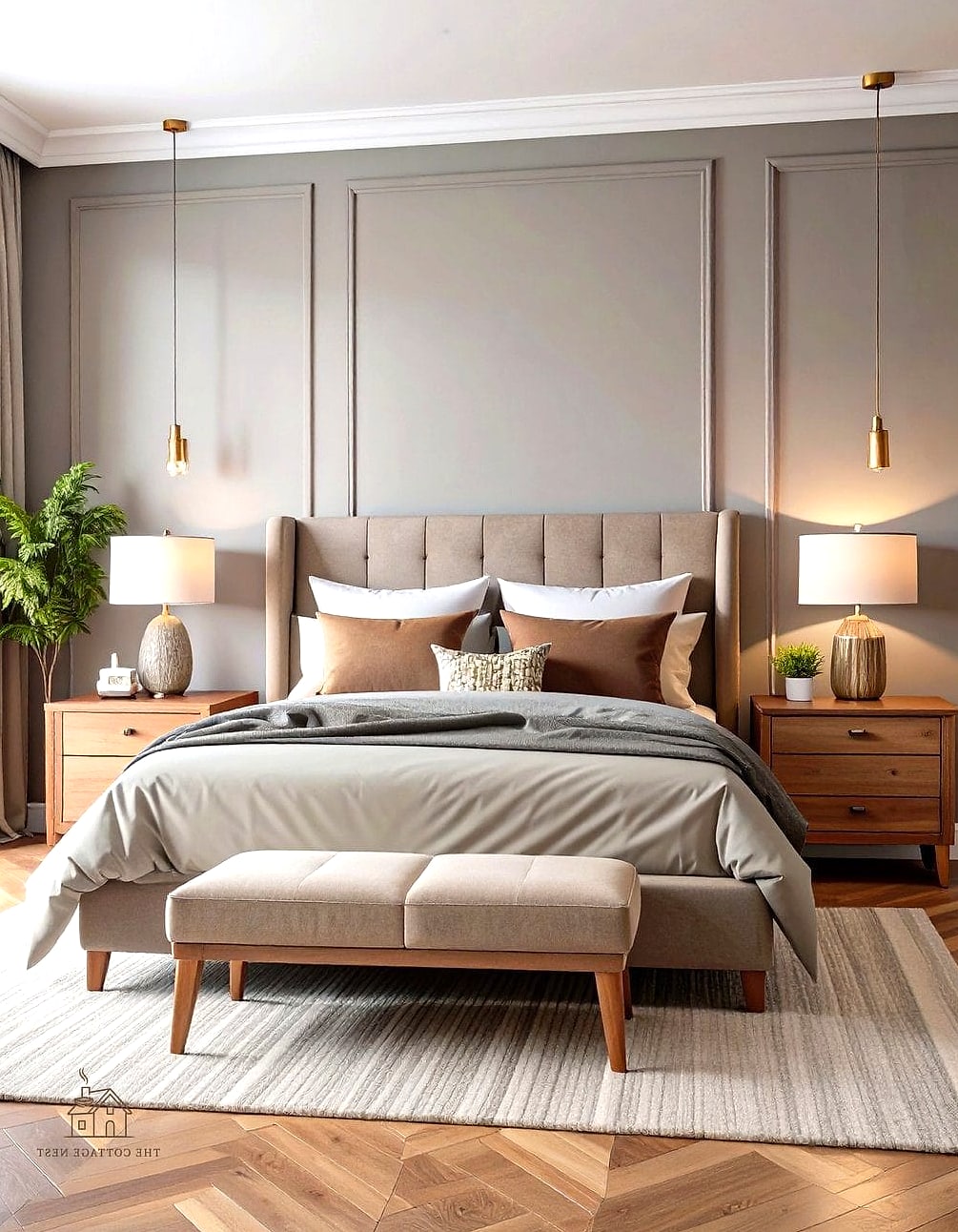
Greige (that gray-beige hybrid everyone loves) is still one of the safest, most versatile choices for a bedroom. It reads warmer than straight gray but still feels current and calm.
This works especially well in bedrooms with a lot of natural light, since it won’t turn flat or cold the way pure gray sometimes can. Pair it with warm wood tones, linen bedding, and brushed brass hardware for a look that feels put-together without trying too hard.
It’s also incredibly forgiving with furniture. Whatever pieces you already own will probably work with it, which makes it a smart pick if you’re not ready to redo your whole room at once.
Deep Forest Green for Drama Without the Risk
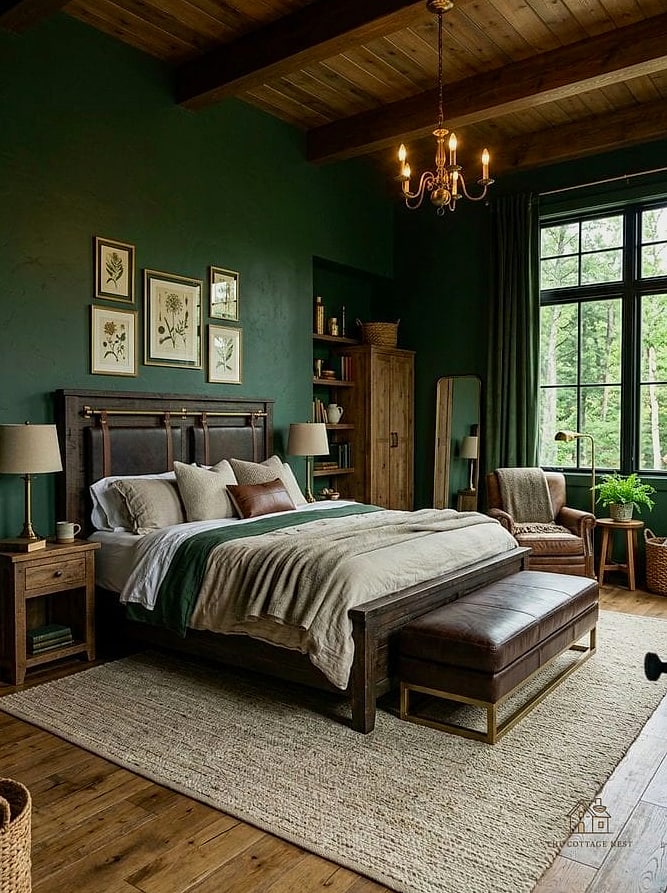
I know dark colors can feel scary, but a deep forest green in a bedroom is one of those choices that almost always looks intentional and expensive. It’s moody in the best way.
This color shines in bedrooms with good trim work or architectural detail, since the contrast really pops. If your room is on the smaller side, don’t panic. Dark colors can actually make a space feel more enveloping and cocoon-like rather than cramped, especially with layered lighting instead of one harsh overhead fixture.
Balance it with lighter bedding, natural textures like jute or rattan, and a little greenery to keep it from feeling too heavy.
Soft Blush Pink for Warmth Without Feeling Juvenile
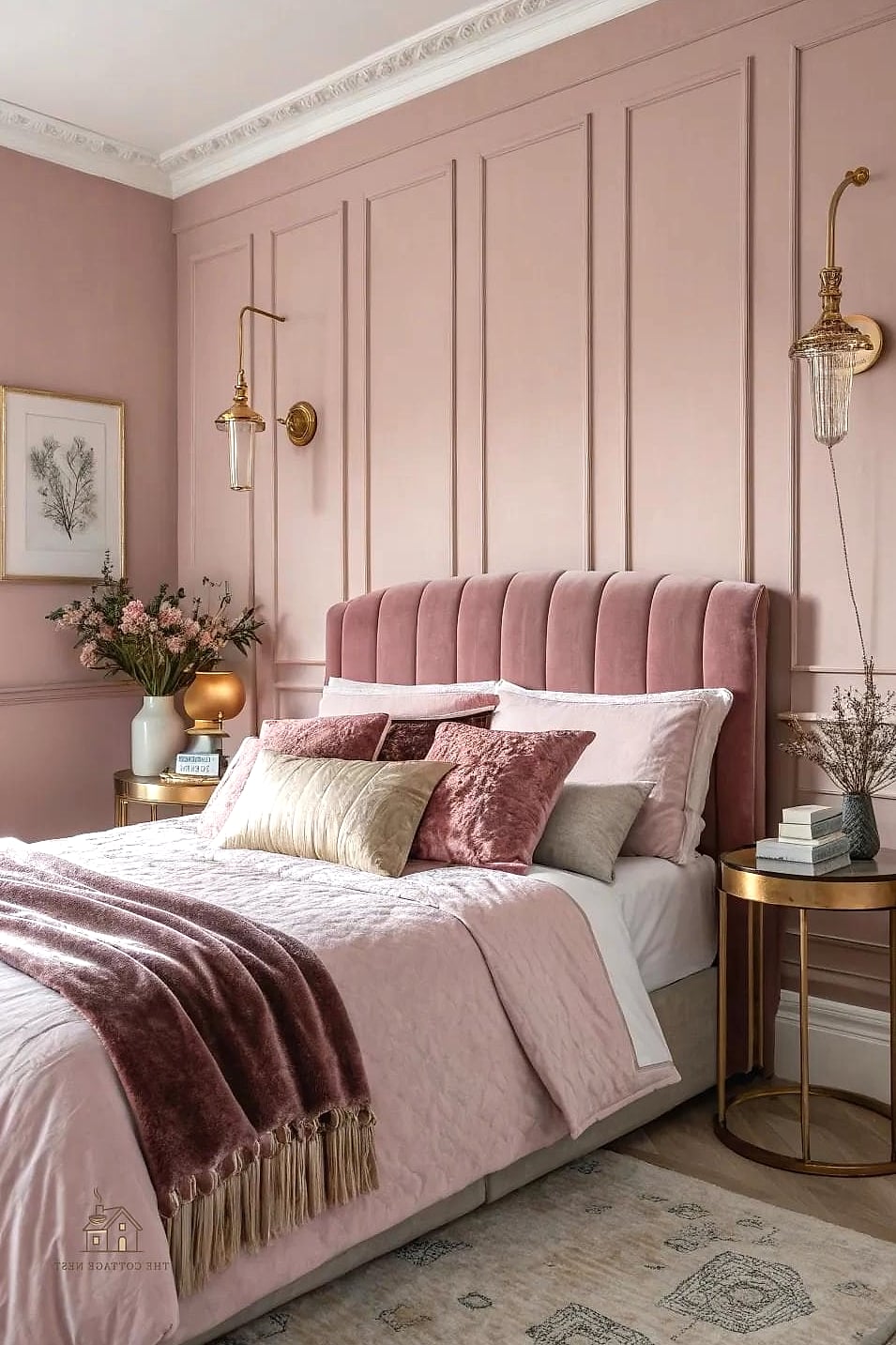
Blush pink has come a long way from feeling like a kid’s room color. A dusty, muted version leans sophisticated rather than sweet, especially when paired with black or dark bronze accents.
This is a great option if you want warmth in a room that doesn’t get a ton of sunlight. It has enough pink undertone to keep things feeling soft, but it’s grounded enough not to feel overly precious.
Try it with matte black hardware on your nightstands or a black metal bed frame for contrast. It keeps the whole look from tipping too far into “sugary.”
Classic Navy for a Grounded, Restful Feel
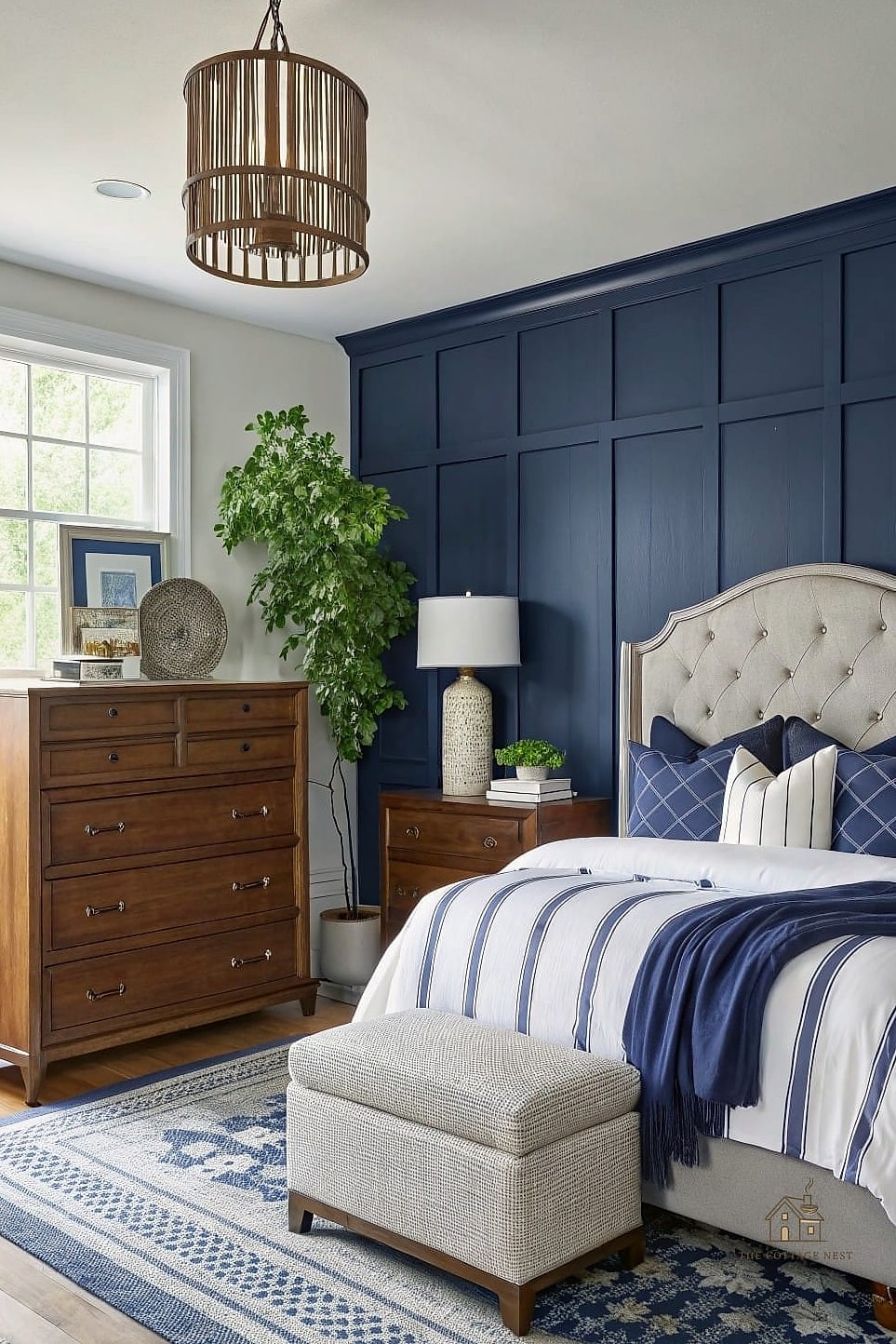
Navy is one of those colors that never really goes out of style, and there’s a reason designers keep coming back to it for bedrooms. It’s dark enough to feel restful but not as intense as black or true charcoal.
Navy works particularly well on just one accent wall behind the headboard if you’re not ready to commit to all four walls. It also plays beautifully with brass or gold accents, white trim, and crisp bedding for a look that feels a little classic and a little coastal at once.
If you’re worried about resale value down the road, navy tends to be one of the safer dark colors buyers respond well to.
Muted Terracotta for Earthy Warmth
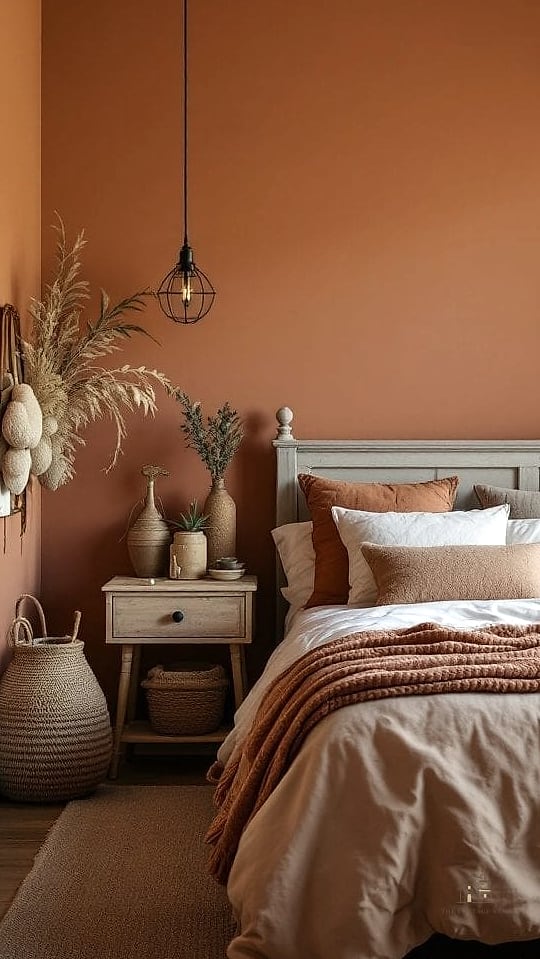
Terracotta has been showing up everywhere lately, and a muted, dusty version works surprisingly well in bedrooms. It brings warmth without the intensity of a true orange.
This color pairs naturally with wood furniture, woven textures, and warm neutral bedding. It feels a little bit Mediterranean, a little bit desert modern, depending on how you style around it.
If full walls feel like too much commitment, try it on a single accent wall or even just the ceiling for a subtle surprise when you look up.
Pale Sage for a Calm, Nature-Inspired Room
Sage green has settled into being a genuine bedroom staple rather than a passing trend. It’s soft, easy to live with, and works in almost any lighting situation.
This shade is especially nice in bedrooms where you want a spa-like feeling without going full-on neutral. It pairs naturally with light wood furniture, linen textures, and a lot of houseplants if you’re into that look.
Sage also tends to read differently throughout the day, cooler in the morning and warmer in evening light, which keeps the room feeling a little more alive than a flat neutral would.
Rich Charcoal for a Moody Retreat
If forest green and navy still feel too soft for what you’re picturing, charcoal might be your answer. It’s dramatic, modern, and surprisingly easy to keep looking fresh.
Charcoal bedrooms tend to photograph beautifully because the contrast between the walls and lighter bedding or artwork is so striking. This works best in rooms with decent natural light or where you’re willing to invest in layered lamps and sconces, since charcoal can swallow light in a windowless space.
A matte finish here looks more intentional than glossy, and it hides minor wall imperfections better too.
Buttery Yellow for an Unexpectedly Cheerful Space
A soft, muted yellow is one of those colors people don’t think to use in a bedroom, but it can make mornings genuinely more pleasant. Skip anything neon or overly saturated and lean toward a warm, buttery tone instead.
This works especially well in bedrooms that get a lot of morning light, since the yellow amplifies that golden glow. It pairs nicely with white trim, natural wood, and green plants for a look that feels fresh without being trendy in a way that’ll date quickly.
If a full room of yellow feels like too much, try it just on the ceiling for a subtle pop that still reads as intentional.
Warm White for a Bright, Airy Feel
Not all whites are created equal, and a warm white with beige or cream undertones can completely change how a bedroom feels compared to a stark, cool white. It keeps things bright without feeling clinical.
This is a great renter-friendly option too, since warm whites tend to work with almost any furniture or decor style you bring in later. It also makes small bedrooms feel more open, since light colors naturally read as more spacious.
Layer in texture through bedding, curtains, and a rug so the room doesn’t feel flat or sterile.
Dusty Lavender for Soft, Grown-Up Romance
Lavender gets dismissed sometimes as too soft or too feminine, but a dusty, gray-toned version is genuinely sophisticated. It’s calming without tipping into pastel territory.
This color works particularly well in bedrooms styled with black accents, aged brass, or dark wood furniture, since the contrast keeps it from feeling overly delicate. It’s also a nice option if you want something a little different from the usual gray or greige without going too bold.
Try it with white bedding and a few dried floral stems for a look that feels effortless rather than overly styled.
Deep Plum for Rich, Jewel-Toned Elegance
Plum is having a moment, and for good reason. It’s dark and moody like navy or charcoal but has a warmth and richness that feels distinctly different.
This color looks incredible with brass hardware, velvet textures, and warm wood tones. It’s a great choice if your bedroom already leans a little glam or if you want to add some personality without going full color-drenched.
Because it’s such a rich, saturated tone, a single accent wall behind the bed often gives you all the drama you want without overwhelming the room.
Soft Blue-Gray for a Coastal, Calming Vibe
Blue-gray sits in that sweet spot between blue and gray, giving you calm without feeling too cold. It’s one of the most universally flattering bedroom colors out there.
This shade works in almost any lighting situation and pairs naturally with white trim, natural fiber rugs, and light wood furniture. It’s also a smart pick if you’re trying to create a cohesive flow between your bedroom and an adjoining bathroom, since blue-gray tends to work well in both spaces.
If you want a little more depth, pair it with darker navy accents through pillows or a throw blanket.
Warm Taupe for a Timeless, Layered Look
Taupe sometimes gets overlooked in favor of trendier grays and greiges, but it’s genuinely one of the most livable neutral bedroom colors around. It has enough warmth to avoid feeling flat.
This color is especially forgiving if you’re someone who likes to change your decor seasonally, since taupe works with cool tones, warm tones, and pretty much everything in between. It’s a safe pick if you’re planning to sell eventually but still want something with a little more personality than basic white.
Pair it with layered textures like a chunky knit throw or a woven headboard for extra visual interest.
Deep Teal for Bold, Confident Style
Teal walks a nice line between blue and green, giving you something a little unexpected without straying into “hard to work with” territory. A deeper, more saturated teal feels rich and cozy in a bedroom setting.
This shade pairs beautifully with warm metallics like brass or copper, along with natural wood tones and cream bedding. It’s a good pick if your room gets decent natural light, since teal can lean a bit darker and moodier in dim spaces.
For a lower-commitment version, try it on a single wall or even the inside of a closet for a surprise pop of color.
Barely-There Blush Beige for Subtle Softness
If you want warmth and softness but aren’t ready for a true color commitment, a blush beige (basically beige with the faintest hint of pink) is about as gentle as bedroom colors get. It’s soft, warm, and incredibly easy to style around.
This works well in almost any bedroom size or lighting condition, which makes it a solid pick if you’re not totally sure what you want yet. It reads as neutral enough to not feel like a bold statement, but it has just enough warmth to avoid feeling boring.
Pair it with warm wood furniture, woven baskets for storage, and soft textured bedding to keep the whole look feeling intentional rather than accidental.
Choosing a bedroom paint color doesn’t have to be an all-or-nothing decision. If any of these feel like too big a leap, start small with an accent wall, a closet interior, or even just the ceiling. You can always build from there once you see how the color lives in your space day to day. The best bedroom color is really just the one that makes you want to walk into the room and exhale a little, and with options this varied, there’s a good chance one of these fifteen ideas will do exactly that for you.