45 Stunning Corner Flower Bed Ideas You’ll Absolutely Love
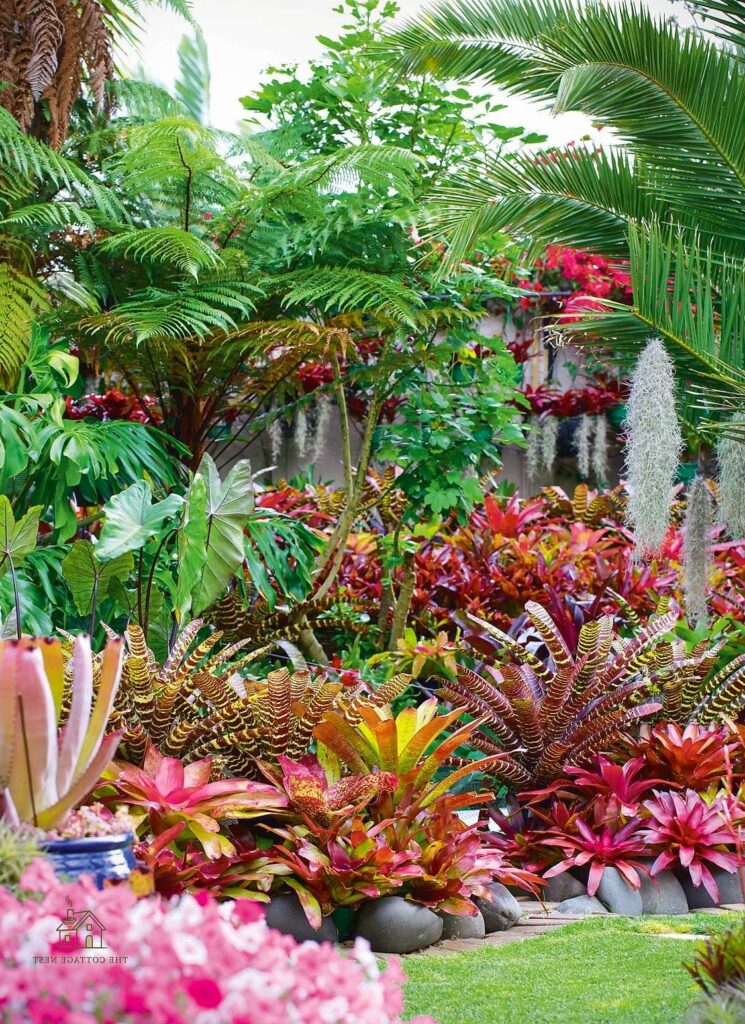
- Curved Stone Border Corner Bed
- Tiered Corner Garden with Retaining Walls
- Rounded Boxwood Corner Hedge
- Wildflower Corner Meadow
- Ornamental Grass and Flower Combo
- Raised Corner Planter Bed
- Cottage-Style Corner Bloom Cluster
- Rock Garden Corner with Succulents
- Corner Bed with a Focal Point Tree
- Layered Height Corner Design
- Monochrome White Garden Corner
- Butterfly and Pollinator Corner Garden
- Corner Bed with Decorative Edging
- Shade-Loving Corner Bed
- Corner Herb and Flower Combo
- Vertical Trellis Corner Garden
- Corner Bed with Solar Lighting
- Drought-Tolerant Xeriscape Corner
- Corner Bed Framed by Low Hedging
- Fragrant Corner Flower Bed
- Corner Bed with a Birdbath Centerpiece
- Modern Minimalist Corner Bed
- Corner Bed with Mulch Color Contrast
- Corner Rose Garden
- Corner Bed with Mixed Container Plants
- Japanese-Inspired Corner Garden
- Corner Bed with Repurposed Materials
- Corner Bed Divided by a Garden Path
- Corner Bed with Ornamental Grasses Only
- Corner Bed with Seasonal Bulb Layers
- Corner Bed Framed by Brick Pavers
- Corner Bed with Native Plant Focus
- Corner Bed with a Bench Nook
- Corner Bed with Color-Blocked Sections
- Corner Bed Along a Privacy Fence
- Corner Bed with a Dry Creek Bed Feature
- All-Perennial Low-Maintenance Corner Bed
- Corner Bed with a Mailbox Garden Extension
- Tropical-Style Corner Bed
- Corner Bed with Vintage Garden Decor
- Corner Bed Designed for Cut Flowers
- Corner Bed with a Curved Gravel Path
- Corner Bed with Layered Mulch and Stone
- Corner Bed with Espaliered Shrubs
- All-Annual Rainbow Corner Bed
45 Stunning Corner Flower Bed Ideas You’ll Absolutely Love
Corners are the most overlooked spots in a yard, and honestly, that’s a shame. That awkward triangle where two fences meet or the empty patch beside your front steps has way more potential than most people realize. A well-planned corner flower bed can turn a dead zone into the prettiest part of your whole landscape.
I’ve pulled together a huge range of ideas here, from low-maintenance perennial mixes to bold, structured designs with hardscaping. Some are perfect for beginners, others are better suited to someone who genuinely enjoys weekend garden projects. There’s something in this list for pretty much every yard, budget, and skill level.
Curved Stone Border Corner Bed
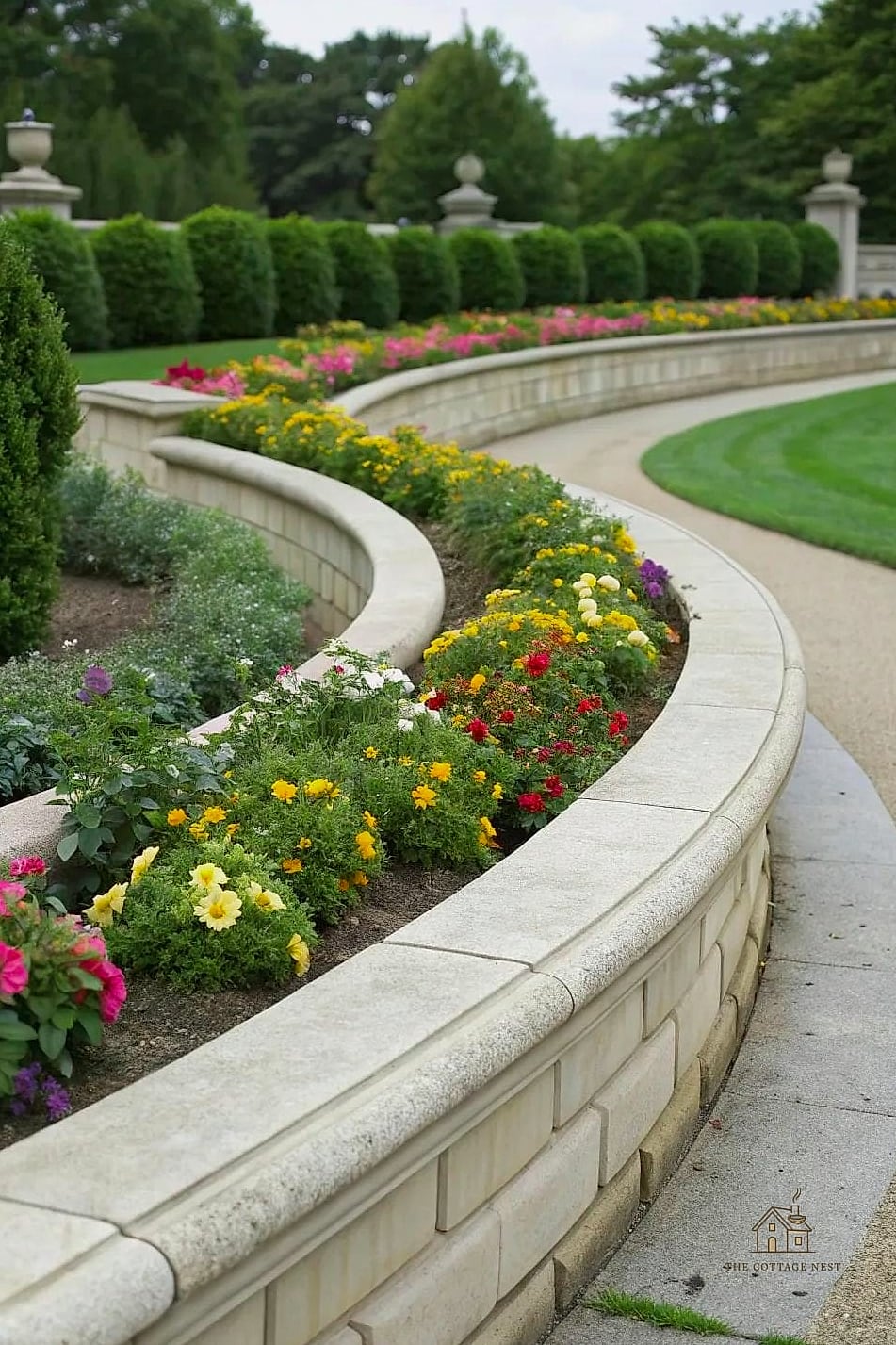
A curved stone border softens the sharp angle of a corner and gives the whole bed a finished, intentional look. Fieldstone or flat pavers both work well here, and you don’t need mortar for a simple edging job.
This style works best in front yards near a porch or walkway where visitors will actually see it. Homeowners love it because it keeps mulch contained and mowing simple. Fill the interior with layered perennials for a cottage feel, or keep it minimal with a single flowering shrub.
Tiered Corner Garden with Retaining Walls
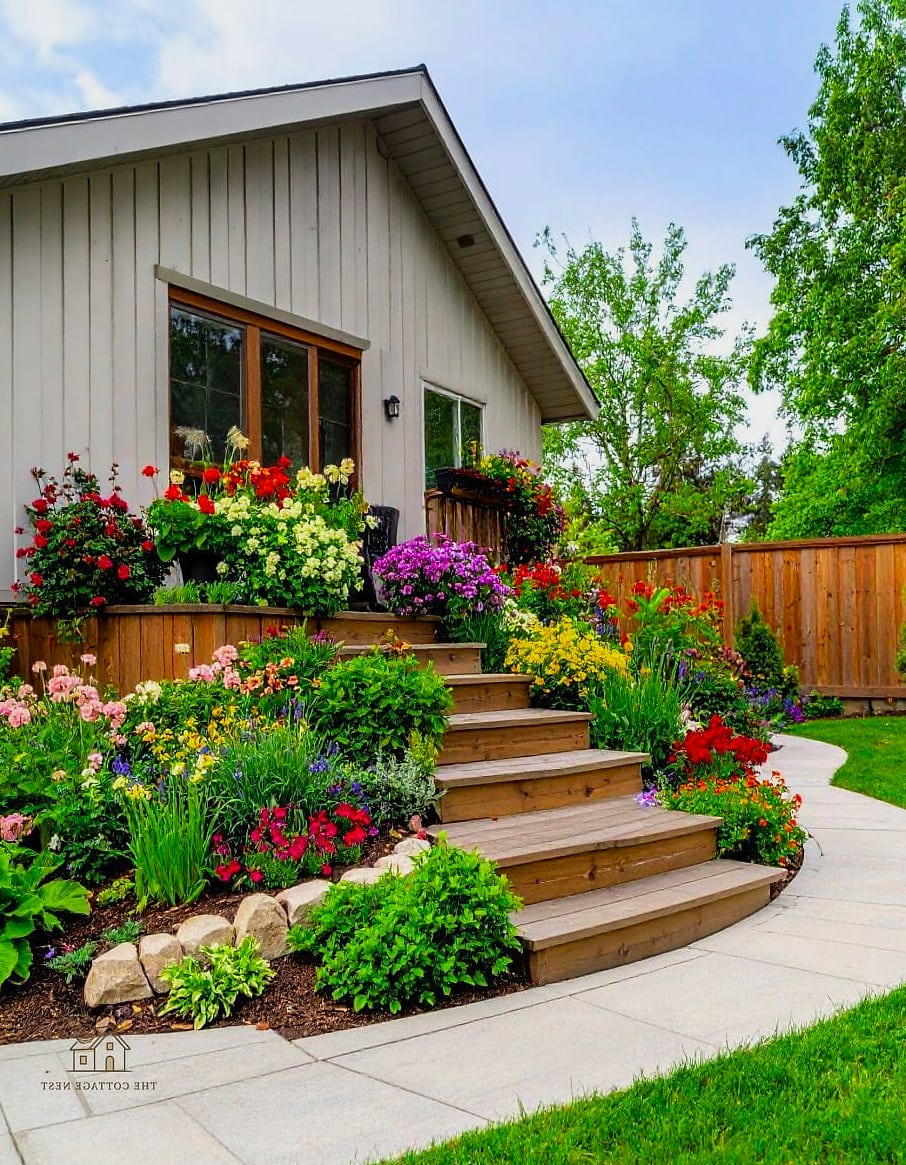
If your corner has any kind of slope, a tiered design with small retaining walls solves the drainage problem and looks fantastic doing it. Stack landscape blocks in two or three levels, planting shorter flowers up top and trailing varieties along the edges.
This is a bigger project and leans toward intermediate DIY skill, but the payoff is huge. It’s especially good for corner lots with elevation changes near a driveway.
Rounded Boxwood Corner Hedge
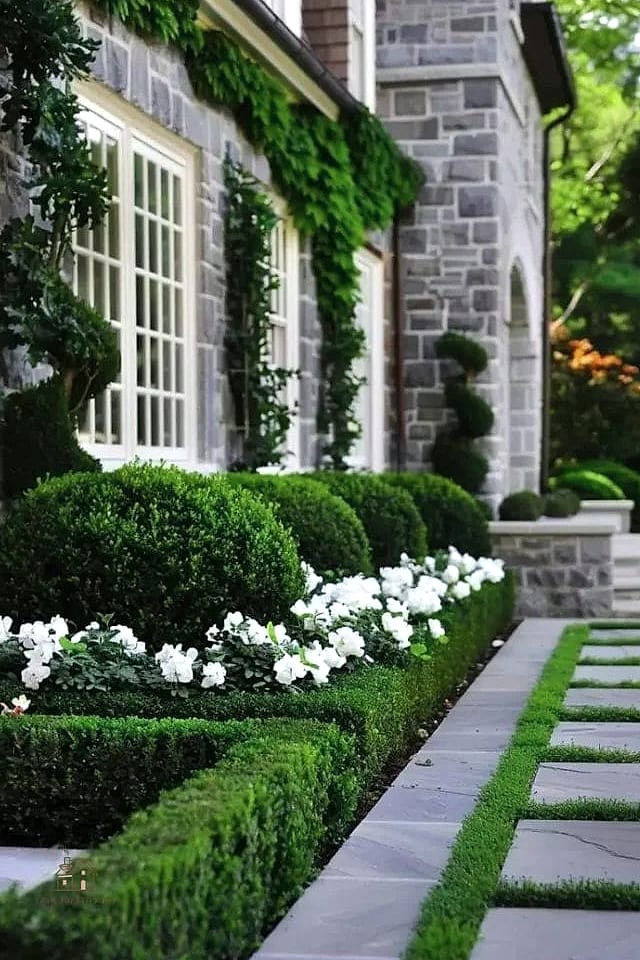
Boxwood shrubs trimmed into a soft curve create a classic, structured backdrop for a corner bed. Plant them along the property line and layer seasonal flowers in front for color that changes throughout the year.
This look reads formal and polished, which makes it a favorite for colonial or traditional-style homes. Boxwood needs occasional trimming but otherwise tolerates neglect fairly well, so it’s forgiving if you’re not out there every week.
Wildflower Corner Meadow
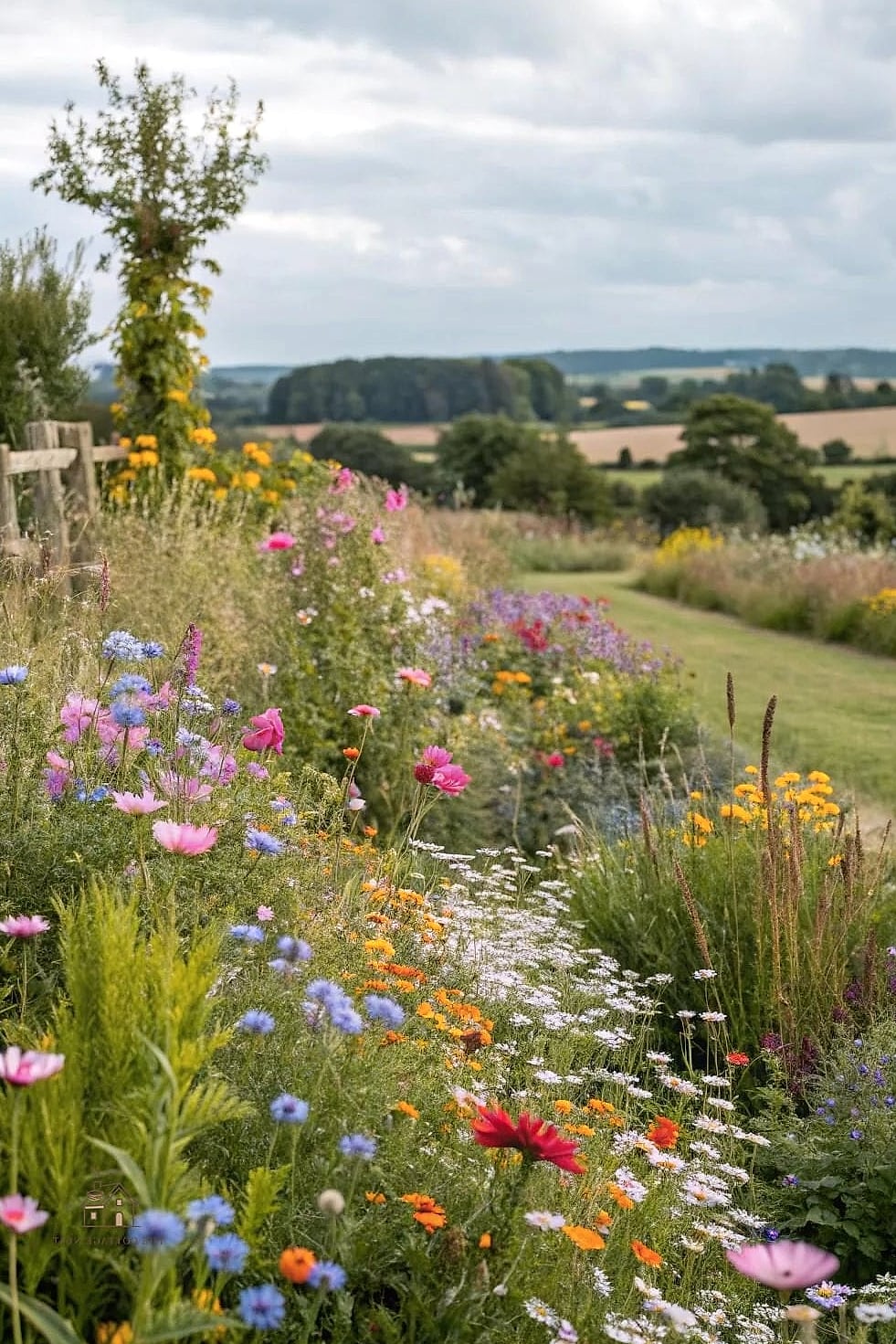
Skip the structure entirely and let a corner go a little wild. A mix of native wildflower seed creates a naturalized patch that attracts bees and butterflies without much fuss on your part.
This is one of the most budget-friendly options on this list since seed packets cost next to nothing. It works best in a sunny back corner where a slightly untamed look won’t bother the neighbors.
Ornamental Grass and Flower Combo
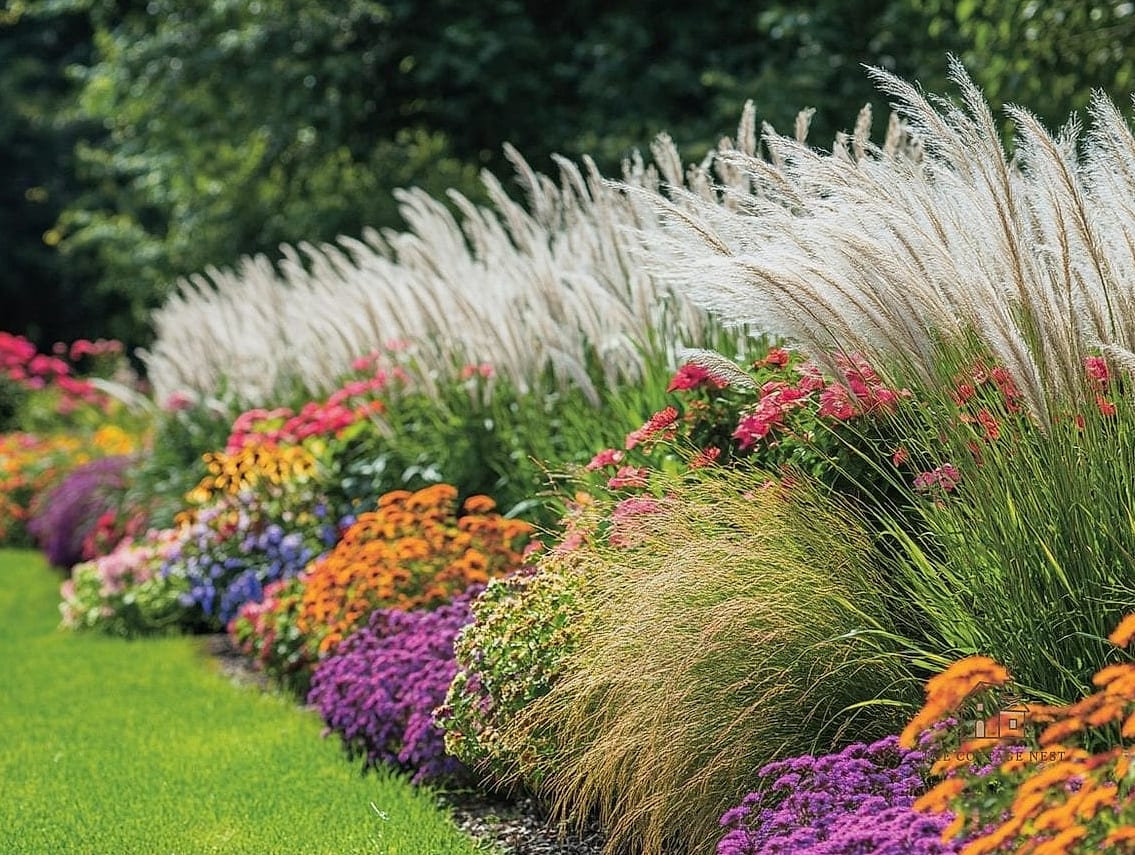
Pairing tall ornamental grasses with clusters of bright perennials gives a corner bed movement and texture that flat flower plantings can’t match. Try feather reed grass or fountain grass mixed with coneflowers or black-eyed Susans.
The grasses sway in the wind and add visual interest even in winter when everything else has died back. This combo is genuinely low-maintenance once established.
Raised Corner Planter Bed
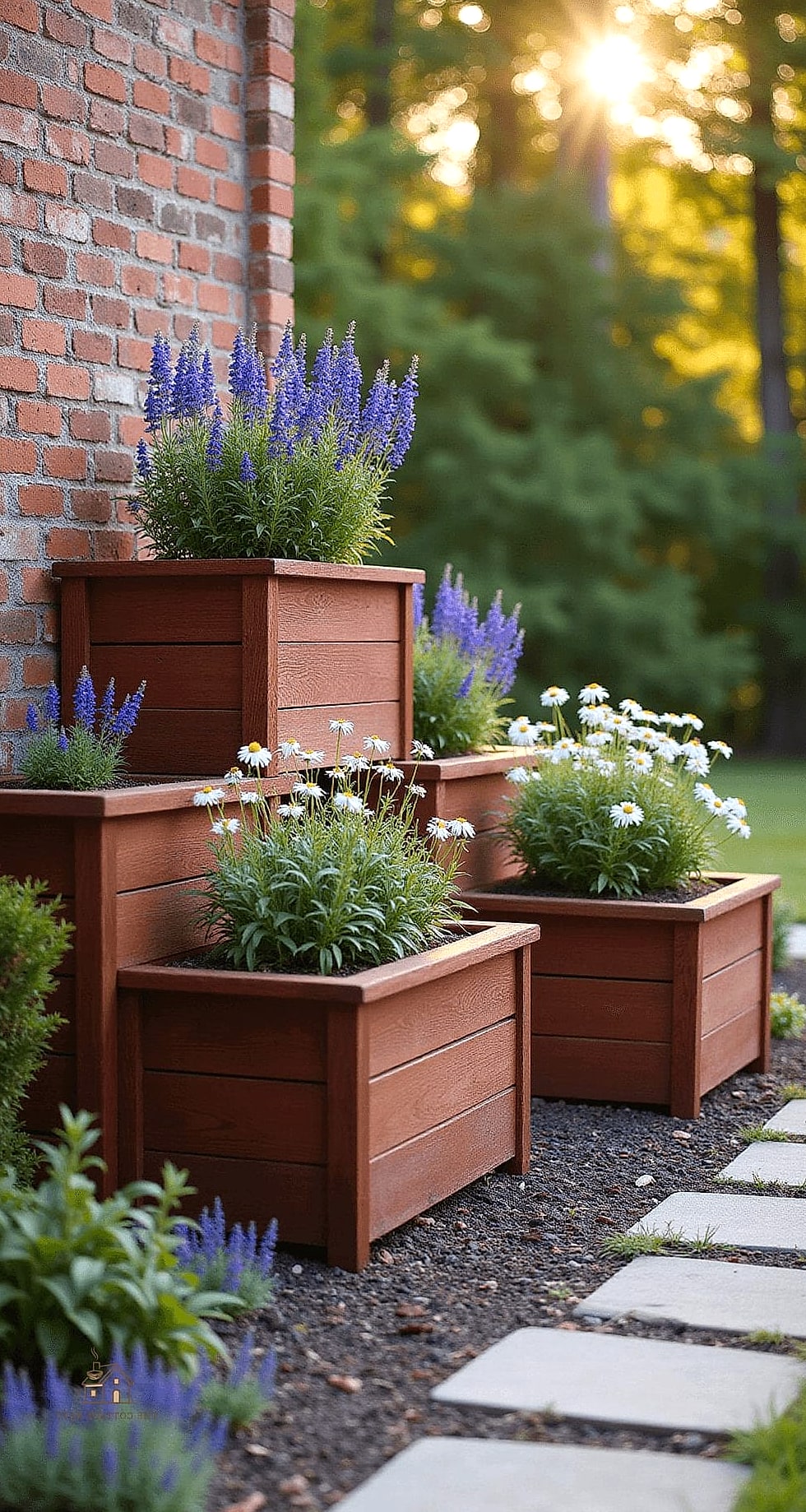
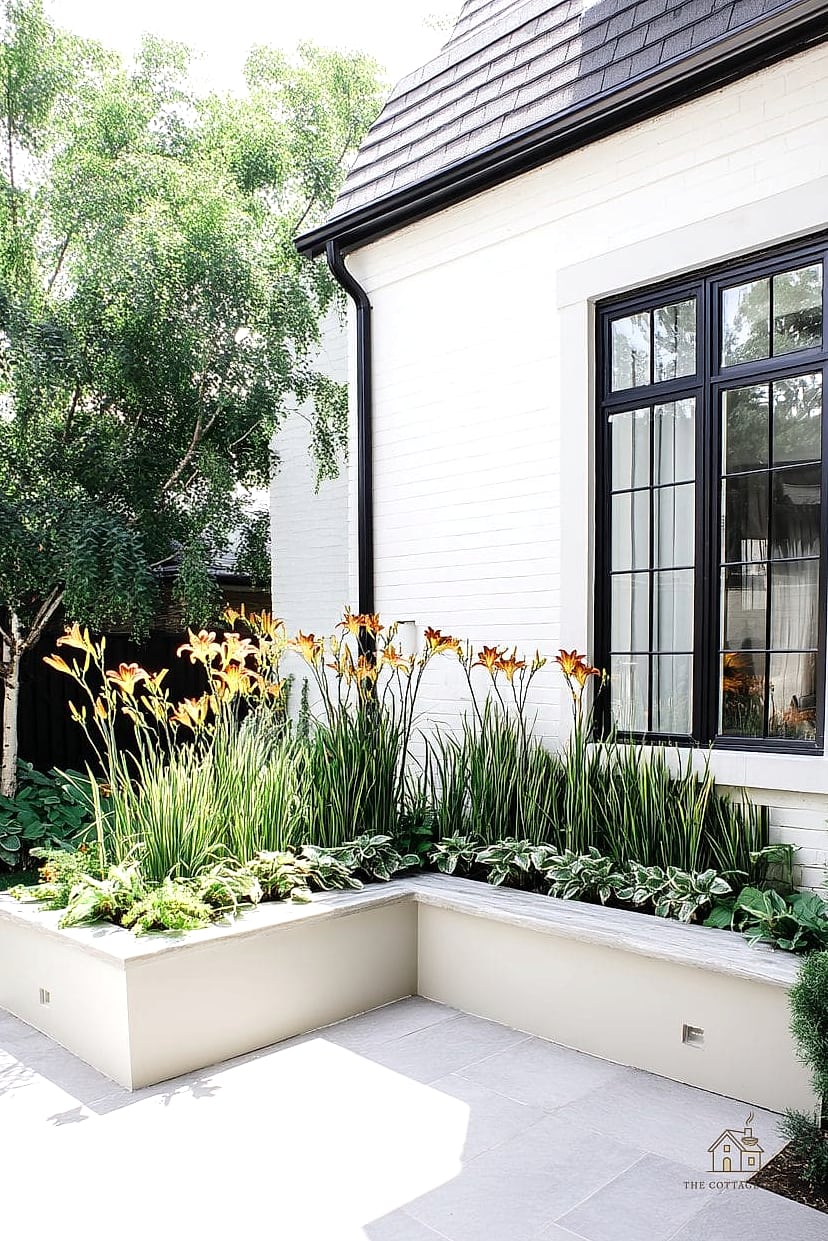
Building a raised bed right into the corner gives you total control over soil quality, which matters a lot if your yard has clay or rocky ground. Cedar or composite lumber both hold up well outdoors.
Raised beds also make weeding easier on your back, which nobody talks about enough. This is a great pick for anyone dealing with poor native soil or wanting a cleaner, more architectural look.
Cottage-Style Corner Bloom Cluster
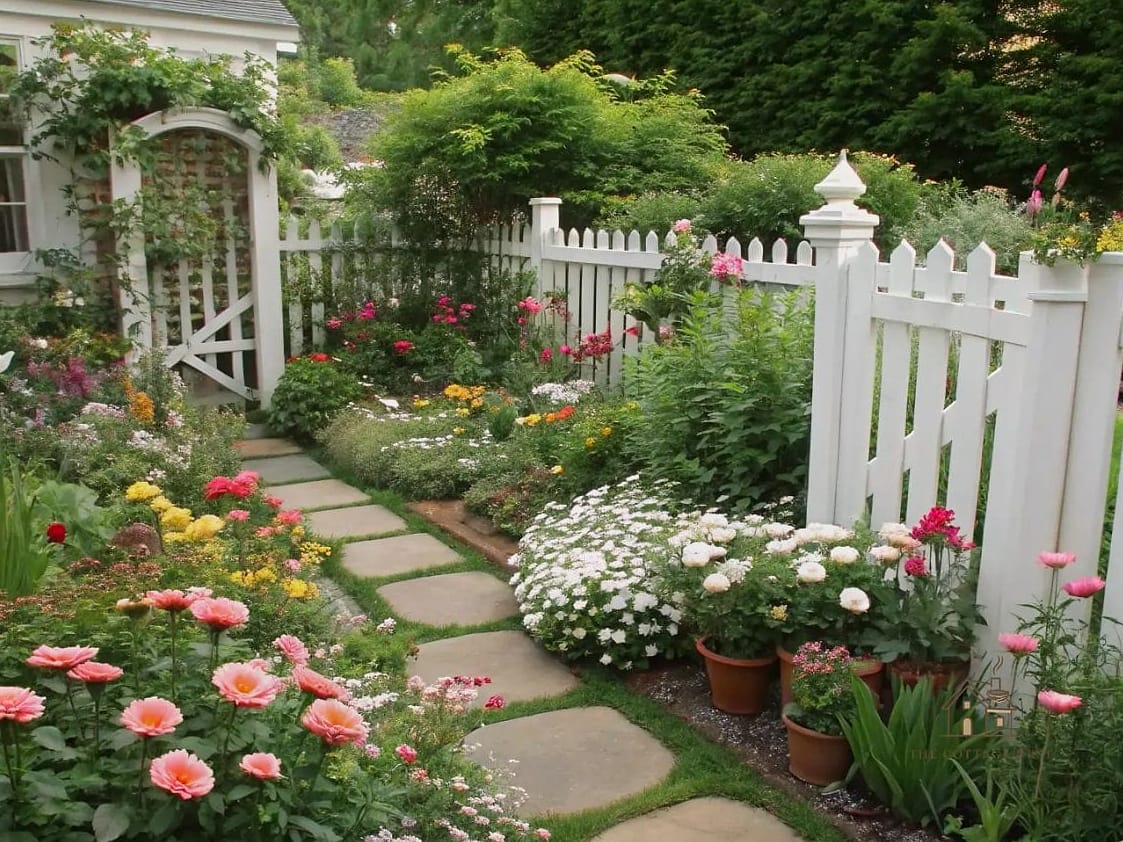
Cram a corner full of cottage garden classics like hollyhocks, foxglove, peonies, and daisies for that romantic, slightly overgrown charm. Plant densely so there’s little visible soil once things fill in.
This style loves a bit of chaos, so don’t stress about perfect spacing. It’s ideal for older homes or anyone chasing that lived-in, storybook aesthetic.
Rock Garden Corner with Succulents
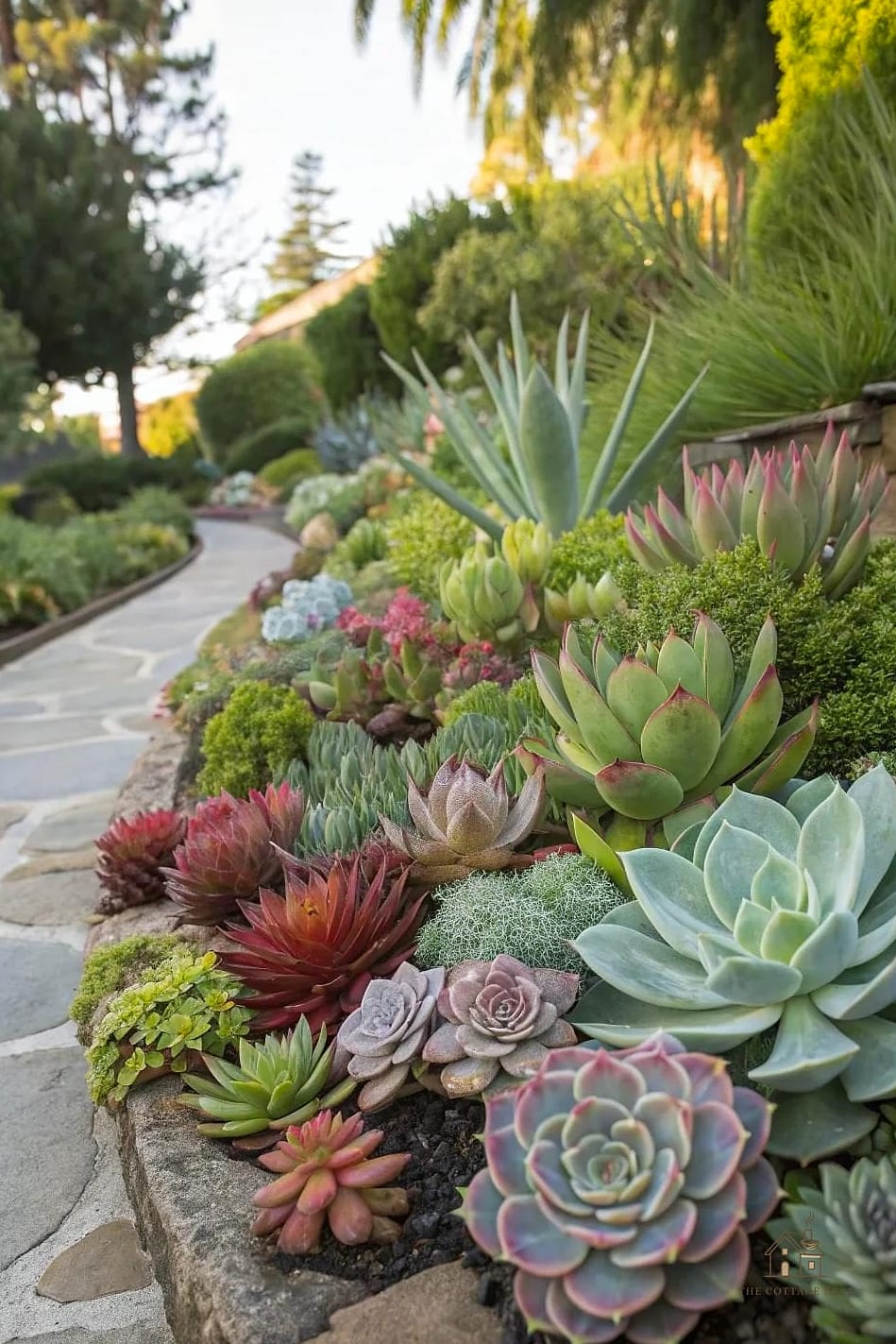
For dry, sunny corners, a rock garden filled with succulents and drought-tolerant sedum is both practical and striking. Arrange larger stones as anchor points, then tuck plants into the gaps.
This is one of the most water-wise options here, perfect if you’re trying to cut back on irrigation. It also happens to be nearly maintenance-free once it’s established.
Corner Bed with a Focal Point Tree
Anchoring a corner with a single ornamental tree, like a Japanese maple or dwarf crepe myrtle, gives the space height and a natural centerpiece. Surround the base with shade-tolerant flowers like hostas or astilbe.
This works especially well in larger corners where a flat flower bed alone would feel underwhelming. It’s a bit of an investment upfront but pays off as the tree matures.
Layered Height Corner Design
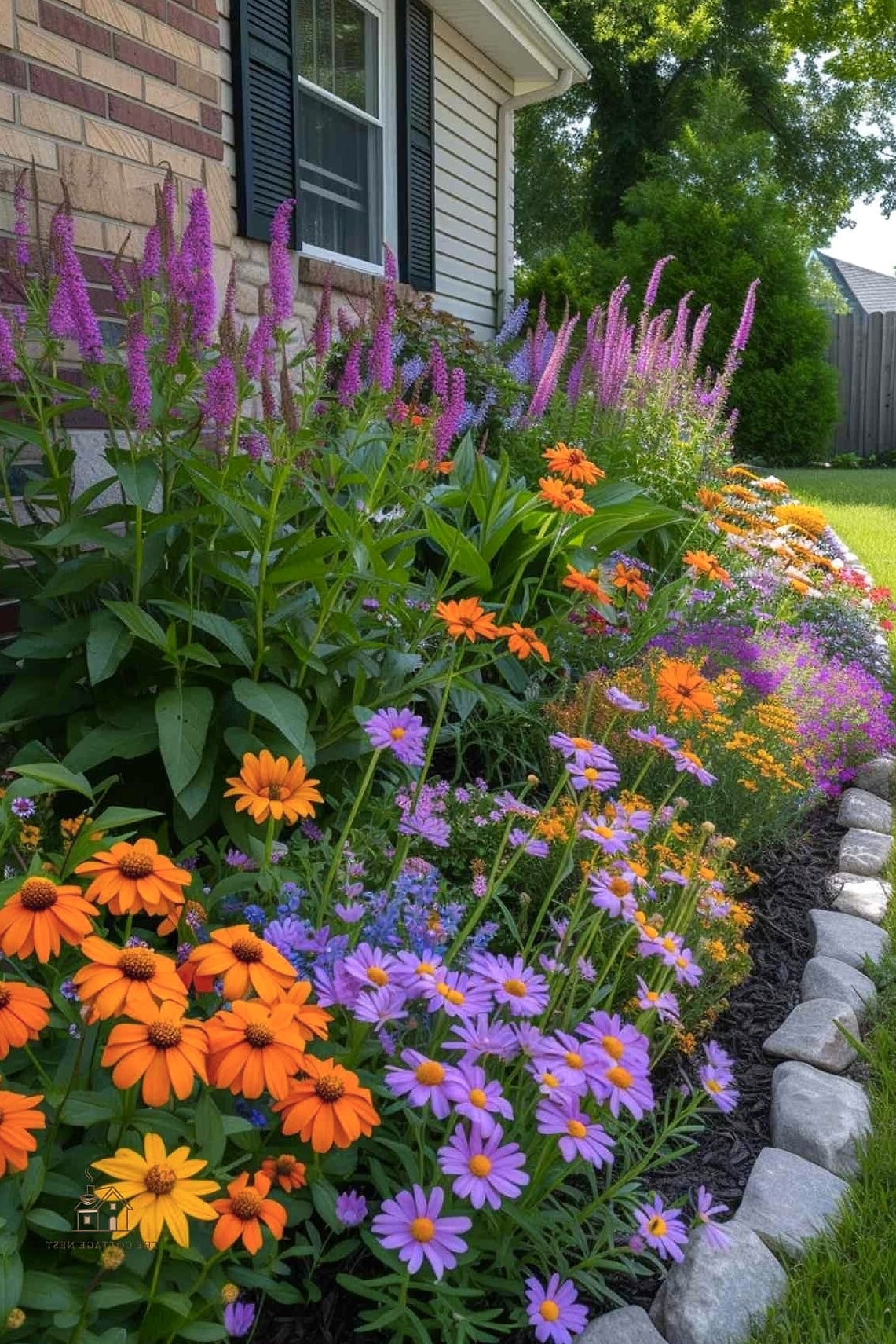
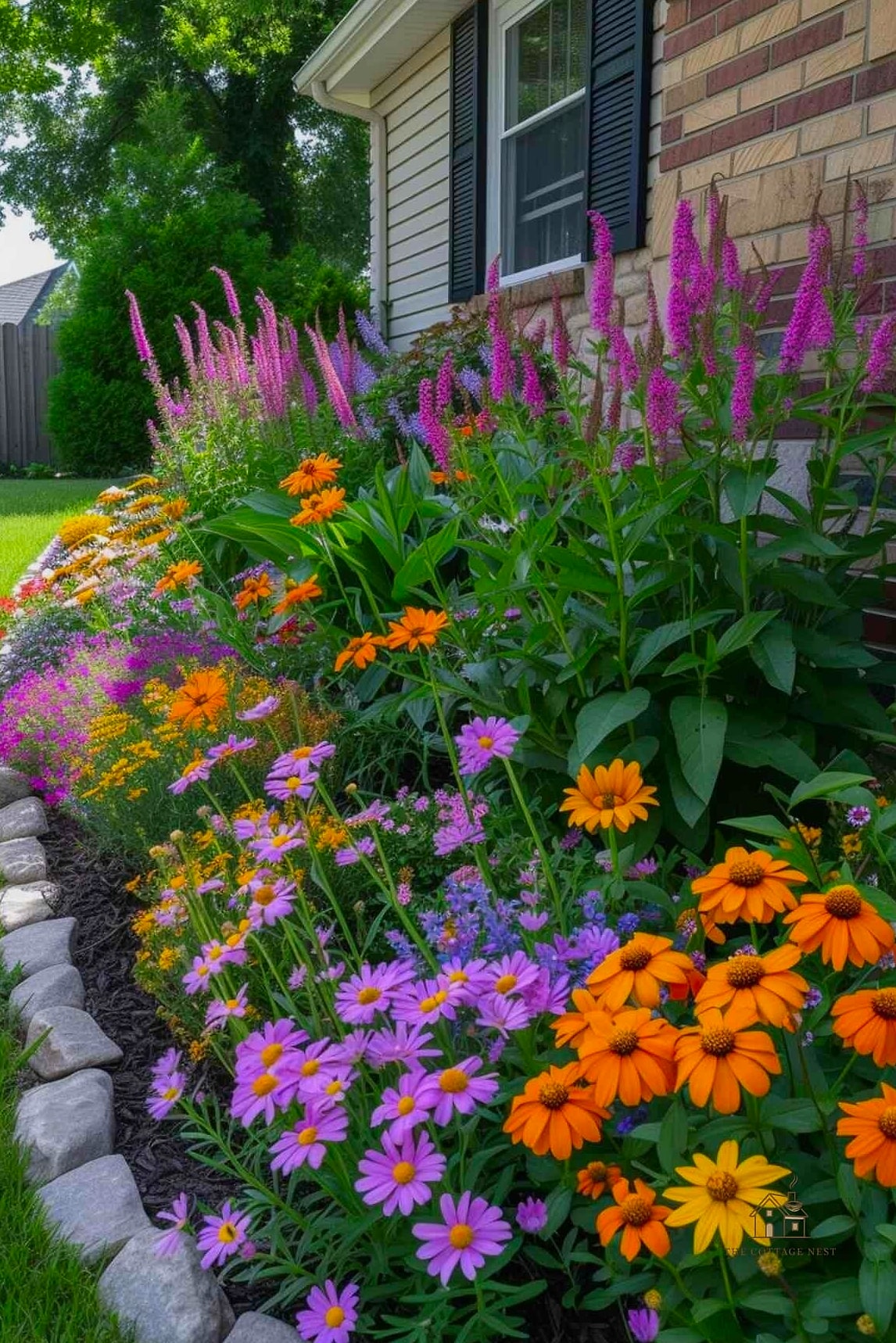
Planting in tiers by height, tall in the back corner, medium in the middle, low and trailing in front, creates depth and makes even a small bed look lush. This is basic garden design theory, but it works every single time.
Try ornamental grasses or hydrangeas at the back, coneflowers in the middle, and creeping phlox spilling over the front edge. It’s an approach that adapts to nearly any style or budget.
Monochrome White Garden Corner
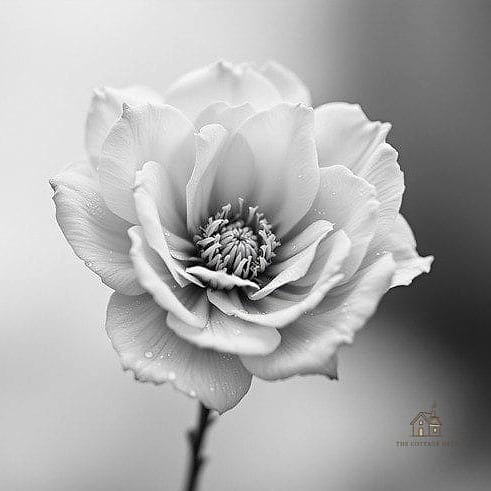
An all-white flower palette feels calm, elegant, and surprisingly modern against green foliage. White hydrangeas, shasta daisies, and white impatiens all work beautifully together.
This look photographs incredibly well at dusk since pale petals seem to glow in low light. It’s a lovely choice near a patio where you spend evenings outside.
Butterfly and Pollinator Corner Garden
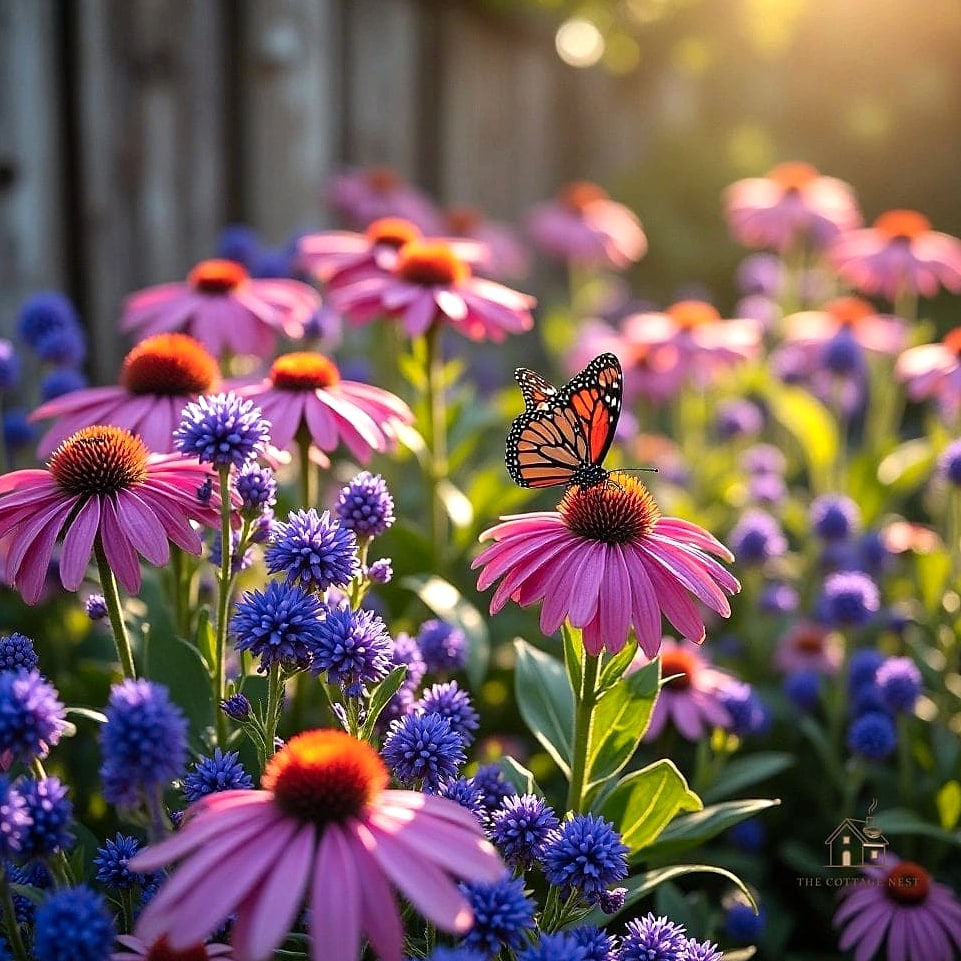
Dedicate a corner specifically to pollinator-friendly plants like milkweed, lavender, salvia, and zinnias. Beyond looking gorgeous, you’re actively supporting local bee and butterfly populations.
This is a rewarding project if you enjoy watching wildlife from your window. Skip pesticides here entirely, since the whole point is inviting insects in.
Corner Bed with Decorative Edging
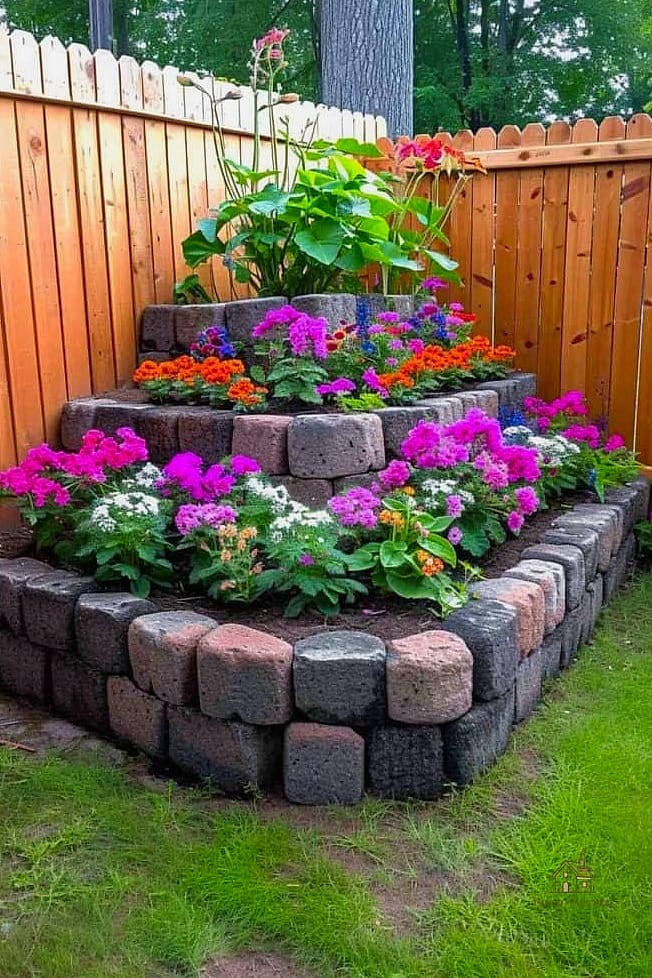
Sometimes it’s not about the plants at all, it’s the edging that makes a corner bed pop. Scalloped metal edging, brick-in-soldier-course borders, or even repurposed wine bottles buried neck-down all add personality.
This is a cheap, weekend-sized upgrade for an existing bed that feels a little flat. It’s also one of the easiest ways to make mowing around the corner less annoying.
Shade-Loving Corner Bed
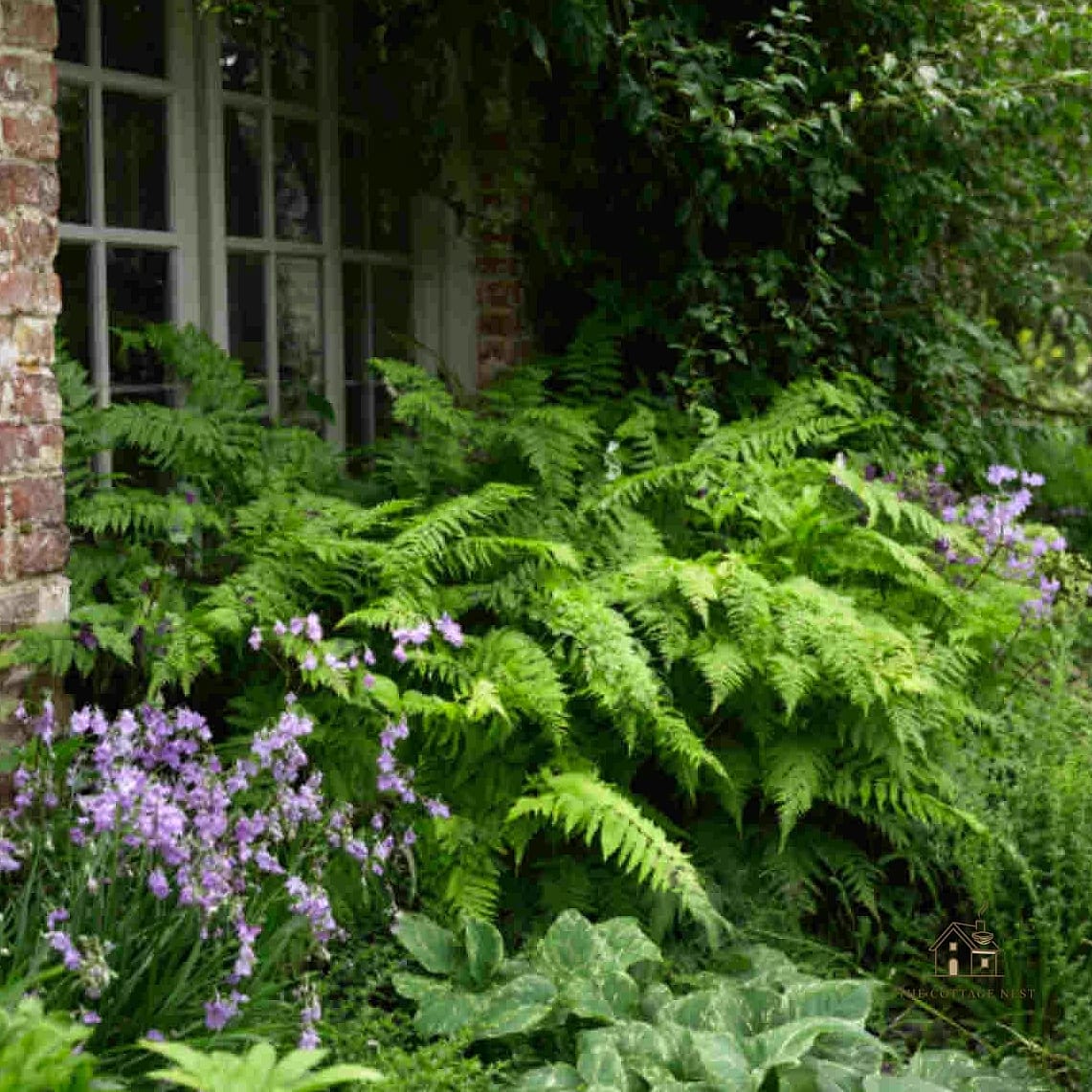
Not every corner gets full sun, and that’s fine. Hostas, ferns, astilbe, and bleeding hearts all thrive in shady spots and bring texture without needing bright light.
This is perfect for corners tucked under mature trees or against a north-facing fence. Shade gardens tend to need less watering too, since the soil doesn’t dry out as fast.
Corner Herb and Flower Combo
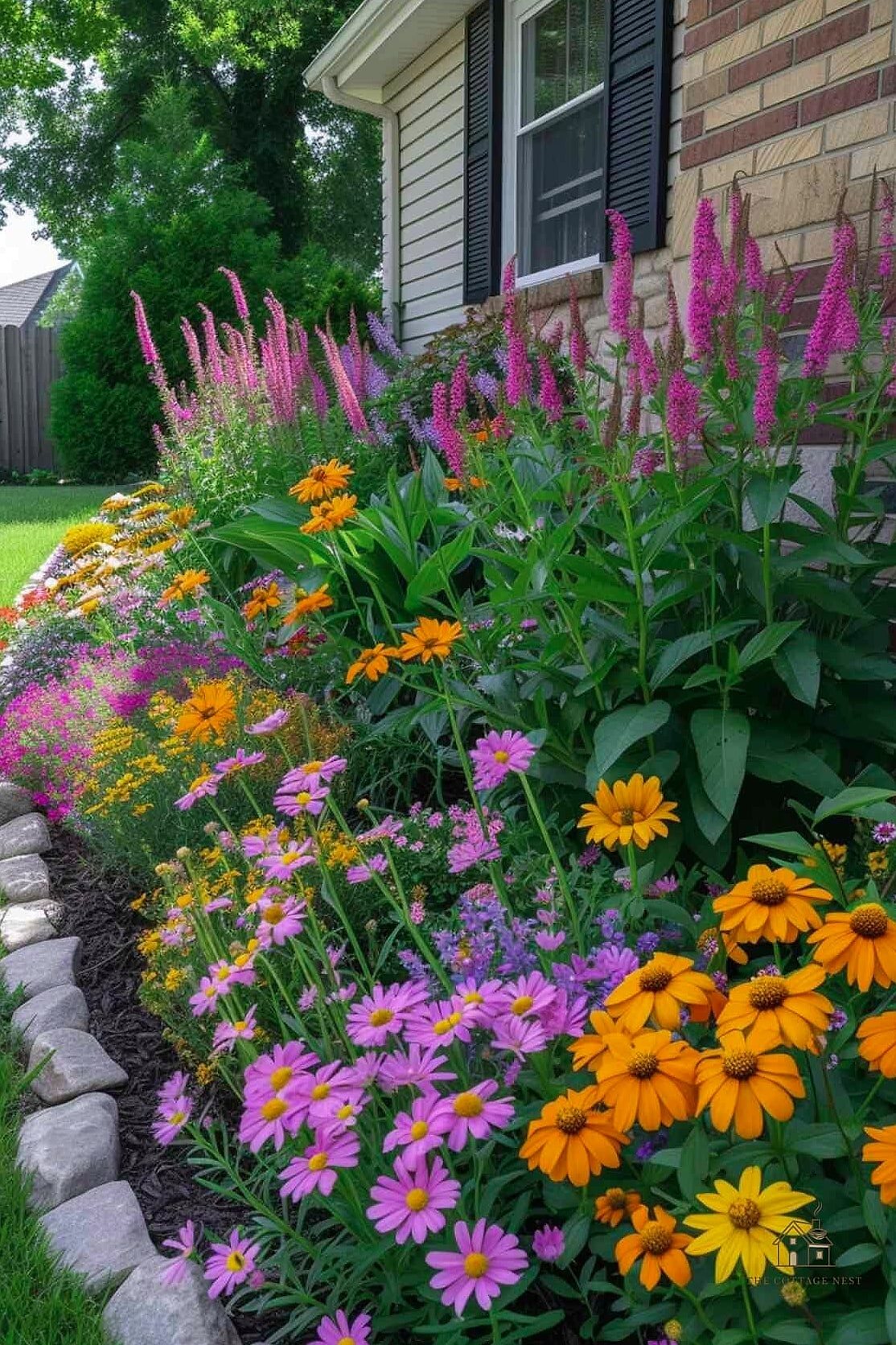
Mixing edible herbs like rosemary, thyme, and lavender with ornamental flowers gives you a bed that’s both pretty and useful. Rosemary especially holds its shape nicely as a low hedge.
This works great near a kitchen door where you can snip herbs on the way to cook. It’s a practical spin on the typical purely decorative corner bed.
Vertical Trellis Corner Garden
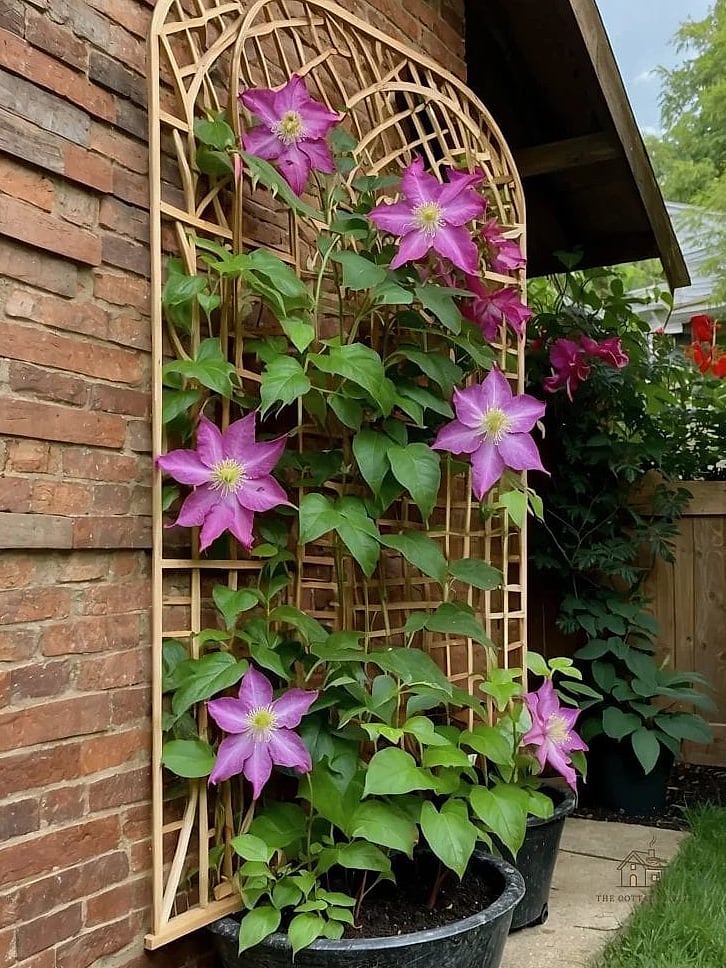
Add a trellis or obelisk in the back corner of the bed and let climbing plants like clematis or morning glories do the work of adding height. This is a smart trick when floor space is limited but you still want drama.
Vertical elements also help balance a corner that backs up against a tall fence or wall. It’s an affordable way to add architecture without hardscaping.
Corner Bed with Solar Lighting
Tucking small solar path lights along the edge of a corner bed turns it into a nighttime feature, not just a daytime one. Warm white lights work best for a cozy look, while cooler tones read more modern.
This is such an easy upgrade for very little money. It’s also genuinely useful if the corner sits near a walkway that gets dark after sunset.
Drought-Tolerant Xeriscape Corner
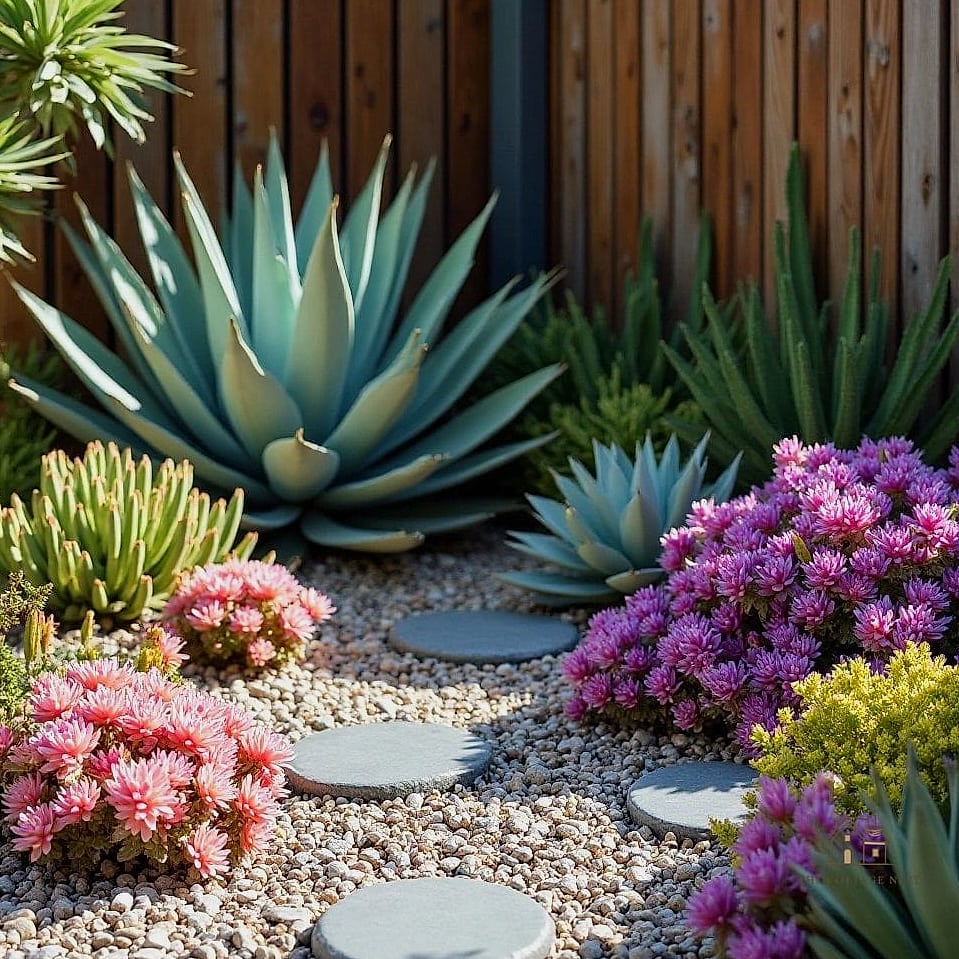
For anyone dealing with water restrictions or just tired of a high maintenance yard, a xeriscape corner using gravel, drought-hardy plants, and minimal grass is worth considering. Lavender, yarrow, and ornamental grasses all fit this style well.
This is a fantastic long-term option if you’re trying to cut down on yard work overall. It also tends to look tidy year-round with very little effort.
Corner Bed Framed by Low Hedging
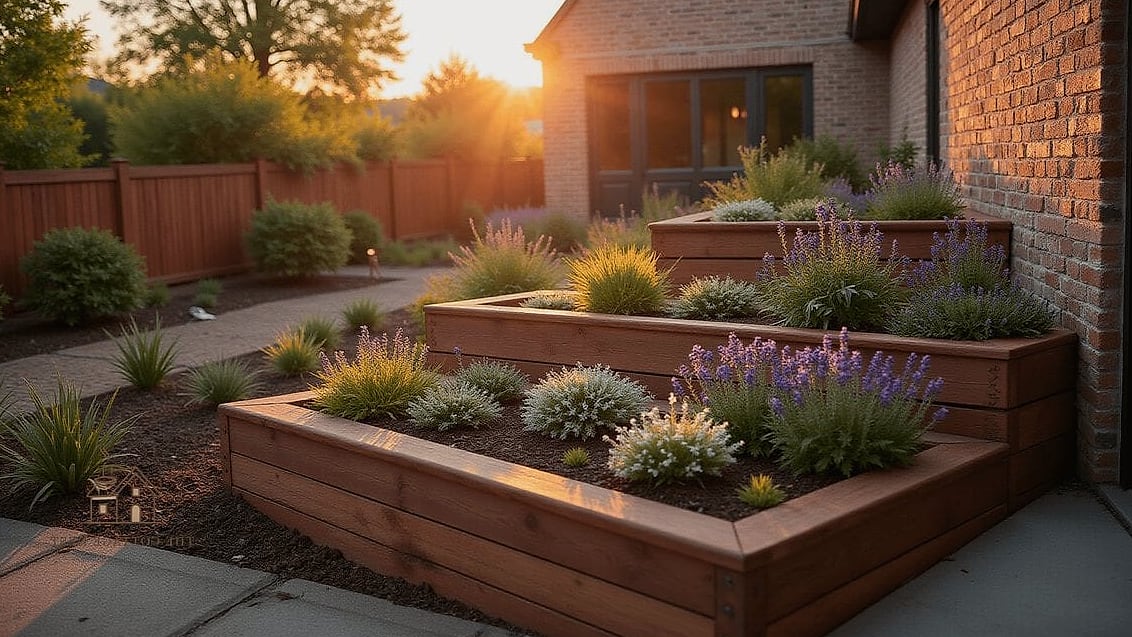
A low boxwood or dwarf holly hedge framing the outer edge of a corner bed gives everything inside it a neat, contained look. It’s especially useful if your planting style tends to get a little wild and overgrown.
This combo, structured edges with loose planting inside, is a designer favorite for a reason. It balances polish with personality.
Fragrant Corner Flower Bed
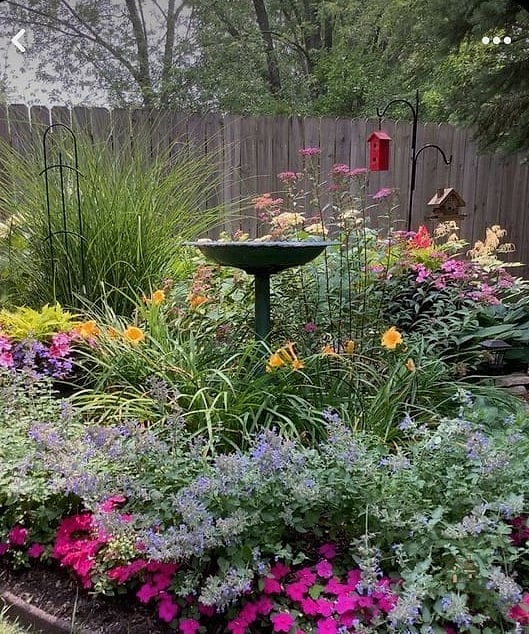
Plant a corner specifically for scent, think lavender, gardenias, sweet alyssum, and jasmine, near a spot where you’ll actually catch the fragrance, like a porch or open window. This is such an underrated way to design a garden.
Fragrant beds work especially well near seating areas or entryways. You’ll notice the difference every time you walk by.
Corner Bed with a Birdbath Centerpiece
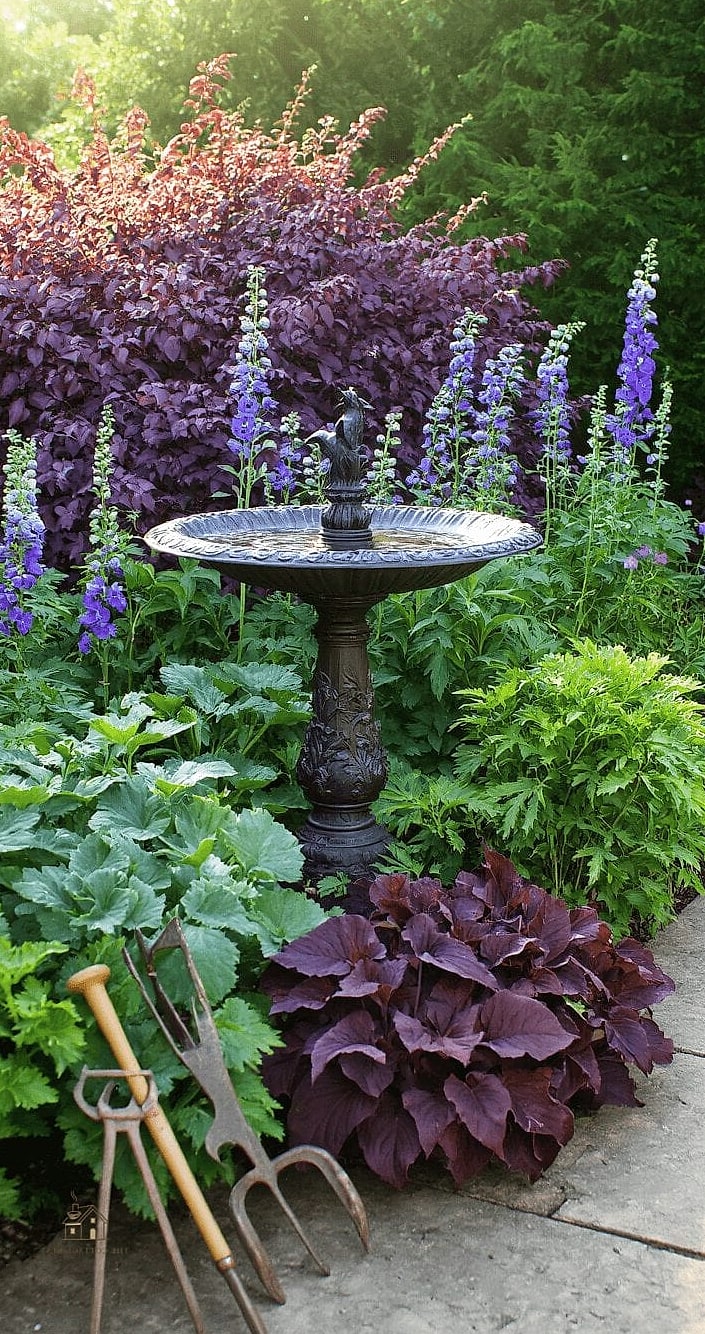
Placing a birdbath or small statue in the center of a corner bed gives your eye somewhere to land and adds a bit of charm. Surround it with low, spreading flowers so the feature stays visible.
This is an easy way to personalize a plain bed without much extra planting. Cottage and cabin-style homes especially benefit from this kind of touch.
Modern Minimalist Corner Bed
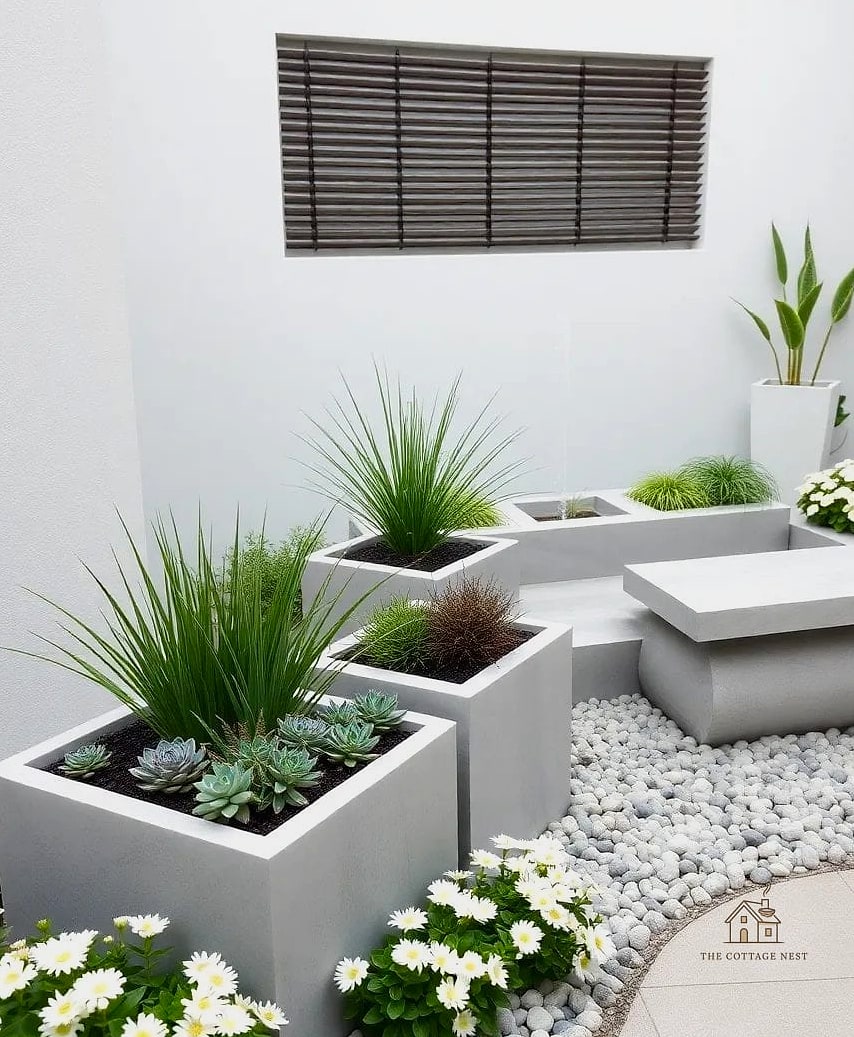
Not every corner needs to be packed with color. A minimalist bed using just one or two plant varieties, repeated in clean rows or clusters, feels intentional and modern.
Try a single type of ornamental grass or a mass planting of one flower color. This works especially well for contemporary homes with clean architectural lines.
Corner Bed with Mulch Color Contrast
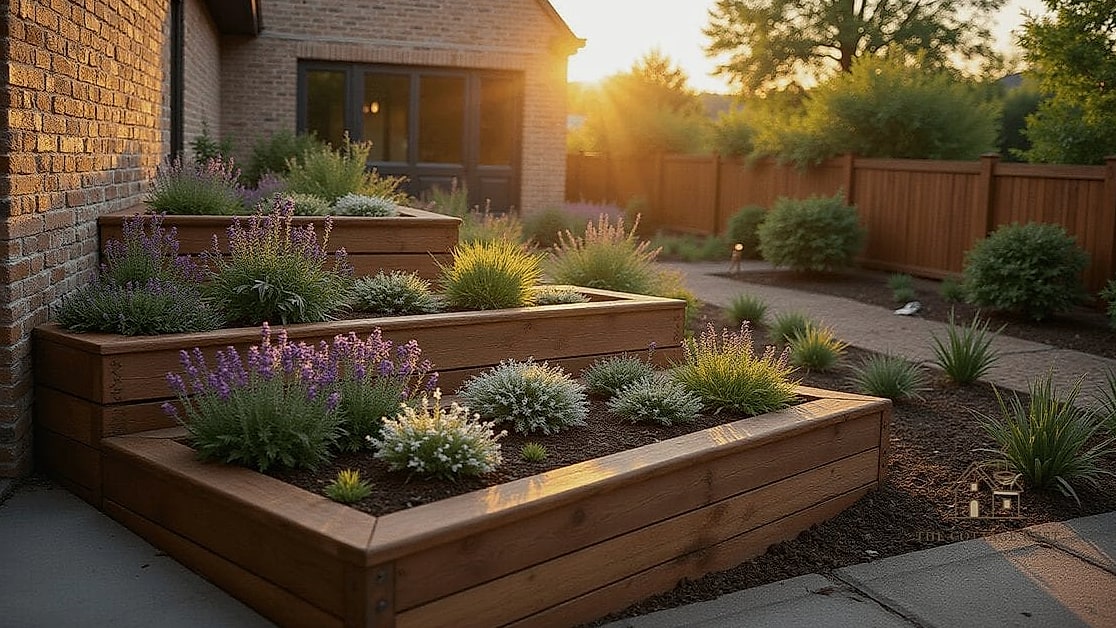
Choosing a dark mulch, like black or espresso brown, makes flower colors pop dramatically more than standard mulch does. It’s a small detail that makes a noticeable difference in photos and in person.
This is one of the cheapest upgrades on this entire list. Reapply once a year and the contrast stays sharp.
Corner Rose Garden
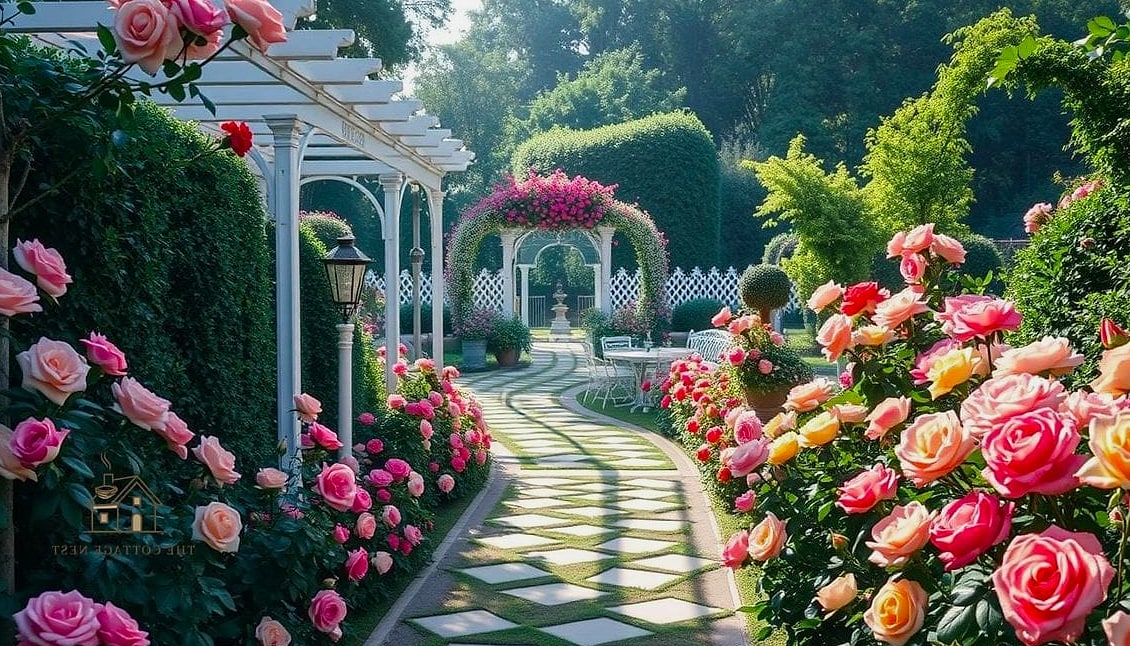
A dedicated rose bed in a sunny corner is a classic for a reason, even if roses have a reputation for being fussy. Modern disease-resistant varieties like Knock Out roses make this far more beginner-friendly than it used to be.
This look pairs beautifully with a white picket fence or brick backdrop. Plan on some regular pruning, but the payoff in bloom time is worth it.
Corner Bed with Mixed Container Plants
If you’re not ready to commit to permanent planting, arrange a cluster of large pots and planters in the corner instead. This gives you total flexibility to change things up seasonally.
This is a great renter-friendly option since nothing is planted directly in the ground. It also works well on corners with poor soil where digging isn’t practical.
Japanese-Inspired Corner Garden
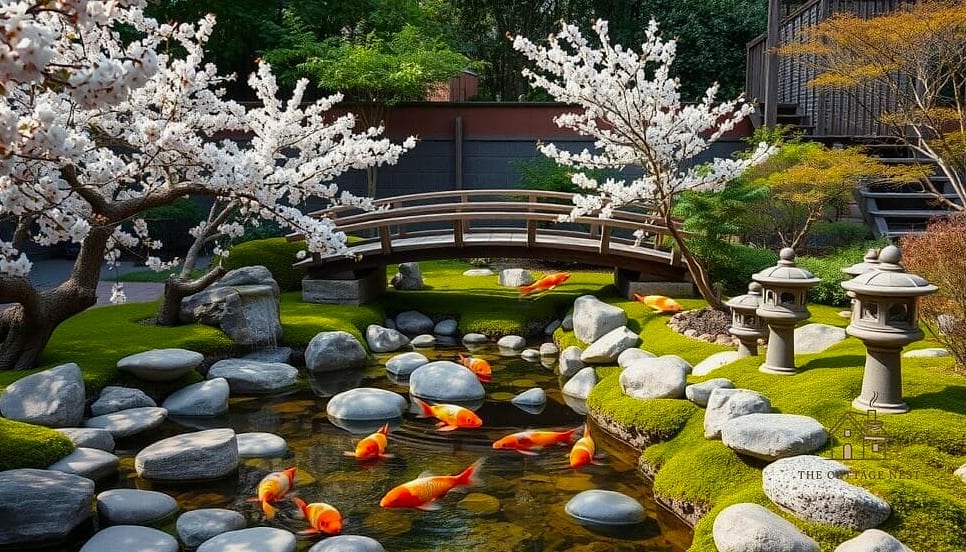
A corner garden built around Japanese maple, moss, smooth river stones, and a few carefully placed ferns creates a peaceful, meditative feel. Less is more here, resist the urge to overplant.
This style suits shaded or partially shaded corners particularly well. It’s a slower build but incredibly serene once mature.
Corner Bed with Repurposed Materials
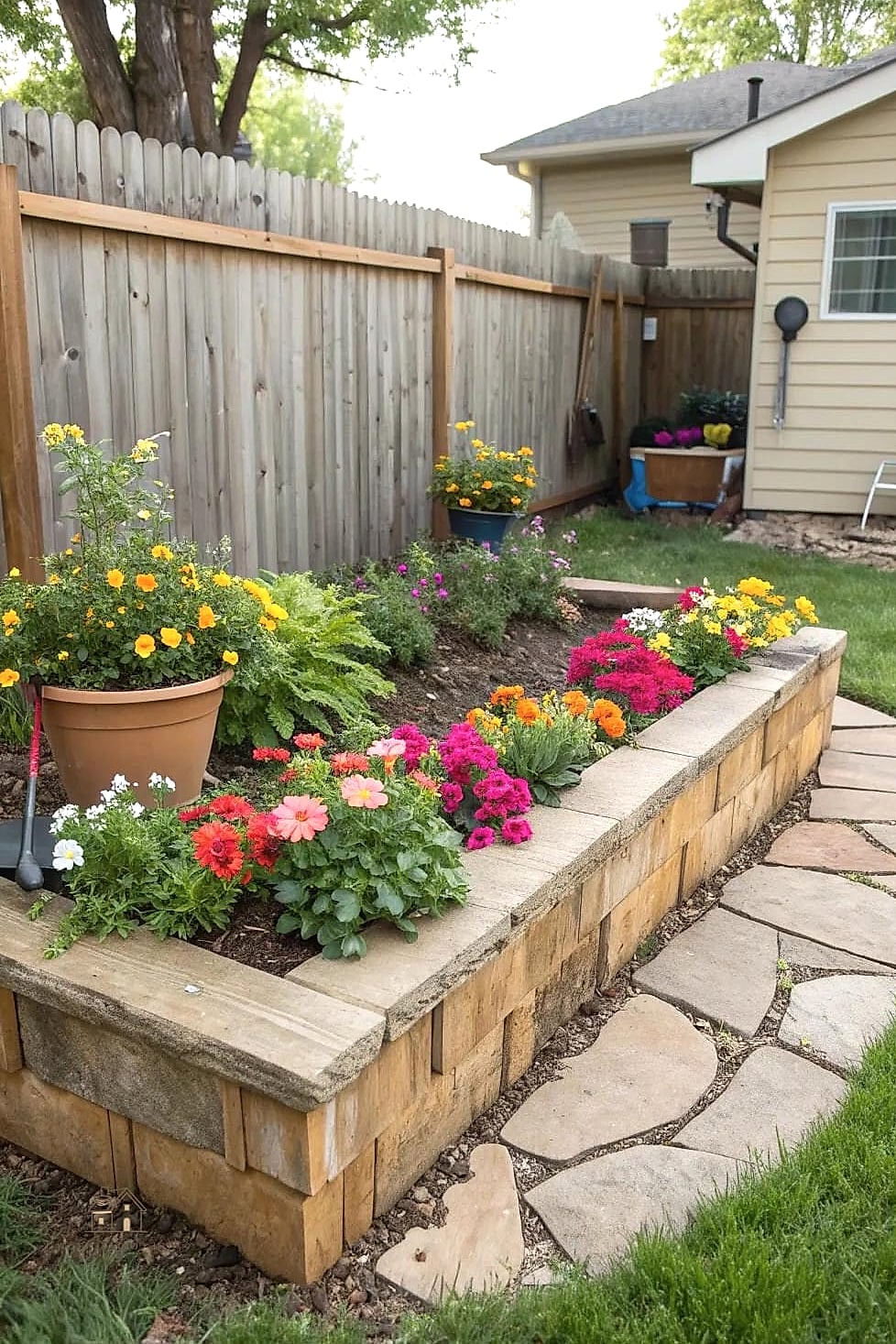
Old ladders, wheelbarrows, and even claw-foot bathtubs can become quirky planters when tucked into a corner bed. This is a fun, budget-conscious way to add character.
It works especially well for farmhouse or rustic-style properties. Just make sure whatever you repurpose has drainage holes drilled in.
Corner Bed Divided by a Garden Path
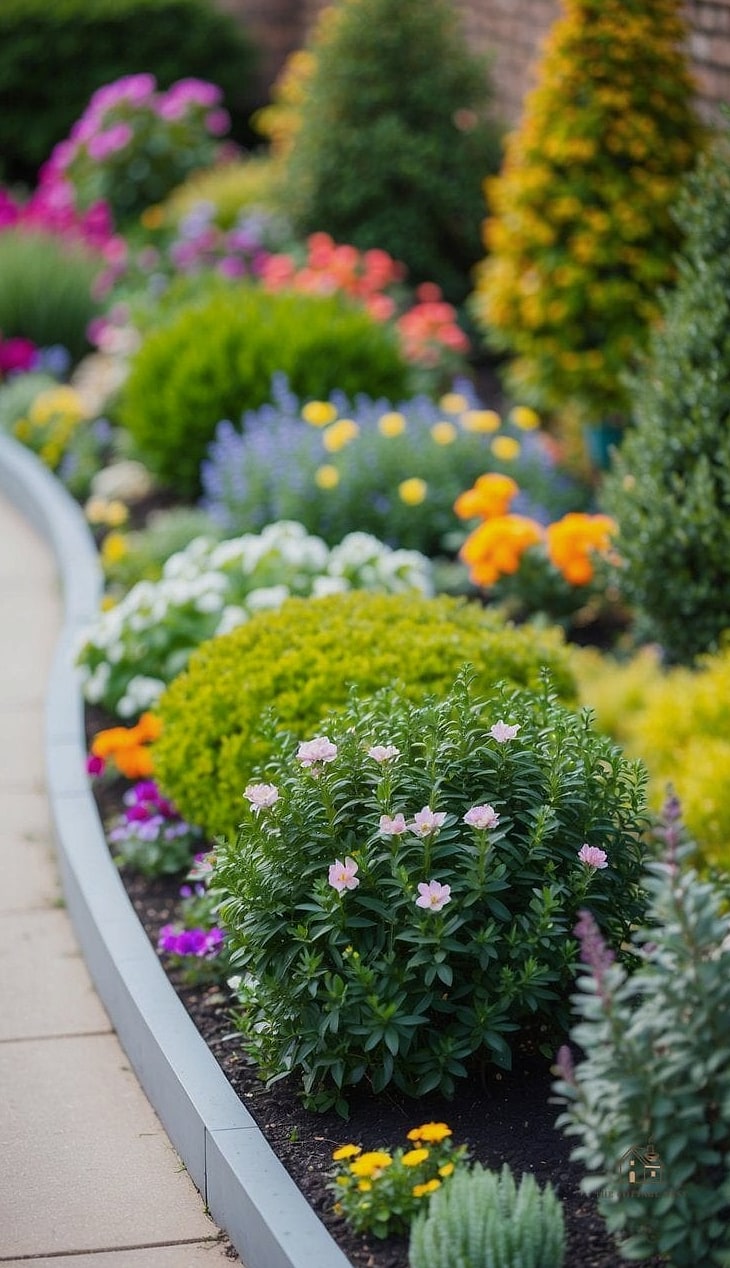
Running a small stepping stone path through a large corner bed breaks up the space and gives you easy access for weeding and maintenance. Flank the path with lower plants and let taller flowers grow further back.
This is especially useful for bigger corner areas that would otherwise be hard to reach into. It also just looks inviting, like the garden wants you to explore it.
Corner Bed with Ornamental Grasses Only
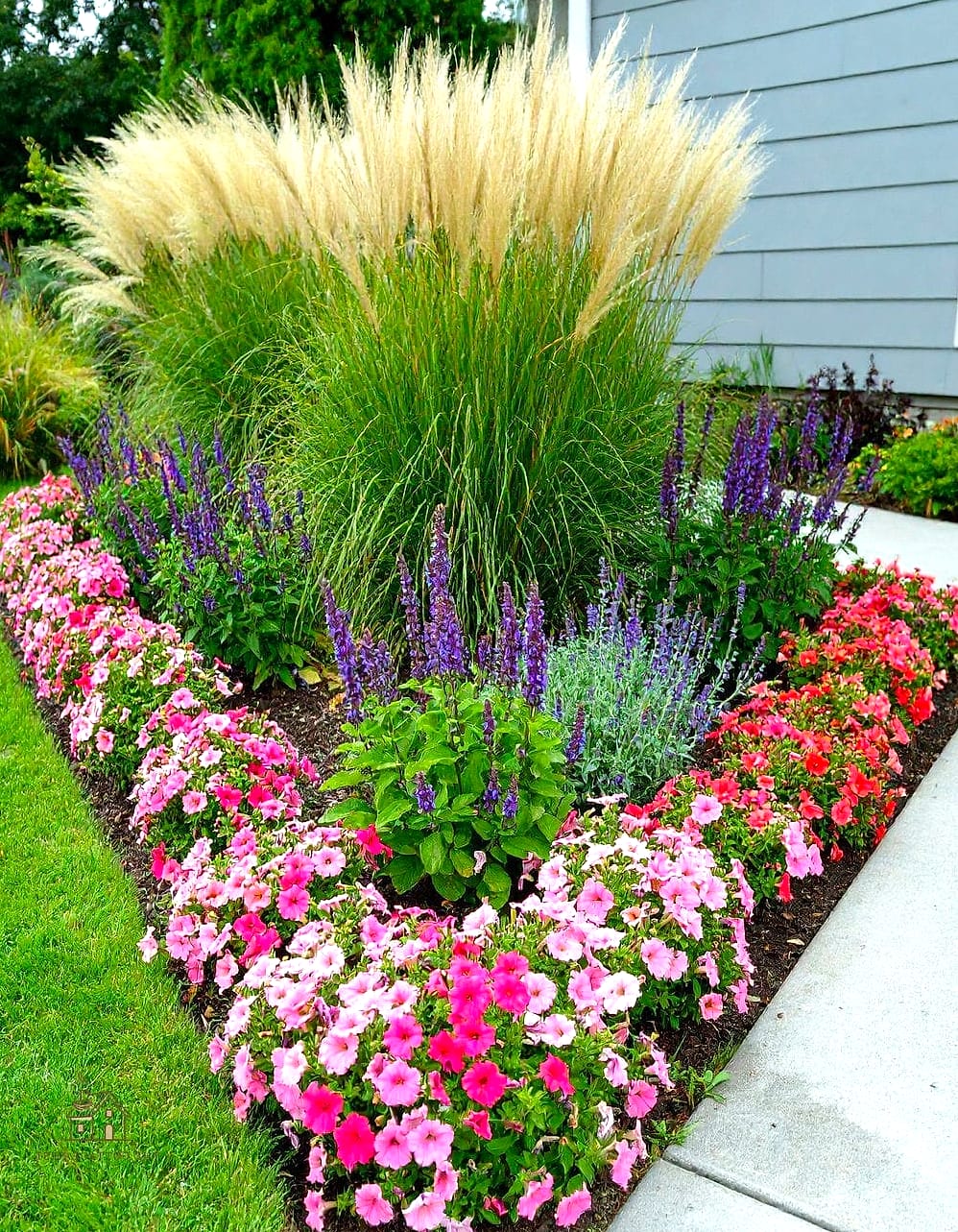
Skipping flowers entirely and planting a corner with just varied ornamental grasses gives you a textured, low-maintenance look that still feels intentional. Mix heights and colors, blue fescue with switchgrass, for example.
This is one of the easiest beds to maintain since grasses need very little babying. It also provides great winter interest when flowering plants have gone dormant.
Corner Bed with Seasonal Bulb Layers
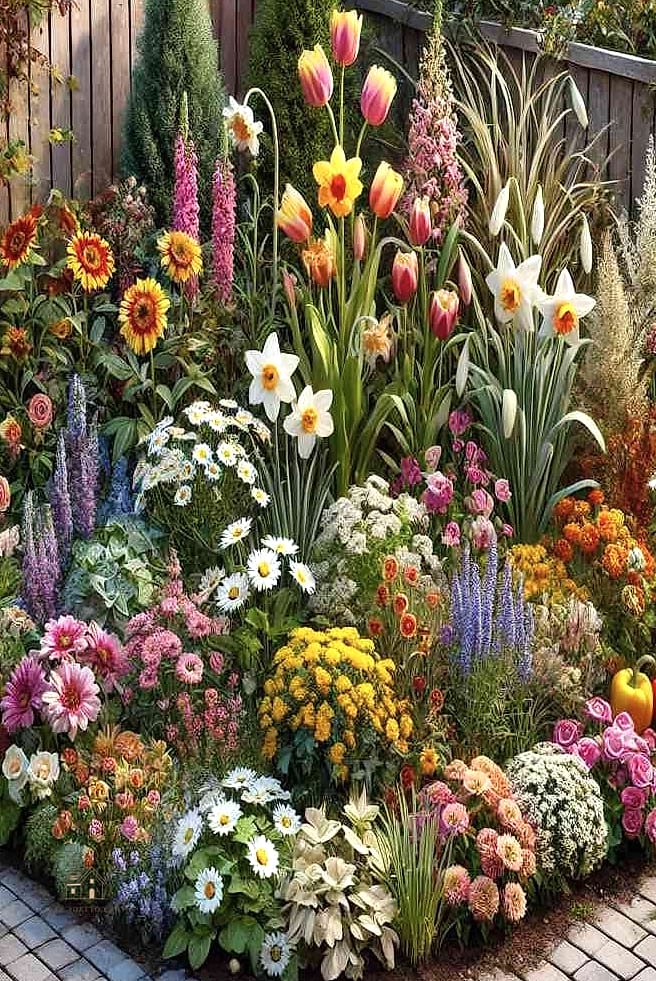
Planting bulbs in layers, tulips and daffodils for spring, followed by summer bloomers planted between them, keeps a corner bed interesting for months at a stretch. This takes a bit of planning but the payoff is a bed that never looks the same twice.
This approach works in any climate that gets a proper spring bulb season. It’s a favorite among gardeners who like a bit of seasonal surprise.
Corner Bed Framed by Brick Pavers
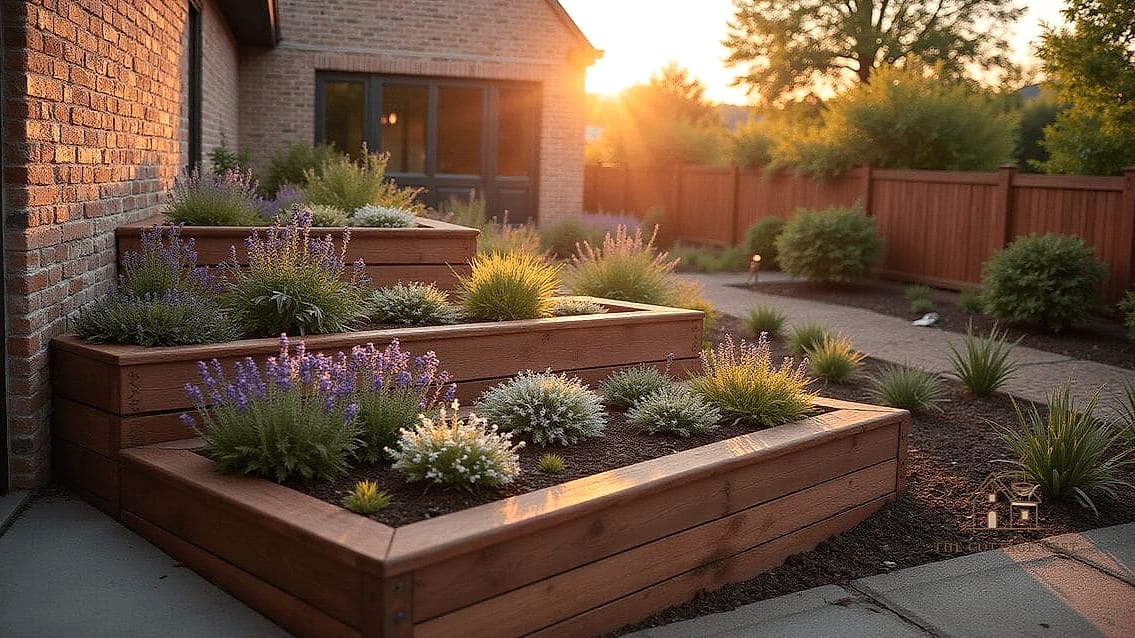
Laying a simple brick paver border in a herringbone pattern around a corner bed adds structure and a slightly formal touch. It also makes edge maintenance so much easier since there’s a hard line between lawn and bed.
This pairs nicely with traditional or Tudor-style homes. It’s a moderate DIY project but very achievable over a weekend.
Corner Bed with Native Plant Focus
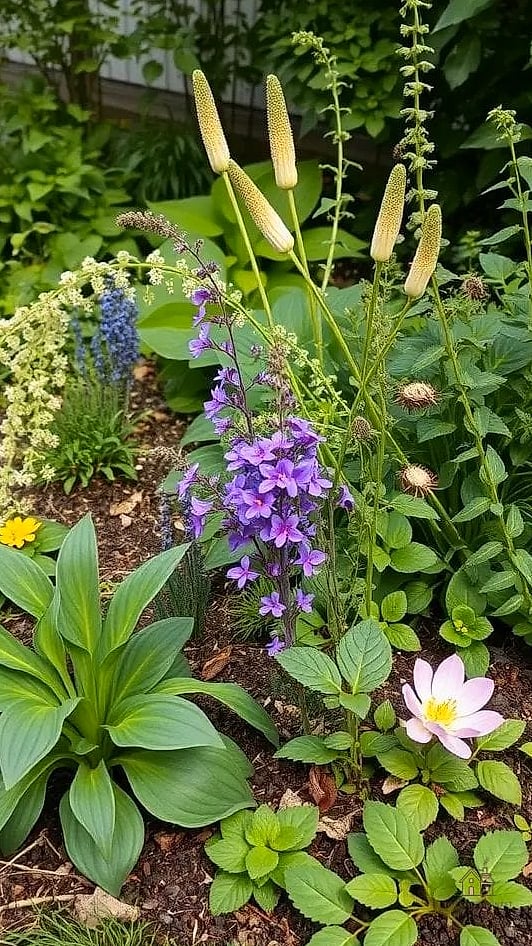
Filling a corner with plants native to your specific region means less watering, less fertilizing, and generally fewer headaches overall. Native plants have already adapted to your soil and climate, so they just perform better.
This is a great option if past attempts at that corner have failed. Check with a local nursery for species recommendations specific to your area.
Corner Bed with a Bench Nook
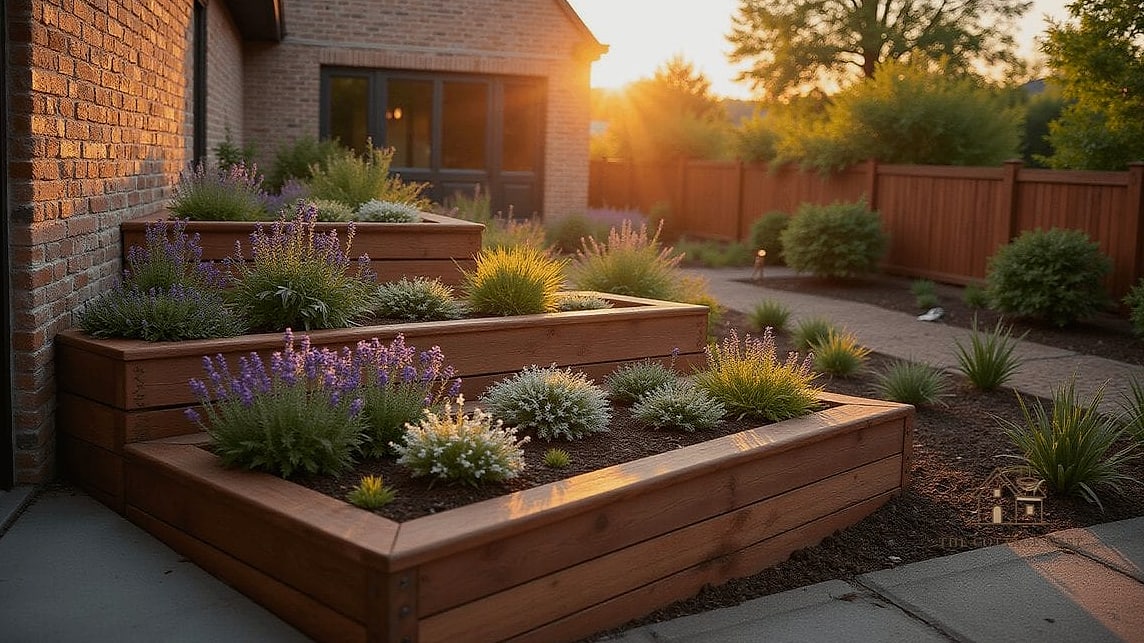
If the corner is big enough, tuck a small bench into it and build the flower bed around three sides. This turns a landscaping feature into an actual destination in your yard.
Fragrant plants work especially well here since you’ll be sitting close to them. This idea suits larger backyard corners more than tight front yard spaces.
Corner Bed with Color-Blocked Sections
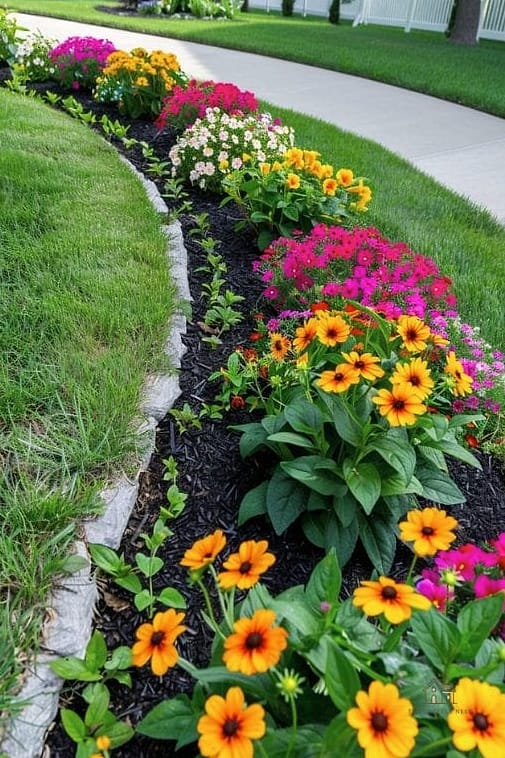
Instead of mixing colors throughout, plant the bed in distinct color blocks, all reds on one side transitioning to oranges and yellows on the other. This creates a bold, almost painterly effect.
This works particularly well with annuals since you can experiment with new color combinations each year. It’s a striking choice for a front yard that wants to make a statement.
Corner Bed Along a Privacy Fence
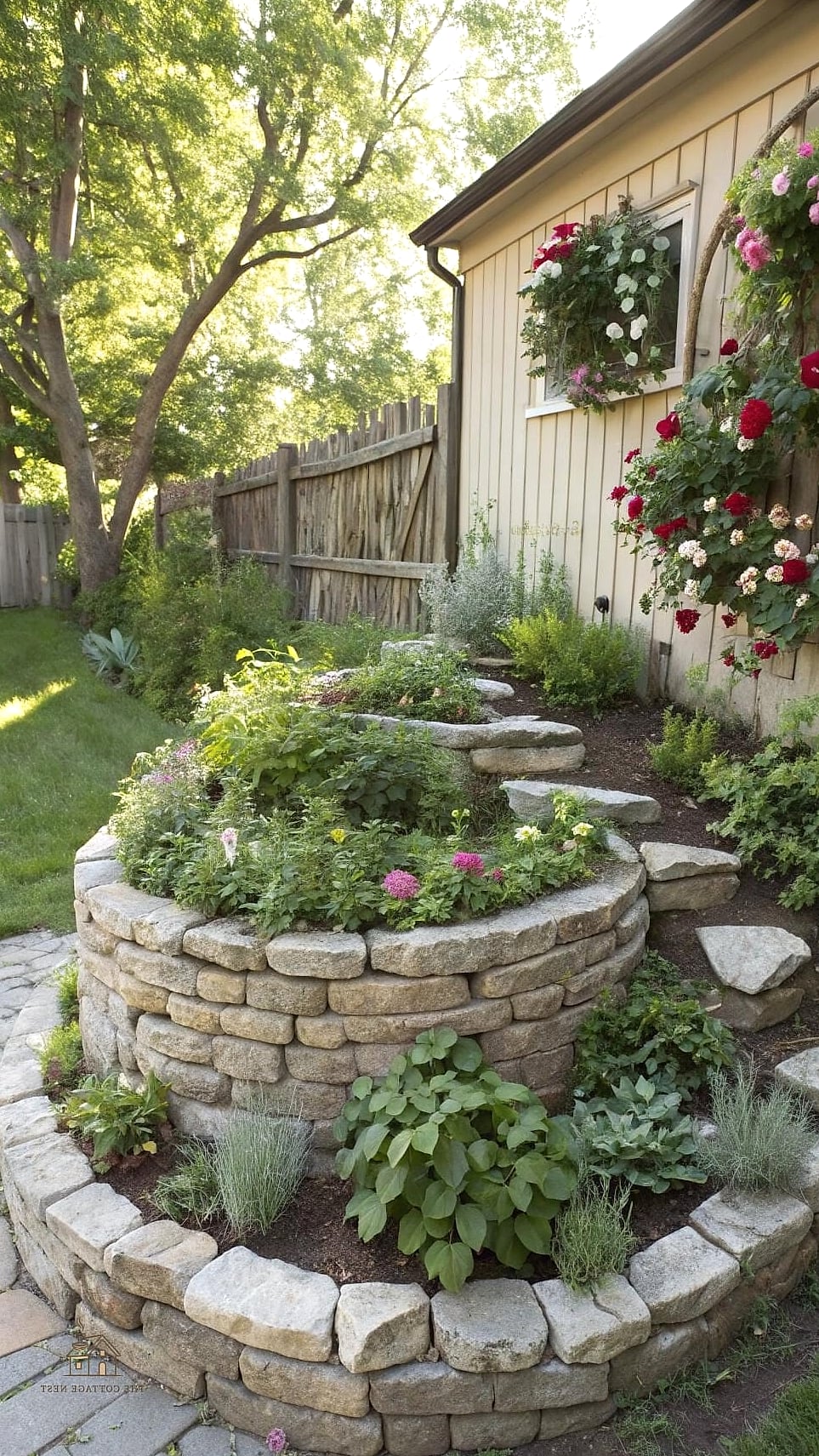
Softening the base of a tall privacy fence with layered plantings keeps that corner from feeling stark or overly utilitarian. Climbing vines on the fence itself paired with shrubs and flowers at the base create a cohesive green wall.
This is one of the most practical ideas here since privacy fences often get ignored in landscaping plans. It solves an aesthetic problem most people don’t even realize they have.
Corner Bed with a Dry Creek Bed Feature
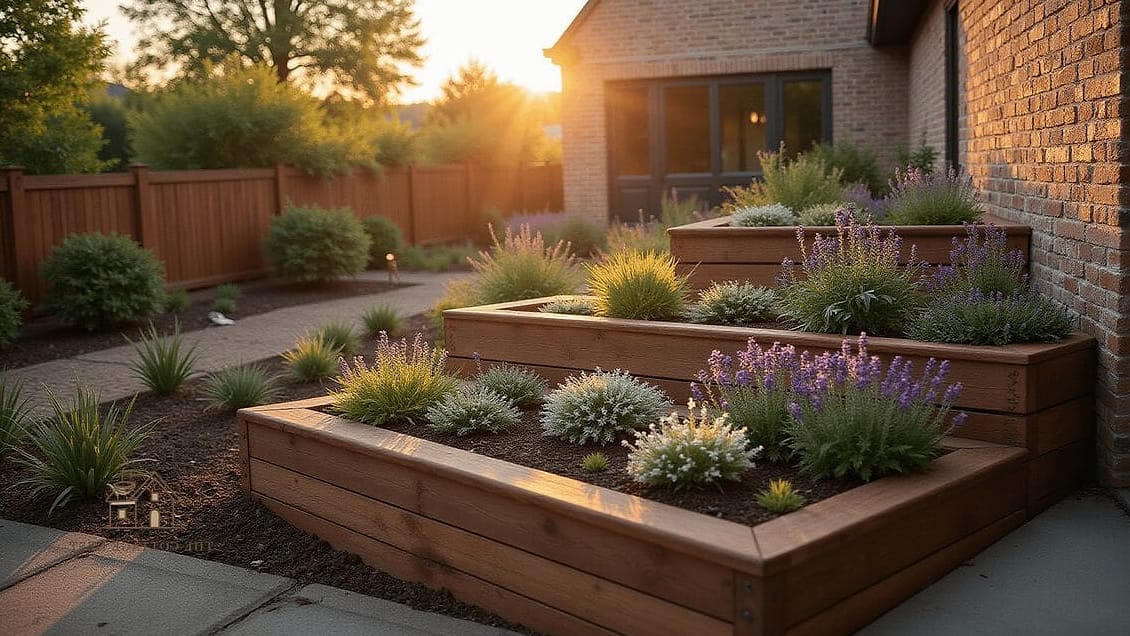
Running a dry creek bed, essentially a decorative channel of river rock, through a corner planting adds visual interest and can genuinely help with drainage after heavy rain. Plant moisture-loving flowers along the edges.
This is a smart pick for corners that tend to collect runoff. It looks intentional rather than like a drainage afterthought, which is the whole trick.
All-Perennial Low-Maintenance Corner Bed
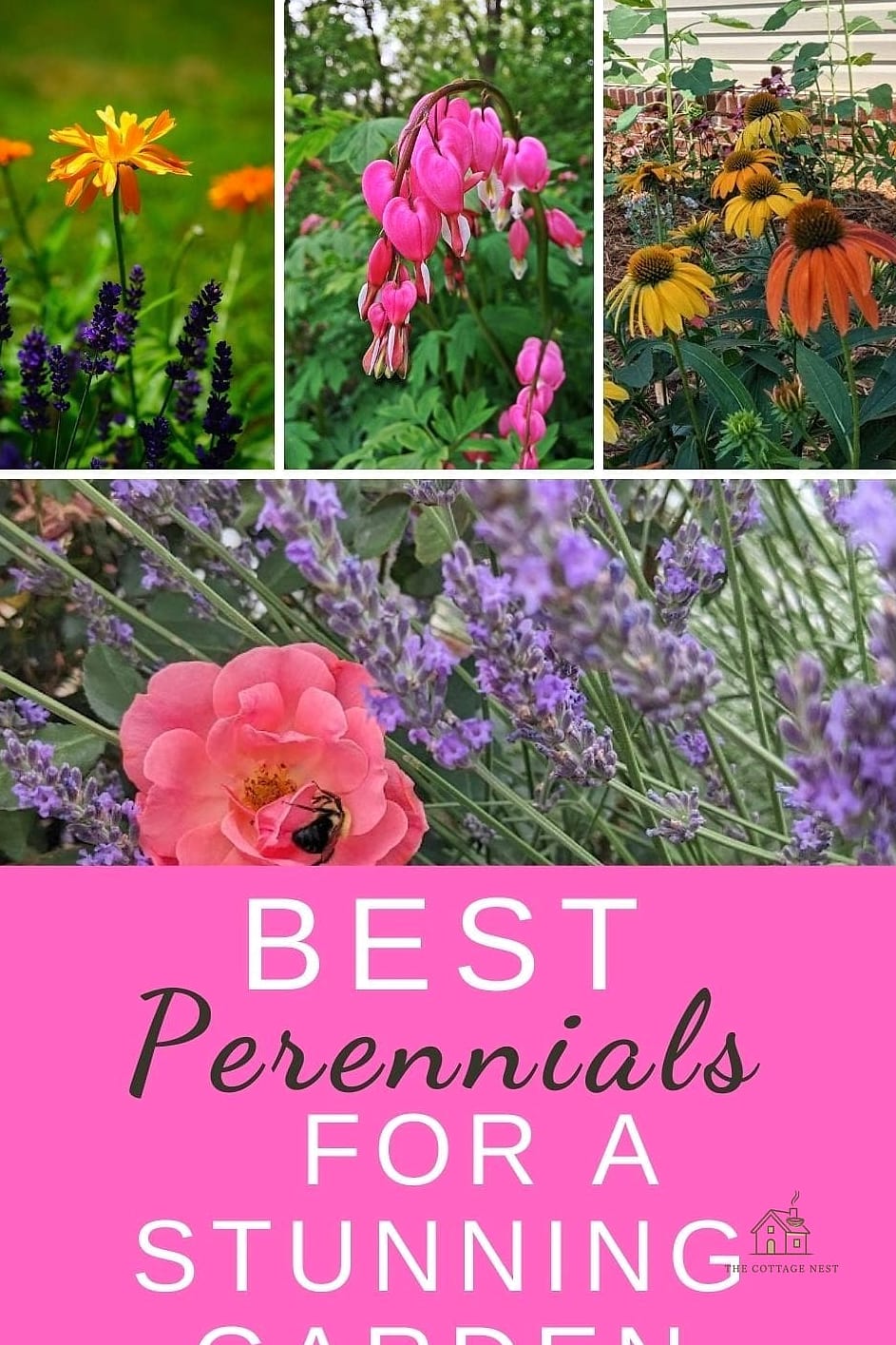
Sticking exclusively to perennials means you plant once and enjoy blooms for years without replanting annually. Coneflowers, daylilies, sedum, and salvia are all reliable, hardy choices.
This is ideal for anyone who wants a good-looking yard without a weekly time commitment. The upfront cost is higher than annuals, but it evens out over a couple of seasons.
Corner Bed with a Mailbox Garden Extension
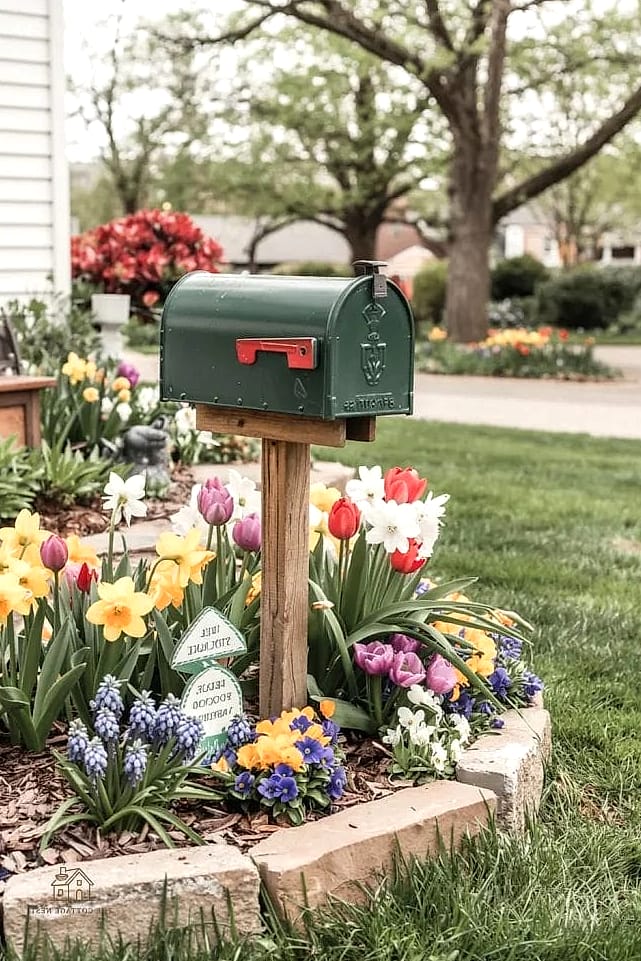
If your corner happens to sit near the mailbox, extend the flower bed to wrap around its base too. Low, tough plants like sedum or dianthus handle the extra foot traffic and mower proximity well.
This is such a simple way to make a mundane part of the yard feel cared for. It’s also a small enough project to knock out in an afternoon.
Tropical-Style Corner Bed
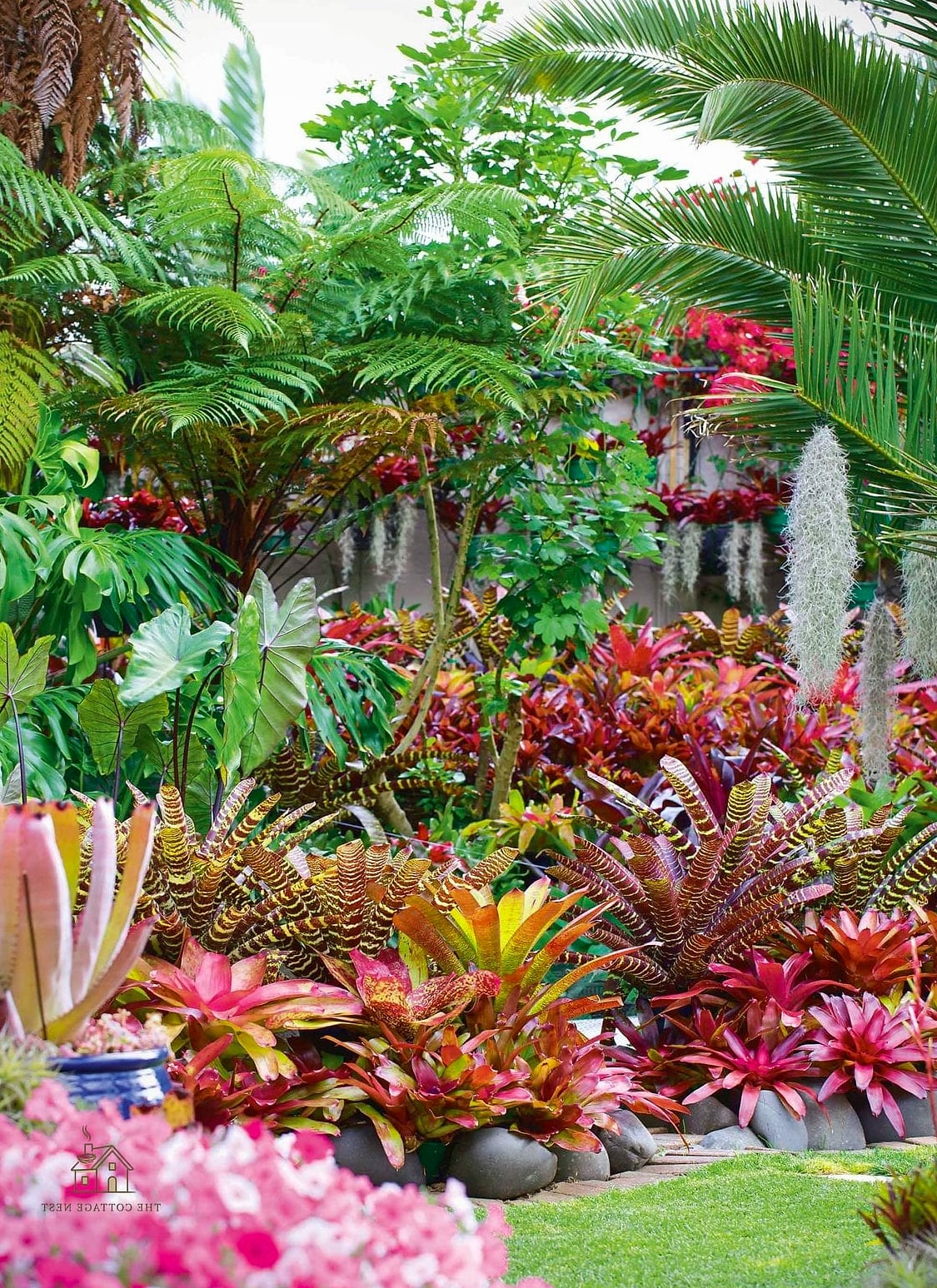
For warmer climates, a corner planted with canna lilies, elephant ears, and hibiscus creates a lush, vacation-like feel. Big, bold leaves make even a small space feel dramatic.
This style needs more water and care than most others on this list, so it’s better suited to gardeners who enjoy the hands-on process. The visual payoff, though, is hard to beat.
Corner Bed with Vintage Garden Decor
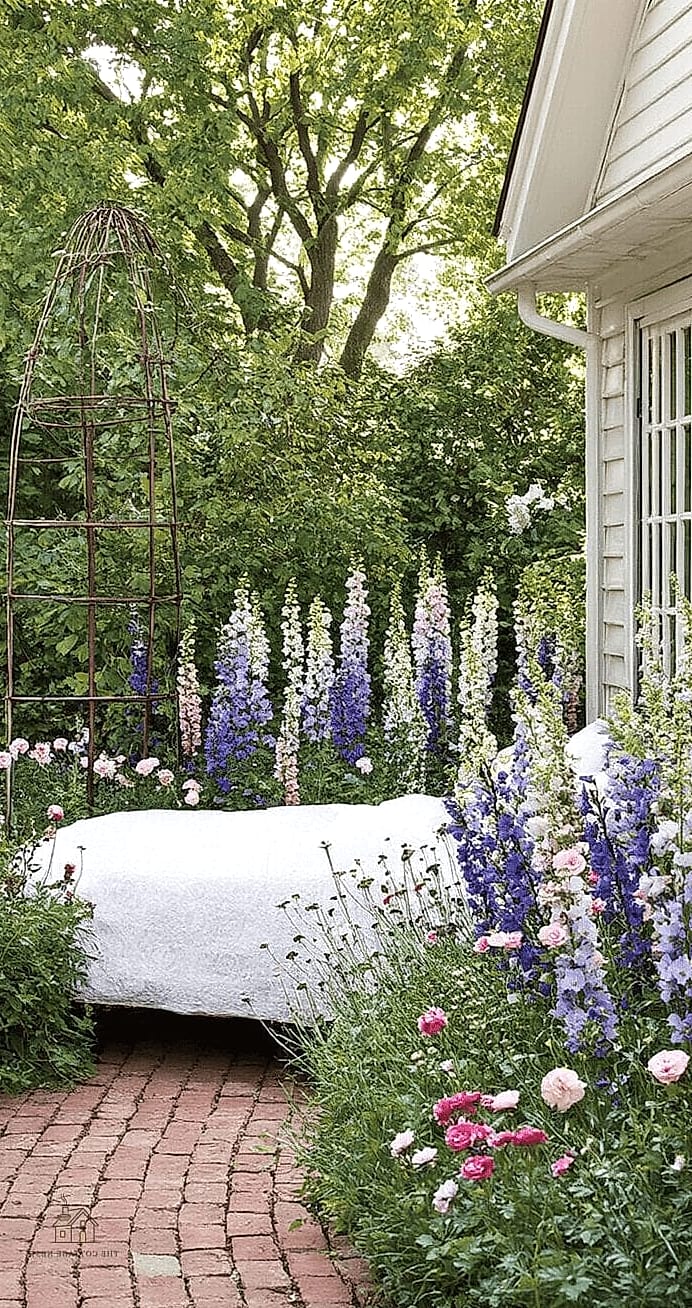
Adding a weathered urn, an old iron gate leaned against the fence, or a rusted watering can as decor gives a corner bed instant character and history, even in a newer yard. Let plants grow up and around these pieces naturally.
This is a favorite among people drawn to farmhouse or eclectic styles. Thrift stores and estate sales are goldmines for this kind of find.
Corner Bed Designed for Cut Flowers
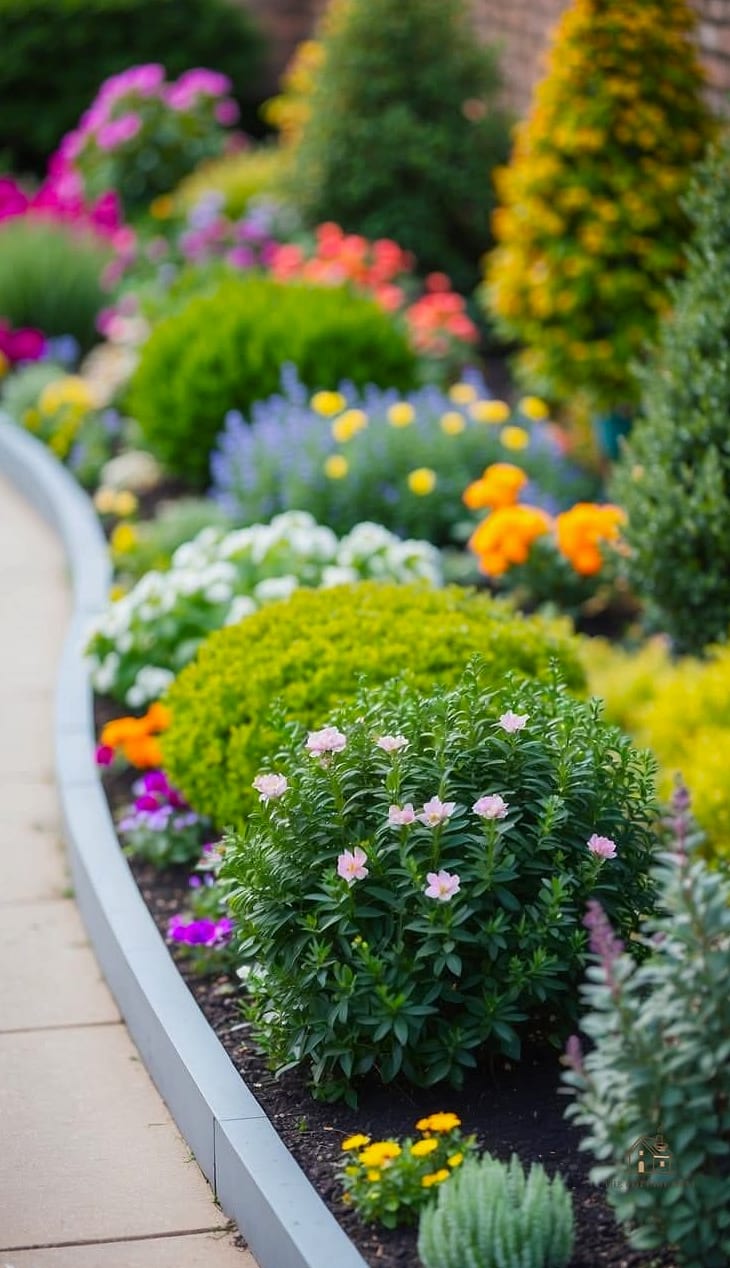
Plant a corner specifically with cutting garden favorites, zinnias, dahlias, cosmos, and snapdragons, so you always have fresh blooms for the table. Cutting flowers regularly actually encourages more blooming too.
This is a genuinely fun project if you enjoy having fresh arrangements around the house. It’s productive in a way that purely ornamental beds aren’t.
Corner Bed with a Curved Gravel Path
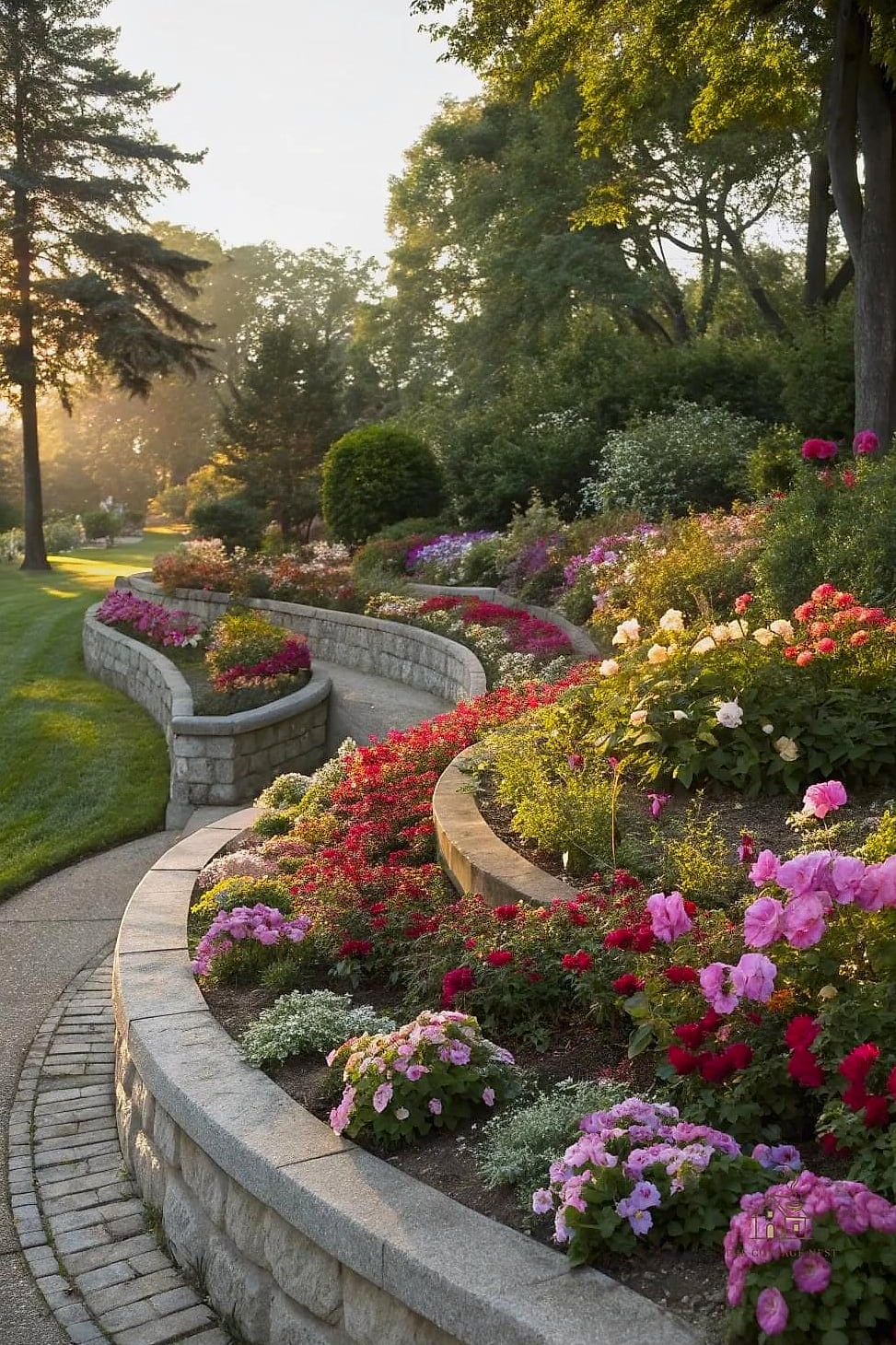
A winding gravel path cutting through a large corner bed adds a sense of journey and makes the space feel bigger than it is. Border the path with low-growing plants that won’t obscure the walkway.
This works particularly well in larger yards where a straight line would look too rigid. Gravel is also relatively affordable and easy to install yourself.
Corner Bed with Layered Mulch and Stone
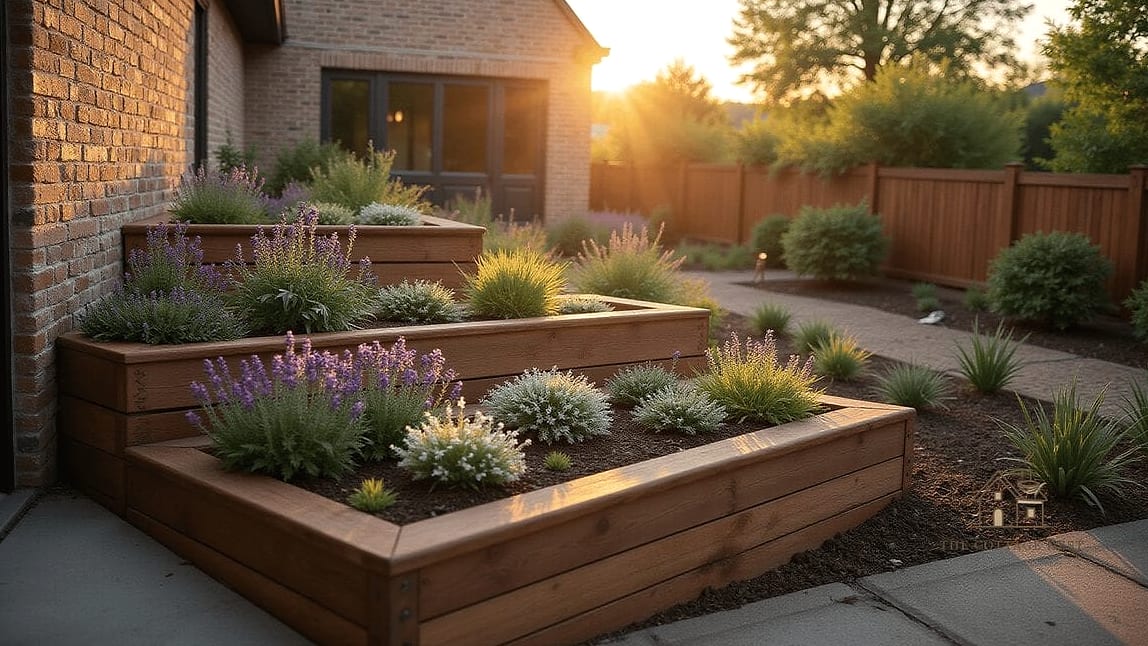
Combining mulch in the planting areas with a stone border and accent rocks scattered throughout gives texture variety that pure mulch beds lack. It’s a small detail, but it makes the whole bed read as more designed.
This is an easy add-on to an existing bed rather than a whole new project. Even a bag or two of decorative stone can shift the whole look.
Corner Bed with Espaliered Shrubs
Espalier, training a shrub or small tree to grow flat against a fence or wall, is a striking, space-saving technique for tight corners. Apple trees and pyracantha are common choices for this method.
This is a more advanced technique that takes patience and regular pruning. But for the right corner, especially a narrow one, it’s genuinely showstopping.
All-Annual Rainbow Corner Bed

Going all-in on annuals like petunias, marigolds, and zinnias lets you create a full rainbow effect that most perennials simply can’t match in a single season. It also means you can completely reinvent the look every single year.
This is a great option for renters or anyone who likes to switch things up regularly. Just budget for replanting each spring since annuals don’t come back on their own.
Whichever direction you go with your own corner, the real secret is just committing to a plan instead of letting the space collect weeds by default. Even a small, simple bed makes a noticeable difference once it’s filled in. Pick whichever idea matches your yard’s light, soil, and your own patience for upkeep, and go from there.